On the Pest embankment at Belgrád rakpart 13 to 15, Toscana brings an Italian regional focus to a Budapest dining scene increasingly shaped by Michelin-recognised modern Hungarian cooking. The address places it within easy reach of the Inner City's restaurant corridor, where the competition runs from Borkonyha Winekitchen's wine-driven plates to the tasting menus at Costes and Stand. For visitors oriented toward Italian rather than Magyar cuisine, it occupies a distinct niche in that company.
Pearl is the En Primeur Club membership app — saves, bookings, and concierge access live there. Same editors, same standards.
- Address
- Budapest, Belgrád rkp. 13 - 15, 1056 Hungary
- Phone
- +3613270045
- Website
- toscana.hu
- Directions
- Get directions
 Saves & bookings on Pearl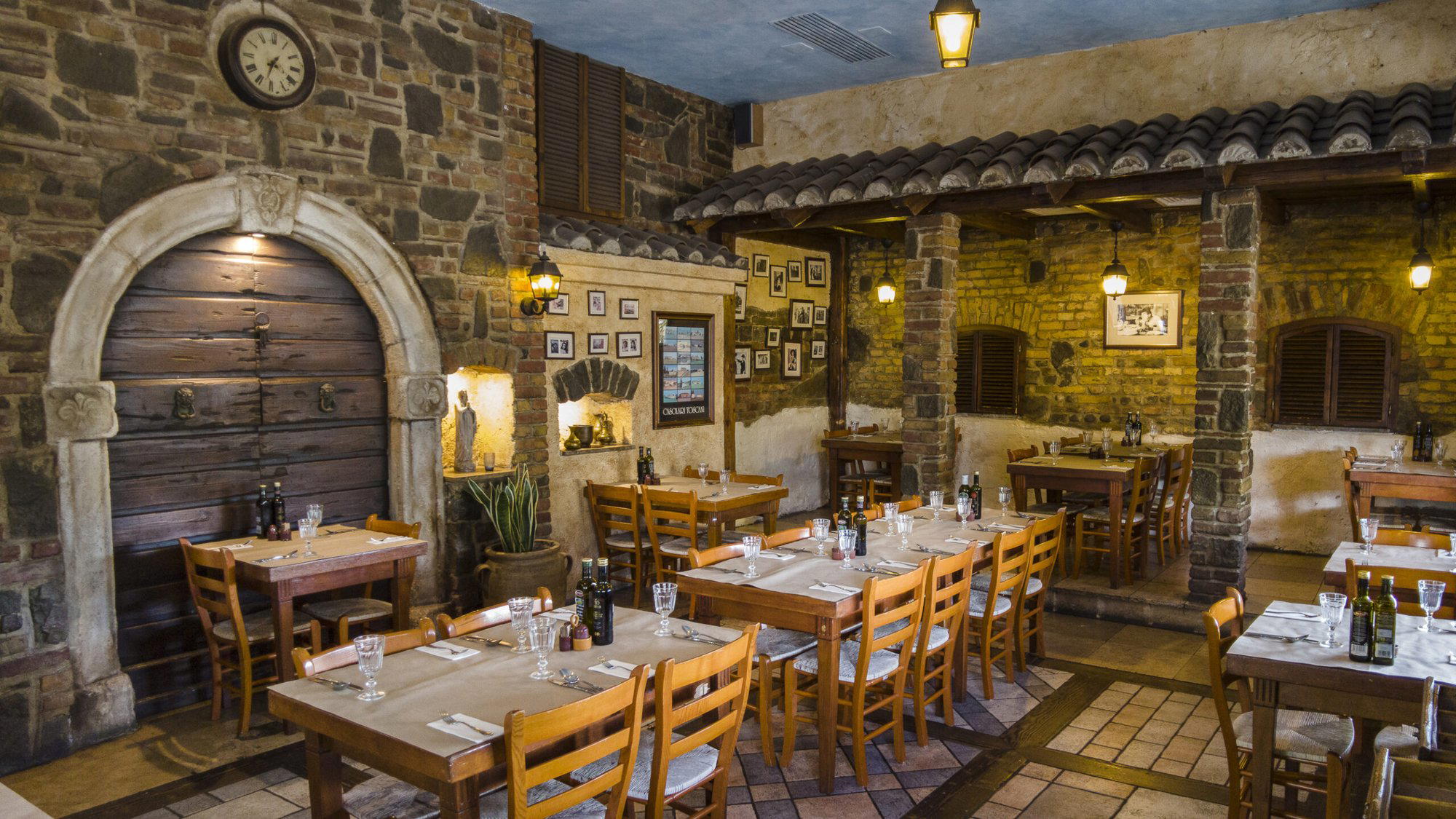
The Embankment Table: Italian Cooking on the Danube's Pest Shore
Budapest's dining identity has consolidated around a particular narrative in the past decade: modern Hungarian cuisine, Michelin validation, tasting menus that reimagine the paprika-and-pork canon through French technique. That story is well told at addresses like Costes (€€€€ · Modern Cuisine) and Stand (€€€€ · Modern Cuisine). Toscana, positioned on the Pest bank of the Danube at Belgrád rakpart 13 to 15, operates outside that dominant frame. It imports a regional Italian reference point into a city where the serious dining conversation is almost entirely domestic. That positioning alone is worth noting.
The address matters in physical terms too. Belgrád rakpart runs along the Danube between the Elizabeth Bridge and the Chain Bridge, a stretch of embankment that draws as much from the river's visual weight as from any particular neighbourhood character. The Inner City sits immediately behind it. Arriving from the water side, the orientation is toward Budapest's most-photographed panorama; arriving from Váci utca, you pass through the commercial centre of Pest before the embankment opens up. Both approaches deposit you at a restaurant that signals something different from the Hungarian-inflected menus a few hundred metres in either direction.
What the Menu Structure Reveals
The name Toscana declares a regional allegiance rather than a generic Italian one, and that specificity is editorially significant. Tuscan cooking is a cuisine of restraint and material quality: bistecca from Chianina cattle, white beans, Pecorino from Pienza, pici and pappardelle made from soft-wheat flour, olive oils from around Lucca or the Chianti hills. The cuisine does not rely on complexity of technique to justify its prices; it relies on sourcing, on the integrity of the raw material, and on a certain confidence that simplicity is not the same thing as poverty of ambition.
In a Budapest market where the Michelin-recognised tier has moved decisively toward elaborate plating and multi-course architectures, a menu organised around Tuscan regional logic reads as a counterargument. The contrast is clearest when you set it against what Babel (€€€€ · Modern Cuisine) or essência (€€€€ · Modern Cuisine) are doing with Hungarian ingredients and contemporary European technique. Those menus are structured as arguments, each course building a case for the chef's point of view. A Tuscan menu, properly executed, refuses that architecture in favour of something closer to a statement of faith in the ingredient itself.
This distinction shapes what you should expect at the table. If you arrive looking for the progression and invention that define Budapest's leading modern Hungarian addresses, you will find a different set of pleasures here. The Italian regional kitchen, at its most serious, asks you to assess quality rather than creativity. That is not a lesser ask, it is simply a different one.
Reading Toscana Against the Budapest Tier Structure
Budapest's restaurant tiers have clarified considerably since Costes received the country's first Michelin star in 2010. The upper bracket now includes multiple starred addresses and a broader cohort of ambitious restaurants at the €€€–€€€€ range that include Borkonyha Winekitchen (€€€ · Modern Cuisine), which combines Hungarian wine depth with modern cooking and holds its own Michelin recognition. Below that sits a mid-market that has improved substantially, with places like Stand25 Bisztró offering serious cooking at €€ price points.
What can be said is that Italian fine dining in Central European capitals tends to occupy a price band that reflects the import costs of Italian DOP and IGP products, Tuscan olive oil, aged Pecorino, particular pasta flours, alongside the labour involved in handmade pasta production. That cost structure generally pushes serious Italian restaurants toward the €€€ range at minimum, and the Belgrád rakpart address, with its embankment positioning, would align with that expectation rather than against it.
For a broader sense of the regional Hungarian dining context beyond Budapest, the EP Club catalogue includes destinations such as Platán Gourmet in Tata, Pajta in Őriszentpéter, and Aranysárkány Vendéglő in Szentendre, all of which reflect the Hungarian cooking tradition that Toscana explicitly steps outside of.
Italian Cooking in a Hungarian City: The Broader Pattern
Budapest's relationship with Italian cuisine follows a pattern familiar across Central European capitals. Italian restaurants arrived early in the post-1989 liberalisation period, often occupying a middle-market niche that prioritised accessibility over regional precision. The better establishments that have survived that initial wave tend to have sharpened their identity, moving from generic trattoria formats toward specific regional references, investing in Italian wine lists, and sourcing more carefully from Italian producers.
The Tuscan frame, in particular, carries weight with an international dining audience that has visited Florence, the Chianti zone, or the Maremma coast and has a reference point for what the cuisine should taste and feel like. That audience is present in Budapest year-round, with the city's tourism infrastructure particularly dense in the summer months and over the Christmas market period. A well-positioned Italian restaurant on a major embankment benefits from that traffic while also serving a local clientele for whom Italian food represents a familiar alternative to the Hungarian fine-dining format.
For comparison across global Italian fine dining at its most ambitious, the EP Club also covers Le Bernardin in New York City and Atomix in New York City, both operating in a market where the leading bracket is defined by a different level of competitive density than Budapest. The contrast is instructive: it clarifies what Budapest's restaurant scene asks of its operators and what a regional Italian reference point means in a city where French-technique-meets-Magyar-ingredient is the dominant critical language.
For a complete orientation to Budapest's dining options across price points and styles, the EP Club full Budapest restaurants guide provides the wider context. Regional options further afield include BoriMami in Gyöngyös, Forst-Ház Étterem és Kávézó in Eger, Halasi Pince Panzió in Villány, Classic Grill Serbian Restaurant Underground in Szeged, Astro Tea & Kávéház in Gyor, La Pizza Del Lupo in Onga, and Almalomb in Hosszúhetény.
Know Before You Go
- Address: Belgrád rakpart 13 to 15, Budapest 1056, Hungary
- Area: Pest embankment, Inner City district, between Elizabeth Bridge and Chain Bridge
- Cuisine reference: Italian, with a Tuscan regional orientation implied by the name
- Price expectation: Around $25 per person
- Booking: Recommended
- Getting there: Walkable from Ferenciek tere metro station (M3 line); tram lines 2 and 2A run along the embankment
Comparison Snapshot
Comparable venues nearby, for context on price, style, and recognition.
| Venue | Cuisine | Price | Notes |
|---|---|---|---|
| ToscanaThis venue — the venue you are viewing | Authentic Tuscan Trattoria | $$ | Not listed |
| Porcellino Grasso | Traditional Italian Pizza and Pasta | $$ | Buda |
| Jamie's Italian Budapest | Italian Classics & Artisan Pizza | $$ | Varhegy |
| Alessio | Traditional Tuscan Italian | $$ | Viranyos |
| Rudas Bistro | Modern Hungarian Bistro | $$ | Gellerthegy |
| Macesz Bistro | Jewish-Hungarian Fusion Bistro | $$ | Belvaros |
Continue exploring
More in Budapest
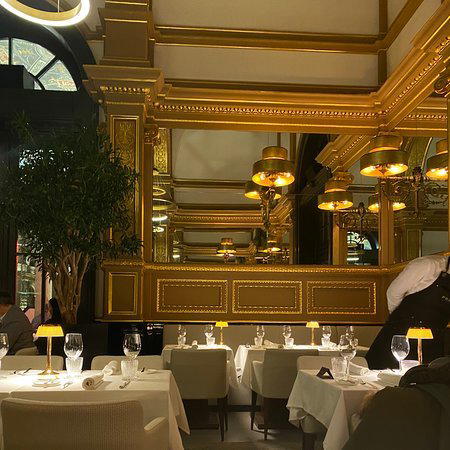
Restaurants in Budapest
Browse all →
Bars in Budapest
Browse all →
Hotels in Budapest
Browse all →

At a Glance
- Cozy
- Rustic
- Classic
- Elegant
- Date Night
- Special Occasion
- Historic Building
- Extensive Wine List
- Local Sourcing
Current opening hours
- Monday
- 12–11 PM
- Tuesday
- 12–11 PM
- Wednesday
- 12–11 PM
- Thursday
- 12 PM–12 AM
- Friday
- 12 PM–12 AM
- Saturday
- 12 PM–12 AM
- Sunday
- 12–11 PM
Hours can change for holidays and private events. Last verified .
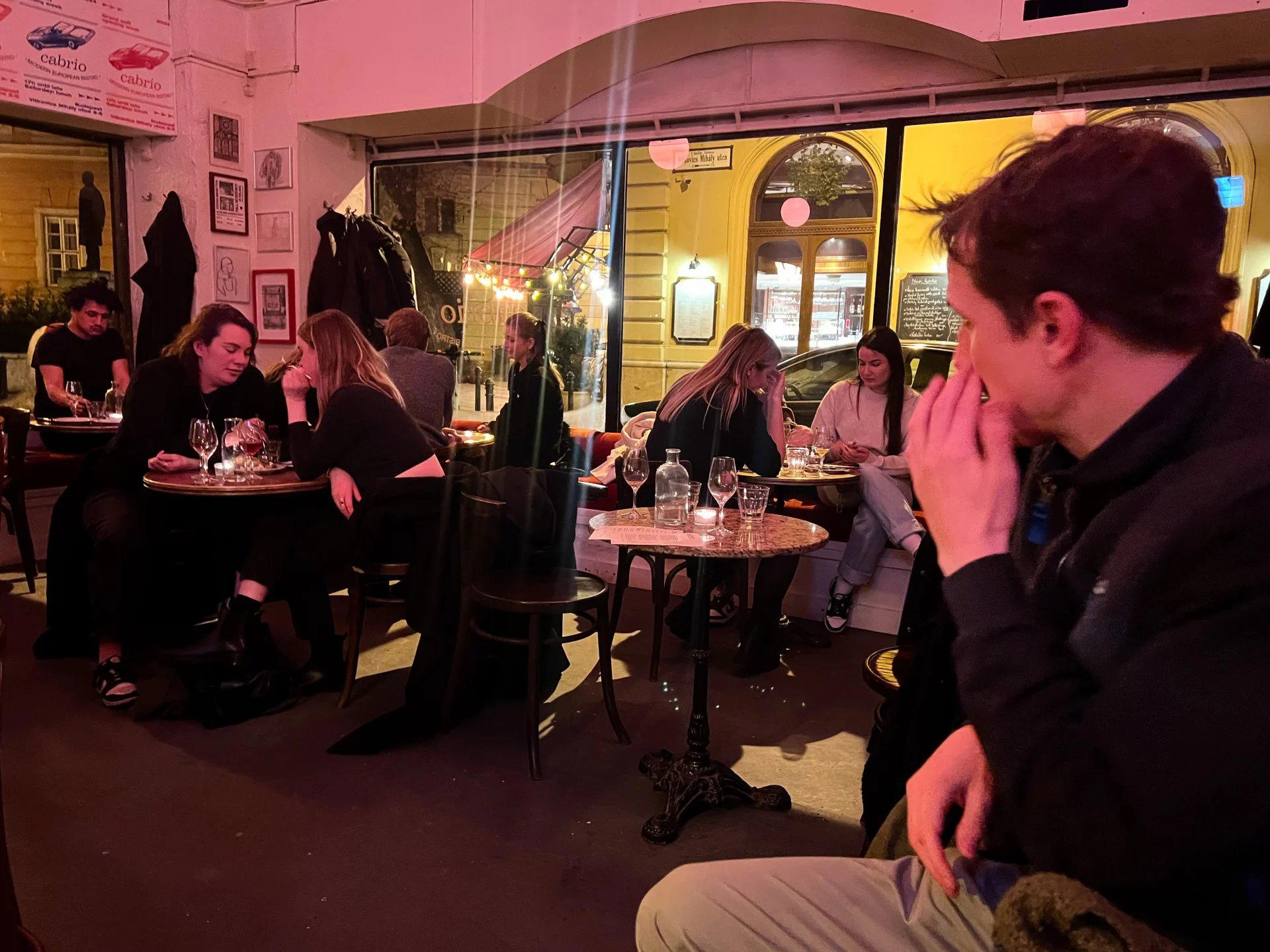
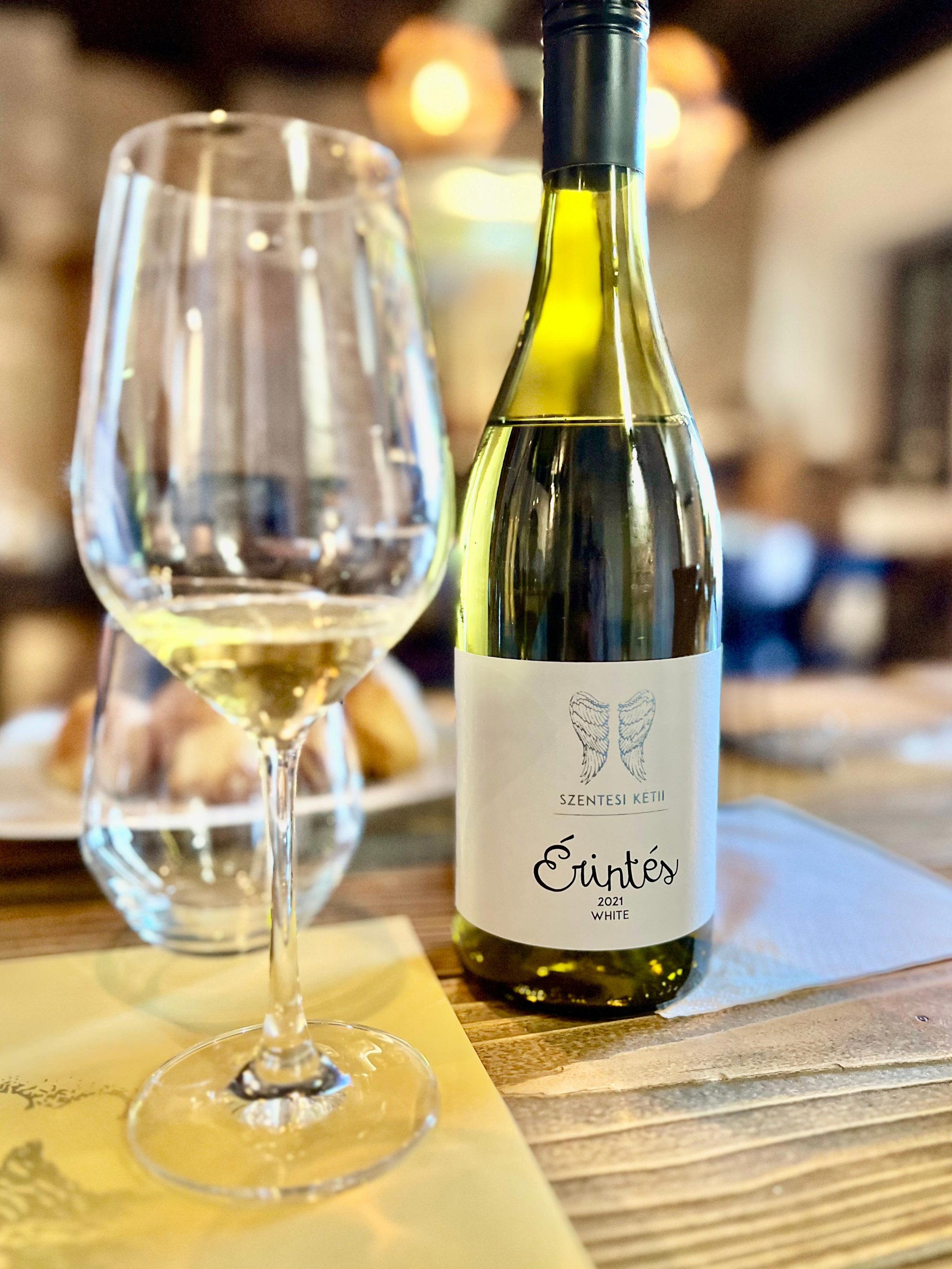
Cozy Mediterranean atmosphere with Tuscan interiors evoking narrow Italian streets, rustic street view mixed with classic tidy dining room.