Porcellino Grasso occupies a address on Ady Endre utca in Budapest's second district, a quieter residential pocket that sits apart from the tourist-heavy Inner City. The name alone signals intent: fat little pig, a declaration of appetite rather than restraint. It operates within a Budapest dining scene that has grown considerably more confident in its own culinary identity over the past decade.
Pearl is the En Primeur Club membership app — saves, bookings, and concierge access live there. Same editors, same standards.
- Address
- Budapest, Ady Endre u. 19, 1024 Hungary
- Phone
- +3618867880
- Website
- porcellino.hu
- Directions
- Get directions
 Saves & bookings on Pearl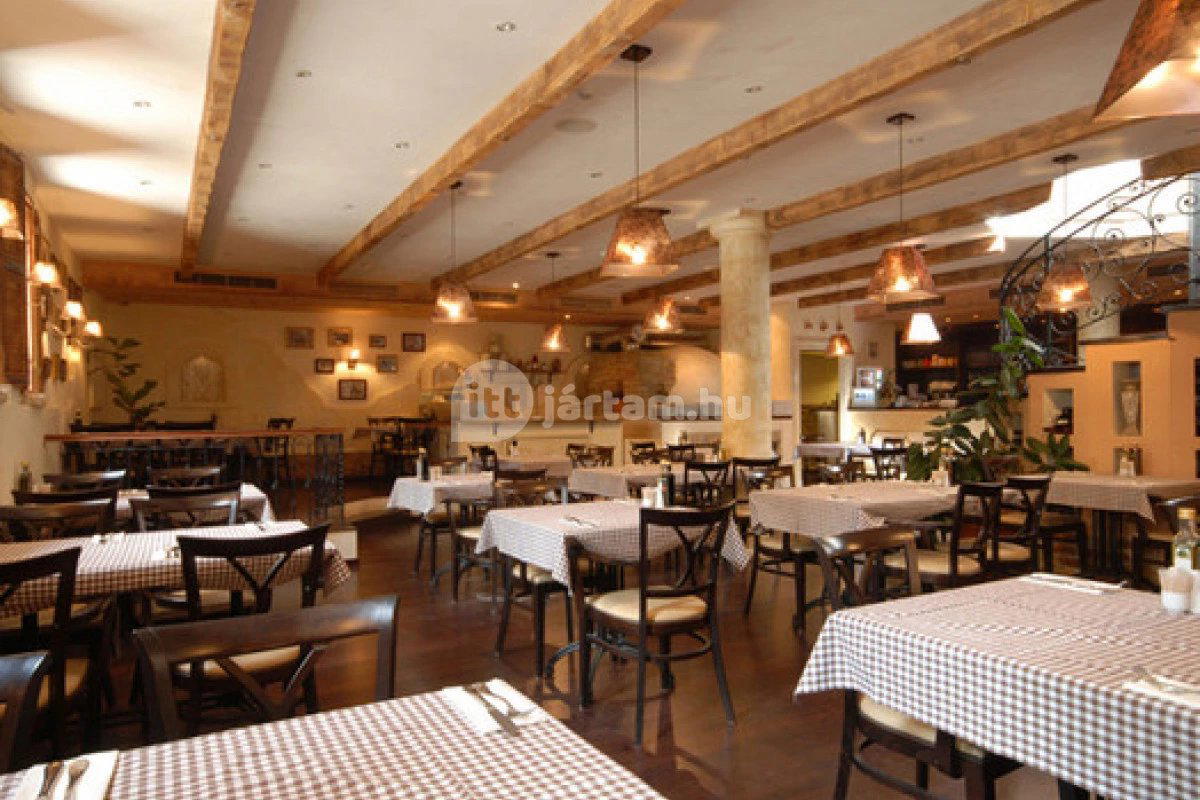
A Second-District Address in a City Rethinking Its Dining Identity
Budapest's restaurant scene has undergone a structural shift since the mid-2010s. The city that once leaned heavily on goulash tourism and old-school csárda nostalgia now supports a tier of serious modern dining: Costes (€€€€ · Modern Cuisine) was the first Central European restaurant to earn a Michelin star, and the recognition unlocked a broader ambition across the city. Stand (€€€€ · Modern Cuisine) and Babel (€€€€ · Modern Cuisine) have since pushed that upper tier further, while mid-range operations like Borkonyha Winekitchen (€€€ · Modern Cuisine) have demonstrated that serious cooking does not require a tasting-menu format to earn critical traction.
Within that context, Porcellino Grasso sits on Ady Endre utca in the second district of Budapest. Venues in this part of the city tend to draw a local repeat clientele rather than transient visitors, which shapes both the atmosphere and the pricing logic in ways that the tourist-facing Inner City cannot replicate.
The Physical Container: What the Name and Location Signal
The name is Italian for fat pig, a deliberate act of anti-refinement in a city where the upper dining tier can sometimes tip toward studied seriousness. Venues that name themselves after a well-fed animal are usually making a point about generosity over precision, about the pleasures of a loaded plate over the theatre of minimalism. That positioning matters in Budapest, where the gap between white-tablecloth restraint and hearty traditional cooking has historically been wide, with little in between.
The second district address reinforces that read. Ady Endre utca is not a destination street in the way that Andrássy út or the Gozsdu Udvar passage are. A venue choosing this location is opting out of walk-in foot traffic and betting instead on reputation, word-of-mouth, and return visits from a neighbourhood audience. That is a different commercial logic, and it tends to produce a different kind of room: less designed for Instagram moments, more designed for the kind of meal you come back to monthly rather than photograph once.
Budapest's Neighbourhood Restaurant Tradition
The neighbourhood restaurant, in Budapest as in most Central European cities, operates on a social contract distinct from destination dining. Tables turn more slowly. The menu changes with season and supply rather than on a fixed promotional calendar. Regulars are recognised; strangers are welcomed but not courted. This is a format that rewards repeat visits over single-occasion spectacle, and it produces a different kind of trust between kitchen and guest.
Hungary's broader culinary moment has extended well beyond the capital. Serious cooking has taken root across the country: Platán Gourmet in Tata, Pajta in Őriszentpéter, and BoriMami in Gyöngyös each represent a regional confidence that did not exist a generation ago. In wine country, venues like Halasi Pince Panzió in Villány tie serious food to serious Hungarian viticulture in ways that support the argument for Hungary as a full culinary destination, not simply a city-break proposition. The capital's neighbourhood restaurants sit within that national shift, benefiting from improved Hungarian wine access, better domestic produce networks, and a dining public that has grown considerably more curious in its tastes.
Comparable formats in other parts of Hungary worth noting include Forst-Ház Étterem és Kávézó in Eger, Aranysárkány Vendéglő in Szentendre, and Classic Grill Serbian Restaurant Underground in Szeged, each operating within a specific local context that shapes both menu and room. Astro Tea and Kávéház in Győr and Almalomb in Hosszúhetény extend the picture further. Internationally, the contrast with tightly formatted destination restaurants like Le Bernardin in New York City or the structured tasting format of Atomix in New York City illustrates how differently the neighbourhood model approaches the same act of feeding people well. La Pizza Del Lupo in Onga offers yet another regional comparison in a different idiom entirely.
Planning a Visit
Porcellino Grasso is located at Ady Endre utca 19, in Budapest's second district. The address sits above the Danube on the Buda side, accessible from the city centre by tram or bus, and within walking distance of the Margit híd bridgehead. The second district draws a largely local dining crowd, particularly on weekday evenings, which means the room's energy reflects neighbourhood habit rather than tourist-season fluctuation.
Budget and Context
Comparable venues nearby, for context on price, style, and recognition.
| Venue | Cuisine | Price | Notes |
|---|---|---|---|
| Porcellino GrassoThis venue — the venue you are viewing | Not listed | $$ | Not listed |
| Pizziozo Budapest | Not listed | $$ | Ferencvaros, Neapolitan-Middle Eastern Fusion Pizza |
| Pomodoro | Varhegy, Traditional Italian Trattoria | $$ | Not listed |
| Gléda Vendéglö | Obuda, Modern Hungarian | $$ | Not listed |
| Indigo Indiai Étterem | Terézváros, Authentic Indian | $$ | Not listed |
| Szimply | Belvaros, Modern European Brunch | $$ | Not listed |
Continue exploring
More in Budapest
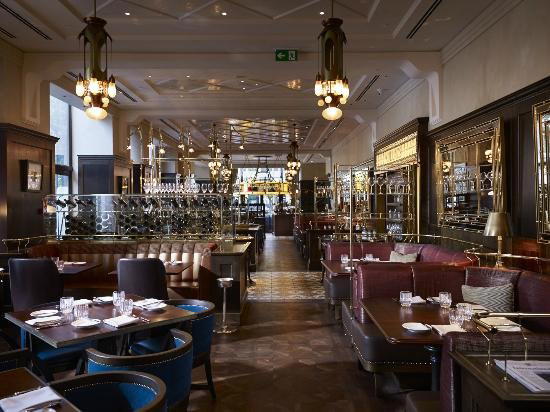
Restaurants in Budapest
Browse all →
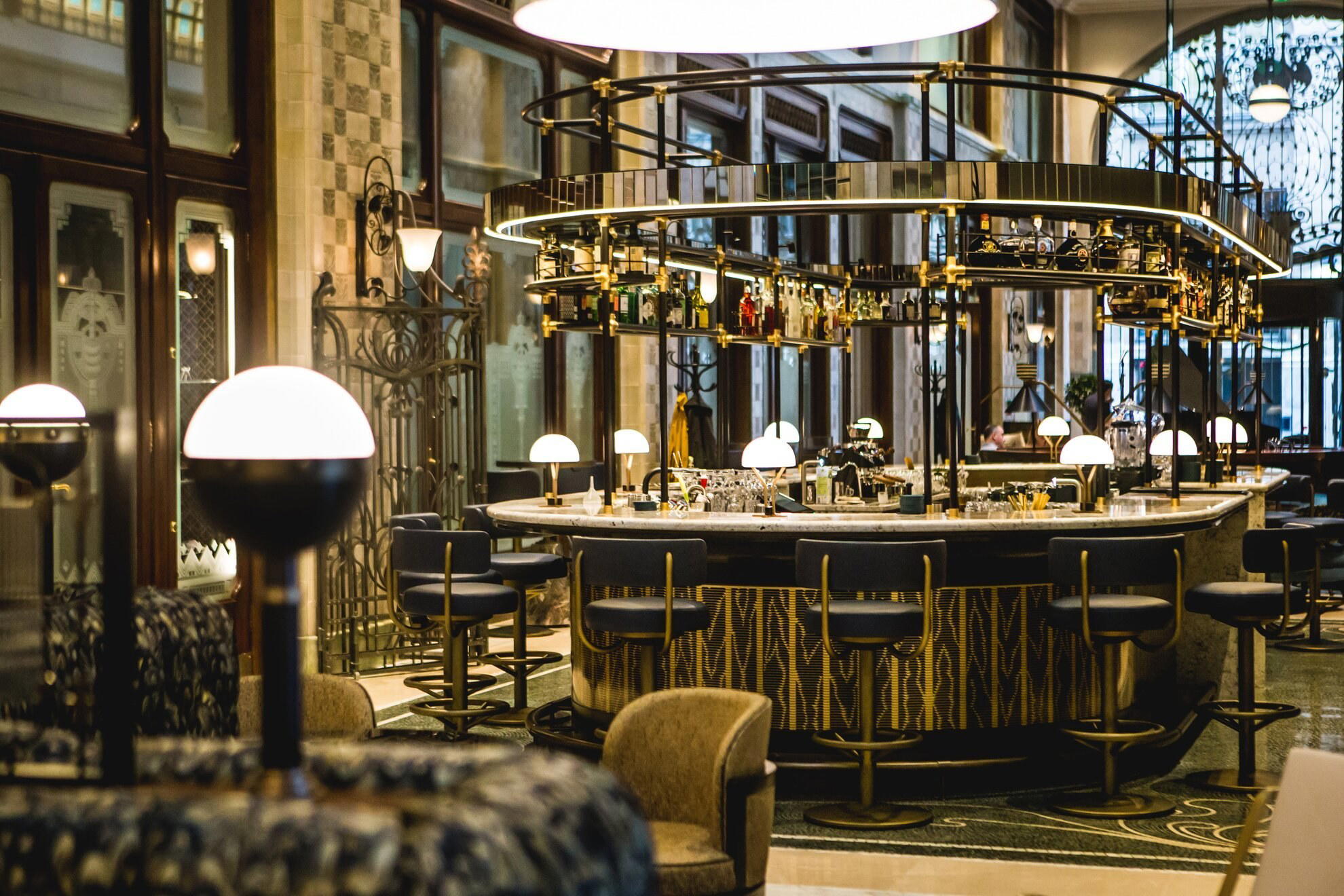
Bars in Budapest
Browse all →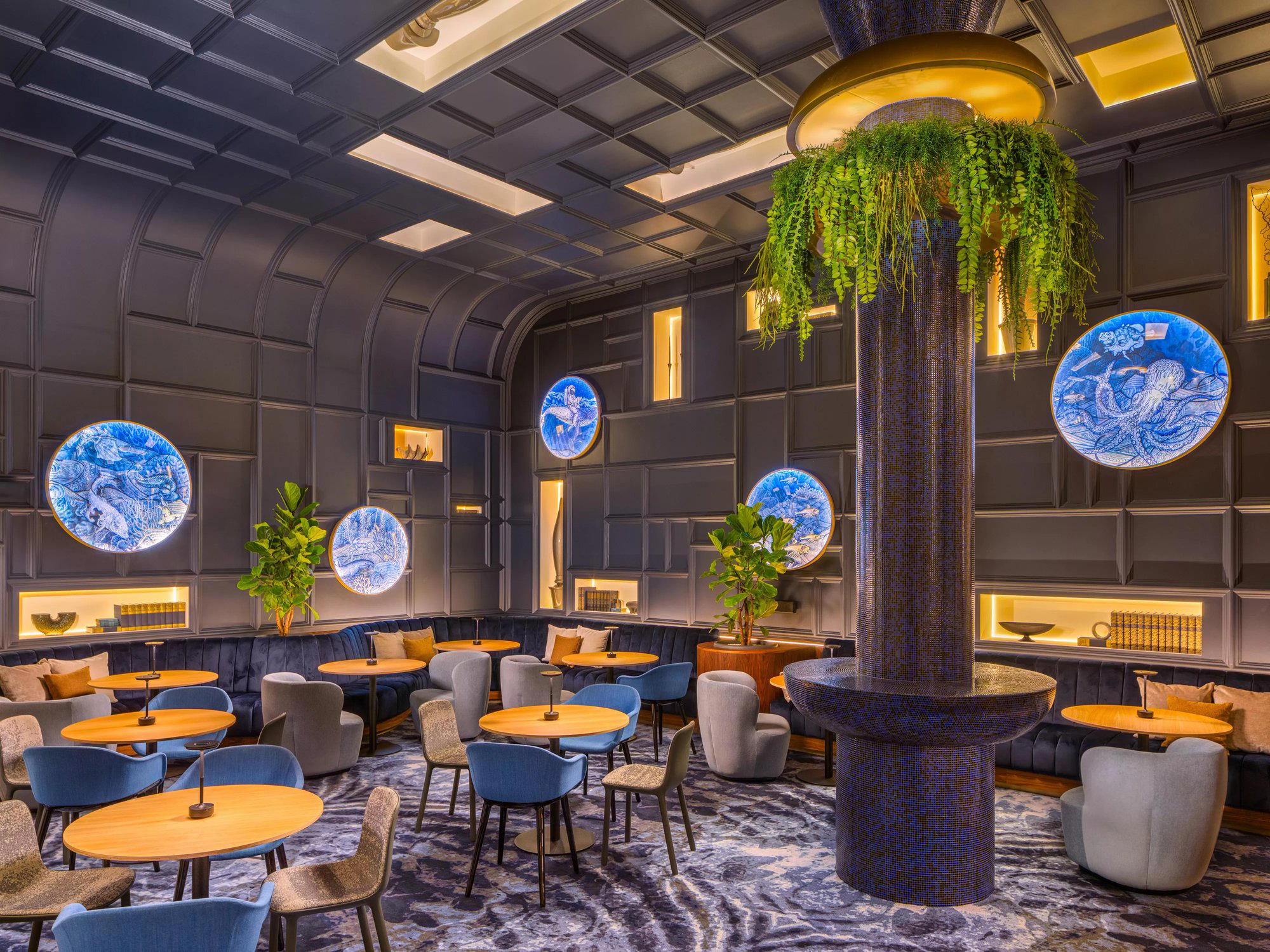
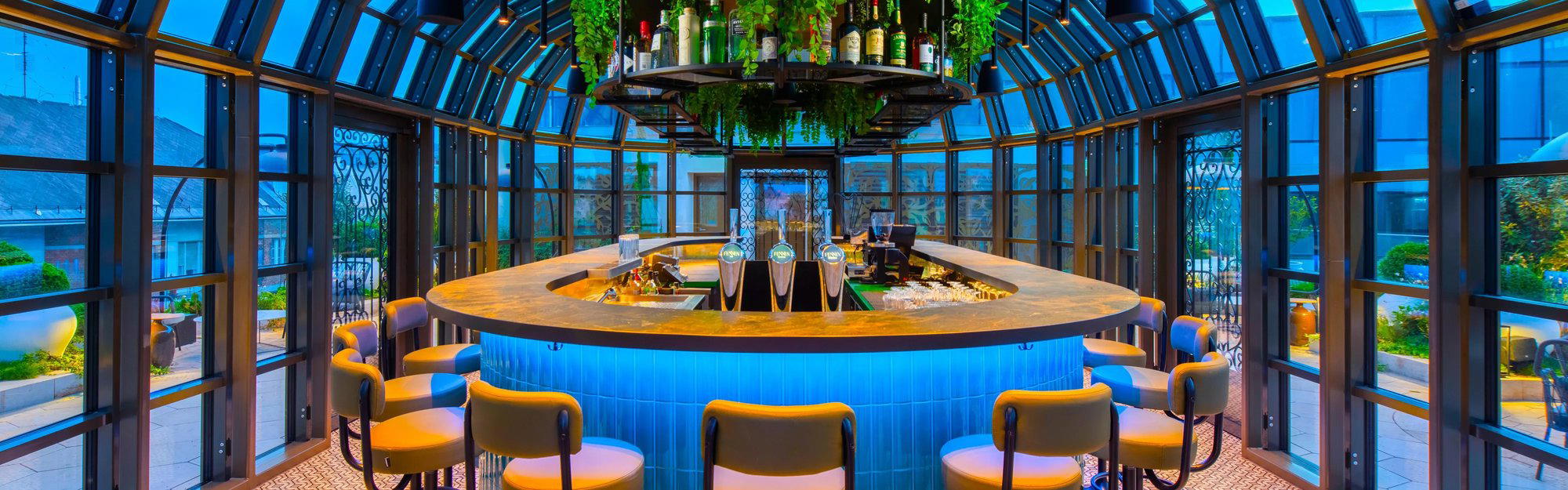
Hotels in Budapest
Browse all →

At a Glance
- Cozy
- Rustic
- Romantic
- Date Night
- Family
- Group Dining
- Live Music
Current opening hours
- Monday
- 12–11 PM
- Tuesday
- 12–11 PM
- Wednesday
- 12–11 PM
- Thursday
- 12–11 PM
- Friday
- 12–11 PM
- Saturday
- 12–11 PM
- Sunday
- 12–11 PM
Hours can change for holidays and private events. Last verified .
Cozy ambiance with dim lights, rustic decor, and a warm homely atmosphere.