Alessio occupies a quiet residential address on Pasaréti út in Budapest's Second District, operating at a remove from the central Pest dining corridor where most of the city's Michelin-tracked restaurants cluster. The address alone signals a particular kind of seriousness: a restaurant that earns its audience through reputation rather than foot traffic, in a neighbourhood where the dining room competes with nothing louder than the surrounding hills.
Pearl is the En Primeur Club membership app — saves, bookings, and concierge access live there. Same editors, same standards.
- Address
- Budapest, Pasaréti út 55, 1026 Hungary
- Phone
- +3612750049
- Website
- cafealessio.hu
- Directions
- Get directions
 Saves & bookings on Pearl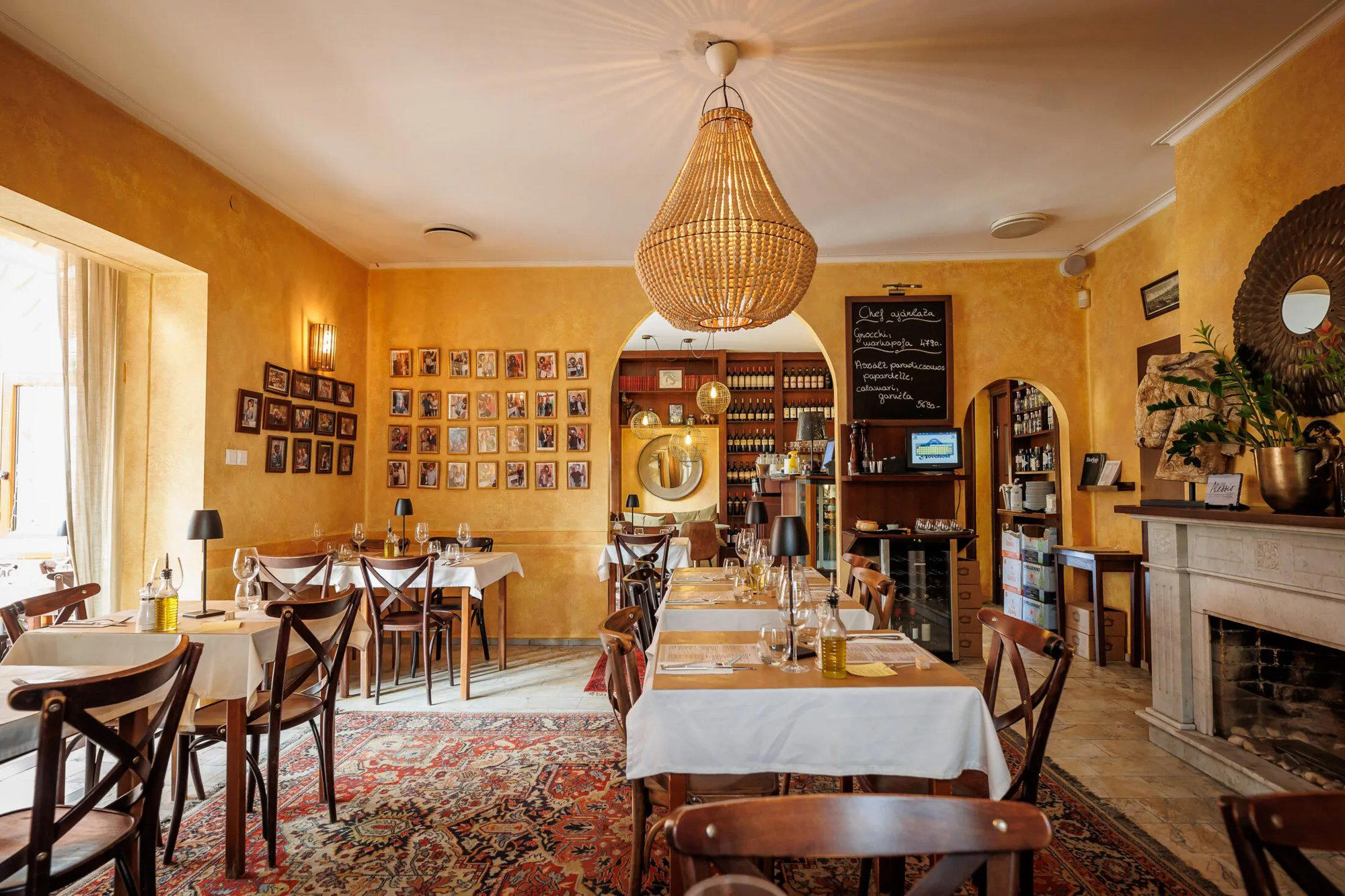
Dining at the Edge of Budapest's Premium Tier
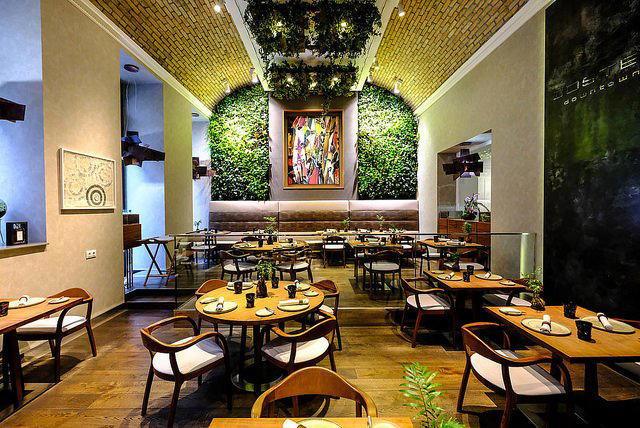
Budapest's serious restaurant scene has historically concentrated in a tight radius around the inner districts, where venues like Costes (€€€€ · Modern Cuisine) and Babel (€€€€ · Modern Cuisine) compete for the same Michelin-attentive clientele. Pasaréti út, the address where Alessio operates in the Second District, sits in the Buda Hills corridor: quieter, greener, and further from the tourist infrastructure that sustains high-volume central restaurants. Reaching it means crossing the river and climbing into a neighbourhood of mid-century villas and tree-lined side streets, which is itself an act of intention.
That remove from the central dining cluster is not incidental. Across European cities, a class of serious restaurants has chosen residential adjacency over high-traffic positioning, trading walk-in volume for a more concentrated, pre-committed dining room. The trade-off tends to favour technique-led cooking: fewer covers, quieter service conditions, and a guest base willing to read a menu carefully rather than scan it for familiar anchors.
Hungarian Ingredients and the Question of Technique
The more substantive editorial question in Budapest's current restaurant moment is what contemporary Hungarian fine dining owes to imported method versus indigenous product. Hungary's larder is genuinely strong: Mangalica pork, grey cattle, foie gras from Hajdú-Bihar, paprika strains with genuine regional variation, freshwater fish from the Tisza and Balaton basin, and a vegetable-growing tradition that produces heirloom varieties rarely seen in Western European markets. The challenge has been kitchen vocabulary. For decades, the default translation of those ingredients into premium dining relied on French classical structure, which worked for some applications and flattened others.
The current generation of Budapest restaurants has been working through a different approach: using technique more selectively, and allowing ingredient character to determine cooking method rather than the reverse. Borkonyha Winekitchen (€€€ · Modern Cuisine) has built its programme around Hungarian wine pairing as a structural principle, with food chosen to support the glass. Stand (€€€€ · Modern Cuisine) has drawn Michelin recognition for a more European-technique-forward approach that still anchors itself in Hungarian produce. essência (€€€€ · Modern Cuisine) pushes further toward contemporary European reference points. Alessio, based on its Buda Hills positioning, appears to occupy a more intimate register within this broader shift, though.
Intersection of imported method and local product is not distinctive to Budapest. It is the defining editorial tension in fine dining across Central and Eastern Europe, where Soviet-era agricultural preservation created ingredient banks that Western Europe lost to industrial farming, but where kitchen training infrastructure lagged behind. Cities like Zagreb, Ljubljana, and Warsaw are navigating the same equation. Budapest has the advantage of a stronger wine culture and an existing luxury hospitality market that generates demand at the higher price tiers. That demand, in turn, sustains the kind of kitchen investment required to handle premium local product at technical depth.
Buda's Quieter Dining Geography
Second District's dining geography rewards some mapping. Most internationally recognised Budapest restaurants sit in Pest: the full Budapest restaurants guide reflects that concentration. Buda's dining offer has historically been more residential and less internationally profiled, with some exceptions in the Castle District. The Pasaréti area specifically is not a conventional restaurant neighbourhood, which means that anything operating there at a serious level is drawing a defined audience rather than capturing passing trade.
For context on what destination dining looks like beyond Budapest's urban core, the pattern extends across Hungary. Platán Gourmet in Tata and Pajta in Őriszentpéter operate in small-town or rural settings with no foot traffic advantage at all, sustained entirely by the coherence of their cooking. Sauska 48 in Villány and Kővirág in Köveskál frame themselves around wine-region identity. Hosszú Tányér in Hosszúhetény, Teyföl in Szentendre, and Botanica in Dánszentmiklós each demonstrate that Hungary's premium dining geography has spread well beyond the capital. Within Budapest itself, Alessio's residential Buda address places it in a smaller subset of that pattern.
For those interested in Hungarian fish cookery as a regional tradition, Old Kőrössy Fish Restaurant in Szegedin and Petrányi Csopak in Csopak on Lake Balaton represent the produce-led end of that tradition. Öreg Prés in Mór connects to the wine-regional dimension. These reference points matter because they define what Alessio's Budapest context sits alongside in any serious itinerary through Hungarian dining.
On the international technique axis, the global conversation about local-ingredients-plus-imported-method has produced a range of responses. At the more established end of that spectrum, restaurants like Le Bernardin in New York City and Lazy Bear in San Francisco demonstrate what sustained technical commitment looks like when applied to specific ingredient categories over decades. Budapest's current generation is earlier in that process, but the underlying ingredient quality is not in question.
Planning a Visit
Alessio is a restaurant in Budapest's Second District serving Traditional Tuscan Italian cuisine at Pasaréti út 55. The Buda Hills area is accessible by taxi or rideshare from central Budapest in under twenty minutes outside peak hours, and by tram and bus connections for those preferring public transport. Reservations are recommended, and the restaurant is open Tuesday through Sunday from 11 AM to 11 PM, with Monday closed. Given the residential setting and likely limited cover count, advance planning of several days to a week is prudent, particularly for weekend service. Seasonal timing matters in this part of the city: the Buda Hills feel markedly different between the green canopy of late spring and the stripped winter silhouette, and neighbourhood restaurants at this register tend to adjust their ingredient focus accordingly through the year.
Peers You’d Cross-Shop
Comparable venues nearby, for context on price, style, and recognition.
| Venue | Cuisine | Price | Notes |
|---|---|---|---|
| AlessioThis venue — the venue you are viewing | Traditional Tuscan Italian | $$ | Not listed |
| Pomodoro | Traditional Italian Trattoria | $$ | Varhegy |
| Toscana | Authentic Tuscan Trattoria | $$ | Belvaros |
| Rudas Bistro | Modern Hungarian Bistro | $$ | Gellerthegy |
| Apacuka | Modern European Fun Dining | $$ | Terézváros |
| Vietnámigulyás | Vietnamese-Hungarian Fusion | $$ | Rozsadomb |
Continue exploring
More in Budapest
Restaurants in Budapest
Browse all →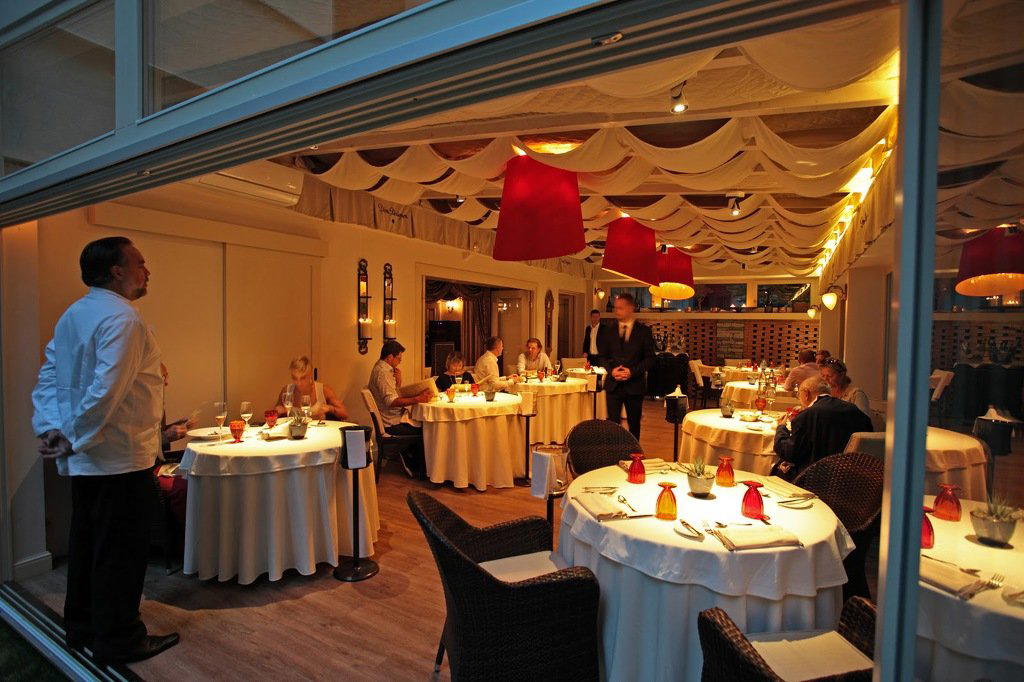
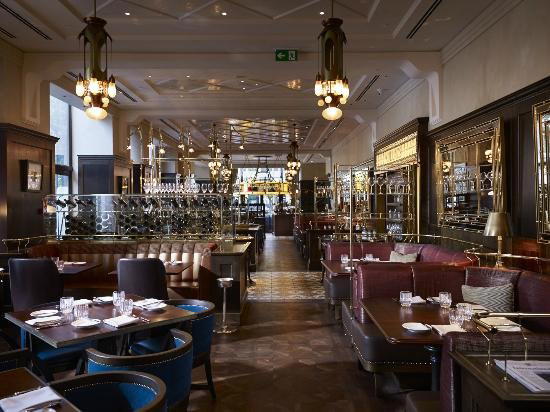
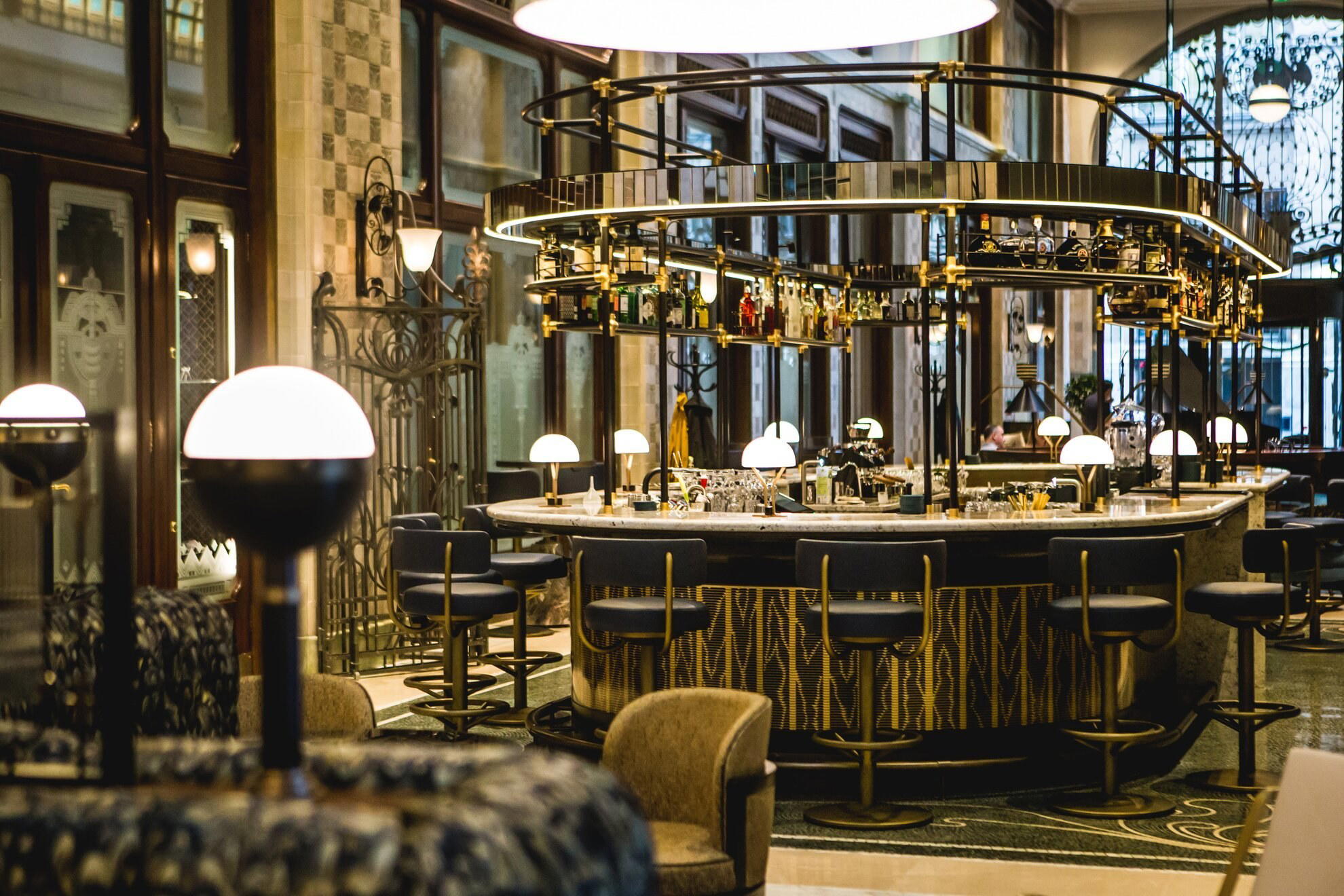
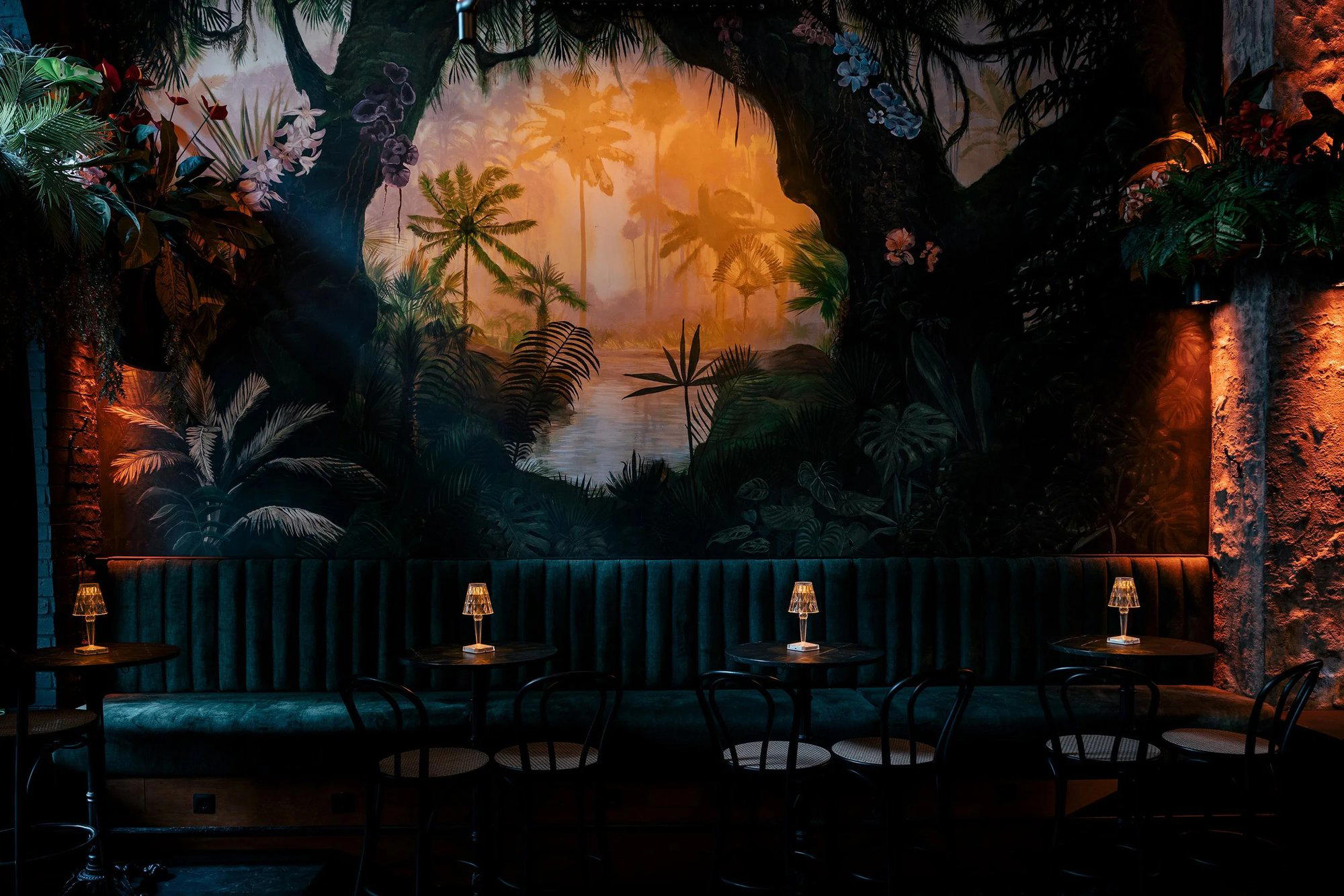
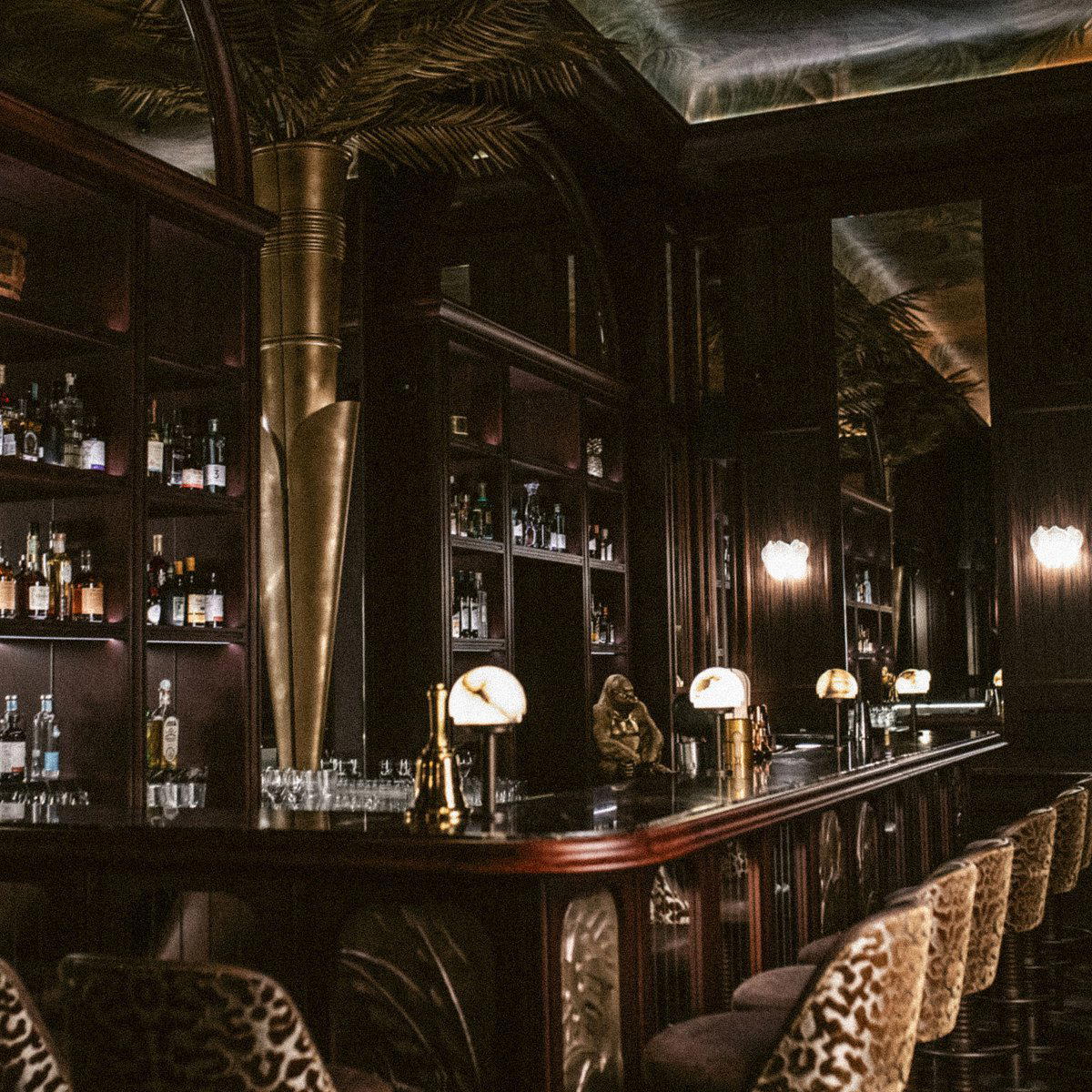
Bars in Budapest
Browse all →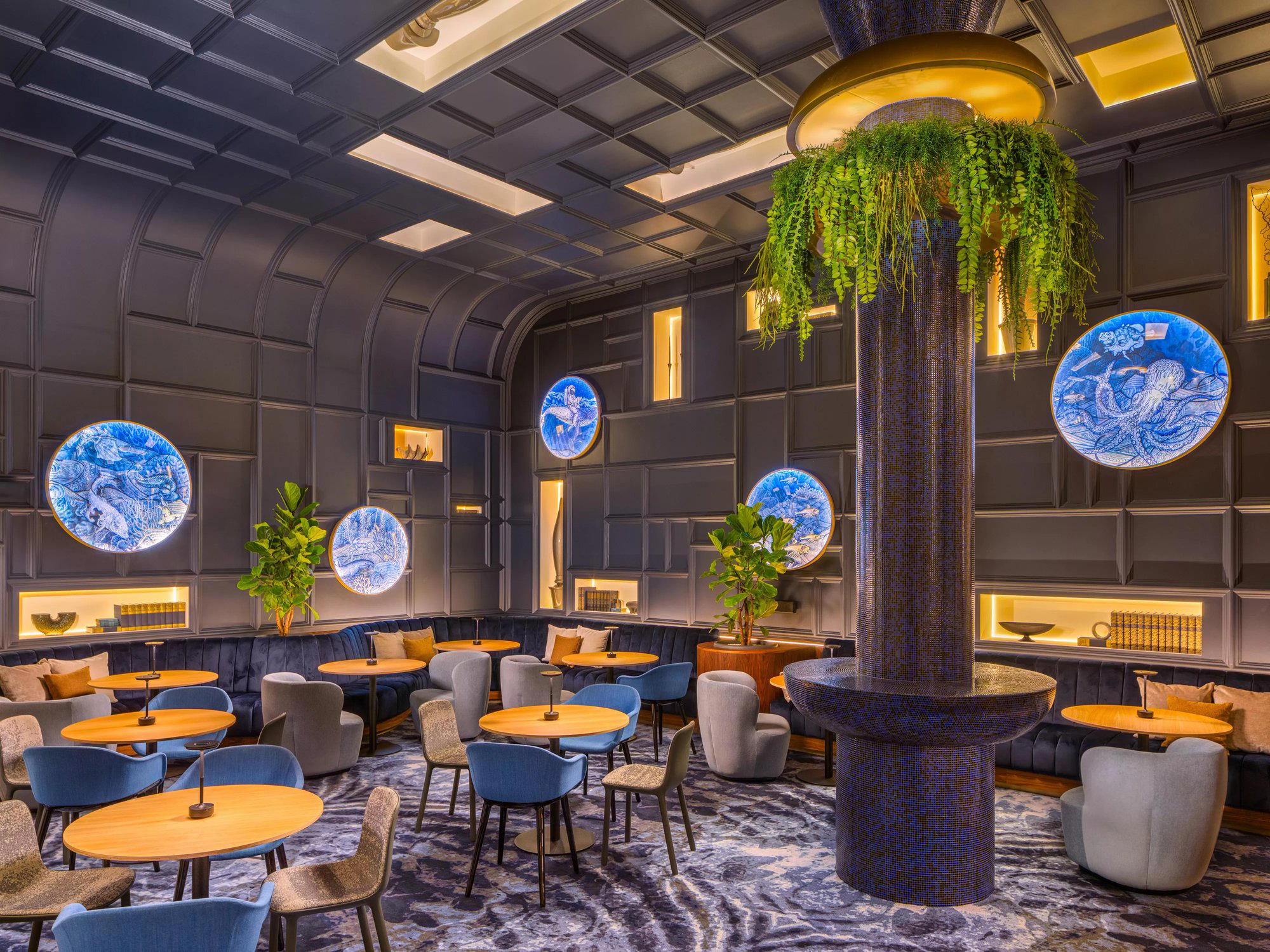
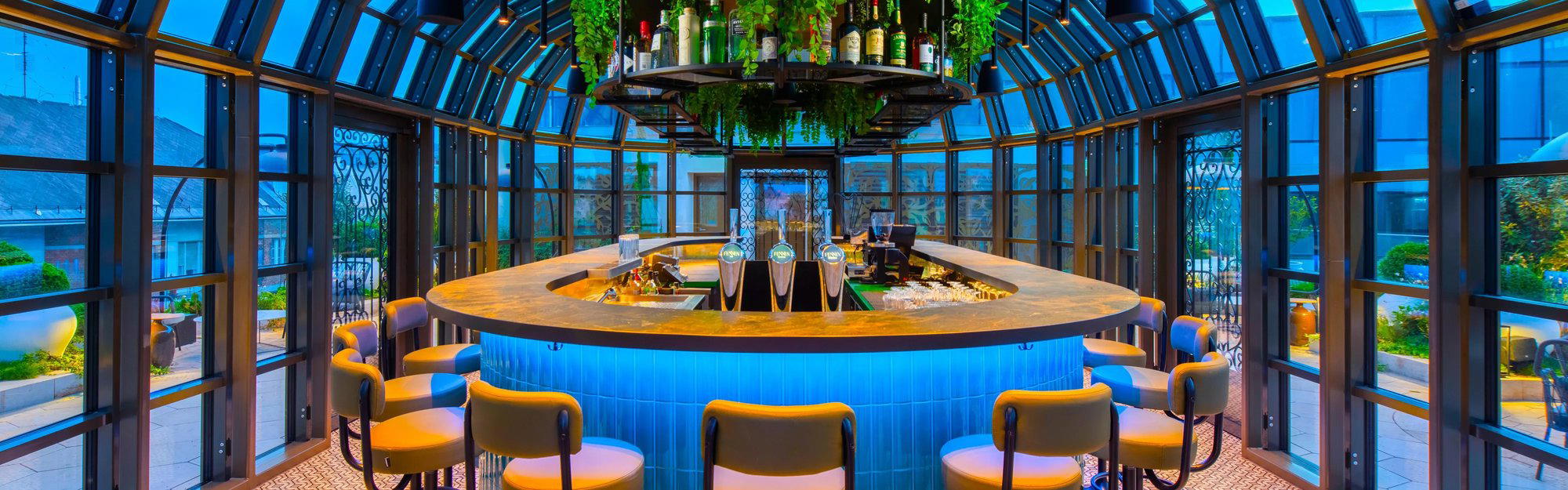
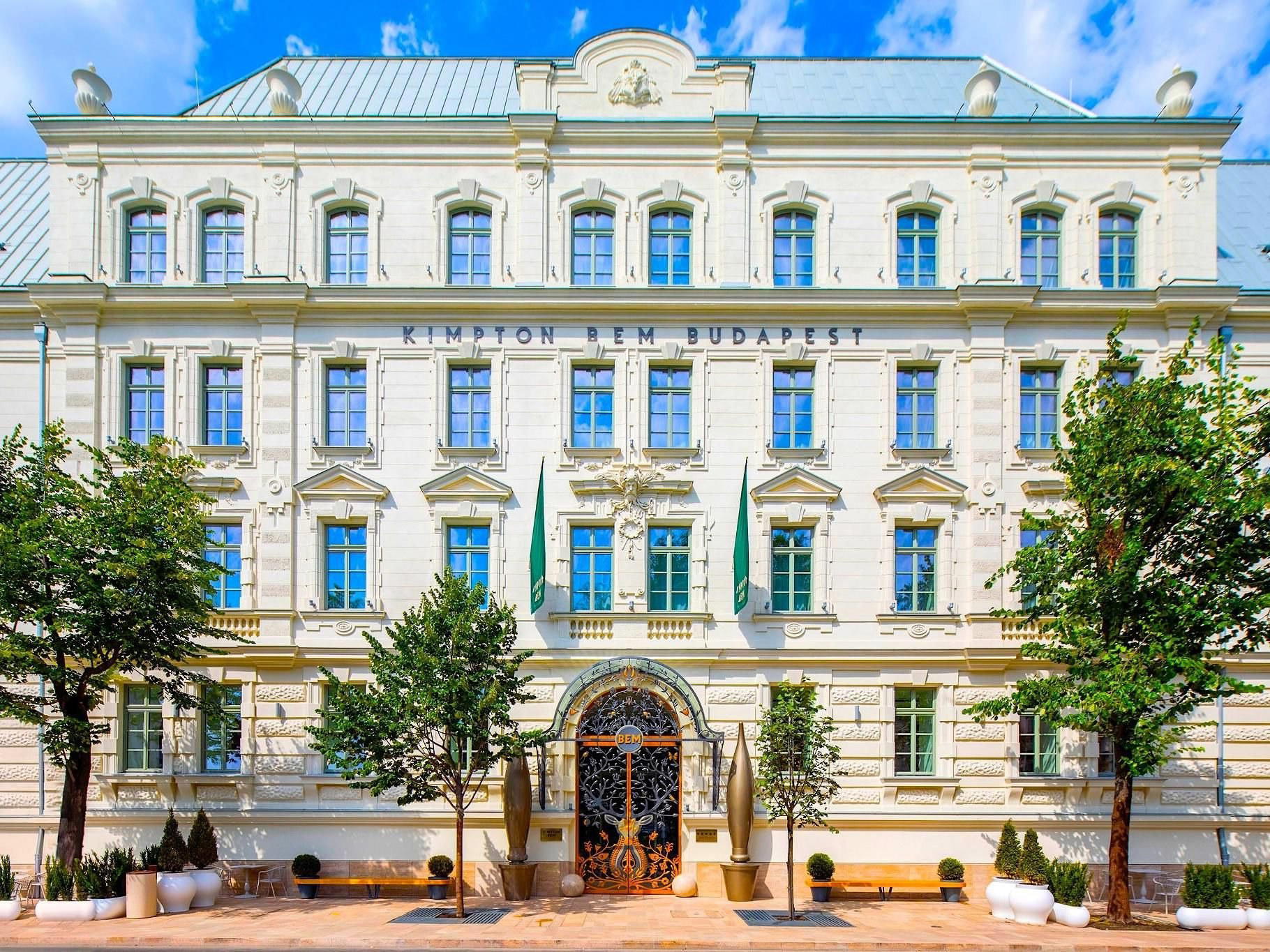
Hotels in Budapest
Browse all →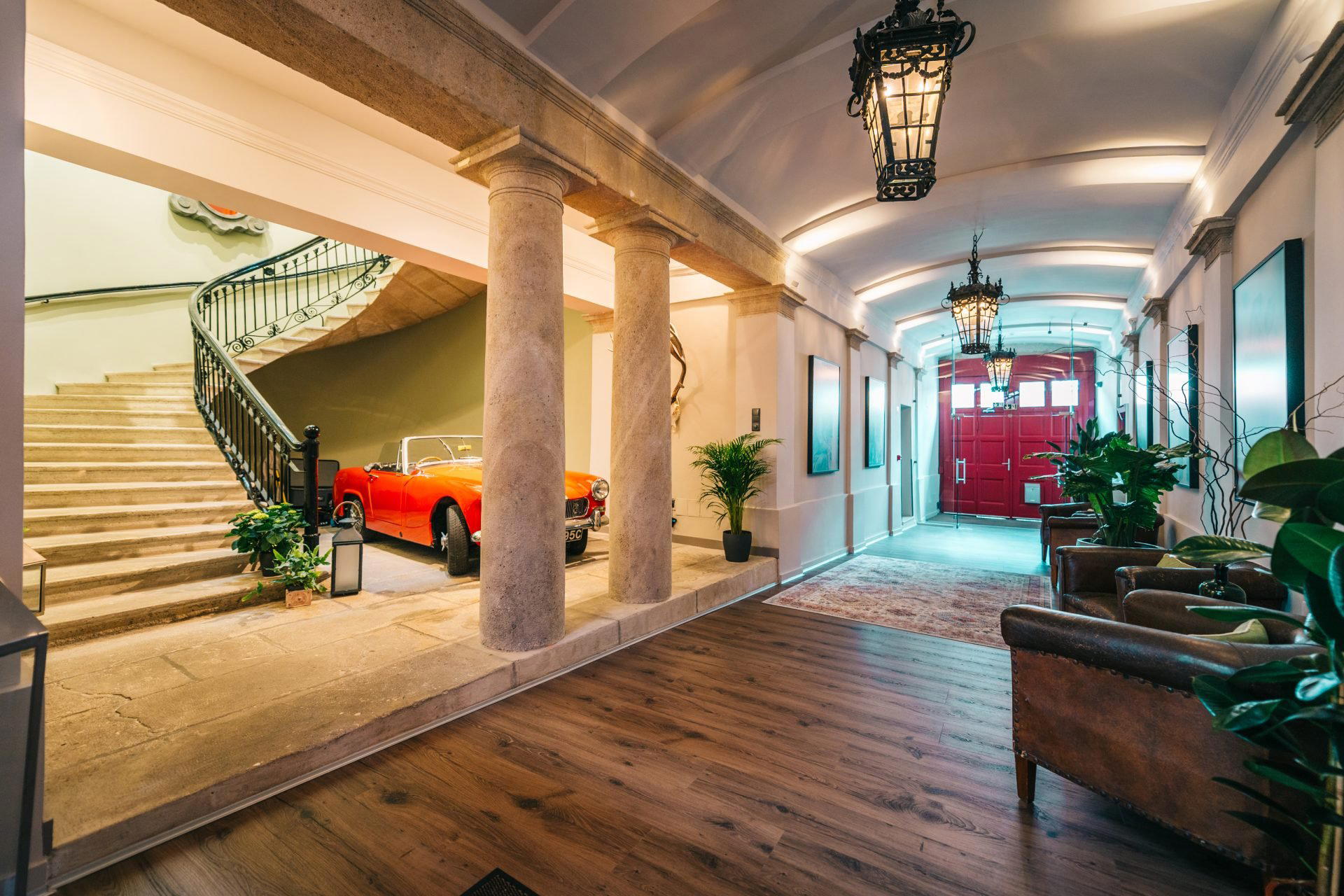

At a Glance
- Cozy
- Intimate
- Family
- Casual Hangout
- Date Night
- Garden
- Terrace
- Garden
Current opening hours
- Monday
- Closed
- Tuesday
- 11 AM–11 PM
- Wednesday
- 11 AM–11 PM
- Thursday
- 11 AM–11 PM
- Friday
- 11 AM–11 PM
- Saturday
- 11 AM–11 PM
- Sunday
- 11 AM–11 PM
Hours can change for holidays and private events. Last verified .
Cozy and homey atmosphere in a quiet Buda hills location with a lovely garden area and pleasant lighting.