Macesz Bistro occupies a narrow address on Dob utca in Budapest's seventh district, where the city's Jewish quarter tradition and a looser, modern bistro sensibility meet. The room draws a crowd that knows the neighbourhood's culinary shift from simple lángos stalls to places with real kitchen ambition. It belongs to a tier of Budapest dining that takes the bistro format seriously without reaching for fine-dining ceremony.
Pearl is the En Primeur Club membership app — saves, bookings, and concierge access live there. Same editors, same standards.
- Address
- Budapest, Dob u. 26, 1072 Hungary
- Phone
- +36305910065
- Website
- maceszbistro.hu
- Directions
- Get directions
 Saves & bookings on Pearl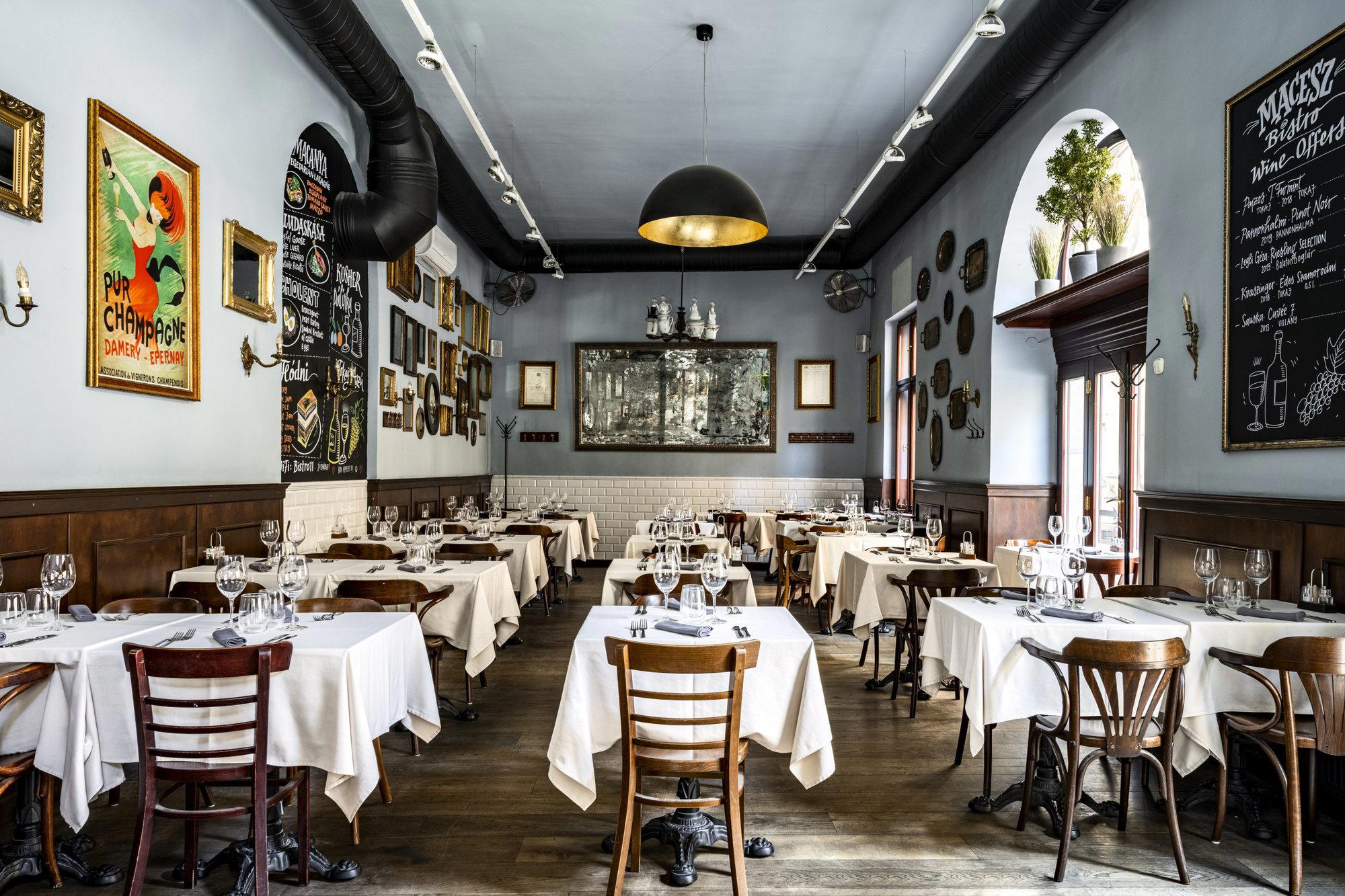
Dob Utca and the Seventh District's Evolving Table
Budapest's seventh district, the old Jewish quarter centred on the Erzsébetváros grid, has been reordering its dining identity for the better part of a decade. The ruin bars arrived first, filling bombed-out courtyards with mismatched furniture and cheap beer. Then came a second wave: smaller, more deliberate kitchens that treated the neighbourhood's foot traffic and growing international visitor numbers as an audience worth cooking seriously for. Macesz Bistro at Dob utca 26 is a Jewish-Hungarian Fusion Bistro in Budapest, typically priced around $35 per person. It sits inside that second movement. The address puts it within walking distance of the Great Synagogue on Dohány utca and the market hall on Klauzál tér, meaning the kitchen draws on a pedestrian catchment that mixes local residents, heritage visitors, and the kind of traveller who researches before they eat.
What the Room Tells You Before You Sit Down
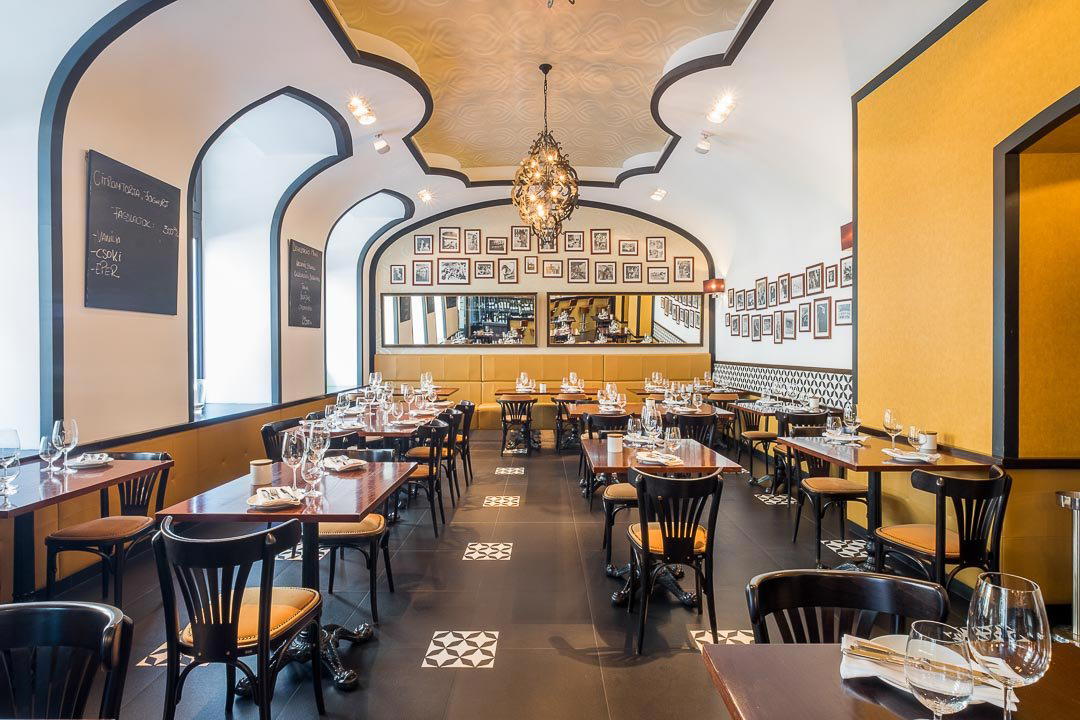
The bistro format in Central Europe carries specific atmosphere signals that differ from their French or New York equivalents. In Budapest, a bistro on a residential side street tends toward compact tables, close-set seating, and a room that fills with conversation rather than silence. Macesz works within that register. Dob utca itself is a mid-width street with enough foot traffic to feel alive without the noise of a main boulevard. Arriving on foot from the Astoria metro stop takes roughly eight to ten minutes through streets that still carry the architectural layering of Austro-Hungarian apartment blocks over Baroque ground floors, a visual texture that signals you are eating in a neighbourhood, not a tourist corridor.
That physical context matters for how the room functions. Budapest bistros at this price tier, positioned below the Michelin-recognised tables like Costes (€€€€ · Modern Cuisine) and Stand (€€€€ · Modern Cuisine), compete on atmosphere and cooking consistency rather than tasting-menu theatre. The absence of ceremony is part of the offer. You are expected to order at your own pace, stay as long as the wine lasts, and leave without the feeling that a table has been turned behind you.
The Jewish Quarter Culinary Thread
Macesz, as a name, points directly toward the neighbourhood's Jewish heritage. Matzo, the unleavened flatbread central to Passover tradition, is among the more recognisable symbols of Ashkenazi Jewish cooking, and its Hungarian phonetic spelling grounds the bistro in a specific culinary lineage. The seventh district was historically the centre of Budapest's Jewish community, and several kitchens in the area have returned to that tradition as a genuine reference point rather than a decorative one. This positions Macesz inside a small but coherent peer group: Budapest restaurants that treat Central European Jewish cooking as a living category rather than a historical footnote.
Within Hungary, that culinary thread sits alongside a broader revival of interest in regional and traditional cooking. Places like Aranysárkány Vendéglő in Szentendre and Platán Gourmet in Tata demonstrate that Hungarian regional identity at the table extends well beyond Budapest's city limits. Macesz draws on that same impulse toward rootedness, but applies it to a district-specific tradition rather than a national one.
How It Sits in the Budapest Dining Tier
Budapest's restaurant market has stratified in ways that were less visible five years ago. At the leading, Babel (€€€€ · Modern Cuisine) and essência (€€€€ · Modern Cuisine) operate in an ambitious modern cuisine register with price points that reflect it. One tier down, Borkonyha Winekitchen (€€€ · Modern Cuisine) holds a Michelin-starred position in the mid-premium bracket. Below that sits a broader band of neighbourhood-facing bistros and brasseries where the cooking can be technically sharp without the overhead of a full fine-dining operation. Macesz operates in that lower-middle tier, where value relative to kitchen effort is the primary competitive factor.
That tier is where Budapest often surprises visitors accustomed to Western European pricing. A well-executed two-course lunch in a seventh-district bistro can cost a fraction of a comparable meal in Vienna or Prague, not because the cooking is lesser but because the cost base in Budapest remains lower and the bistro format strips out the front-of-house overhead of a tasting-menu room. For visitors calibrated to Le Bernardin in New York City or Atomix in New York City, the adjustment is immediate and significant.
Planning Your Visit
Dob utca 26 is reachable on foot from Deák Ferenc tér in under fifteen minutes, or from the Astoria metro station (M2 line) in roughly eight. The seventh district is compact enough that most of its main dining addresses, including the ruin-bar cluster around Kazinczy utca, sit within a short walk. For visitors covering Hungary beyond Budapest, the dining options extend across the country: Pajta in Őriszentpéter, BoriMami in Gyöngyös, Forst-Ház Étterem és Kávézó in Eger, and Halasi Pince Panzió in Villány each represent distinct regional characters worth the travel. Closer to Budapest, Classic Grill Serbian Restaurant Underground in Szeged, Astro Tea & Kávéház in Gyor, La Pizza Del Lupo in Onga, and Almalomb in Hosszúhetény fill out a wider picture of Hungarian eating beyond the capital.
Reputation Context
Comparable venues nearby, for context on price, style, and recognition.
| Venue | Cuisine | Price | Notes |
|---|---|---|---|
| Macesz BistroThis venue — the venue you are viewing | Jewish-Hungarian Fusion Bistro | $$ | Not listed |
| MoszkvaTér | Russian & Eastern European Streetfood | $$ | Varhegy |
| Franziska Pest | Healthy Brunch Cafe | $$ | Belvaros |
| HILDA Budapest | Modern Hungarian Bistro | $$ | Varhegy |
| Retro Lángos Budapest | Hungarian Lángos Street Food | $ | Varhegy |
| Déryné | Modern Hungarian Bistro with French Influences | $$$ | Krisztina körút |
Continue exploring
More in Budapest
Restaurants in Budapest
Browse all →
Bars in Budapest
Browse all →
Hotels in Budapest
Browse all →

At a Glance
- Cozy
- Elegant
- Classic
- Intimate
- Date Night
- Group Dining
- Family
- Casual Hangout
- Special Occasion
- Standalone
- Historic Building
- Extensive Wine List
- Local Sourcing
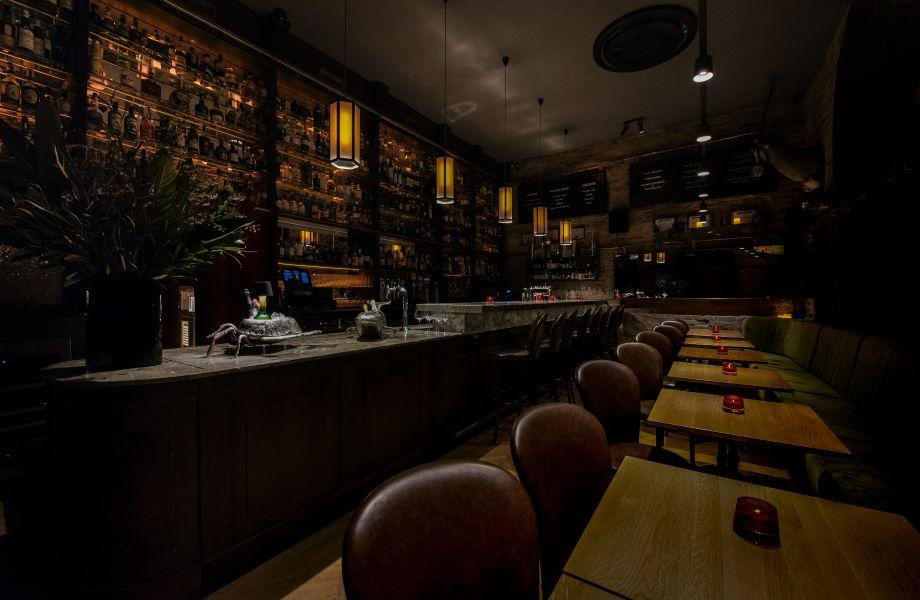
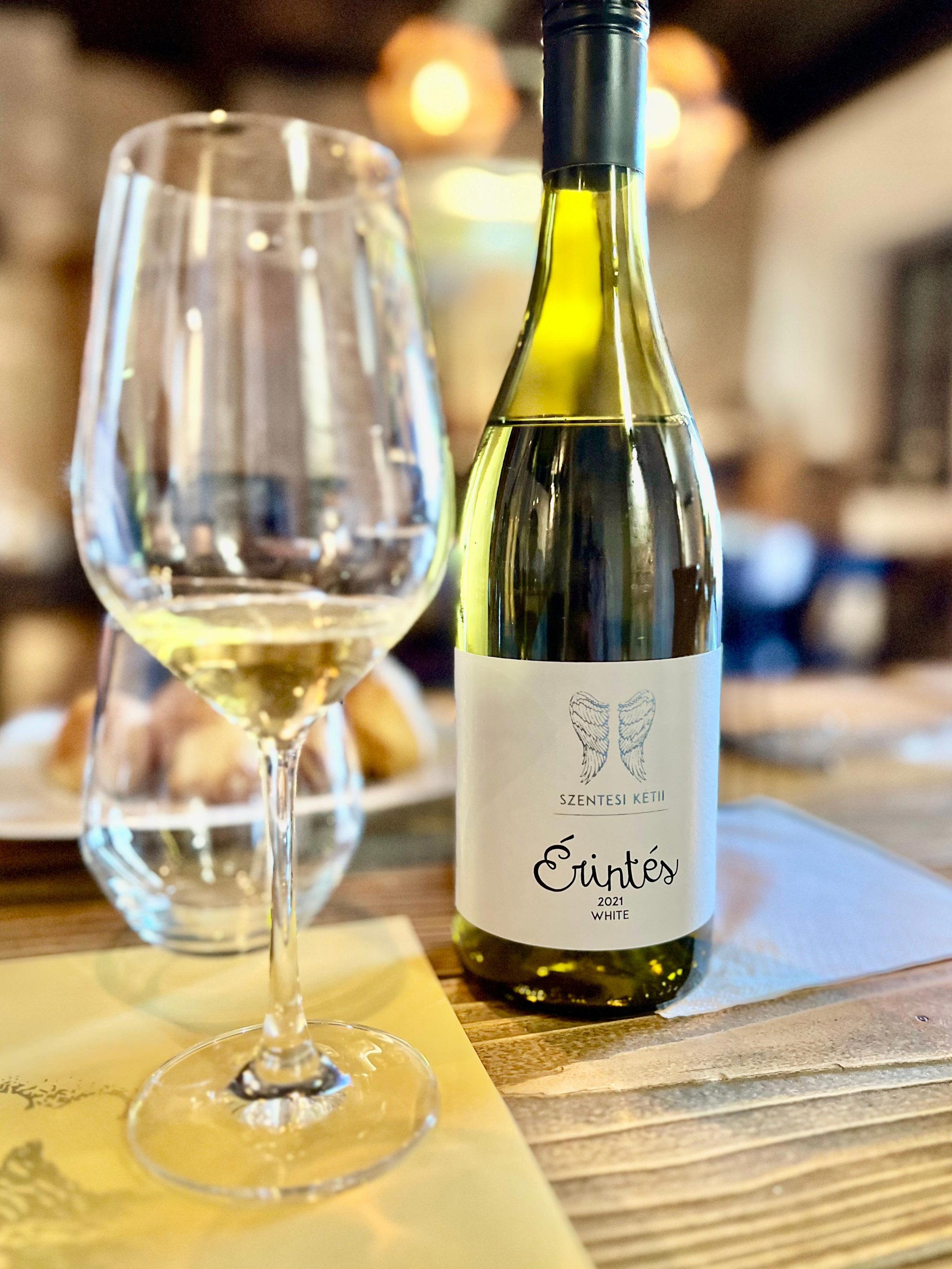
Warmly inviting and elegantly decorated with quirky, charming decor including a candelabra made of teacups and saucers; cozy yet sophisticated atmosphere with professional service.