
Tori Ki Kamata ten belongs to Tokyo’s chicken-specialist tradition rather than the luxury omakase circuit: yakitori, chicken dishes, and mizutaki in a 44-seat room with counter seating and tatami space. Its selection for Tabelog 100 - Chicken cuisine - 2025 gives it a clear quality signal in a category where craft, thrift, and whole-bird cooking matter more than ceremony.
Pearl is the En Primeur Club membership app — saves, bookings, and concierge access live there. Same editors, same standards.
- Address
- 5 Chome-18-11 Kamata, Ota City, Tokyo 144-0052, Japan
- Phone
- +81 3-3739-3955
- Website
- toriki.jpn.org
 Saves & bookings on Pearl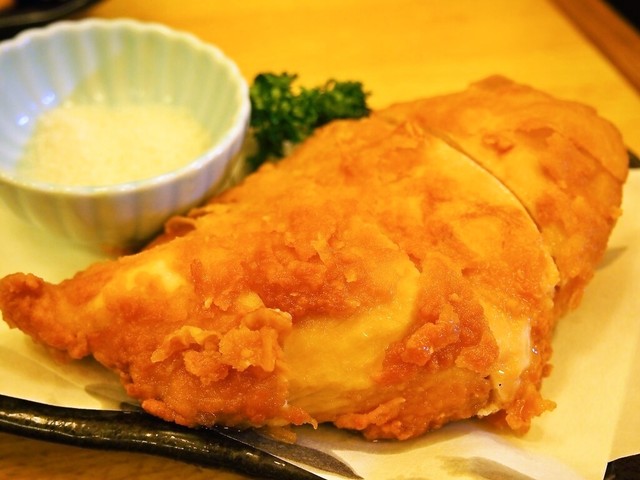
Kamata’s dining rhythm is less polished than Ginza’s and less performative than Shibuya’s: station-side, practical, built for regulars who know what they want after work. Here, chicken cookery means more than yakitori as a grill format; it is portioning, heat control, and waste discipline, where the bird’s value depends on how many parts a kitchen can use confidently. Tori Ki Kamata ten fits that Tokyo lineage: chicken dishes, yakitori, and mizutaki under one roof, in a 44-seat format with counter seating and tatami space.
The sustainability story is not imported luxury or farm-brand theatre. In Japanese chicken cuisine, economy has long been craft. Skewers turn small cuts into a sequence; hot pot gives the carcass, broth, and shared table their role; sake and shochu keep drinking culture close to the food rather than making pairings a separate performance. That is why a chicken specialist in Ota can matter to the city’s dining fabric as much as a higher-priced counter in a central ward.
Tokyo chicken cookery, read through a Kamata lens
Tokyo yakitori culture has several registers: chef-led counters where rare breeds and tasting-menu pacing dominate; commuter-neighbourhood grills paced by the after-work crowd; and broader chicken restaurants combining grilled skewers with simmered or shared formats. Tori Ki Kamata ten sits in the third category, often more revealing than the prestige end. It shows how chicken can anchor a full evening without elaborate plating or imported ingredients.
The Tabelog 100 - Chicken cuisine - 2025 selection matters because the category is crowded and highly local. A 3.59 Tabelog score puts the restaurant in a serious bracket for a neighbourhood chicken specialist, especially in a city where small rating differences can signal a loyal, repeat audience. The award is not a Michelin-style international badge but a domestic recognition mechanism rooted in Japanese dining behaviour. For travellers, that distinction points to a place Tokyo diners track within a specific genre, not a room designed for global restaurant tourism.
Kamata also changes expectations. Ota City is a working Tokyo district with strong transport links and dense local dining culture, not a stage set for destination dining. Compared with lower-budget Tokyo venues such as Grill Suzukou, HIIKI, and Maruyama Shokudo, all in the JPY 1,000 to JPY 1,999 bracket, this reads less as a quick-value stop and more as a chicken-focused evening room. Mi Rei, listed in a JPY 3,000 to JPY 3,999 bracket, adds contrast: Tokyo price tiers do not always map neatly to editorial importance, and category strength can matter as much as spend.
Why yakitori's low-waste logic still feels current
Restaurant environmental consciousness is often discussed through sourcing labels, but yakitori has long carried direct resource discipline. The format rewards kitchens that understand variance: thigh, skin, liver, cartilage, wings, and stock-making all belong to one culinary economy, even when menus do not list every part in English. Mizutaki adds another layer. As a chicken hot pot tradition, it centres broth and shared eating, making the bird’s structure part of the meal rather than a by-product problem.
That is the broader lesson of restaurants like this in Tokyo. Sustainability can look less like a manifesto than a cuisine designed to waste little because waste was never the point. Chicken specialists with counter seating keep production modestly visible, while tatami rooms preserve the social grammar of shared dishes and drinking. The drink categories reinforce the same register: sake, shochu, and cocktails are available, but the editorial centre remains chicken cookery rather than a standalone bar program.
There is also a useful correction for visitors who equate Tokyo dining with sushi counters or ramen queues. Chicken cuisine occupies a deep middle ground: accessible, technique-heavy, and resistant to easy translation. It can be casual in service while still demanding real kitchen judgement. The absence of private rooms and private use keeps the experience in the public dining sphere, suiting the genre. This is not a cloistered tasting-menu environment; it is a shared urban room built around heat, broth, and repeated orders.
How to place it in a Tokyo itinerary
For an EP Club reader, Tori Ki Kamata ten is not about luxury signalling but category literacy. Tokyo’s restaurant culture becomes richer once chicken cuisine is treated as its own field rather than a backup between sushi and tempura. Its Tabelog 100 recognition, non-smoking policy, credit-card acceptance, and mix of counter and tatami seating make it legible for visitors, while Kamata grounds the context in everyday Tokyo rather than hotel-district convenience.
Readers building a wider Tokyo food map can use this as the chicken-cuisine anchor, then compare across genres through Our full Tokyo restaurants guide. Nearby or category-adjacent browsing might include 124. KAGURAZAKA (Yakitori), . 鮪と炭火焼き うお炭 秋葉原店, 12/10 Shinjuku ten, 2D Cafe, and 3 Chome no Curry Ya San. For planning beyond dinner, the city guides for Tokyo hotels, Tokyo bars, Tokyo wineries, and Tokyo experiences help separate neighbourhood logistics from the meal.
Japan-wide comparisons sharpen the point. A beef sukiyaki room such as -Grilled beef Sukiyaki- KAMAKURA TANUKIAN 鎌倉 たぬき庵 in Kamakura expresses another shared-table tradition, while.cafe in Osaka.know in Kumamoto, (Shoku) Vietnam in Kawasaki, [Curry Senmon Ten] Maruyama Kyoju. in Sapporo, and [ki:] in Kyoto show how regional dining categories resist a single national shorthand. Abroad, Jōdo Saké Bar in Los Angeles and Onigiri Time in Pasadena underline how Japanese food culture changes when removed from the everyday systems that shaped it.
The editorial read is clear: this is a Tokyo chicken specialist with enough recognition to justify crossing town, especially for travellers who care about the mechanics of a cuisine rather than only its luxury tier. Think not “special occasion restaurant” but “category-defining local format”: grill, hot pot, sake or shochu, a shared room, and the old efficiency of chicken cookery as a complete meal.
Cost and Credentials
Comparable venues at the same tier for side-by-side context.
| Venue | Cuisine | Price | Notes |
|---|---|---|---|
| Tori Ki Kamata tenThis venue — the venue you are viewing | Not listed | $$ | Not listed |
| Kayanoya (茅乃舎) | Roppongi, Dashi Oden Japanese | $$ | Not listed |
| 甚六 | Shibuya, Shinjuku Private Room Izakaya | Not listed | Not listed |
| Okonomiyaki Imari Ebisu | Not listed | $$ | Shibuya, Okonomiyaki & Teppanyaki Izakaya |
| HIGASHIYA man | Not listed | $$ | Minato, Traditional Japanese wagashi & manju shop |
| Tachibana | Chūō, Traditional Japanese Wagashi Shop | $$ | Not listed |
Recognition history
Dated appearances from independent guides and award organizations, with the underlying list record or original source where available.
Tabelog 100 #2 · No. 2
Tabelog · Tabelog 100 - Chicken cuisine - 2025










At a Glance
- Cozy
- Lively
- Classic
- After Work
- Casual Hangout
- Group Dining
- Solo
- Late Night
- Standalone
- Chefs Counter
- Sake Program
- Beer Program
Current opening hours
- Monday
- 5–11 PM
- Tuesday
- 5–11 PM
- Wednesday
- 5–11 PM
- Thursday
- 5–11 PM
- Friday
- 5–11 PM
- Saturday
- 5–11 PM
- Sunday
- Closed
Hours can change for holidays and private events. Last verified .
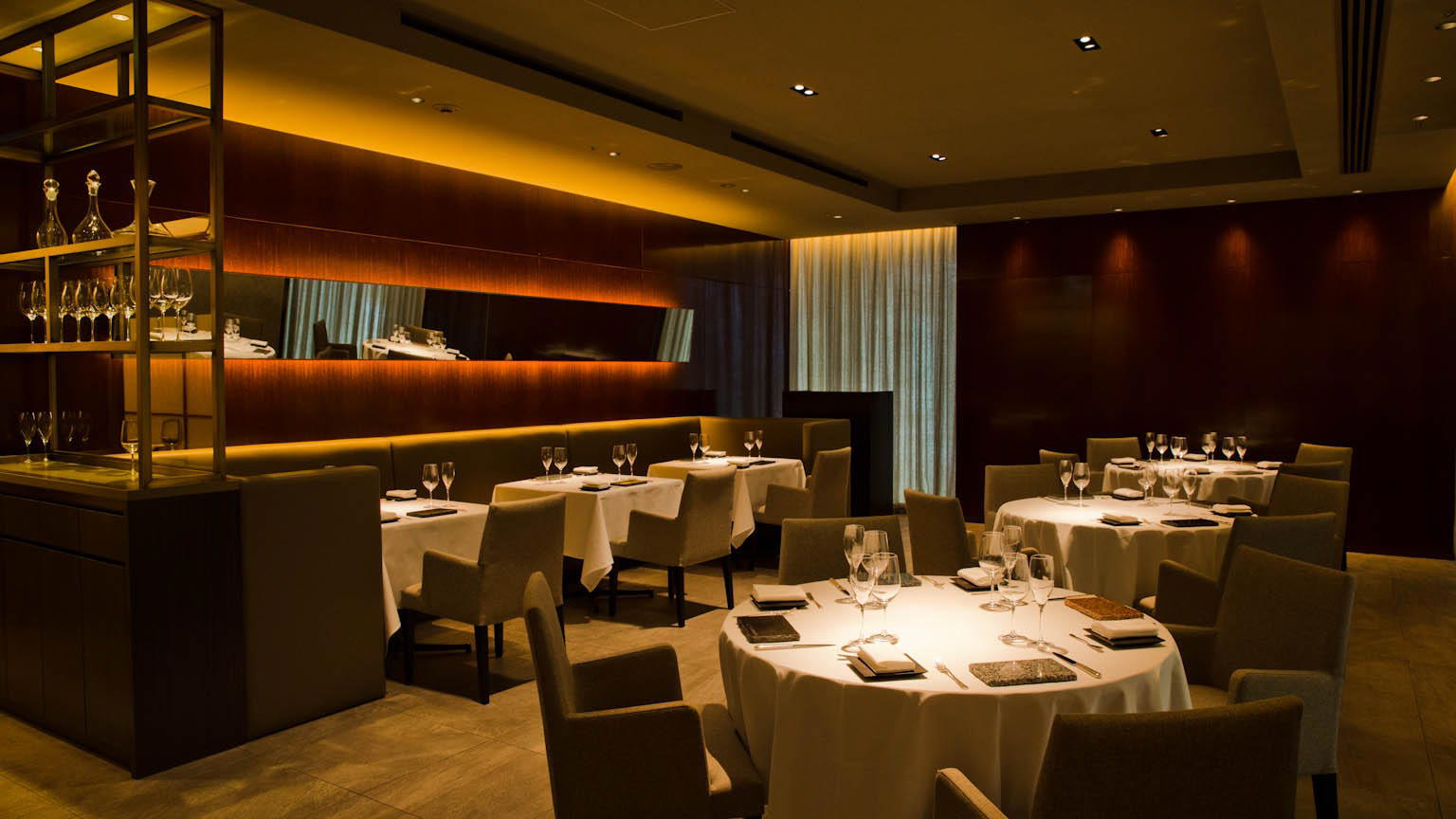
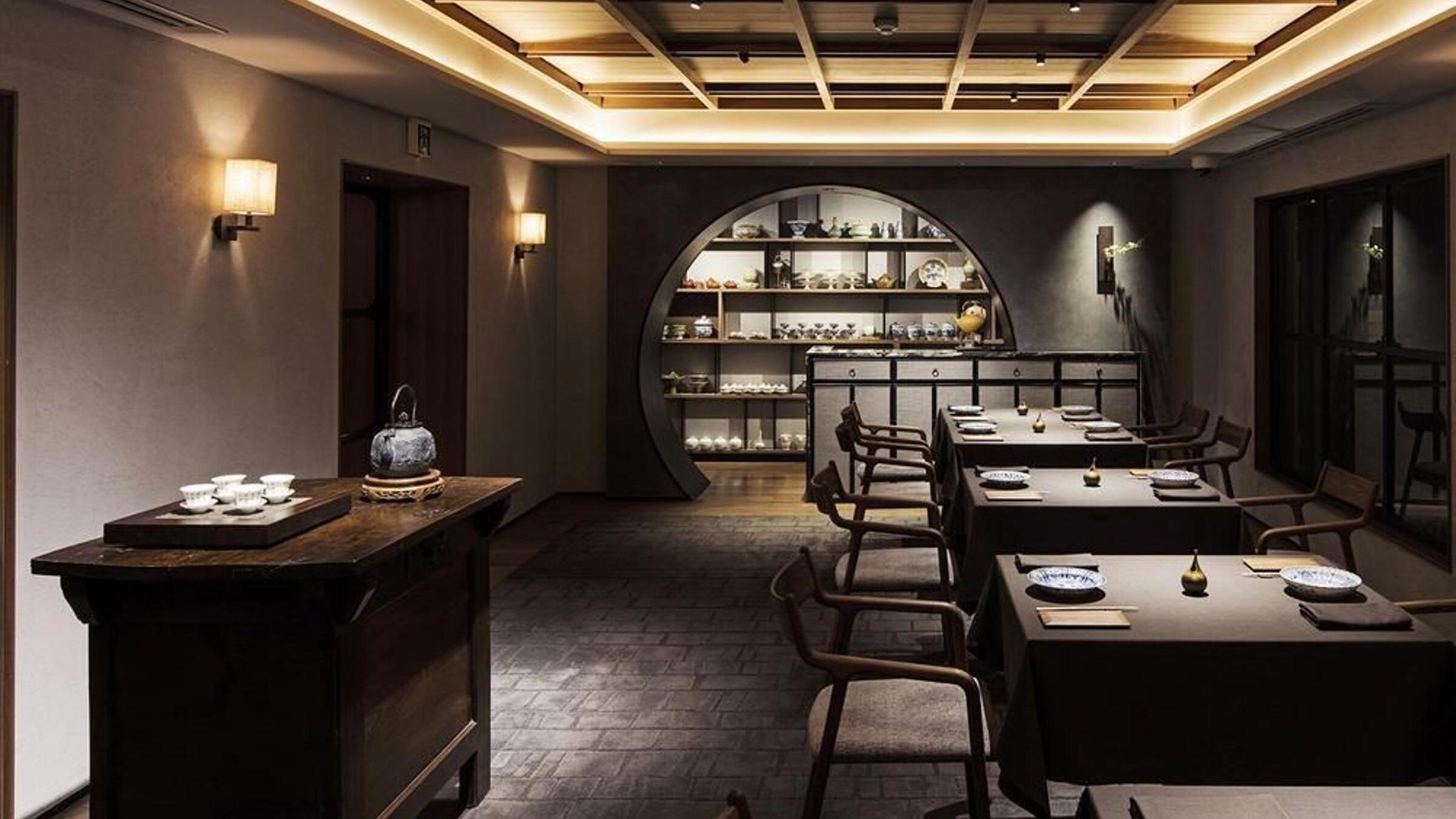
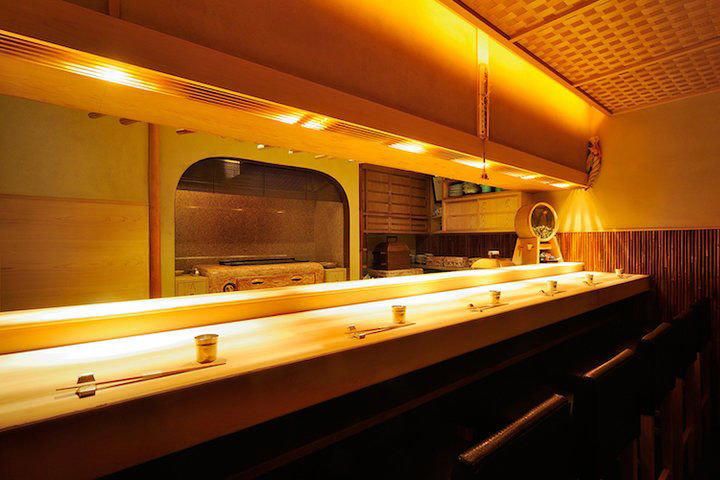
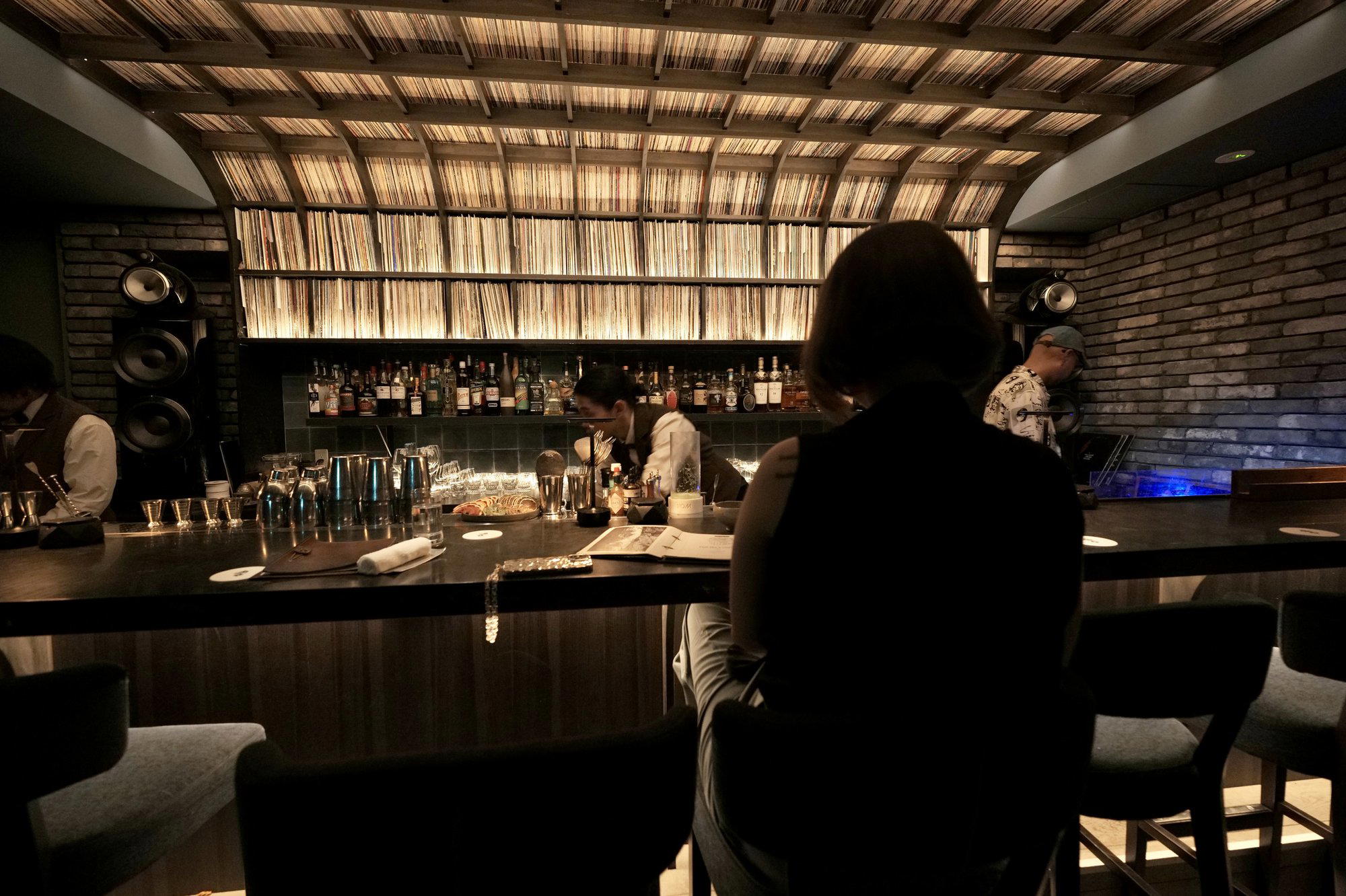
A compact, classic Japanese yakitori shop with counter-focused seating, warm lighting, and a relaxed but lively izakaya atmosphere typical of a neighborhood low-profile address near the station.