
Ginza’s wagashi ritual is at its sharpest when it treats sweets as a timed purchase rather than a drawn-out café stop. Tachibana operates in that older register: Japanese traditional sweets, takeaway service, no reservations, and a price band of JPY 1,000 to JPY 1,999, with repeated Tabelog 100 selections placing it inside Tokyo’s serious sweets conversation.
Pearl is the En Primeur Club membership app — saves, bookings, and concierge access live there. Same editors, same standards.
- Address
- Japan, 〒104-0061 Tokyo, Chuo City, Ginza, 8 Chome−7−19 イケドビル 2階
- Phone
- +81 3-3571-5661
- Website
- tabelog.com
 Saves & bookings on Pearl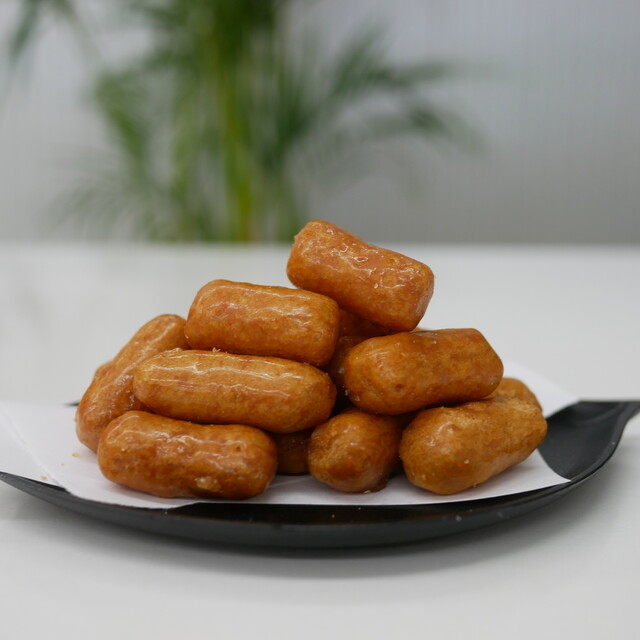
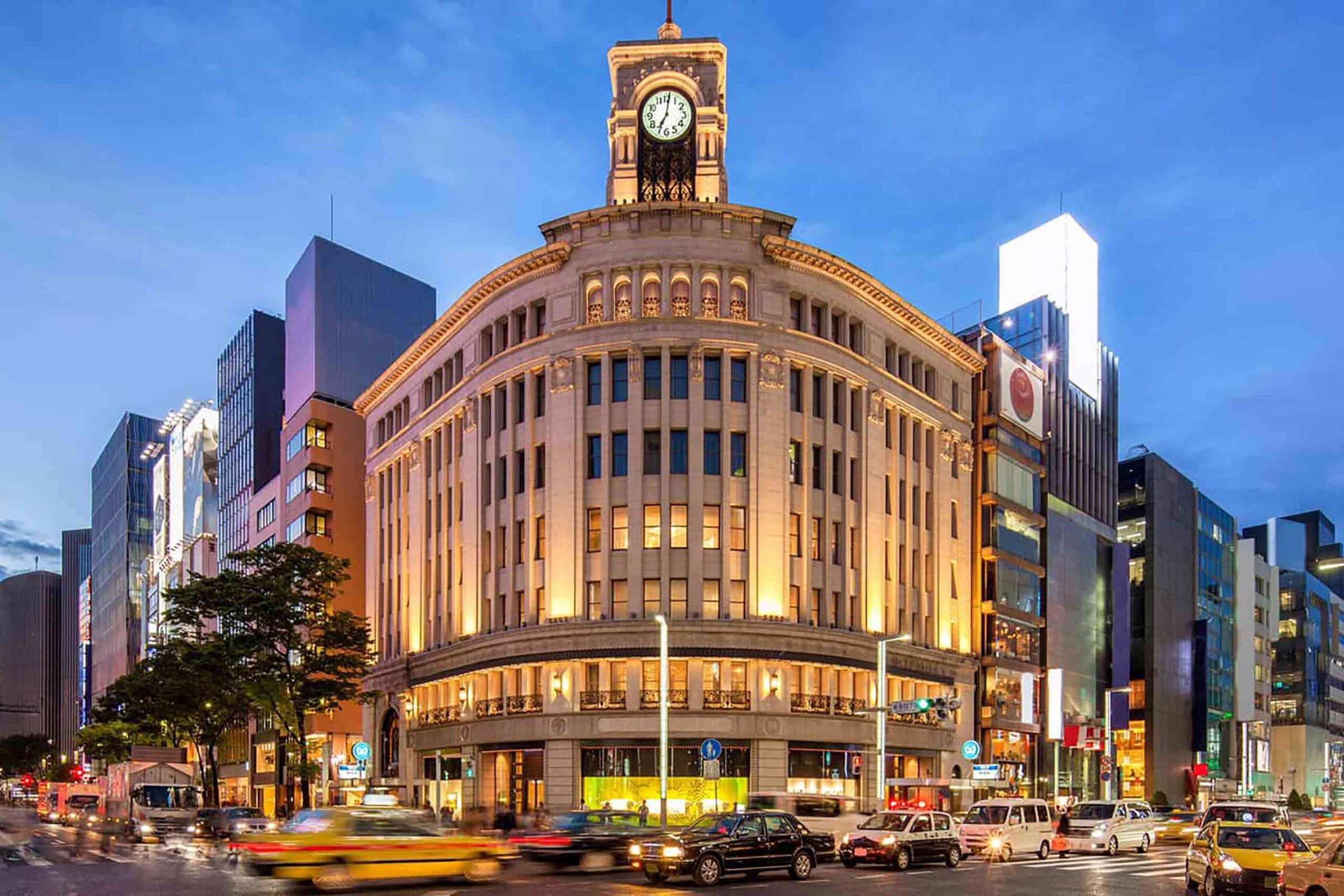
Ginza changes texture by the block: polished storefronts, narrow upper-floor addresses, office workers moving between Shimbashi and the department-store side. Here, old Tokyo sweets are less about lingering than timing. Wagashi is bought with intent, carried carefully, and often eaten elsewhere, making the shop counter a small, exacting stage rather than a restaurant room.
Tachibana fits that tradition. Its category is Japanese traditional sweets, its format is takeaway, and reservations are unavailable. That matters because Tokyo sweets culture splits between cafés built for queues and photography, and specialist counters where the transaction is the ritual: arrive during operating hours, choose decisively, pay in cash, and move on. The form rewards those who know wagashi is tied to season, gifting, and the etiquette of bringing something precise rather than merely expensive.
Ginza wagashi, treated as a purchase ritual rather than a café stop
Tokyo’s high-end dining reputation is usually told through sushi counters, kappo rooms, yakitori grills, and French-influenced tasting menus. Sweets follow different rules. Recognition is not built on long menus or table theatre; it comes from consistency, repeat custom, and holding attention in a city where department-store food halls and specialist confectioners compete for the same afternoon errand.
The evidence is clear. Tachibana was selected for Tabelog’s Japanese traditional sweets and Japanese sweets café Tokyo 100 in 2023, and its recognition history includes Tabelog Sweets Tokyo 100 selections in 2018, 2019, 2020, and 2022. A Tabelog score of 3.78 in this category is not casual in Tokyo, where scoring compresses and sweets shops often rely on narrow, loyal audiences rather than destination-dining spectacle.
The Ginza address changes the reading. This is not young-dessert Tokyo, where novelty formats can become the point. Ginza’s traditional sweets culture has a businesslike undertone: gifts for clients, something to take home after an appointment, a controlled stop before or after lunch nearby. Compared with a sushi institution such as Kyubey or a higher-spend Japanese meal at Oryori Katsushi, the spend is modest, but the expectation of precision remains. For visitors, the useful lesson is that price does not lower etiquette.
Closest Western analogy is not a bakery table or patisserie salon, but a specialist confectioner where purchase is part of the social code. Wagashi carries meaning through seasonality, packaging, portion, and occasion. Even without a dining room, the format asks for attention: do not treat the counter as a browsing lounge, or assume the experience needs a seat to count as a serious Tokyo food stop.
What the format says about Tokyo's sweets hierarchy
Takeaway-only service puts Tachibana in a different lane from contemporary dessert cafés such as 2D Cafe, where the room and visual conceit are part of the draw. It also sits apart from meal-led Tokyo listings, from curry at 3 Chome no Curry Ya San to yakitori at 124. KAGURAZAKA (Yakitori), because value is measured in a shorter exchange. The compressed format is not a limitation; it is the category’s point.
That distinction explains why traditional sweets remain a separate editorial map inside Tokyo. A full dinner can reveal a chef’s pacing over hours; wagashi asks whether a shop can maintain trust through a small purchase. The price band of JPY 1,000 to JPY 1,999 makes it accessible for an afternoon stop, yet the repeated Tabelog 100 history places it in a more serious bracket than casual convenience sweets or chain counters.
Visitors planning a broader Tokyo food day should think in sequence, not substitution. A wagashi stop works before a late lunch, after a Ginza errand, or as a carry-away gift before returning to a hotel. It is not competing with charcoal cooking at . 鮪と炭火焼き うお炭 秋葉原店, a Shinjuku meal at 12/10 Shinjuku ten, or the broader restaurant circuit gathered in Our full Tokyo restaurants guide. It fills a narrower, older role: a high-confidence sweet purchase in a district with unforgiving standards.
The practical rhythm is simple. Weekday hours run through the afternoon, Saturday service is shorter, and Sunday is closed. Payment is cash-only; credit cards, electronic money, and QR code payments are not accepted. Parking is unavailable, and Shimbashi is the nearest station, making the shop easier to fold into a Ginza-Shimbashi walk than a taxi-led itinerary.
How to place it within a wider Tokyo itinerary
For travellers used to restaurant reservations driving the day, a no-reservation sweets counter can feel too casual. In Tokyo, that misses the hierarchy. Some of the city’s strongest food experiences are brief, specialised, and governed by habit rather than ceremony. The discipline is knowing when to go, what kind of purchase the format supports, and how to carry it into the day.
Tachibana is a useful counterpoint to heavier dining plans. If the evening is built around sushi, shabu-shabu, or a Japanese tasting menu, a Ginza wagashi stop adds context without overloading the schedule. It also shows how Tokyo eats between meals: not only at counters with long booking cycles, but through small, trusted purchases moving between office, home, hotel room, and gift bag.
EP Club readers building a Japan route can use it as a calibration point for sweets culture before comparing regional formats elsewhere, from -Grilled beef Sukiyaki- KAMAKURA TANUKIAN 鎌倉 たぬき庵 in Kamakura to [ki:] in Kyoto.cafe in Osaka.know in Kumamoto, [Curry Senmon Ten] Maruyama Kyoju. in Sapporo, and (Shoku) Vietnam in Kawasaki. For international context on Japanese casual formats abroad, compare the different role played by Jōdo Saké Bar in Los Angeles or Onigiri Time in Pasadena.
The broader planning layer belongs outside the sweet shop. Pair the stop with Our full Tokyo hotels guide if staying around Ginza, Marunouchi, or Shimbashi; use Our full Tokyo bars guide for the evening; and keep Our full Tokyo experiences guide close for daytime structure. Our full Tokyo wineries guide is a reminder that Tokyo’s premium food culture is not one lane. It is a sequence of specialised rituals, and this one is short, exact, and deeply local in its manners.
Reputation First
Comparable venues at the same tier for side-by-side context.
| Venue | Cuisine | Price | Notes |
|---|---|---|---|
| TachibanaThis venue — the venue you are viewing | Traditional Japanese Wagashi Shop | $$ | Not listed |
| Shibata | Classic Tokyo Ramen | $$ | Komae |
| 銀座 上瀧 | japanese | Not listed | Chūō |
| TORAYA TOKYO | Traditional Japanese Wagashi & Tea Café | $$ | Chiyoda |
| Sakazuki | Standing Japanese sake bar with omakase pairing course | $$ | Chūō |
| 赤坂 島袋 | Japanese Robatayaki | Not listed | Minato |
Recognition history
Dated appearances from independent guides and award organizations, with the underlying list record or original source where available.
Tabelog 100 #17 · No. 17
Tabelog · Tabelog 100 - Japanese traditional sweets / Japanese sweets cafe - TOKYO - 2023





At a Glance
- Classic
- Quiet
- Well Known
- After Work
- Casual Hangout
- Solo
- Standalone
- Historic Building
- Street Scene
Current opening hours
- Monday
- 11 AM–4:30 PM
- Tuesday
- 11 AM–4:30 PM
- Wednesday
- 11 AM–4:30 PM
- Thursday
- 11 AM–4:30 PM
- Friday
- 11 AM–4:30 PM
- Saturday
- 11 AM–3 PM
- Sunday
- Closed
Hours can change for holidays and private events. Last verified .
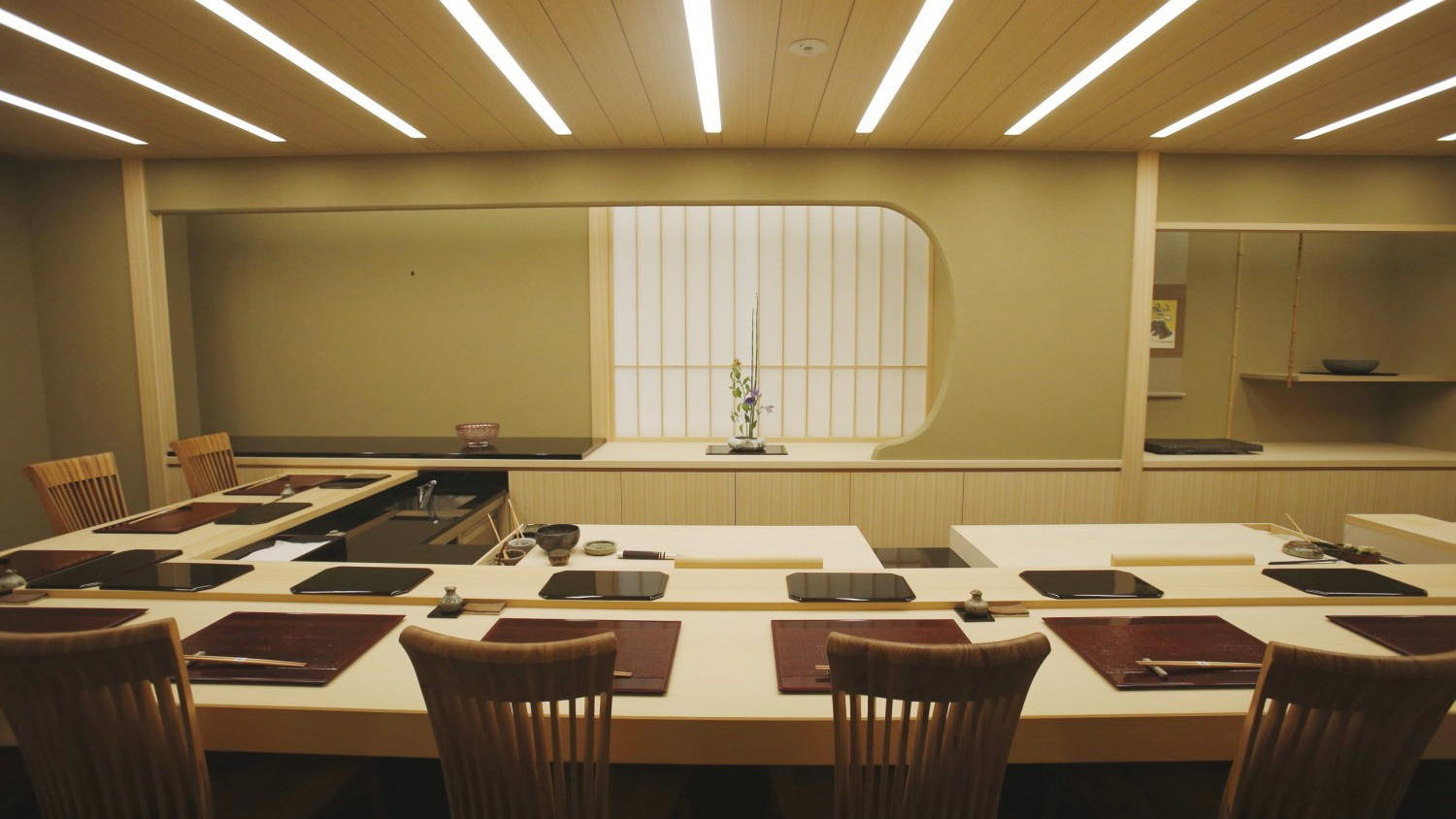
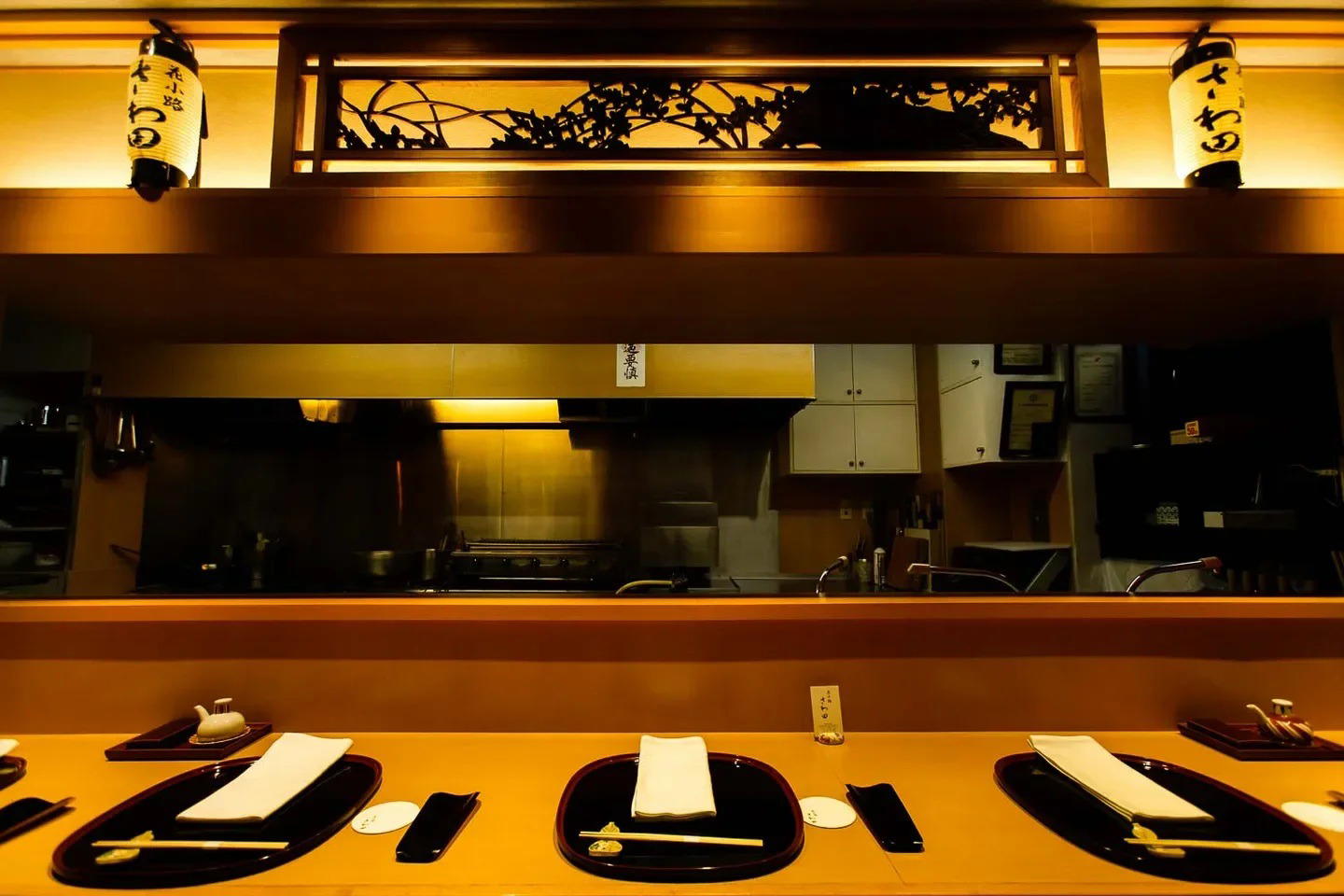
Traditional and understated wagashi shop atmosphere with a simple, classic interior focused on takeaway; calm, unhurried, and more like a neighborhood sweet shop than a sit‑down café.