
Okonomiyaki Imari Ebisu puts Osaka-style griddle cooking into a compact Ebisu room with counter and table seating, carrying enough recognition to matter without turning the meal into ceremony. The draw is the sequence: okonomiyaki, teppanyaki, izakaya pacing, sake and shochu, and a room small enough for the grill to set the tempo.
Pearl is the En Primeur Club membership app — saves, bookings, and concierge access live there. Same editors, same standards.
- Address
- 2 Chome-3-11 Ebisunishi, Shibuya, Tokyo 150-0021, Japan
- Phone
- +81 3-6455-0993
- Website
- instagram.com
 Saves & bookings on Pearl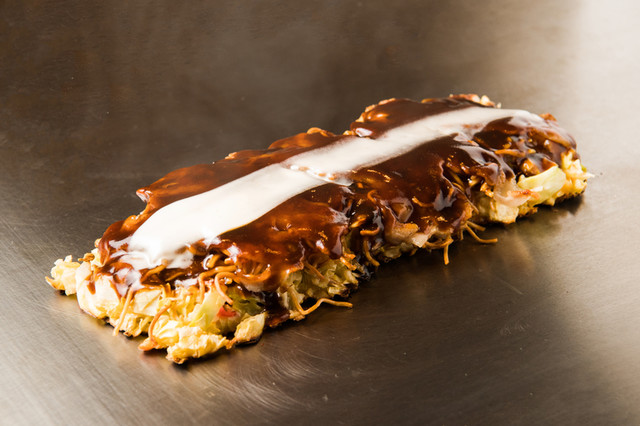
Ebisu changes tone quickly after dark: office towers give way to smaller restaurant streets, and the griddle-house rhythm fits that shift. Okonomiyaki is not Tokyo’s native prestige language like sushi counters or tempura rooms, which is why it matters here. The form is looser, hotter, more social, and less deferential. At Okonomiyaki Imari Ebisu, the meal reads as a progression around the teppan: drinks, small grilled dishes, a central okonomiyaki course, then the slower izakaya finish that keeps a table lingering.
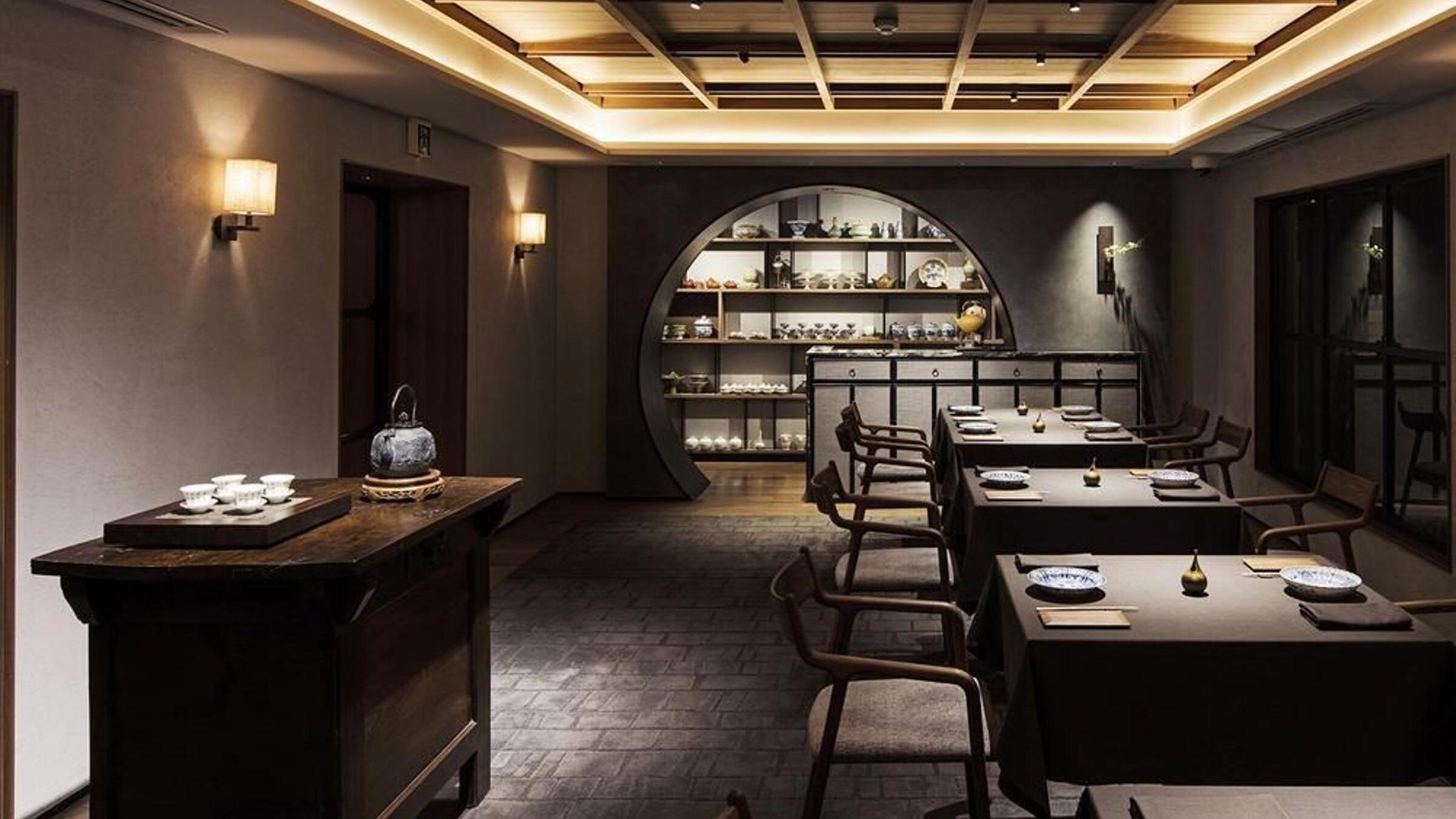
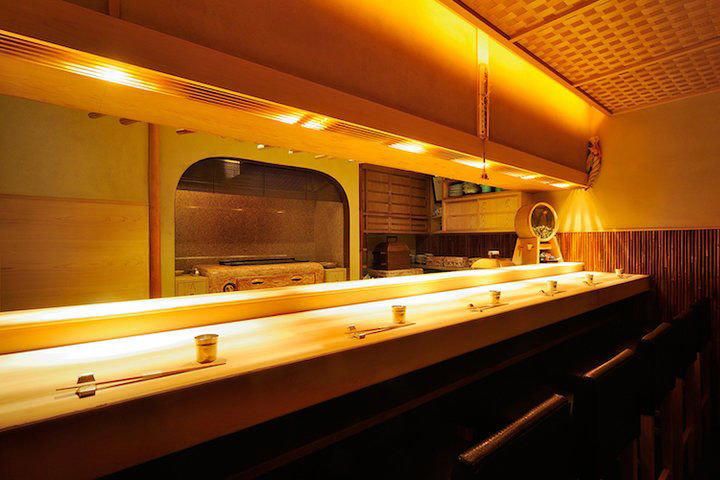
That sequencing is the point. In Tokyo, okonomiyaki can be flattened into casual comfort food, treated as a late-night carbohydrate rather than a structured meal. Stronger rooms use the grill as a pacing device: heat replaces ceremony. The counter gives a close view of the cooking; tables suit the shared-dish grammar of the category. With 26 seats, including 8 counter seats and 18 table seats, this is compact rather than a sprawling beer-hall version of the genre.
Okonomiyaki treated as a full evening, not a single pancake
Read this address through breadth rather than chef mythology. Its listed categories are okonomiyaki, teppanyaki, and izakaya, placing it in a hybrid Tokyo lane: not a tasting-menu restaurant, pure drinking den, or tourist-facing pancake stop. The mix lets dinner build in stages. Teppanyaki gives early plates heat and speed; okonomiyaki supplies the anchor; the izakaya frame keeps the table informal enough for sake, shochu, or wine across the meal.
Recognition separates serious griddle restaurants from ordinary neighborhood options. Okonomiyaki Imari Ebisu was selected for Tabelog’s Okonomiyaki “Tabelog 100” in 2025, with previous selections in 2024, 2022, 2019, and 2018. In a city where high-status dining often clusters around counter sushi, French-influenced tasting menus, and tempura, repeated selection in an okonomiyaki category signals another reliability: consistency in timing, heat control, and group appetite rather than plated formality.
The drink list matters because okonomiyaki needs more than token beer. Sake and shochu are both emphasized, and wine is also part of the program. That combination fits the food’s middle register: sweetness, sauce, char, cabbage, batter, and protein all in play, calling for drinks that move between savory depth and refreshment. The result is a compact griddle izakaya more than a single-specialty counter.
Ebisu gives the format a sharper Tokyo edge
Ebisu and nearby Daikanyama suit this kind of restaurant because the neighborhood supports casual spending and serious repeat dining. It is not as ceremonial as Ginza or as youth-driven as parts of Shibuya; it works for adult, after-work meals where informality need not feel careless. That context matters. Okonomiyaki belongs to western Japan’s everyday dining culture, especially Osaka and Hiroshima, but Tokyo has absorbed it through smaller rooms balancing regional comfort with metropolitan polish.
Compared with higher-ticket Tokyo heat-and-counter formats, the appeal here is not luxury theater. Tempura Motoyoshi sits in a far more formal tempura lane, while . 鮪と炭火焼き うお炭 秋葉原店 works from a seafood-and-charcoal grammar. 124. KAGURAZAKA (Yakitori) points to another Tokyo counter tradition, where skewers and smoke drive the meal. Okonomiyaki Imari Ebisu is separate: shared griddle cooking with enough structure for a full dinner, without the rigid procession of an omakase.
That distinction helps travelers plan Tokyo beyond the prestige circuit. Sushi and tempura explain one side of the city; okonomiyaki explains another, where the quality test is less rare ingredients than batter balance, grill management, and confidence to let a table eat at its own pace. For a broader read on the city’s range, see Our full Tokyo restaurants guide, then contrast the dining map with Our full Tokyo hotels guide, Our full Tokyo bars guide, Our full Tokyo wineries guide, and Our full Tokyo experiences guide.
How to place it in a Tokyo itinerary
This dinner works better as a social anchor than a prelude to another long meal. The room’s scale favors small groups, dates, and friends, and the listing notes children are welcome, including babies, preschoolers, and school-age children. Private rooms and private use are not part of the setup, which suits the category: okonomiyaki benefits from the room’s shared heat and noise rather than separation from it.
The practical strength is accessibility within Japanese dining. English-language menus and English-speaking staff are noted, and take-out is offered during operating hours. Cards and major electronic money options are accepted; QR code payments are not. The restaurant is non-smoking, has no parking, and offers wheelchair access and free Wi-Fi. Those details do not make the meal; they make the room easier to use, especially for visitors wanting one serious casual dinner in Ebisu without turning the evening into a reservation puzzle.
Tokyo’s casual dining range is too broad for one address to explain. Nearby and across the city, 12/10 Shinjuku ten, 2D Cafe, and 3 Chome no Curry Ya San show how specific Tokyo can be at different levels of formality. Wider Japan adds comparisons: -Grilled beef Sukiyaki- KAMAKURA TANUKIAN 鎌倉 たぬき庵 in Kamakura.cafe in Osaka.know in Kumamoto, (Shoku) Vietnam in Kawasaki, [Curry Senmon Ten] Maruyama Kyoju. in Sapporo, and [ki:] in Kyoto. For Japanese food culture abroad, Jōdo Saké Bar in Los Angeles and Onigiri Time in Pasadena show a different export logic, where format must translate across another city’s habits.
The editorial case is simple: choose this for a griddle-led evening in Ebisu where okonomiyaki sits inside a broader sequence, not as a one-plate novelty. Repeated Tabelog category recognition gives it credibility; compact seating and the drink program give it shape. In a Tokyo itinerary crowded with precision dining, this is the counterweight: warm steel, shared plates, and a meal moving by appetite rather than ceremony.
How It Stacks Up
Comparable venues by cuisine and price in the same metro.
| Venue | Cuisine | Price | Notes |
|---|---|---|---|
| Okonomiyaki Imari EbisuThis venue — the venue you are viewing | Okonomiyaki & Teppanyaki Izakaya | $$ | Not listed |
| Udon Yamacho | Sanuki Udon & Japanese Comfort Dishes | $$ | Shibuya |
| TAIZEN | Hinai Jidori chicken and oyakodon–focused Japanese restaurant | $$ | Shinjuku |
| Takeno | Traditional Tsukiji seafood shokudo / izakaya | $$ | Chūō |
| Tenfuku | Edomae Tempura & Tendon | $$ | Ōta |
| Kajitsuen Liber Tokyo ten | Fruit parlor & café with Japanese-style parfaits | $$ | Chiyoda |
Recognition history
Dated appearances from independent guides and award organizations, with the underlying list record or original source where available.
Tabelog 100 #18 · No. 18
Tabelog · Tabelog 100 - Okonomiyaki - 2025












At a Glance
- Cozy
- Lively
- Intimate
- Date Night
- Casual Hangout
- After Work
- Group Dining
- Late Night
- Chefs Counter
- Open Kitchen
- Standalone
- Sake Program
- Beer Program
- Local Sourcing
Current opening hours
- Monday
- 5 PM–12 AM
- Tuesday
- 5 PM–12 AM
- Wednesday
- 5 PM–12 AM
- Thursday
- 5 PM–12 AM
- Friday
- 5 PM–12 AM
- Saturday
- 5 PM–12 AM
- Sunday
- 5 PM–12 AM
Hours can change for holidays and private events. Last verified .
A small, warm okonomiyaki and teppanyaki spot with counter seating around the hot plate, creating an intimate yet energetic atmosphere filled with the sound and aroma of food sizzling on the teppan.