Byeokje Galbi


Located in Songpa District, the restaurant represents the premium end of Korean beef barbecue, where marinated short ribs are the measure of a kitchen's discipline.
Pearl is the En Primeur Club membership app — saves, bookings, and concierge access live there. Same editors, same standards.
- Address
- 1-4 Yangjae-daero 71-gil, 방이1동 Songpa District, Seoul, South Korea
- Phone
- +82 2-415-5522
- Website
- thebyeokje.com
- Directions
- Get directions
 Saves & bookings on Pearl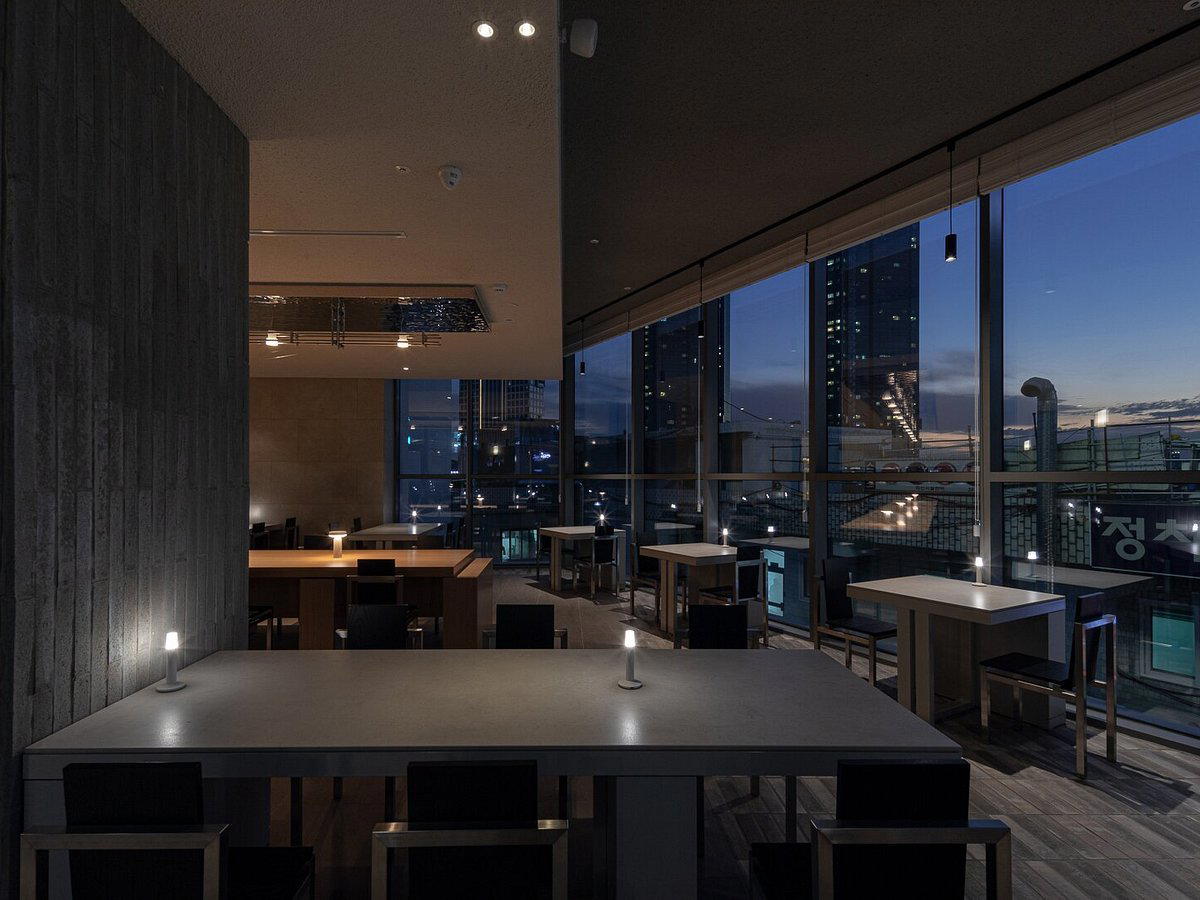
Songpa's Galbi Standard
In Seoul's barbecue hierarchy, galbi houses occupy a distinct tier from the casual samgyeopsal spots that crowd every neighbourhood. They are older, more formal, and they carry a different kind of institutional weight. Songpa District's Byeokje Galbi belongs to this category: a house built around marinated short ribs, sustained recognition, and the kind of repeat clientele that fills a dining room before any tourist has found the address. The setting along Yangjae-daero 71-gil places it within a residential-commercial pocket of Songpa, away from the concentrated dining corridors of Gangnam and Itaewon, which means the room skews local and the pacing reflects it.
Korean galbi restaurants at this level operate with a different logic than the open-grill, cook-it-yourself formats that have become internationally familiar. The marinade, its sugar-to-soy balance, the depth of sesame oil, the resting time on the meat, these are the technical variables that separate a kitchen from its competitors. At Byeokje Galbi, the galbi is the argument the restaurant makes for itself, and it has made that argument consistently enough to earn consecutive recognition from two of the category's harder-to-impress evaluators.
The Recognition Record
The awards trajectory here is worth reading carefully. Byeokje Galbi appeared on the Opinionated About Dining Leading Restaurants in Asia list as Highly Recommended in 2023, climbed to a ranked position of #261 in 2024, and moved to #218 in 2025. OAD rankings are crowd-sourced from a global network of frequent restaurant diners rather than a single critic's visit, which makes sustained upward movement across three consecutive years a meaningful signal: the kitchen is performing consistently, not benefiting from a single notable review cycle. Alongside that, the restaurant holds a Michelin Plate in both 2024 and 2025, the designation that indicates Michelin inspectors found the cooking worth noting, even if it sits below the star threshold. A 4.0 on Google across 872 reviews adds a volume dimension: the satisfaction is not confined to specialist audiences.
For context, Seoul's starred Korean restaurants, including Gaon and Kwon Sook Soo, operate in the ₩₩₩₩ bracket and lean toward refined hansik tasting formats. Byeokje Galbi prices at ₩₩₩ and holds to a more direct proposition: high-quality marinated beef, table grills, the full sequence of supporting Korean dishes. That positioning is a choice, not a limitation.
The Arc of a Meal
The structure of a galbi meal at a house operating at this standard follows a reliable progression, and understanding that arc matters if you want to get full value from the visit. The meal does not announce itself dramatically at the door. It builds.
The opening moves are the banchan: small plates of fermented, pickled, and seasoned vegetables that arrive without fanfare and function as palate calibration rather than entertainment. At a galbi-focused house, the kimchi quality is a signal. Well-fermented kimchi at the right stage of its cycle, not too fresh, not past its peak, tells you something about the kitchen's overall discipline before the grill is lit.
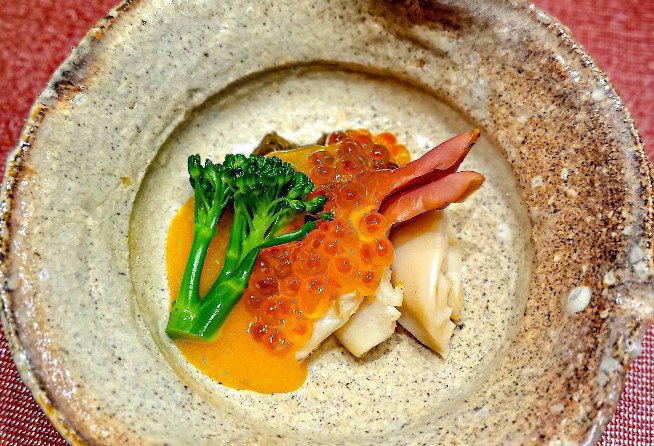
Then the charcoal or gas grill is prepared, and the galbi arrives. The cut, the LA galbi style or the traditional bone-in format, determines the eating rhythm. Marinated short ribs at this level have typically been in their marinade long enough that the sugar has begun to caramelise properly at grill temperature, producing a lacquered exterior against which the meat's own flavour registers. The staff manage the grill in many houses at this tier; the cooking is not outsourced to the diner. That detail matters for the progression, the pacing of when each piece comes off the grill, how it's presented, when to order the next round.
Rice and doenjang jjigae, a fermented soybean paste stew, typically close the meal. At a serious galbi house, the jjigae is not an afterthought. It is the resolution, the savoury, slow note that settles the protein-heavy middle of the meal. If you push through to dessert territory in Korean barbecue, naengmyeon, cold buckwheat noodles, sometimes appears as an optional palate cleanser between meat courses or at the meal's end. It is a pairing with a long history in Korean beef houses and worth knowing about before you order.
Placing Byeokje Galbi in Seoul's Barbecue Field
Seoul's barbecue scene now covers an enormous range. At the accessible end, restaurants like Geumdwaeji Sikdang and Ggupdang have earned their own recognition in the pork-focused segment. Boreumsae and Budnamujip represent other points in the Seoul barbecue map. Gom Ba Wie anchors yet another position. The restaurant's specific address in the galbi-focused, premium-but-not-fine-dining bracket is increasingly well-defined: three years of consecutive external recognition at a house that has not chased format trends or tasting menu economics.
Internationally, the galbi format sits at a significant remove from American barbecue traditions. The smoking and low-and-slow approach that defines places like InterStellar BBQ in Austin, la Barbecue, or CorkScrew BBQ in Spring shares a category label but almost nothing of technique or ceremony. Korean galbi is about the marinade and the table grill; American barbecue is about smoke and time. The comparison is useful only in that it clarifies how culturally specific each tradition is. The restaurant is not attempting to be anything other than a serious Korean galbi house, and that specificity is precisely what the OAD community has been recognising year over year. For reference on the range of Korean dining contexts in the region, Mori in Busan and Baegyangsa Temple in Jangseong-gun offer useful counterpoints, as does the contemporary Korean end represented by The Flying Hog in Seogwipo.
Planning the Visit
The restaurant sits in Songpa District, a part of Seoul that rewards visitors willing to move beyond the Gangnam corridor. The ₩₩₩ price positioning means an evening here is meaningful expenditure without entering the ₩₩₩₩ territory of tasting-menu Korean restaurants. Given the consistent upward movement in the OAD rankings and the steady volume of reviews, booking ahead is advisable rather than optional; galbi houses at this recognition level in Seoul do not hold empty tables on weekends. Visiting in autumn or winter aligns well with the format: the warmth of a table grill and a bowl of jjigae performs differently in cool weather than in Seoul's humid summer months.
For a wider view of where the restaurant fits within the city's dining, drinking, and accommodation options, see our full Seoul restaurants guide, our full Seoul hotels guide, our full Seoul bars guide, our full Seoul wineries guide, and our full Seoul experiences guide.
What Regulars Order at Byeokje Galbi
At a galbi house with this depth of local following, the answer is not complicated: the marinated short ribs are the reason the room fills. Regulars at houses in this tradition tend to anchor their order around the galbi itself, add cold naengmyeon as a mid-meal or closing course, and work through the banchan as the meal paces itself. The awards the restaurant holds, OAD Asia #218 in 2025 and the Michelin Plate, are fundamentally endorsements of the core product, the beef and its preparation, not of an adventurous menu. Ordering accordingly, simply and without over-complicating the table, is how the meal works well.
Same-City Peers
Comparable venues nearby, for context on price, style, and recognition.
| Venue | Cuisine | Price | Notes |
|---|---|---|---|
| Byeokje GalbiThis venue — the venue you are viewing | Premium Korean BBQ (Galbi) | $$$ | Not listed |
| Hwa Hae Dang | Soy Marinated Crab (Ganjang Gejang) | $$$ | 상수동 |
| A Flower Blossom on the Rice | Organic Korean Fine Dining | $$$ | 가회동 |
| Hwangsaengga Kalguksu | Traditional Korean Kalguksu (Knife-Cut Noodles) | $$ | 가회동 |
| Yukjeon Hoekwan | Traditional Korean Bassak Bulgogi | $$ | 노고산동 |
| Joo052 | Contemporary Korean Bistronomie | $$$ | 효자동 |
Recognition history
Dated appearances from independent guides and award organizations, with the underlying list record or original source where available.
Opinionated About Dining Top Restaurants in Asia Recommended
Opinionated About Dining
Michelin Plate
Michelin
Opinionated About Dining Top Restaurants in Asia Ranked #218
Opinionated About Dining
Michelin Plate
Michelin
Opinionated About Dining Top Restaurants in Asia Ranked #261
Opinionated About Dining
Opinionated About Dining Top Restaurants in Asia Highly Recommended
Opinionated About Dining

At a Glance
- Elegant
- Classic
- Intimate
- Group Dining
- Special Occasion
- Business Dinner
- Private Dining
- Local Sourcing
Current opening hours
- Monday
- 11:30 AM–10 PM
- Tuesday
- 11:30 AM–10 PM
- Wednesday
- 11:30 AM–10 PM
- Thursday
- 11:30 AM–10 PM
- Friday
- 11:30 AM–10 PM
- Saturday
- 11:30 AM–10 PM
- Sunday
- 11:30 AM–10 PM
Hours can change for holidays and private events. Last verified .
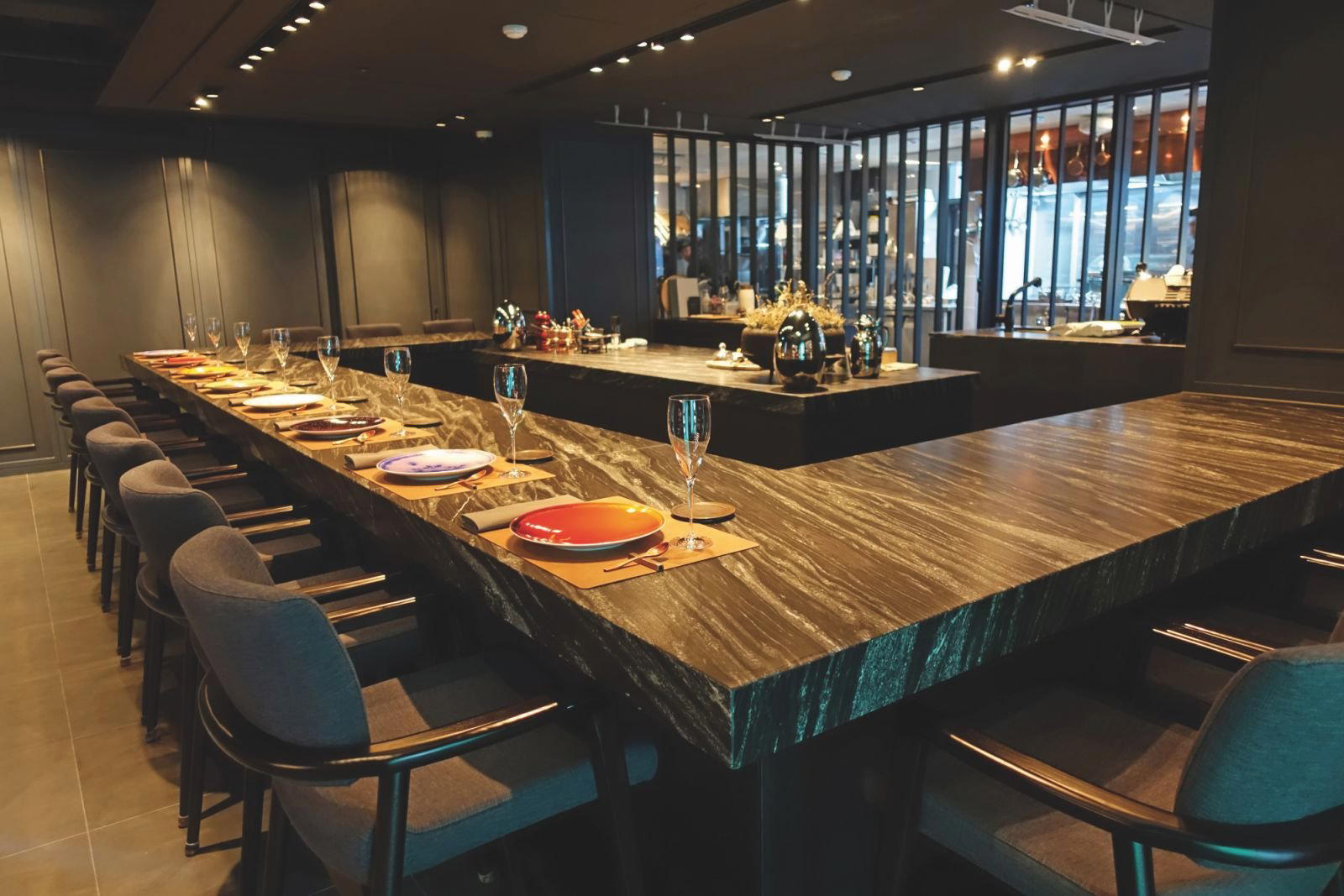
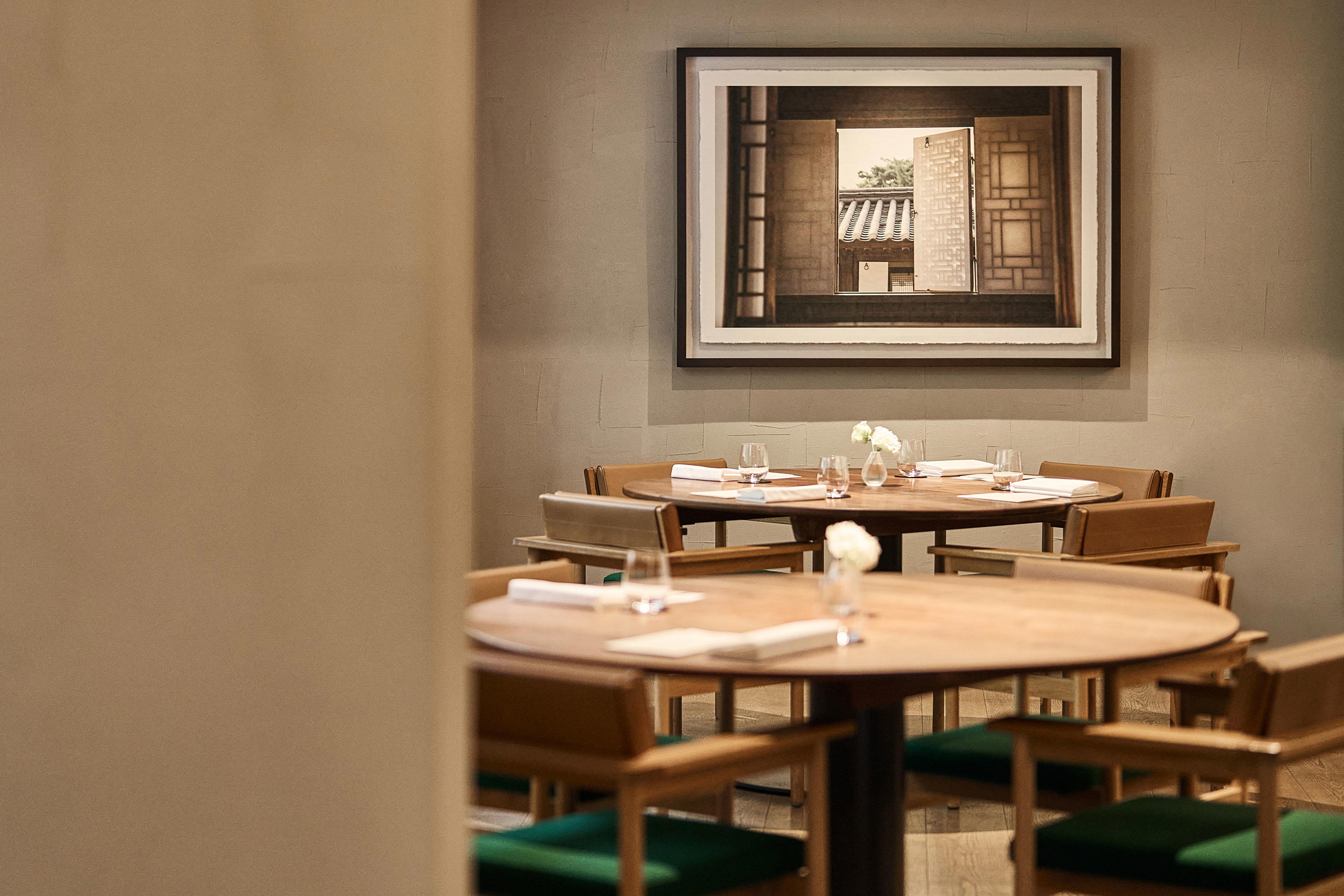
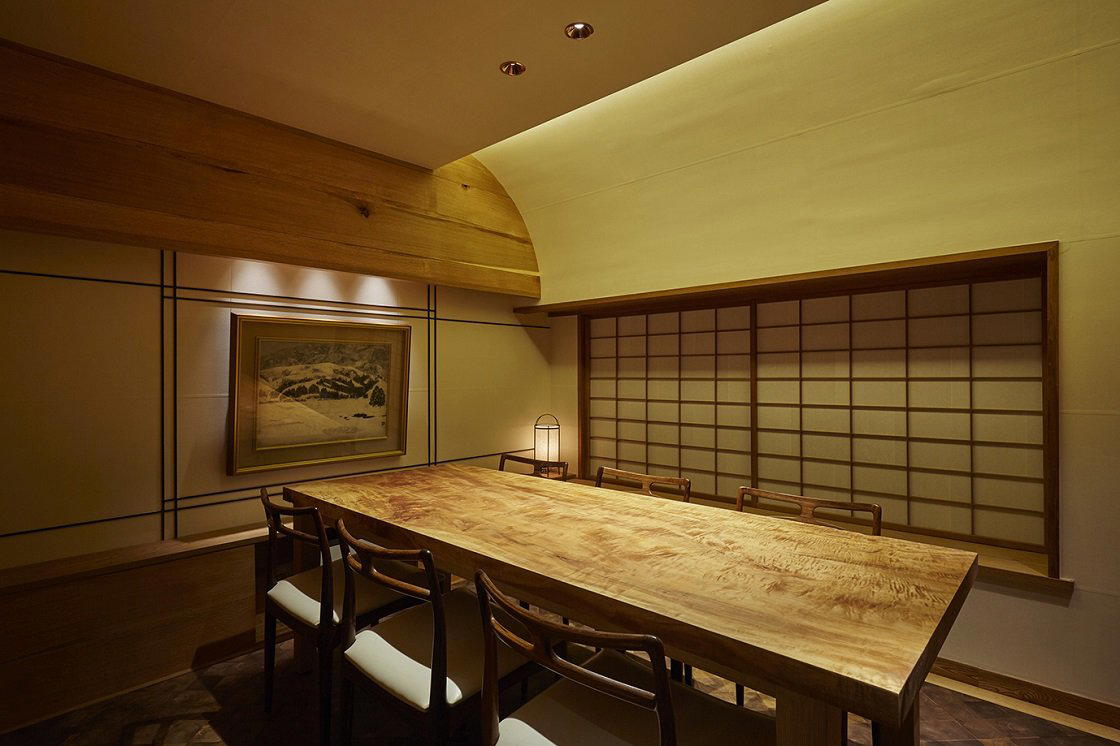
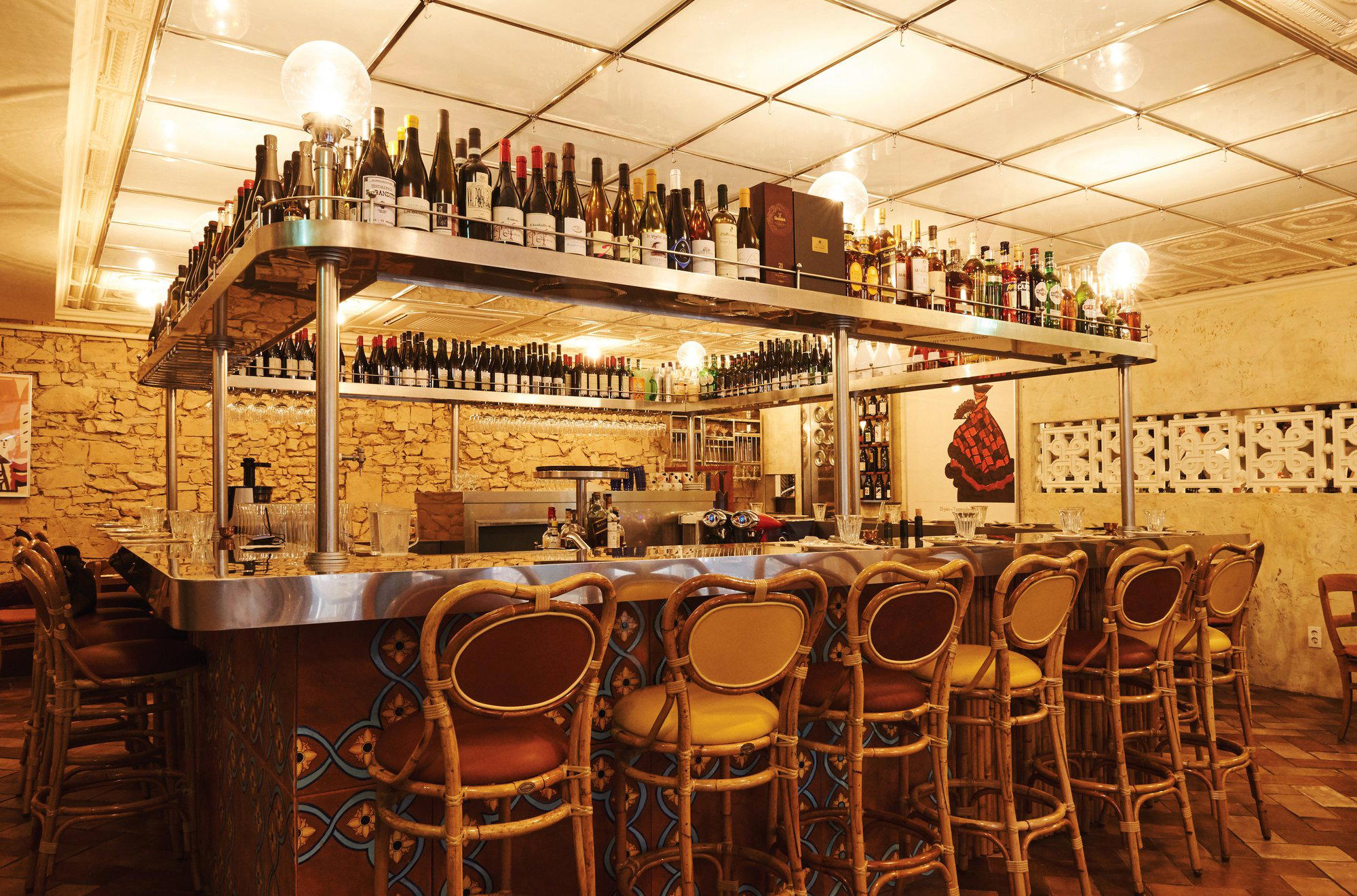
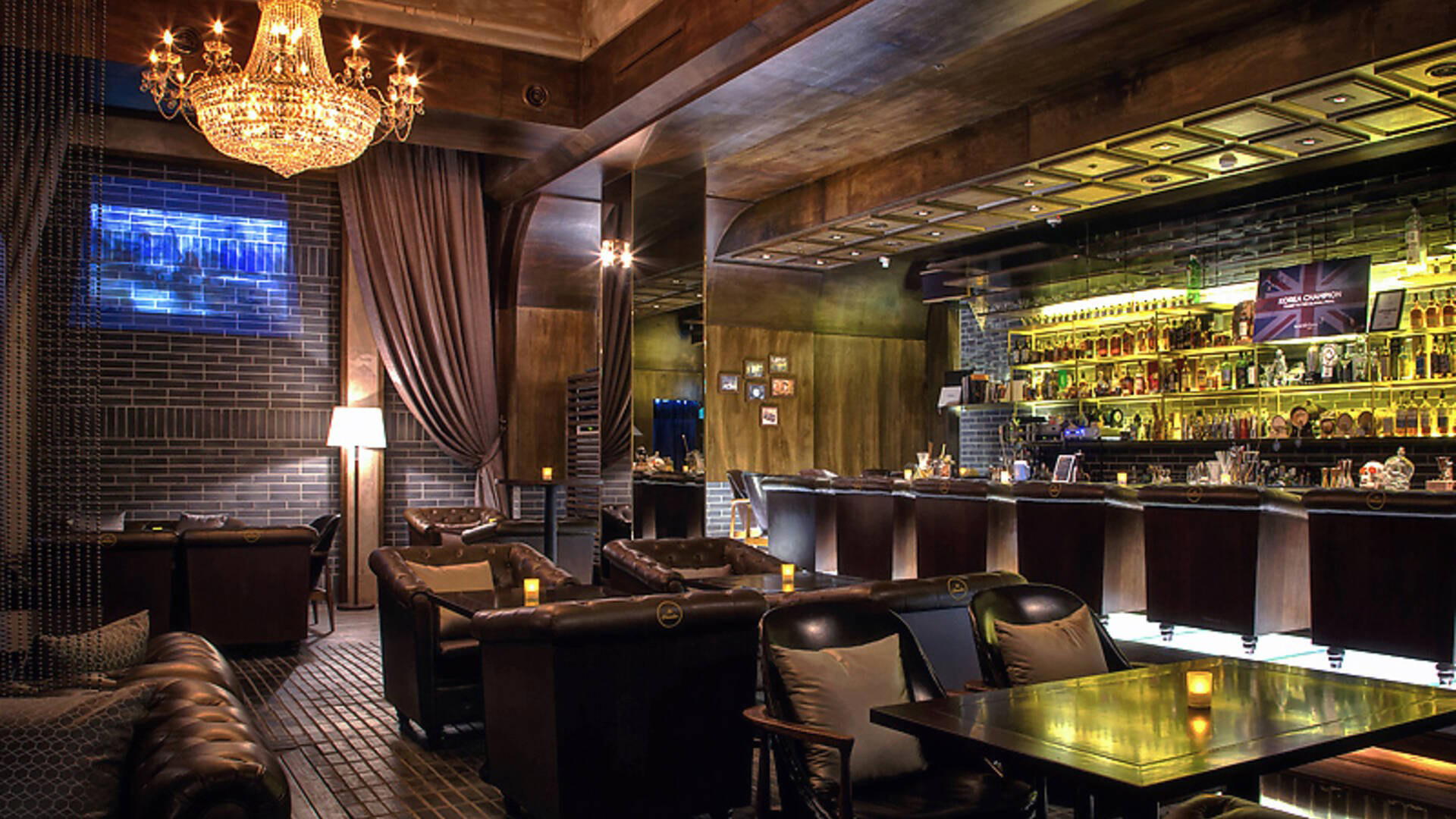
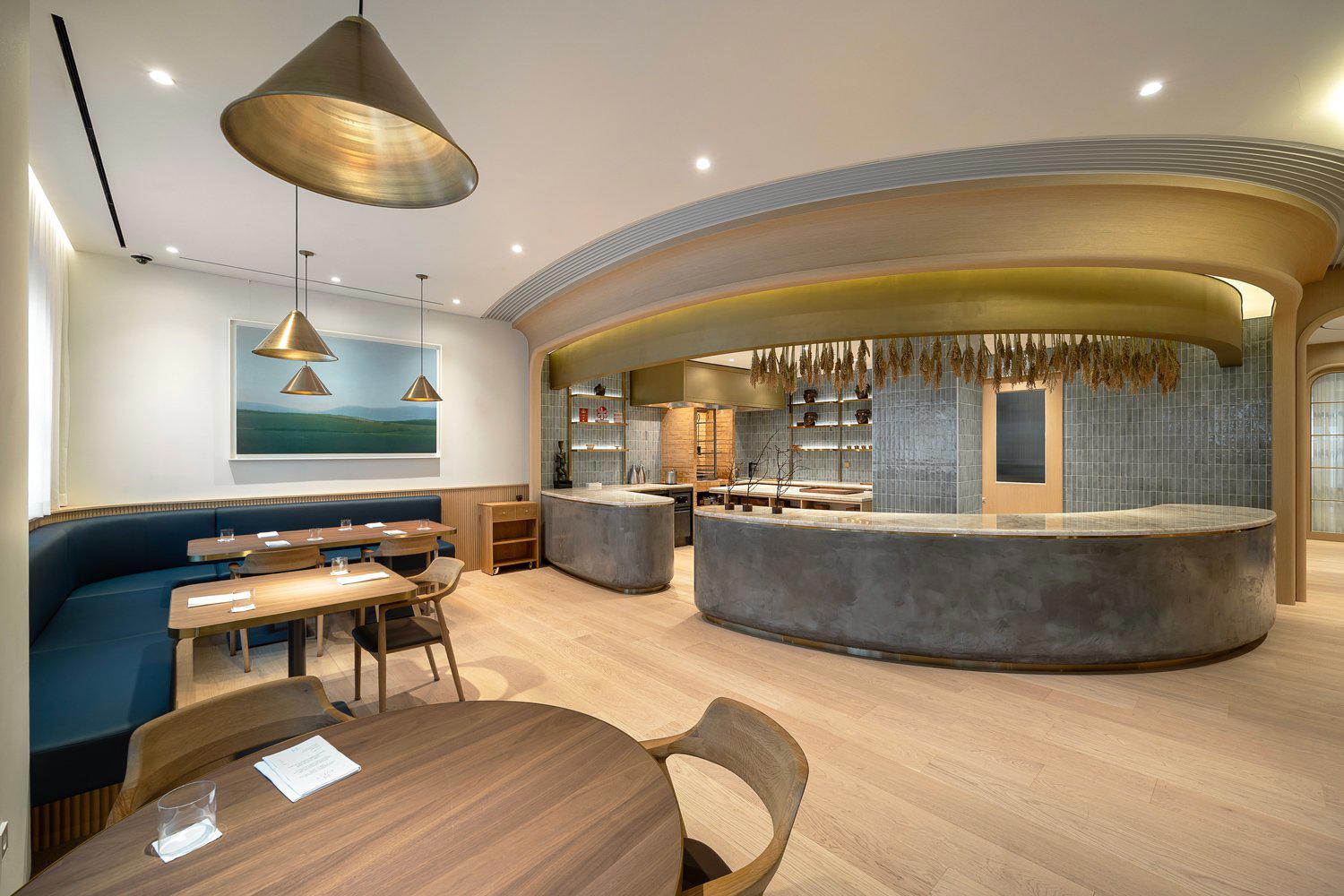
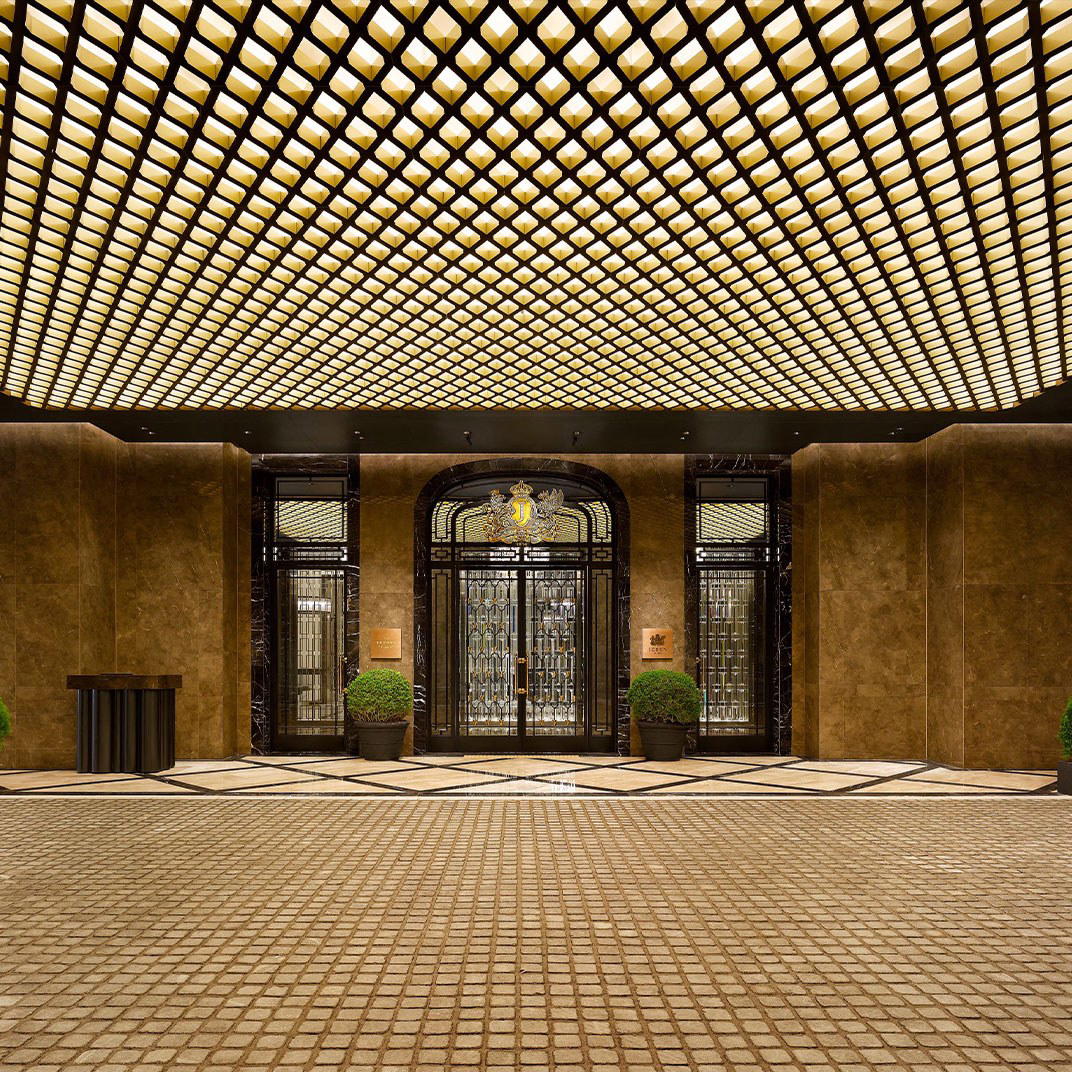
Comfortable private rooms with table-side grilling, polished service, and a refined focus on high-quality meat presentation.