
Tokyo Rakkyo Brothers brings Sapporo soup curry into Waseda’s student-and-neighbourhood dining circuit, with Tabelog Curry TOKYO 100 selections in 2023 and 2024 giving it critical weight beyond a casual curry stop. The appeal is category-specific: vegetable-led soup curry, accessible pricing, take-out, and a room scaled for counter or table dining rather than ceremonial fine dining.
Pearl is the En Primeur Club membership app — saves, bookings, and concierge access live there. Same editors, same standards.
- Address
- Japan, 〒162-0045 Tokyo, Shinjuku City, Babashitacho, 61−9 山口ビル 1F
- Phone
- +81 3-5941-8455
- Website
- spicegogo.com
 Saves & bookings on Pearl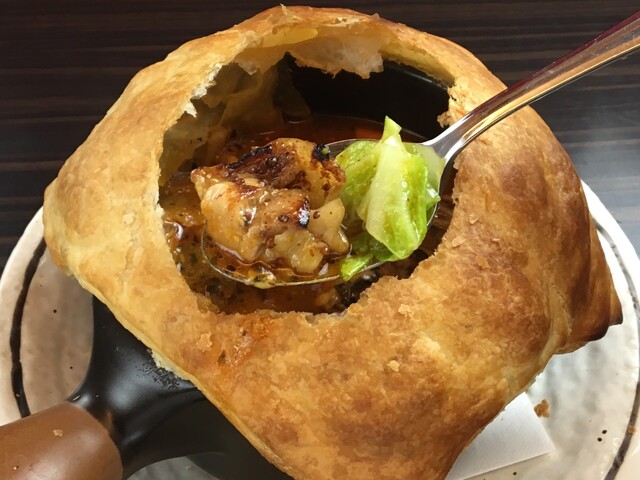
Waseda’s restaurant streets move differently from Ginza counters and Aoyama dining rooms: station exits, compact shopfronts, students between lectures, and neighbourhood regulars choosing speed without losing specificity. Here, Sapporo-style soup curry reads less as novelty import than practical Tokyo genre, built around rice, broth, vegetables, and heat levels rather than the thicker, roux-led curry common at lunch counters.
Tokyo Rakkyo Brothers belongs to that northern current. Its significance is not that Tokyo lacks curry, but that soup curry has its own grammar: lighter broth, visible vegetables, and a composed-bowl structure rather than curry rice. Recognition from Tabelog Curry TOKYO 100 in 2023 and 2024 matters because Tokyo curry is crowded, democratic, and fiercely competitive. A specialist must be more than convenient to keep appearing there.
Sapporo soup curry in a Waseda register
Tokyo curry culture splits across old yoshoku shops, South Asian kitchens, ramen-adjacent spice counters, café curries, and Hokkaido-style soup curry. Soup curry offers clarity and separation where Japanese curry often prizes cohesion: vegetables are not hidden in sauce, and broth carries spice without blanketing the rice.
Waseda gives the format a useful audience: a university district needing affordable meals, flexible seating, and enough variation for repeat visits. Tokyo Rakkyo Brothers is categorized across soup curry, café, and yoshoku, placing it at the casual end of Tokyo’s serious curry map rather than the tasting-menu economy. Its JPY 1,000 to JPY 1,999 price band fits everyday specialist dining, not destination-only spending.
That matters for itinerary planning. A meal here does not compete with long-form kaiseki or high-spend sushi; it competes with precise low-to-mid-budget specialists where one dish category carries the room. In the supplied comparison set, Tempura Takashichi and Jikasei Chuka Soba Toshioka occupy a similar everyday-price bracket, while Yakitori Hachiman and Shiomi sit in materially higher tiers. Tokyo’s strength is that these categories coexist within one dining day without claiming the same purpose.
Recognition that means something in Tokyo curry
Tabelog’s Hyakumeiten lists carry unusual weight in Japan because they are category-specific. A Curry TOKYO 100 selection does not blur curry with sushi, French, ramen, or hotel dining; it measures a venue against city curry peers. Tokyo Rakkyo Brothers’ 2023 and 2024 selections therefore say more than a generic popularity badge, placing a Waseda soup-curry specialist inside a defined Tokyo curry cohort.
The page number should be read carefully. Displayed order is not an official rank, so selection is the useful signal, not ordinal placement. The public score of 3.71 adds evidence, not a universal verdict: enough accumulated confidence to sit above the noise in a category where Tokyo diners compare price, spice, portion, and repeat value fiercely.
The origin story matters contextually. This is the first Tokyo branch of Sapporo soup-curry specialist Sapporo Rakkyo, explaining why the format feels imported from Hokkaido tradition rather than reverse-engineered for a Tokyo café menu. The point is lineage, not founder romance. In soup curry, where regional identity is part of the appeal, that connection gives the Waseda address a clearer place in the city’s curry taxonomy.
For broader mapping, curry-focused readers can place it alongside 3 Chome no Curry Ya San in Tokyo or look north to [Curry Senmon Ten] Maruyama Kyoju. in Sapporo. Other Tokyo neighbourhood meals sit on different axes: yakitori at 124. KAGURAZAKA (Yakitori), Shinjuku dining at 12/10 Shinjuku ten, casual visual café culture at 2D Cafe, and grilled fish or charcoal-led meals around Akihabara at . 鮪と炭火焼き うお炭 秋葉原店.
How to read the room, the menu, and the practical trade-offs
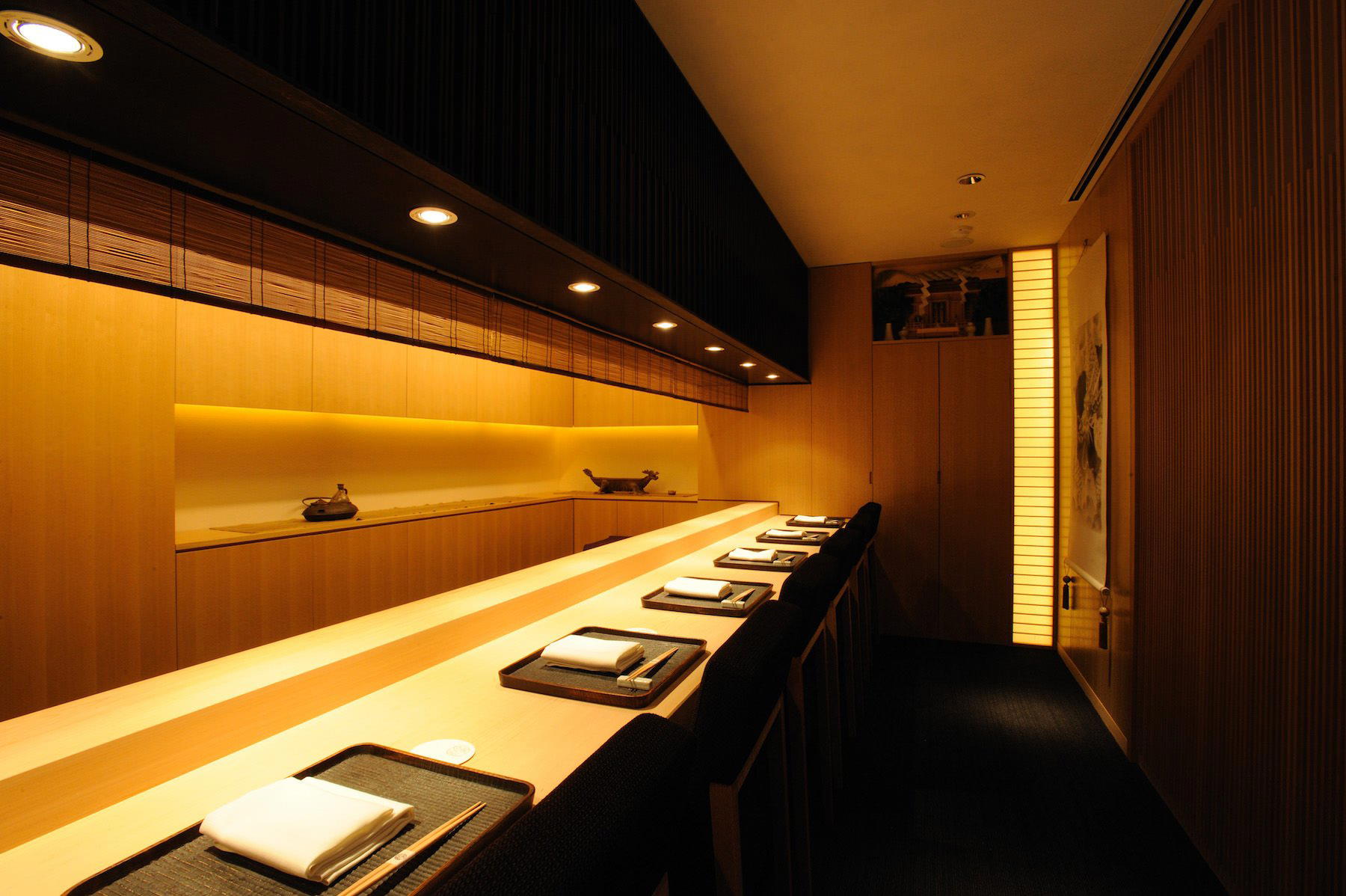
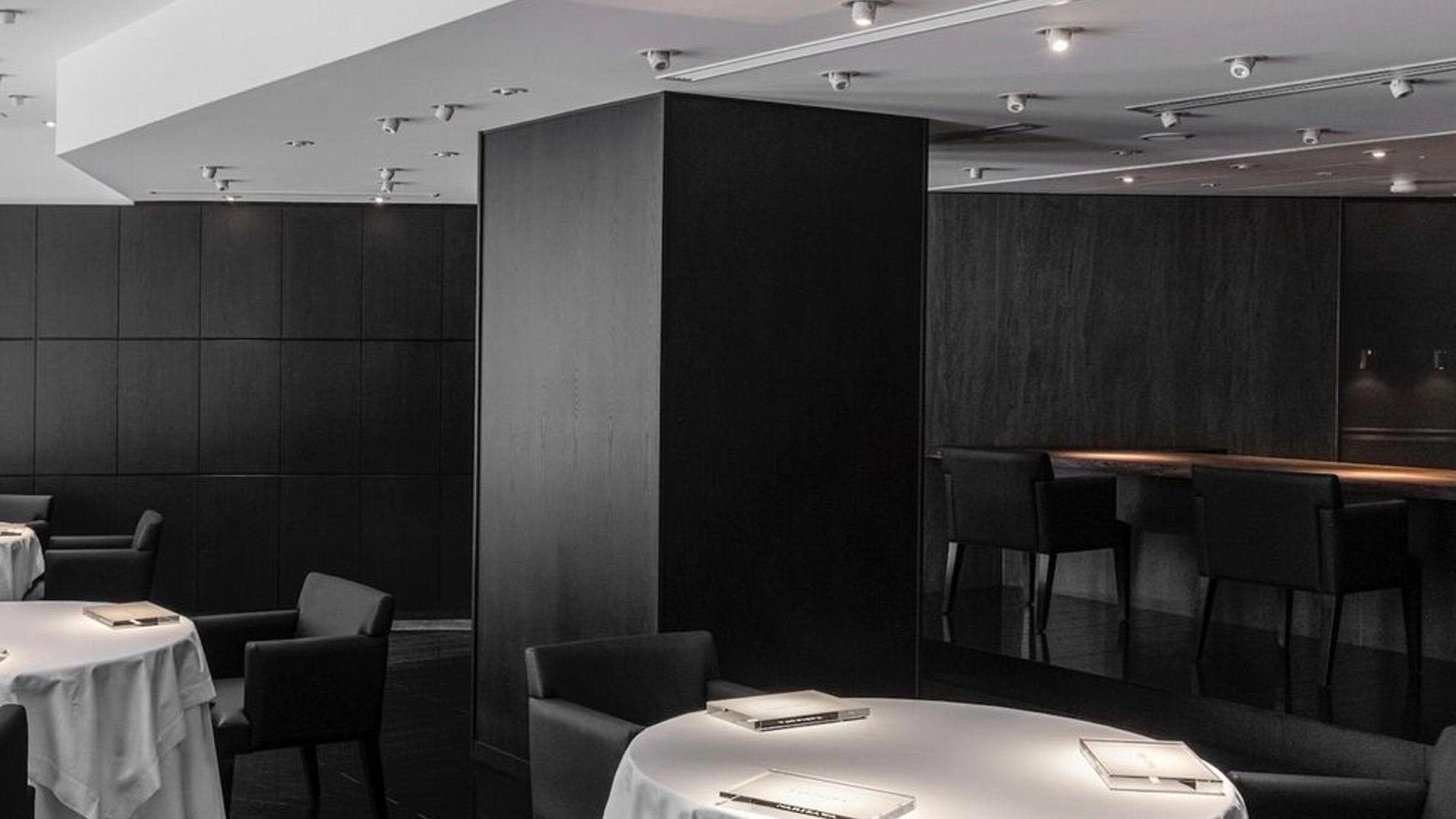
The format is casual but specific. The 30-seat room, split between counter and tables, suits solo diners, pairs, and small groups better than formal occasions. Counter seating helps where speed and individual ordering matter; tables broaden appeal for families and friends. Non-smoking policy, wheelchair access, free Wi-Fi, and take-out point to functional urban dining rather than special-occasion theatre.
Vegetable emphasis is a clear menu signal. The restaurant notes vegetarian options, health-and-wellness framing, and particular attention to vegetables, all fitting the soup-curry template. That does not make the whole operation vegetarian, but it helps diners seeking vegetable-forward curry in Tokyo without choosing a fully plant-based restaurant. Drinks are secondary, though wine and cocktails are listed, an unusual but plausible add-on for a casual curry room.
Payment is less flexible: credit cards, electronic money, and QR code payments are not accepted. That changes visitor calculus more than dress codes or ceremony. Bring cash and treat the meal as a neighbourhood specialist stop. Parking is not provided, though coin parking is nearby, and proximity to Waseda Station makes rail access cleaner.
Families have unusually clear support for this category: children are welcome, a kids menu is listed, and strollers are accepted. There are no private rooms, but private use is listed for groups of 20 to 50, suggesting casual gatherings without changing the room’s identity. Weekdays split lunch and evening service; weekends and public holidays run continuously, suiting planned meals and off-peak curry stops.
Readers building a wider city file can connect this Waseda stop to Our full Tokyo restaurants guide, then widen the trip through Our full Tokyo hotels guide, Our full Tokyo bars guide, Our full Tokyo wineries guide, and Our full Tokyo experiences guide. For comparative Japan planning beyond the capital, see -Grilled beef Sukiyaki- KAMAKURA TANUKIAN 鎌倉 たぬき庵 in Kamakura.cafe in Osaka.know in Kumamoto, (Shoku) Vietnam in Kawasaki, and [ki:] in Kyoto. For overseas Japanese-adjacent reference points, Jōdo Saké Bar in Los Angeles and Onigiri Time in Pasadena show how narrow-format Japanese dining travels outside Japan.
Cost and Credentials
Comparable venues at a similar level for quick context.
| Venue | Cuisine | Price | Notes |
|---|---|---|---|
| Tokyo Rakkyo BrothersThis venue — the venue you are viewing | Not listed | $ | Not listed |
| Toki Ya Shinjuku odakyu haruku ten | Shinjuku, Japanese sweets cafe | $ | Not listed |
| Hagakure | Minato, Udon and curry udon izakaya | $ | Not listed |
| Kamezawa Do | Not listed | $ | Chiyoda, Japanese Confectionery (Wagashi) |
| King Seimen | Kita, Modern Tokyo ramen & dumpling shop | $ | Not listed |
| Tsuruse Yushima honten | Not listed | $ | Bunkyō, Traditional Japanese wagashi & tea cafe |
Recognition history
Dated appearances from independent guides and award organizations, with the underlying list record or original source where available.
Tabelog 100 #36 · No. 36
Tabelog · Tabelog 100 - Curry - TOKYO - 2024







At a Glance
- Cozy
- Lively
- Casual
- Solo
- Casual Hangout
- After Work
- Family
- Group Dining
- Standalone
Current opening hours
- Monday
- 11:30 AM–9 PM
- Tuesday
- 11:30 AM–9 PM
- Wednesday
- 11:30 AM–9 PM
- Thursday
- 11:30 AM–9 PM
- Friday
- 11:30 AM–9 PM
- Saturday
- 11:30 AM–9 PM
- Sunday
- 11:30 AM–9 PM
Hours can change for holidays and private events. Last verified .