
Tokyo’s sweets-cafe tradition has kept a public-facing rhythm that fine dining rarely manages: brief stops, low spend, and precise craft. Toki Ya Shinjuku odakyu haruku ten belongs to that lineage in Nishishinjuku, carrying a 1948 opening date and a Tabelog 100 Tokyo selection for Japanese traditional sweets and sweets cafes in 2023.
Pearl is the En Primeur Club membership app — saves, bookings, and concierge access live there. Same editors, same standards.
- Address
- 東京都新宿区西新宿1-5-1 新宿西口ハルク 1F
- Phone
- +81333422610
- Website
- tabelog.com
 Saves & bookings on Pearl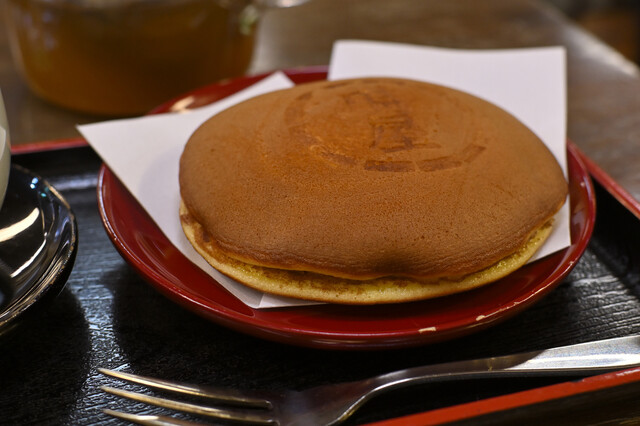
Shinjuku’s west side moves at station speed: department-store entrances, commuter shortcuts, and the quick recalibration that happens when a food counter gives way to a quieter sweets room. In that setting, the Japanese sweets cafe is not a nostalgic side note. It is one of Tokyo’s more durable urban formats, built for short pauses rather than ceremony, with green tea, coffee-shop habits, and wagashi culture sharing the same table.
Toki Ya Shinjuku odakyu haruku ten sits inside that tradition rather than outside it. The useful comparison is not a destination pastry salon or a tasting-menu dessert course, but the old Tokyo kissa and kanmi-dokoro model: accessible, compact, and steady enough to survive changes in shopping patterns around major rail hubs. A 1948 opening date gives the room historical weight, while its 2023 Tabelog 100 selection for Tokyo Japanese traditional sweets and sweets cafes places it in a category where everyday repetition matters as much as novelty.
Shinjuku sweets culture after the department-store era
Tokyo’s department-store food culture has long blurred the line between errand, gift, and sit-down break. Wagashi counters handle seasonal gifting; basement food halls handle speed; sweets cafes give the same district a place to stop. Around Shinjuku Station, that function is especially clear. The neighborhood is not built around lingering boulevards. It is built around transfers, offices, shopping floors, and an audience that often wants precision without a long meal.
That explains why a sweets cafe with 41 seats can matter in a city full of high-concept dessert rooms. The format is democratic by Tokyo standards: table seating rather than a chef’s counter, no private rooms, non-smoking service, and take-out available. The category also absorbs several Japanese habits at once. Kanmi-dokoro culture keeps traditional sweets in circulation; kissa culture makes coffee and tea part of the rhythm; department-store adjacency keeps the visit practical rather than theatrical.
The price signal is part of the story. Toki Ya is listed in the under-¥999 bracket for both lunch and dinner, while Tokyo peers in adjacent casual categories can sit higher: Jikabaisen Coffee Bon is listed at ¥3,000 to ¥3,999, BERG moves between under-¥999 and ¥1,000 to ¥1,999, and Cha no Ikedaya shares the under-¥999 bracket. That spread shows how broad the city’s casual cafe economy has become. A sweets cafe at this level is less about luxury markers than about preserving a low-friction ritual in an expensive district.
What the Tabelog 100 signal means here
Tabelog’s Hyakumeiten lists are useful in categories where Michelin-style hierarchies do not explain the culture. Japanese sweets cafes are rarely about starched service or long-form menus. Recognition in the 2023 Tokyo list points instead to consistency, category fit, and local attention within a field that can be easy for travelers to underestimate. The score listed for the venue, 3.72, should be read in that Japanese review context, where modest-looking numbers can indicate serious local approval.
The evolution angle matters because this type of room has had to adjust without abandoning its base. Postwar Tokyo sweets shops were neighborhood anchors and shopping companions. Contemporary Shinjuku asks them to function inside a denser, faster, more payment-flexible city. Here, the format has absorbed card and electronic-money use, family access, stroller tolerance, and take-out service while keeping the older premise intact: a short, affordable pause around Japanese sweets rather than a full restaurant appointment.
That makes Toki Ya Shinjuku odakyu haruku ten more instructive than its modest spend suggests. Tokyo’s prestige dining often pushes visitors toward scarcity, counters, and advance planning. This is the counterargument: a recognized sweets-cafe address where the value lies in continuity and category literacy. For a broader Tokyo eating map, it belongs near casual city institutions and specialist rooms rather than formal restaurants. Readers building a wider itinerary can compare that rhythm with 12/10 Shinjuku ten, the visual-cafe register of 2D Cafe, or curry-led daytime dining at 3 Chome no Curry Ya San.
How to place it in a Tokyo day
The strongest use case is not a special-occasion dinner. It is the gap between shopping, rail transfers, and a later meal, when a full restaurant would be too much and a convenience-store snack too little. Shinjuku rewards this kind of tactical stop. A sweets cafe with a long operating history and a recognized category listing gives structure to a part of the day that travelers often leave to chance.
The surrounding decision set can stretch widely. A visitor planning across Tokyo might pair this with grill-focused casual dining such as . 鮪と炭火焼き うお炭 秋葉原店, yakitori at 124. KAGURAZAKA (Yakitori), or a broader scan through Our full Tokyo restaurants guide. For the rest of the trip architecture, EP Club’s Tokyo coverage also separates sleep, drinking, wine, and cultural planning through Our full Tokyo hotels guide, Our full Tokyo bars guide, Our full Tokyo wineries guide, and Our full Tokyo experiences guide.
For readers using Tokyo as part of a wider Japan itinerary, the point is transferable: low-cost specialist formats often reveal more about daily dining culture than expensive set pieces. The same editorial lens applies beyond the capital, from -Grilled beef Sukiyaki- KAMAKURA TANUKIAN 鎌倉 たぬき庵 in Kamakura and.cafe in Osaka to.know in Kumamoto, (Shoku) Vietnam in Kawasaki, [Curry Senmon Ten] Maruyama Kyoju. in Sapporo, and [ki:] in Kyoto. Even outside Japan, compact Japanese formats have their own logic, as seen at Jōdo Saké Bar in Los Angeles and Onigiri Time in Pasadena.
The critical read is simple: this is a Tokyo sweets-cafe address for travelers who care about continuity, category, and timing. It is not chasing the language of luxury. It belongs to the part of the city where a recognized shop can remain useful precisely because it stays small in ambition: a seat, a sweet, a pause, and then Shinjuku resumes at full speed.
Compact Comparison
Comparable venues at the same tier.
| Venue | Cuisine | Price | Notes |
|---|---|---|---|
| Toki Ya Shinjuku odakyu haruku tenThis venue — the venue you are viewing | Shinjuku, Japanese sweets cafe | $ | Not listed |
| Pneuma Curry | Shinjuku, Japanese Curry | $ | Not listed |
| Murghee | Shibuya, Classic Japanese curry house | $ | Not listed |
| Ramen Go On | Nakano, Japanese Ramen | $ | Not listed |
| Shiroi Kuro | Not listed | $ | Minato, Modern Japanese sweets & roll cake café |
| Stand Totonoi | Kita, Japanese stand-up horumon-yaki bar | $ | Not listed |
Recognition history
Dated appearances from independent guides and award organizations, with the underlying list record or original source where available.
Tabelog 100 #33 · No. 33
Tabelog · Tabelog 100 - Japanese traditional sweets / Japanese sweets cafe - TOKYO - 2023













At a Glance
- Classic
- Cozy
- Solo
- Family
- Casual Hangout
- Standalone
- Zero Proof
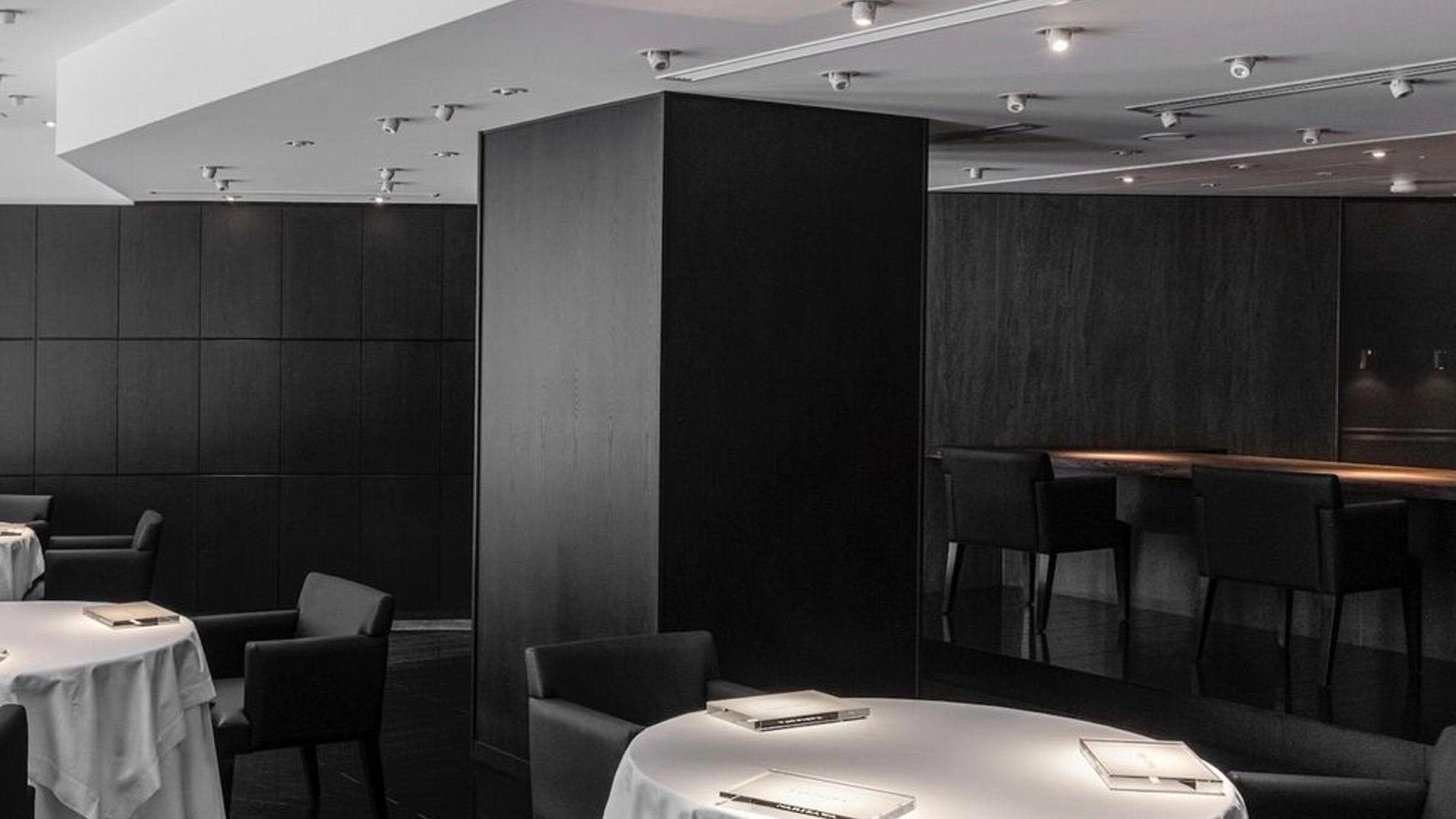
A relaxed, traditional Japanese sweets cafe atmosphere with a modest, casual interior designed for quick visits or an easy sit-down dessert break.