
Tabelog Bronze #475
Our verdict
Toriryori Torishou is a six-seat Arakicho chicken specialist with Tabelog Award 2026 Bronze recognition and selection for Tabelog 100 Chicken cuisine 2025. Its value lies less in luxury signals than in concentration: a narrow category, small room, tatami setting, and a drinks program spanning sake, shochu, and wine.

Pearl is the En Primeur Club membership app, where members save venues, book tables and use the concierge.
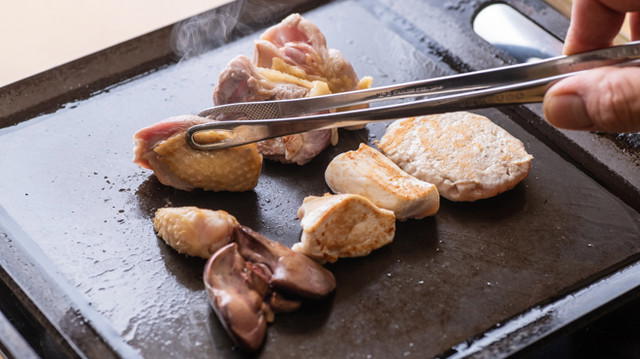
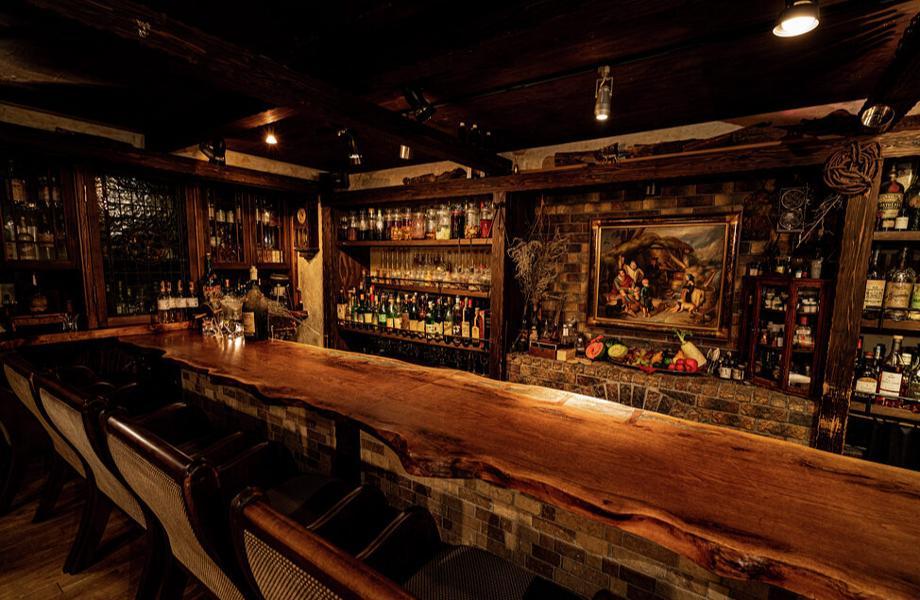
The room is small enough that the format becomes part of the meal before the cooking is even considered. A basement address in Arakicho, a tatami setting, and six seats place Toriryori Torishou in a Tokyo category where scale is deliberately limited and the premium is paid for focus rather than theatre. Chicken cookery in Japan can move from casual yakitori to specialist multi-part meals; this address sits closer to the latter, where the appeal is in how many ways one ingredient can justify attention.
Tokyo’s high-end dining culture often rewards narrowness. Sushi counters, tempura rooms, kappo restaurants, and yakitori houses all ask diners to accept a disciplined frame: fewer seats, tighter menus, and a meal built around repetition with variation. Chicken cuisine follows the same logic. The point is not breadth. The point is whether sourcing, butchery, grilling, simmering, and seasoning can make a familiar bird feel like a serious subject.
Chicken as the whole argument, not a supporting course
Toriryori Torishou is categorized as a chicken-dishes restaurant, not a general izakaya with a poultry section. That distinction matters in Tokyo, where chicken can be treated as inexpensive comfort food or as a craft category with its own hierarchy. The restaurant’s public description points to Satsuma Jidori raised for more than 150 days at a dedicated farm for Torikatsu, a sourcing note that gives the kitchen a clearer proposition than generic premium poultry. In a city crowded with specialization, named breed and controlled supply are meaningful signals.
The recognition profile reinforces that position. The restaurant holds The Tabelog Award 2026 Bronze and was selected for Tabelog 100 Chicken cuisine 2025, with a listed Tabelog score of 3.98 in the 2026 award data. Tabelog’s user-driven system has its own local reading: scores near this level in Japan usually indicate a restaurant that has moved beyond neighbourhood affection into a more competitive dining tier. For a narrow chicken specialist, that matters more than broad name recognition.
Value here should be read through concentration. A meal built around one category can look expensive when judged against casual yakitori, but that is the wrong comparison. The relevant question is whether the restaurant offers a focused experience that would be difficult to reproduce in a larger room or a broader menu. Six seats reduce the margin for drift. A narrow genre reduces the room for filler. The drinks list, which includes sake, shochu, and wine, also points to a meal designed to handle different preparations rather than a single grill-and-beer template.
Arakicho sharpens the reading. The area, tucked within Shinjuku City rather than staged around the bigger station districts, has long suited small restaurants with regulars, counters, and compact formats. It is a neighbourhood where Tokyo’s appetite for specialization feels less showy than in Ginza and less nightlife-driven than Kabukicho. That makes a serious chicken room feel coherent: local in scale, but not casual in ambition.
Why the value sits in format, not spectacle
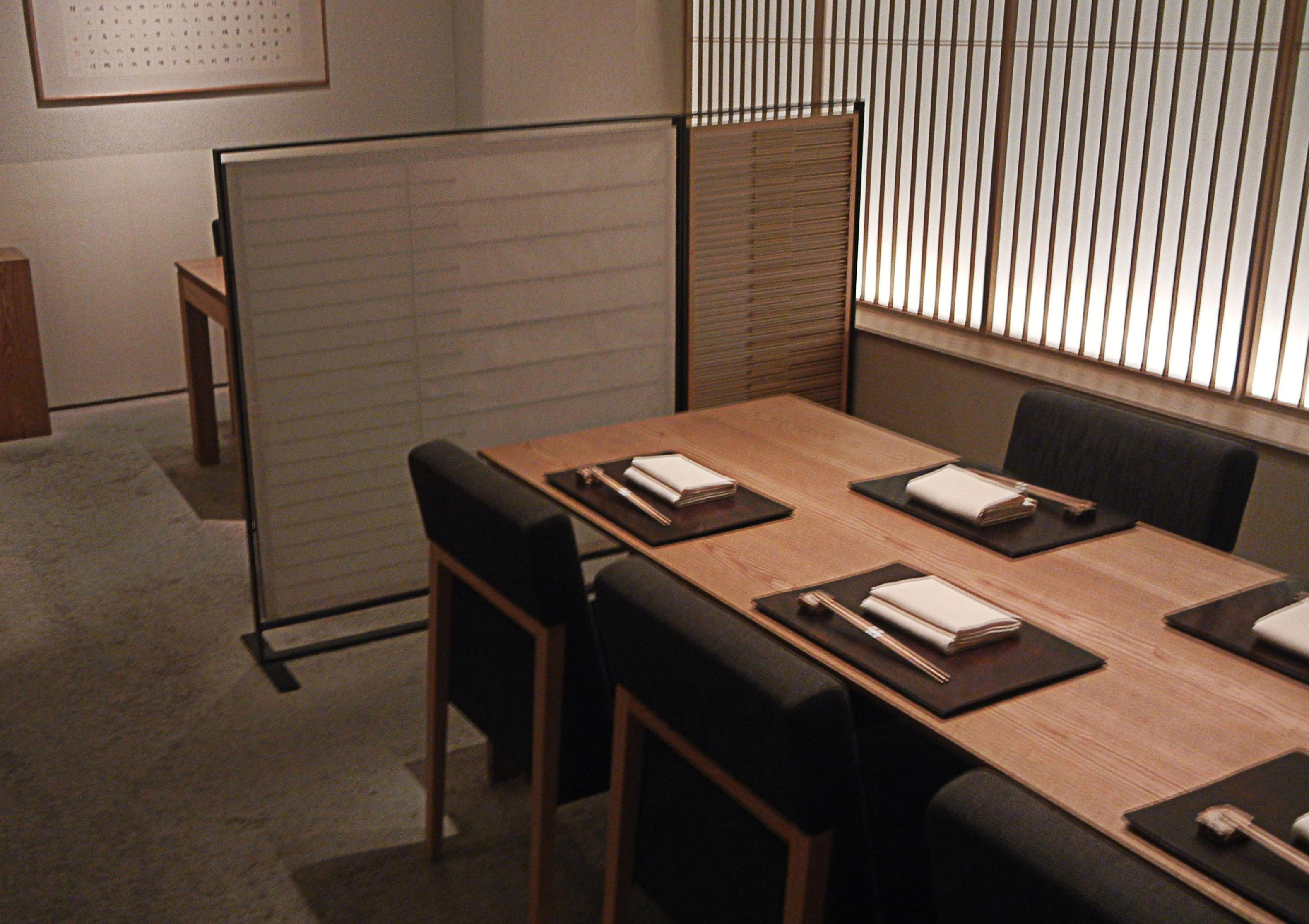
Premium Tokyo dining often makes visitors pay for scarcity. Sometimes that scarcity is a famous chef. Sometimes it is a counter with international demand. Here, the clearer signal is format. A six-seat room changes the economics of attention: fewer guests, less buffer, and a meal that depends on precision across a small number of variables. The tatami room also sets a different rhythm from a standing charcoal counter or a large dining room; the experience reads as intimate and controlled rather than fast or performative.
There is a family-friendly note attached to the restaurant, including children being welcome and a children’s menu available on request. That is not common messaging in this price and specialization bracket in Tokyo, and it complicates the usual assumption that small serious restaurants are automatically adult-only spaces. The better interpretation is conditional: families who are comfortable with a quiet, compact room may find the policy unusually accommodating, while groups seeking a loose, noisy meal will be better served elsewhere.
The practical case is equally precise. Toriryori Torishou operates as a reservation-only restaurant, with advance planning required and longer lead times for certain menu items. That policy suits the sourcing-led premise: when the ingredient and format are narrow, the kitchen benefits from knowing who is coming and what needs to be prepared. Payment is credit-card friendly across major brands, electronic money is not accepted, and the room is non-smoking. Parking is not available, which is normal for this part of central Tokyo and another reason to treat the meal as a planned stop rather than an improvised add-on.
For readers mapping a broader Tokyo itinerary, this is not the same decision as choosing a busy station-area dinner. It belongs to the city’s smaller specialist tier: book ahead, arrive ready for a focused category, and measure the meal against other concentrated Japanese formats rather than against casual chicken restaurants. For wider planning, see Our full Tokyo restaurants guide, plus the city guides for Tokyo hotels, Tokyo bars, Tokyo wineries, and Tokyo experiences.
Further reading across Japan and beyond
Nearby Tokyo restaurant pages include. 鮪と炭火焼き うお炭 秋葉原店, 12/10 Shinjuku ten, 124. KAGURAZAKA (Yakitori), 2D Cafe, and 3 Chome no Curry Ya San. Elsewhere in Japan, -Grilled beef Sukiyaki- KAMAKURA TANUKIAN 鎌倉 たぬき庵 in Kamakura.cafe in Osaka.know in Kumamoto, (Shoku) Vietnam in Kawasaki, [Curry Senmon Ten] Maruyama Kyoju. in Sapporo, and [ki:] in Kyoto. For Japanese drinking and casual formats abroad, see Jōdo Saké Bar in Los Angeles and Onigiri Time in Pasadena.
Frequently asked questions
What are Toriryori Torishou's hours?
Hours at Toriryori Torishou: Mon: 5:30–10:30 PM; Tue: 5:30–10:30 PM; Wed: 5:30–10:30 PM; Thu: 5:30–10:30 PM; Fri: 5:30–10:30 PM; Sat: 5:30–10:30 PM; Sun: 5:30–10:30 PM.
What should I expect cuisine-wise at Toriryori Torishou?
Toriryori Torishou serves Chicken dishes cuisine.
Is Toriryori Torishou more mid-range or high-end?
Pricing at Toriryori Torishou is listed as JPY 15,000 - JPY 19,999.
Where do I go for Toriryori Torishou?
Toriryori Torishou is located in Tokyo.
What's the defining dish or idea at Toriryori Torishou?
Toriryori Torishou is built around chicken dishes rather than a broad izakaya menu. Its profile is reinforced by the Tabelog Award 2026 Bronze and its selection for Tabelog 100 in chicken cuisine for 2025.
Is Toriryori Torishou a family-friendly restaurant?
Yes. The venue lists children welcome, including babies, preschoolers, and school-age children, plus a kids menu. It also operates as a reservation-only spot in Arakicho, Tokyo, with six seats and tatami room seating.
The Essentials
| Venue | Cuisine | Price | Awards | Notes |
|---|---|---|---|---|
| Toriryori TorishouThis venue (the venue you are viewing) | Satsuma Jidori Chicken Specialty | $500+ | Tabelog Bronze #475 | Not listed |
| Harutaka | Edo-Style Omakase Sushi | $200–300 | 3 Michelin Stars · World's 50 Best #76 | Sushi |
| RyuGin | Modern Kaiseki | $500+ | 3 Michelin Stars · World's 50 Best #41 | Kaiseki, Japanese |
| L'Effervescence | Modern French with Japanese Influences | $200–300 | 3 Michelin Stars · World's 50 Best #69 | French |
| HOMMAGE | Modern French with Japanese Influences | $150–200 | 2 Michelin Stars · World's 50 Best #78 | Innovtive French, French |
| MAZ | Innovative Peruvian-Japanese Fusion | $150–200 | 2 Michelin Stars · World's 50 Best #28 | Innovative |
Recognition history
Dated appearances from independent guides and award organizations, with the underlying list record or original source where available.
Tabelog Bronze #475
Tabelog
Full recognition history (2 entries)
Tabelog 100 #43 · No. 43
Tabelog · Tabelog 100 - Chicken cuisine - 2025
Continue exploring
More in Tokyo
Restaurants in Tokyo
All restaurants in Tokyo →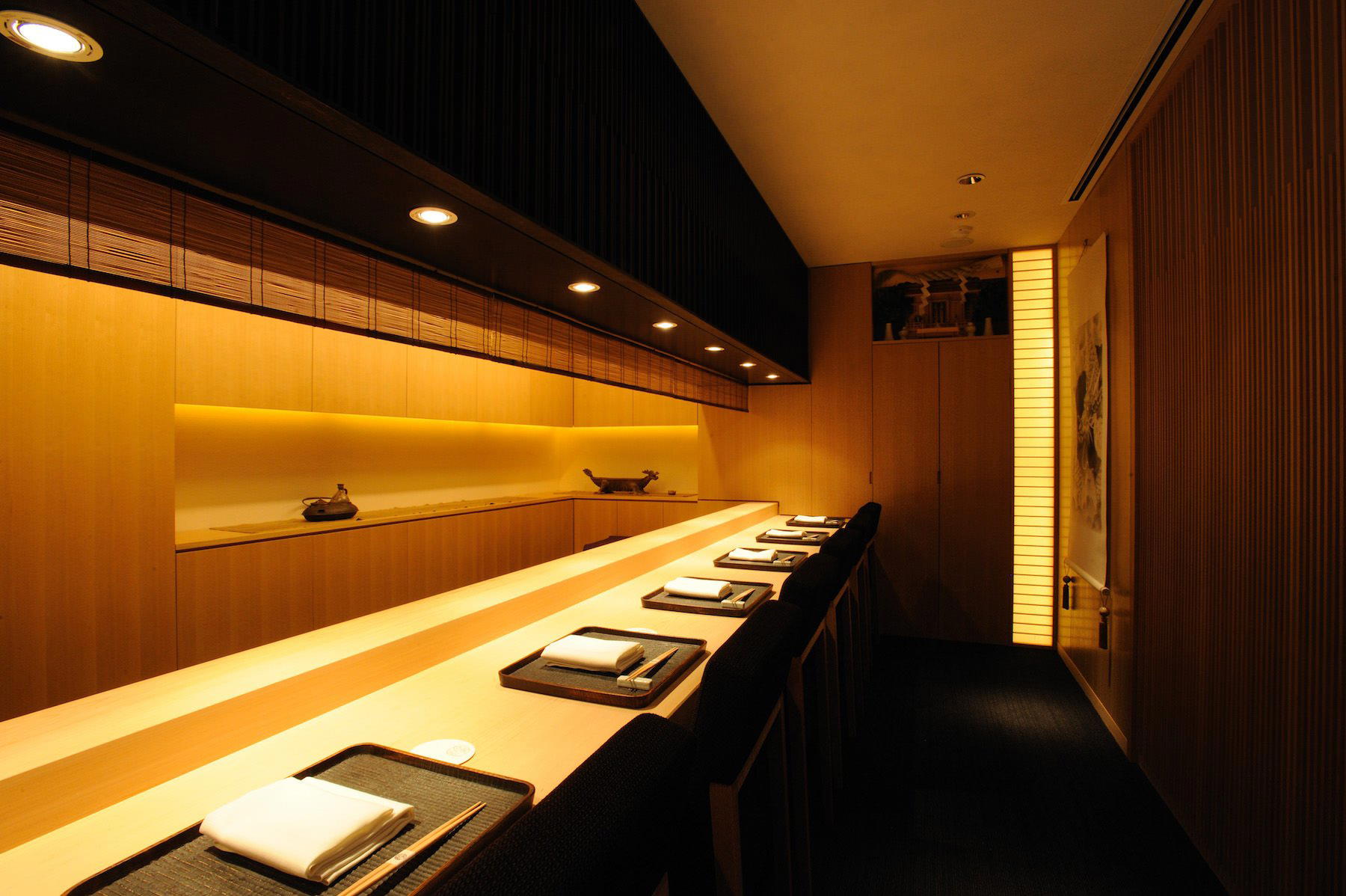
Bars in Tokyo
All bars in Tokyo →


Details
- Intimate
- Elegant
- Sophisticated
- Special Occasion
- Sake Program
- A La Carte
Current opening hours
- Monday
- 5:30–10:30 PM
- Tuesday
- 5:30–10:30 PM
- Wednesday
- 5:30–10:30 PM
- Thursday
- 5:30–10:30 PM
- Friday
- 5:30–10:30 PM
- Saturday
- 5:30–10:30 PM
- Sunday
- 5:30–10:30 PM
Hours can change for holidays and private events. Hours as of .
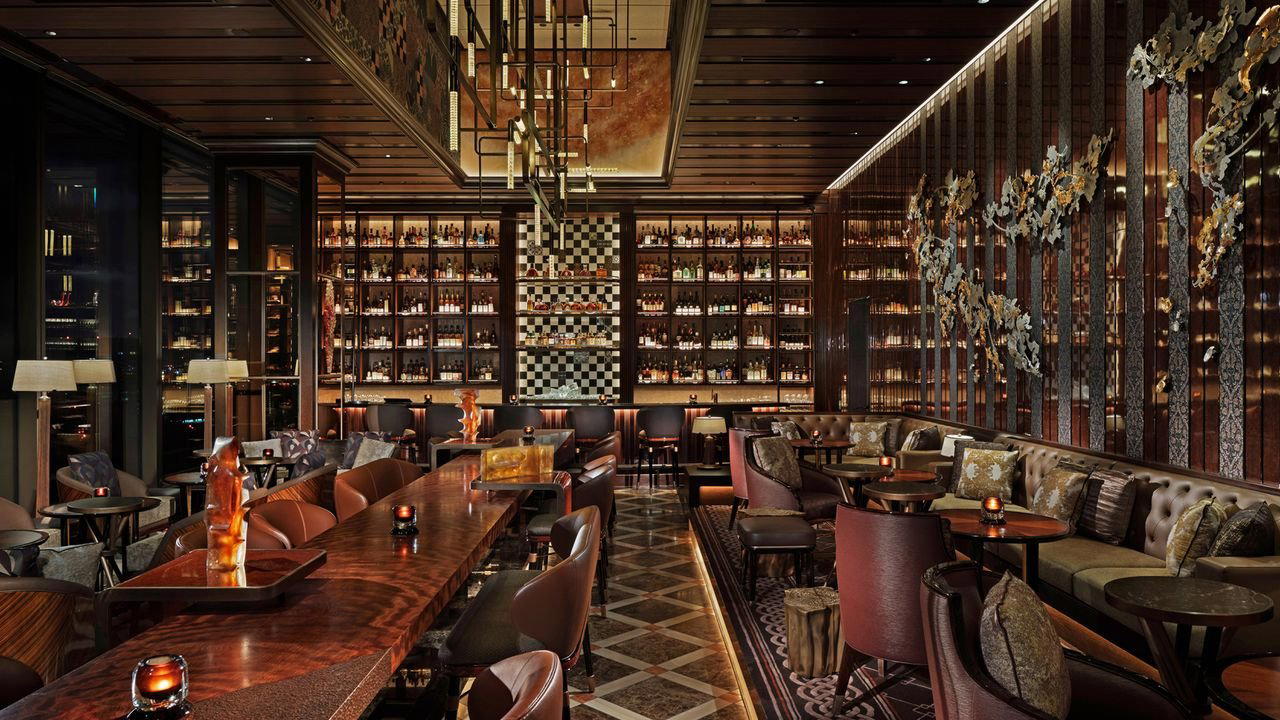
Intimate 6-seat counter setting with a focus on the grilling process, creating a sophisticated and quiet atmosphere.