
Tabelog Bronze #161
Our verdict
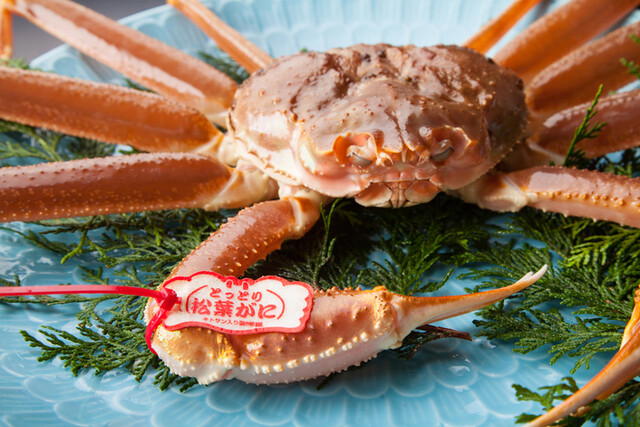
Ginza Kani Matsu is a Ginza crab counter built around Matsuba crab, a winter ingredient more strongly associated with the Sea of Japan side than Tokyo’s Edomae canon. Its Tabelog Award 2026 Bronze recognition and 4.15 score place it in a serious specialist bracket, with the experience framed less as general kaiseki than as a seasonal study in one regional product.

Pearl is the En Primeur Club membership app, where members save venues, book tables and use the concierge.
The menu
What to order
- Matsuba crab full course
- Crab miso
- Crab shabu-shabu
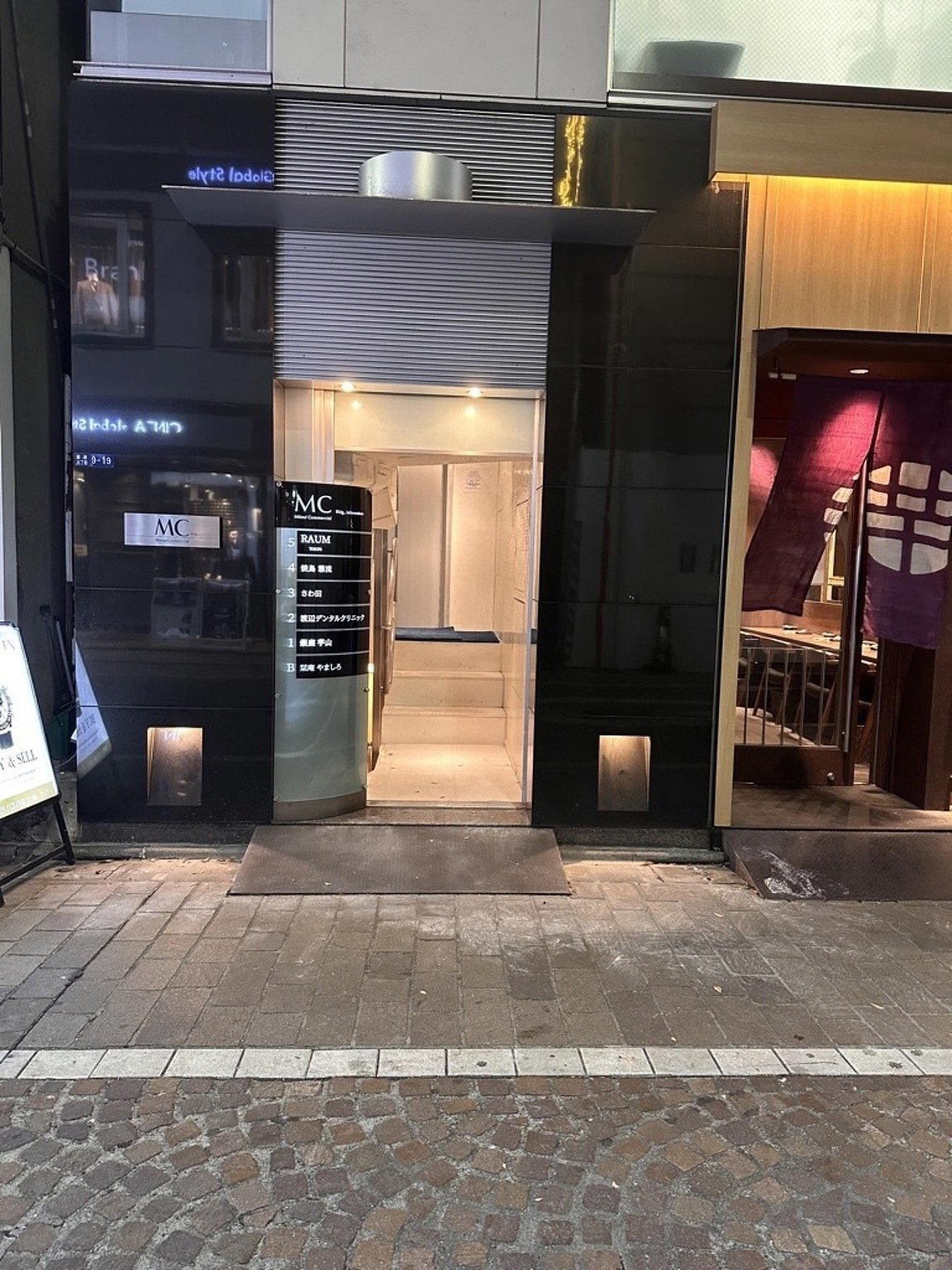
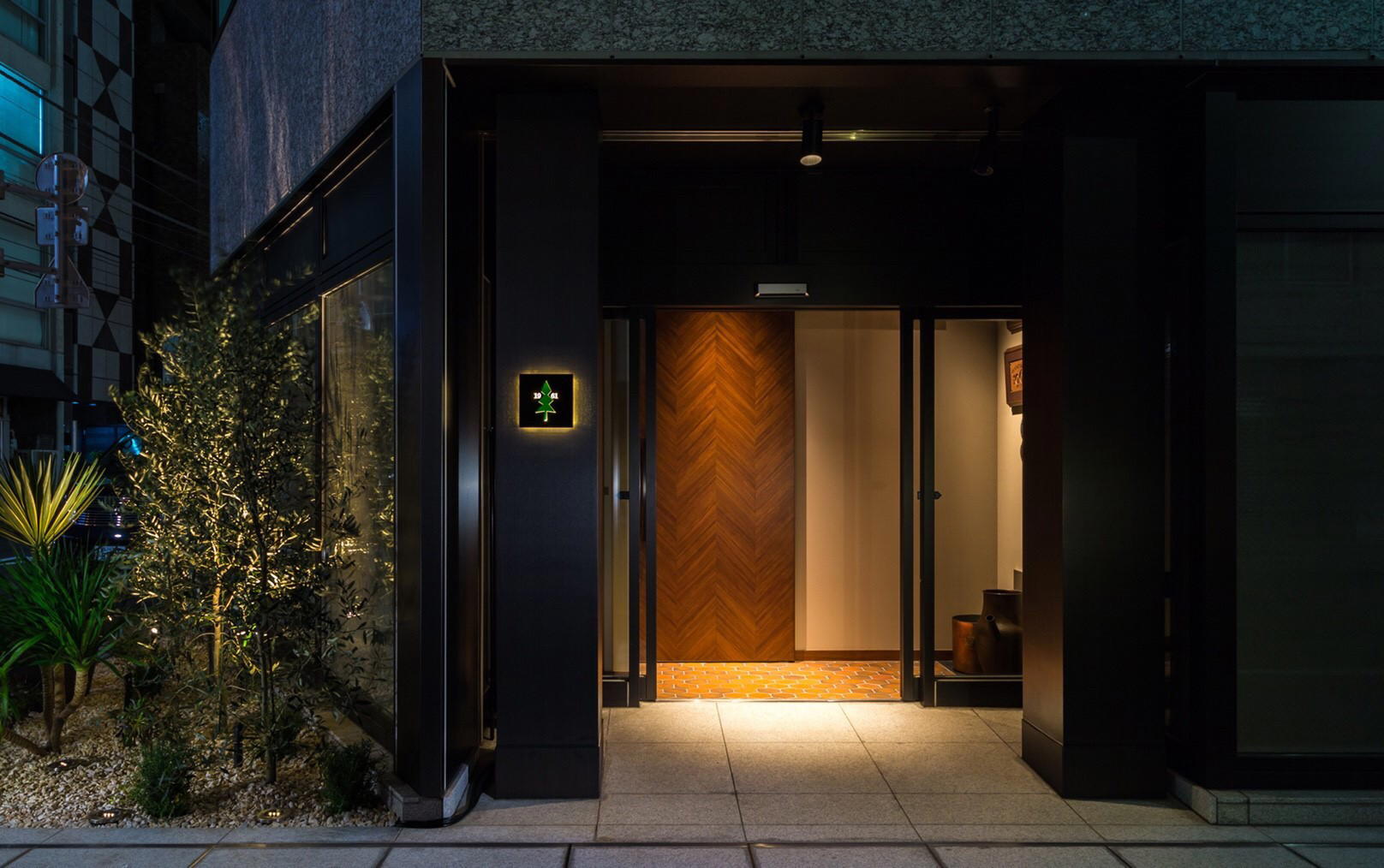
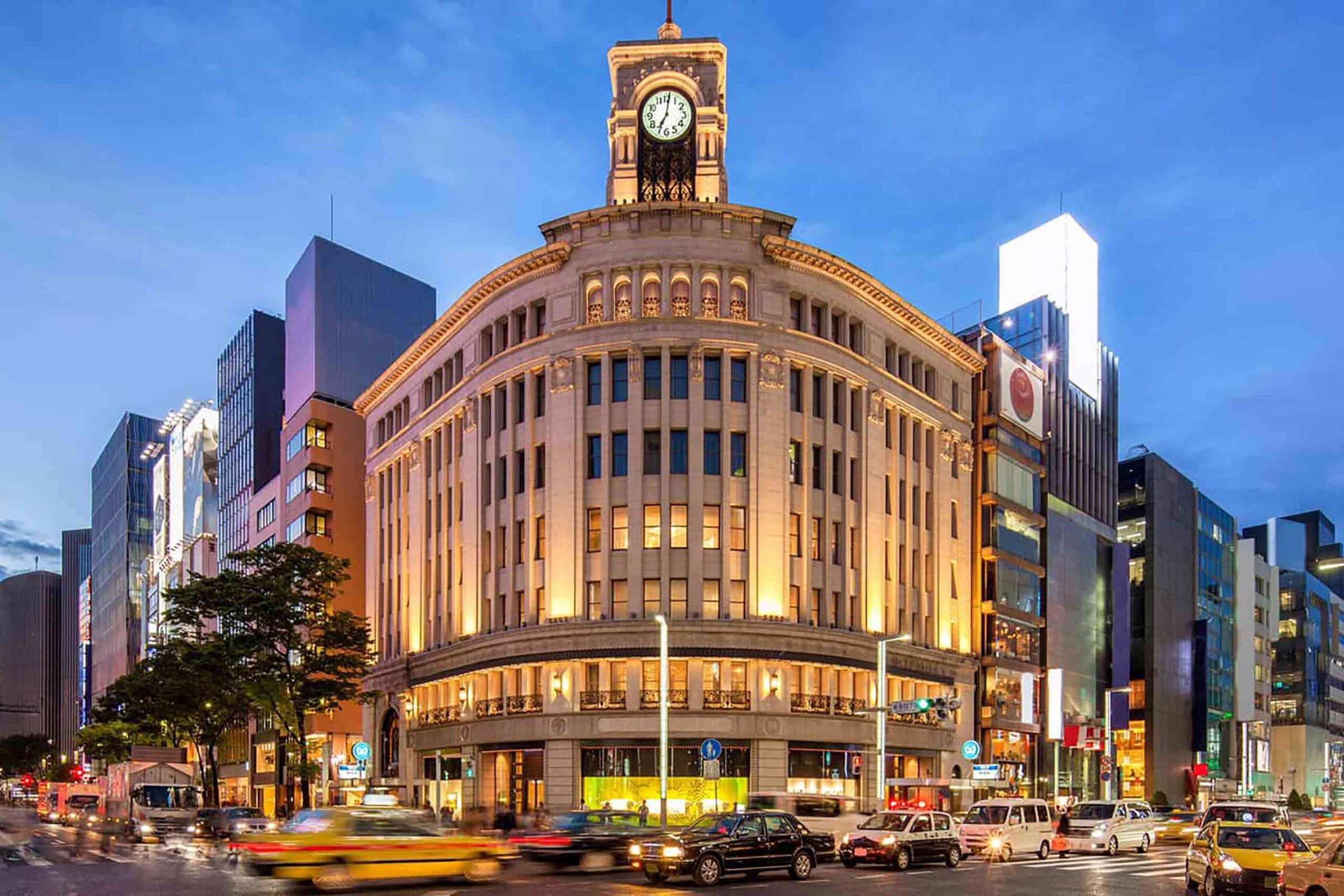
Ginza’s upper floors change the mood of dining before the first course arrives: elevator doors open onto compact rooms, counters, private spaces and a kind of controlled hush that suits ingredients with short seasons and high procurement risk. Ginza Kani Matsu belongs to that register. The emphasis is not Tokyo’s familiar sushi theatre, nor the broad sweep of kappo, but a narrower winter format built around Matsuba crab, a name that carries the weight of the San’in coast, cold seas and auction-day variability.
That regional lens matters. Tokyo has long been good at absorbing local Japanese specialties and reframing them for a capital-city audience, but crab asks for a different kind of attention than tuna, wagyu or tempura. The ingredient is seasonal, expensive, and less forgiving of a casual multi-choice menu. Here, the format points toward concentration: a full course centered on Matsuba crab only, rather than crab as a garnish or a celebratory add-on inside a broader Japanese meal.
Matsuba crab gives Ginza a Sea of Japan accent
Matsuba crab is the male snow crab landed in parts of western Japan, particularly associated with Tottori, Hyogo and nearby Sea of Japan ports. In Kansai-adjacent dining culture, it is treated with a seriousness that differs from Kanto’s Edo-derived habits. Tokyo’s prestige vocabulary often favors speed, knife work, rice temperature, charcoal timing and the command of a counter. Matsuba crab shifts the measure toward season, sourcing and restraint. The value is in letting one ingredient define the meal’s architecture.
Ginza Kani Matsu’s specialist positioning makes sense inside this split. Rather than presenting crab as a luxury symbol detached from place, the restaurant imports a western-Japan winter grammar into a Ginza setting. That creates a useful contrast with Tokyo’s broader high-end scene, where many counters compete through lineage, chef personality or micro-seasonal variety. This is a more focused proposition: one regional ingredient, one short fishing window, one narrow culinary argument.
The Tabelog Award 2026 Bronze recognition and 4.15 score give the restaurant an external trust signal in a city where user scrutiny is unusually severe. Tabelog scoring in Japan tends to be conservative, especially at the higher end, so a score above four carries weight with domestic diners. The award is also useful because crab restaurants sit outside the international shorthand that makes sushi, tempura and kaiseki easier for visitors to parse. Recognition helps locate the address in Tokyo’s specialist dining tier rather than in the broader category of expensive seasonal restaurants.
A compact format for diners who want focus, not range
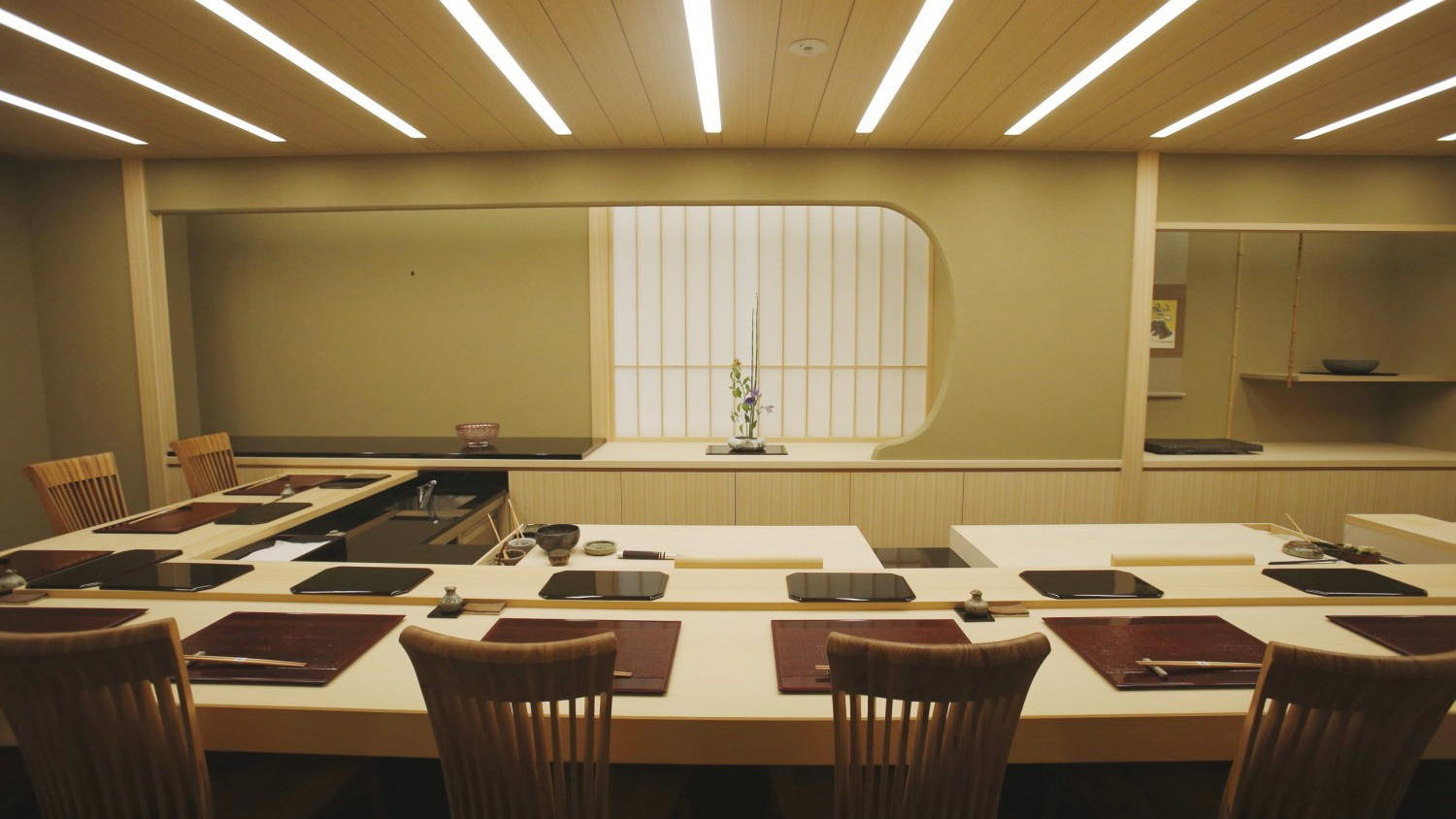
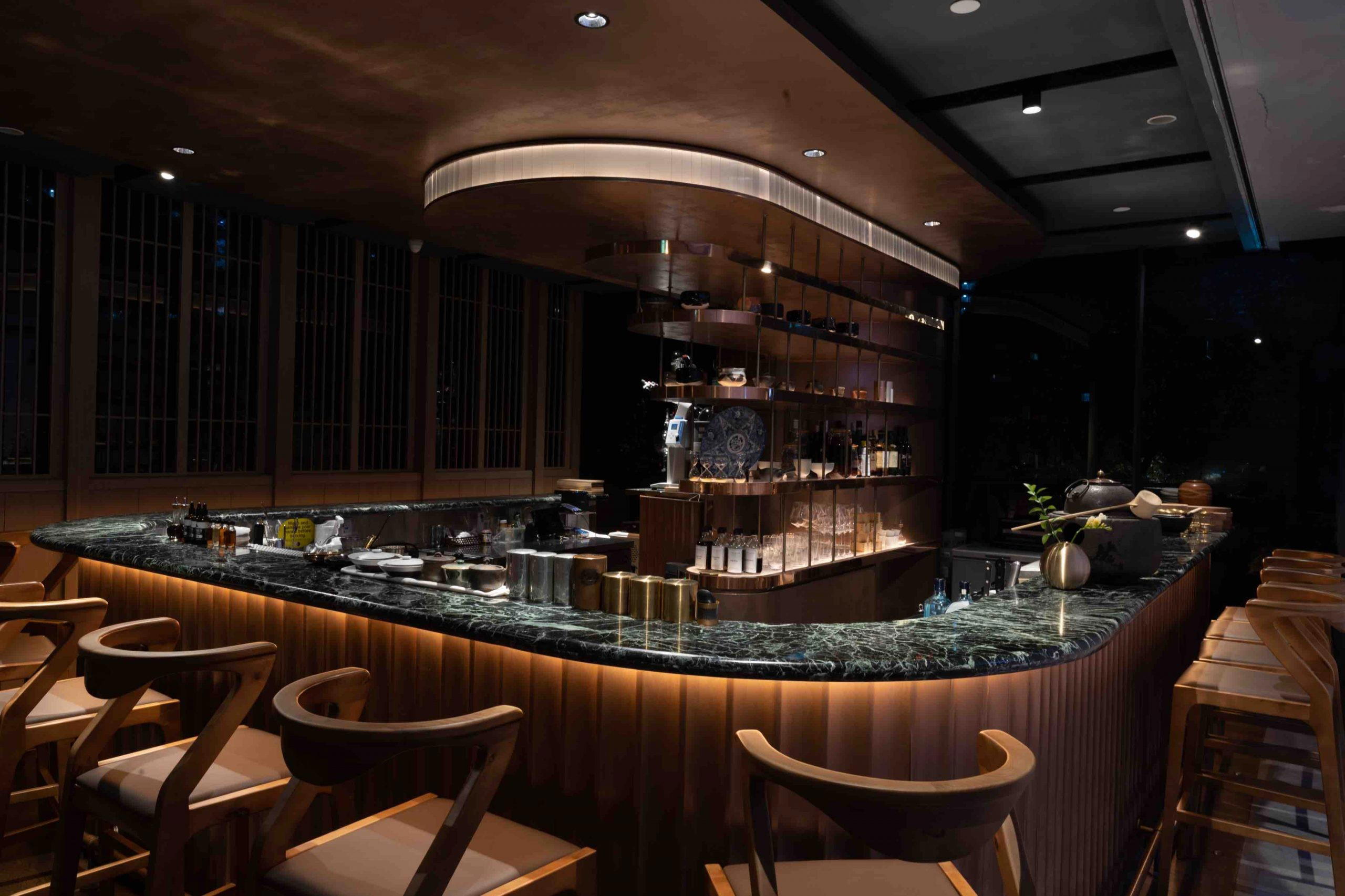
The room scale reinforces the format. Twelve seats, including counter seating and private rooms, means the restaurant operates closer to a small seasonal counter than a large seafood house. That size matters with crab: timing, temperature and portioning are harder to disguise than in a menu with many unrelated courses. A compact service format also places more pressure on the central ingredient; if Matsuba crab is the premise, the meal has little reason to wander.
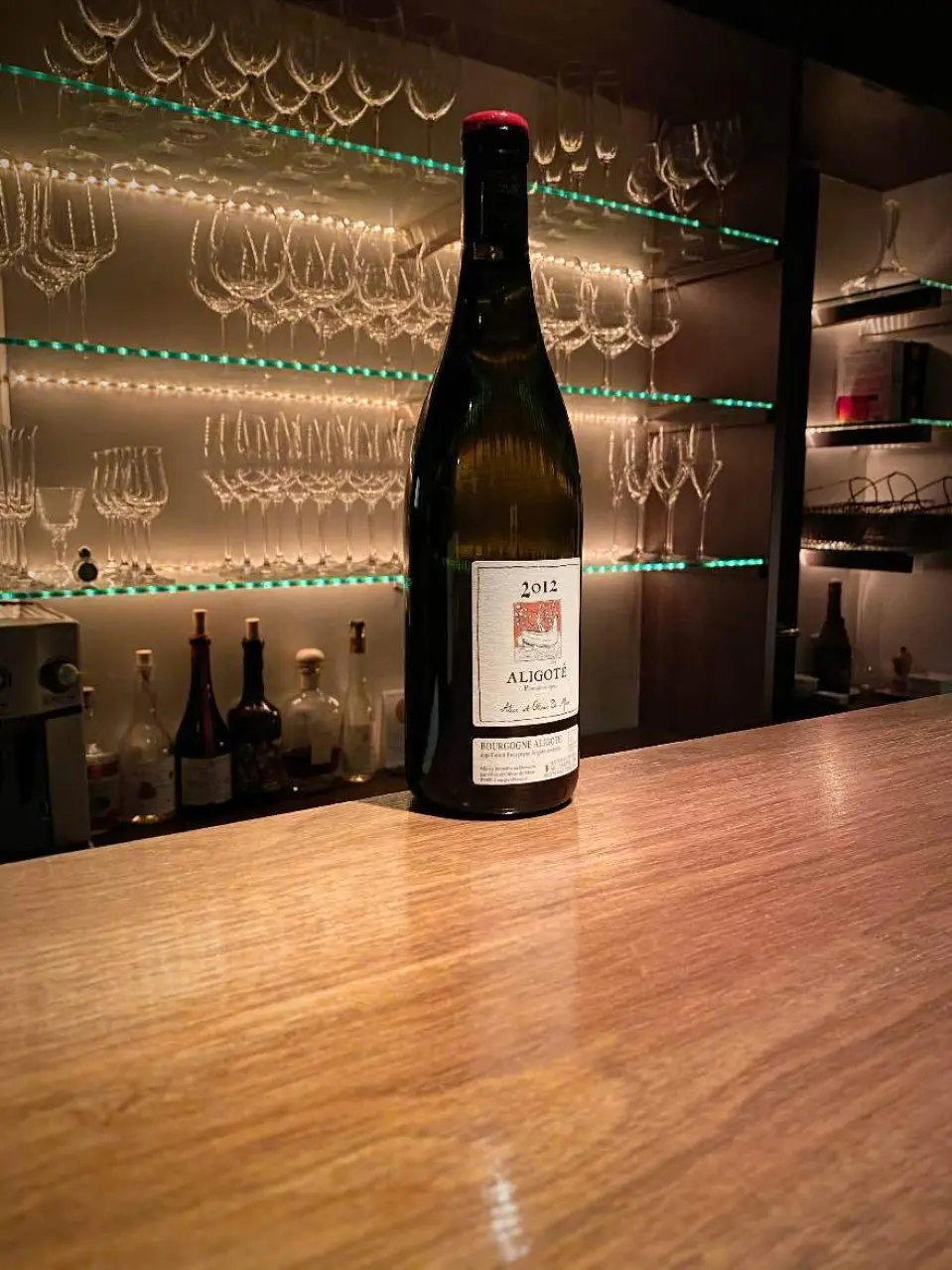
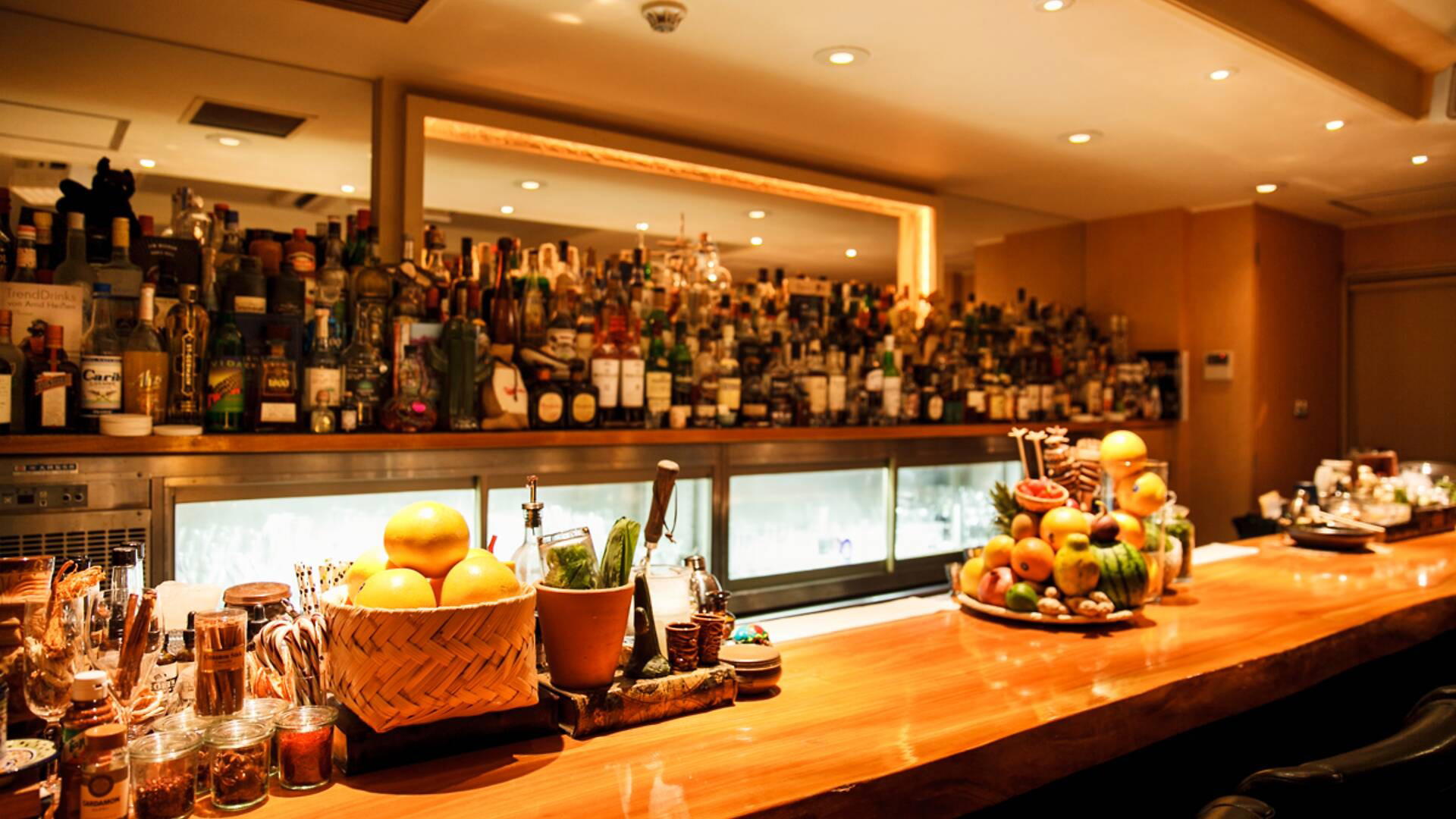
Drink structure follows the Japanese luxury seafood pattern rather than a purely French fine-dining one. Sake, shochu and wine all sit in the frame, with sommelier service and BYO listed. For crab, that spread is not incidental. Sake can meet sweetness and brine without forcing the dish into acidity, while wine allows diners to read the meal through a broader luxury lens. Shochu, often overlooked by visitors chasing sake labels, has a place in Japanese seafood dining when the cooking favors clarity and warmth over heavy sauces.
Tokyo travelers often arrive with a hierarchy already set: sushi counter first, tempura second, kaiseki if budget and schedule allow. Crab deserves a separate category because its seasonality is more explicit. Matsuba crab season runs from early November to late March, and procurement cost is known to move as the season progresses, especially toward late December. That makes the restaurant less suitable as a generic Ginza dinner and more convincing as a winter-specific booking for diners who understand why a single ingredient can justify the evening.
For broader planning around the city, Our full Tokyo restaurants guide places this kind of specialist counter alongside different formats, from . 鮪と炭火焼き うお炭 秋葉原店 and 12/10 Shinjuku ten to 124. KAGURAZAKA (Yakitori), 2D Cafe and 3 Chome no Curry Ya San. The wider Tokyo trip may also need Our full Tokyo hotels guide, Our full Tokyo bars guide, Our full Tokyo wineries guide and Our full Tokyo experiences guide.
Who should choose a crab-only Ginza dinner
This is a sharper choice for repeat Tokyo diners than for first-timers trying to cover every classic in one trip. The case for Ginza Kani Matsu is strongest when the calendar aligns with crab season and the diner wants a Japanese meal defined by regional product rather than category breadth. It is also better suited to guests comfortable with a course format that prioritizes ingredient depth over menu flexibility.
The Kansai-versus-Kanto reading gives the restaurant its interest. Ginza supplies the precision, service expectations and small-room intensity; Matsuba crab supplies a western-Japan seasonal identity. That combination is the point. In a city full of high-priced counters, the more useful question is not whether another meal is luxurious, but whether it says something specific. This one does: winter crab, treated as the main text rather than a footnote.
Readers extending the same regional comparison beyond Tokyo can trace other Japanese dining formats through -Grilled beef Sukiyaki- KAMAKURA TANUKIAN 鎌倉 たぬき庵 in Kamakura.cafe in Osaka.know in Kumamoto, (Shoku) Vietnam in Kawasaki, [Curry Senmon Ten] Maruyama Kyoju. in Sapporo and [ki:] in Kyoto. For Japanese drinking and casual food culture outside Japan, Jōdo Saké Bar in Los Angeles and Onigiri Time in Pasadena show how specific formats travel when removed from their original market.
Frequently asked questions
What should I budget for a meal at Ginza Kani Matsu?
Pricing at Ginza Kani Matsu is listed as JPY 50,000 - JPY 59,999 JPY 50,000 - JPY 59,999.
Is Ginza Kani Matsu open every day?
Hours at Ginza Kani Matsu: Mon: 6–10:30 PM; Tue: 6–10:30 PM; Wed: 6–10:30 PM; Thu: 6–10:30 PM; Fri: 6–10:30 PM; Sat: 12–10:30 PM; Sun: 12–10:30 PM.
What kind of cuisine does Ginza Kani Matsu serve?
Ginza Kani Matsu serves Crab, Japanese Cuisine cuisine.
Where do I go for Ginza Kani Matsu?
Ginza Kani Matsu is located in Tokyo.
What do critics highlight about Ginza Kani Matsu?
Critics focus on the crab-only course, the 12-seat format with an 8-seat counter, and the seasonal Matsuba crab window from November 6 to late March. The 2026 Tabelog Award bronze also places Ginza Kani Matsu in a documented tier of Tokyo addresses with outside validation.
Comparable Venues Nearby
Comparable venues nearby, for context on price, style, and recognition.
| Venue | Cuisine | Price | Awards | Notes |
|---|---|---|---|---|
| Ginza Kani MatsuThis venue (the venue you are viewing) | Matsuba Crab Kaiseki | $500+ | Tabelog Bronze #161 | Not listed |
| Ginza Soseki | Edomae Sushi and Kaiseki | Not listed | Star Wine List | Chūō |
| Yamazato Tokyo | Traditional Japanese Kaiseki and Sushi | $200–300 | Forbes 4-Star | Minato |
| Akasaka Asada | Traditional Kaga Kaiseki (Ryotei) | $150–200 | Not listed | Akasaka |
| Ginza Chikamitsu | Luxury Wagyu Yakiniku | $100–150 | Tabelog 100 #1 | Chūō |
| 喰善あべ | Kyoto-style Kaiseki | $150–200 | 1 Michelin Star · Tabelog 100 #90 | Chūō |
Recognition history
Dated appearances from independent guides and award organizations, with the underlying list record or original source where available.
Tabelog Bronze #161
Tabelog
Continue exploring
More in Tokyo
Restaurants in Tokyo
All restaurants in Tokyo →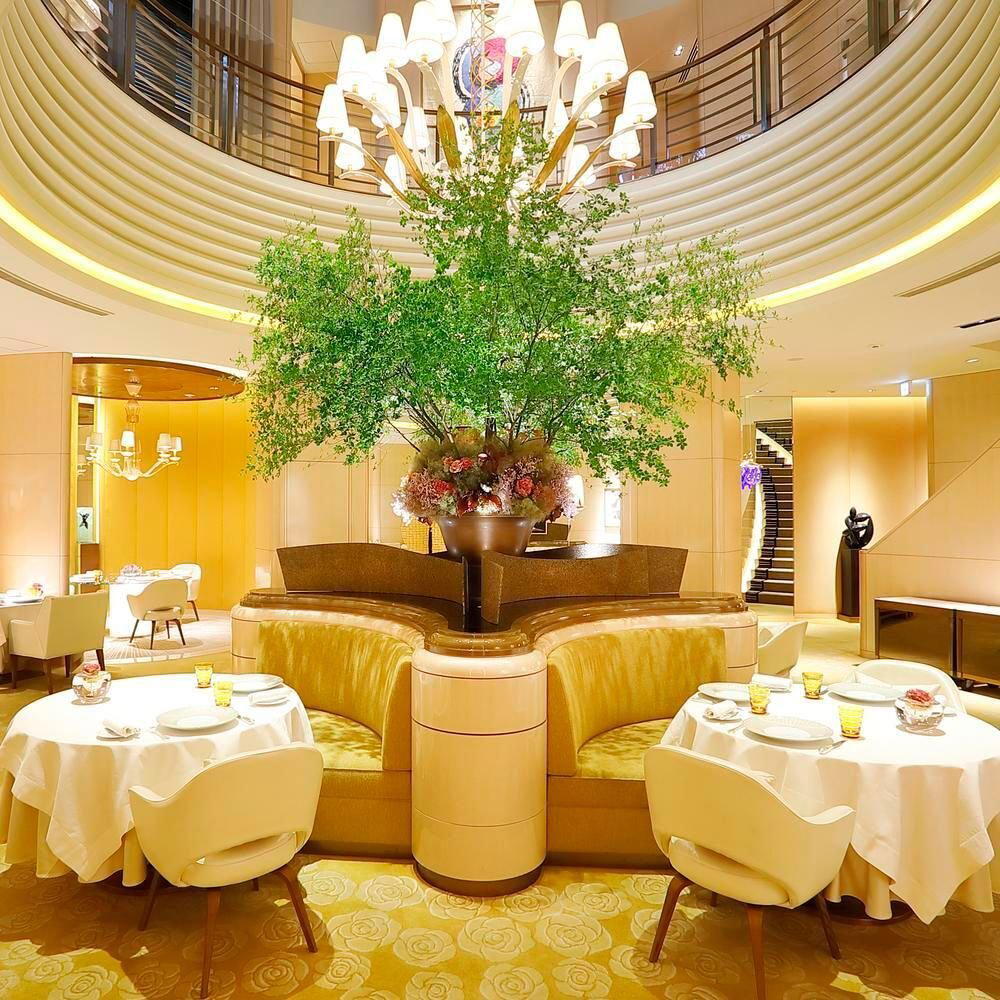


Details
- Elegant
- Sophisticated
- Intimate
- Special Occasion
- Celebration
- Business Dinner
- Chefs Counter
- Open Kitchen
- Private Dining
- Sake Program
- Sommelier Led
- Local Sourcing
- Sustainable Seafood
- Tasting Menu
- Counter Dining
- Set Menu
- Sake
- Wine
- Shochu
Current opening hours
- Monday
- 6–10:30 PM
- Tuesday
- 6–10:30 PM
- Wednesday
- 6–10:30 PM
- Thursday
- 6–10:30 PM
- Friday
- 6–10:30 PM
- Saturday
- 12–10:30 PM
- Sunday
- 12–10:30 PM
Hours can change for holidays and private events. Hours as of .
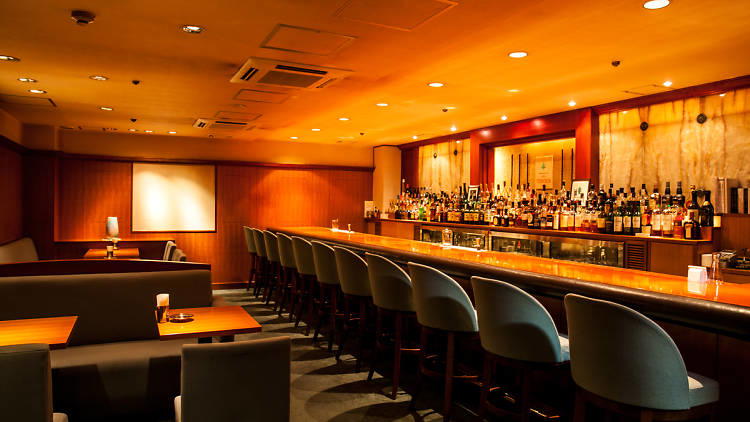
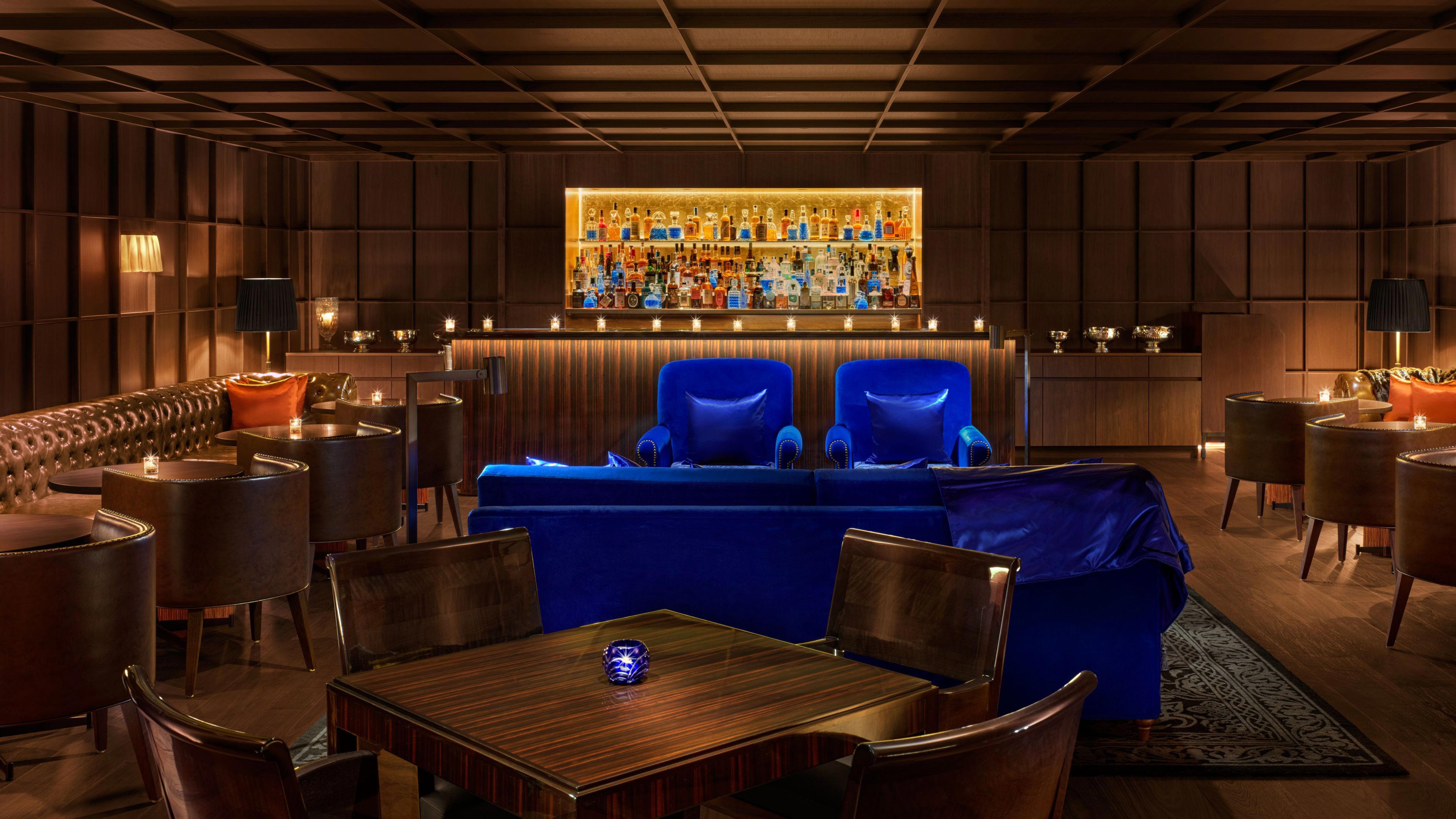
Stylish and relaxing space with spacious counter seating in an 8th-floor hideout location, creating an intimate fine dining atmosphere.