
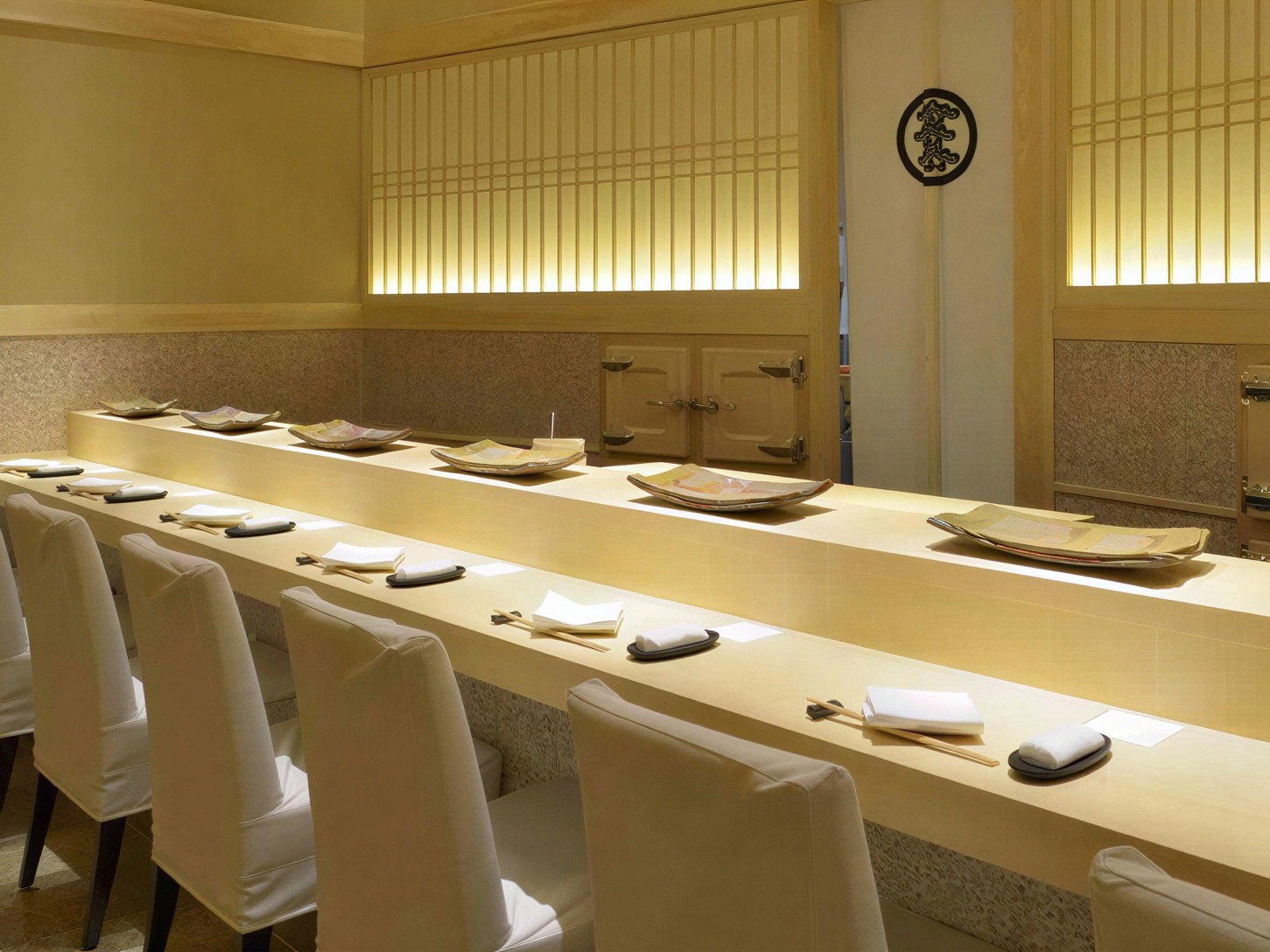
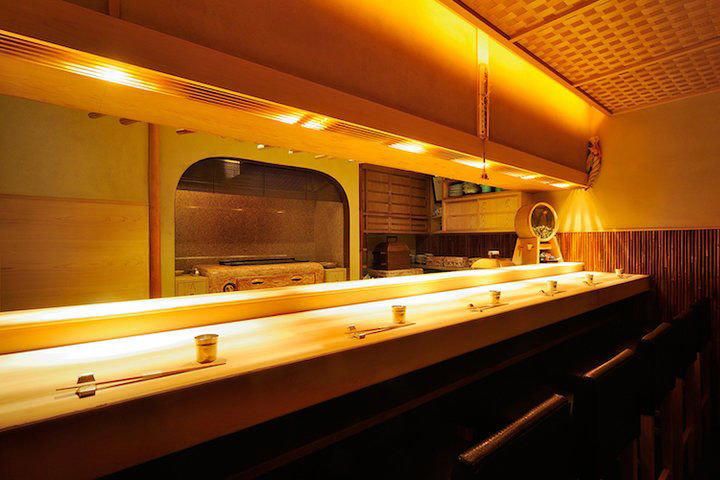
Kien sits in Akasaka’s serious Japanese dining bracket, where the meal is shaped by pacing, restraint, and the etiquette of course service rather than spectacle. Its Tabelog Japanese Cuisine TOKYO 100 selection in 2025, fish-led cooking, sake and wine focus, private rooms, and six-seat counter place it in the city’s smaller-format washoku tier.
Pearl is the En Primeur Club membership app — saves, bookings, and concierge access live there. Same editors, same standards.
- Address
- Japan, 〒107-0052 Tokyo, Minato City, Akasaka, 2 Chome−18−8 長野コーポ
- Phone
- +81 3-3505-0728
- Website
- akasaka-kien.com
 Saves & bookings on Pearl
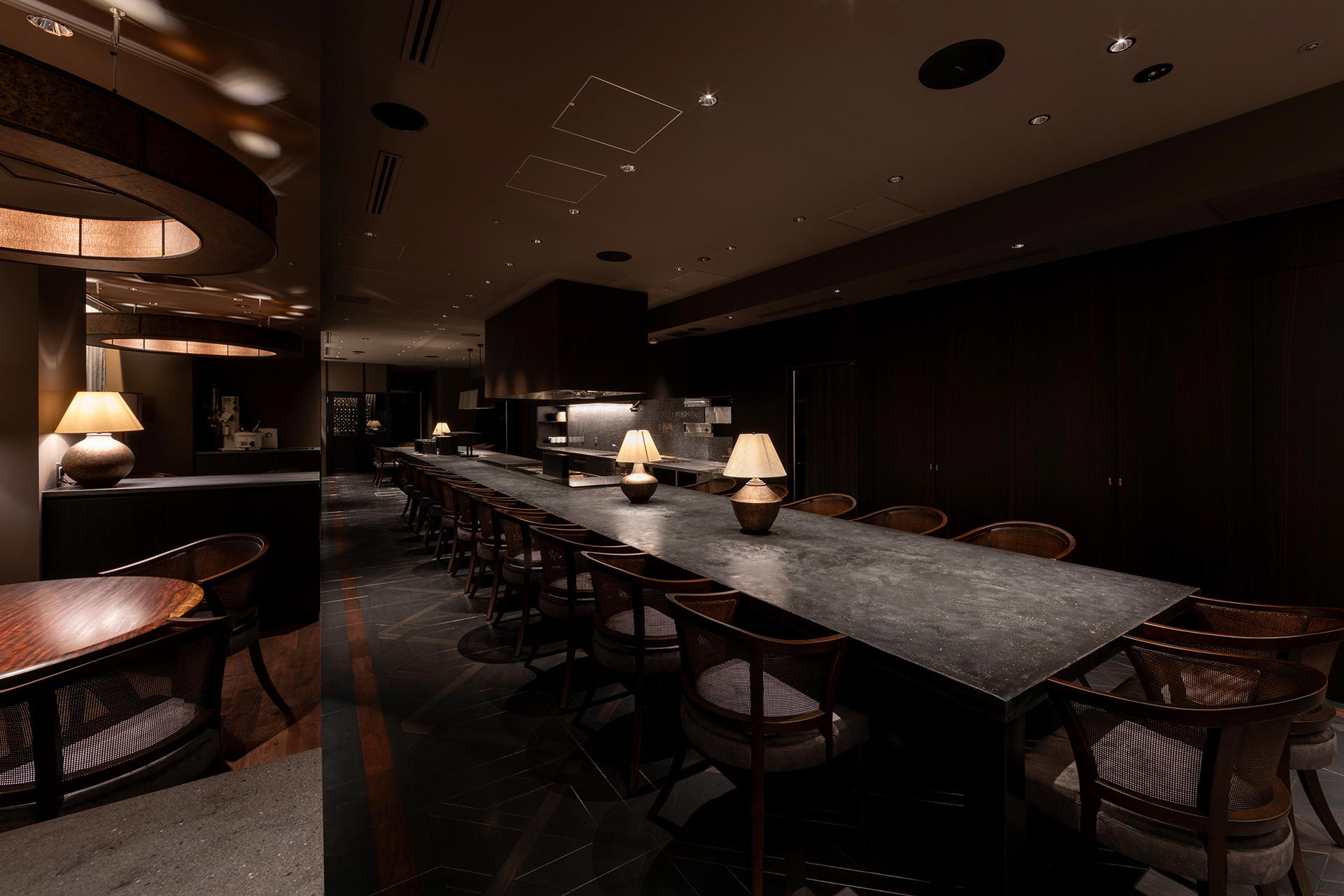
Akasaka changes tone quickly after office hours. Government buildings, hotels, and corporate dining rooms give way to quieter side streets where Japanese restaurants trade less on street presence than control: entrances, pacing, volume. Kien belongs to that Tokyo tradition. The room is small enough for rhythm rather than traffic, with private rooms and a six-seat counter shaping two versions of the same ritual.
This is not fast-turnover or theme-driven Tokyo. The category is Japanese cuisine, and the signal is formality without excess: course meals, fish at the centre, sake and wine built into the structure, and a setting suited to measured conversation. In a city where high-end Japanese dining often splits between counter theatre and private-room discretion, Kien occupies the middle ground, offering both formats within a compact 20-seat restaurant.
Akasaka's washoku ritual is built around timing, not display
Tokyo’s serious Japanese restaurants are often misunderstood by visitors seeking one defining dish. The better way to read the experience is through sequence. Washoku dining at this level relies on progression: texture, temperature, season, and serving style, with the guest following the kitchen’s tempo rather than imposing one. Kien’s course-only reservation structure reinforces that custom, making it less useful for casual business lunches and better for diners who want the full meal to unfold as intended.
The Tabelog Japanese Cuisine TOKYO 100 selection in 2025 gives the restaurant a public marker in a crowded field. Tabelog’s Japanese cuisine list matters because it reflects a competitive local category rather than a broad international ranking. Michelin and overseas lists often spotlight global-facing Tokyo dining; Tabelog category lists tend to map where Japanese diners place repeat trust. A score of 3.73 in this segment is not casual: Japanese cuisine in Tokyo is dense with small rooms, regular-heavy counters, and restaurants that resist easy comparison.
Fish is the clearest culinary anchor. That does not mean sushi counter, and it should not be read that way. In Japanese cuisine, fish can appear as sashimi, grilled preparations, simmered dishes, seasonal accompaniments, and course sequencing that shifts seafood from opening clarity to central depth. The drink focus also reflects a broader Tokyo pattern. Sake remains the cultural reference point, but wine now appears regularly in serious washoku rooms, especially when kitchens want pairings beyond the expected rice-wine frame.
Within Akasaka, this restraint has local logic. The neighbourhood holds political dining, hotel restaurants, izakaya density, late-night drinking, and polished small rooms for clients who value privacy. Kien’s private rooms, counter seats, and non-smoking policy align with that part of the district: meals where discretion is part of the value, but the cooking still carries the evening.
The counter and private rooms create two different meals
The six-seat counter is the more direct format. Counter dining in Tokyo compresses distance between kitchen and guest: gestures become part of timing, plates arrive with less interruption, and the guest’s pace is more visible. It is also less forgiving. Diners should arrive on time, avoid heavy fragrance, and treat the course structure as fixed unless dietary needs have been discussed beforehand.
The private rooms serve a different social function. Tokyo has a long tradition of restaurants for small groups who want serious cooking without main-room exposure. Kien’s layout suits Akasaka, where business meals and family occasions often overlap with formal dining habits. The experience becomes less performative than a chef-facing counter meal, but not less structured. Course service still dictates the evening; the room simply gives conversation more privacy.
Pricing places dinner in the JPY 20,000 to JPY 29,999 bracket and lunch in the JPY 8,000 to JPY 9,999 bracket, before final shape depends on course choice and service terms. Lunch offers access to the kitchen’s idiom at a lower bracket, while dinner is the fuller expression. Tokyo diners often use lunch to assess discipline, but washoku rooms with strong dinner pacing can feel abbreviated at midday. The decision is not only budget; it is whether the meal should be a compact reading or a longer evening.
Compared with the supplied Tokyo set, the restaurant sits apart from Provençal-Japanese fusion at . 鮪と炭火焼き うお炭 秋葉原店, the casual graphic appeal of 2D Cafe, curry specialization at 3 Chome no Curry Ya San, and yakitori-focused dining at 124. KAGURAZAKA (Yakitori). It is closer in seriousness to the city’s formal restaurant tier, though not the same category as French modern dining or teppanyaki. For travelers building a Tokyo itinerary, this distinction matters: it is a washoku meal for reading Japanese course dining grammar, not a catch-all luxury dinner.
Know Before You Go
- Format: Japanese cuisine with course meals; reservations apply to course dining.
- Recognition: Selected for Tabelog Japanese Cuisine TOKYO 100 in 2025 and 2021.
- Scale: 20 seats, including a six-seat counter and several private rooms.
- Drinks: Sake, shochu, and wine are part of the listed beverage focus.
- Setting: Non-smoking, with smart casual dress guidance.
- Access: Tameike-Sanno, Roppongi-itchome, and Akasaka stations all serve the area on foot.
- Planning note: Sunday and public-holiday closures make weekday and Saturday planning more practical.
Travelers comparing Tokyo dining styles should treat Kien as one reference point in the city’s formal Japanese category, then balance it with other formats across the trip. For a broader plan, use Our full Tokyo restaurants guide, plus Our full Tokyo bars guide, Our full Tokyo hotels guide, Our full Tokyo experiences guide, and Our full Tokyo wineries guide. For contrast beyond this room, compare with 12/10 Shinjuku ten, -Grilled beef Sukiyaki- KAMAKURA TANUKIAN 鎌倉 たぬき庵 in Kamakura, [ki:] in Kyoto.cafe in Osaka.know in Kumamoto, (Shoku) Vietnam in Kawasaki, [Curry Senmon Ten] Maruyama Kyoju. in Sapporo, Jōdo Saké Bar in Los Angeles, and Onigiri Time in Pasadena.
Similar Picks
Comparable venues to calibrate price, style, and recognition.
| Venue | Cuisine | Price | Notes |
|---|---|---|---|
| KienThis venue — the venue you are viewing | Traditional Japanese Kaiseki | $$$$ | Not listed |
| 神戸牛511 | Kobe Beef Kaiseki | $$$$ | Minato |
| Isana sushi bar | Edomae Omakase Sushi | $$$$ | Minato |
| 山﨑 | Hokkaido-style Omakase Sushi | $$$$ | Minato |
| Yasuda | Traditional Edomae Omakase | $$$$ | Minato |
| Restaurant Katsura | Japanese Teppanyaki Steakhouse | $$$$ | Chūō |
Recognition history
Dated appearances from independent guides and award organizations, with the underlying list record or original source where available.
Tabelog 100 #87 · No. 87
Tabelog · Tabelog 100 - Japanese cuisine - TOKYO - 2025










At a Glance
- Elegant
- Quiet
- Intimate
- Sophisticated
- Date Night
- Business Dinner
- Celebration
- Special Occasion
- Group Dining
- Private Dining
- Standalone
- Design Destination
- Sake Program
- Local Sourcing
Current opening hours
- Monday
- 11:30 AM–1 PM, 6–9 PM
- Tuesday
- 11:30 AM–1 PM, 6–9 PM
- Wednesday
- 11:30 AM–1 PM, 6–9 PM
- Thursday
- 11:30 AM–1 PM, 6–9 PM
- Friday
- 11:30 AM–1 PM, 6–9 PM
- Saturday
- 12–1 PM, 6–9 PM
- Sunday
- Closed
Hours can change for holidays and private events. Last verified .
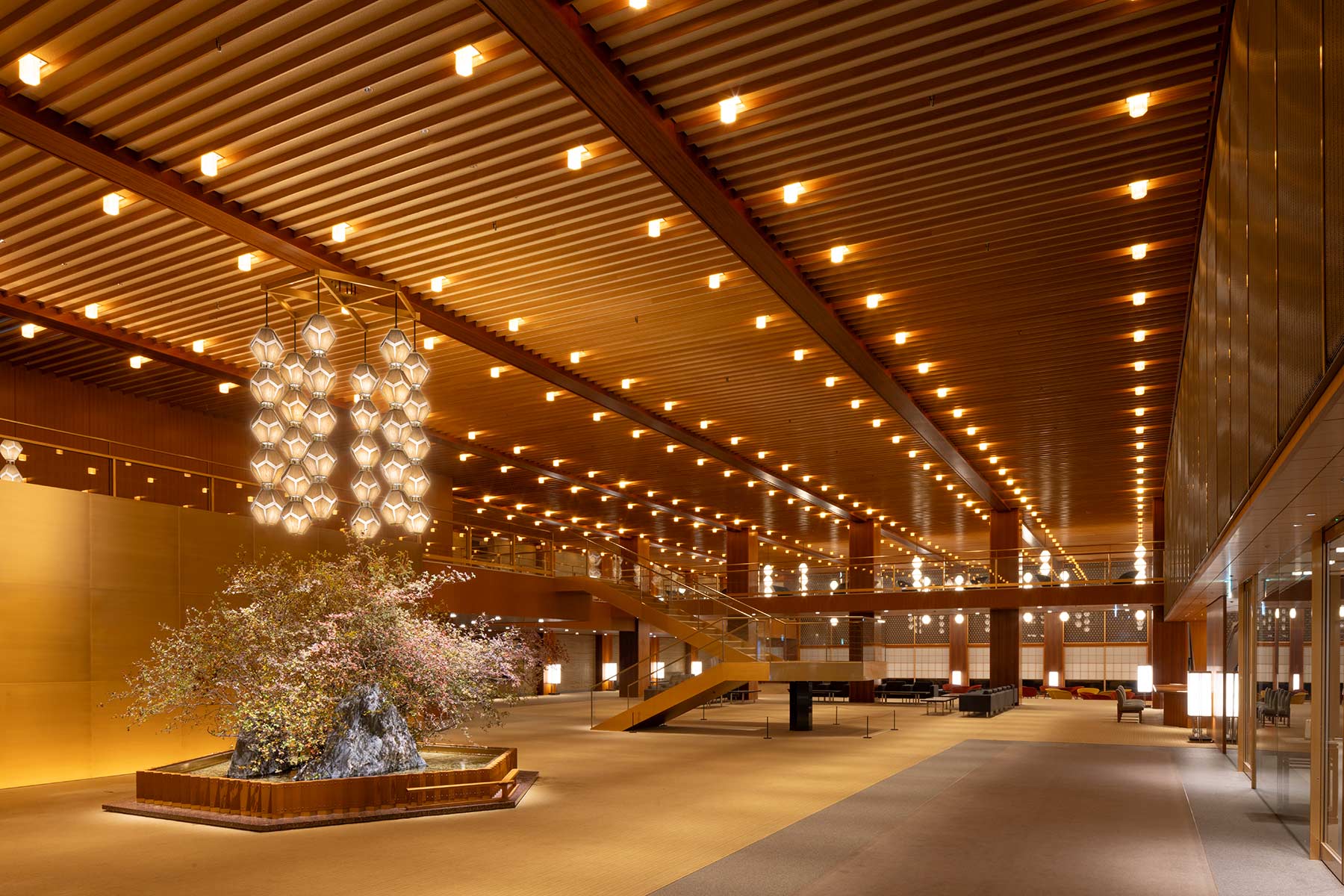
An intimate, quietly elegant Japanese dining room where guests sit close together at tables or in small private rooms, focusing on a leisurely seasonal kaiseki experience rather than a rushed meal.