Tosba operates in San Cristóbal Lachirioag, a remote Sierra Juárez village in Oaxaca, producing mezcal that reflects the high-altitude agave ecology of the Zapotec highlands. For those willing to make the journey, the experience is grounded in place in a way few urban mezcal encounters can replicate.

Pearl is the En Primeur Club membership app — saves, bookings, and concierge access live there. Same editors, same standards.
- Address
- Domicilio Conocido, 68830 San Cristobal Lachrioag, Oax.
- Phone
- +52 951 501 3543
- Website
- mezcaltosba.com
- Directions
- Get directions
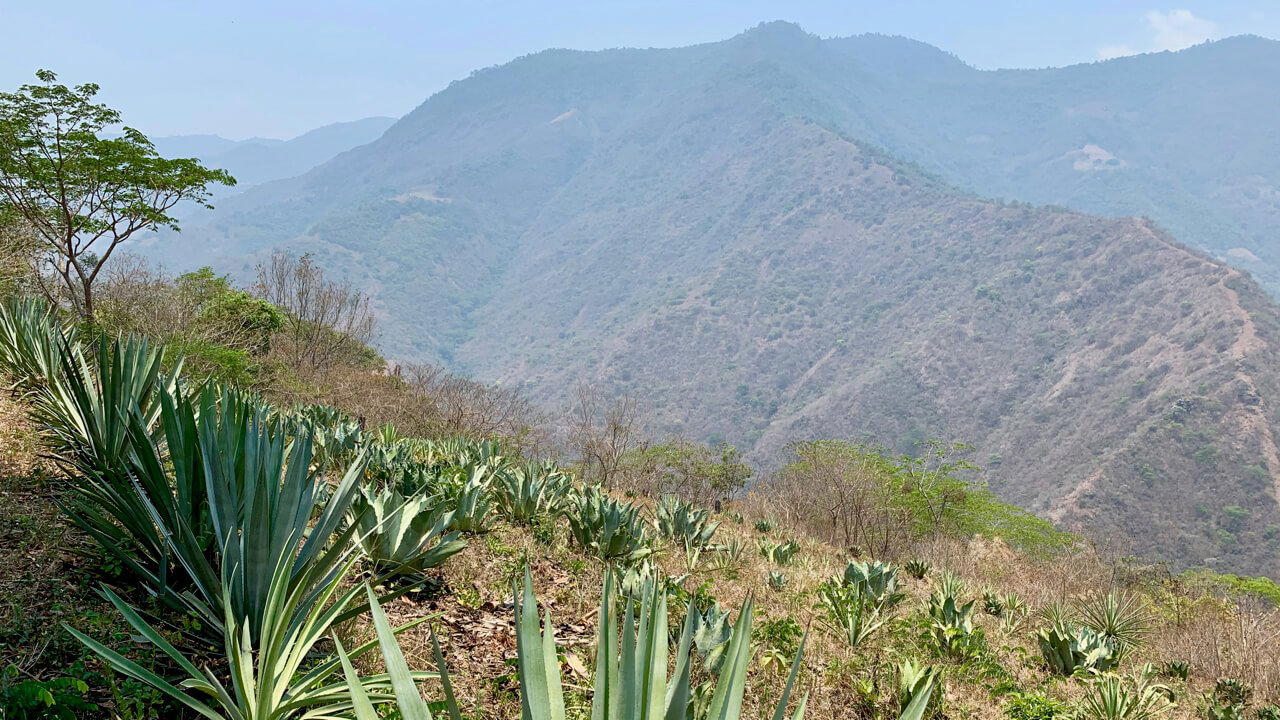
High Altitude, Slow Ferment: What the Sierra Juárez Does to Mezcal
There is a category of Mexican spirits production that happens not in the well-mapped mezcal corridors around Oaxaca City, not in the agave-dense valleys of Tlacolula or Santiago Matatlán, but in the isolated mountain villages of the Sierra Juárez, where altitude, cloud forest humidity, and Zapotec agricultural tradition shape the product more directly than almost anywhere else in the country. San Cristóbal Lachirioag sits in that terrain, several hours from the state capital on roads that climb into pine and oak forest before the landscape opens onto ridge-leading communities that have been fermenting agave for generations.
The Sierra Juárez is not a production region that appears prominently in most spirits itineraries. That oversight has more to do with access than with quality. The villages here are part of Oaxaca's broader mezcal denomination, but the micro-climatic conditions, the specific agave varieties that grow at this altitude, and the water sources drawn from mountain springs create a sensory profile that differs measurably from valley-floor production. Fermentation runs slower in cooler temperatures. The fibrous character of highland agave tends toward a drier, more mineral expression than the richer, fruit-forward profiles common at lower elevations. For anyone tracking how terroir functions in agave spirits, this is a region worth understanding, not as a curiosity but as a distinct expression of what Oaxaca's geography can produce.
Terroir in the Glass: What San Cristóbal Lachirioag Contributes
The concept of terroir in mezcal is contested, but it has real operational meaning. Agave plants absorb minerals from soil over growth cycles that can span a decade or more. Water chemistry, temperature variation between day and night, soil drainage, and the genetic diversity of semi-wild or wild agave populations all feed into the final distillate. San Cristóbal Lachirioag sits at an elevation that introduces a specific set of variables: cooler fermentation conditions, access to mountain-sourced water, and agave populations shaped by the particular ecology of the Sierra Juárez rather than the lower valleys where most commercial production is concentrated.
That level of recognition reflects consistency, a defined character, and a product that communicates its origin. In mezcal terms, that tends to mean the distillate holds the signature of its geography across batches, rather than averaging toward a generic agave spirit profile. For comparative context, producers like Los Danzantes in Santiago Matatlán and Don Amado in Santa Catarina Minas operate in different Oaxacan micro-regions, each with distinct altitude and agave conditions. Tosba occupies a further outlier position in that map, both geographically and in terms of the climatic inputs shaping its production.
The broader Mexican spirits category spans an enormous range of terroir expressions. Tequila production, anchored in the red volcanic soils of the Jalisco Highlands and Lowlands, works from cultivated blue agave under very different agricultural logic. Producers such as Jose Cuervo (La Rojeña) in Tequila, La Primavera (Don Julio) in Atotonilco El Alto, and Casa Herradura in Amatitán draw on Jalisco's specific volcanic soils, while Oaxacan mezcal makers work from a different geological base entirely. The distinction matters for anyone building a serious picture of how Mexican terroir functions across the spirits spectrum. Other regional producers like Cazadores in Arandas, El Pandillo (G4) in Jesús María, and Hacienda Corralejo in Pénjamo add further regional layers to that picture, while distillers outside the agave tradition, like Lágrimas de Dolores in Durango, illustrate how Mexico's spirits geography extends well beyond Oaxaca and Jalisco. Even further afield, Aberlour in Scotland and Accendo Cellars in St. Helena provide useful points of comparison for how geography and production tradition converge in a finished product, though the raw materials, climate, and cultural context differ fundamentally from what Tosba represents in the Oaxacan highlands.
The Atmosphere at Lachirioag: What Arriving Here Means
Approaching San Cristóbal Lachirioag is itself an orientation toward the product. The Sierra Juárez villages do not have the infrastructure of Oaxaca City's mezcalerías or the organized visit circuits found around cooperative operations in San Miguel Ejutla or La Soledad Palenque in La Compañía. What you encounter instead is a production setting that has not been designed for tourism, where the physical environment — the smell of roasting agave, the sound of fermentation, the visual weight of stone and clay equipment — communicates context that no tasting room in a city could replicate.
The address on record, Domicilio Conocido in San Cristóbal Lachirioag, follows the convention used across rural Oaxaca for sites without formal street numbering. In practice, this means arrival depends on local knowledge rather than GPS precision. That logistical friction is, in a sense, part of the experience: the remoteness of the location is not incidental to what Tosba produces but continuous with it. The agave growing at this altitude would not be the same plant at 1,000 metres lower. The community that tends and harvests it would not have the same relationship to production if the village were easier to reach.
Planning a Visit: Practical Realities
San Cristóbal Lachirioag is roughly a four-to-five hour drive from Oaxaca City through the Sierra Juárez, taking the route through Ixtlán de Juárez. The road is paved but demands attention, particularly in wet season when mountain conditions can affect visibility and surface quality. Contact and access typically work through local mezcal guides, community networks, or specialist travel operators with established relationships in the Sierra Juárez villages. Planning through Oaxaca-based specialists who work in this region is the most reliable route for a confirmed visit.
Accommodation in the Sierra Juárez exists at the community ecotourism level, with several Juárez villages maintaining basic but functional overnight facilities. The commitment required to reach Lachirioag positions a Tosba visit as part of a deeper engagement with the Sierra Juárez region rather than a day-trip add-on to a standard Oaxaca City itinerary. For those building an Oaxacan spirits itinerary, our full San Cristóbal Lachirioag restaurants and producers guide covers additional context for planning time in this part of the state, and El Rey de Matatlán in Tlacolula de Matamoros offers a valley-floor counterpoint that illustrates how dramatically the production environment shifts between Sierra and lowland Oaxaca.
In Context: Similar Options
Comparable venues nearby, for context on price, style, and recognition.
| Venue | Cuisine | Notes |
|---|---|---|
| TosbaThis venue — the venue you are viewing | espadilla, tobalá | Not listed |
| Macurichos | Winery | Santiago Matatlán |
| Casa Cortés – La Soledad Palenque | Espadín | La Compañía (Ejutla) |
| Mezcal Benevá | Agave Espadín | Macuilxóchitl de Artigas Carranza |
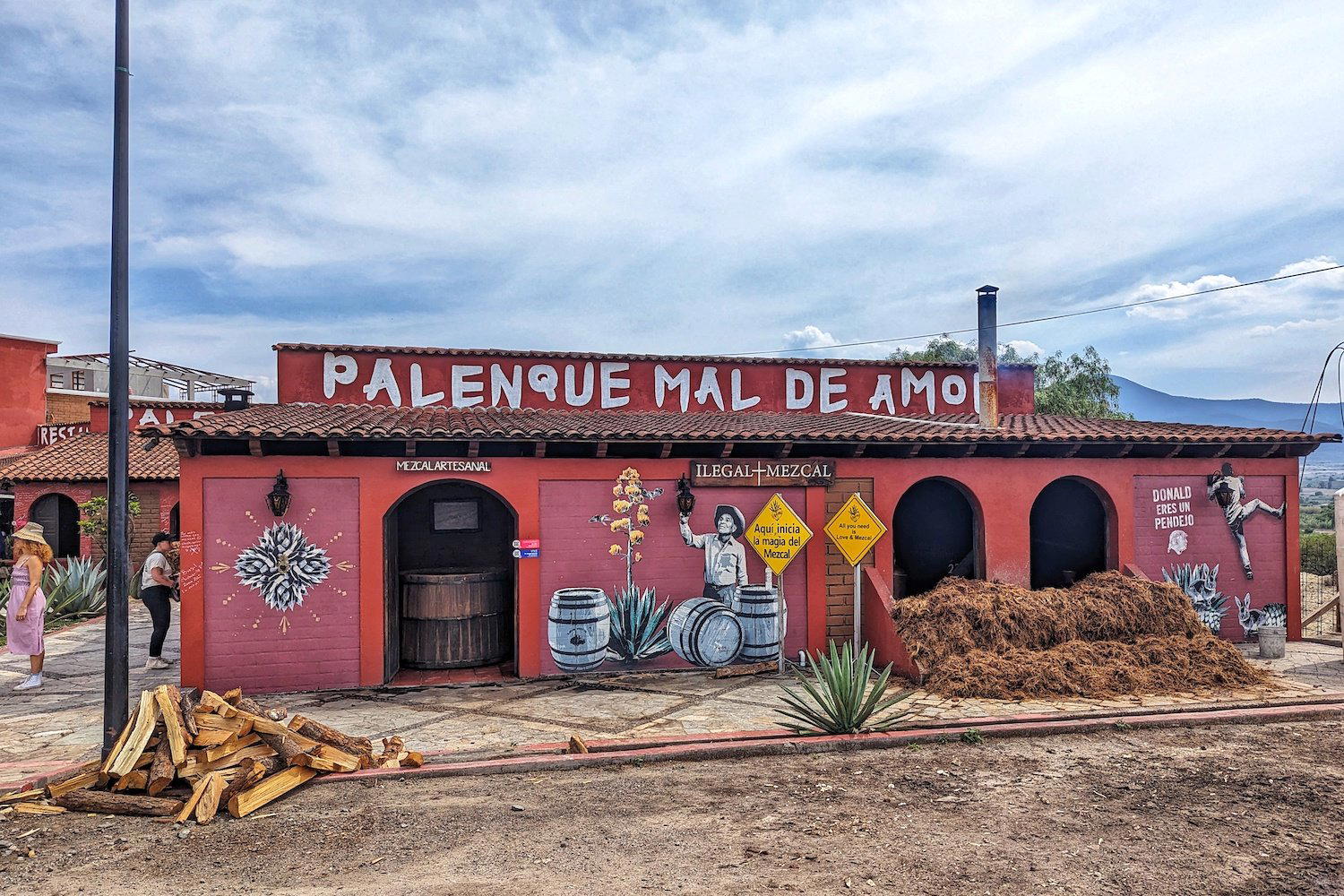
| Ilegal (Palenque Mal de Amor) | cuishe, tepextate | Santiago Matatlán |
| NETA (Grupo Logoche) | espadín, tequilana | Logoche |
Continue exploring
More in San Cristóbal Lachirioag
Wineries in San Cristóbal Lachirioag
Browse all →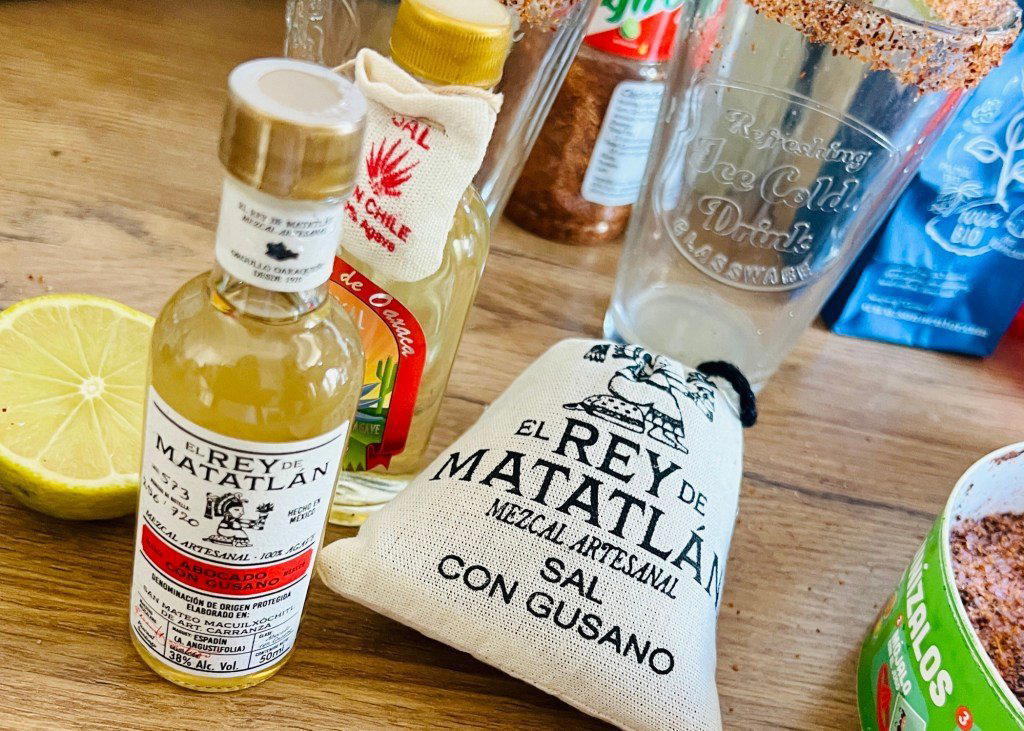
Restaurants in San Cristóbal Lachirioag
Browse all →
Hotels in San Cristóbal Lachirioag
Browse all →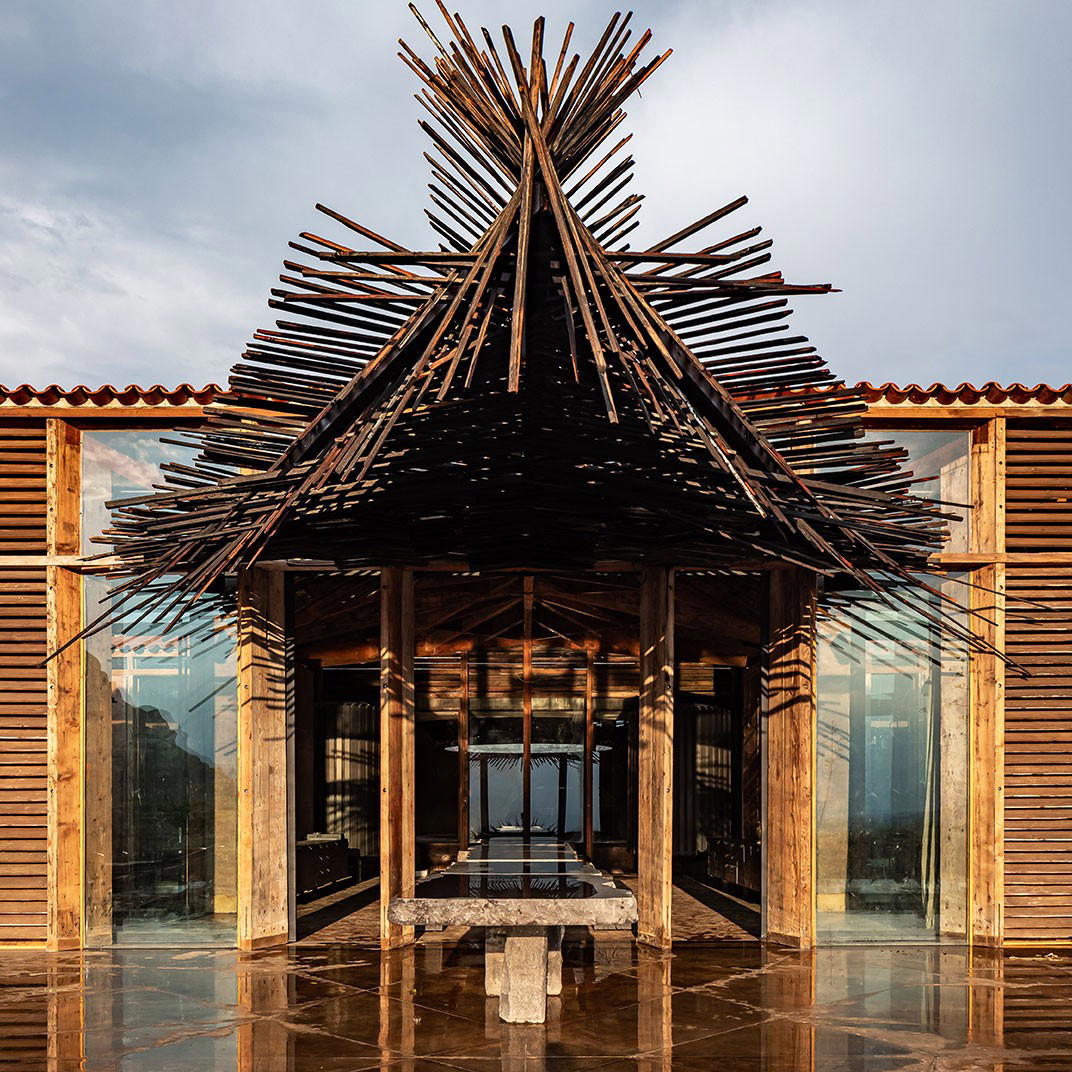
Details
- Rustic
- Scenic
- Wine Education
- Solo Exploration
- Vineyard Tour
- Estate Grounds
- Sustainable
- Mountain
- Vineyard
- Espadilla
- Tobalá
- Tepextate
- Warash
- Arroqueño
- Palenque Tasting
- Spanish
rustic valley setting surrounded by subtropical forest with a focus on traditional craftsmanship and natural elements.