Casa Barroca sits in Puebla's Centro Histórico, where colonial architecture and one of Mexico's most codified regional cuisines converge. The address places it squarely in the territory of mole negro, chiles en nogada, and cemita traditions that have defined poblano cooking for centuries. Visitors looking for a grounded introduction to that tradition will find the setting and location a reliable starting point.
Pearl is the En Primeur Club membership app — saves, bookings, and concierge access live there. Same editors, same standards.
- Address
- Av 7 Ote 205, Centro, 72000 Heroica Puebla de Zaragoza, Pue., Mexico
- Phone
- +522222904767
- Website
- casabarroca.com
- Directions
- Get directions
 Saves & bookings on Pearl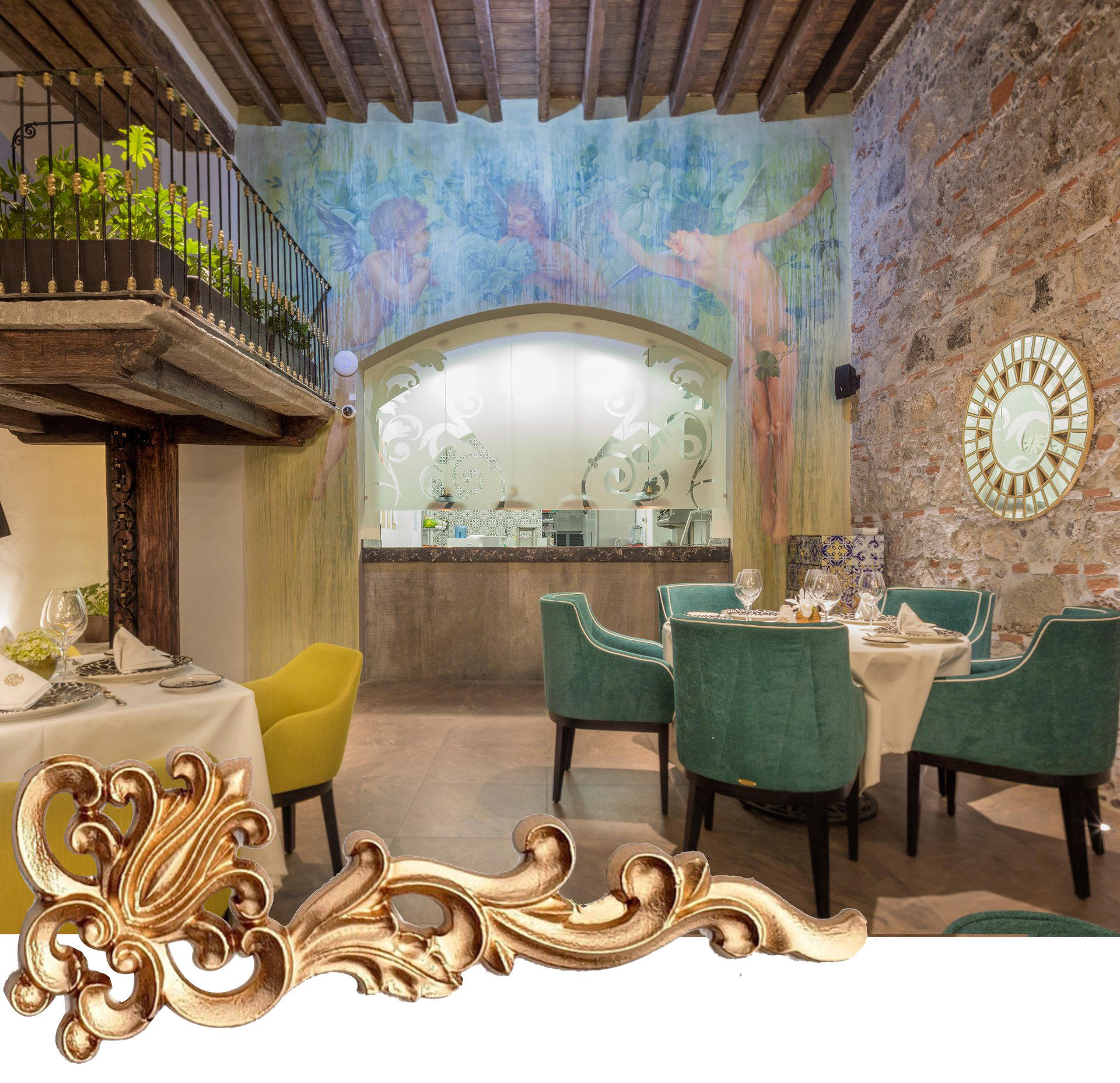
Where Colonial Stone Meets Poblano Tradition
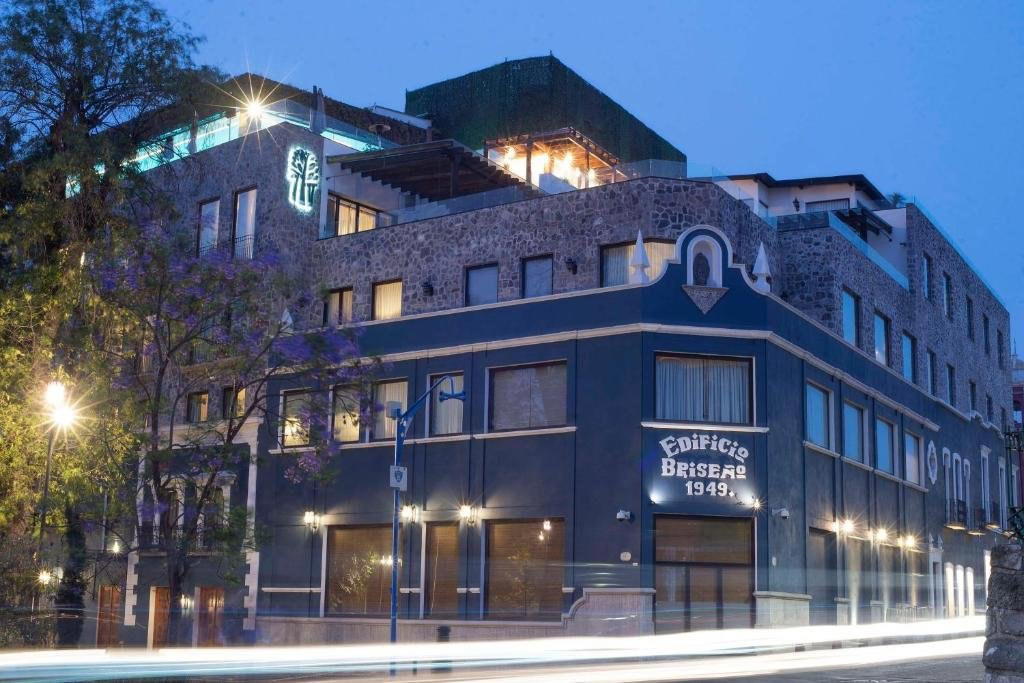
Puebla's Centro Histórico operates on a different register from Mexico City's restaurant circuit. The city's culinary identity is older, more codified, and less interested in reinvention for its own sake. What gets served in the historic center tends to trace a direct line back to convent kitchens, Spanish-Moorish spice logic, and indigenous ingredient systems that colonial-era cooks folded together into something that became, over centuries, one of Mexico's most technically demanding regional cuisines. Casa Barroca, at Av 7 Ote 205 in the Centro, occupies a building whose address alone signals that context: this is the part of the city where baroque stone facades and centuries-old culinary muscle sit side by side.
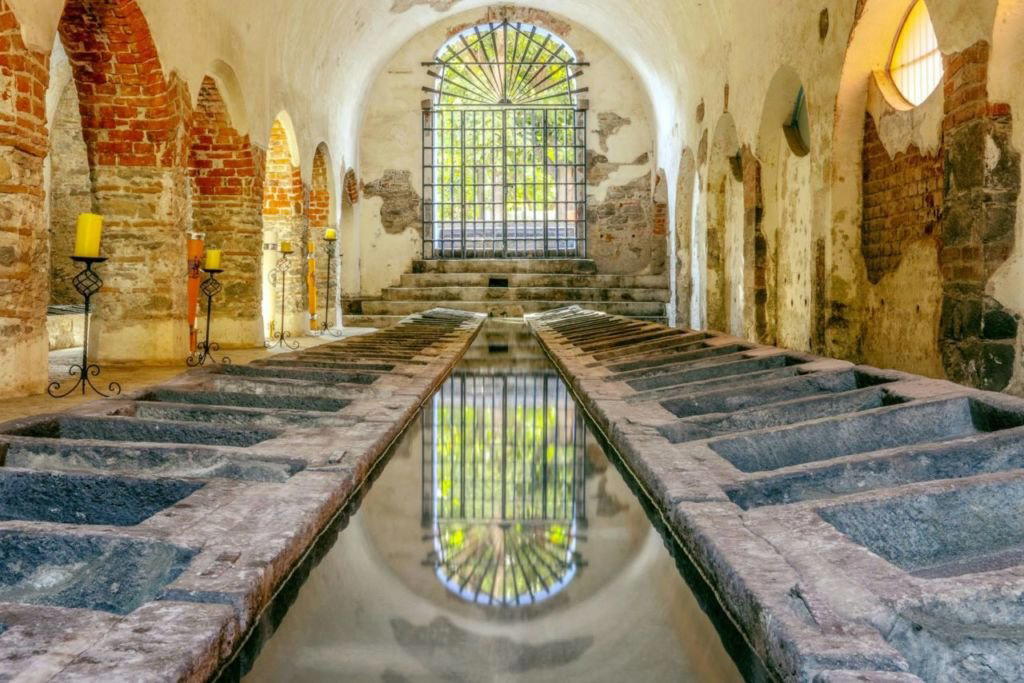
The baroque designation in Puebla is not merely architectural shorthand. The city's historic core was designated a UNESCO World Heritage Site in 1987, and its restaurants operate within that context — physically inside or adjacent to colonial-era structures that impose their own logic on how a space feels and how a meal within it reads. Dining in the Centro is, in that sense, always partly about the accumulated weight of place. The food arrives in rooms that remember other eras, and the leading tables in this part of the city use that atmosphere as a frame rather than a novelty.
The Poblano Culinary Tradition: What It Actually Means
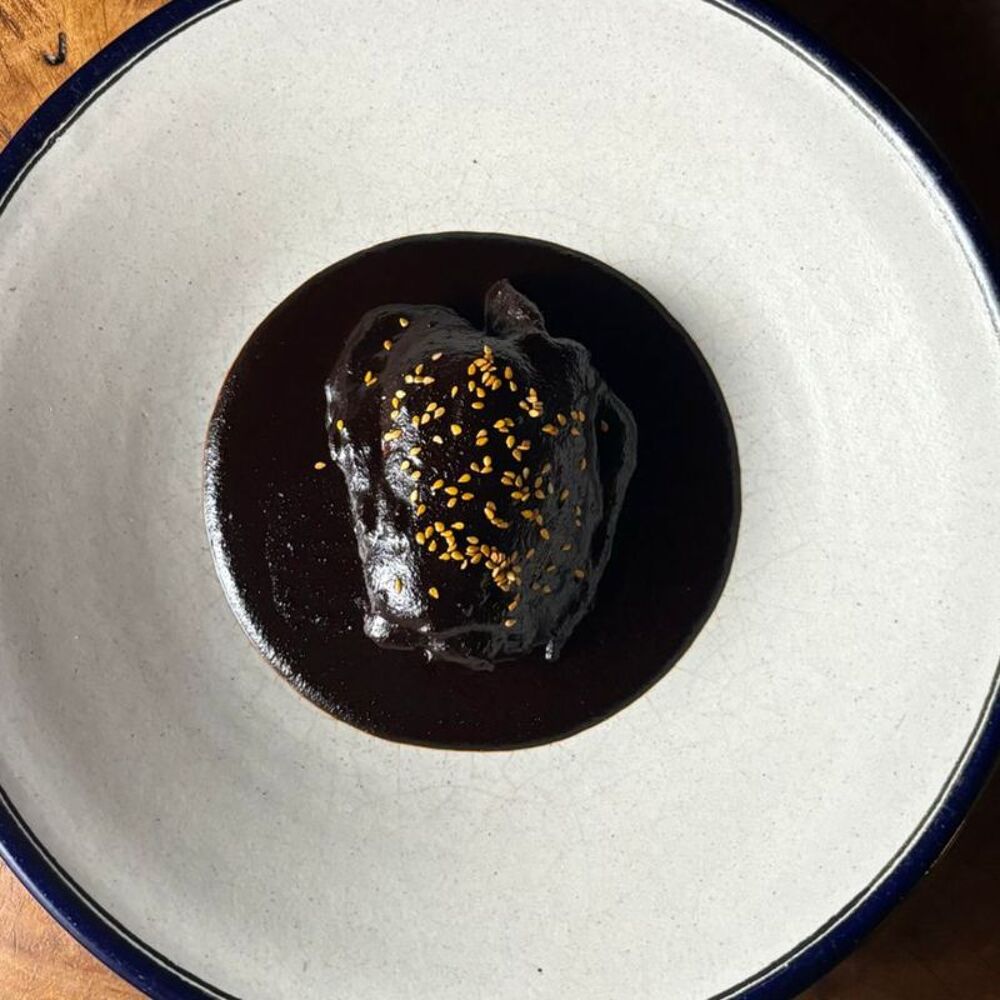
To understand what any serious restaurant in this city is working against and within, it helps to understand the specific demands of poblano cuisine. Mole poblano alone — the chile-chocolate-spice construction that became Mexico's most exported culinary ambassador, can involve upwards of thirty ingredients and multiple days of preparation. Chiles en nogada, the dish that has become a symbol of Mexican national identity and is tied strictly to pomegranate and walnut season between August and October, requires sourcing precision that few kitchens outside Puebla take seriously. Cemitas, the sesame-seeded sandwiches filled with milanesa, avocado, and Oaxacan cheese, have their own craft logic and loyal local arbiters.
This is a cuisine that rewards patience and penalizes shortcuts. Restaurants in Puebla's historic center are evaluated by locals against an internalized standard that visitors from elsewhere rarely fully grasp. The regional pride is not performative, it is a genuine inheritance, and the city's dining public tends to notice when something is off. That pressure shapes what serious kitchens here do, and it is the right frame through which to read any table in the Centro.
For reference points at the higher end of Mexican cuisine nationally, Pujol in Mexico City and Le Chique in Puerto Morelos represent the contemporary fine-dining tier, where Mexican ingredients are processed through international technique. Puebla's leading Centro tables tend to resist that framing, preferring fidelity to regional tradition over modernist reinterpretation. It is a different ambition, and not a lesser one.
Casa Barroca in Its Neighbourhood Context
The address, Av 7 Ote 205, Centro, places Casa Barroca within walking distance of the Zócalo, Puebla's main plaza and the gravitational center of the city's cultural life. This is a neighbourhood that draws both domestic tourists from Mexico City (a two-hour drive, or roughly the same by ADO bus from TAPO terminal) and international visitors using Puebla as a base for Cholula day trips or as a stop on a broader central Mexico circuit. The foot traffic in this zone is substantial, which means restaurants here face a consistent challenge: serving a local clientele with high regional standards while remaining legible to visitors who arrive with less context.
The better tables in the Centro tend to resolve that tension by anchoring the menu in recognizable regional signatures, mole, pipián, chiles rellenos, while investing in sourcing and preparation quality that earns repeat local custom. Puebla's dining scene has enough volume in the historic center that underprepared kitchens cycle out; the ones that persist tend to have earned their longevity.
Other tables worth cross-referencing in the city include Barroco and Mochomos Puebla, both of which operate in the broader Centro orbit. For the full picture of where Casa Barroca sits relative to the city's wider restaurant options, our full Puebla restaurants guide maps the scene across price tiers and neighbourhoods.
Mexico's Regional Fine Dining in National Perspective
Puebla sits within a national conversation about regional Mexican cooking that has grown considerably more sophisticated over the past decade. Restaurants like Levadura de Olla Restaurante in Oaxaca and Huniik in Merida have demonstrated that deep regional fidelity and serious dining ambition are not in conflict. KOLI Cocina de Origen in Monterrey, Alcalde in Guadalajara, and Pangea in San Pedro Garza Garcia extend that pattern to the north and west. Meanwhile, Animalón in Valle de Guadalupe, Olivea Farm to Table in Ensenada, and Lunario in El Porvenir anchor a Baja California wine-country dining culture that runs on sourcing proximity rather than culinary heritage.
Puebla's contribution to this national map is distinct: it is the city most associated with the formal, ingredient-intensive side of Mexican cooking, the one whose dishes became synonymous with the country's culinary identity abroad long before the current generation of chef-driven restaurants arrived. That legacy creates both a floor and a ceiling for what dining here means. Tables that clear the floor earn a different kind of authority from those that simply execute technique well.
For readers who have tracked the contemporary end of Mexican cooking through places like Arca in Tulum, HA' in Playa del Carmen, or Gaia at Maykana in Riviera Maya, Puebla's Centro offers a counterpoint: cooking that draws its authority from accumulated tradition rather than contemporary technique, and spaces where the architecture makes the same argument as the kitchen. That contrast is part of what makes a trip here worth scheduling alongside, rather than instead of, the modern-Mexican circuit. Even internationally recognized fine-dining references like Le Bernardin in New York City or Lazy Bear in San Francisco operate within defined culinary traditions, and Puebla's argument is that its tradition is as serious as any of them.
Planning Your Visit
Casa Barroca is located at Av 7 Ote 205 in the Centro Histórico, a walkable distance from the main Zócalo. Puebla is accessible from Mexico City via frequent ADO bus service (approximately two hours) or by car along the autopista. The Centro is compact enough to cover on foot, and the concentration of historic-center restaurants means a meal here fits naturally into a broader afternoon or evening in the area. Specific hours, pricing, and booking arrangements are best confirmed directly with the venue, as this information was not available at the time of writing.
How Casa Barroca Puebla compares with similar nearby venues.
| Venue | Cuisine |
|---|---|
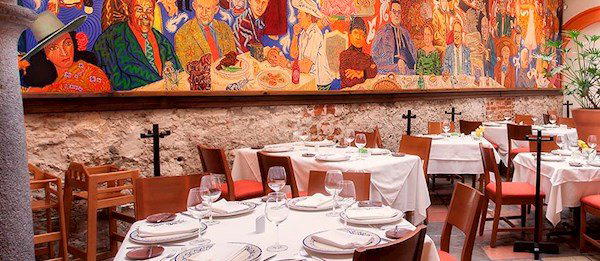
| El Mural de los Poblanos | Mexican Poblano |
At a Glance
- Classic
- Elegant
- Rustic
- Historic
- Cozy
- Special Occasion
- Date Night
- Brunch
- Historic Building
Current opening hours
- Monday
- 8 AM–10 PM
- Tuesday
- 8 AM–10 PM
- Wednesday
- 8 AM–10 PM
- Thursday
- 8 AM–10 PM
- Friday
- 8 AM–11 PM
- Saturday
- 8 AM–11 PM
- Sunday
- 8 AM–6 PM
Hours can change for holidays and private events. Last verified .
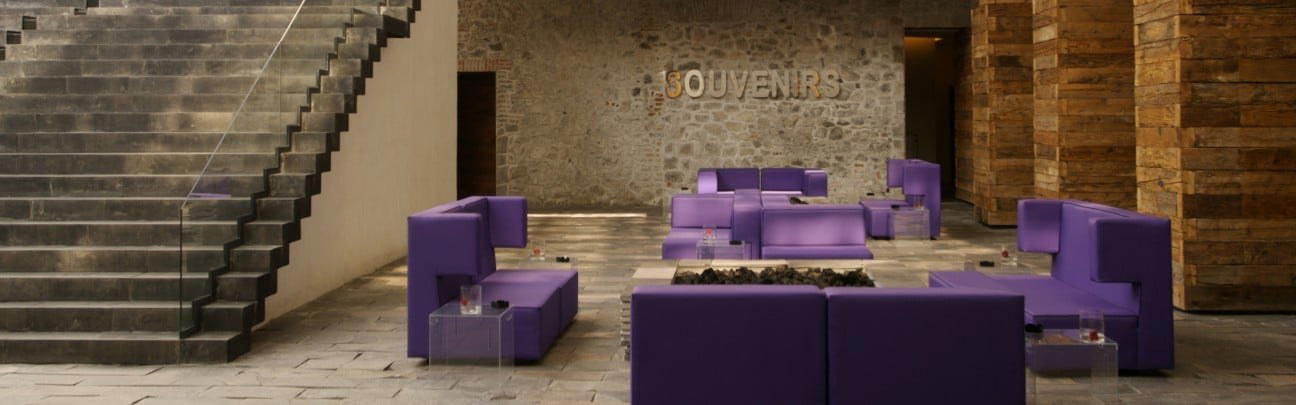
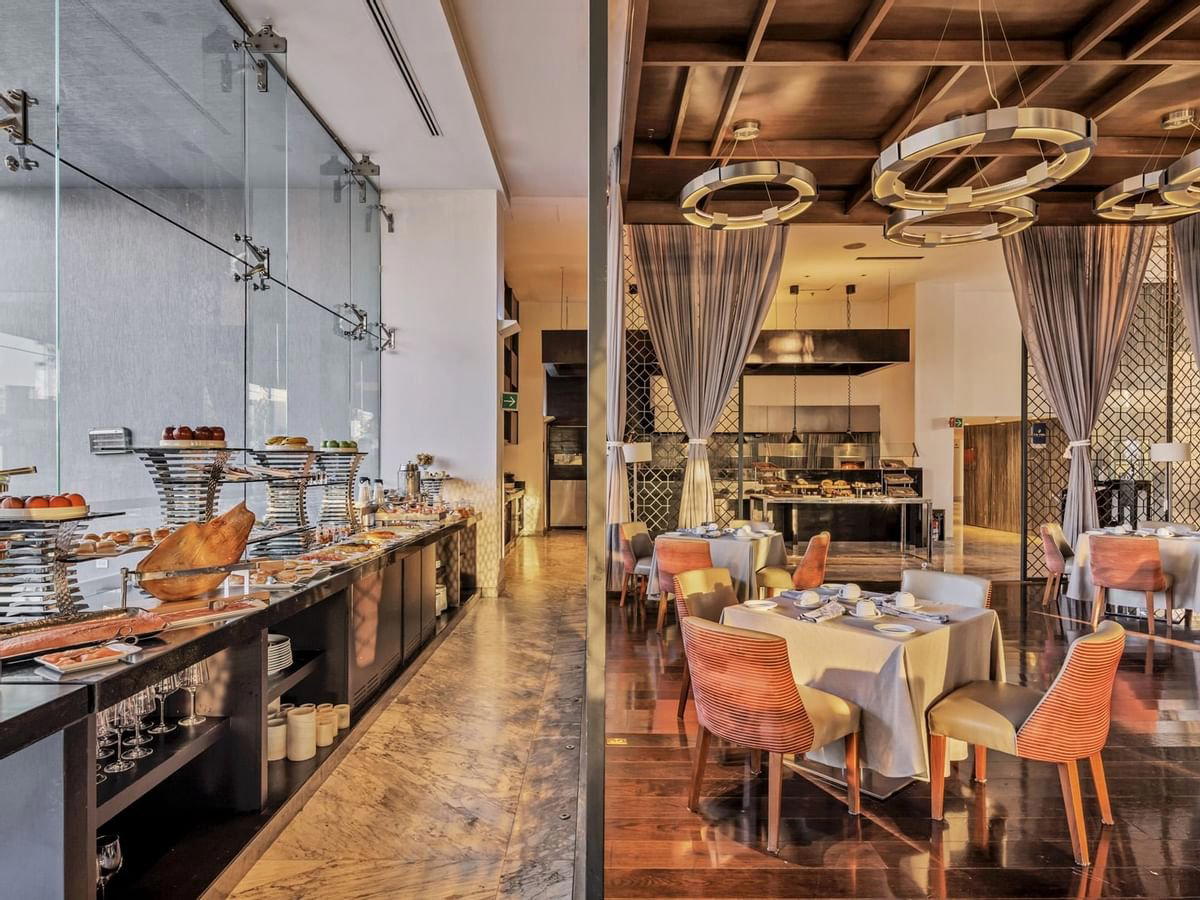
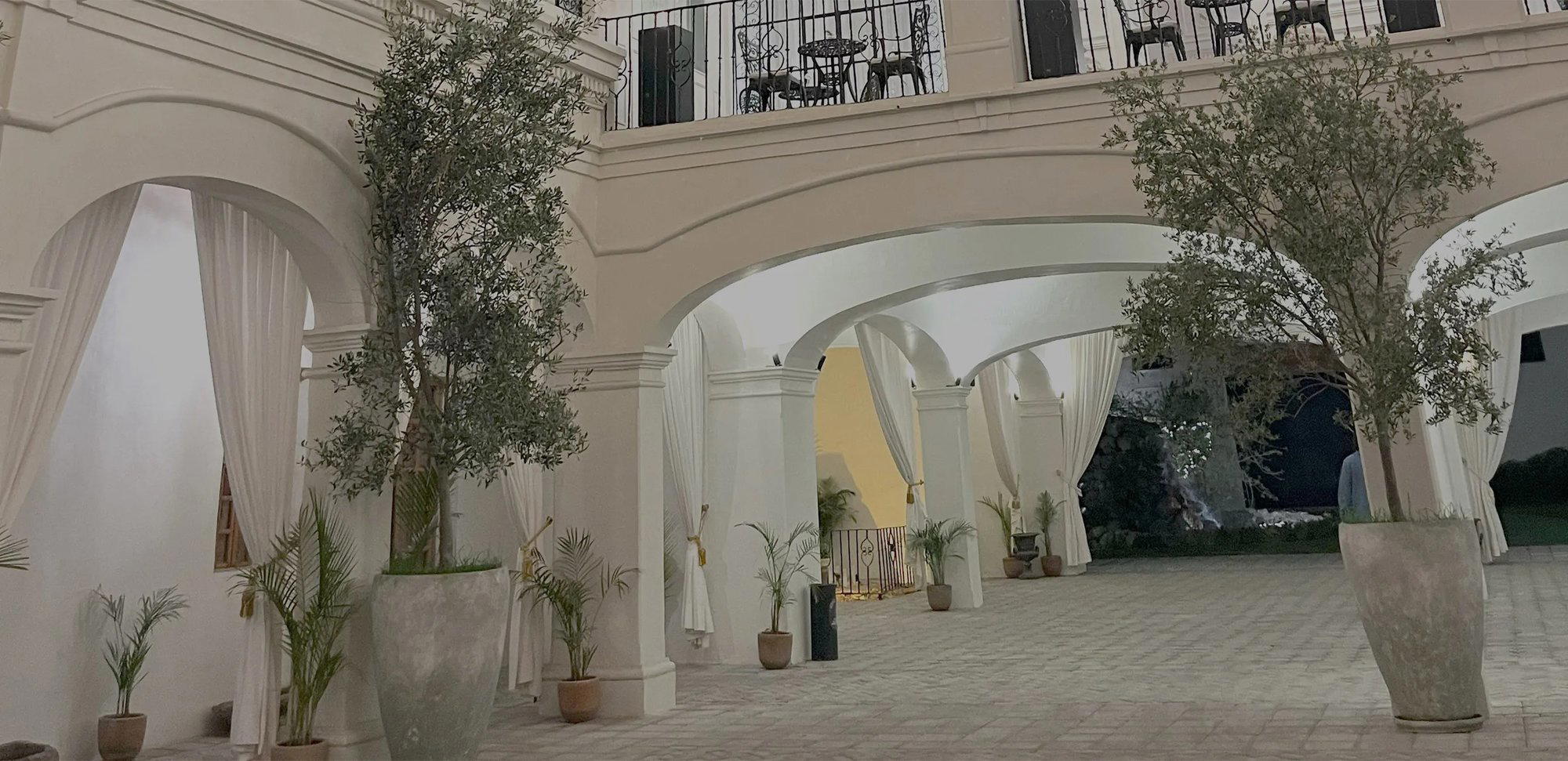
Warm and inviting colonial atmosphere blending historic architecture with contemporary Mexican art, featuring beautiful murals and high ceilings.
Know Before You Go
- Getting there
- Av 7 Ote 205, Centro, 72000 Heroica Puebla de Zaragoza, Pue., Mexico