Real Minero
The village of Santa Catarina Minas has long been associated with clay-pot distillation traditions that few producers still follow at this level. For anyone tracking Oaxacan spirits with editorial seriousness, Real Minero is a primary reference point.
Santa Catarina Minas and the Weight of Clay
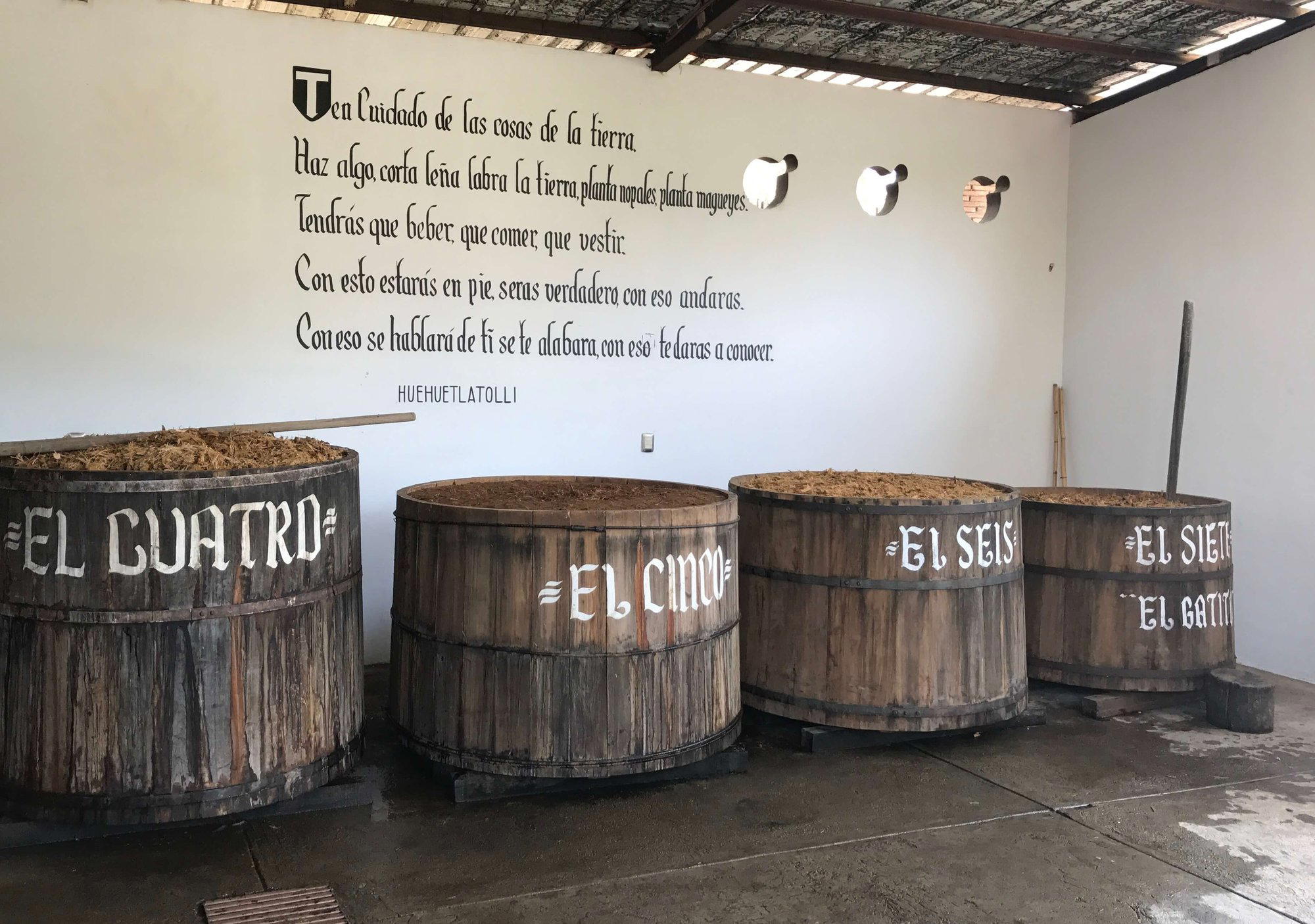
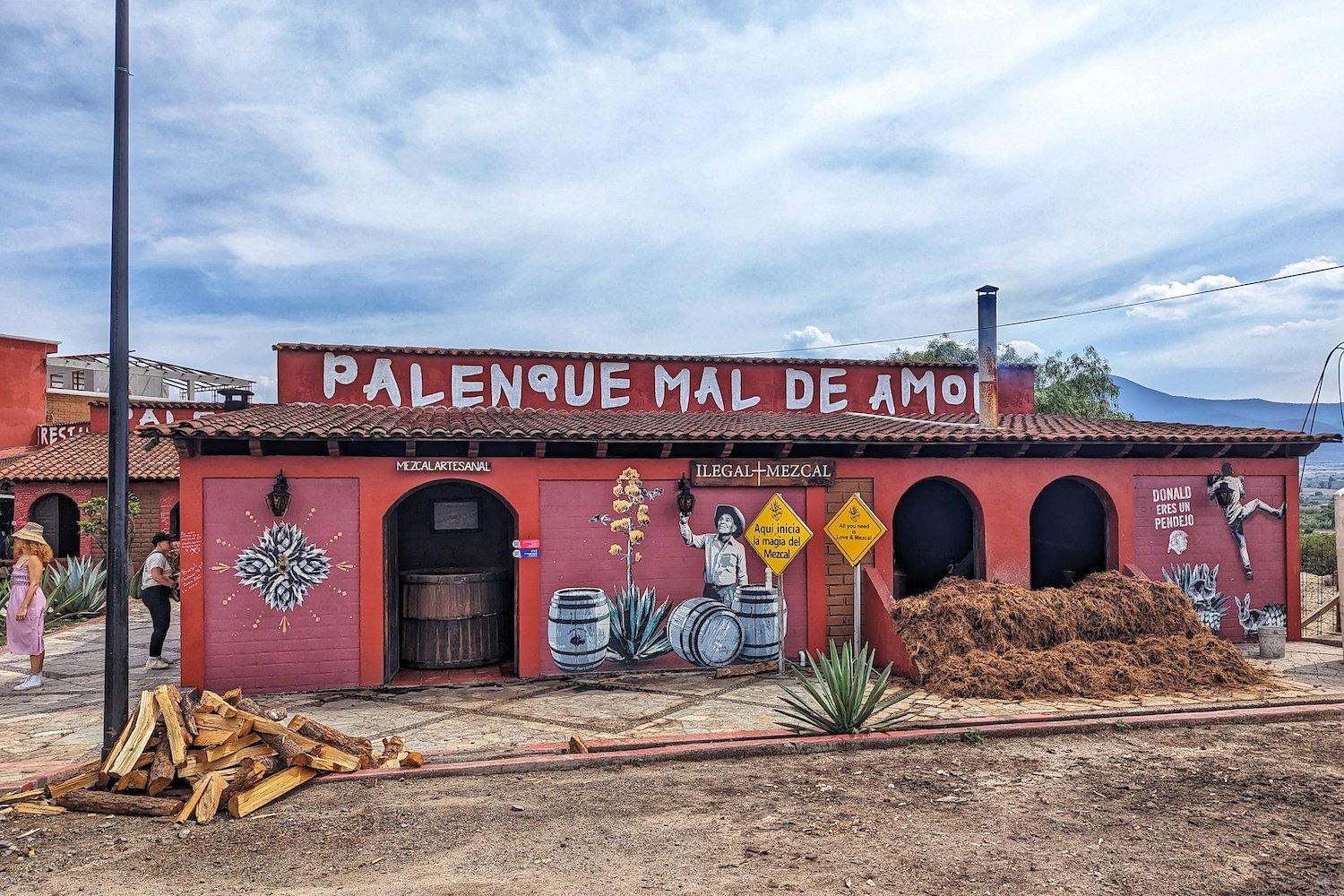
The road into Santa Catarina Minas drops through dry hillsides where agave grows in scattered clusters along terraced slopes, each plant a decade or more in the making. The village itself is small enough that the sound of a working palenque, the crackle of wood fire and the low hiss of steam, can reach you before the building does. This is not the mezcal belt as tourists typically encounter it. There is no tasting room with a gift shop and a curated playlist. What exists instead is a working production environment shaped by generations of distillers who have used clay pots rather than copper or stainless steel, a technique so labor-intensive and temperature-sensitive that it has largely disappeared from commercial mezcal at scale.
Awards at this tier reflect both product consistency and the difficulty of what is being done. Clay-pot distillation in Oaxacan tradition, known locally as olla de barro production, yields spirits with a texture and mineral presence that copper-pot mezcals rarely replicate. The recognition positions Real Minero not just within Santa Catarina Minas, but within the broader tier of producers whose methods are cited in serious mezcal scholarship and spirits criticism.
Where Real Minero Sits in the Regional Picture
Santa Catarina Minas operates as one of several distinct mezcal-producing zones in Oaxaca, each with different agave access, water sources, and distillation traditions. The village has a particular identity built around barro distillation and around a set of families who have maintained those methods across generations.
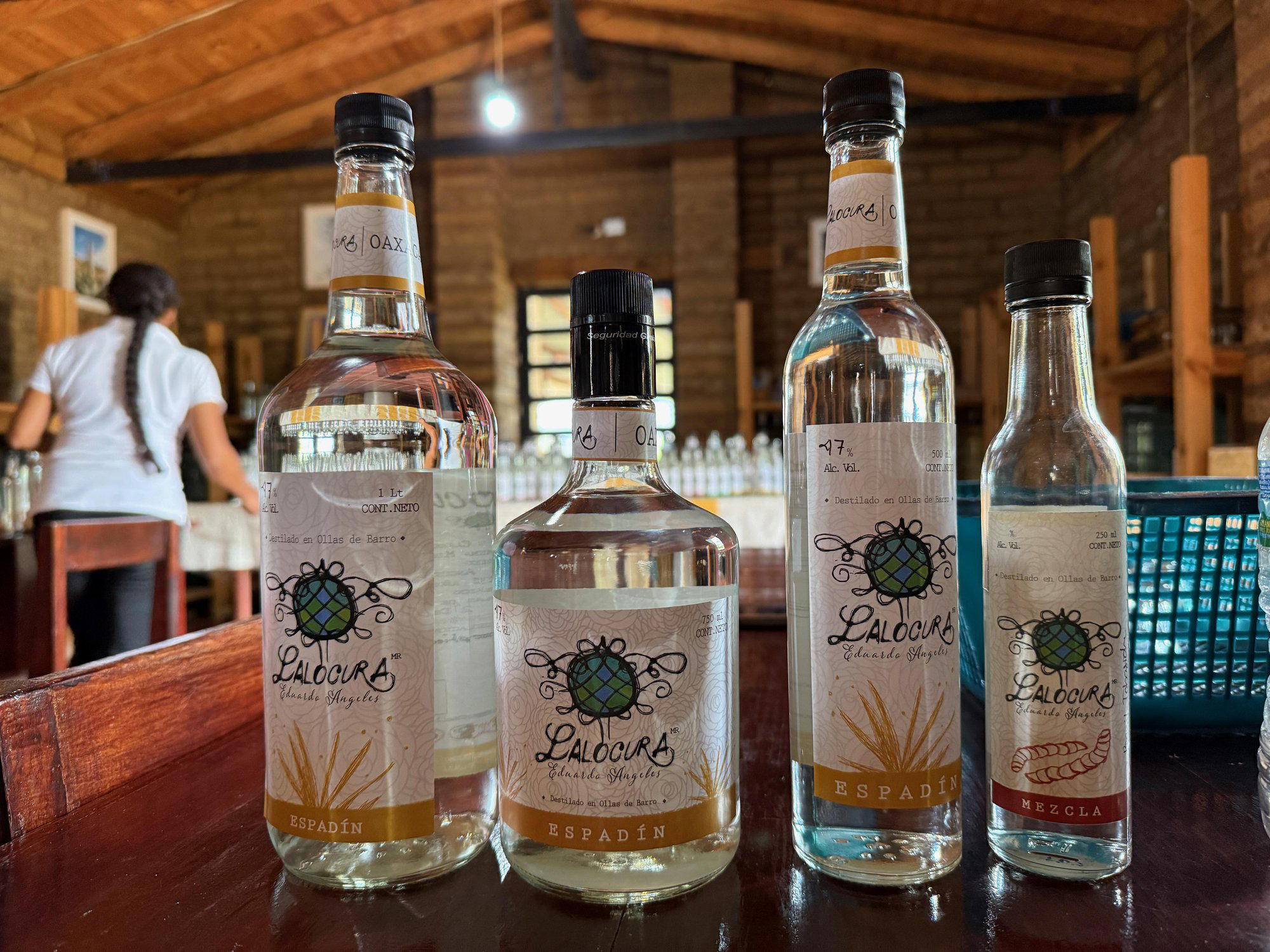
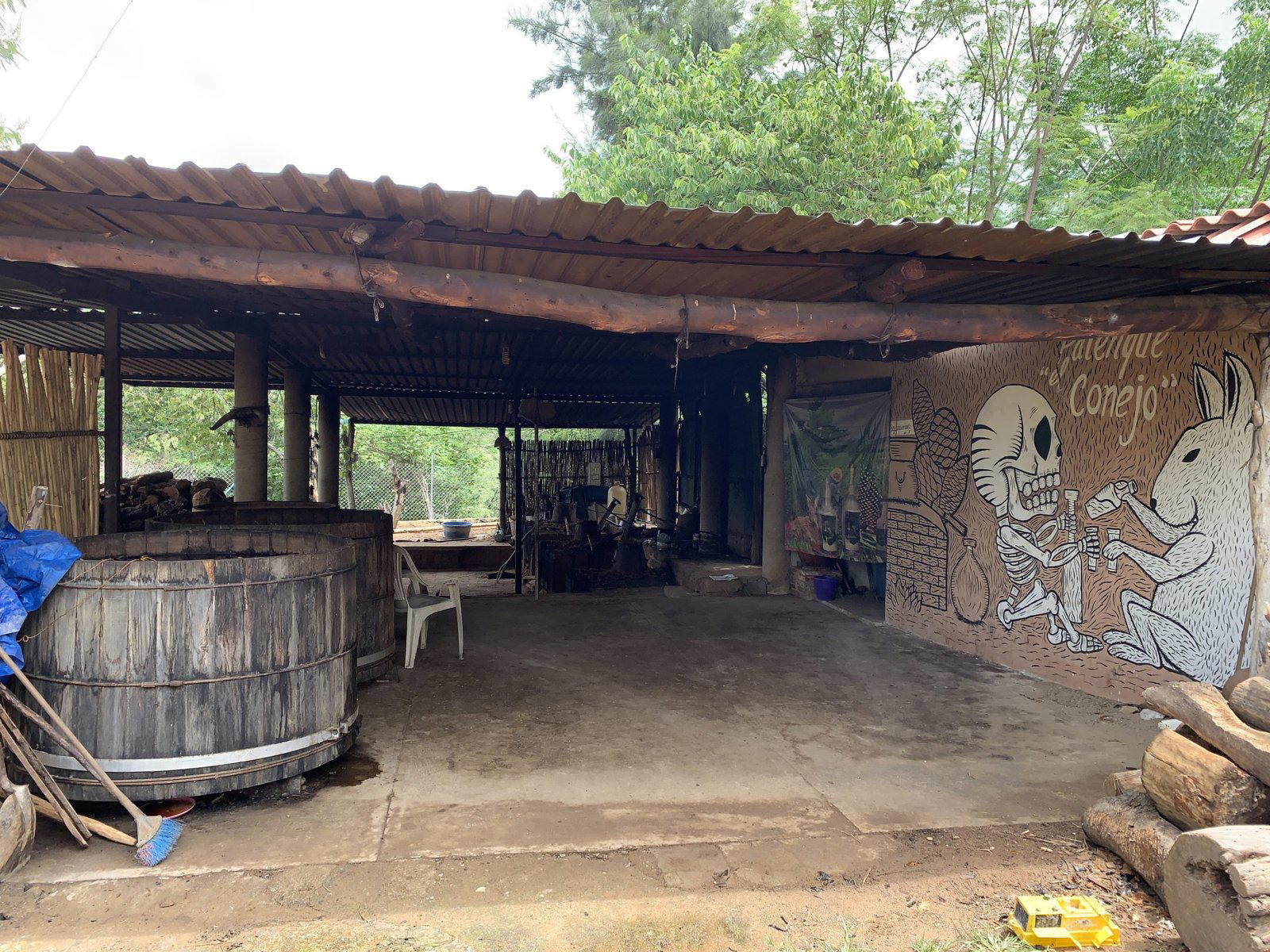
Nearby producers offer useful comparisons for understanding where Real Minero sits. Don Amado (Arellanes family), also based in Santa Catarina Minas, represents another lineage working within the same geographic and cultural tradition. Lalocura similarly draws from the village's distillation heritage. Palenque El Conejo rounds out the local picture. Taken together, these producers make Santa Catarina Minas a destination with unusual density for a village of its size. See our full Santa Catarina Minas guide for context on all of them.
At the wider Oaxacan scale, the comparison set shifts. Producers like Los Danzantes in Santiago Matatlán and El Rey de Matatlán in Tlacolula de Matamoros represent different production philosophies and distribution scales. Real Minero's position at the craft, low-intervention end of that spectrum is reinforced by its award tier and by the specificity of its production method.
The Physical Setting as Production Argument
The editorial angle on Real Minero cannot be separated from its physical environment. Clay-pot distillation works differently at altitude, in dry heat, with the particular mineral water available in this part of the Sierra Sur. The terraced agave fields visible from the production area are not decorative. They are the supply chain. Espadin grows across the lower slopes, while rarer cultivars appear at higher elevations and take longer to mature, some requiring fifteen years or more before harvest.
The sense of place here is not manufactured for visiting spirits tourism. The village of Santa Catarina Minas had this character before mezcal became an international category, and that history shows in the infrastructure. Production buildings in this tradition are functional rather than designed for tours. The fire pits, grinding stones, and fermentation vats are working equipment, not installations. Visiting a palenque of this type in Oaxaca is a different experience from visiting the showroom operations common to larger tequila producers like Jose Cuervo (La Rojeña) in Tequila or Casa Herradura in Amatitán, or the visitor-oriented distilleries associated with brands like Don Julio in Atotonilco El Alto or Cazadores in Arandas.
For comparison beyond Mexico, the closest structural parallel might be a small-scale single-estate distillery or winery where production constraints define quality signals. The craft whisky model, as seen at producers like Aberlour in Speyside, or the allocation-limited Napa wine approach practiced at places like Accendo Cellars in St. Helena, shares the same logic: scarcity as a byproduct of method, not as a marketing decision. Real Minero fits that frame precisely.
Planning a Visit to Santa Catarina Minas
Santa Catarina Minas sits roughly an hour's drive south of Oaxaca City, making it accessible as a day visit from the city or as part of a longer mezcal-focused itinerary through the Sierra Sur. The village is small, and palenque visits are not standardized in the way distillery tours are elsewhere. Coordinating in advance is advisable, whether through a local guide, a mezcal-specialist tour operator based in Oaxaca City, or direct outreach if contact information is available. Real Minero does not currently list a website or phone number through EP Club's data, so logistics are best confirmed through regional mezcal specialists or platforms that maintain updated access information.
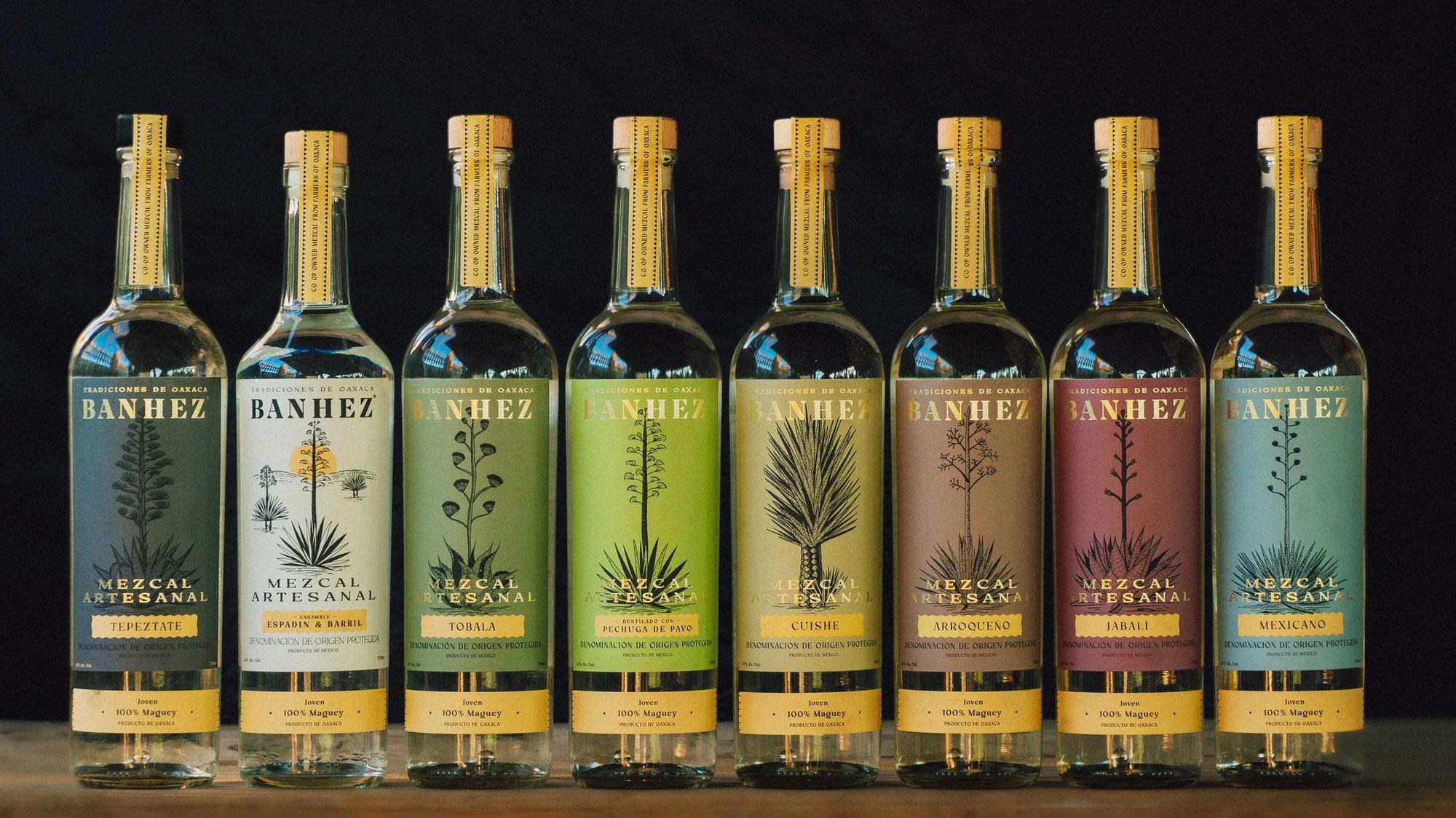
The broader valley also offers producers at adjacent points on the craft spectrum. The Banhez cooperative in San Miguel Ejutla and Casa Cortés in La Compañía (Ejutla) are within the same general area, making it possible to build a multi-producer day that covers different production traditions without excessive driving. The ideal time to visit this part of Oaxaca is the dry season, roughly October through April, when road conditions are more predictable and production activity in the palenques is often at its most consistent.
For spirits in the barro tradition, maintaining this kind of consistency is a genuine technical challenge. Clay pots introduce variables that copper stills do not: heat distribution, mineral transfer, evaporation rates that shift with season and humidity. Spirits that score consistently at this level under those conditions are making a clear production argument.
That argument sits within a broader Oaxacan mezcal narrative that has shifted significantly over the past decade. As international demand has pushed volume production across the region, the smaller barro producers of Santa Catarina Minas have become the clearest reference point for what the traditional method actually produces. Real Minero's award placement marks it as one of the producers holding that reference position.
Frequently asked questions
Where exactly is Real Minero?
Real Minero is located at Iturbide 53, 71534 Santa Catarina Minas, Oax. Santa Catarina Minas.
What wines should I try at Real Minero?
Real Minero is a mezcal production and tasting destination, not a wine venue. The focus is entirely on clay-pot distilled mezcal made in Santa Catarina Minas, one of Oaxaca's distinct agave-producing zones. Visitors should come expecting to explore mezcal expressions, not a wine list.
Why do people go to Real Minero?
Real Minero draws visitors for direct access to clay-pot mezcal distillation, a production method that sets Santa Catarina Minas apart from other Oaxacan mezcal zones. For those tracking the geography of Oaxacan mezcal, this is one of the addresses that anchors the argument for terroir-specific production.
Is Real Minero reservation-only?
Contacting the distillery in advance through available regional networks or Oaxaca-based mezcal guides is the practical approach before making the roughly one-hour drive south from Oaxaca City.
What makes clay-pot distillation at Real Minero different from standard mezcal production?
Most mezcal is distilled in copper or stainless steel stills, but Real Minero uses clay pots, known locally as ollas de barro, which is a pre-Hispanic technique that survived in Santa Catarina Minas while disappearing from most other Oaxacan producing zones. Clay interacts with the distillate differently than metal, influencing texture and mineral character in ways that have made the approach a reference point in discussions of mezcal terroir.
Who tends to like Real Minero most?
Real Minero consistently draws spirits professionals, mezcal collectors, and travelers with a specific interest in traditional agave distillation methods. Casual tourists seeking a quick tasting stop will find the context and process are as much the point as the liquid itself.
The Quick Read
Comparable venues nearby, for context on price, style, and recognition.
| Venue | Cuisine | Price | Notes |
|---|---|---|---|
| Real MineroThis venue (the venue you are viewing) | Santa Catarina Minas, Espadín, Barril | Not listed | Not listed |
| Lalocura | Not listed | Not listed | Santa Catarina Minas, Tobasiche, San Martinero |
| Palenque El Conejo | Santa Catarina Minas, espadín, cuishe | $30–50 | Not listed |
| Don Amado (Arellanes family) | Santa Catarina Minas, karwinskii Largo | Not listed | Not listed |
| Banhez (UPADEC cooperative) | San Miguel Ejutla, Espadín, Barril | Not listed | Not listed |
| Los Amantes Distillery | Not listed | Not listed | Tlacolula de Matamoros, agave_espadin |
Request a visit to Real Minero
Tell us when you would like to go and how many people, and we put the request to the estate and reply to you by email.
Continue exploring
More in Santa Catarina Minas
Wineries in Santa Catarina Minas
All wineries in Santa Catarina Minas →
Bars in Santa Catarina Minas
Browse all →
Restaurants in Santa Catarina Minas
Browse all →
Details
- Rustic
- Scenic
- Intimate
- Classic
- Wine Education
- Solo Exploration
- Special Occasion
- Vineyard Tour
- Barrel Room
- Estate Grounds
- Sustainable
- Vineyard
- Espadín
- Barril
- Arroqueno
- Tobalá
- Cuishe
- Tripon
- Still Red
- Private Tasting
- Spanish
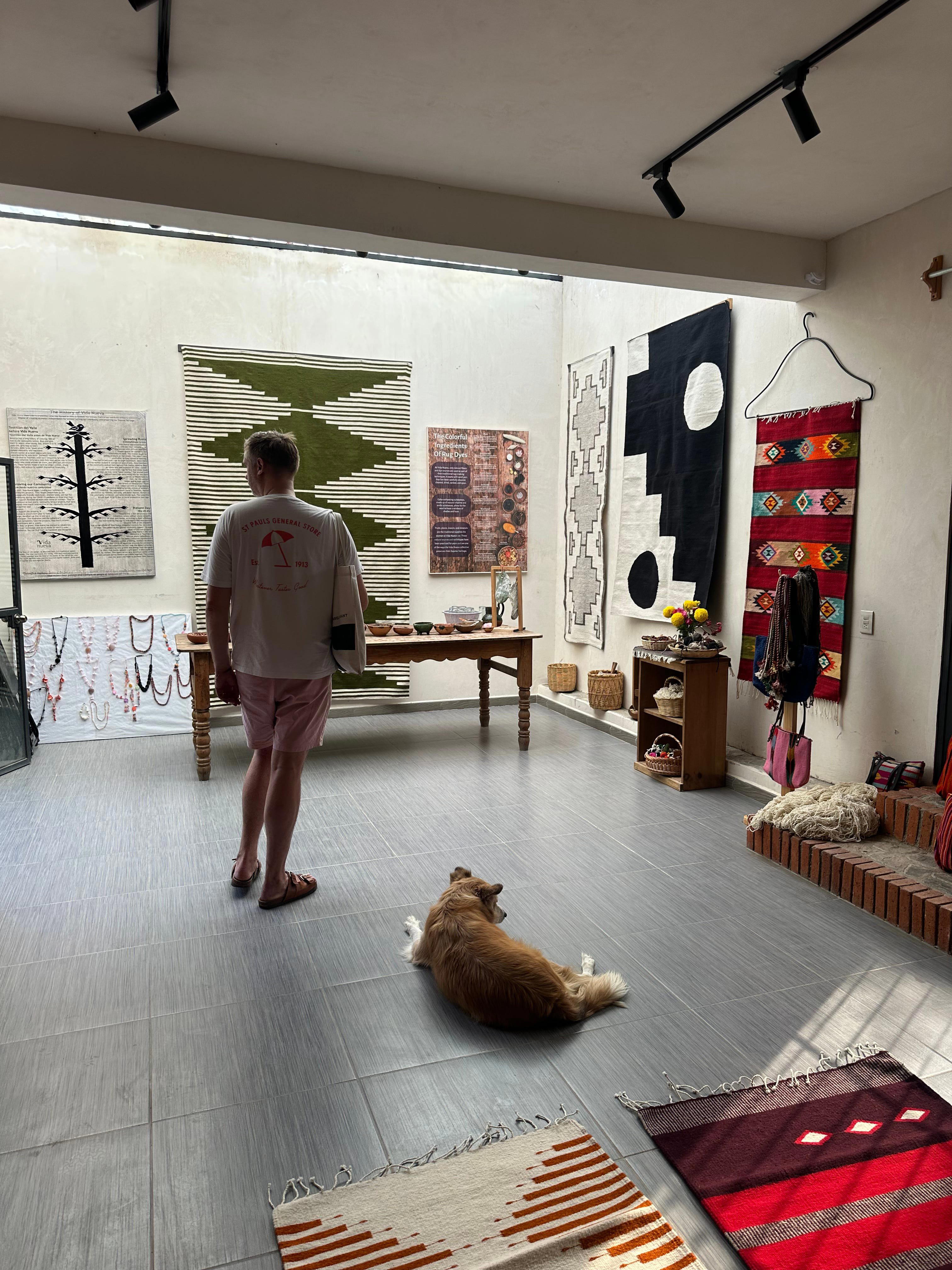
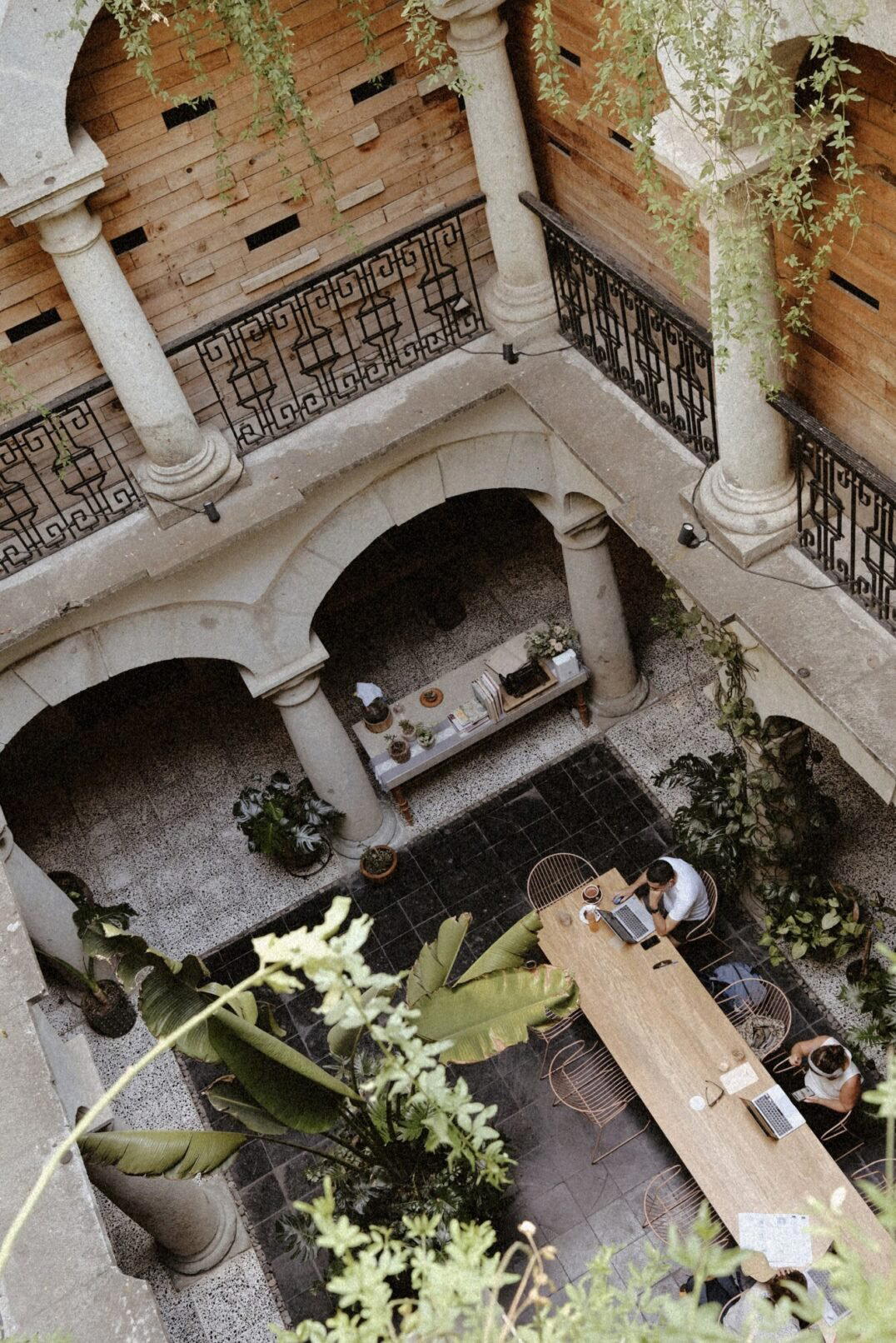
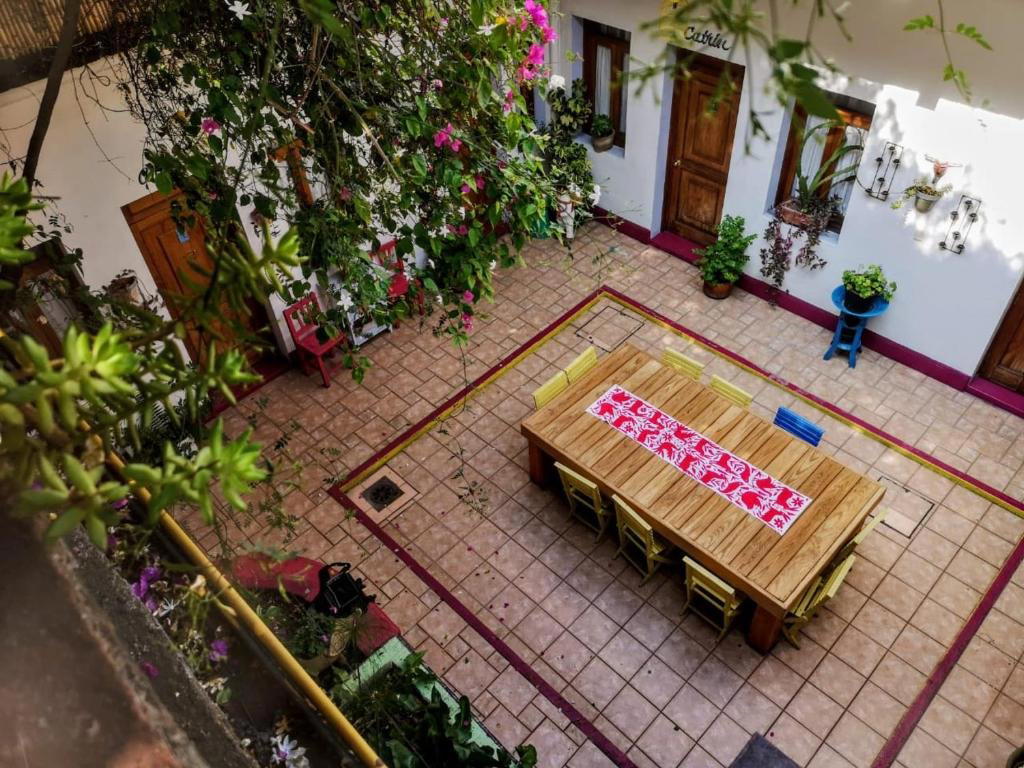
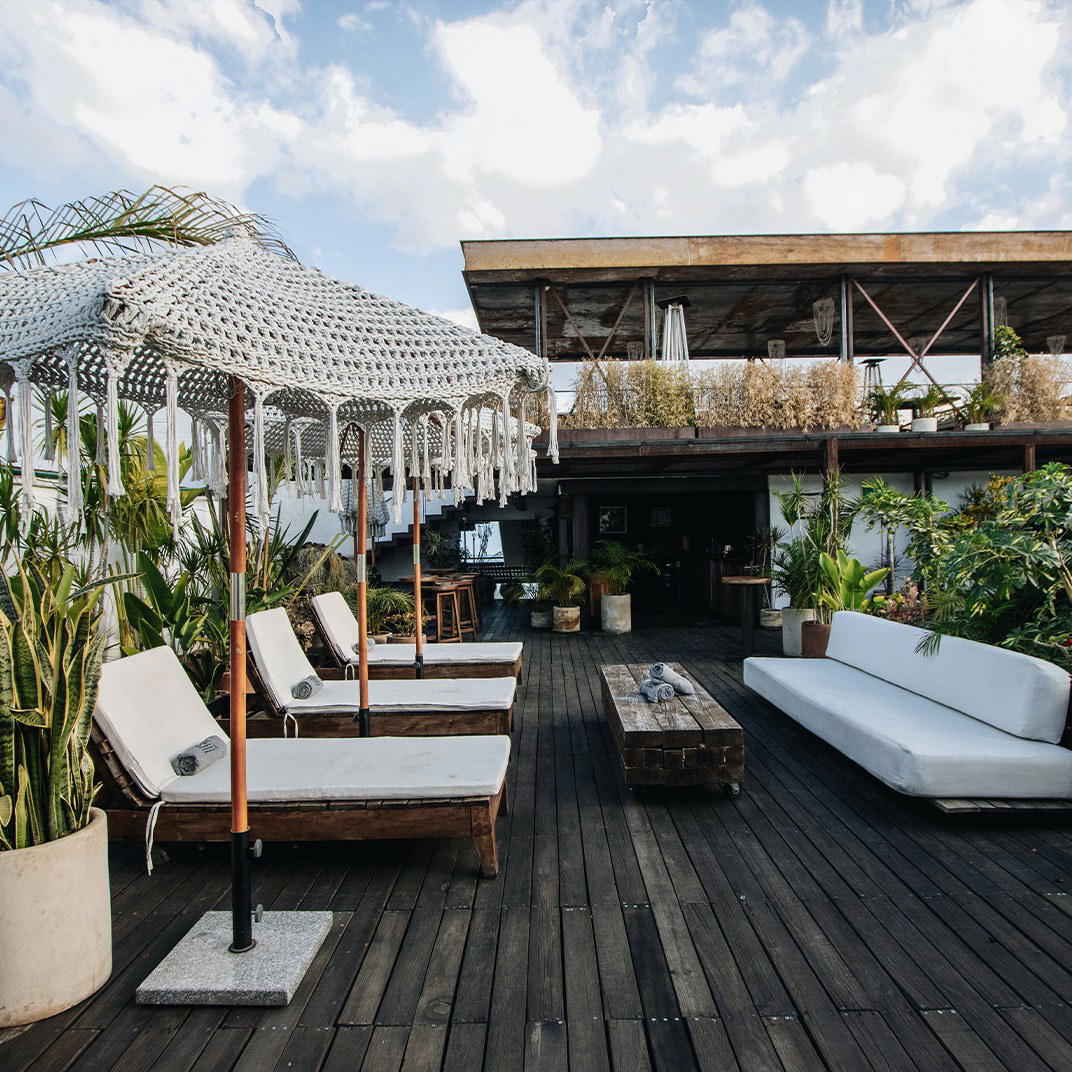
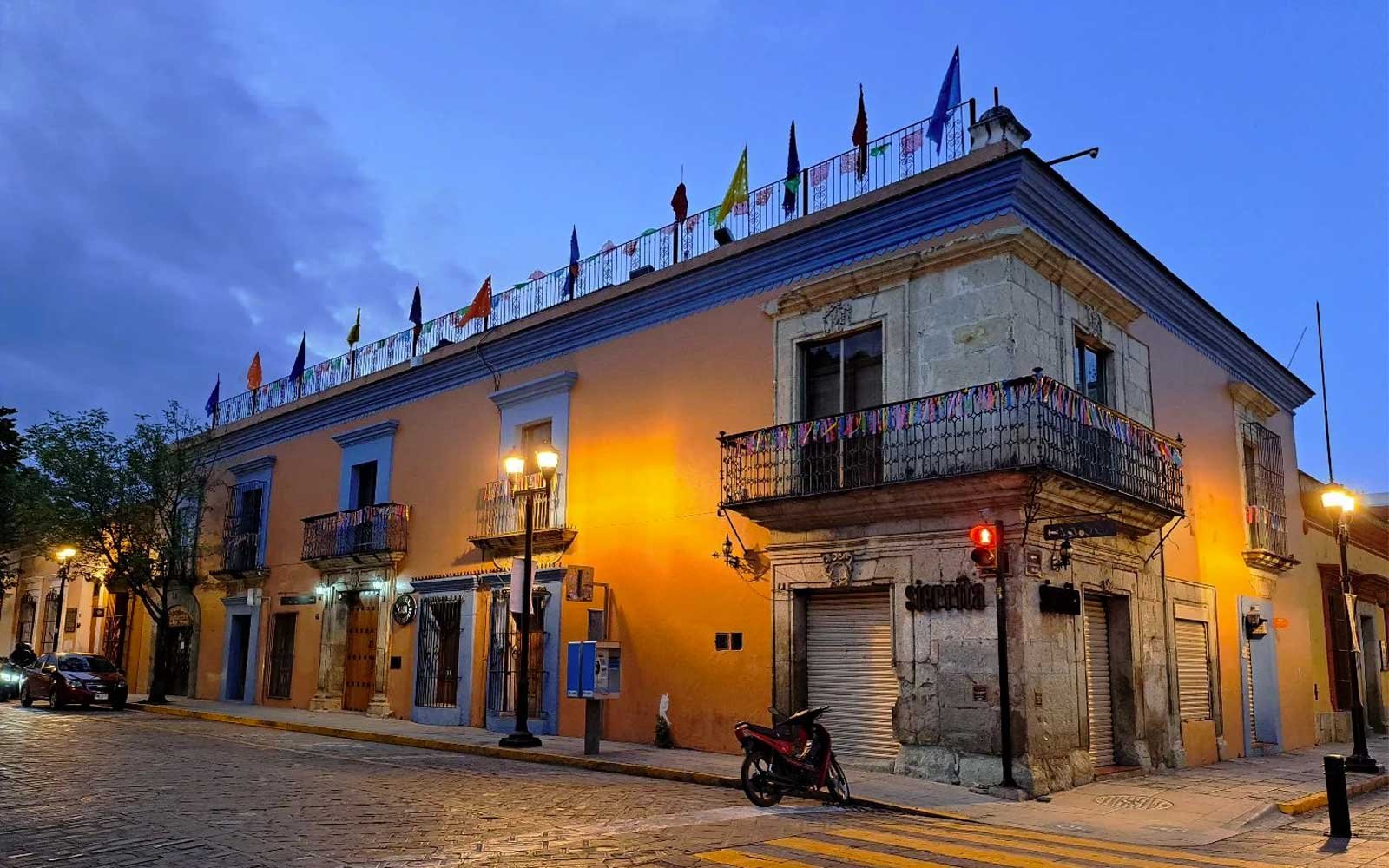
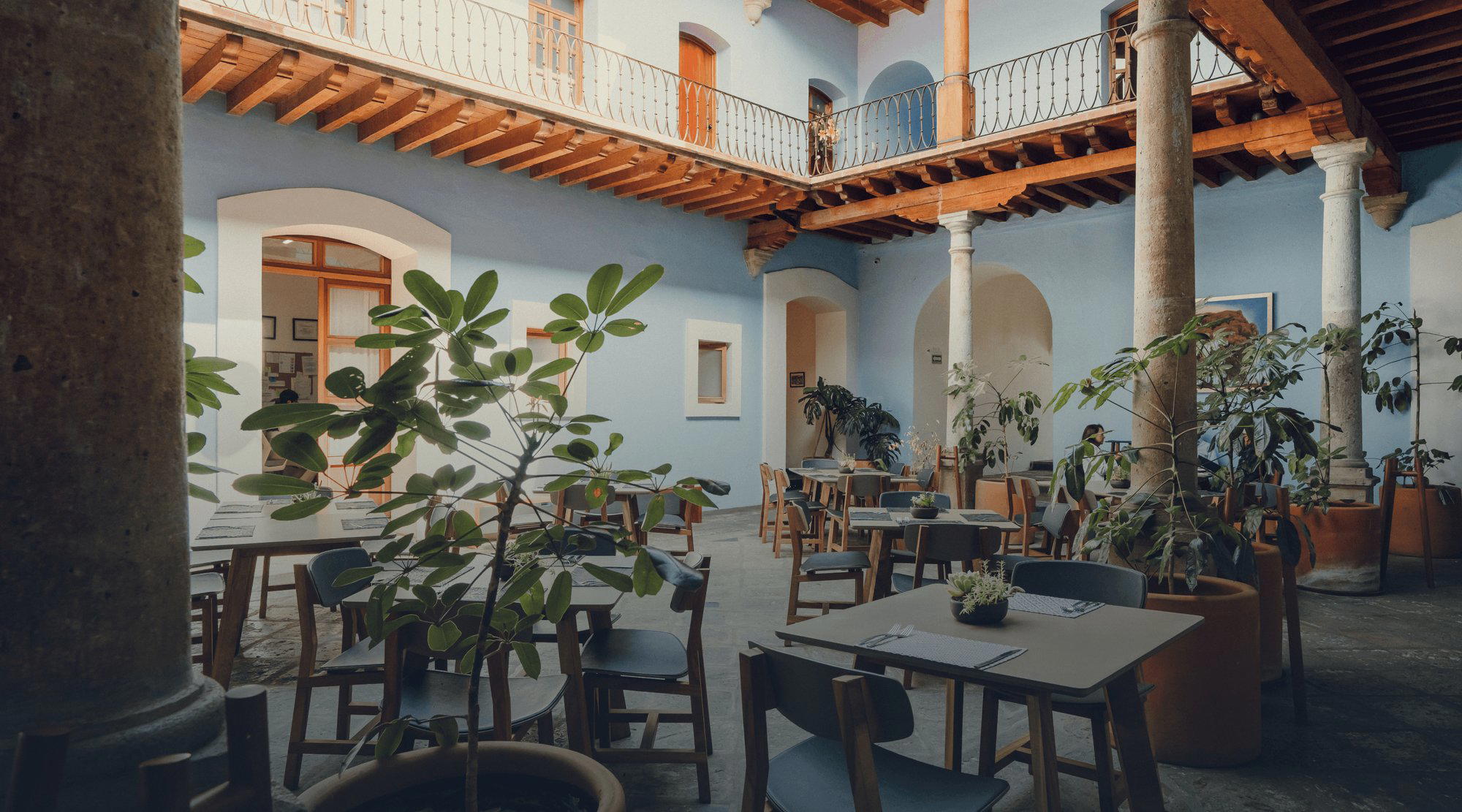
Open-air shaded production areas with earthy roasting agave aromas transitioning to a cool stone-walled tasting room evoking rustic authenticity and serenity.