Where Mezcal Becomes the Entire Conversation There is a particular kind of bar that Oaxaca does better than anywhere else in Mexico: the agave-focused lounge where the drink itself is the architecture of the evening. Not the decor, not the DJ, not a theme. The spirit. Agave Lounge, on Calle de José María Pino Suárez in the Centro Histórico, operates within that tradition. Walking into this part of Oaxaca's historic centre means entering a neighbourhood where mezcal producers, bartenders, and serious drinkers have maintained a conversation for decades — one that has only grown louder as the world's interest in agave spirits has caught up with what Oaxacans already knew. The physical approach tells you something before you cross the threshold. The Centro Histórico's colonial streetscape is not the slick, renovated corridor you find in wealthier parts of Mexican cities. It is textured, worn in places, and entirely serious about its identity. A bar in this context either submits to the neighbourhood's character or fights it. The better ones submit. The Programme: Agave as Discipline Mexican bar culture has split in recent years between two distinct registers. One is the high-production cocktail programme — clarified drinks, culinary technique, international spirits used as raw material. The other, older and increasingly prestigious, treats agave spirits as the primary text and builds everything else around them. Agave Lounge belongs to the second tradition. Oaxaca is the reference point for this approach across the country. The state produces more mezcal varieties, in terms of agave species, production methods, and regional expressions, than any other single region. A programme built here has access to papalome, tobalá, espadín, tepeztate, and a range of other varietals that simply do not appear on most back bars outside the state. The editorial interest of a venue like this lies not in individual cocktails but in the depth of the agave list it can plausibly assemble, and what that implies about the bartenders' sourcing relationships and knowledge. For comparative reference, consider how Oaxacan agave bars position themselves relative to the national cocktail scene. Venues like Sabina Sabe and Selva in the same city have built reputations on exactly this kind of specificity, a mezcal selection treated as a living document, updated as producers release small batches, rather than a static back bar assembled once and left. A focused agave lounge earns its place in that conversation through the same discipline. Further afield, the agave bar tradition takes different shapes. La Capilla in Tequila is the ancestral reference for agave spirit bars in Mexico, a decades-old institution where the Batanga was invented and where tequila is treated with the same seriousness that Oaxacan bars extend to mezcal. El Gallo Altanero in Guadalajara operates in the same spirit, anchoring its programme in regional agave tradition rather than international cocktail trend. What distinguishes the Oaxacan version is the sheer breadth of botanical and production variation available at source. Oaxaca's Bar Scene: Where This Venue Sits Oaxaca's drinking culture is more stratified than it appears. At the base are the neighbourhood cantinas and mezcalerías where a shot of local espadín costs almost nothing and is poured without ceremony. Above that sits a tier of serious mezcal bars with curated selections and knowledgeable staff. Above that again are the cocktail-forward operations that treat Oaxacan spirits as ingredients in a larger creative programme. The city's most interesting bars tend to occupy the middle tier or straddle the boundary between the second and third. Agave Lounge's address in the Centro Histórico places it within walking distance of most of Oaxaca's key cultural infrastructure: the Zócalo, the Mercado Benito Juárez, and the concentration of mezcal producers and retailers that have made this neighbourhood the informal centre of the city's agave economy. The location is not incidental. Bars that operate here are embedded in the supply chain in a way that venues in more tourist-facing districts are not. For visitors building an itinerary across Mexico's bar culture more broadly, the comparison set extends beyond Oaxaca. Bekeb in San Miguel de Allende and Bar Mauro in Mexico City represent different expressions of premium Mexican bar culture, the former in a colonial tourist city with a strong design sensibility, the latter in the capital's increasingly technical cocktail scene. Zapote Bar in Playa del Carmen and Arca in Tulum operate in the resort corridor, where the audience and the pricing logic are different. Aruba Day Drink in Tijuana and Coco Bongo in Cancún are a different category entirely. Agave Lounge belongs to the serious, city-rooted tier, closer in orientation to Café La Trova in Miami, which treats Latin spirits with equivalent depth, than to anything in the resort market. For the full picture of where to eat and drink across the city, see our full Oaxaca restaurants guide. Planning Your Visit The Centro Histórico is walkable from most of Oaxaca's central accommodation, and Calle de José María Pino Suárez is a direct orientation point in the neighbourhood grid. The leading approach for an agave-focused visit is to arrive without a fixed agenda for what you will drink, the value of a well-curated agave bar is precisely that the staff can navigate you through a selection you would not have assembled alone. Given the concentration of serious mezcal venues in this part of Oaxaca, Agave Lounge works well as one stop in an evening that moves between two or three bars rather than a single-destination night. The neighbourhood supports that kind of itinerary better than almost any other city in Mexico. Frequently Asked Questions Is Agave Lounge more formal or casual?In Oaxaca, agave-focused bars generally run casual in dress and atmosphere, even when the drink selection is serious.What should I drink at Agave Lounge?An agave lounge in Oaxaca is the right place to move beyond espadín and ask specifically about single-village or single-producer expressions of less common varietals. The city's position at the centre of Mexico's mezcal economy means access to bottles that do not circulate widely.What is Agave Lounge known for?The bar's name signals its orientation clearly: agave spirits, in a city where that is a serious category rather than a marketing angle. Oaxaca is Mexico's primary mezcal-producing state, and bars that operate under an agave identity here are generally expected to back it up with selection depth and staff knowledge.Should I book Agave Lounge in advance?Is Agave Lounge actually as good as people say? What we can say is that a bar operating under an agave-focused identity in Oaxaca's Centro Histórico is working in one of the most demanding and knowledgeable markets in the country for this category, which sets a floor on what the programme needs to deliver to maintain any reputation at all.Does Agave Lounge stock mezcals that are hard to find outside Oaxaca?This is one of the core reasons to visit an agave-focused bar in Oaxaca rather than ordering mezcal in another city. The state is the production origin for the majority of Mexico's mezcal output, and local bars frequently carry small-batch or producer-direct bottles that do not enter the export or national distribution chain.

Pearl is the En Primeur Club membership app — saves, bookings, and concierge access live there. Same editors, same standards.
- Address
- Calle de José María Pino Suárez 702, RUTA INDEPENDENCIA, Centro Histórico, 68000 Oaxaca de Juárez, Oax., Mexico
- Phone
- +52 951 501 7690
- Hours
- Daily Open 24 hours
- Directions
- Get directions
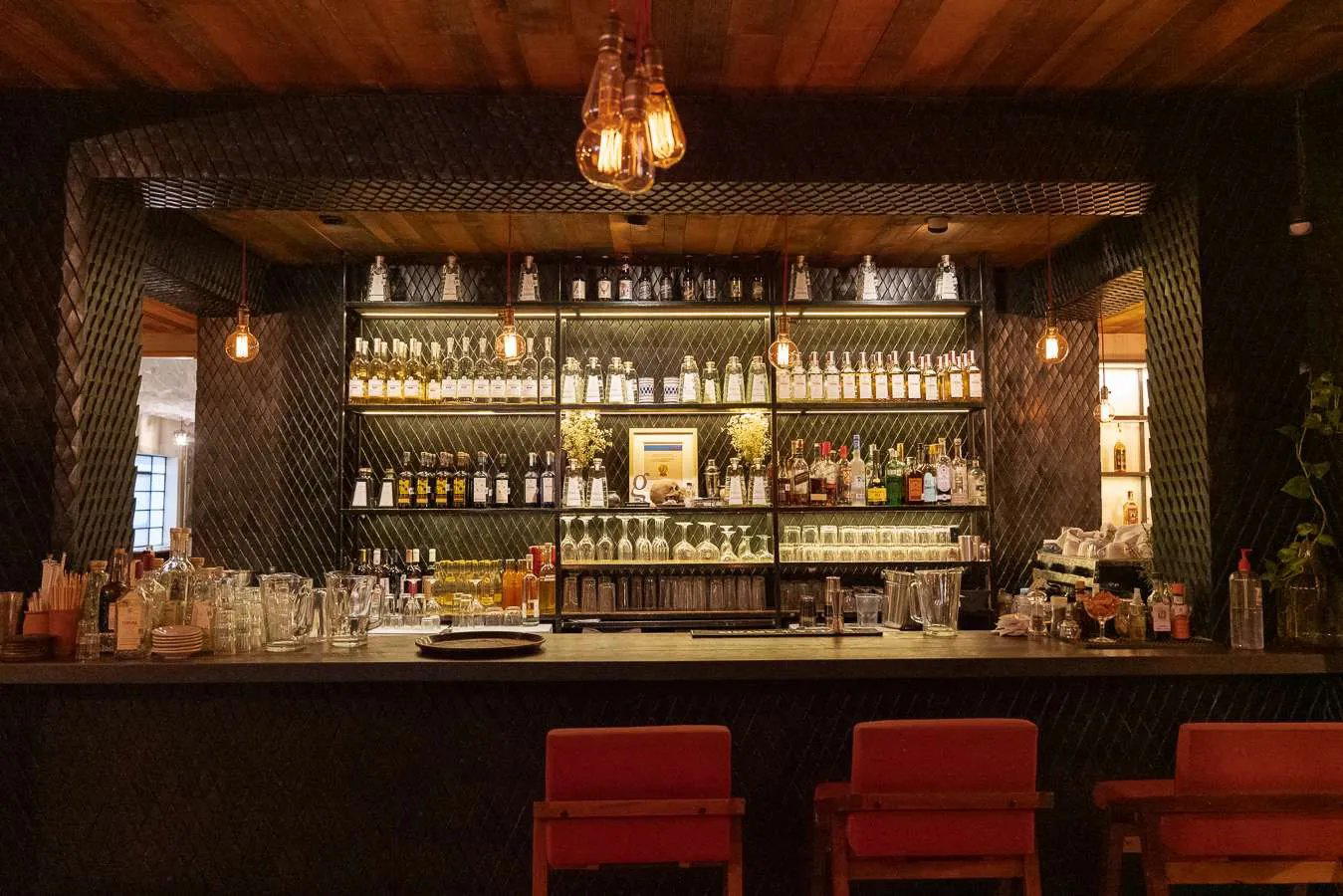
Where Mezcal Becomes the Entire Conversation
There is a particular kind of bar that Oaxaca does better than anywhere else in Mexico: the agave-focused lounge where the drink itself is the architecture of the evening. Not the decor, not the DJ, not a theme. The spirit. Agave Lounge, on Calle de José María Pino Suárez in the Centro Histórico, operates within that tradition. Walking into this part of Oaxaca's historic centre means entering a neighbourhood where mezcal producers, bartenders, and serious drinkers have maintained a conversation for decades — one that has only grown louder as the world's interest in agave spirits has caught up with what Oaxacans already knew.
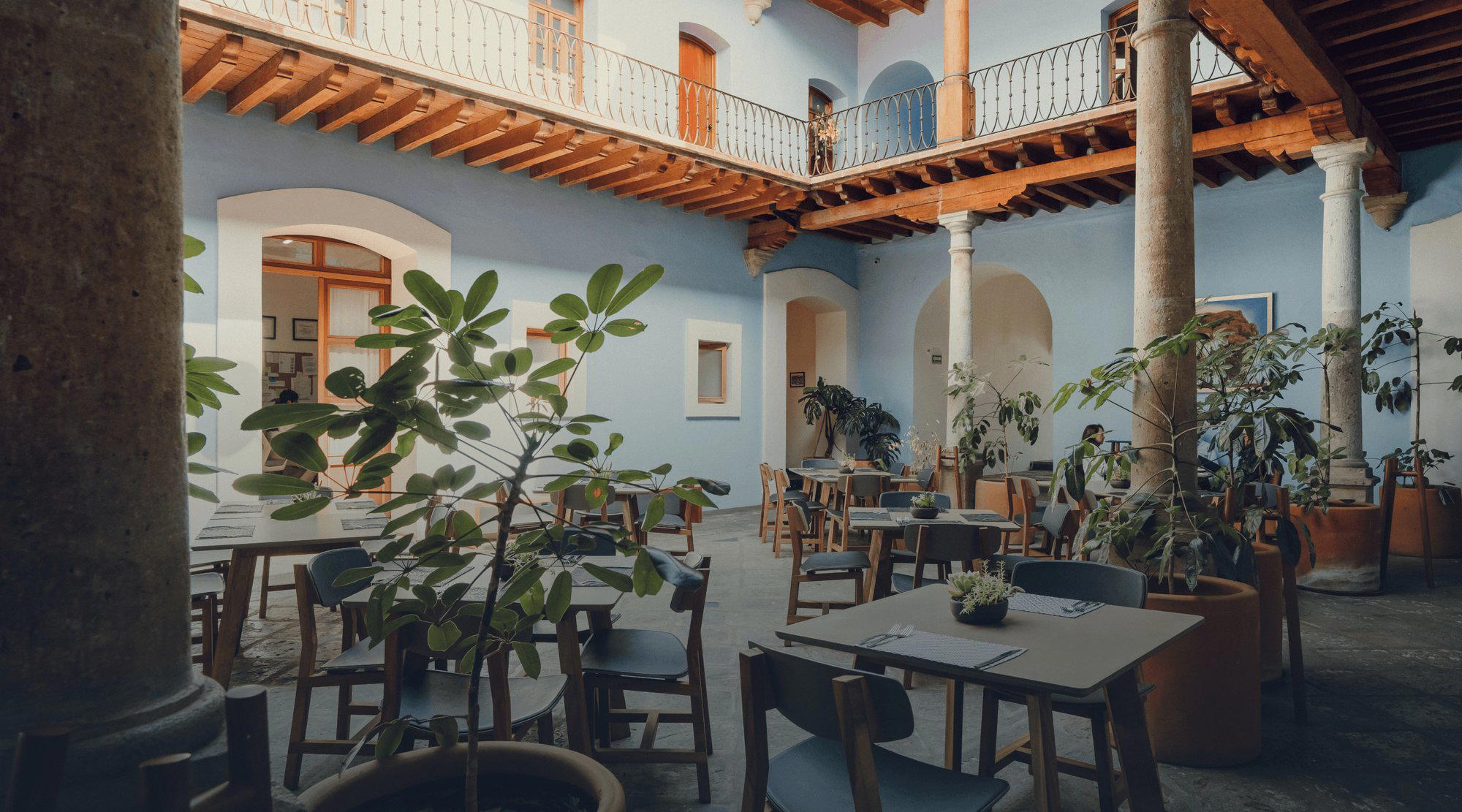
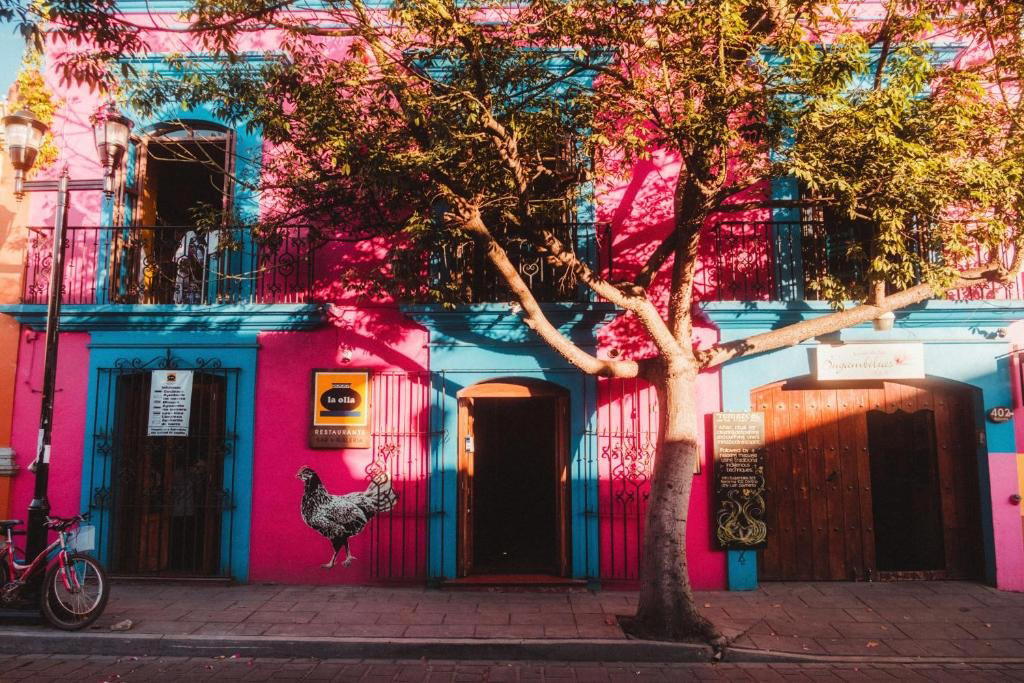
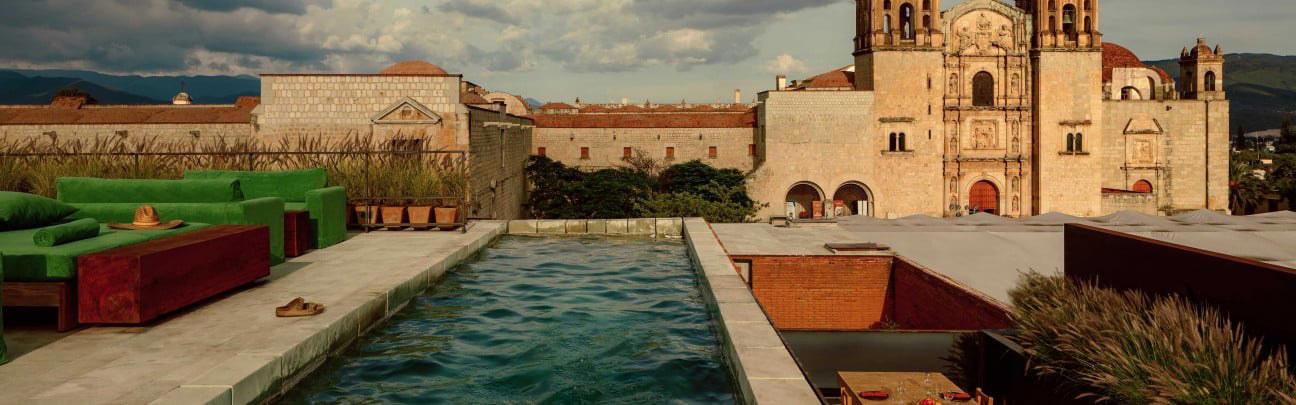
The physical approach tells you something before you cross the threshold. The Centro Histórico's colonial streetscape is not the slick, renovated corridor you find in wealthier parts of Mexican cities. It is textured, worn in places, and entirely serious about its identity. A bar in this context either submits to the neighbourhood's character or fights it. The better ones submit.
The Programme: Agave as Discipline
Mexican bar culture has split in recent years between two distinct registers. One is the high-production cocktail programme — clarified drinks, culinary technique, international spirits used as raw material. The other, older and increasingly prestigious, treats agave spirits as the primary text and builds everything else around them. Agave Lounge belongs to the second tradition.
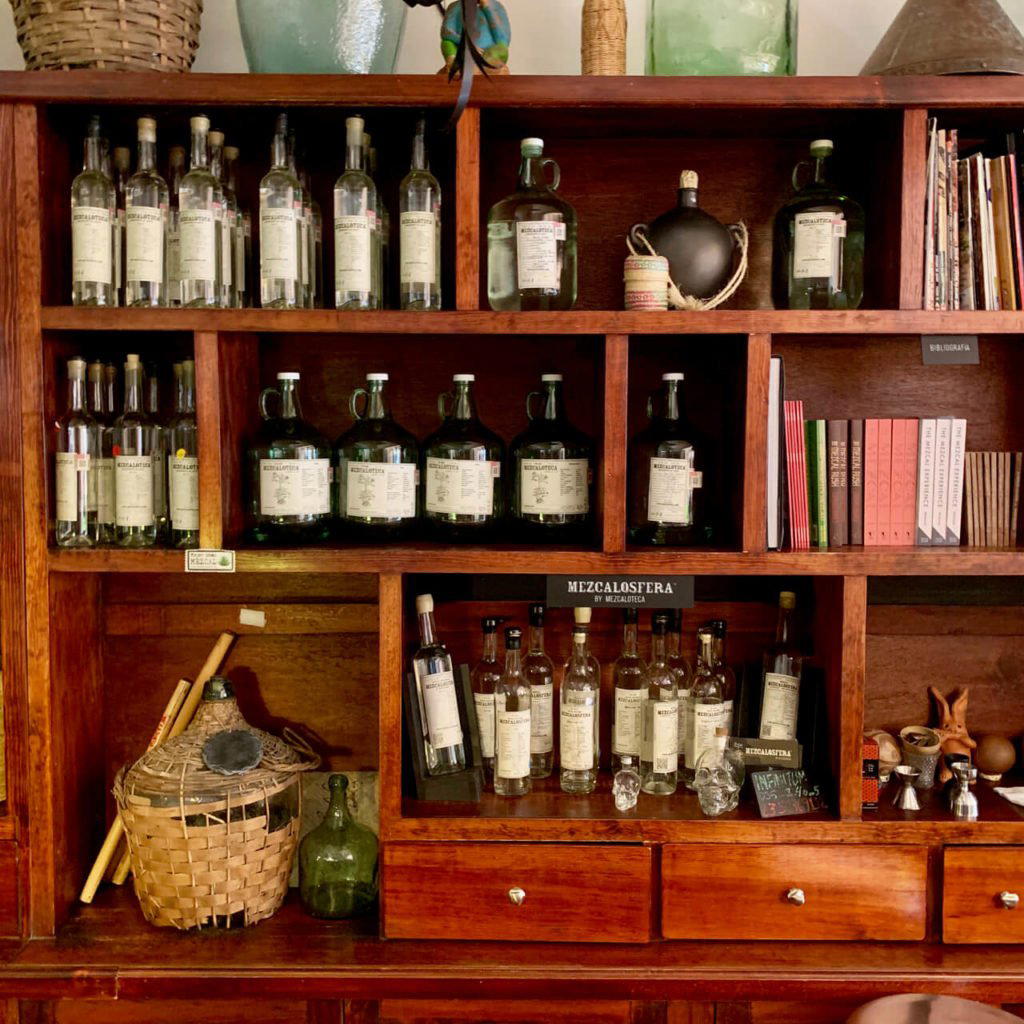
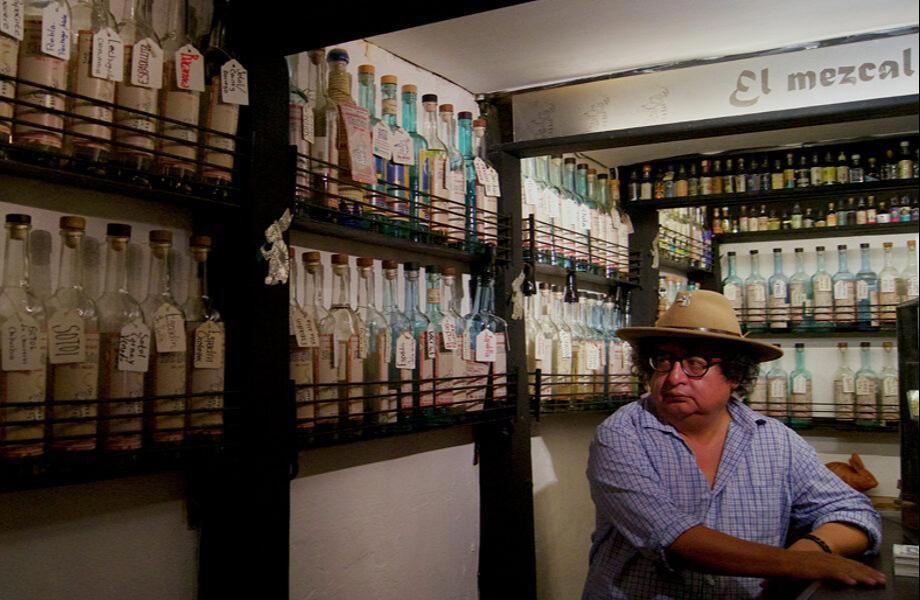
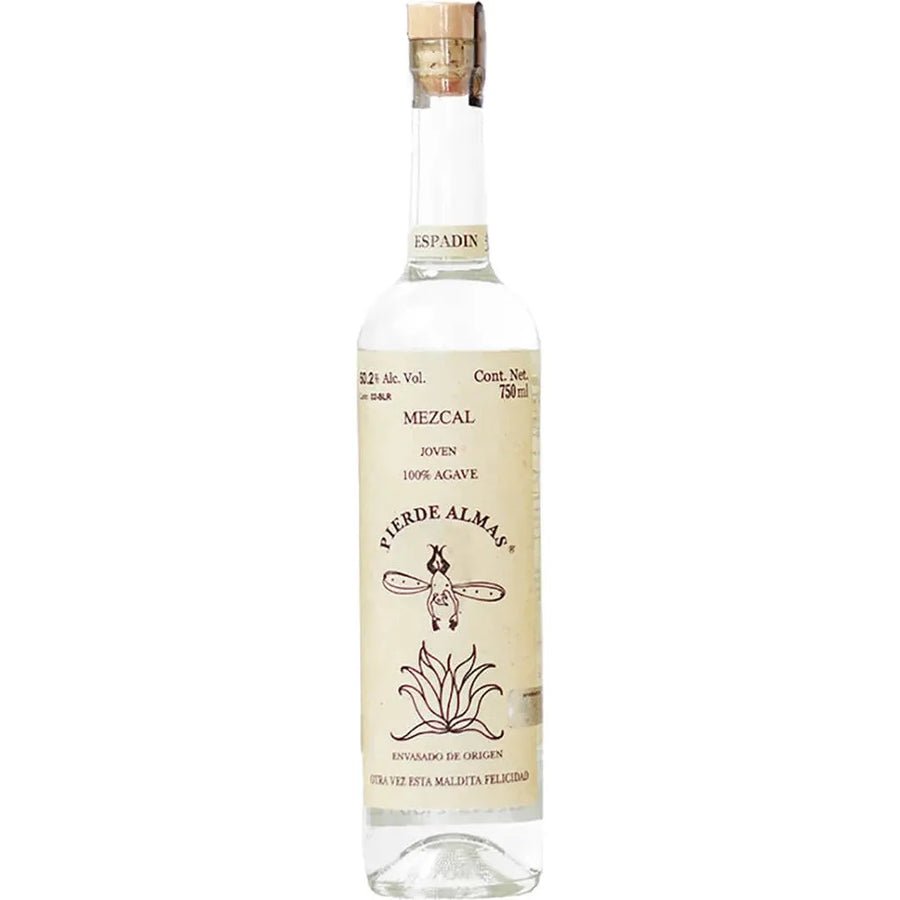
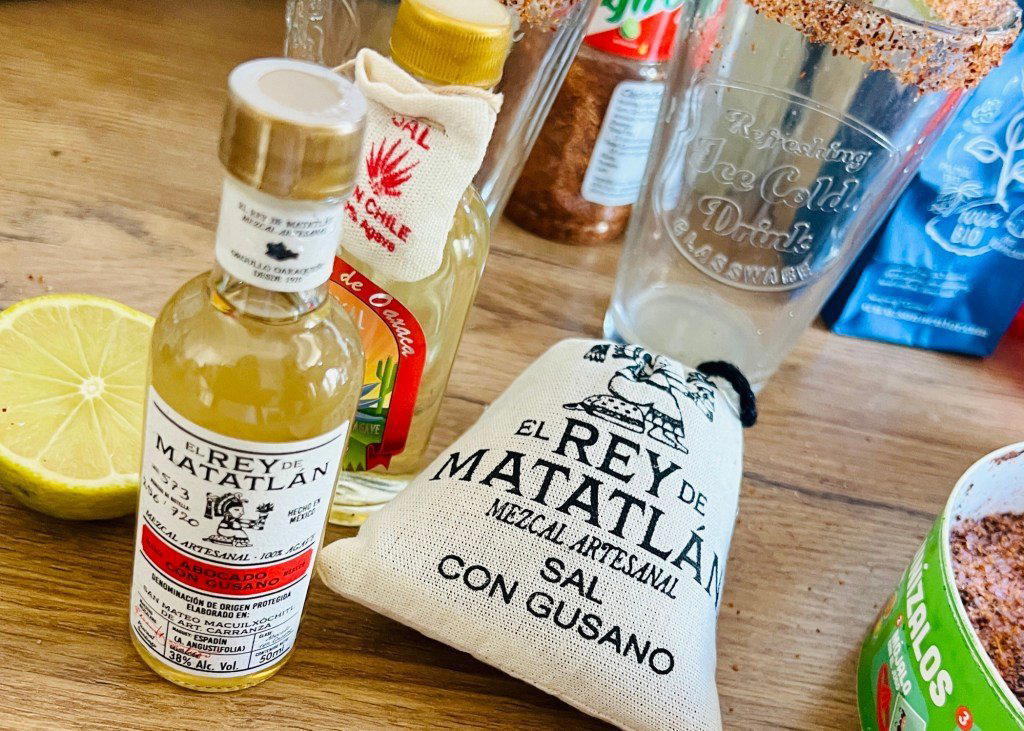
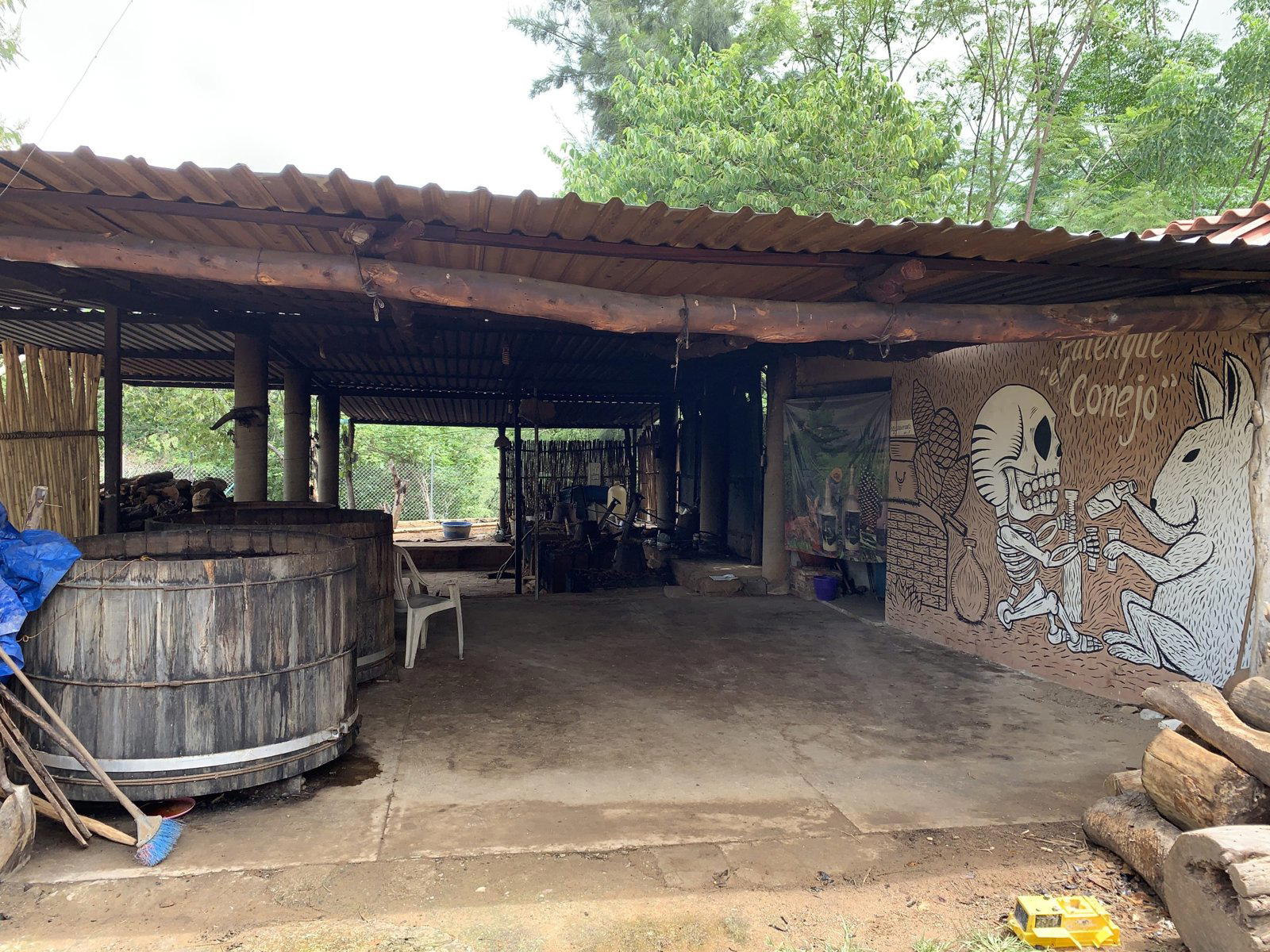
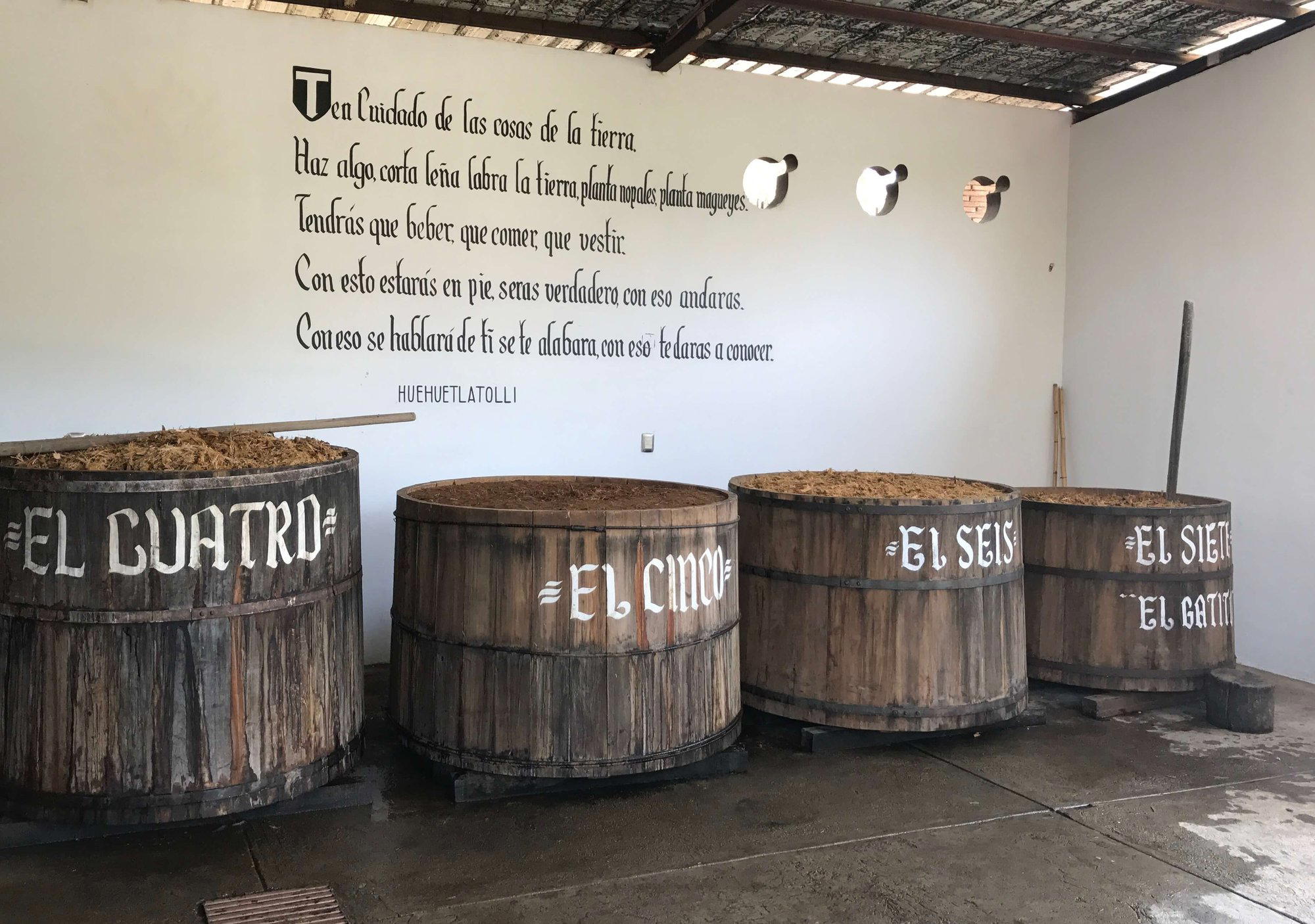
Oaxaca is the reference point for this approach across the country. The state produces more mezcal varieties, in terms of agave species, production methods, and regional expressions, than any other single region. A programme built here has access to papalome, tobalá, espadín, tepeztate, and a range of other varietals that simply do not appear on most back bars outside the state. The editorial interest of a venue like this lies not in individual cocktails but in the depth of the agave list it can plausibly assemble, and what that implies about the bartenders' sourcing relationships and knowledge.
For comparative reference, consider how Oaxacan agave bars position themselves relative to the national cocktail scene. Venues like Sabina Sabe and Selva in the same city have built reputations on exactly this kind of specificity, a mezcal selection treated as a living document, updated as producers release small batches, rather than a static back bar assembled once and left. A focused agave lounge earns its place in that conversation through the same discipline.
Further afield, the agave bar tradition takes different shapes. La Capilla in Tequila is the ancestral reference for agave spirit bars in Mexico, a decades-old institution where the Batanga was invented and where tequila is treated with the same seriousness that Oaxacan bars extend to mezcal. El Gallo Altanero in Guadalajara operates in the same spirit, anchoring its programme in regional agave tradition rather than international cocktail trend. What distinguishes the Oaxacan version is the sheer breadth of botanical and production variation available at source.
Oaxaca's Bar Scene: Where This Venue Sits
Oaxaca's drinking culture is more stratified than it appears. At the base are the neighbourhood cantinas and mezcalerías where a shot of local espadín costs almost nothing and is poured without ceremony. Above that sits a tier of serious mezcal bars with curated selections and knowledgeable staff. Above that again are the cocktail-forward operations that treat Oaxacan spirits as ingredients in a larger creative programme. The city's most interesting bars tend to occupy the middle tier or straddle the boundary between the second and third.
Agave Lounge's address in the Centro Histórico places it within walking distance of most of Oaxaca's key cultural infrastructure: the Zócalo, the Mercado Benito Juárez, and the concentration of mezcal producers and retailers that have made this neighbourhood the informal centre of the city's agave economy. The location is not incidental. Bars that operate here are embedded in the supply chain in a way that venues in more tourist-facing districts are not.
For visitors building an itinerary across Mexico's bar culture more broadly, the comparison set extends beyond Oaxaca. Bekeb in San Miguel de Allende and Bar Mauro in Mexico City represent different expressions of premium Mexican bar culture, the former in a colonial tourist city with a strong design sensibility, the latter in the capital's increasingly technical cocktail scene. Zapote Bar in Playa del Carmen and Arca in Tulum operate in the resort corridor, where the audience and the pricing logic are different. Aruba Day Drink in Tijuana and Coco Bongo in Cancún are a different category entirely. Agave Lounge belongs to the serious, city-rooted tier, closer in orientation to Café La Trova in Miami, which treats Latin spirits with equivalent depth, than to anything in the resort market.
For the full picture of where to eat and drink across the city, see our full Oaxaca restaurants guide.
Planning Your Visit
The Centro Histórico is walkable from most of Oaxaca's central accommodation, and Calle de José María Pino Suárez is a direct orientation point in the neighbourhood grid. The leading approach for an agave-focused visit is to arrive without a fixed agenda for what you will drink, the value of a well-curated agave bar is precisely that the staff can navigate you through a selection you would not have assembled alone.
Given the concentration of serious mezcal venues in this part of Oaxaca, Agave Lounge works well as one stop in an evening that moves between two or three bars rather than a single-destination night. The neighbourhood supports that kind of itinerary better than almost any other city in Mexico.
Continue exploring
More in Oaxaca
Bars in Oaxaca
Browse all →
Restaurants in Oaxaca
Browse all →
Hotels in Oaxaca
Browse all →
Details
- Lively
- Trendy
- Modern
- Late Night
- Date Night
- Casual Hangout
- Historic Building
- Lounge Seating
- Craft Cocktails
- Mezcal
- Tequila
Current opening hours
- Monday
- Open 24 hours
- Tuesday
- Open 24 hours
- Wednesday
- Open 24 hours
- Thursday
- Open 24 hours
- Friday
- Open 24 hours
- Saturday
- Open 24 hours
- Sunday
- Open 24 hours
Hours can change for holidays and private events. Last verified .
Modern yet inviting aesthetic with comfortable seating, dramatic decor reflecting local heritage, and lively music.