
1 Michelin Key
Hotel Casa Santo Origen holds a 2025 Michelin Key, placing it among a select tier of recognized hotels in Oaxaca City. Located in the quieter hillside neighbourhood of San Felipe del Agua, it positions itself apart from the centro histórico cluster. For travellers who want proximity to Oaxaca without immersion in its busiest streets, this is a considered alternative to the city's boutique-hotel core.

Pearl is the En Primeur Club membership app, where members save venues, book tables and use the concierge.
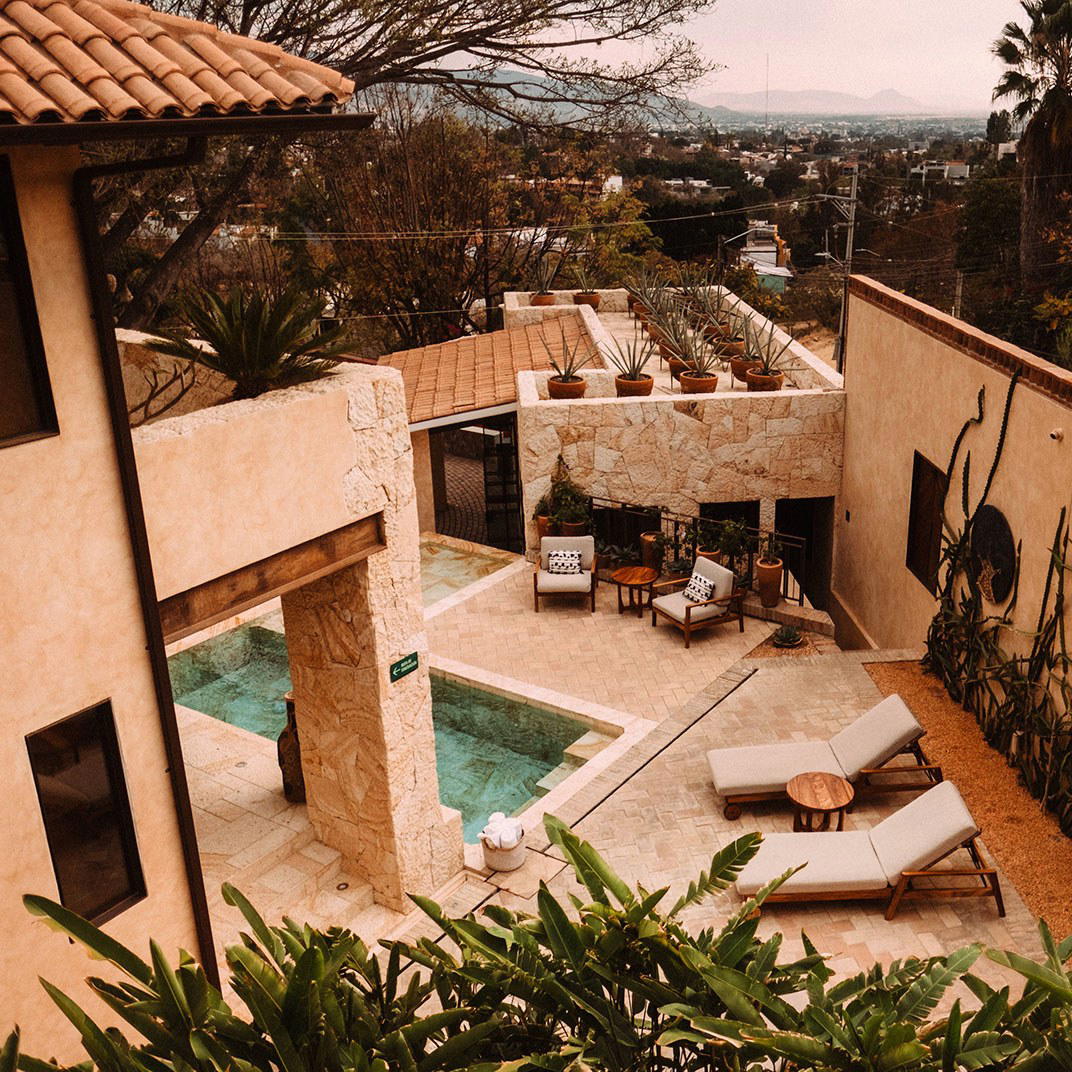
Above the Centro: San Felipe del Agua and the Case for Altitude
Oaxaca City's hotel stock divides fairly cleanly along geographic lines. Properties in and around the centro histórico, including Casa Oaxaca Hotel, Casa de Siete Balcones Hotel Boutique, and Casa Antonieta, put guests within walking distance of the zócalo, the Macedonio Alcalá pedestrian corridor, and the city's densest concentration of mezcalerías and market stalls. Hotel Casa Santo Origen operates from a different premise. Situated at Loma de Guajal 100 in San Felipe del Agua, a residential neighbourhood that climbs the Sierra Juárez foothills north of the city centre, it trades that pedestrian convenience for a quieter, more spatially generous setting. The trade-off is deliberate, and it defines the kind of guest the property suits.
San Felipe del Agua sits far enough from the centro to require a vehicle or taxi for most excursions, but the neighbourhood itself has a character that rewards the distance. It reads as Oaxacan residential rather than tourist-facing, wider streets, mature vegetation, a slower tempo. Properties that establish themselves here are making a statement about the kind of stay they offer: less about ease of access to the market crowds, more about having somewhere genuinely calm to return to.
The Michelin Key and What It Signals in Oaxaca
In 2025, the Michelin Guide extended its hotel recognition programme to Oaxaca City, and Hotel Casa Santo Origen received a One Michelin Key, the guide's entry-level hotel distinction, awarded to properties that deliver a notably high-quality stay. Within Oaxaca's boutique hotel market, that recognition places Casa Santo Origen in a defined peer tier. The Michelin Key framework evaluates architecture, design, service consistency, and the overall experience of a stay rather than restaurant criteria alone, making it a meaningful signal for hotels that might not carry a star-rated restaurant.
For context, Oaxaca's boutique hotel scene has expanded considerably over the past decade, with properties ranging from repurposed colonial mansions in the centro to design-forward rural retreats beyond the valley. The Michelin Key situates Casa Santo Origen above the general market while aligning it with a smaller set of properties where the quality of the physical environment and the coherence of the guest experience are taken seriously. Among Michelin-recognised hotels in Mexico more broadly, the company sits in good company alongside properties such as Hotel Esencia in Tulum, One&Only; Mandarina in Riviera Nayarit, and Chablé Yucatán in Mérida, each operating with a clear design or setting thesis rather than relying on resort-scale amenities.
Dining in a City That Takes Food Seriously
The editorial angle that matters most for any hotel in Oaxaca is its relationship to the food. Oaxaca has been recognised internationally as one of Mexico's most significant culinary regions: mole negro, tlayudas, chapulines, and a mezcal production tradition rooted in dozens of agave varieties have drawn serious food writers and researchers here for decades. The city now supports a restaurant scene that runs from traditional market comedores to destination-level tasting menus, and hotels have increasingly been expected to engage meaningfully with that context.
The specific dining programme at Casa Santo Origen is not detailed in currently verified records, but the Michelin Key framework does take the hospitality experience, including food and beverage coherence, into account in its assessments. For a property in San Felipe del Agua, the culinary proposition is likely tied to the setting: the kind of environment that makes breakfast or an evening drink feel different from what the centro can offer. For guests who want to engage with Oaxaca's restaurant scene directly, proximity to the city's key dining addresses is something to plan for, San Felipe del Agua's remove from the centre means that restaurants along Calle Macedonio Alcalá or in Colonia Reforma require a short drive. The full Oaxaca City restaurants guide maps those options in detail and is worth consulting before arrival.
For comparison, properties at a similar market position elsewhere in Mexico, including Casa Polanco in Mexico City and Casa de Sierra Nevada in San Miguel de Allende, tend to position their dining as an extension of the local culinary identity rather than an international counterpoint to it. That pattern holds across Mexico's most coherent boutique hotel offers.
Placing It in Oaxaca's Wider Hotel Field
Oaxaca City's recognized hotel tier is not large. Beyond the centro properties, options thin out quickly, and the hillside addresses are a small subset of that already limited supply. Grana B&B;, Flavia Hotel, Hotel Azul, and Casa de las Bugambilias B&B; represent the range of recognized smaller properties, most of them concentrated in or near the historic centre. El Diablo y la Sandia, Libres adds a further point of reference at the more characterful end of the city's boutique offer.
Casa Santo Origen's San Felipe del Agua location puts it in a different conversation from that centro cluster, more comparable, in spirit if not in geography, to retreats like Casa Silencio in San Pablo Villa de Mitla or Xinalani in Quimixto, where distance from the urban core is part of the offer rather than a liability. For guests arriving at Oaxaca International Airport (OAX), San Felipe del Agua is a reasonable first stop before the city pulls you in, something the centro properties can rarely claim.
Planning a Stay
Oaxaca City's peak visitor periods align with its major festivals: the Guelaguetza in late July draws significant crowds, as does Día de Muertos in late October and early November, when the city's graveyards and markets become major draws in their own right. Booking during those windows requires lead time, and a Michelin-recognized property at a hillside address will likely see early uptake. The shoulder months, May to June and September, offer fewer crowds and, in most years, the tail end of the dry season before rains intensify. Guests coming primarily for food should note that Oaxaca's restaurant scene operates year-round without strong seasonal closures, though market activity and produce variety do shift with the agricultural calendar.
For travellers considering how Casa Santo Origen fits within a wider Mexico itinerary, it pairs logically with properties in the Oaxacan valley or beyond: Maroma in Riviera Maya, Las Ventanas al Paraíso in San José del Cabo, or Playa Viva in Juluchuca each represent a different register of Mexican hospitality, and combining them with time in Oaxaca City gives a more complete picture of what the country's independent hotel scene has produced over the past two decades.
A Pricing-First Comparison
Comparable venues nearby, for context on price, style, and recognition.
| Venue | Price | Awards | Notes |
|---|---|---|---|
| Hotel Casa Santo OrigenThis venue (the venue you are viewing) | Not listed | 1 Michelin Key | Not listed |
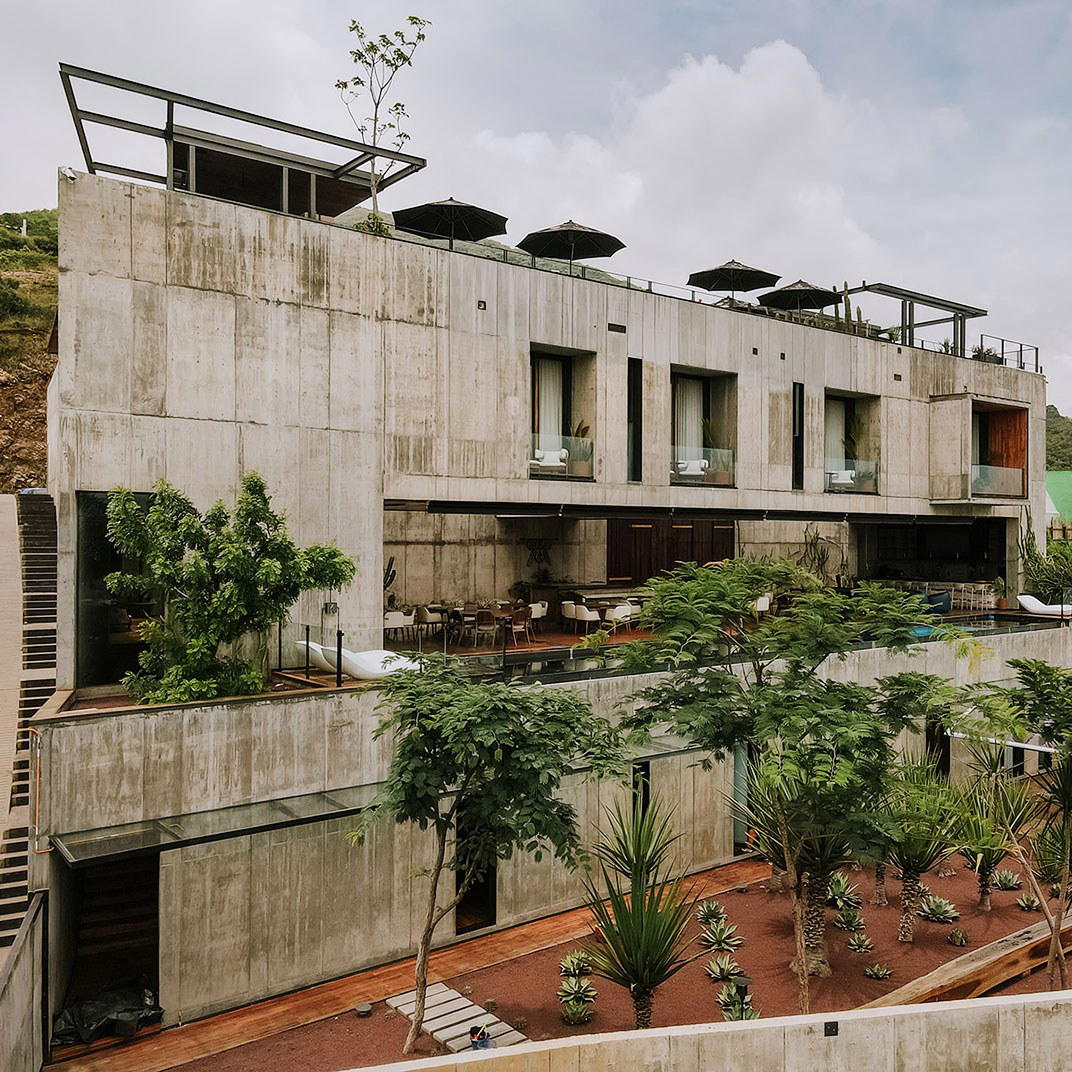
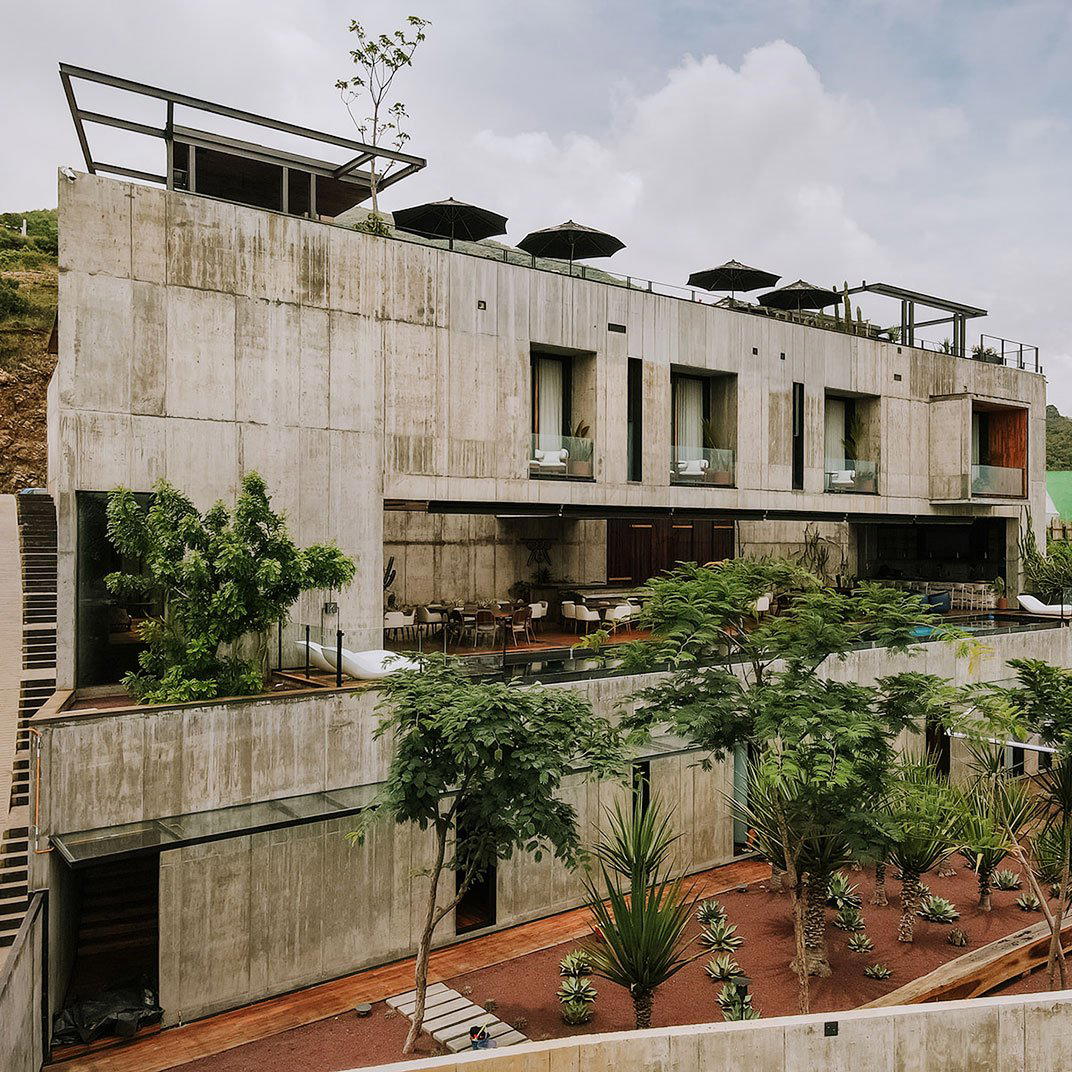
| Flavia Hotel | $200–300 | Michelin Selected | 2006700010331, Brutalist boutique hotel harmonizing with natural surroundings on mountain slopes. |
| Hotel Escondido Oaxaca | $300–500 | Michelin Selected · Design Hotels Member | 2006700010933, Contemporary boutique blending historic adobe house and brutalist tower |
| Hotel Hacienda Los Laureles Spa | Not listed | Not listed | 2006700011575, 18th-century colonial hacienda with modern boutique amenities |
| Casa Oaxaca Hotel | $100–200 | Not listed | 2006700010933, Intimate colonial boutique hotel in restored 18th-century mansion. |
| El Diablo y la Sandia, Libres | $100–200 | Not listed | 2006700010204, Renovated 1940s colonial house B&B |
Recognition history
Dated appearances from independent guides and award organizations, with the underlying list record or original source where available.
Michelin 1 Key
Michelin
Full recognition history (2 entries)
Michelin 1 Key
Michelin
Continue exploring
More in Oaxaca
Hotels in Oaxaca
All hotels in Oaxaca →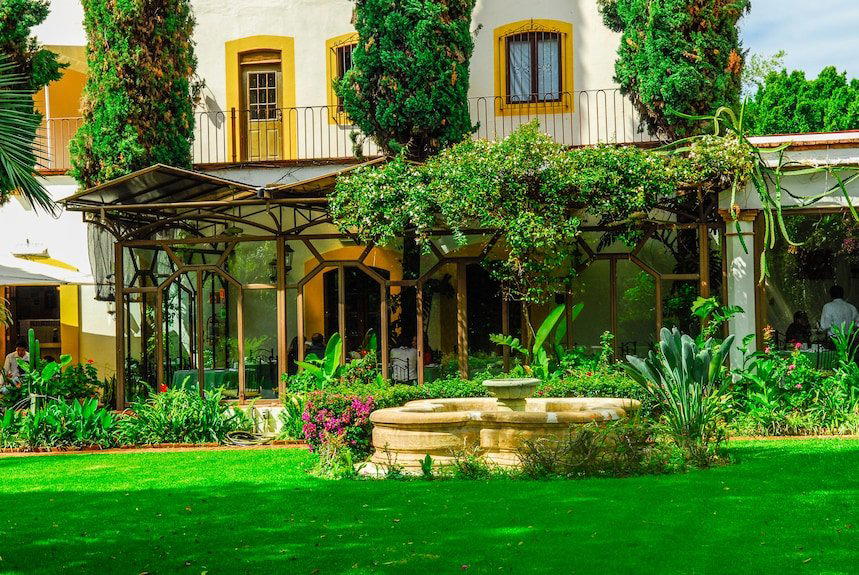
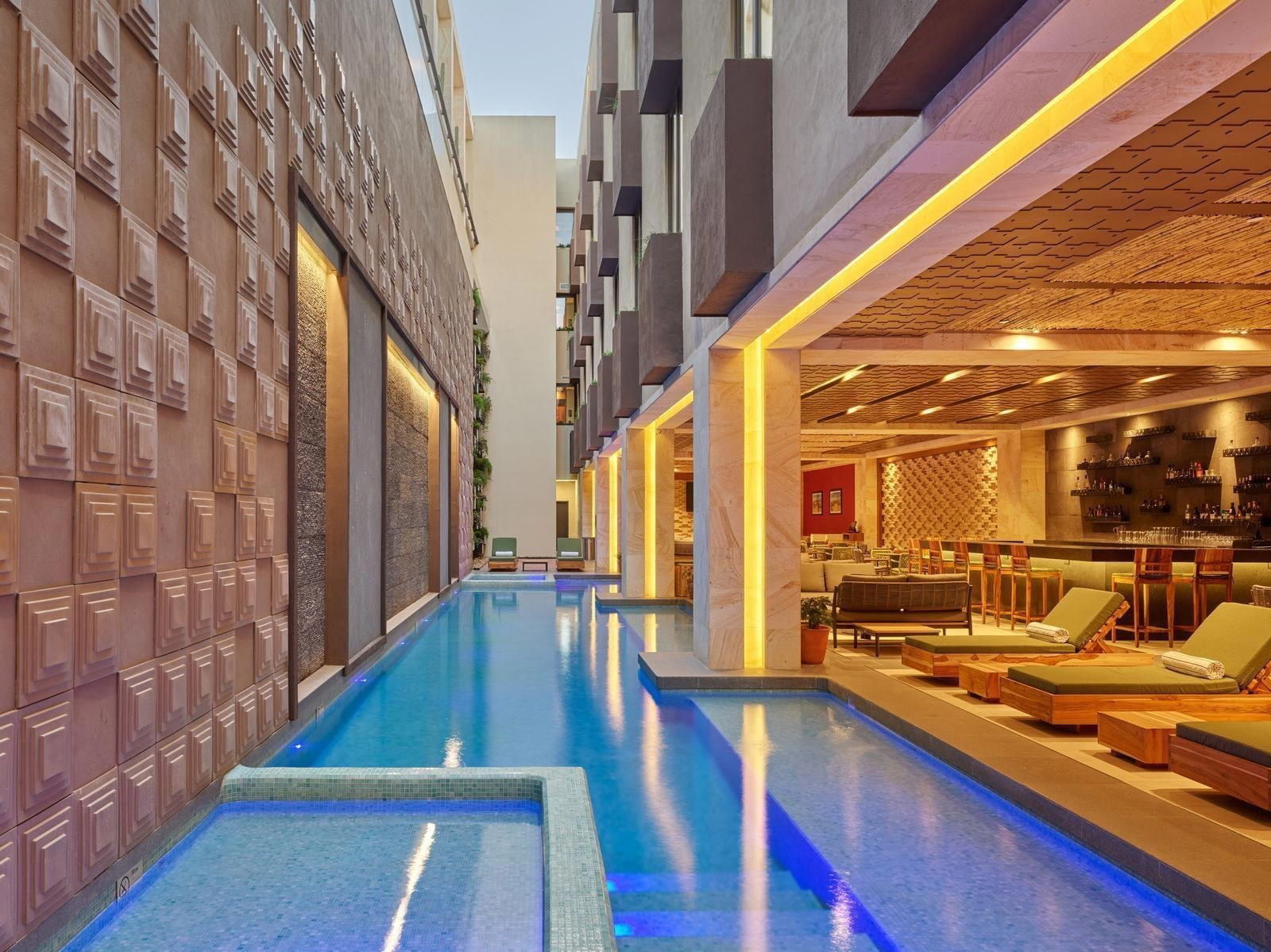
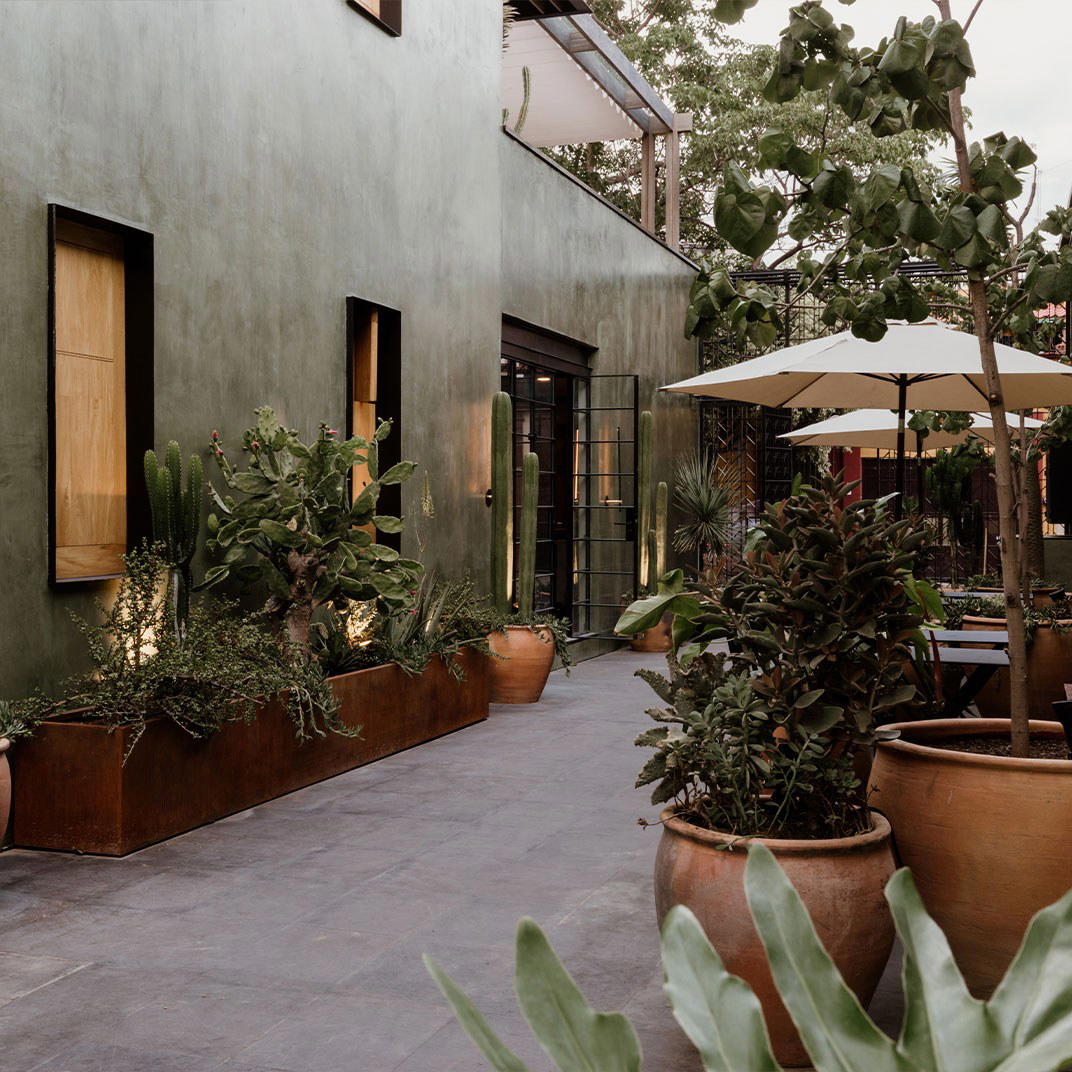
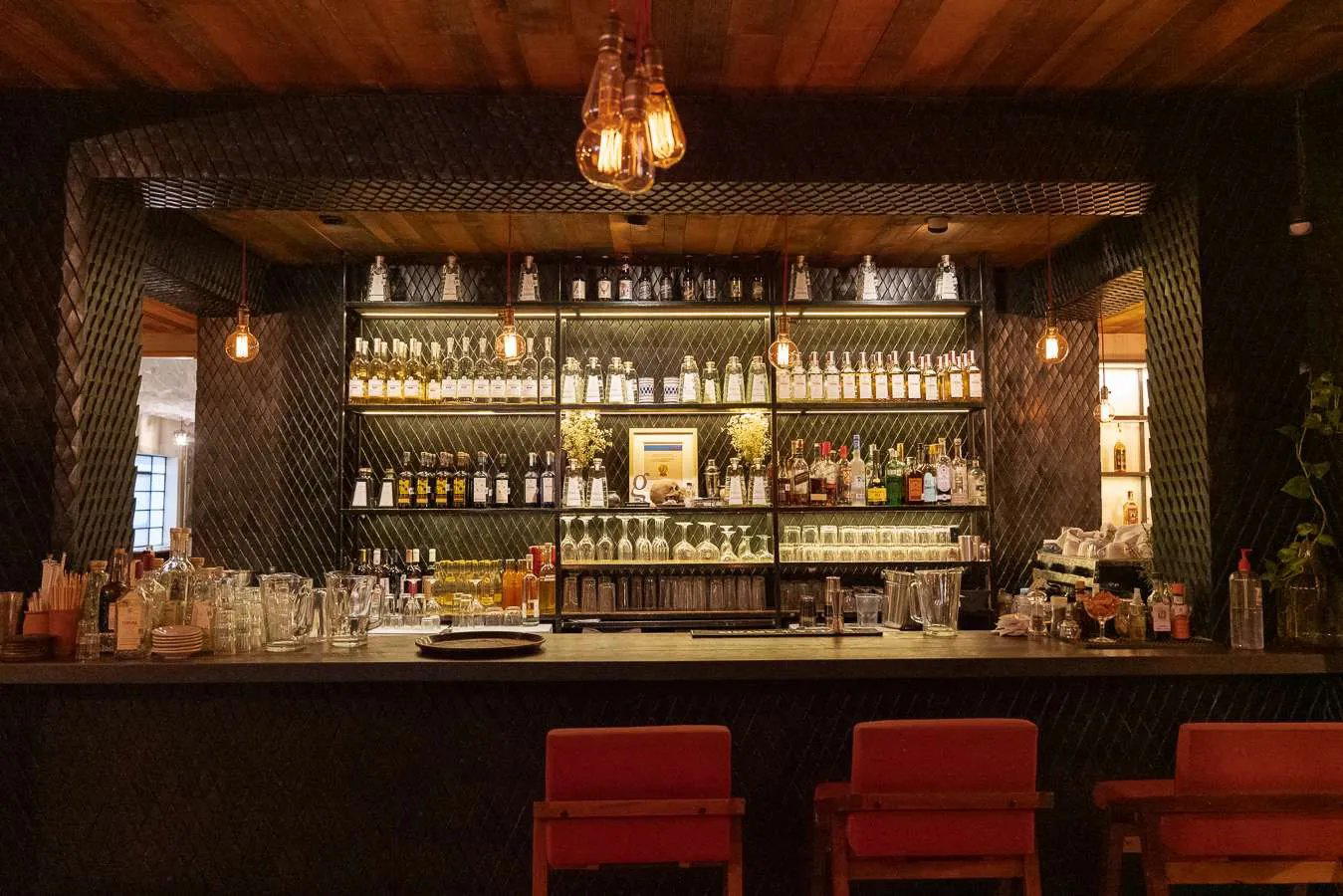
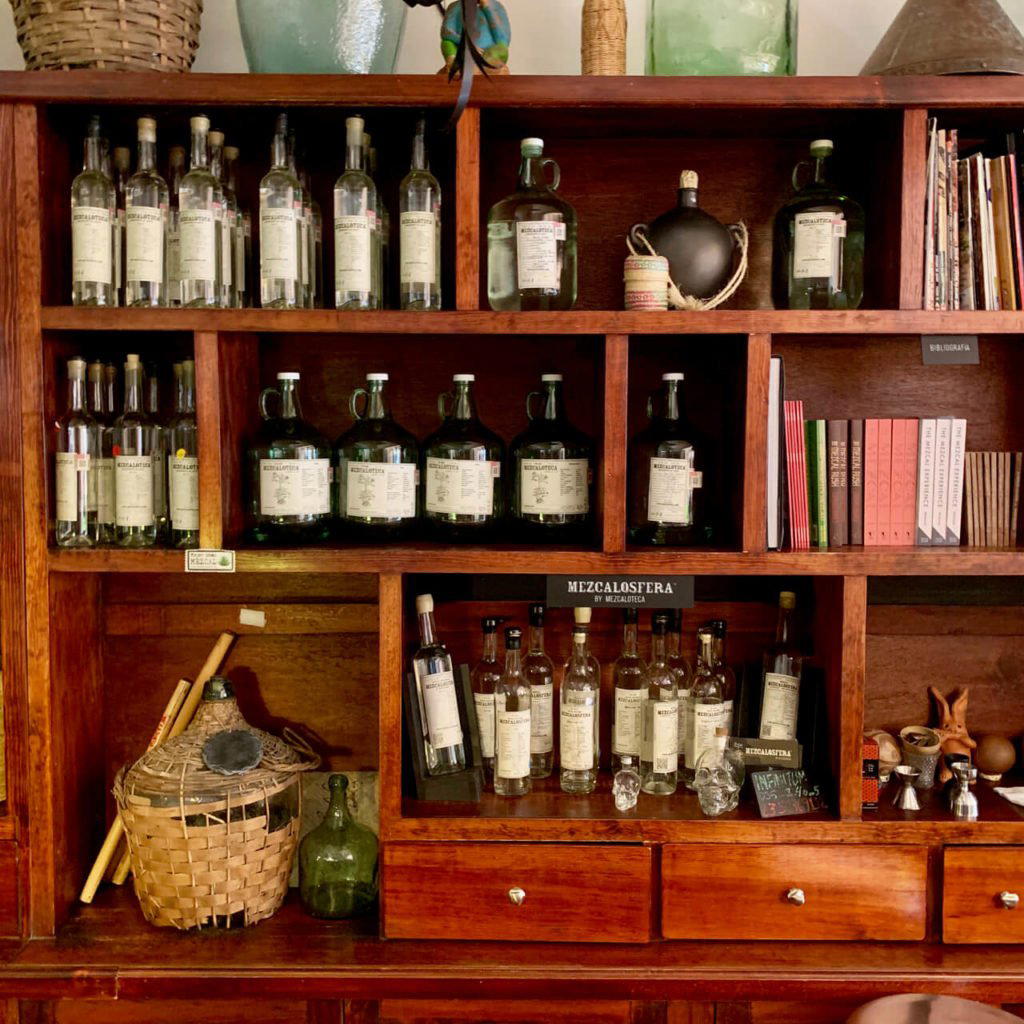
Bars in Oaxaca
All bars in Oaxaca →
Details
- Quiet
- Elegant
- Romantic
- Intimate
- Scenic
- Romantic Getaway
- Anniversary
- Weekend Escape
- Historic Building
- Garden
- Terrace
- Panoramic View
- Wi Fi
- Pool
- Restaurant
- Bar
- Garden
- Concierge
- Room Service
- Business Center
- Mountain
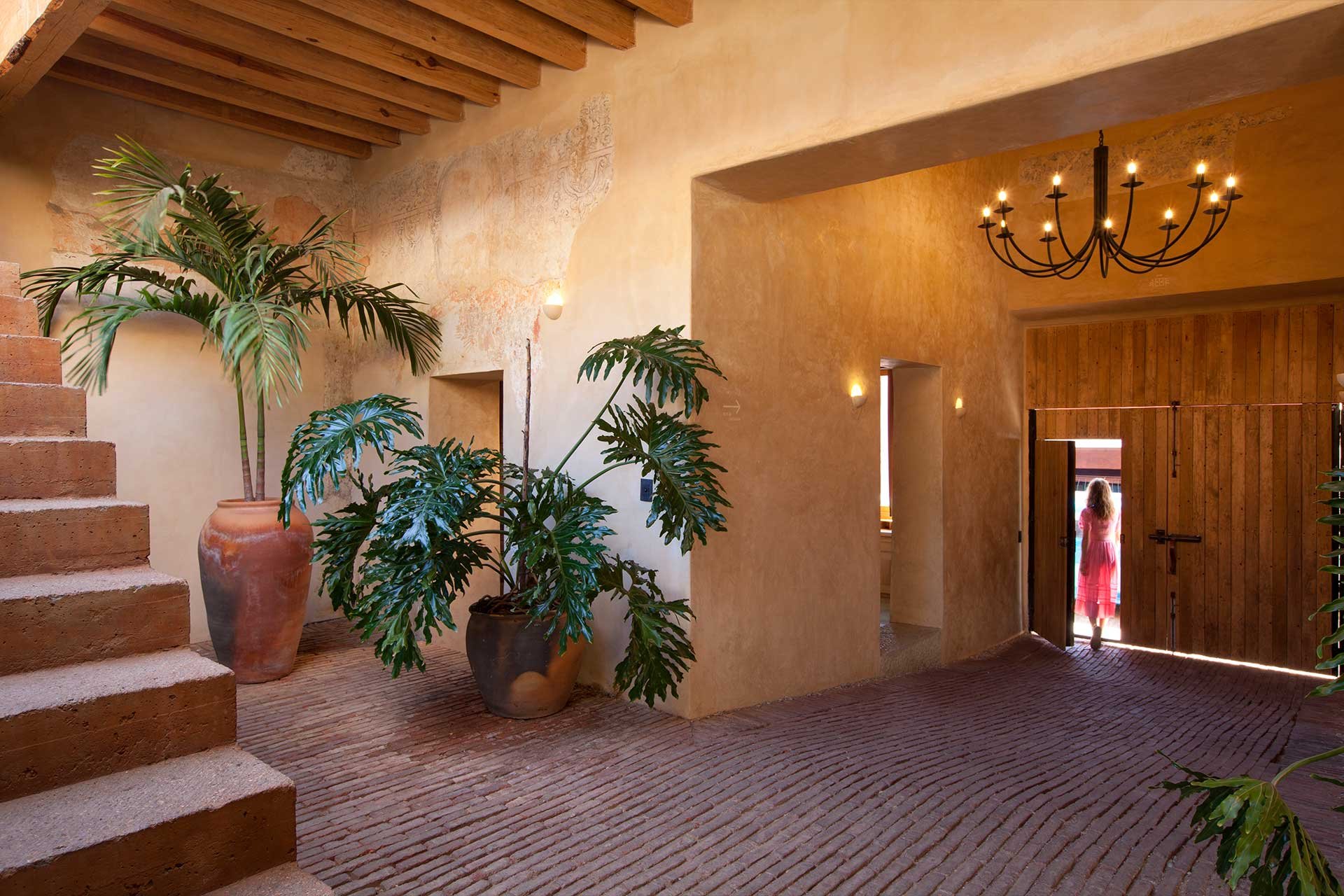
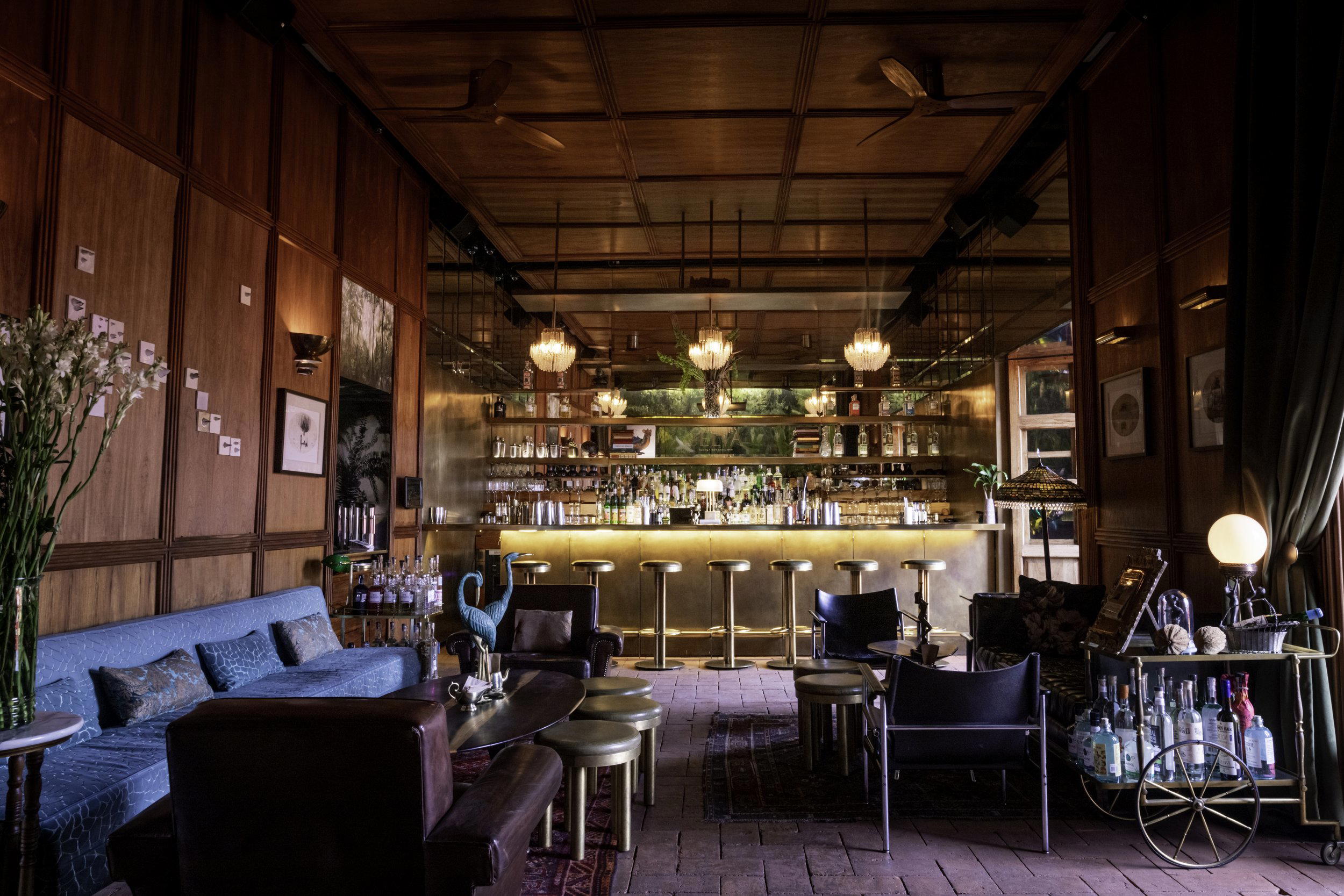
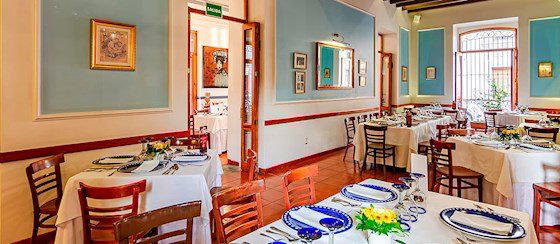
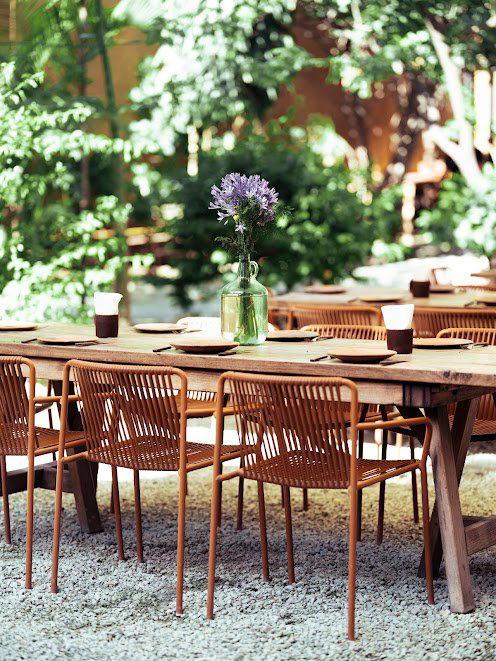
Warm, welcoming interiors blending colonial, indigenous, and contemporary elements with organic tones, timbered ceilings, stone walls, and soft transitions to private outdoor spaces.