Pierde Almas
Pierde Almas operates out of San Baltazar Chichicapam, a small Sierra Sur village that has become one of Oaxaca's reference points for single-village mezcal production. For anyone tracing the geography of artisanal mezcal, this address matters.
Pearl is the En Primeur Club membership app — saves, bookings, and concierge access live there. Same editors, same standards.
- Address
- C. Independencia No. 523, Patria Nueva, 71228 Oaxaca de Juárez, Oax.
- Directions
- Get directions
 Saves & bookings on Pearl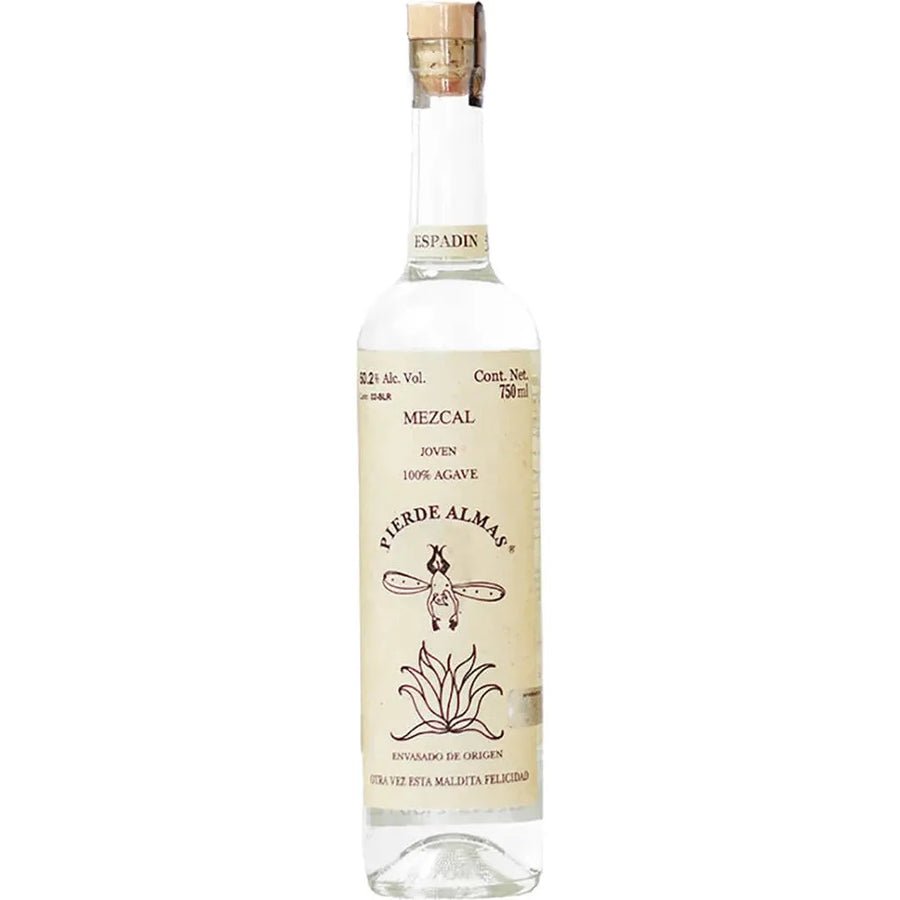
Where the Agave Grows and the Spirit Follows
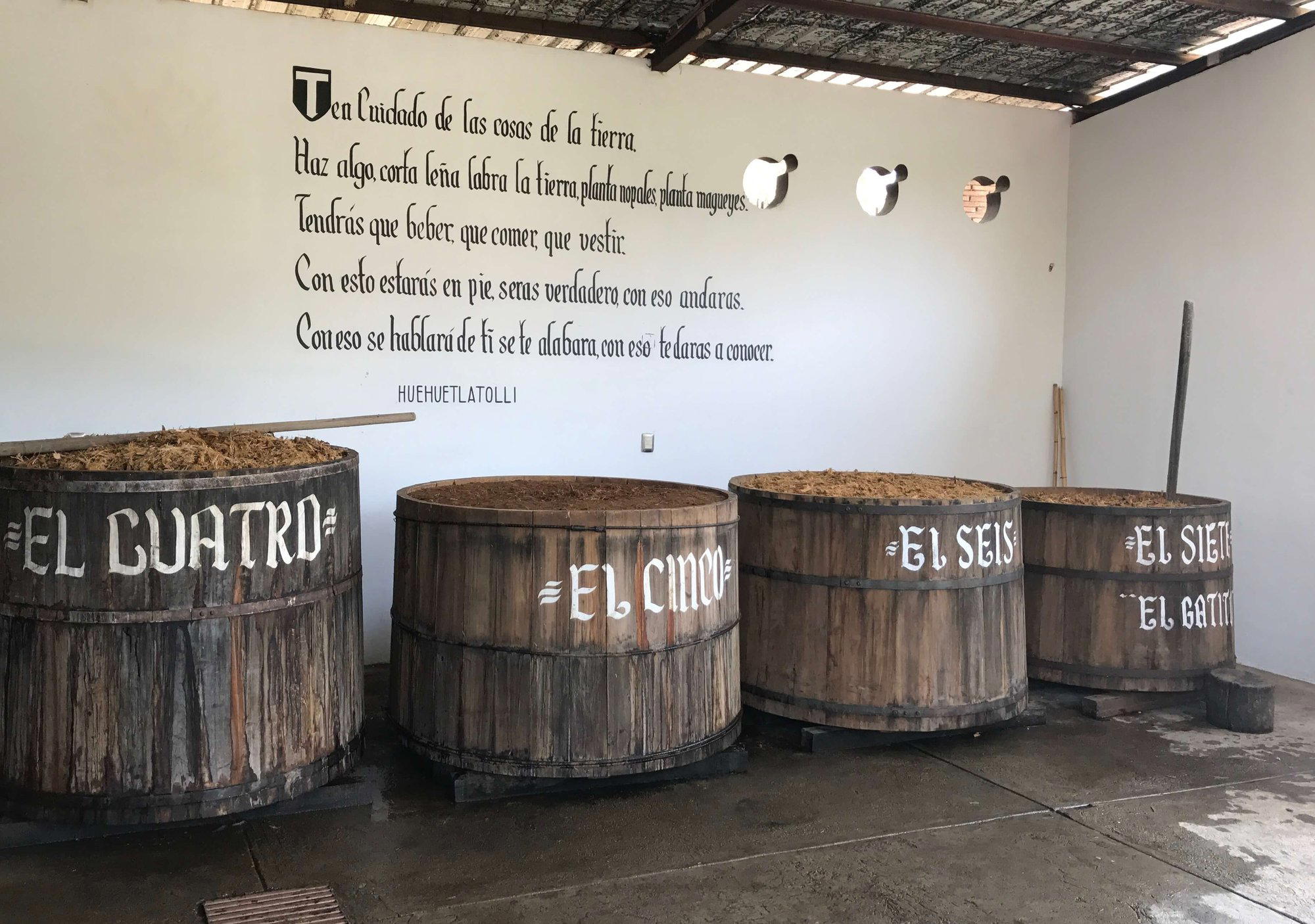
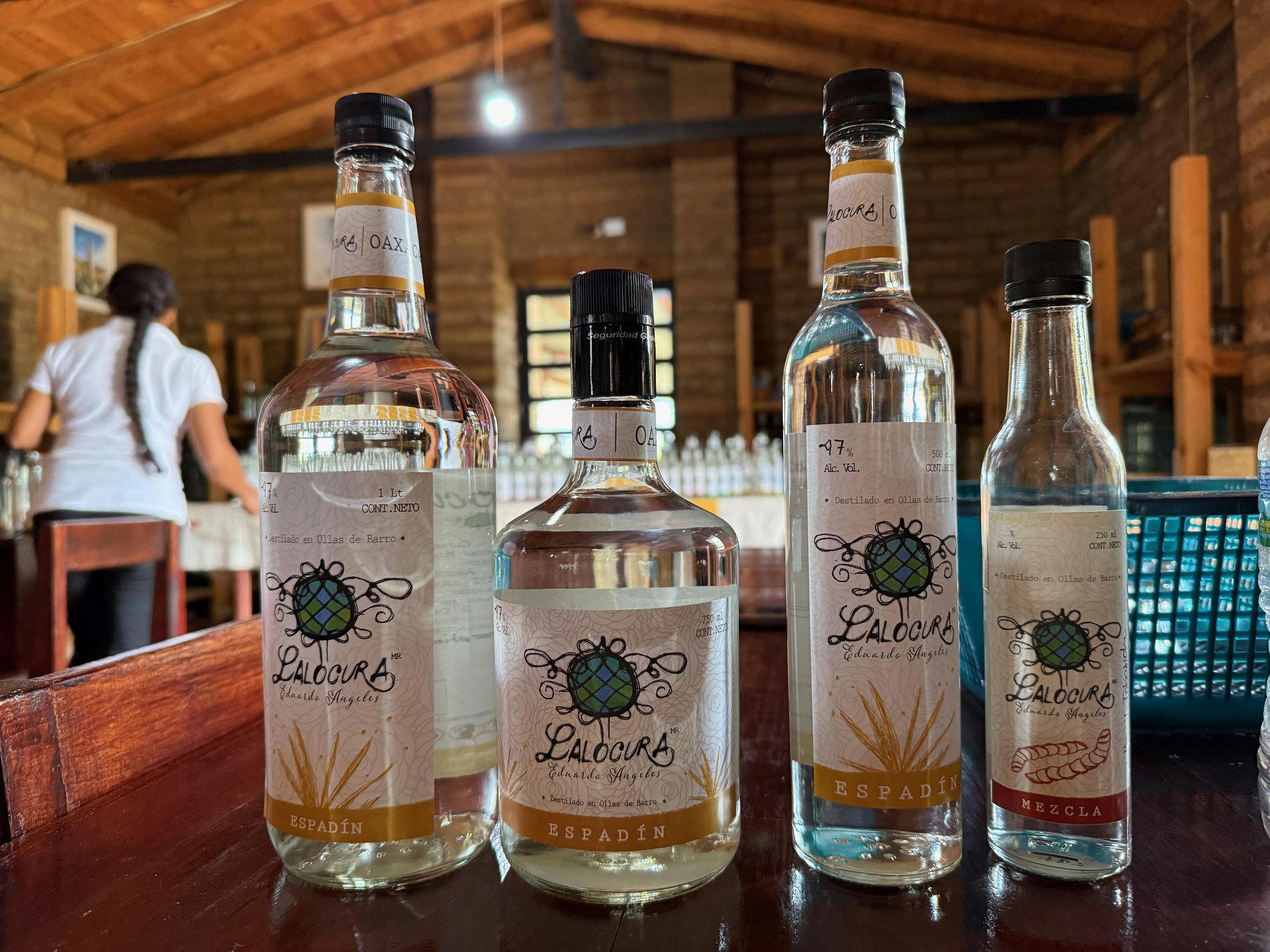
San Baltazar Chichicapam sits in the Sierra Sur range southeast of Oaxaca City, at an elevation where the diurnal temperature swings and mineral-dense volcanic soils create growing conditions that producers elsewhere in Mexico cannot replicate. The village is small enough that agriculture and distillation remain inseparable from daily life, and mezcal made here carries the specific character of that altitude, that soil, and that climate in a way that lowland production simply does not. Pierde Almas is a winery in Oaxaca de Juárez, Oaxaca, known for mezcal made by traditional methods.
The road into San Baltazar Chichicapam passes through agave country in the literal sense: espadin grows on the hillsides at intervals that reflect the land's carrying capacity rather than industrial density. The physical approach to a producer in this part of Oaxaca is itself an orientation in terroir. By the time you arrive at Calle Independencia No. 523, the surrounding landscape has already explained something about what ends up in the bottle.
A 2025 Pearl Star and What It Signals
In a category where reputation has long circulated through specialist importers and bartender networks rather than formal awards, structured prestige recognition carries weight precisely because it is rare and applied against specific criteria.
Across the broader Mexican spirits geography, the contrast between prestige-tier artisanal producers and industrial-scale operations has become the defining tension of the past decade. Producers like Jose Cuervo (La Rojeña) in Tequila and La Primavera (Don Julio) in Atotonilco El Alto represent the scale end of agave spirits; Pierde Almas occupies a different register entirely, one where village-level sourcing and traditional production methods define the product category.
Mezcal as Terroir Expression
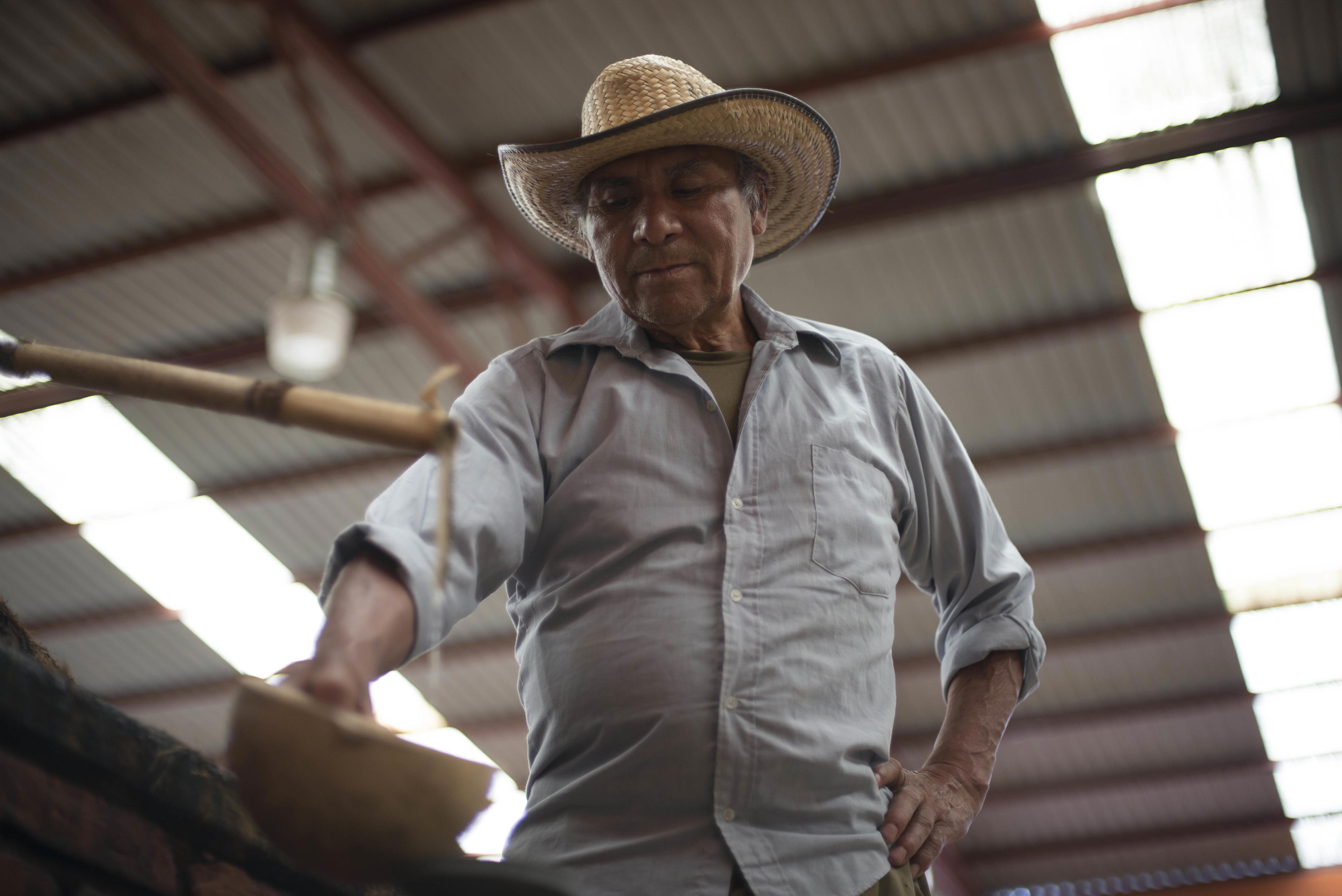
The argument for mezcal as a terroir-driven spirit rests on several converging factors: agave species variation, growing altitude, soil composition, wild versus cultivated yeast, and the heat source used during cooking. San Baltazar Chichicapam addresses several of these simultaneously. The altitude here, typical of the Sierra Sur communities, slows agave maturation relative to valley-floor cultivation, which producers and researchers have associated with denser, more complex piña development. Whether that translates directly into flavour complexity in the finished spirit is a matter the glass resolves more convincingly than any theoretical argument.
Oaxaca's mezcal geography is not monolithic. The Tlacolula Valley, centred on producers like El Rey de Matatlán in Tlacolula de Matamoros, produces in a different soil and altitude context than the Sierra Sur villages. The Miahuatlán area, represented by operations such as Don Amado (Arellanes family) in Santa Catarina Minas, introduces yet another set of growing conditions. Pierde Almas belongs to none of those sub-zones; its address in San Baltazar Chichicapam places it in a microclimate and cultural production tradition specific to this cluster of Sierra Sur communities. The distinctions are not marketing language. They are the kind of geographic specificity that serious mezcal drinkers have come to treat with the same attention given to appellation in wine.
For reference on how cooperative and village-scale production operates at the other end of the Oaxacan spectrum, Banhez (UPADEC cooperative) in San Miguel Ejutla offers a useful contrast model, as does Los Danzantes in Santiago Matatlán, one of the region's longer-established artisanal producers. Casa Cortés at La Soledad Palenque in La Compañía (Ejutla) represents the palenque model operating at a similarly intimate scale.
Production Context Within the Wider Agave Spirits Conversation
Understanding the winery requires some grounding in the wider agave spirits world, which has expanded well beyond its Oaxacan and Jalisco origins. Tequila producers such as Casa Herradura (Hacienda San José del Refugio) in Amatitán, Cazadores Distillery in Arandas, El Pandillo (G4) in Jesús María, and Hacienda Corralejo in Pénjamo all operate within the blue agave Tequila DO and with production methods and scales that differ structurally from Oaxacan mezcal. For a different regional comparison again, Lágrimas de Dolores (Hacienda Dolores) in Durango works with Durango agave species in a northern terroir that adds another dimension to how Mexican spirits geography maps onto flavour.
The winery is not competing in any of those categories. Its reference points are the handful of Oaxacan producers with comparable prestige recognition and similar commitments to single-village or single-batch production. That comparable set is small.
Planning a Visit
San Baltazar Chichicapam is accessible from Oaxaca City, though the route into the Sierra Sur requires time and road conditions typical of the region's mountain communities rather than the paved highways that connect the Tlacolula Valley producers. Advance contact and logistics should be arranged before visiting. For travellers building a broader Oaxacan spirits itinerary, combining a Sierra Sur visit with producers in the Tlacolula Valley or Miahuatlán area is the standard approach among serious mezcal tourists.
The address on record is C. Independencia No. 523, Patria Nueva, 71228 Oaxaca de Juárez, Oax. Confirming logistics before travel is advisable. For context on how formal prestige recognition functions across different spirit categories, Aberlour in Speyside and the Napa Valley reference of Accendo Cellars in St. Helena illustrate how terroir language travels across categories when production discipline is present to support it.
How It Stacks Up
Comparable venues nearby, for context on price, style, and recognition.
| Venue | Cuisine | Price | Notes |
|---|---|---|---|
| Pierde AlmasThis venue — the venue you are viewing | Winery | Not listed | Not listed |
| Casa Cortés – La Soledad Palenque | Espadín | $$ | La Compañía (Ejutla) |
| Mezcal Vago (Aquilino García López) | Agave Espadín, Agave Mexicano | $$ | Candelaria Yegolé |
| Los Danzantes | Espadín, Arroqueño | Not listed | Santiago Matatlán |
| El Rey de Matatlán | espadín | $$ | Tlacolula de Matamoros |
| Macurichos | Winery | Not listed | Santiago Matatlán |
Continue exploring
More in San Baltazar Chichicapam
Wineries in San Baltazar Chichicapam
Browse all →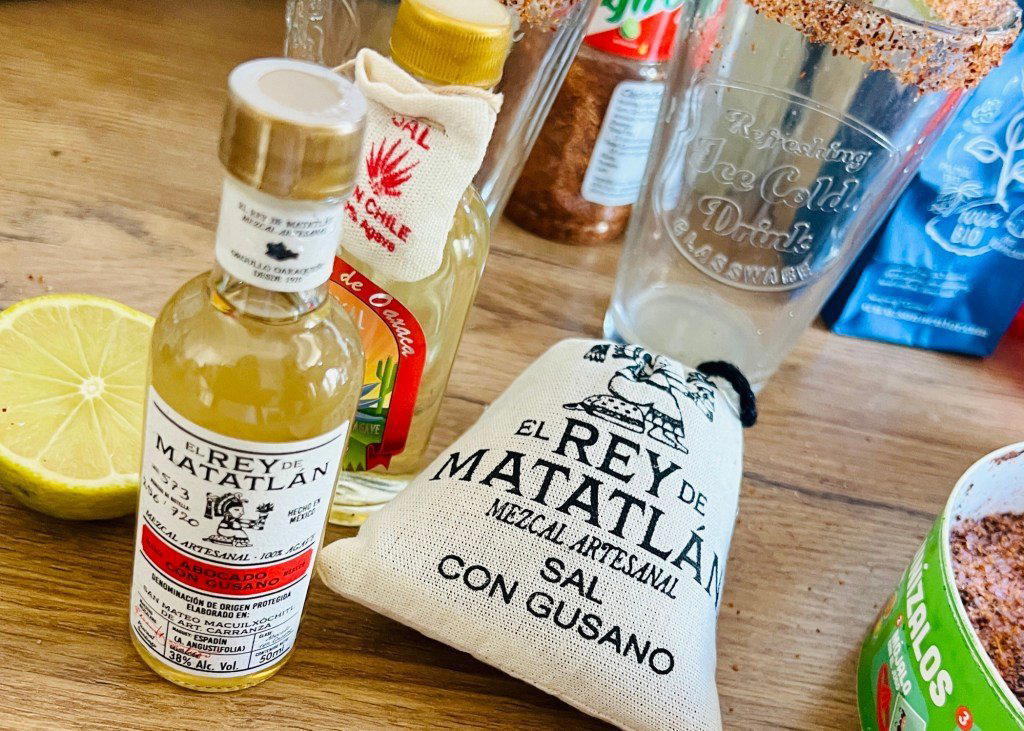
Bars in San Baltazar Chichicapam
Browse all →

Restaurants in San Baltazar Chichicapam
Browse all →
At a Glance
- Rustic
- Quiet
- Intimate
- Special Occasion
- Solo Exploration
- Private Tasting
- Historic Building
- Sustainable
- Mountain
- Espadín
- Tobaziche
- Tobalá
- Mexicano
- Tequilana Weber
- Tasting Flight
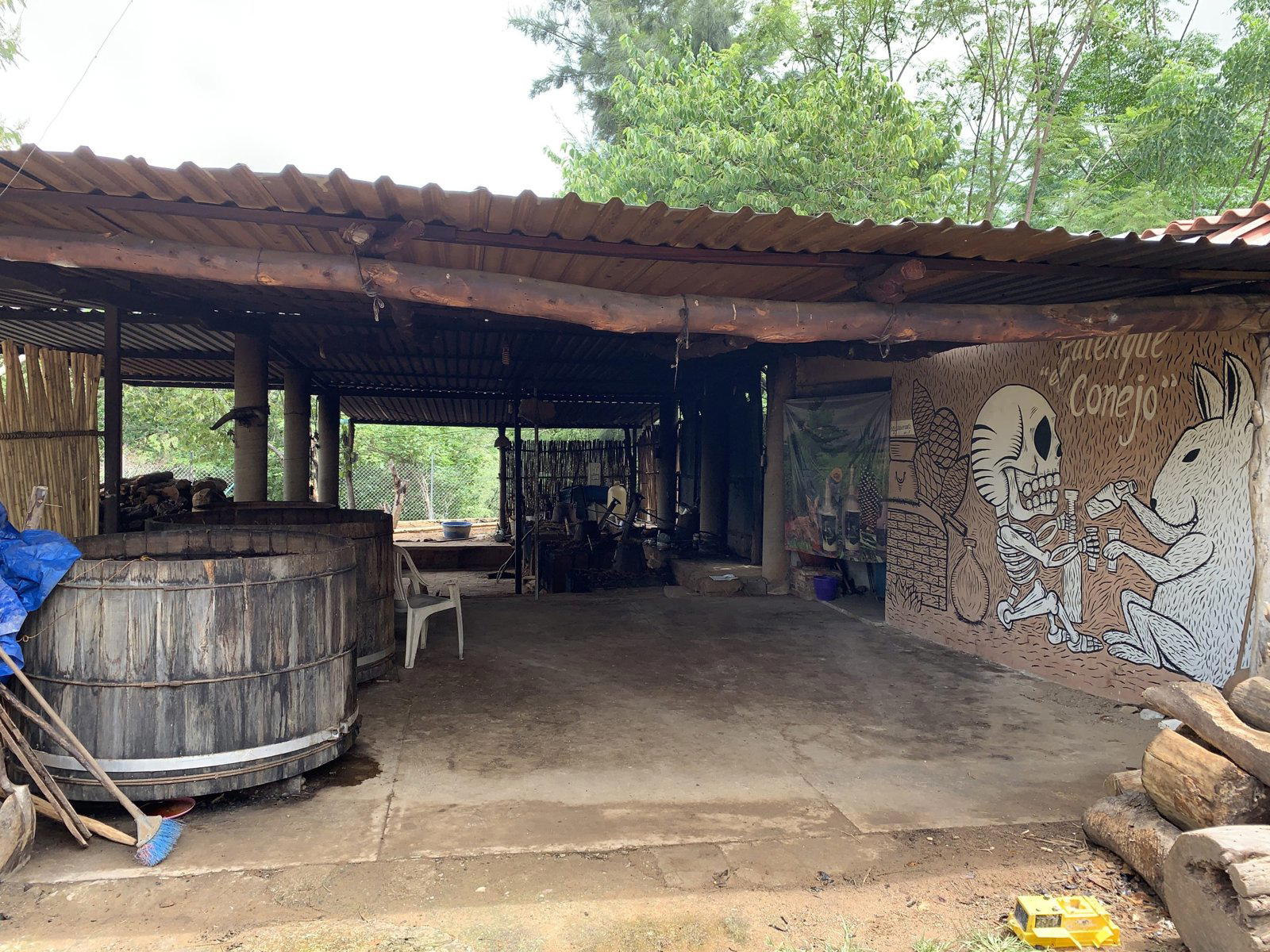
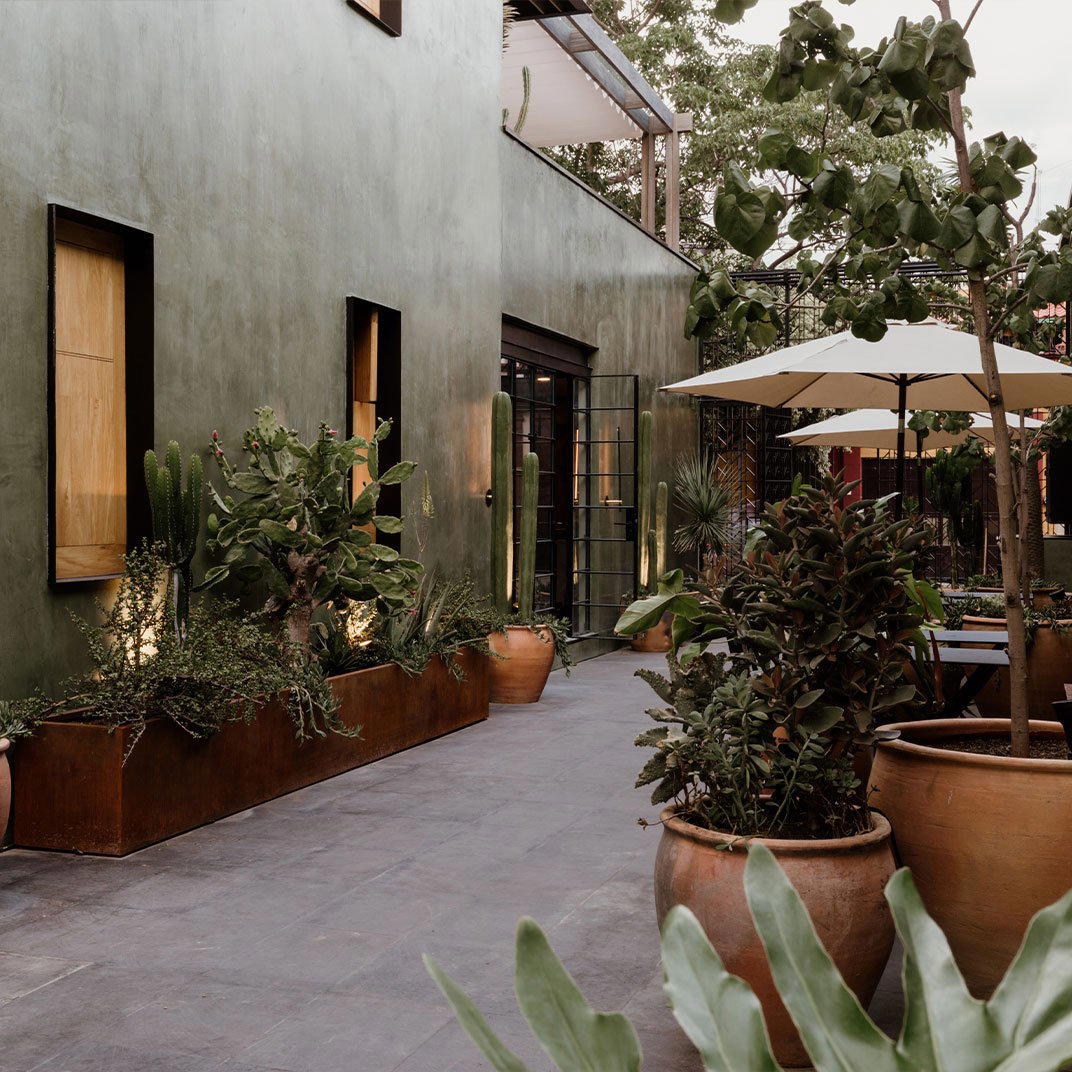
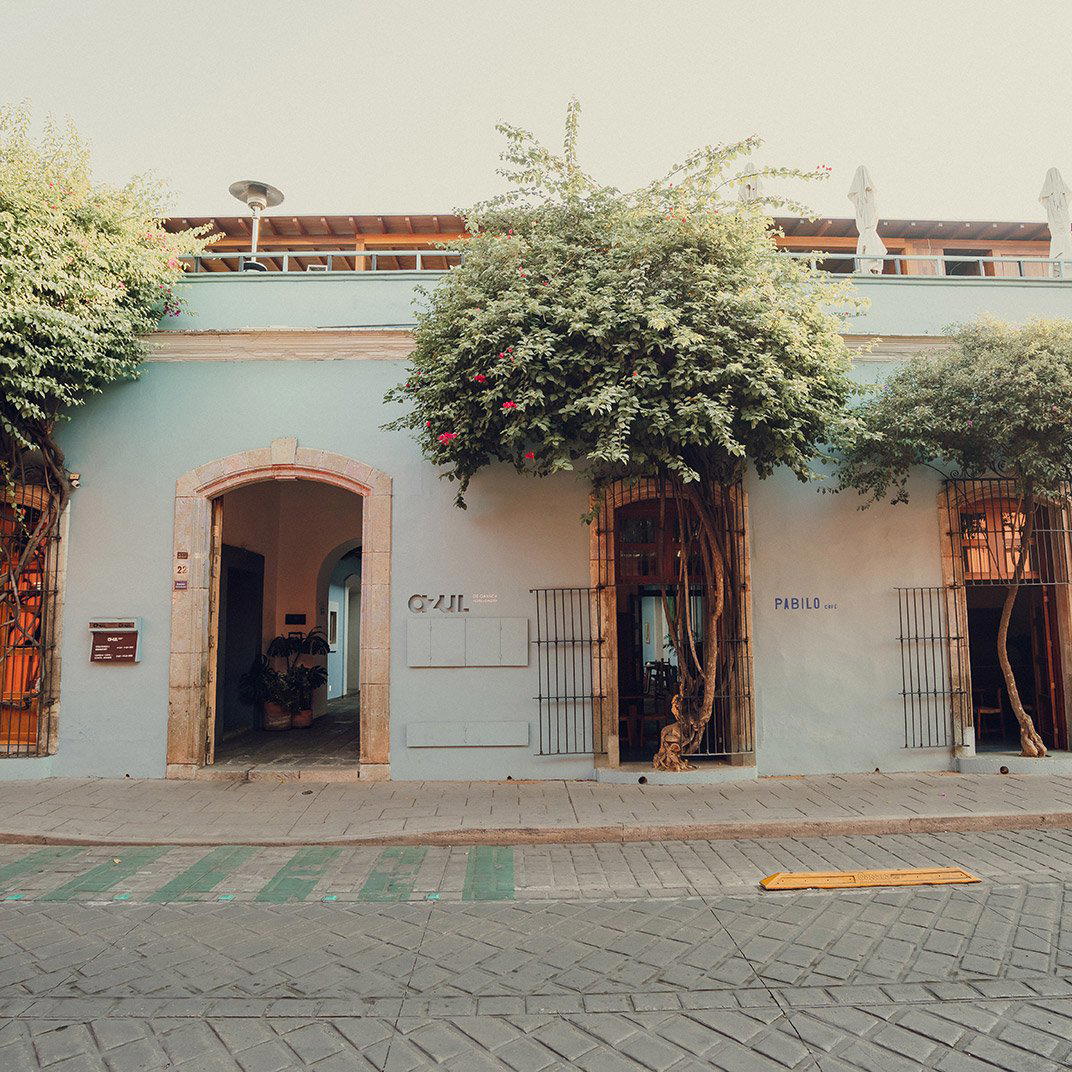
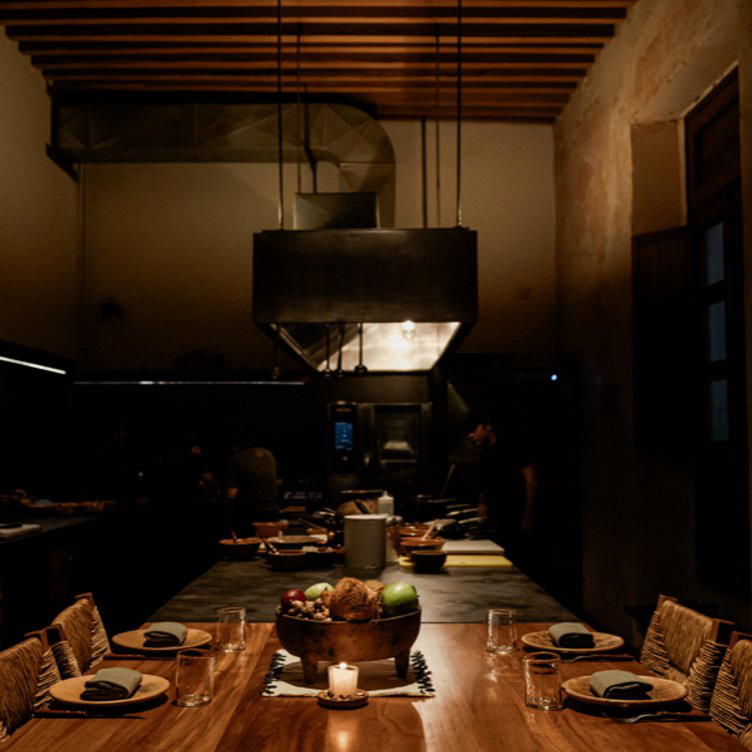
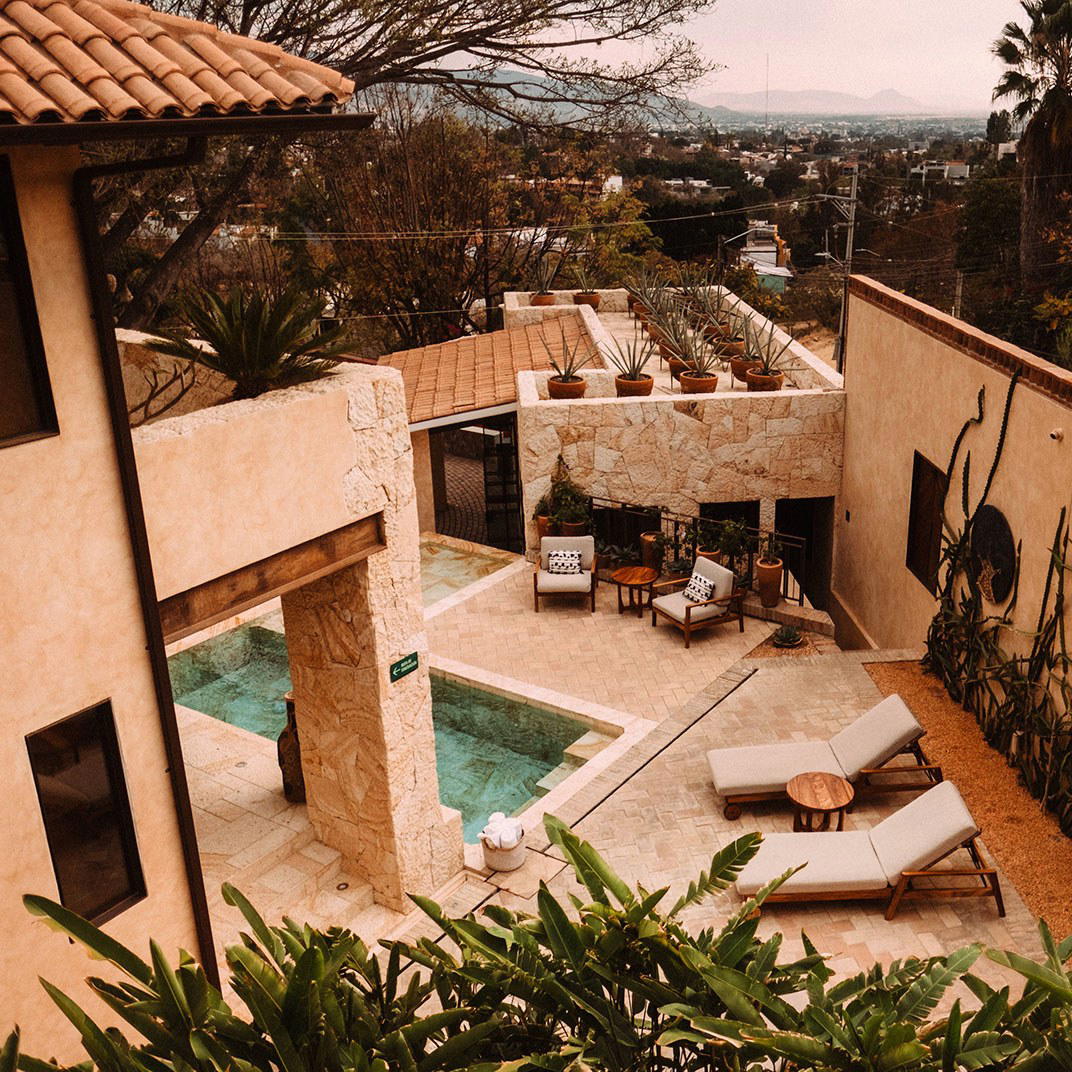
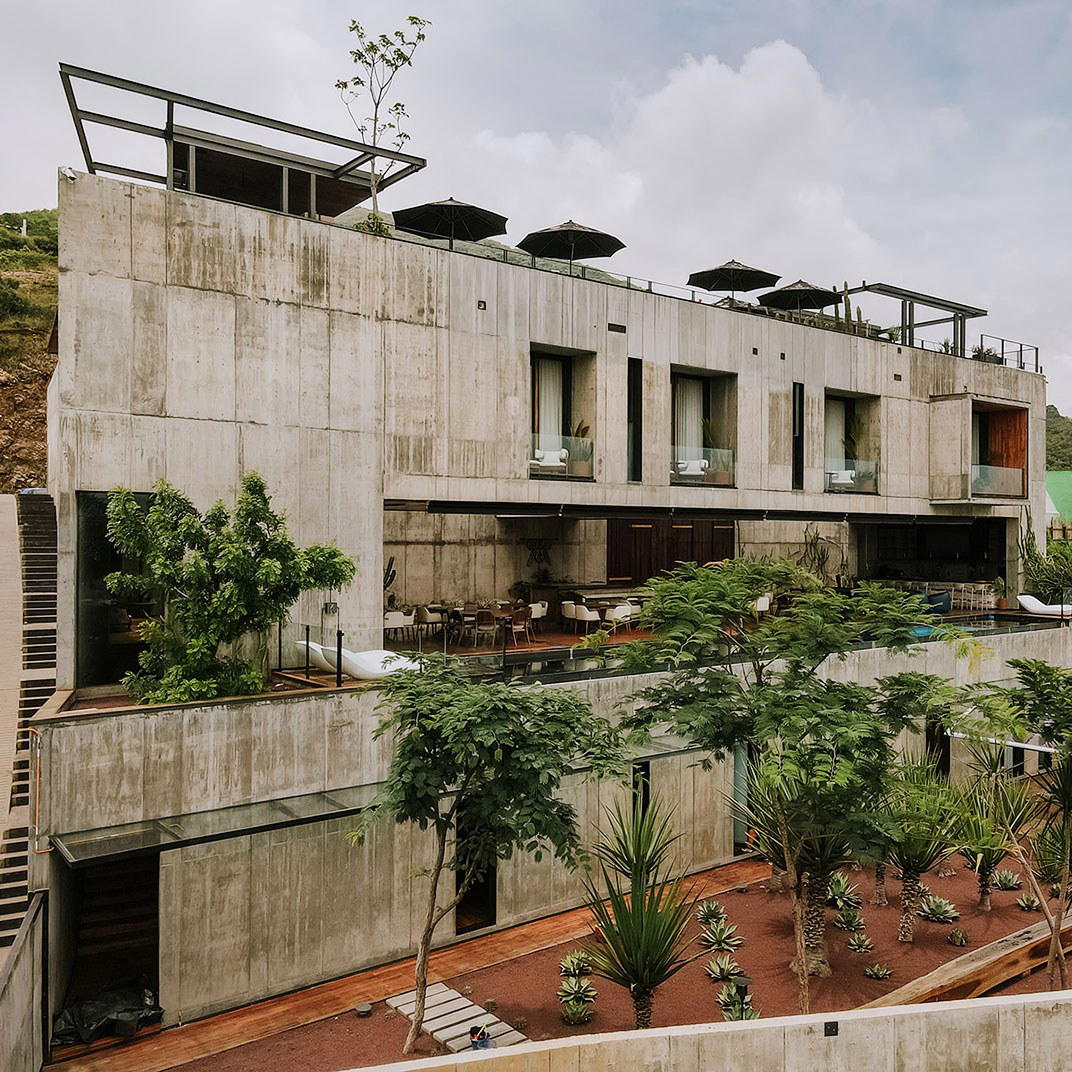
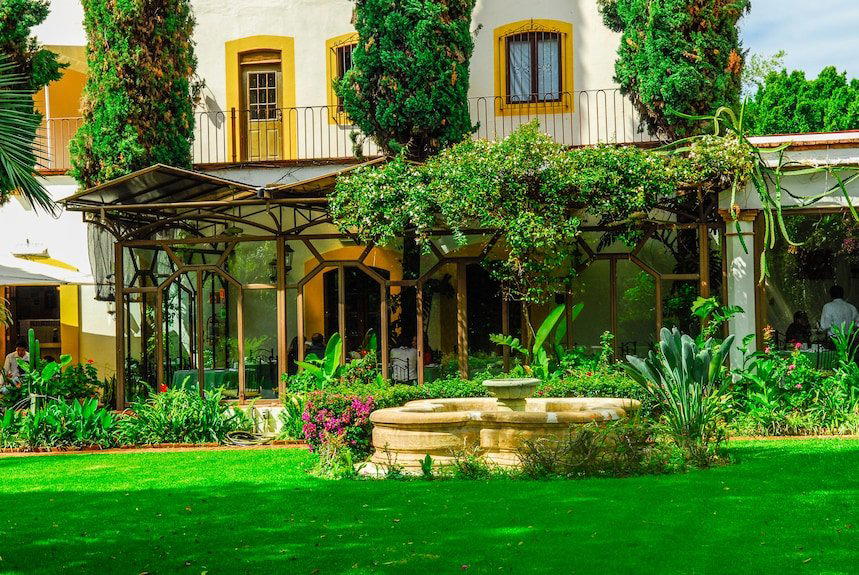
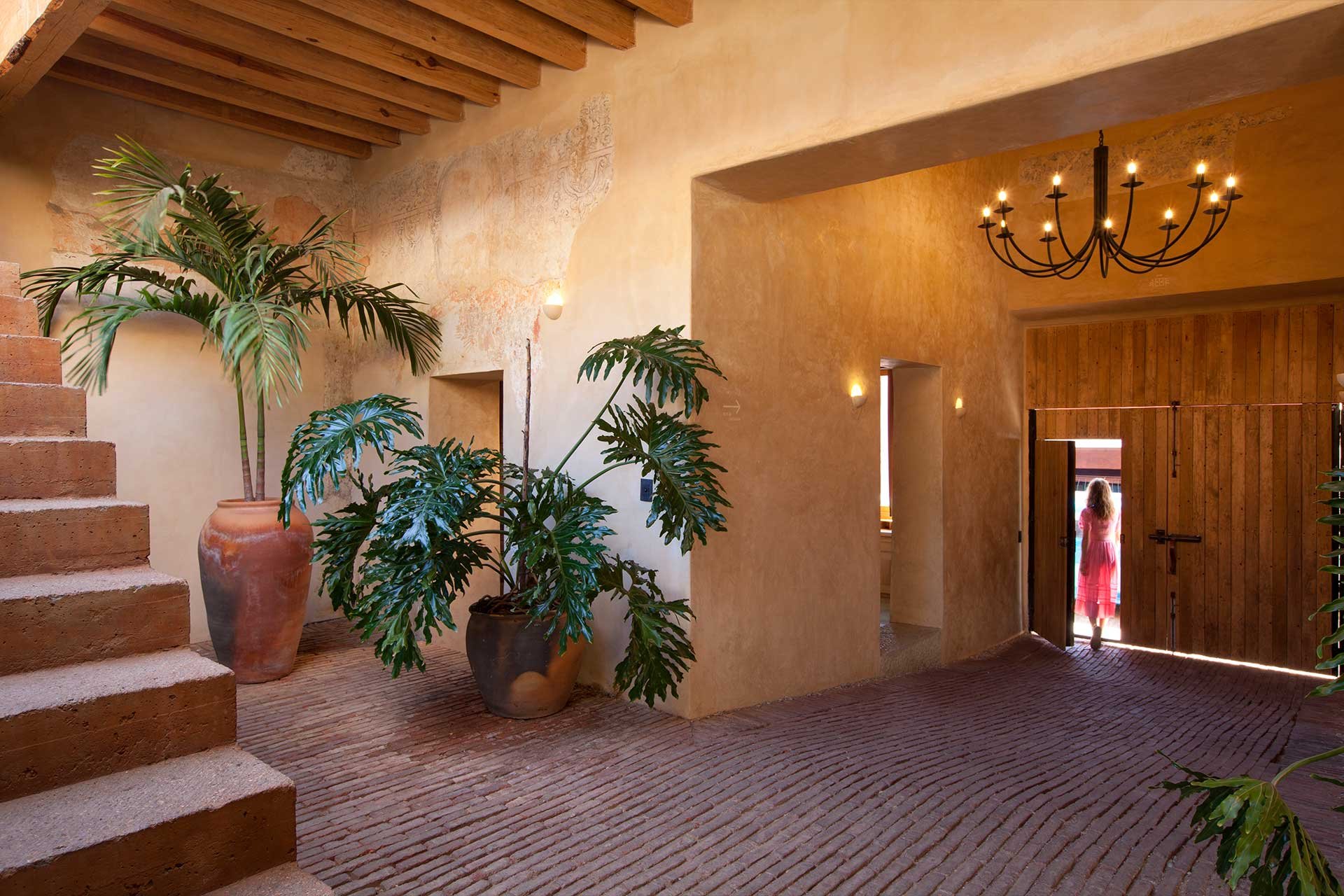
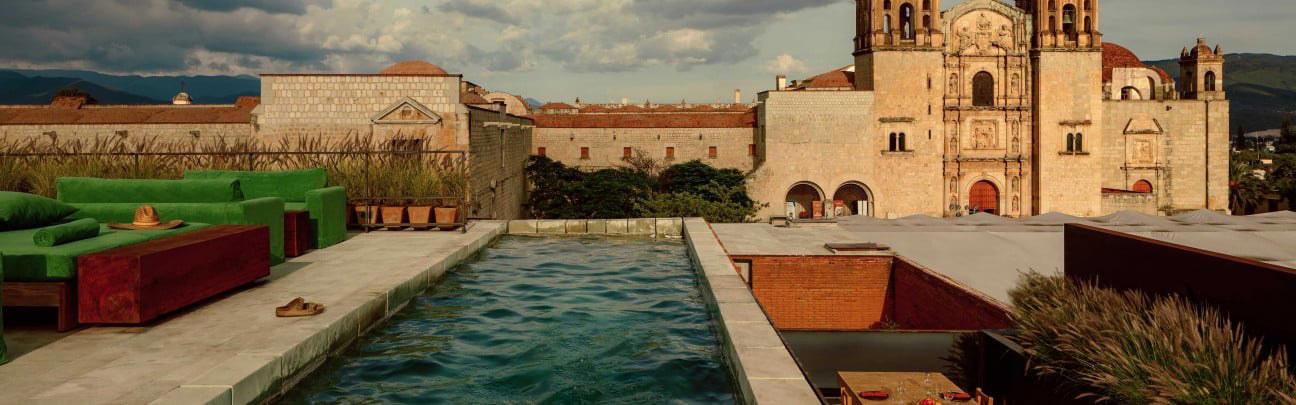
Rustic, quietly atmospheric, and landscape-driven, with a working palenque feel rather than a polished visitor center.