Animalón


1 Michelin Star · Wine Spectator Award of Excellence
Our verdict
Animalón holds back-to-back Michelin stars (2024 and 2025) and sits at the top of Valle de Guadalupe's fine-dining tier, where open-air architecture, a 690-bottle wine list weighted toward Baja producers, and Chef Oscar Torres's seasonal regional cooking define what a serious meal in the valley looks like. It is the benchmark against which other $$$$ tables in the valley are measured.

Pearl is the En Primeur Club membership app — saves, bookings, and concierge access live there. Same editors, same standards.
- Address
- México 3 Supermanzana Km 38.5, 22761 Villa de Juárez, B.C., Mexico
- Phone
- +52 664 375 2658
- Hours
- Mon–Tue ClosedWed–Thu 3–8 PMFri–Sun 1–8 PM
- Website
- animalonbaja.com
- Directions
- Get directions
- Booking
- Book on OpenTable
The menu
What to order
- Kampachi_ceviche
- Crispy_brussels_sprouts
Dining in the Open Air: What Valle de Guadalupe's Fine-Dining Tier Looks Like Now
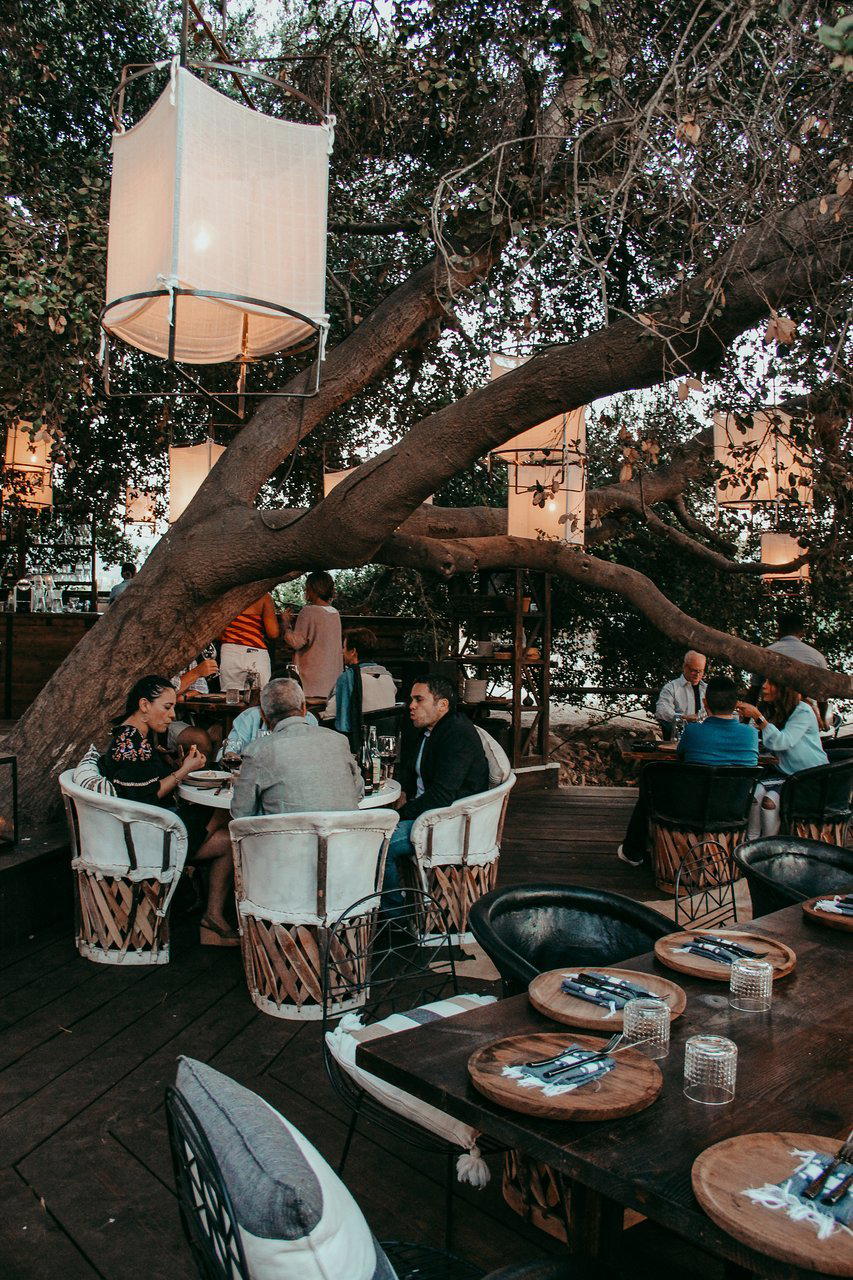
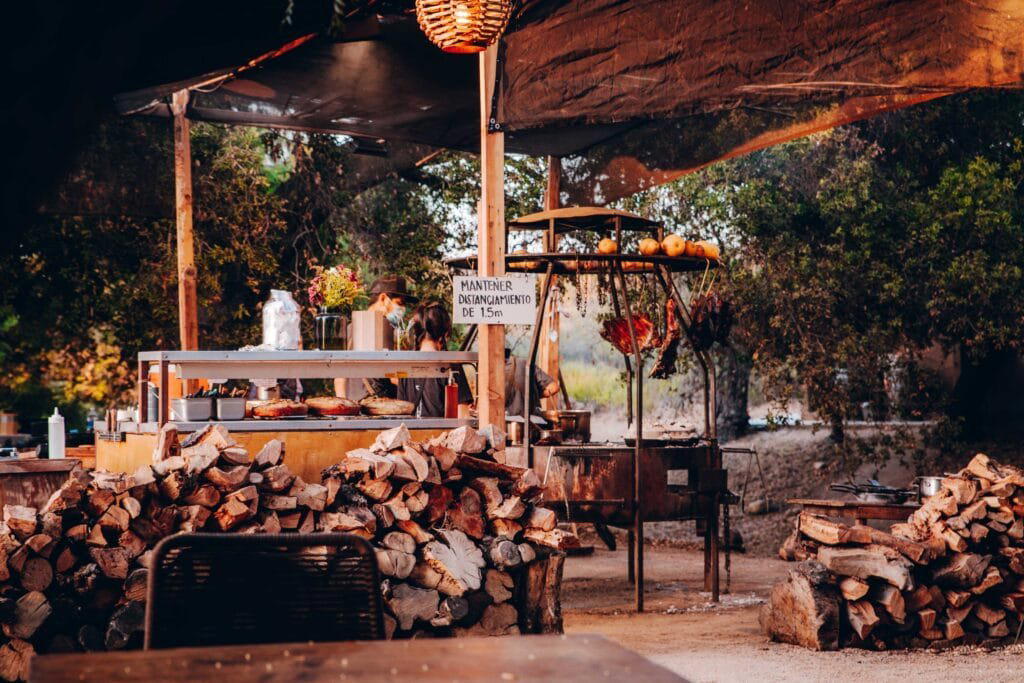
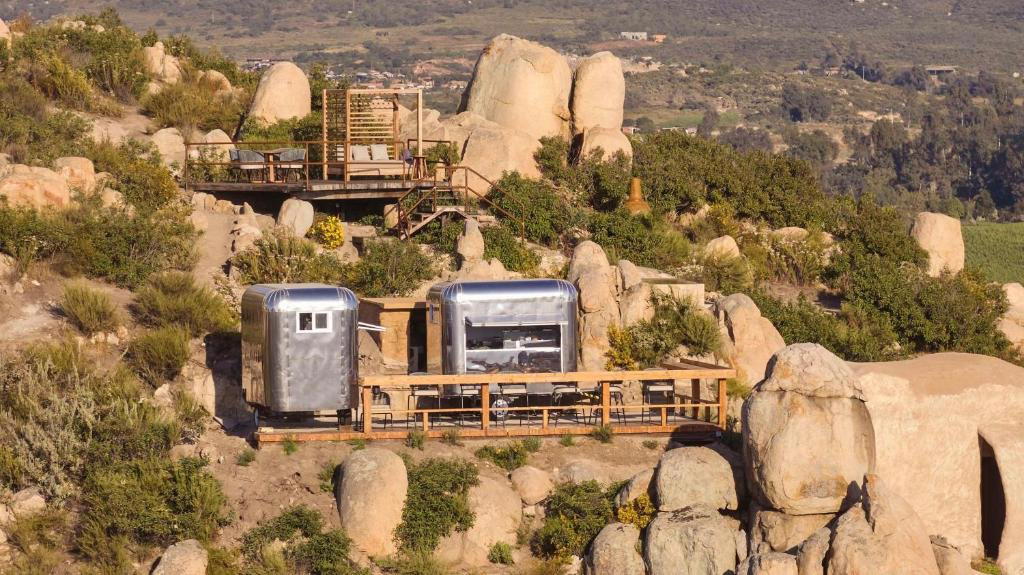
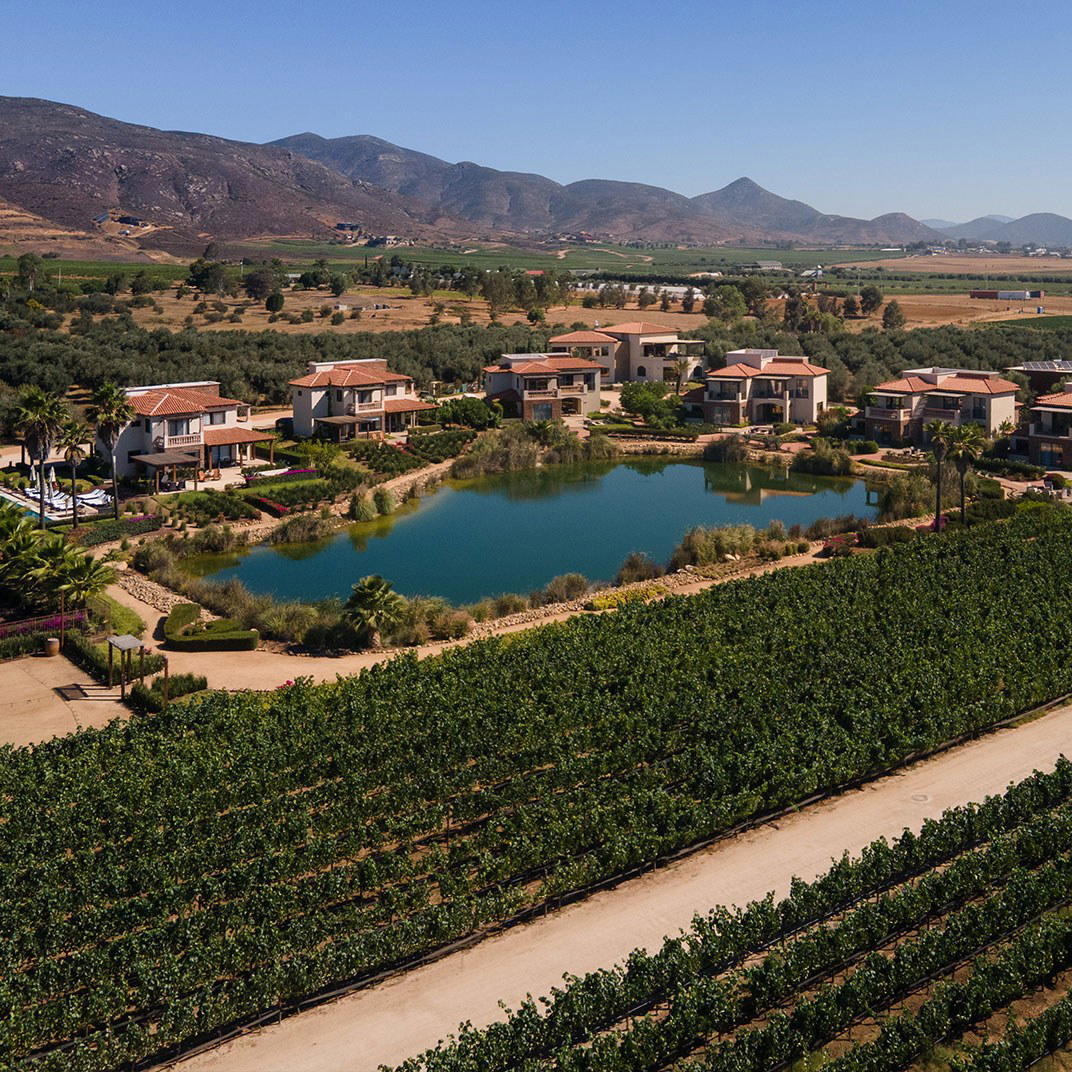
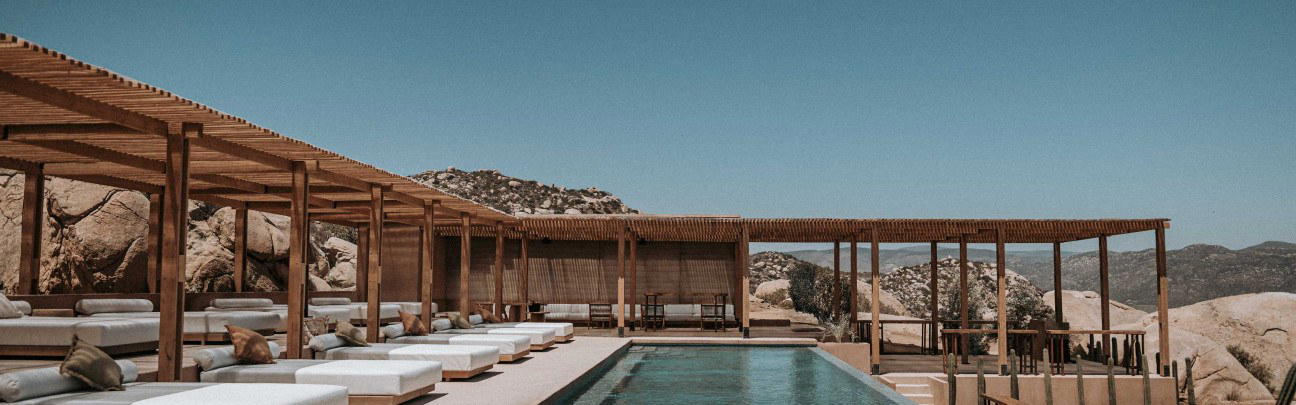
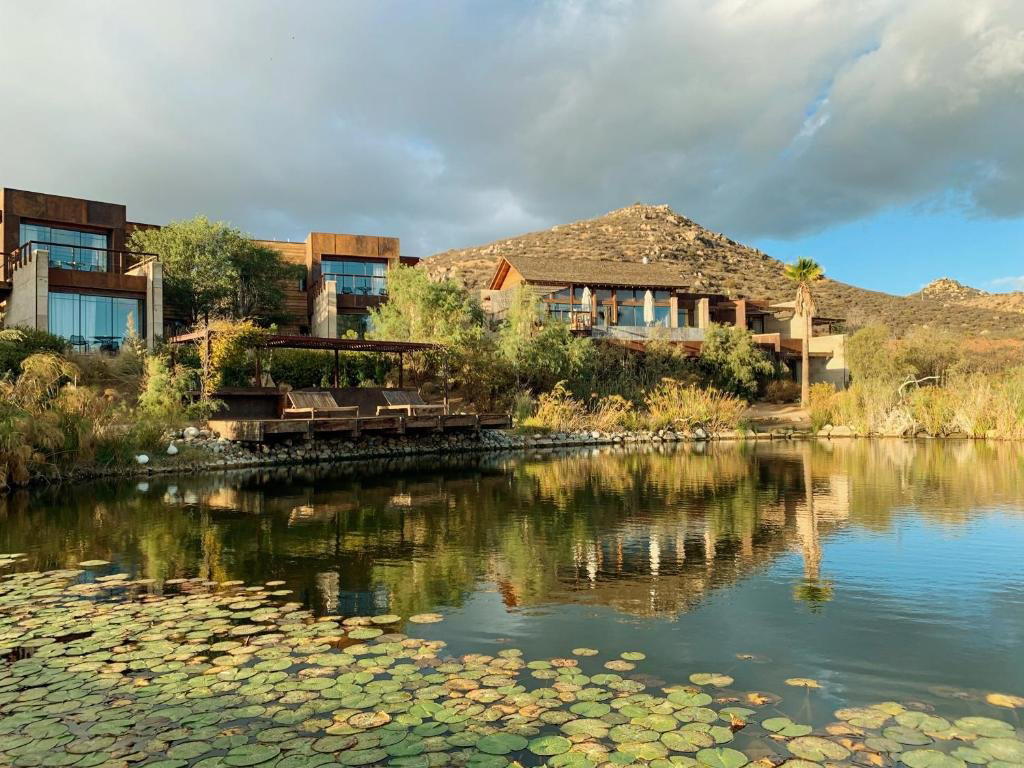
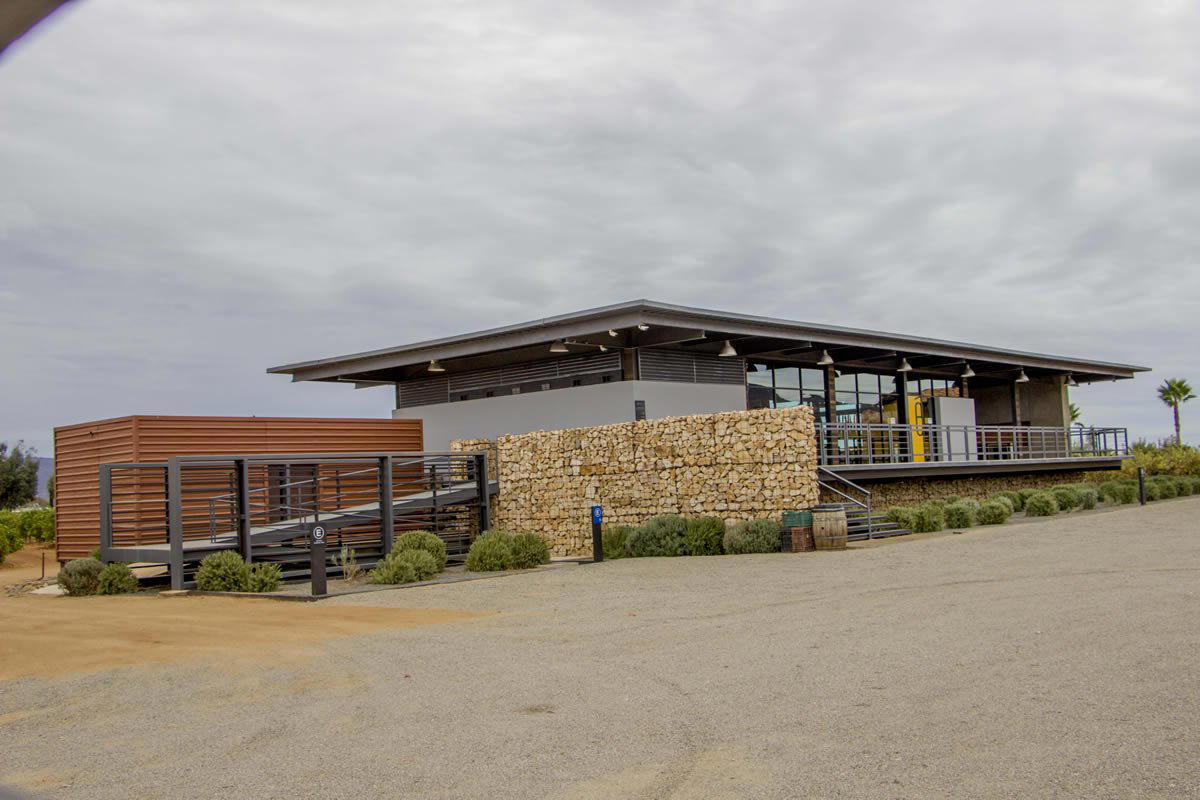
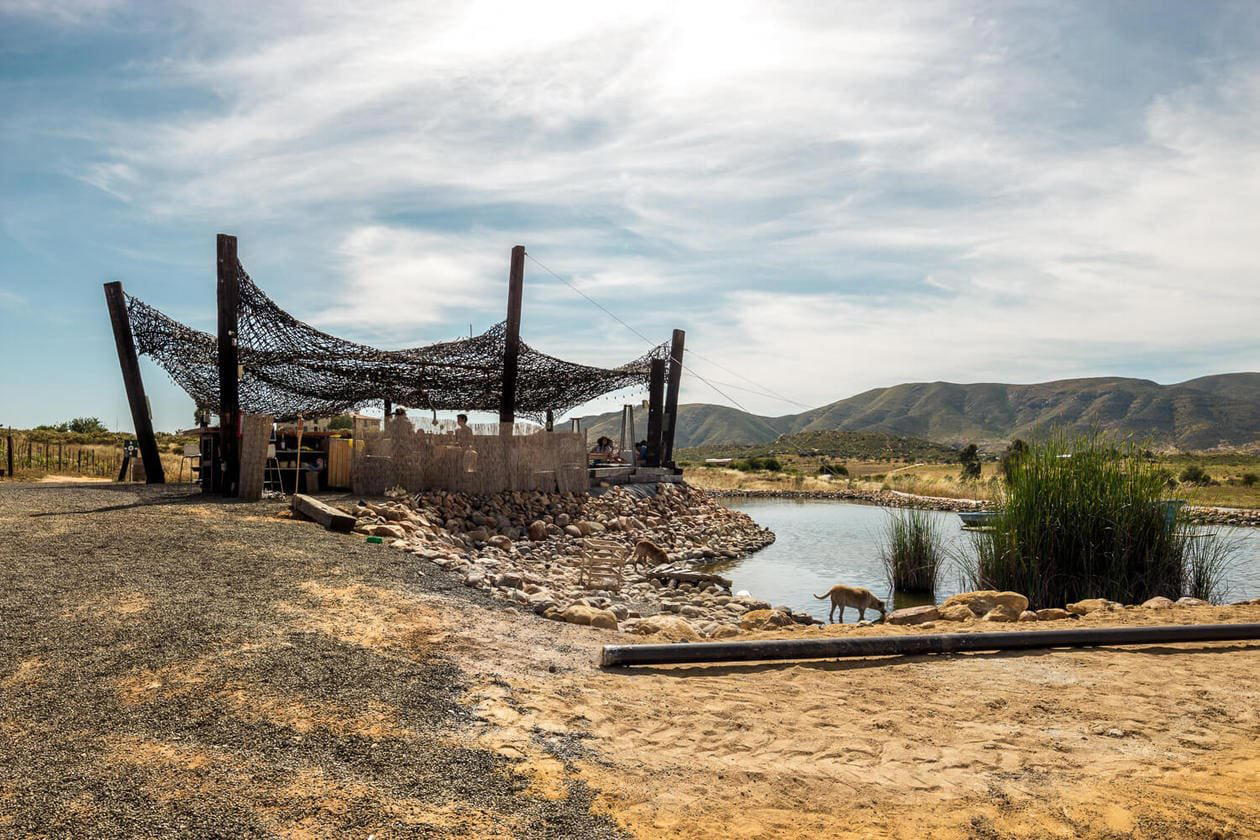
There is a particular quality to eating in Baja California's wine country that no enclosed dining room can replicate: the smell of chaparral in the afternoon heat, the light flattening over vineyard rows as the sun drops toward the Pacific, the sense that the kitchen and the landscape are operating in genuine conversation rather than polite proximity. Animalón, on the hillside above the valley floor at Km 38.5 on Route 3, makes that conversation structural. The open-air format is not an aesthetic gesture — it is the premise of the place, and it sets the terms for how Chef Oscar Torres's regional, seasonal cooking is received.
Valle de Guadalupe's premium dining scene has sharpened considerably in the last decade. What was once a loose cluster of outdoor kitchens with good wine lists has stratified into a recognisable hierarchy: a small tier of Michelin-recognised tables operating at international fine-dining standards, a mid-tier of accomplished regional kitchens, and a casual layer anchored by spots like Taqueria La Principal. Animalón occupies the upper bracket, alongside Damiana and Conchas de Piedra, each holding a single Michelin star. Among that cohort, Animalón is distinctive for the consistency of its recognition: consecutive stars in 2024 and 2025 suggest a kitchen operating with sustained discipline rather than a single exceptional season.
The Masa Question: How Corn Anchors the Menu
Mexican haute cuisine's relationship with corn is not decorative. At its most serious, the work begins with nixtamalization — the alkaline process that transforms dried maize into masa, and extends outward into tortilla craft, heirloom variety sourcing, and the question of which regional traditions the kitchen chooses to honour or reinterpret.enprimeurclub.enprimeurclub.com/restaurants/levadura-de-olla-restaurante-oaxaca-restaurant">Levadura de Olla Restaurante in Oaxaca to HA' in Playa del Carmen. The cuisine type listed as Regional and Seasonal is meaningful here, it signals a commitment to sourcing that shapes the menu's structure at the ingredient level, not merely its presentation. A tortilla at this price tier ($$$$ cuisine pricing, meaning a typical two-course meal runs above $66 before beverage) is not a garnish. It carries weight as evidence of the kitchen's technical position.enprimeurclub.com/restaurants/koli-cocina-de-origen-monterrey-restaurant">KOLI Cocina de Origen in Monterrey and Le Chique in Puerto Morelos, each operating within the same Michelin framework but drawing on distinct regional ingredients and traditions. The list is priced at $$, meaning it spans a range of price points rather than clustering exclusively at the premium end, with a $20 corkage fee for guests bringing their own bottles from nearby producers.
That corkage policy matters in practical terms. Valle de Guadalupe's winery density means that a guest arriving from an afternoon at one of the valley's smaller producers, or from a tasting at one of the properties covered in our full Valle de Guadalupe wineries guide, can bring a bottle to the table without a punitive fee. The $$ wine pricing relative to $$$$ cuisine pricing also means the beverage spend is more controllable than at peer restaurants where both tiers sit at the leading bracket.
The three-person sommelier team is notable for a single restaurant. At this depth of staffing, the service model allows for genuine conversation about the list rather than a perfunctory pour, and it signals that the program is treated as a parallel discipline to the kitchen rather than a support function.
Where Animalón Sits in the Valley's Broader Scene
The $$$$ price tier in Valle de Guadalupe occupies a specific position in the regional dining ecology. It sits above mid-tier outdoor kitchens but within a valley where the dominant dining mode remains convivial, outdoor, and wine-anchored rather than formal in the European sense. Deckman's En El Mogor represents one model in that conversation, open-fire cooking with deep local sourcing. Damiana represent others.
That tension is part of what makes the valley's top tier interesting to follow.
For readers thinking about how Valle de Guadalupe's fine-dining tier compares to Mexican restaurants operating in the United States, Alma Fonda Fina in Denver and Cariño in Chicago represent the direction serious Mexican cooking is taking in the American market, a useful frame for understanding what distinguishes a kitchen rooted in the source geography versus one translating it for a different context.
Planning a Meal: What to Know Before You Go
Animalón serves both lunch and dinner. Lunch is the dominant mode for Valle de Guadalupe, the valley's dining culture is built around long afternoon meals that begin around 2pm and extend through the late afternoon, with wine from nearby producers threading through the courses. The address at Km 38. Guests staying in the valley should consult our full Valle de Guadalupe hotels guide for properties within practical reach.
The cuisine price tier ($$$, meals above $66 before beverage) and the $$$$ designation place this at the top of the valley's pricing range. At that level, the expectation is a multi-course format with sommelier service, not a casual à la carte lunch. Budget accordingly, and factor in the wine program: even at $$ pricing, a serious pairing will add meaningfully to the bill. The $20 corkage fee is a practical option if a morning spent in the valley's vineyards has already produced a bottle worth opening at the table. For broader planning across the valley's dining, drinking, and activity options, our full Valle de Guadalupe restaurants guide, bars guide, and experiences guide cover the surrounding options. General Manager Jaime Moreno oversees operations, and the restaurant is co-owned by Javier Plascencia and Laura Ruiz, credentials that connect the kitchen to one of Baja California's most established culinary families.
For those building a longer Baja itinerary, Lunario in El Porvenir extends the regional wine-country dining conversation into neighbouring territory worth considering alongside a Valle de Guadalupe visit.
Frequently asked questions
What's the best thing to order at Animalón?
The kitchen's Regional and Seasonal designation under Chef Oscar Torres means the menu shifts with what Baja California produces, so no single dish is permanent. The corn-forward preparations are the clearest expression of the restaurant's philosophy — nixtamalization and masa work are central to Mexican haute cuisine at this level, not decorative. With back-to-back Michelin stars in 2024 and 2025, the tasting progression is the intended format rather than à la carte selection.
What should I budget for a meal at Animalón?
Pricing at Animalón is listed as $$$$.
Where is Animalón in Valle de Guadalupe?
Animalón is located at México 3 Supermanzana Km 38.5, 22761 Villa de Juárez, B.C. Mexico, Valle de Guadalupe.
Is Animalón award-winning?
Animalón has received recognition including: WINE: Wine Strengths: Mexico Pricing: $$ i Wine pricing: Based on the list\'s general markup and high and low price points:$ has many bottles < $50;$$ has a range of pricing;$$$ has many $100+ bottles Corkage Fee: $20 Selections: 130 Invent….
What's the best way to book Animalón?
Animalón holds consecutive Michelin stars (2024 and 2025) and is operating at the $$$$ price tier in a valley where serious lunch reservations fill weeks out. Lunch is the primary dining mode in the valley, so prioritise midday slots when planning your visit to Km 38.5 on México 3.
| Venue | Cuisine | Price | Awards | Notes |
|---|---|---|---|---|
| AnimalónThis venue — the venue you are viewing | Contemporary Mexican Fine Dining | $150–200 | 1 Michelin Star · Wine Spectator Award of Excellence | Not listed |
| Conchas de Piedra | Baja Seafood & Sparkling Wines | $50–100 | 1 Michelin Star | Seafood |
| Damiana | Contemporary Mexican Tasting Menu | Not listed | 1 Michelin Star | Mexican |
| Kous Kous | Moroccan Family-Style | $50–100 | Michelin Plate | Not listed |
| Primitivo | Contemporary Mexican Grill | $50–100 | Michelin Plate | Not listed |
| Taqueria La Principal | Classic Mexican Taqueria | $10–20 | Michelin Plate | Not listed |
Recognition history
Dated appearances from independent guides and award organizations, with the underlying list record or original source where available.
Michelin 1 Star
Michelin
Wine Spectator Award of Excellence
Wine Spectator
Full recognition history (4 entries)
Wine Spectator Award of Excellence
Wine Spectator
Michelin 1 Star
Michelin
Continue exploring
More in Valle de Guadalupe
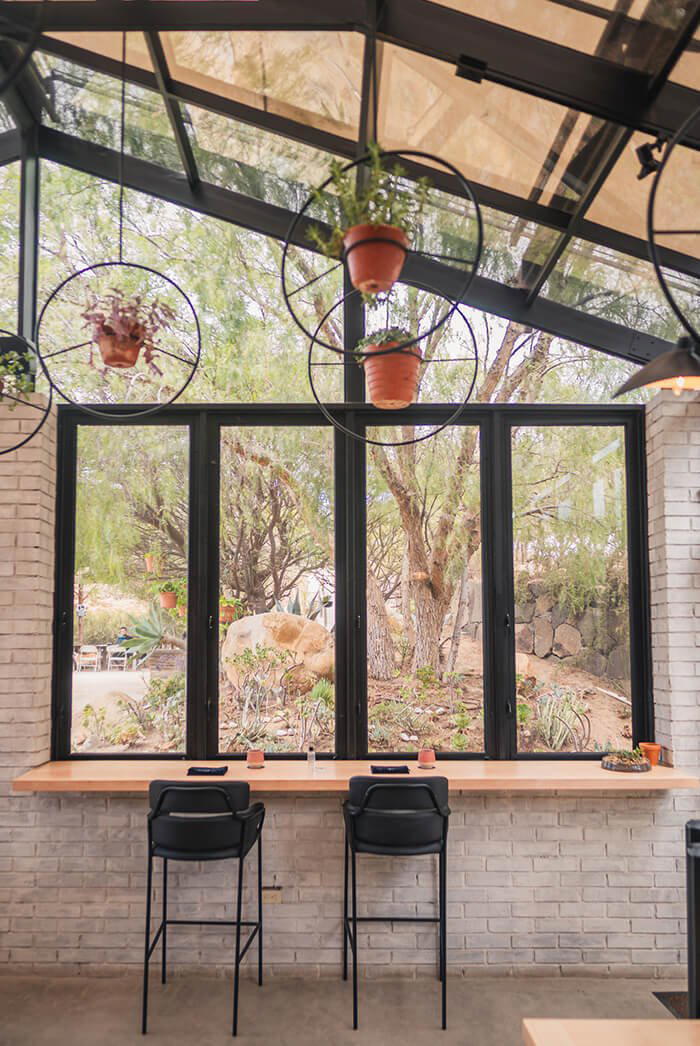
Restaurants in Valle de Guadalupe
Browse all →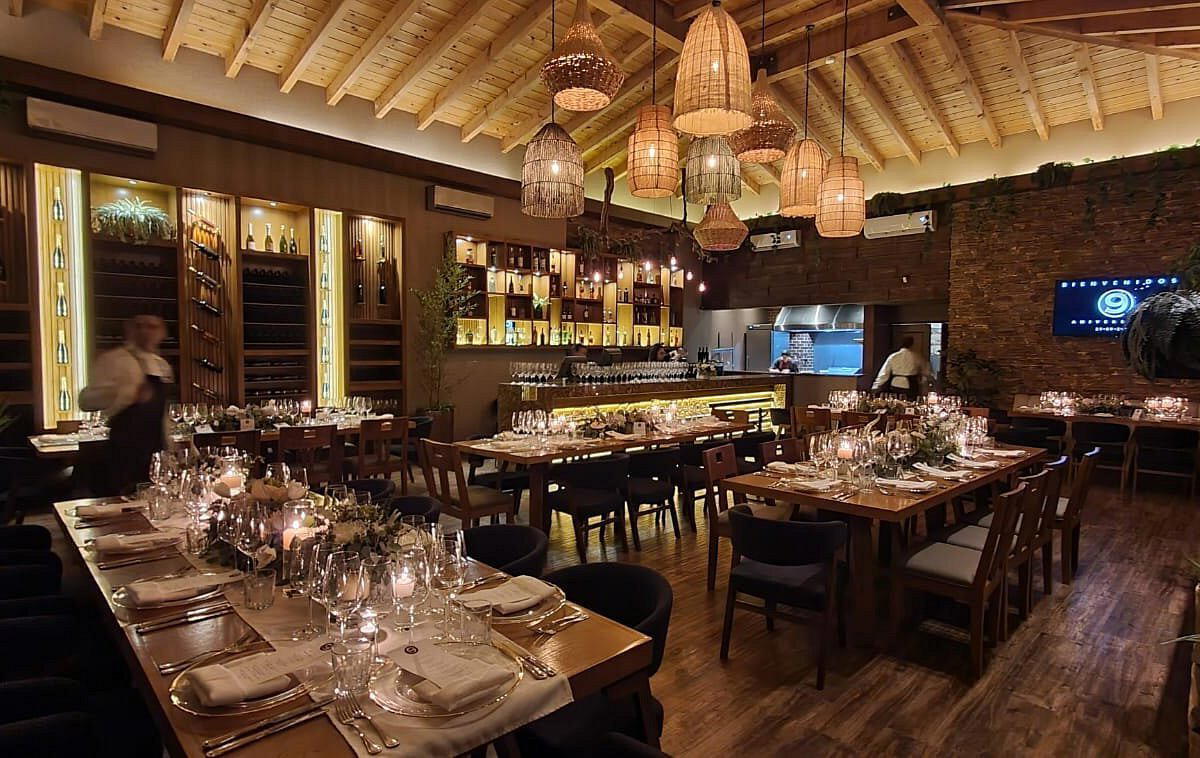
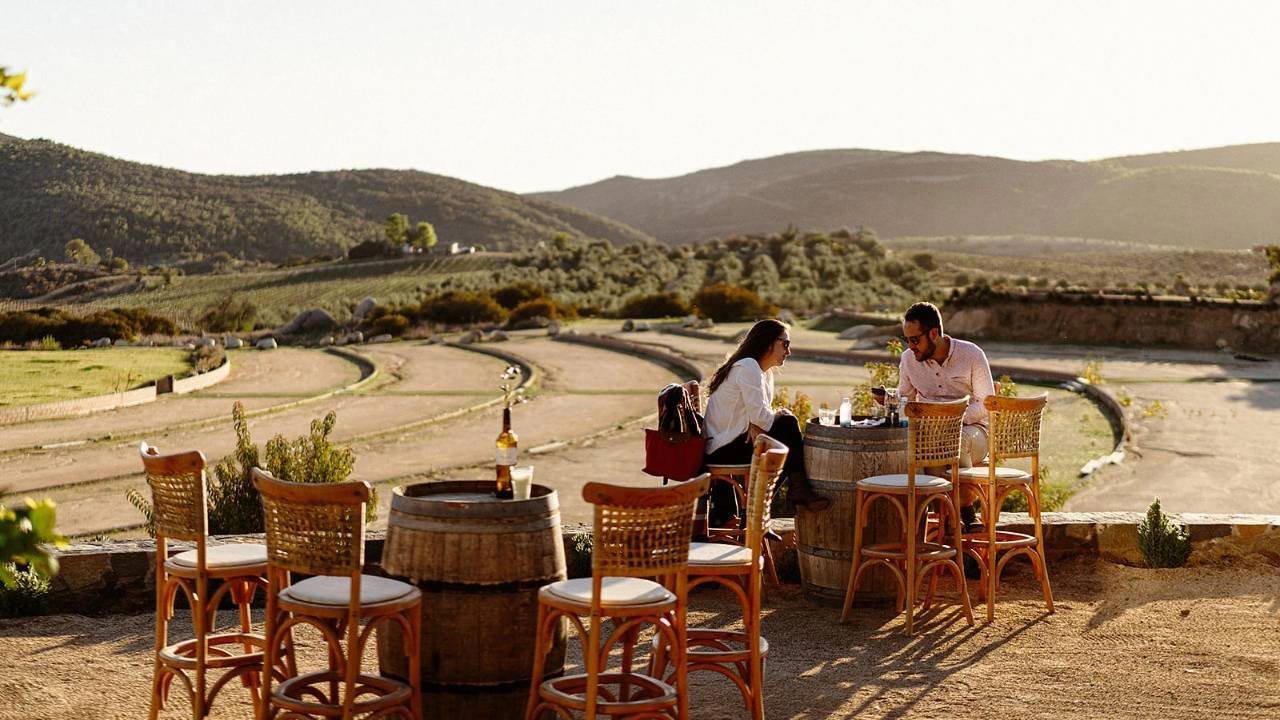
Bars in Valle de Guadalupe
Browse all →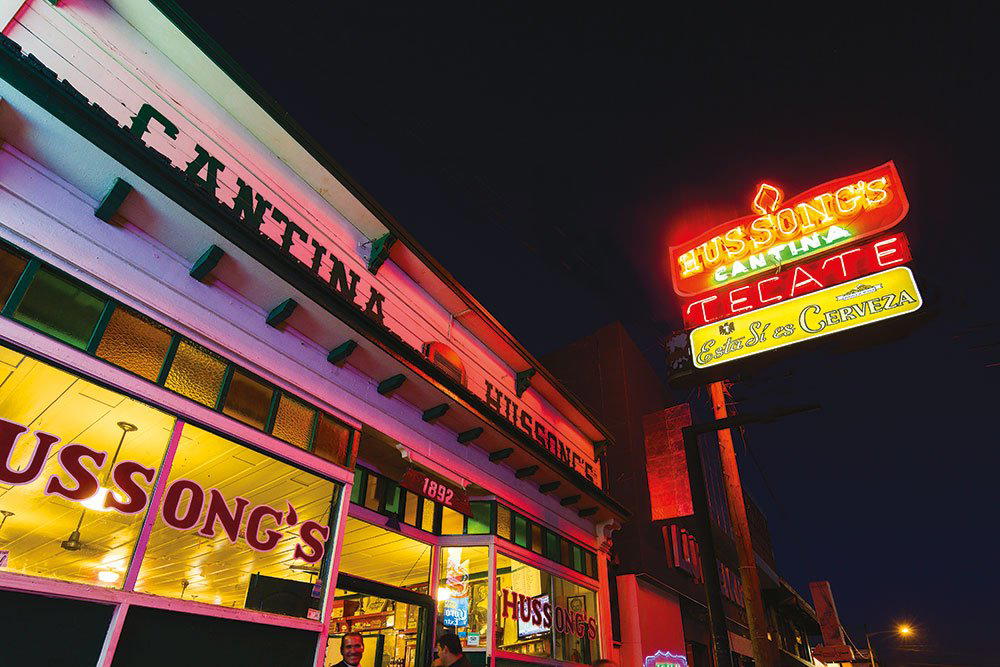
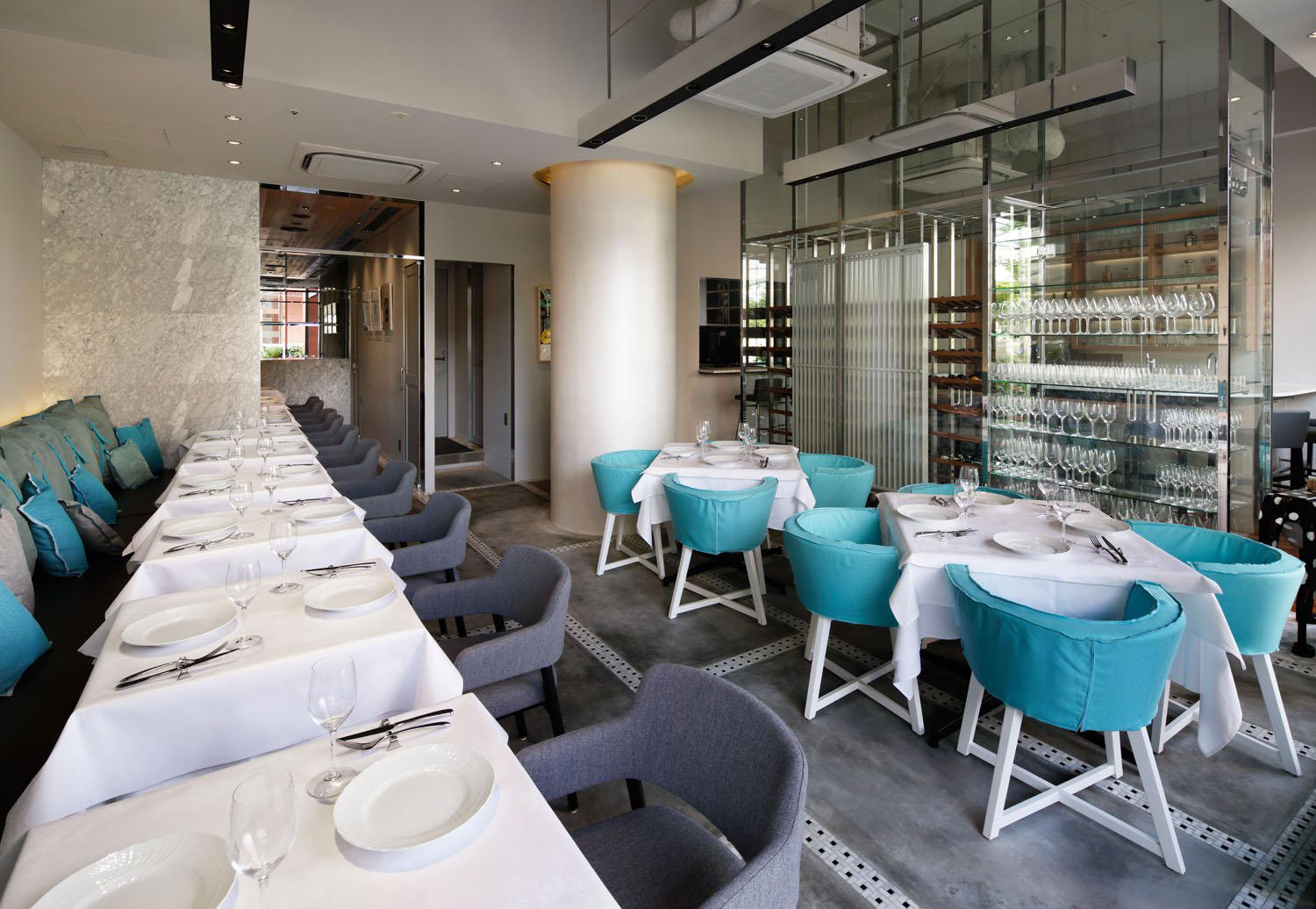
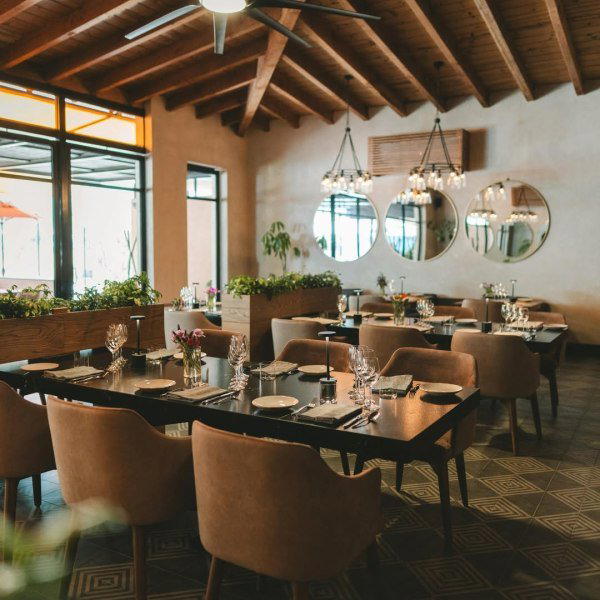
Hotels in Valle de Guadalupe
Browse all →
Details
- Romantic
- Rustic
- Scenic
- Elegant
- Intimate
- Date Night
- Special Occasion
- Celebration
- Open Kitchen
- Terrace
- Extensive Wine List
- Sommelier Led
- Farm To Table
- Local Sourcing
- Vineyard
- Tasting Menu
- Wine Program
- Vegetarian Friendly
- Vegan Options
Current opening hours
- Monday
- Closed
- Tuesday
- Closed
- Wednesday
- 3–8 PM
- Thursday
- 3–8 PM
- Friday
- 1–8 PM
- Saturday
- 1–8 PM
- Sunday
- 1–8 PM
Hours can change for holidays and private events. Last verified .
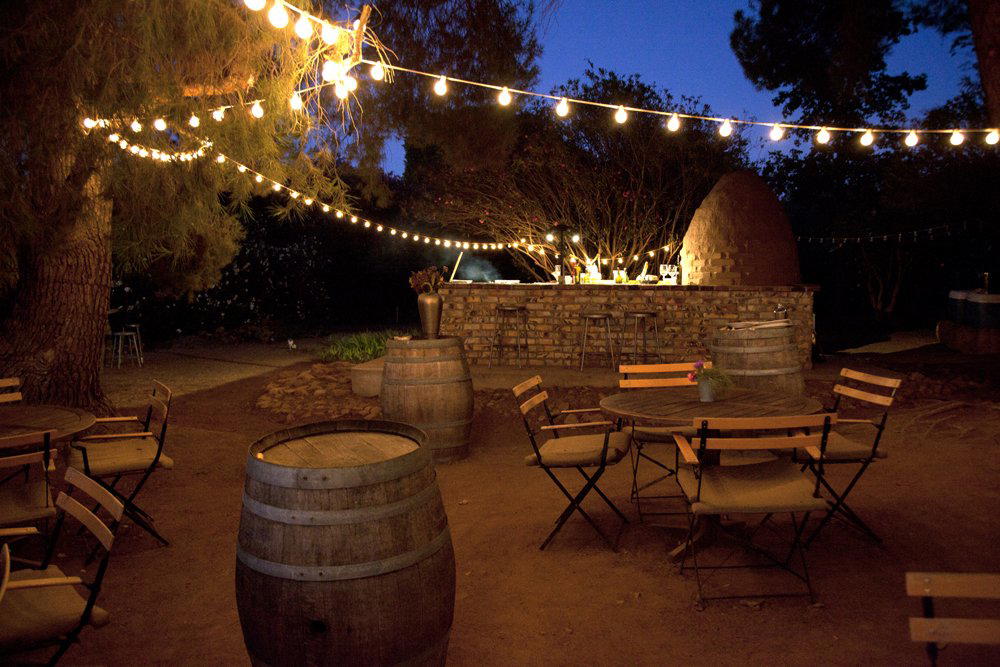
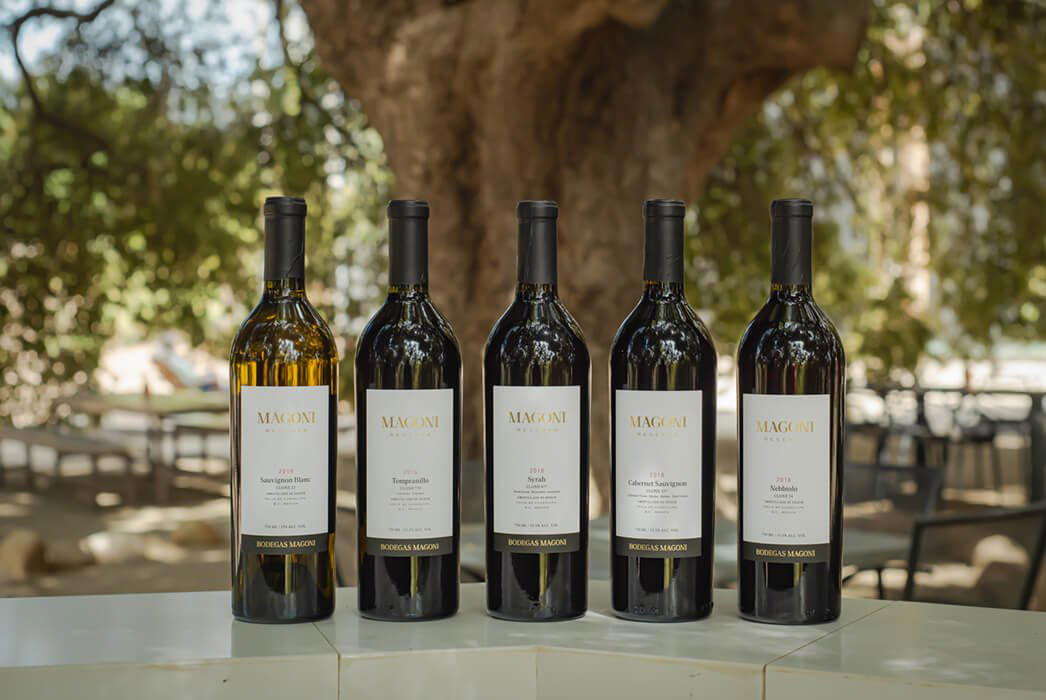
Tranquil and magical outdoor setting under ancient oak branches, creating an intimate natural cathedral-like atmosphere with warm hospitality.