
On a quiet stretch of Calle Porfirio Díaz in Oaxaca's Centro, Boulenc has established itself as a reference point for the city's European-inflected bakery and café scene. The format is spare: wood, light, and bread made with care. Plan your visit around morning hours, when the counter is at its fullest and the city's culinary rhythm is just beginning.
Pearl is the En Primeur Club membership app — saves, bookings, and concierge access live there. Same editors, same standards.
- Address
- C. Porfirio Díaz 207, RUTA INDEPENDENCIA, Centro, 68000 Oaxaca de Juárez, Oax., Mexico
- Phone
- +52 951 351 3648
- Website
- boulenc.mx
- Directions
- Get directions
 Saves & bookings on Pearl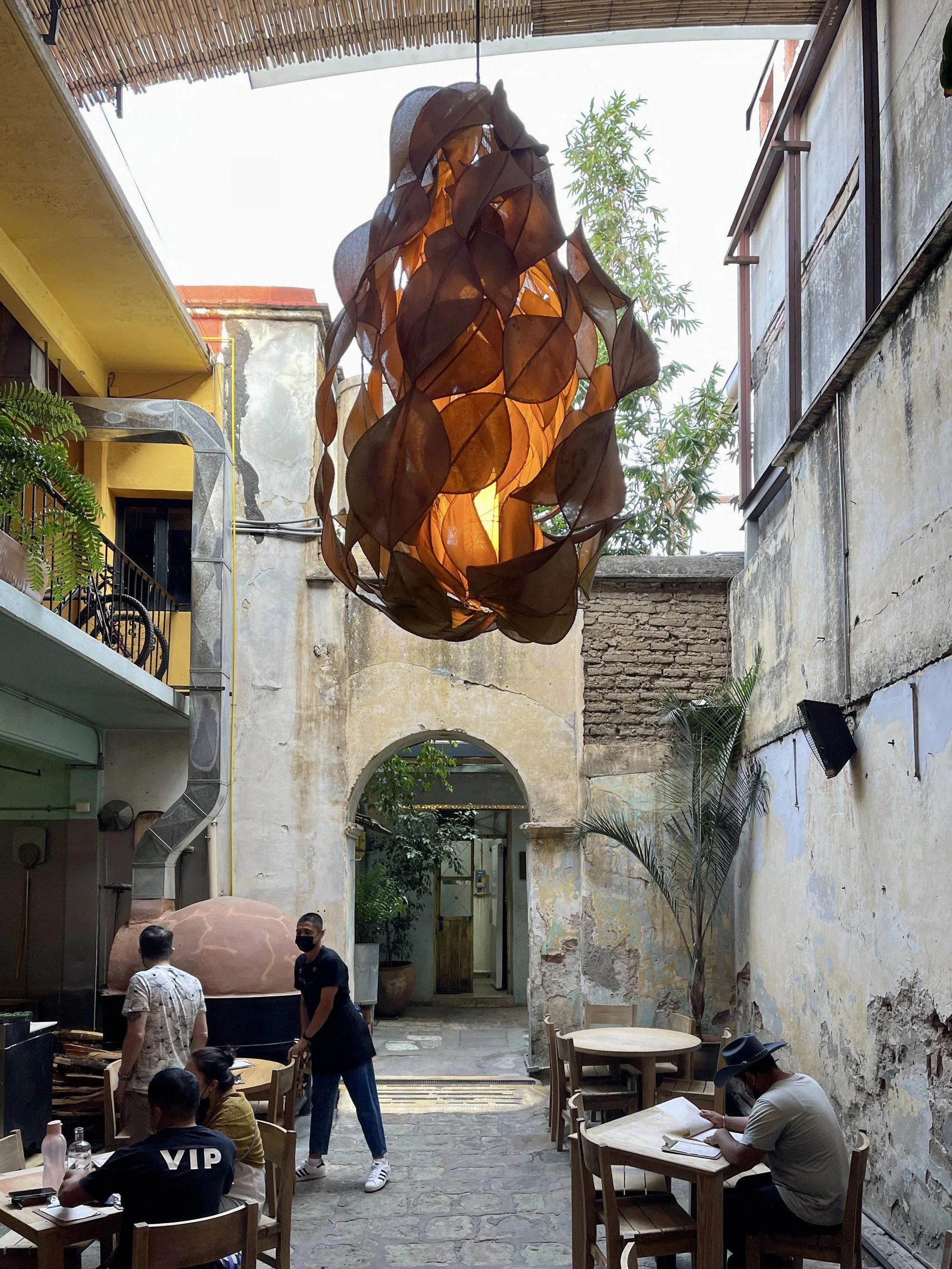
Bread, Light, and the Morning Economy of Oaxaca's Centro
There is a particular logic to how Oaxaca's Centro organizes itself around food. The neighbourhood moves in distinct registers: the market stalls and comedores that anchor the local working day, the mezcalerías that come alive in the afternoon, and a smaller tier of European-influenced cafés and bakeries that have taken root over the past decade, drawing both long-term foreign residents and a wave of visitors who arrive with a serious interest in eating. Boulenc, on Calle Porfirio Díaz 207, belongs firmly to that third register. The address places it in the RUTA INDEPENDENCIA stretch of Centro, within walking distance of the Zócalo but removed enough from the tour-group circuit to maintain a working-neighbourhood atmosphere.
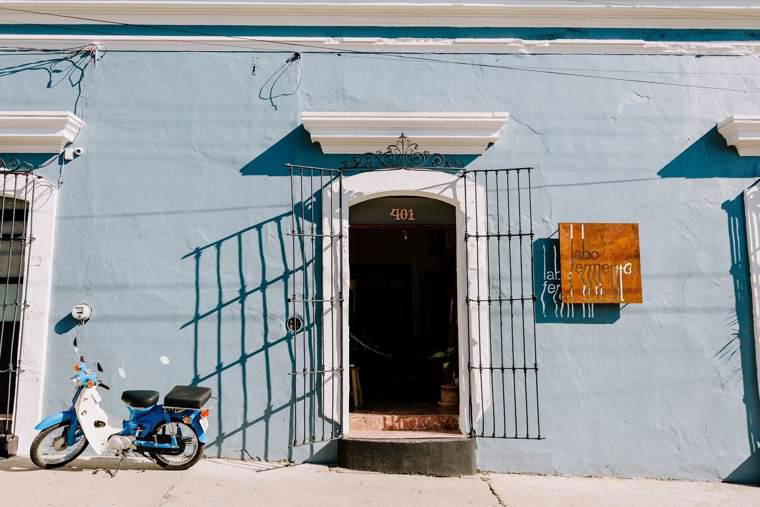
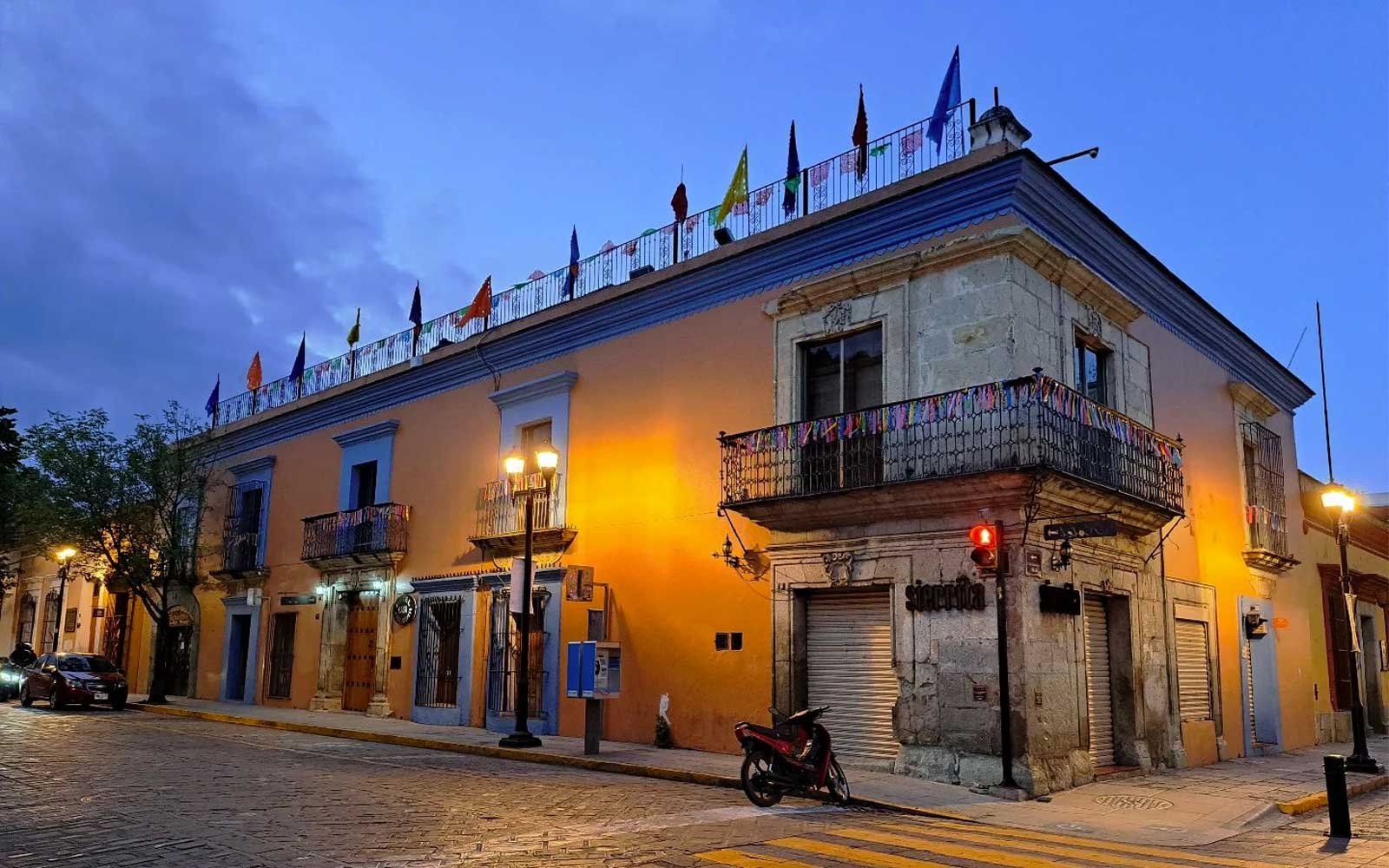
Approaching along Porfirio Díaz, the space reads quietly: there is no marquee signage competing for attention, and the aesthetic communicates through restraint rather than spectacle. Inside, the format is the kind that has become a reference point across Mexico's food-forward cities — a European-style bakery with serious sourced ingredients, a counter anchoring the room, and a café operation running alongside it. The combination has found particular traction in Oaxaca, where the city's deep bread culture (pan de yema, pan de muerto, the tlayuda's corn base) creates a context in which quality bread-focused concepts are understood rather than explained. Boulenc operates within that context without needing to argue for it.
Where Boulenc Sits in the Oaxaca Café Tier
Oaxaca's café scene has stratified considerably over the past several years. At the casual end, neighbourhood coffee counters and market-adjacent spots serve the local working population. Further along the spectrum, a cluster of more deliberate operations has emerged in Centro and the adjoining Jalatlaco neighbourhood, aiming at visitors and residents who want sourced coffee, baked goods made from quality flour, and a setting that rewards sitting for an hour. Boulenc sits in this second group, alongside operations like Cafe Los Cuiles, which has developed its own following among the city's café-literate crowd.
The distinction matters for planning purposes. A venue in this tier is not simply a stop for coffee before a museum visit — it is a destination in its own right, one that rewards going early, going deliberately, and understanding that the counter changes through the morning as items sell out. This is not a logistical complaint; it is how serious bakeries in this format operate globally, from San Francisco to Copenhagen to Mexico City. Lazy Bear in San Francisco and Le Bernardin in New York City operate on entirely different scales, but the underlying principle, that quality-driven operations require the visitor to meet them on their terms, applies across the tier.
Planning Your Visit: What to Know Before You Go
Oaxaca's food infrastructure has grown significantly in the past decade, but it remains a mid-size Mexican city with the booking culture that implies. For the formal dining tier, tasting-menu restaurants, reservation-required spots, advance planning of one to three weeks is the norm during high season (late October through January, and again around Semana Santa). Boulenc operates in a walk-in format typical of bakery-cafés in this category, meaning the relevant planning variable is not a reservation but timing within the day. Arriving early, particularly on weekends and during the November Día de Muertos period when the city sees its heaviest visitor influx, is the practical equivalent of booking ahead at a formal restaurant.
The address on Porfirio Díaz 207 is walkable from virtually every hotel in Centro. The Zócalo is a short walk, and the neighbourhood street grid is compact enough that Boulenc fits naturally into a morning that also takes in the Mercado Benito Juárez or the Santo Domingo church complex. For those also planning formal dinners during their stay, the broader Oaxaca dining tier includes Levadura de Olla Restaurante, which works in the same food-serious register, and Casa Crespo, which sits in a different bracket but covers similar ground for visitors building a full itinerary across our full Oaxaca City restaurants guide.
Mexico's broader fine-dining circuit, anchored by venues like Pujol in Mexico City, Alcalde in Guadalajara, and KOLI Cocina de Origen in Monterrey, increasingly treats Oaxacan ingredients and techniques as reference material. Boulenc sits upstream of that conversation, at the point where quality sourcing and bread craft establish the baseline vocabulary that the tasting-menu tier then works with. Visitors coming to Oaxaca after eating at Animalón in Valle de Guadalupe or Le Chique in Puerto Morelos will find Boulenc operating at a different register, but with the same underlying commitment to ingredient quality that defines the better end of Mexican food culture right now.
The Broader Centro Context
Centro is not a single dining scene but a layered one. The options that cluster near the Zócalo, including Bar Jardin Zocalo and Catedral Restaurant, serve a different function in a visitor's day than a spot like Boulenc. Those venues work the tourist infrastructure of the central square; Boulenc works the food-literate visitor who has done some reading before arriving. The distinction is not a value judgment on either approach, both have their place in a well-planned Oaxaca itinerary, but it is worth naming so that expectations align with experience.
For visitors who want to see how the local working-lunch register operates, Comedor María Teresa provides that counterpoint, as does the market infrastructure that runs parallel to Centro's more visitor-oriented restaurants. A complete picture of eating in Oaxaca requires both tiers.
Regional comparisons for this style of café-bakery can also be drawn to Olivea Farm to Table in Ensenada and Lunario in El Porvenir, both of which operate with similar commitments to sourced ingredients and daylight-hours formats, and HA' in Playa del Carmen, which applies comparable ingredient discipline in a coastal setting. Across these venues, the pattern is consistent: the most interesting mid-format operations in Mexico right now are defined less by scale than by specificity of sourcing and a willingness to let the product speak without theatrical intervention. Boulenc fits that pattern in Oaxaca as clearly as any venue in its tier. Pangea in San Pedro Garza Garcia represents the northern-Mexico counterpart to this sensibility, working similar quality commitments in a very different urban context.
How Boulenc Oaxaca compares with similar nearby venues.
| Venue | Cuisine | Price |
|---|---|---|
| Levadura de Olla Restaurante | Mexican | $$ |
| Nois | Mexican | $$$ |
Recognition history
Dated appearances from independent guides and award organizations, with the underlying list record or original source where available.
Opinionated About Dining Cheap Eats in North America Highly Recommended
Opinionated About Dining
Continue exploring
More in Oaxaca
Restaurants in Oaxaca
Browse all →
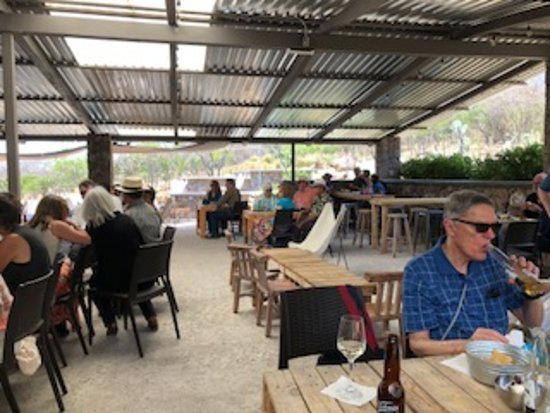
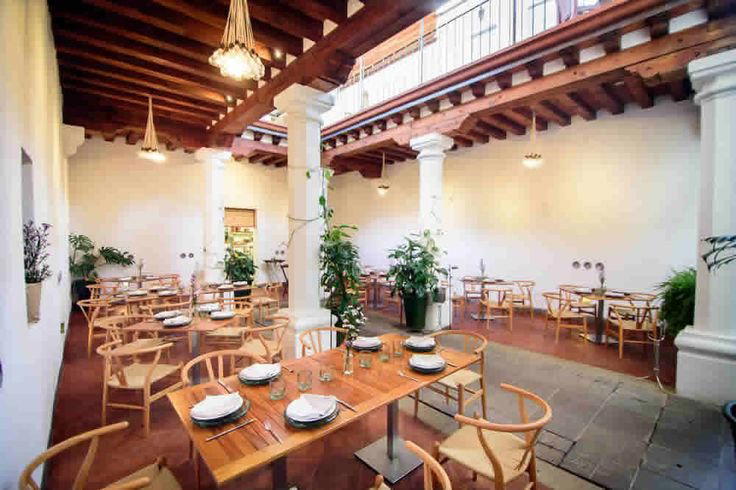
Bars in Oaxaca
Browse all →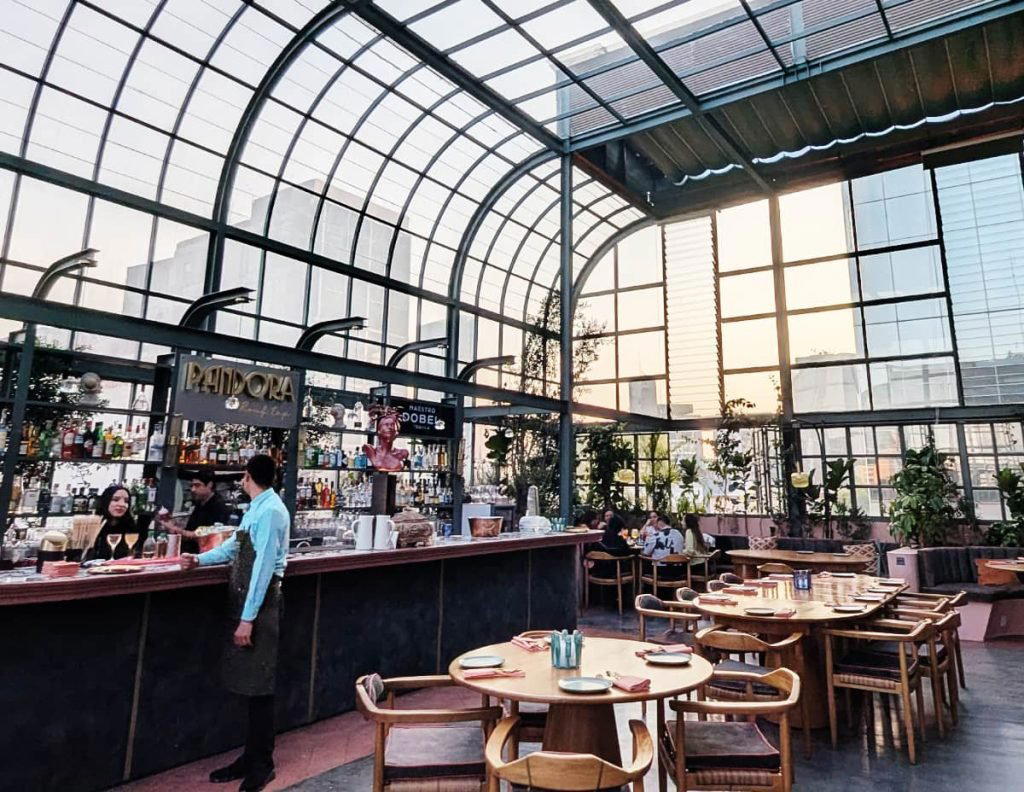
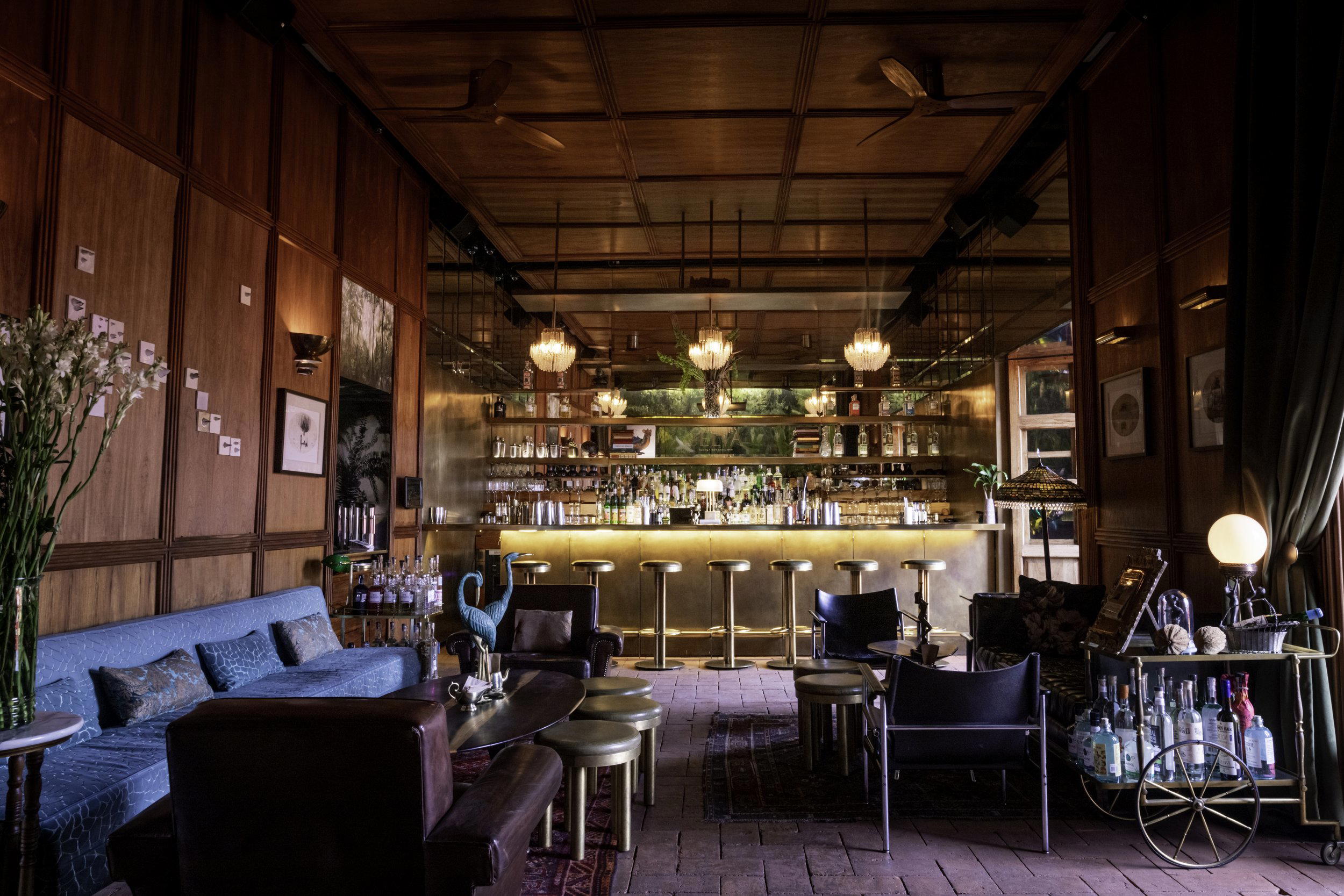
Hotels in Oaxaca
Browse all →

At a Glance
- Rustic
- Cozy
- Trendy
- Bohemian
- Brunch
- Casual Hangout
- Courtyard
- Open Kitchen
- Craft Cocktails
- Beer Program
- Local Sourcing
- Farm To Table
Current opening hours
- Monday
- 8:30 AM–11 PM
- Tuesday
- Closed
- Wednesday
- 8:30 AM–11 PM
- Thursday
- 8:30 AM–11 PM
- Friday
- 8:30 AM–11 PM
- Saturday
- 8:30 AM–11 PM
- Sunday
- 8:30 AM–11 PM
Hours can change for holidays and private events. Last verified .
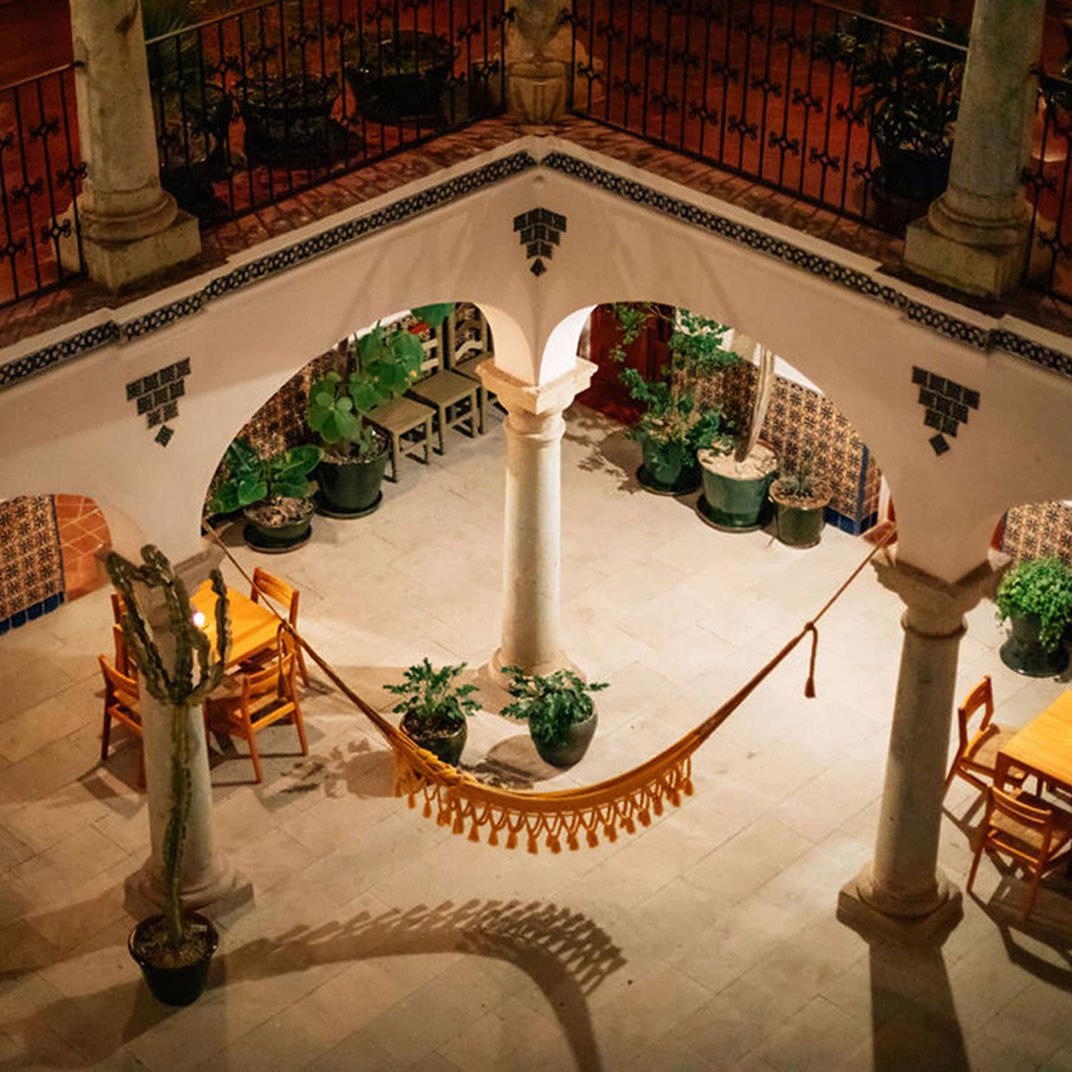
Relaxed rustic courtyard with morning energy, cozy atmosphere, and occasional live music in evenings.
Know Before You Go
- Getting there
- C. Porfirio Díaz 207, RUTA INDEPENDENCIA, Centro, 68000 Oaxaca de Juárez, Oax., Mexico