Casa Oaxaca Hotel occupies a restored colonial building on Calle García Vigil in the heart of Oaxaca City's centro histórico, placing guests within walking distance of the Zócalo, Santo Domingo temple, and the city's most serious mezcal bars. The property sits in a cluster of boutique hotels that together define Oaxaca's design-led accommodation tier, where intimate scale and architectural character carry more weight than brand affiliation.
Pearl is the En Primeur Club membership app — saves, bookings, and concierge access live there. Same editors, same standards.
- Address
- C. de Manuel García Vigil 407, RUTA INDEPENDENCIA, Centro, 68000 Oaxaca de Juárez, Oax., Mexico
- Phone
- +52 951 514 4173
- Website
- casaoaxaca.com.mx
- Directions
- Get directions
 Saves & bookings on Pearl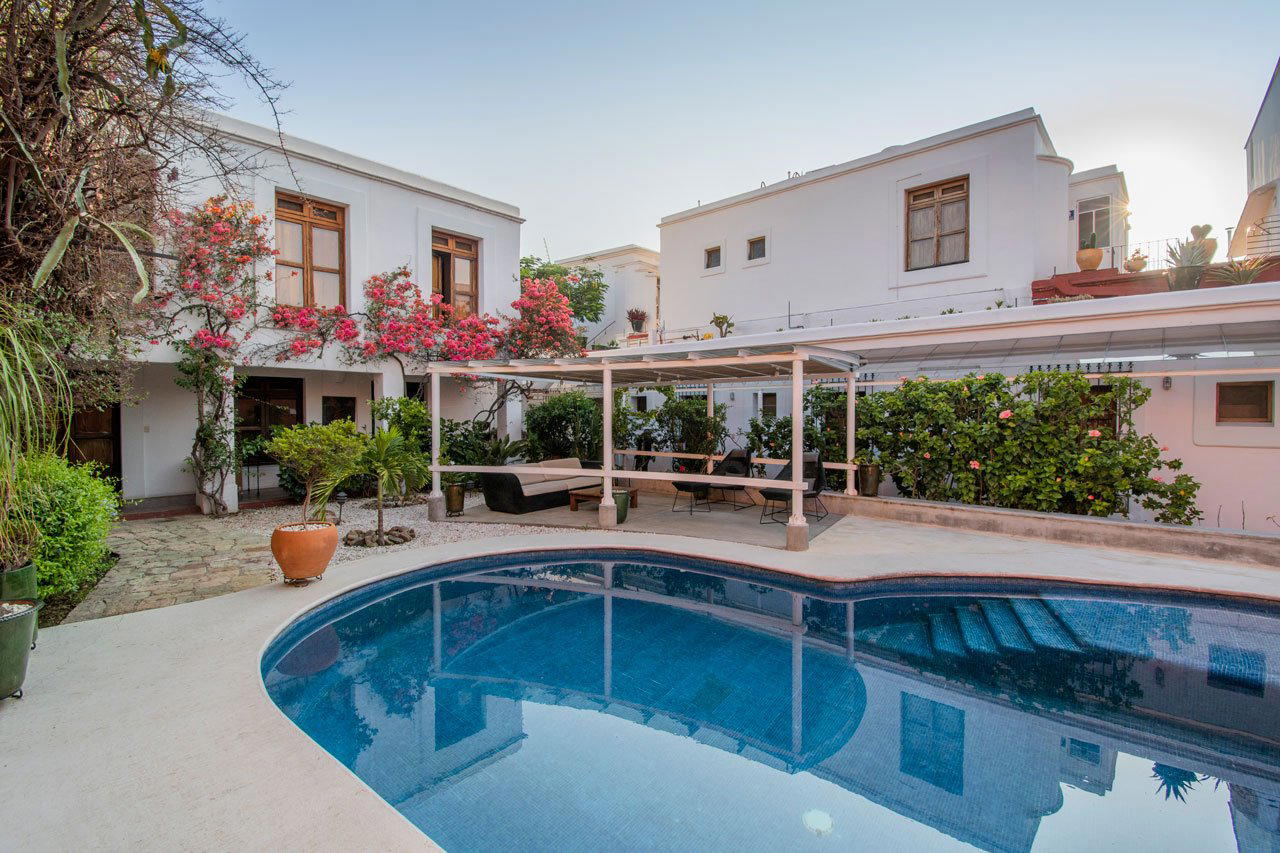
Where Colonial Architecture Meets the Quiet Business of Recovery
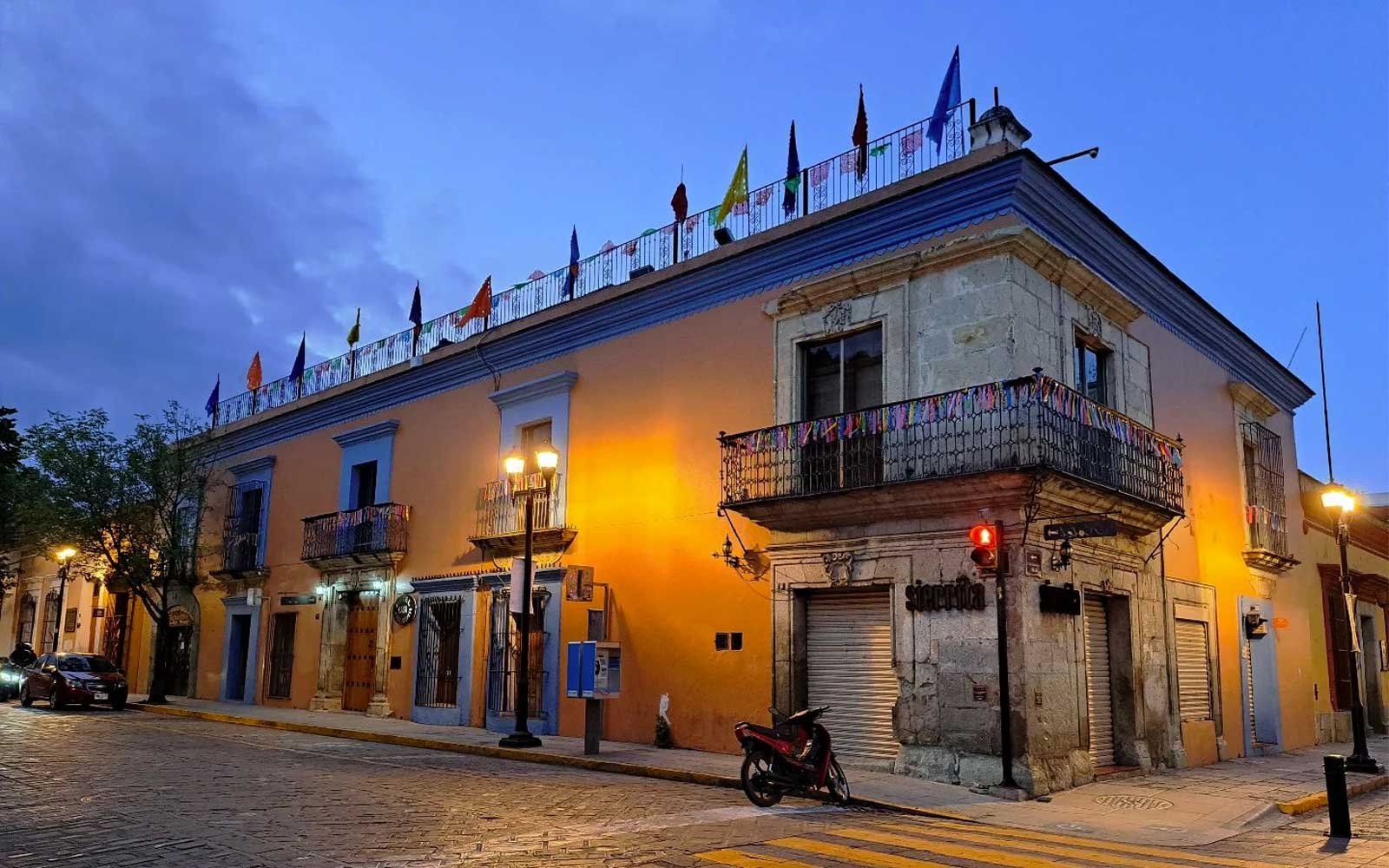
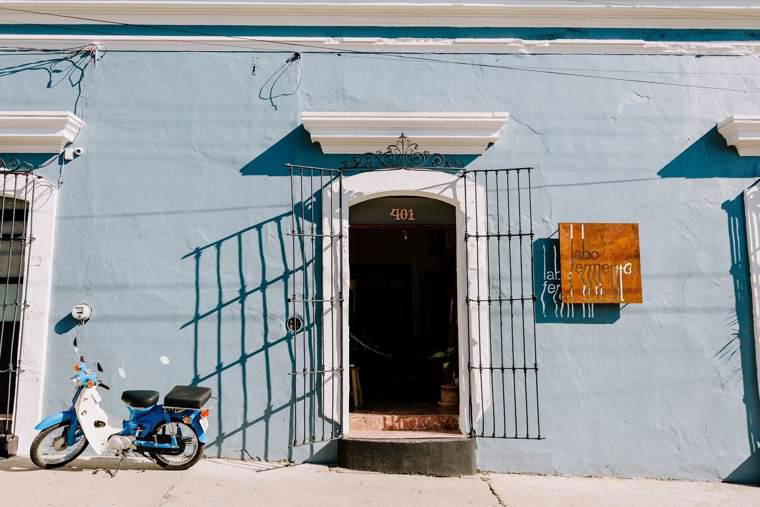
Calle Manuel García Vigil is one of those streets in Oaxaca City where the colonial grid does most of the work. Wide stone doorways lead into courtyard interiors that belong to another century, and the noise of the centro drops off almost immediately once you step inside. Casa Oaxaca Hotel occupies this kind of space, in a restored colonial building. The address alone, deep in the centro histórico, on a street that connects the Zócalo corridor to the neighbourhood around Santo Domingo, signals a particular kind of stay: unhurried, spatially generous, and oriented around the quality of the immediate environment rather than amenity lists.
Oaxaca City has developed one of the more coherent boutique hotel scenes in southern Mexico. Properties on and around García Vigil tend to compete on architectural authenticity and neighbourhood access rather than square footage or pool scale. Casa Oaxaca Hotel sits inside that pattern.
The Retreat Logic of a Colonial Courtyard
Wellness travel in Mexico has split along a familiar axis. One end runs toward purpose-built resort formats with structured programming, hydrotherapy circuits, and certified practitioners, properties like Hotel Hacienda Los Laureles Spa in Oaxaca, or further afield, Chablé Yucatán in Merida and Hotel Esencia in Tulum, which have made spa programming central to their identity. The other end is less institutional: properties where the architecture and the city itself do the restorative work, and where a guest's daily rhythm is self-directed.
Casa Oaxaca Hotel occupies the second category. The centro histórico is genuinely walkable to a degree that rewards a slower pace. Santo Domingo and its adjacent ethnobotanical garden, one of the more meditative outdoor spaces in any Mexican city, is close. The Mercado 20 de Noviembre and Mercado Benito Juárez operate on foot from García Vigil, and the city's mezcal bars and chocolate houses are similarly accessible. For a guest who finds recovery in purposeful wandering, sensory engagement with a food culture as deep as Oaxaca's, and long afternoons in colonial shade, the hotel's location functions as the programme. That's a different proposition from a hydrotherapy suite, but it's a coherent one.
Travellers seeking Oaxaca properties with dedicated spa infrastructure should cross-reference Hotel Hacienda Los Laureles Spa or look at properties further from the centro. Those drawn to the self-directed retreat model, where the city is the spa, will find the García Vigil corridor more aligned with that approach.
Oaxaca City as Context: Why the Address Does Significant Work
Oaxaca City's food and cultural scene has become among the more discussed in Latin America over the past decade, and the centro histórico is where that discussion is most concentrated. The city operates at an altitude of roughly 1,550 metres, which produces a dry, temperate climate that most visitors find easier to inhabit than the humidity of Mexico's coastal resorts. The light at this elevation has a particular quality in the late afternoon, the ochre and terracotta of the colonial facades reading differently than at sea level, and it rewards guests who are oriented around the city's rhythm rather than an all-inclusive schedule.
For a hotel positioned in the centro, the cultural programming is effectively ambient. The weeks around Día de Muertos bring elaborate street altars and processions within walking distance. The Guelaguetza festival each July draws the region's indigenous communities into public performance. Oaxaca's chocolate, mole, and mezcal traditions are all accessible at street level. A guest building a stay around food, craft, and cultural engagement will find the hotel's location provides access that a resort outside the city cannot replicate. Our full Oaxaca City restaurants guide maps the dining options by neighbourhood and register, which is worth reading before building a stay itinerary.
Placing Casa Oaxaca in a Wider Mexican Context
Mexico's premium boutique hotel market has matured considerably. At the resort end, properties like One&Only; Mandarina in Riviera Nayarit, Zadun, A Ritz-Carlton Reserve in Los Cabos, Maroma in Riviera Maya, and Four Seasons Resort Punta Mita compete on physical scale and service depth. At the heritage-city boutique end, the competition is different. Casa de Sierra Nevada, A Belmond Hotel in San Miguel de Allende and Casa Polanco in Mexico City represent the upper end of the colonial-restoration format in their respective cities. The hotel plays in Oaxaca's version of that bracket, a city with a stronger indigenous craft and food identity than San Miguel, and a different kind of cultural weight.
Casa Silencio in San Pablo Villa de Mitla, for instance, sits outside the city and offers a different spatial register. Xinalani in Quimixto and Las Alamandas in Costalegre represent Mexico's jungle-and-coast wellness niche. The hotel's pitch is specifically urban and colonial, and it should be evaluated on those terms.
Credentials Lens
Comparable venues nearby, for context on price, style, and recognition.
| Venue | Cuisine | Price | Awards | Notes |
|---|---|---|---|---|
| Casa Oaxaca HotelThis venue — the venue you are viewing | Intimate colonial boutique hotel in restored 18th-century mansion. | $$$$ | 5-Star | Not listed |
| Hotel Casa Santo Origen | Secluded boutique hideaway blending luxury with Oaxacan cultural richness. | $$$ | 5-Star | 2006700011772 |
| Hotel Hacienda Los Laureles Spa | 18th-century colonial hacienda with modern boutique amenities | $$$ | 5-Star | 2006700011575 |
| Hotel Escondido Oaxaca | Contemporary boutique blending historic adobe house and brutalist tower | $$$$ | 5-Star | 2006700010933 |
| Flavia Hotel | Brutalist boutique hotel harmonizing with natural surroundings on mountain slopes. | $$$ | 5-Star | 2006700010331 |
| Casa Antonieta | Historic colonial mansion with contemporary boutique hospitality. | $$$ | 4-Star | 2006700010204 |
Continue exploring
More in Oaxaca
Hotels in Oaxaca
Browse all →
Bars in Oaxaca
Browse all →

Restaurants in Oaxaca
Browse all →
At a Glance
- Romantic
- Intimate
- Elegant
- Rustic
- Romantic Getaway
- Honeymoon
- Anniversary
- Historic Building
- Terrace
- Pool
- Wi Fi
- Restaurant
- Concierge
- Garden
- Pool
- Wi Fi
- Restaurant
- Concierge
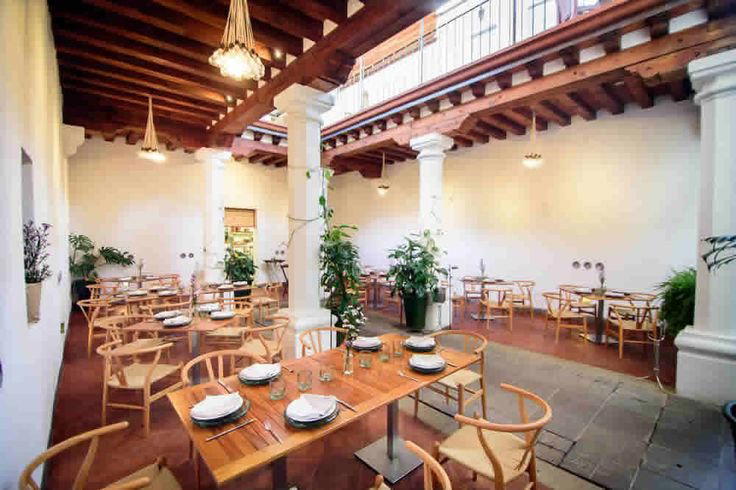
Tranquil and stylish with whitewashed courtyards, terracotta tiles, rich woods, traditional textiles, and soft natural light fostering a romantic, sophisticated atmosphere.