



Michelin Plate · Star Wine List · Tabelog 100 #3
Our verdict
Tinc Gana brings Catalan cuisine to Chiyoda's Ichigaya neighbourhood, with Chef Daisuke Tsuji applying a modern sensibility to Barcelona's local cooking traditions. A Michelin Plate holder in 2024 and 2025 and recommended by Opinionated About Dining, it operates as the refined sibling to the popular Spanish gastrobar Gracia. The kitchen's approach centres on carefully sourced ingredients and the kind of lightness that defines contemporary Catalan cooking.

Pearl is the En Primeur Club membership app, where members save venues, book tables and use the concierge.
The menu
What to order
- Jerome Basque cheesecake
- Iberico pork pluma
- Pan con tomate
- Scallops with pork fat
- Charcoal-grilled Hinai-jidori chicken
The Neighbourhood Restaurant as Philosophy
Tokyo has absorbed European dining traditions with a specificity that often surpasses what you find in the source cities. Its French bistros are more precise, its Italian trattorias more consistent, and the small cluster of Spanish and Catalan restaurants concentrated in central Tokyo argue, sometimes convincingly, that the city's ingredient discipline does something particular with Iberian cooking. Tinc Gana, located in Ichigaya's GEMS building in Chiyoda City, sits inside this pattern: a restaurant whose identity is shaped not by spectacle but by the trattoria instinct, the idea that a neighbourhood room, carefully run and ingredient-driven, produces more durable satisfaction than formal dining theatre.
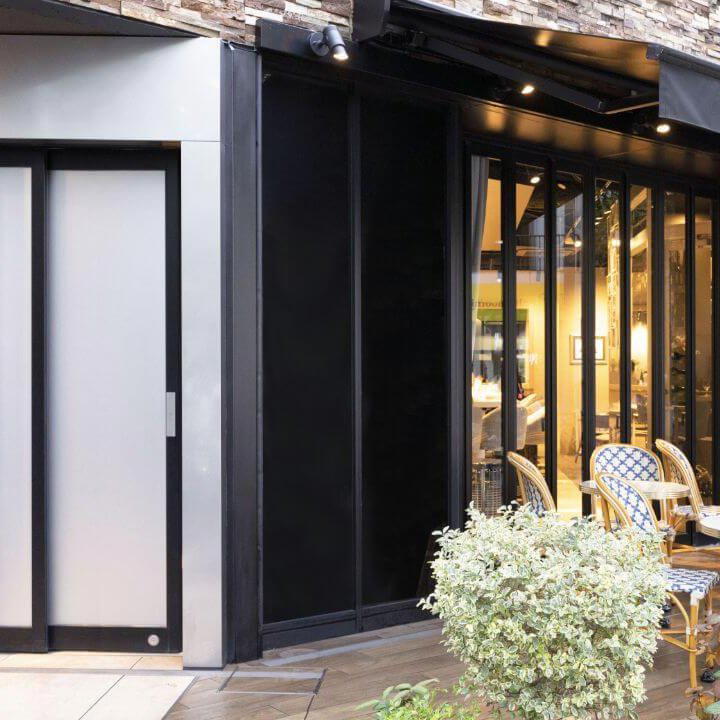
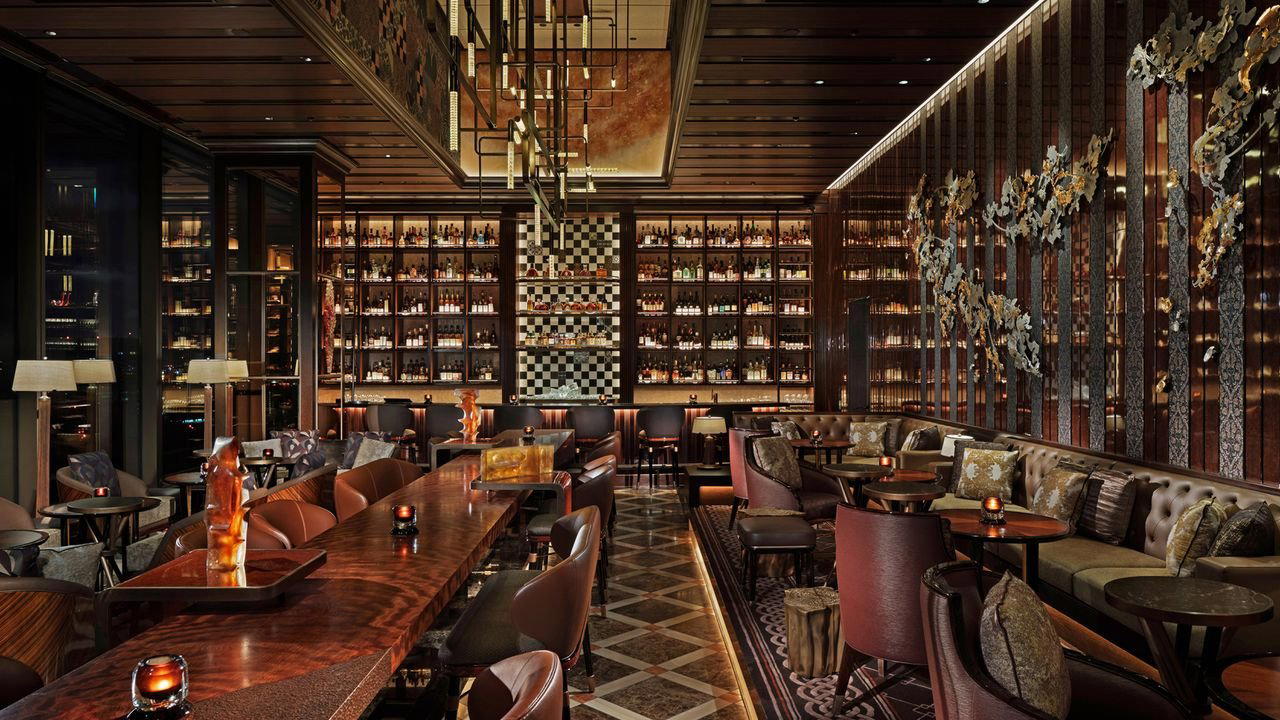
The name itself is a statement of intent. In Catalan, tinc gana means 'I'm hungry', and that directness, appetite without ceremony, carries through the restaurant's format. This is the sister venue to Gracia, the Spanish gastrobar that built an audience for accessible Iberian cooking in Tokyo. Where Gracia operates in gastrobar mode, Tinc Gana moves toward a more considered register: a stylish interior anchored by what the kitchen describes as a two-to-something centrepiece feature, materials-led design that signals refinement without the stiffness of formal dining.
Catalan Cooking in a Tokyo Context
Catalan cuisine is a specific regional tradition, not simply 'Spanish food with more technique'. It draws from the cuina de mercat approach, market-led, seasonal, and built on the simplest possible treatments of high-quality ingredients. Pan con tomate, the bread rubbed with ripe tomato and olive oil, is the cleanest illustration of this logic: it requires no complexity, only the right tomato. Tinc Gana takes that tradition as its reference and applies it with Tokyo's characteristic ingredient sourcing discipline, meaning that the lightness and restraint the kitchen aims for reflects both the Catalan source and the Japanese sensibility around produce quality.
Chef Daisuke Tsuji leads the kitchen with a stated focus on contemporary Spain's gastronomy as understood through Barcelona's local cuisine. That framing matters because it positions the menu as neither a greatest-hits tasting tour of Spanish classics nor a fusion exercise. Instead it grounds the cooking in a specific city's eating culture, one where neighbourhood restaurants, not tasting-menu destinations, have historically driven culinary identity. Tokyo's relationship with that tradition is instructive: Japanese diners respond to this kind of cooking, ingredient-forward, moderately formal, portion-conscious, because it maps onto values already embedded in washoku thinking.
Within Tokyo's European dining tier, Tinc Gana occupies a useful middle position. The price range sits at ¥¥¥, a step below the ¥¥¥¥ category occupied by venues like Harutaka, L'Effervescence, RyuGin, and Sézanne. That pricing reflects a deliberate register: a place where the cooking is serious but the transaction feels proportionate to an evening out rather than a special occasion spend.
Recognition and What It Signals
Tinc Gana holds a Michelin Plate in both 2024 and 2025, and carries a recommendation from Opinionated About Dining's Japan list for 2023. The Michelin Plate, often underread, is a meaningful signal in a city where the full star system is applied with notable rigour. It indicates cooking that the inspectors regard as good, without the omakase counter format or kaiseki precision that typically drives starred recognition in Tokyo. OAD's Japan list, built from votes by experienced diners rather than anonymous inspection, adds a different validation layer: it reflects actual repeat engagement from the kind of audience that eats broadly and tracks patterns across the city's dining scene.
That combination of credentials positions Tinc Gana as a restaurant that has earned attention across two distinct evaluation systems, one inspection-based, one peer-reviewed.
The Trattoria Logic Applied
What makes a neighbourhood restaurant work, in Tokyo as in Barcelona, is not the menu alone but the calibration of the whole experience: the pace, the noise level, the sense that you can return without occasion. The hours at Tinc Gana, 5 pm to midnight from Monday through Saturday with Tuesday closed, suggest a dinner-focused operation comfortable with late tables, more in line with Spanish eating rhythms than Tokyo's typically earlier restaurant culture. That timing detail matters for how the room is likely to feel across an evening: less a destination that turns tables quickly, more a place that allows the meal to expand or contract around conversation.
The trattoria ethos is also about what the kitchen does not do. It does not perform. It does not construct elaborate tableside narratives around each course. The Catalan reference point, with its insistence on ingredient quality over technique display, supports that restraint. Pan con tomate remains one of the menu's anchors precisely because it requires confidence to serve something so minimal in a market where diners can access elaborate tasting formats at multiple price points.
Planning Your Visit
For readers building a broader Japan itinerary, the European-inflected dining scene is not only a Tokyo story. HAJIME in Osaka works in a different register entirely, and akordu in Nara takes Spanish technique into an ancient Japanese city in ways that produce a genuinely different result to what Tokyo offers. Gion Sasaki in Kyoto, Goh in Fukuoka, 1000 in Yokohama, and 6 in Okinawa each represent regional variations on the same question of how European and Japanese cooking logics interact. For comparison points outside Japan, Le Bernardin in New York City and Atomix in New York City illustrate how different cities build their own frameworks for European-derived fine dining.
Tokyo guides across categories: restaurants, hotels, bars, wineries, and experiences.
Know Before You Go
- Address: GEMS Ichigaya 1F, 4-3 Rokubancho, Chiyoda City, Tokyo 〒102-0085
- Price range: ¥¥¥
- Hours: Monday, Wednesday–Saturday 5 pm–12 am; Sunday 5 pm–12 am; Tuesday closed
- Cuisine: Catalan / Spanish contemporary
- Chef: Daisuke Tsuji
- Awards: Michelin Plate 2024 and 2025; Opinionated About Dining Japan Recommended 2023
- Booking: Contact details not listed, check directly via Google or reservation platforms
Frequently asked questions
What's Tinc gana's location?
Tinc gana is located at Japan, 〒102-0085 Tokyo, Chiyoda City, Rokubancho, 4−3 GEMS市ヶ谷 1階, Tokyo.
Which chef is Tinc gana associated with?
The chef associated with Tinc gana is Daisuke Tsuji.
Price Lens
| Venue | Cuisine | Price | Awards | Notes |
|---|---|---|---|---|
| Tinc ganaThis venue (the venue you are viewing) | Modern Spanish Gastrobar | $50–100 | Michelin Plate · Star Wine List | Not listed |
| Harutaka | Edo-Style Omakase Sushi | $200–300 | 3 Michelin Stars · World's 50 Best #76 | Sushi |
| RyuGin | Modern Kaiseki | $500+ | 3 Michelin Stars · World's 50 Best #41 | Kaiseki, Japanese |
| L'Effervescence | Modern French with Japanese Influences | $200–300 | 3 Michelin Stars · World's 50 Best #69 | French |
| HOMMAGE | Modern French with Japanese Influences | $150–200 | 2 Michelin Stars · World's 50 Best #78 | Innovtive French, French |
| MAZ | Innovative Peruvian-Japanese Fusion | $150–200 | 2 Michelin Stars · World's 50 Best #28 | Innovative |
Recognition history
Dated appearances from independent guides and award organizations, with the underlying list record or original source where available.
Michelin Plate
Michelin
Star Wine List
Star Wine List
Opinionated About Dining Top Restaurants in Japan Recommended
Opinionated About Dining
Tabelog 100 #3 · No. 3
Tabelog · Tabelog 100 - Spanish cuisine - 2026
Full recognition history (7 entries)
Michelin Plate
Michelin
Michelin Plate
Michelin
Opinionated About Dining Top Restaurants in Japan Recommended
Opinionated About Dining
Continue exploring
More in Tokyo
Restaurants in Tokyo
All restaurants in Tokyo →


Bars in Tokyo
All bars in Tokyo →





Details
- Modern
- Elegant
- Sophisticated
- Lively
- Date Night
- Special Occasion
- Celebration
- Group Dining
- Open Kitchen
- Chefs Counter
- Craft Cocktails
- Sommelier Led
- Local Sourcing
- Tasting Menu
- Prix Fixe
- Counter Dining
- Cocktails
- Wine Pairings
- Allergy Accommodating
Current opening hours
- Monday
- 5–11:30 PM
- Tuesday
- 5–11:30 PM
- Wednesday
- 5–11:30 PM
- Thursday
- 5–11:30 PM
- Friday
- 5–11:30 PM
- Saturday
- 5–11:30 PM
- Sunday
- Closed
Hours can change for holidays and private events. Hours as of .
Open kitchen with counter seating allows diners to witness culinary preparation; warm, inviting atmosphere with lively energy from the kitchen.