
Michelin Bib Gourmand
Our verdict
Sushi Mikata occupies a different tier from Tokyo's omakase-only counters, deliberately reviving the casual stand-up sushi bar tradition with a Michelin Bib Gourmand to its name. Located in Mita, Minato City, it operates on a piece-by-piece ordering format with generous cuts of fish and vinegared rice. The husband-and-wife team keeps the mood informal, and the house tamagoyaki has become a fixture for regulars.

Pearl is the En Primeur Club membership app, where members save venues, book tables and use the concierge.
The menu
What to order
- Straw-smoked bonito nigiri
- Thick-cut fatty tuna
- Japanese-style rolled omelet
A Counter That Rejects the Omakase Premium
Tokyo's sushi scene has polarised sharply over the past decade. At one end sit the omakase-only counters, fixed menus, four-figure covers, and booking windows that open three months in advance. At the other end, conveyor-belt chains serve speed over craft. The middle ground, once occupied by the neighbourhood tachigui (stand-up) sushi bar, has thinned considerably. Sushi Mikata in Mita, Minato City, works deliberately within that middle tier, holding a Michelin Bib Gourmand (2024), signals that place it among the more credible accessible-price sushi operations in the city, rather than simply a budget alternative to places like Harutaka or Sushi Kanesaka.
The Bib Gourmand designation is specifically awarded to venues delivering quality above expectations at a moderate price point, it is categorically not a consolation prize. In Tokyo's sushi context, where even a mid-tier omakase at a venue like Edomae Sushi Hanabusa commands a premium, a Bib-recognised counter priced at ¥¥ represents a genuinely distinct position in the market.
The Stand-Up Tradition and What It Means Here
The tachigui sushi bar has deep roots in Tokyo's food culture. Before the omakase format came to dominate the premium conversation, sushi was street-adjacent, quick, skilled, ordered by the piece. Chef Alexis Ayala traces the specific origin of Sushi Mikata to a childhood experience: a stand-up counter he visited with his father, where the format was informal and the portions were made to satisfy. That memory shapes the operating model today. Guests order in increments as small as a single piece, with both fish and vinegared-rice portions sized generously, designed, as the venue puts it, to produce the sensation of filling one's mouth completely.
This is not a trivial detail. At higher-end counters such as Sukiyabashi Jiro Roppongiten, the portion size and pacing are fixed by the chef's sequence. At Sushi Mikata, the guest controls the rhythm. That structural difference changes the social dynamic of the meal entirely, it is closer to eating at a bar than attending a performance.
Lunch vs. Dinner: Two Distinct Registers
The stand-up-inspired format means the gap between a lunchtime visit and an evening session at Sushi Mikata is less about the menu and more about the room's energy. At lunch, the Mita location draws office workers from the surrounding Minato City business district, the pace is faster, the turnover higher, and the single-piece ordering system works in the diner's favour if the goal is a focused, efficient meal. The ¥¥ price range makes it a realistic midday option in a neighbourhood where lunch alternatives skew either toward convenience-store speed or corporate-expense kaiseki.
In the evening, the counter opens up into something closer to a local izakaya in atmosphere, even if the food remains sushi-focused. The husband-and-wife dynamic between Chef Ayala and his wife, whose rolled Japanese-style tamagoyaki has become one of the counter's most-requested items, comes through most clearly during quieter evening service, when the pace slows and the banter between the two becomes part of the meal's texture. That dynamic is harder to catch at lunch. If the tamagoyaki is the specific reason for a visit, an evening sitting gives it proper space.
For value-per-visit calculations, the single-piece format actually works differently at each service. At lunch, ordering tightly, say, four to six pieces with deliberate selection, keeps spend at the lower end of the ¥¥ range. At dinner, the relaxed pace encourages additional orders, and the total can drift upward without the structure of a fixed menu to anchor it. Neither outcome is a problem; they are just different expectations to set in advance.
Where Sushi Mikata Sits in Tokyo's Mid-Range Map
Mita is not the neighbourhood most visitors associate with Tokyo sushi. The concentration of high-reputation counters runs through Ginza, Shimbashi, and Minami-Aoyama. Minato City's Mita district is more residential-professional in character, with Hiroo Ishizaka nearby as a reference point for the area's capacity to sustain serious food operations outside the obvious tourist corridors.
That positioning matters for timing a visit. Because Sushi Mikata is not on the standard tourist sushi itinerary, foot traffic is more local and the booking dynamic differs from counters that attract international visitors. For travellers using Tokyo as a base and exploring the broader region, including HAJIME in Osaka, Gion Sasaki in Kyoto, or akordu in Nara, a stop at Sushi Mikata offers a counterpoint to the formal dining that dominates most serious Japan itineraries. The same logic applies when comparing Tokyo's accessible sushi scene to export formats: counters like Sushi Shikon in Hong Kong and Shoukouwa in Singapore demonstrate how far the omakase premium travels internationally, which makes the domestic mid-tier all the more worth understanding on its own terms.
For a complete picture of Tokyo's dining options across price points and formats, see our full Tokyo restaurants guide. Planning around food also benefits from cross-referencing our full Tokyo hotels guide, our full Tokyo bars guide, and our full Tokyo experiences guide. Those planning further afield can also consult stops in Goh in Fukuoka, 1000 in Yokohama, or 6 in Okinawa, and for wine context, our full Tokyo wineries guide rounds out the picture.
Planning Your Visit
Location: Johnan Building Mita 1F-A, 4-1-4 Mita, Minato City, Tokyo 108-0047. Price range: ¥¥, mid-range by Tokyo standards, accessible for lunch and manageable at dinner with disciplined ordering. Awards: Michelin Bib Gourmand 2024. Reservations: Booking details are not publicly listed; approaching the counter directly or visiting at off-peak hours is the practical route. Leading timing: Lunch for efficiency and value; evening for the full counter atmosphere and a better chance of catching the tamagoyaki unhurried. Dress: No formal dress code given the casual format, the stand-up bar ethos applies.
What do regulars order at Sushi Mikata?
The tamagoyaki rolled by Chef Ayala's wife is the item most frequently cited by returning customers, it has moved from a side note to a near-mandatory order. Beyond that, the piece-by-piece format means regulars tend to anchor on whatever fish is showing well on a given day, rather than a fixed sequence. The generous rice-to-fish ratio is the house style across the board, so pieces hold their character even when ordered individually rather than as part of a progression. For first-time visitors, starting with two or three pieces before committing to a longer order is the sensible approach, given that the stand-up format rewards a flexible, exploratory pace rather than a predetermined plan.
Just the Basics
| Venue | Cuisine | Price | Awards | Notes |
|---|---|---|---|---|
| Sushi MikataThis venue (the venue you are viewing) | Standing Sushi | $50–100 | Michelin Bib Gourmand | Not listed |
| Harutaka | Edo-Style Omakase Sushi | $200–300 | 3 Michelin Stars · World's 50 Best #76 | Sushi |
| RyuGin | Modern Kaiseki | $500+ | 3 Michelin Stars · World's 50 Best #41 | Kaiseki, Japanese |
| L'Effervescence | Modern French with Japanese Influences | $200–300 | 3 Michelin Stars · World's 50 Best #69 | French |
| HOMMAGE | Modern French with Japanese Influences | $150–200 | 2 Michelin Stars · World's 50 Best #78 | Innovtive French, French |
| MAZ | Innovative Peruvian-Japanese Fusion | $150–200 | 2 Michelin Stars · World's 50 Best #28 | Innovative |
Recognition history
Dated appearances from independent guides and award organizations, with the underlying list record or original source where available.
Michelin Bib Gourmand
Michelin
Full recognition history (2 entries)
Michelin Bib Gourmand
Michelin
Continue exploring
More in Tokyo
Restaurants in Tokyo
All restaurants in Tokyo →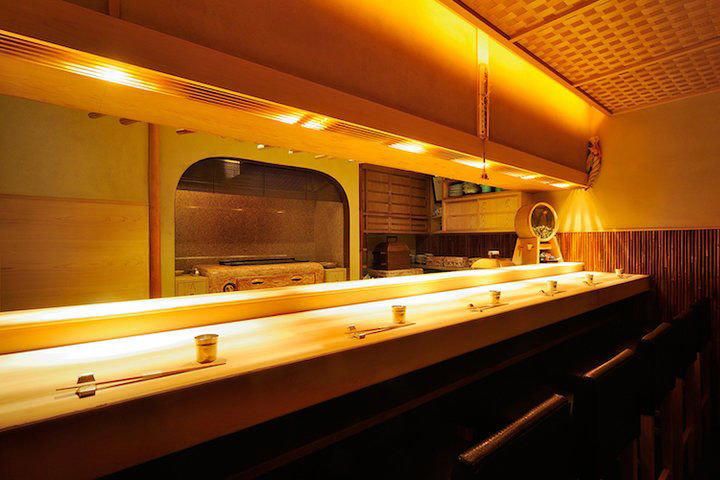
Bars in Tokyo
All bars in Tokyo →



Details
- Cozy
- Modern
- Trendy
- Intimate
- Solo
- Casual Hangout
- Family
- Chefs Counter
- Open Kitchen
- Sake Program
- Sustainable Seafood
- A La Carte
- Omakase
- Counter Dining
- Sake
Current opening hours
- Monday
- 5:30–9 p.m.
- Tuesday
- 5:30–9 p.m.
- Wednesday
- Closed
- Thursday
- Closed
- Friday
- 5:30–9 p.m.
- Saturday
- 5:30–9 p.m.
- Sunday
- 12–2:30 p.m., 5:30–9 p.m.
Hours can change for holidays and private events. Hours as of .
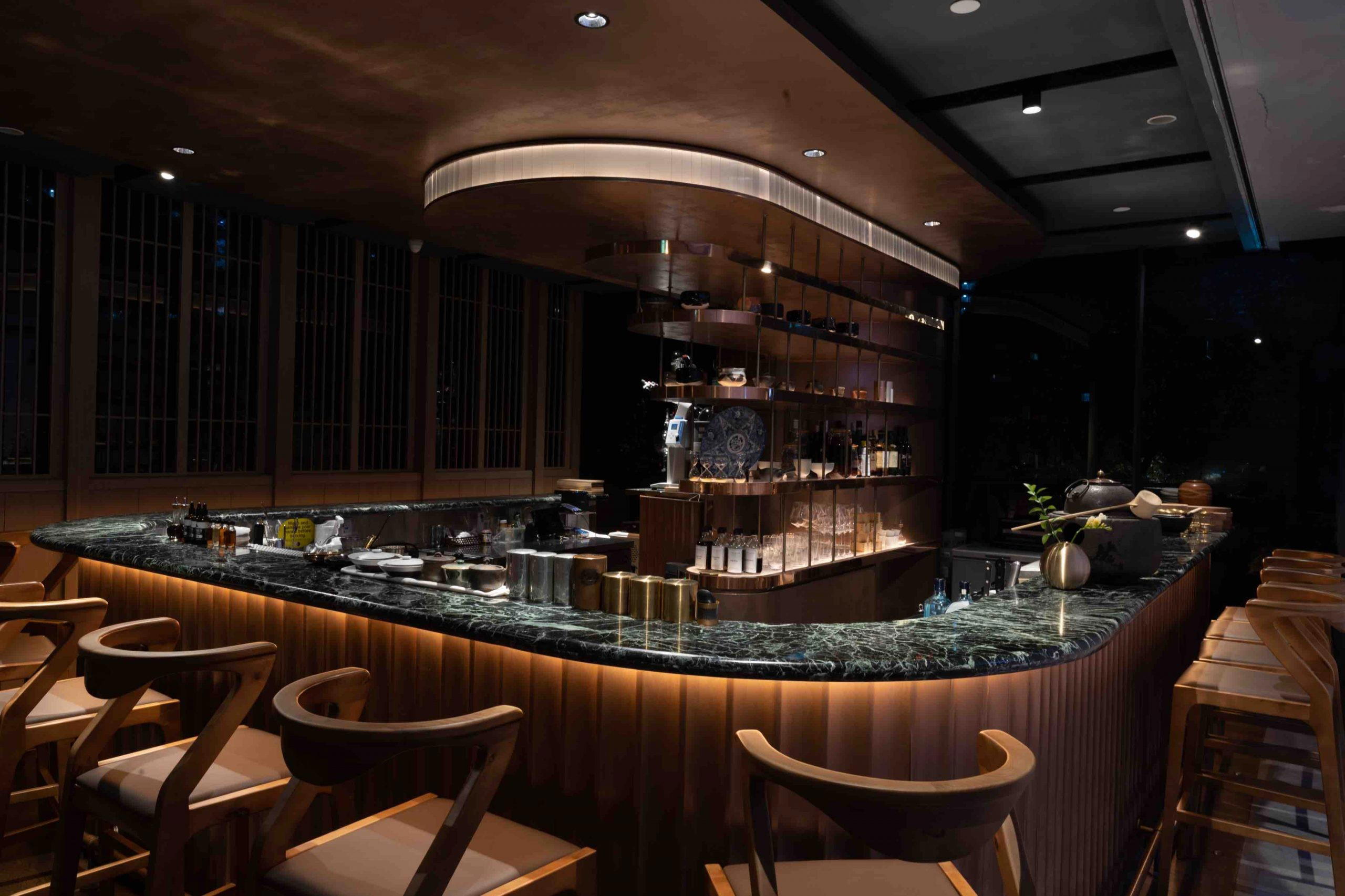
Warm Yakushima cedar counter, high ceilings, stylish with studio lights and dragon murals, cozy yet sleek atmosphere.