
Michelin Bib Gourmand
Our verdict
A back-alley French bistro in Minami-Aoyama, LAUBURU takes its name from the Basque four-pointed symbol and its culinary cues from the pork culture of Pyrénées-Atlantiques. Chef Shinichiro Sakurai anchors the menu to charcuterie, boudin noir, and char-grilled loin, presenting Basque country cooking at a mid-range price point unusual for the neighbourhood.

Pearl is the En Primeur Club membership app, where members save venues, book tables and use the concierge.
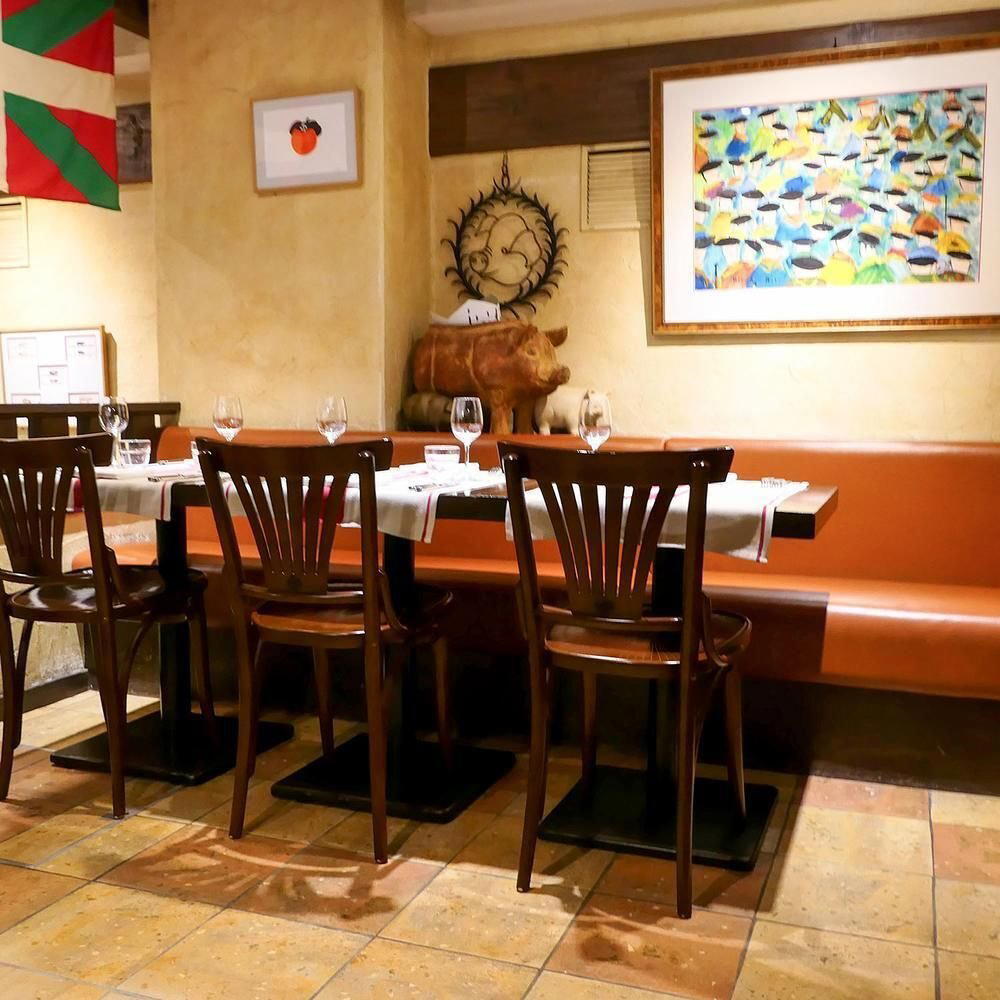
Basque Country in a Tokyo Back Alley
French cuisine arrived in Tokyo through multiple channels: the grand hotel dining room, the kappo-influenced counter, and the chef's table tasting menu. Less documented but equally persistent is a third tradition, the quietly serious bistro run by a chef obsessed with a single regional French identity. LAUBURU sits firmly in that third category. The number 64 on its door is not decorative; it references France's 64th department, Pyrénées-Atlantiques, the administrative home of the French Basque Country. This is a restaurant that announces its thesis before you step inside.
The Basque region produces some of France's most distinctive pork culture. The black Basque pig, or Kintoa, has protected designation of origin status, and the region's charcuterie tradition runs deep enough to anchor entire restaurant concepts. At LAUBURU, that tradition is the concept. Pâté and pig's-head terrine arrive as appetisers, boudin noir appears as a main course, and the blackboard lists brawn, confit of shank, and char-grilled pork loin alongside whatever else Chef Shinichiro Sakurai has prepared that day. The menu is written in the language of the Basque farmhouse kitchen, not the Parisian tasting room.
Where LAUBURU Sits in Tokyo's French Dining Scene
Tokyo's French restaurant tier has widened considerably over the past two decades. At one end sit multi-Michelin properties with long tasting menus and international reputations L'Effervescence, Sézanne, ESqUISSE, Florilège, and Château Restaurant Joël Robuchon all occupy that upper bracket. At the other end, a smaller cluster of regional French specialists operates on tighter menus, shorter price lists, and a narrower culinary focus. LAUBURU belongs to the latter group. Its ¥¥ price range positions it two tiers below the Michelin-starred French houses, competing instead on depth of regional commitment rather than technical ambition or production scale.
This is not a compromise position. Several of Tokyo's most informed French-food regulars actively prefer this format, a chef cooking what they know deeply, in a small space, without the infrastructure of a larger operation.
The Cultural Logic of Pork-Led French Cooking in Japan
Japan has its own sophisticated pork culture, from Kagoshima kurobuta to regional tonkatsu traditions. That existing fluency may partly explain why Basque-style pork cooking translates so effectively here. Both traditions value the whole animal, prize patience in preparation, and treat cured and cooked pork as something worth serious attention rather than mere ingredient. LAUBURU occupies a productive overlap between these two instincts.
Chef Sakurai's focus on charcuterie, pâté, terrine, boudin noir, connects to a French craft that resists modernisation. These are preparations that require time, knowledge of the animal, and restraint: you cannot accelerate a good terrine. In that sense, LAUBURU's menu is a statement about what French cuisine looks like when stripped of its haute aspirations and returned to its regional foundations. For readers interested in how French cooking lives outside the tasting-menu format, this restaurant is a clearer window than most of its neighbours in Minami-Aoyama.
For context on how this kind of regional European cooking travels, it is worth noting that akordu in Nara has built a comparable identity around Basque cuisine in Japan, demonstrating that the appetite for this specific regional tradition extends beyond Tokyo. Elsewhere in Japan, restaurants with a comparable commitment to European regional specificity include HAJIME in Osaka, Gion Sasaki in Kyoto, Goh in Fukuoka, 1000 in Yokohama, and 6 in Okinawa. Outside Japan, the comparison set for this kind of focused regional French cooking includes Hotel de Ville Crissier in Crissier and Les Amis in Singapore, though both operate at a very different price tier.
Kotto-dori and Minami-Aoyama: The Neighbourhood Context
Minami-Aoyama is better known for galleries and design boutiques than for bistro cooking. The main shopping artery, Kotto-dori, is lined with antique dealers and fashion stores rather than restaurant clusters. LAUBURU occupies a back alley off that street, which places it physically outside the neighbourhood's primary commercial flow. In Tokyo's dining geography, this kind of location, a small room, reached on foot from a side street, tends to attract a particular type of diner: one who has made a deliberate decision to come rather than drifted in from foot traffic.
For visitors building a broader Tokyo trip, the full Tokyo restaurants guide provides the widest editorial coverage. Those also planning hotels, bars, or other activities in the city can consult the Tokyo hotels guide, the Tokyo bars guide, the Tokyo wineries guide, and the Tokyo experiences guide.
Planning a Visit
LAUBURU is at 6 Chome-8-18 Minamiaoyama, Minato City, a short walk from Omotesando Station. The ¥¥ price range makes it accessible relative to its Minami-Aoyama neighbours, but the focused, charcuterie-driven menu means it suits diners who have already decided they want this style of cooking. Booking in advance is advisable for a restaurant of this size and specificity; precise hours and reservation contact are best confirmed directly with the venue before visiting.
Frequently asked questions
What's the price range at LAUBURU?
Pricing at LAUBURU is listed as ¥¥.
What awards or recognition does LAUBURU have?
LAUBURU has received recognition including: The number ‘64’ on the door refers to France’s 64th department: Pyrénées-Atlantiques, in the Basque Country. A devotee of pork culture, Shinichiro Sakurai is a lover of all things Basque, especially its pork cuisine. Having learned from cha….
What's the best thing to order at LAUBURU?
The charcuterie-led starters are the clearest signal of what LAUBURU does: pâté and pig's-head terrine open the meal, and boudin noir is listed as a main. Chef Shinichiro Sakurai built the menu around dishes he personally wants to cook, brawn, confit of shank, char-grilled pork loin, so following the blackboard rather than second-guessing it is the most direct approach.
Where exactly is LAUBURU?
LAUBURU is located at 6 Chome-8-18 Minamiaoyama, Minato City, Tokyo 107-0062, Japan, Tokyo.
Who runs the kitchen at LAUBURU?
The chef associated with LAUBURU is Chanchavee Skulkunt.
Do they take walk-ins at LAUBURU?
The back-alley location off Kotto-dori and the ¥¥ price point suggest an intimate room rather than a large dining hall, which typically means seat count is limited and walk-in availability on busier evenings is uncertain.
Comparison Snapshot
A short peer table to compare basics side-by-side.
| Venue | Cuisine | Price | Awards | Notes |
|---|---|---|---|---|
| LAUBURUThis venue (the venue you are viewing) | Basque French | $50–100 | Michelin Bib Gourmand | Not listed |
| Harutaka | Edo-Style Omakase Sushi | $200–300 | 3 Michelin Stars · World's 50 Best #76 | Sushi |
| RyuGin | Modern Kaiseki | $500+ | 3 Michelin Stars · World's 50 Best #41 | Kaiseki, Japanese |
| L'Effervescence | Modern French with Japanese Influences | $200–300 | 3 Michelin Stars · World's 50 Best #69 | French |
| HOMMAGE | Modern French with Japanese Influences | $150–200 | 2 Michelin Stars · World's 50 Best #78 | Innovtive French, French |
| MAZ | Innovative Peruvian-Japanese Fusion | $150–200 | 2 Michelin Stars · World's 50 Best #28 | Innovative |
Recognition history
Dated appearances from independent guides and award organizations, with the underlying list record or original source where available.
Michelin Bib Gourmand
Michelin
Full recognition history (2 entries)
Michelin Bib Gourmand
Michelin
Continue exploring
More in Tokyo
Restaurants in Tokyo
All restaurants in Tokyo →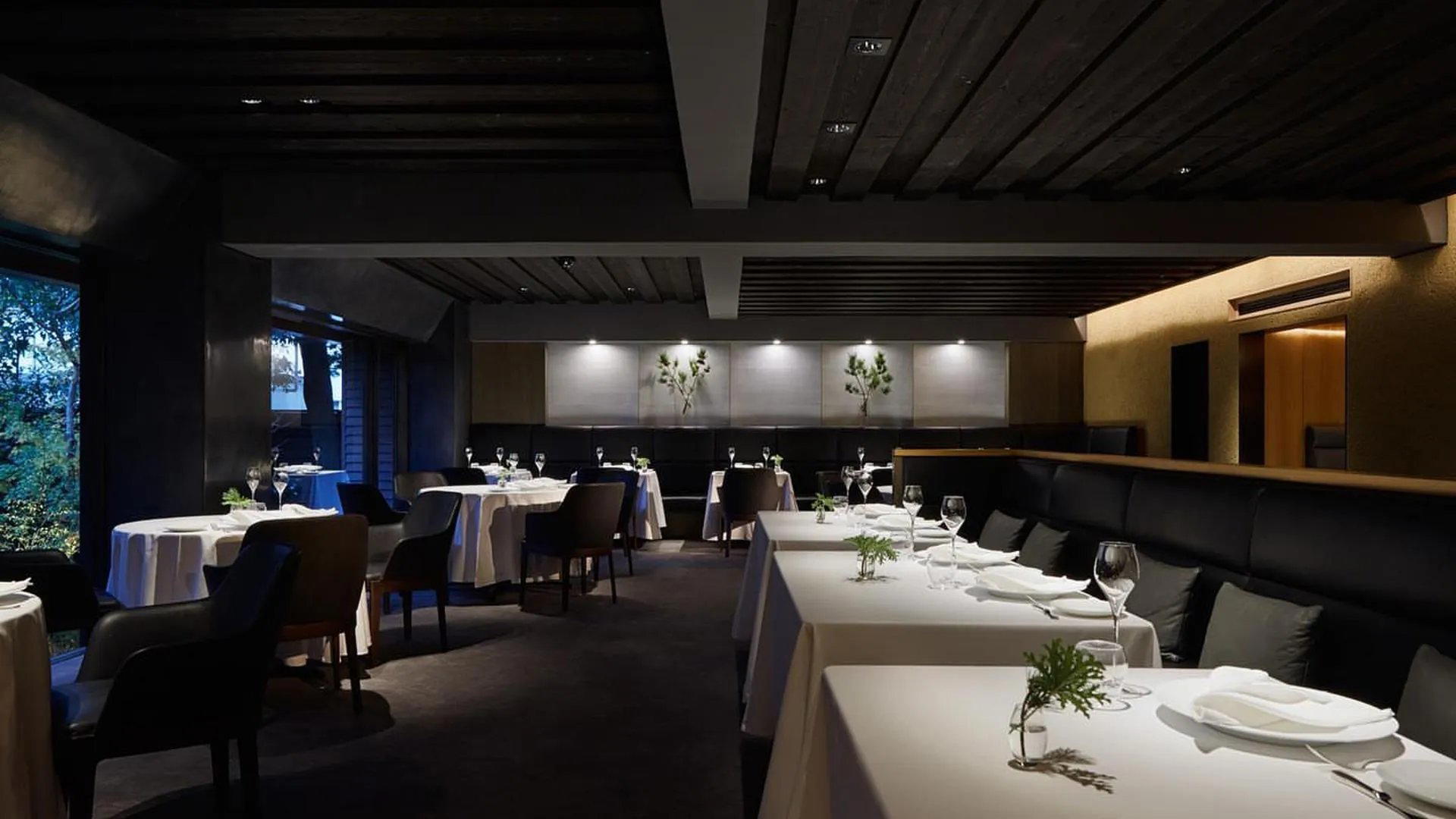
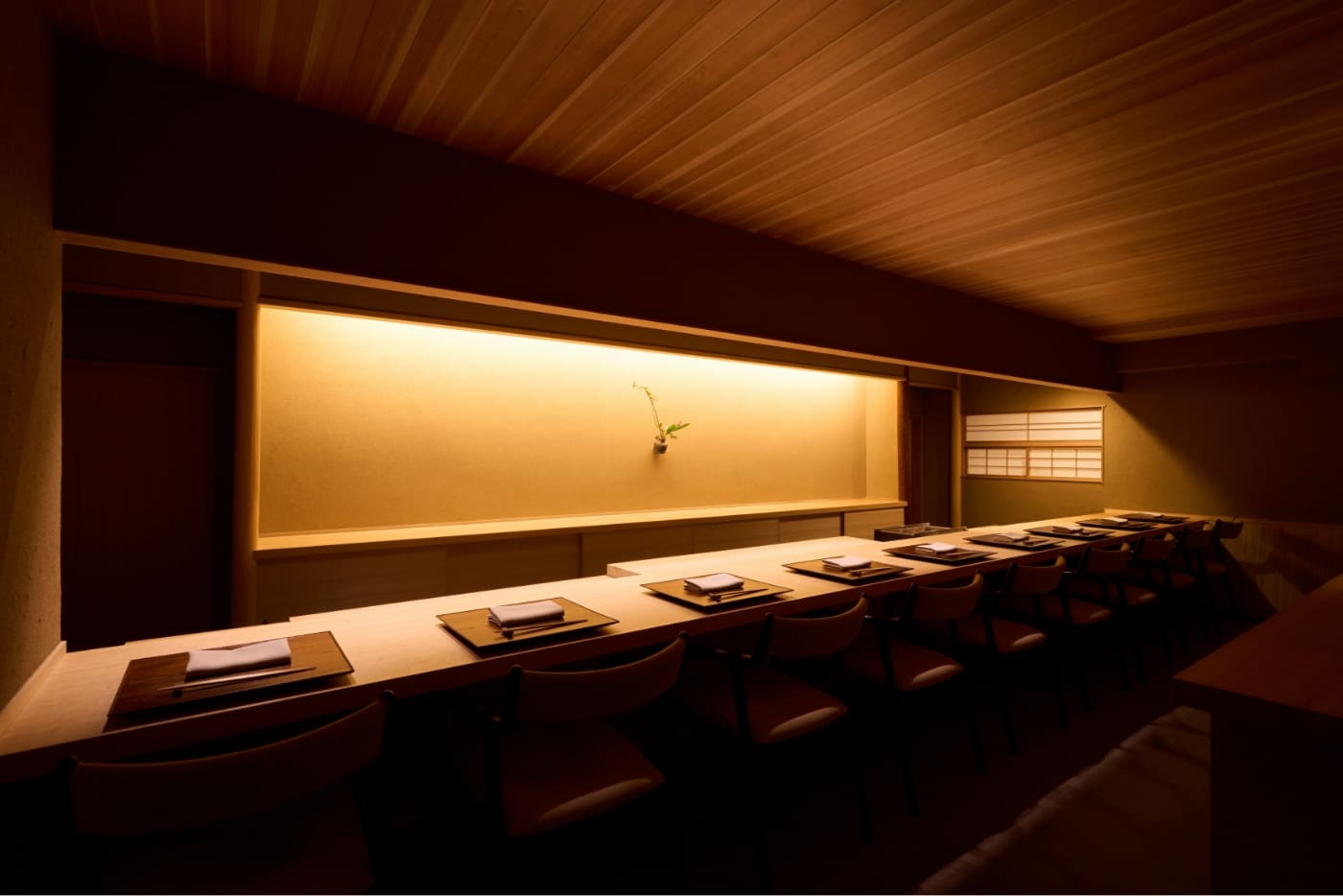
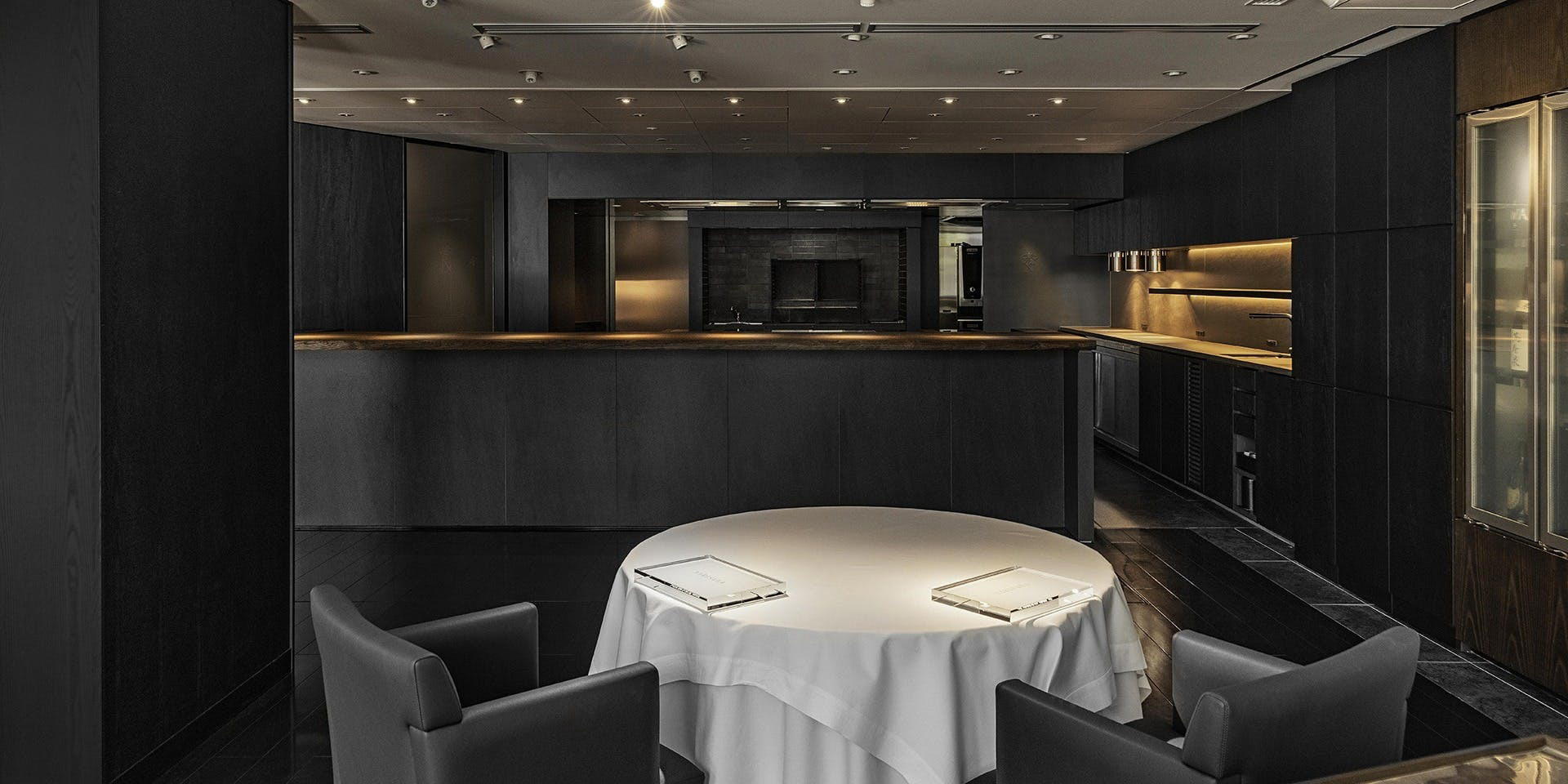
Bars in Tokyo
All bars in Tokyo →
Details
- Rustic
- Cozy
- Intimate
- Date Night
- Special Occasion
- Chefs Counter
- Sake Program
- A La Carte
Current opening hours
- Monday
- Closed
- Tuesday
- 6–11 PM
- Wednesday
- 6–11 PM
- Thursday
- 6–11 PM
- Friday
- 6–11 PM
- Saturday
- 6–10 PM
- Sunday
- Closed
Hours can change for holidays and private events. Hours as of .
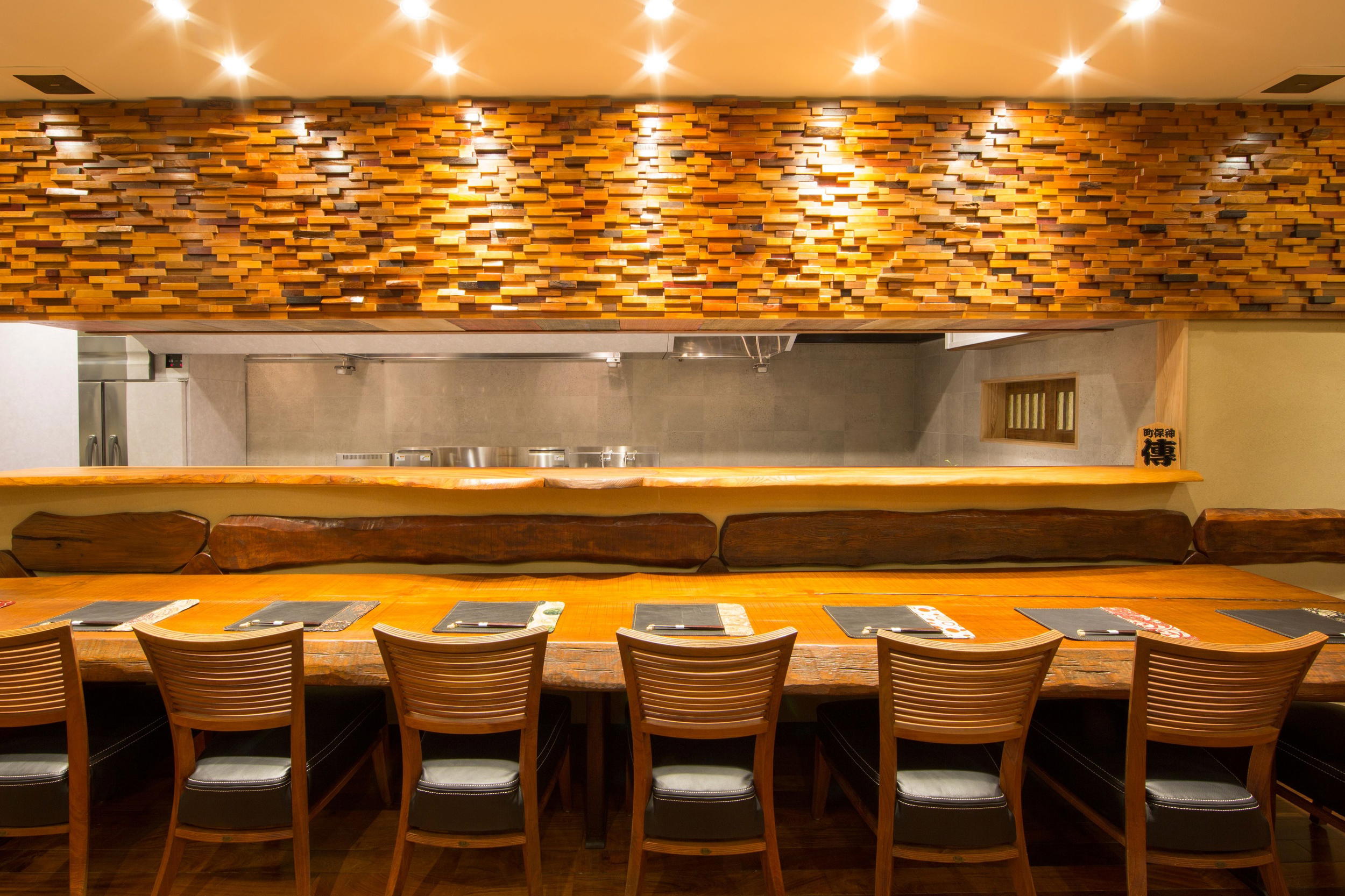
Simple and rustic atmosphere with heart-warming, homey cuisine in an intimate 24-seat setting.