Tilia sits in Lubbeek, a quiet Flemish Brabant village that sits well outside the usual circuit of Belgium's restaurant press. What draws attention here is the kind of cooking that treats sourcing as the primary editorial statement, where the distance between field and plate is short enough to matter. For travellers willing to leave the Brussels-Ghent axis, Tilia offers a case study in what Belgian terroir-focused dining looks like away from the spotlight.
 Discover on Pearl
Pearl is the En Primeur Club membership app — saves, bookings, and concierge access live there. Same editors, same standards.
- Address
- Martelarenplaats 7, 3210 Lubbeek, Belgium
- Phone
- +32469634100
- Website
- tilia-eetcafe.be
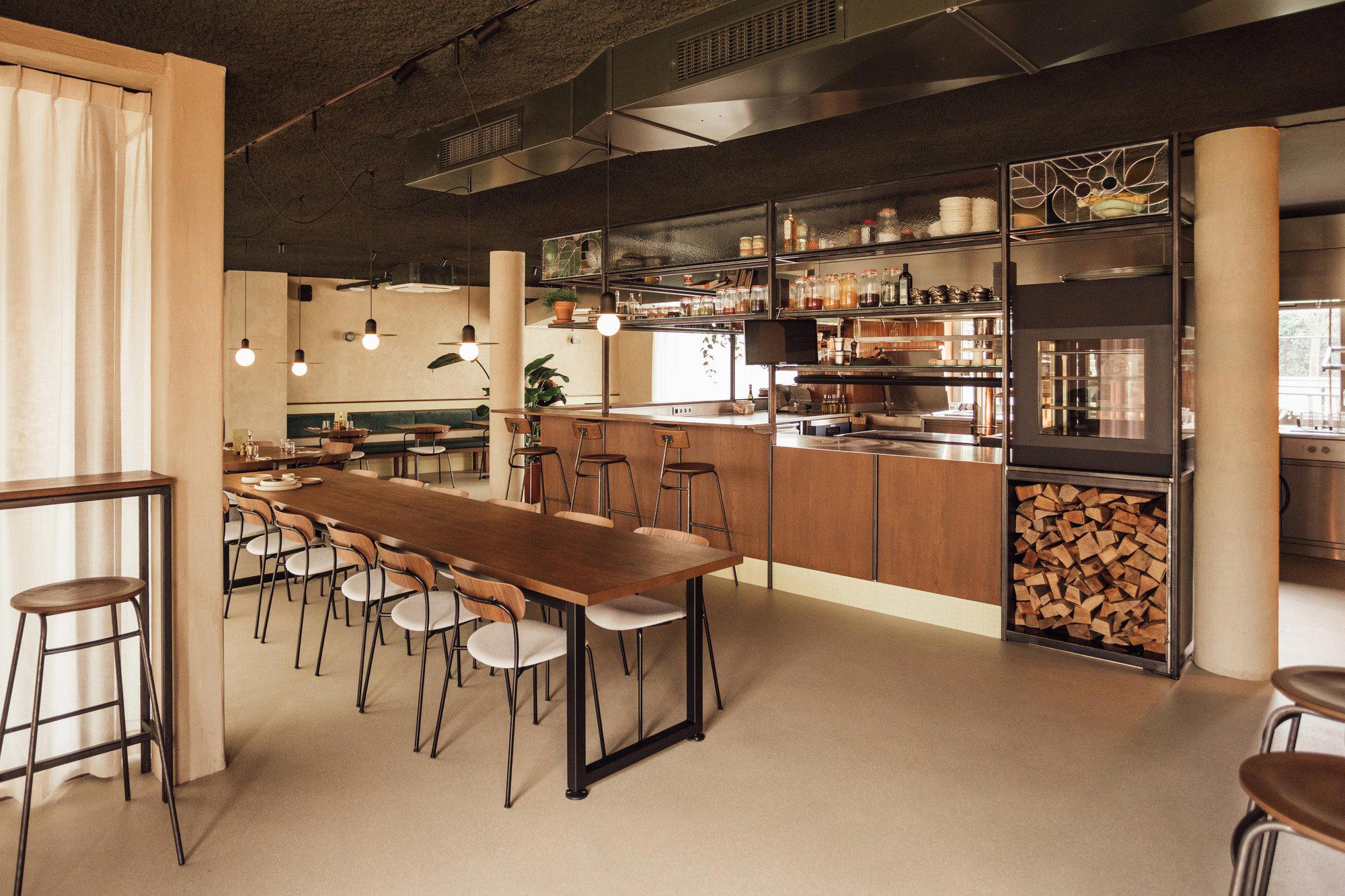
Flemish Brabant's Quieter Table
Tilia is a Belgian Eetcafé in Lubbeek, Belgium. Lubbeek, a compact municipality in Flemish Brabant roughly halfway between Leuven and Tienen, sits at a deliberate remove from that circuit. That distance is not a disadvantage. Some of the country's most ingredient-focused cooking has emerged in towns where rent is lower, supply chains to local farms are shorter, and the pressure to perform for a tourist audience is absent. Tilia, at Martelarenplaats 7, occupies that kind of position.
The agricultural character of Flemish Brabant is relevant context here. The province sits between Leuven's academic density and the Hageland wine region to the east, surrounded by market gardens, small livestock operations, and a food culture that predates the contemporary farm-to-table language now applied to it. A restaurant working seriously with local sourcing in this part of Belgium has access to materials that urban kitchens can only approximate, and the region's relative obscurity keeps that supply chain less competed-for than it would be in Antwerp or Brussels.
What Sourcing Discipline Looks Like in Practice
The editorial angle that organises a restaurant like Tilia is not the chef's biography but the procurement logic. In Belgium's ingredient-forward tier, the sourcing decision tends to arrive before the menu does: what is available, from whom, and at what point in its cycle determines what gets cooked. This is a different working method from the classical French approach, where a fixed menu structure is filled with the leading available product. The distinction matters because it produces a different kind of eating experience, one where the diner's reference points shift from technique and canon toward season and provenance.
Flemish Brabant's position within Belgian agriculture gives a kitchen here access to the Hageland's emerging viticulture, the hop yards around Aarschot, and the grain and vegetable production of the Tienen plain. A restaurant serious about that geography is, in effect, cooking a regional argument rather than a national or international one. That specificity is what separates the more considered addresses in Belgium's smaller towns from the formula-driven mid-market. For comparison, consider how addresses like Willem Hiele in Oudenburg or Bartholomeus in Heist have built their reputations around hyperlocal coastal materials rather than technique credentials alone. The inland equivalent of that approach is what gives a Lubbeek address like Tilia its structural logic.
Belgium's Non-Urban Fine Dining Circuit
The country's most awarded kitchens are distributed across smaller towns in a way that has no close parallel in France or the UK. Hof van Cleve in Kruishoutem, Boury in Roeselare, and De Jonkman in Sint-Kruis all operate at a significant remove from urban centres, yet draw destination diners from across Europe. The infrastructure for that kind of dining exists because Belgian restaurant culture never fully urbanised its ambition. A serious kitchen in a village is a cultural norm here, not an anomaly.
Flemish Brabant has not yet produced the same density of recognised addresses as West Flanders or the Brussels periphery, which makes Tilia's position in Lubbeek interesting rather than isolated. The province is in a similar developmental stage to where Namur or the Ardennes were a decade ago, before addresses like La Table de Maxime in Our or L'air du temps in Liernu put Wallonia's quieter villages on the European dining map. The pattern in Belgium is consistent: a small address with a clear sourcing philosophy and a willingness to operate outside the capital's media gravity eventually finds its audience.
For context on what Belgian cooking looks like at the highest urban tier, Zilte in Antwerp, Bozar Restaurant in Brussels, and Le Chalet de la Forêt in Uccle represent the capital-adjacent end of that spectrum. The contrast with a Lubbeek address is not a quality gap but a register difference: urban restaurants perform to a different audience and under different cost pressures. A village kitchen making the same sourcing commitments is operating with more margin for patience.
Reaching Lubbeek
Lubbeek sits approximately 20 kilometres east of Leuven, which is itself 25 minutes by train from Brussels-Central. A car is the practical choice for the final leg; Lubbeek has no rail connection, and the restaurant's address at Martelarenplaats 7 is in the village core rather than on a through road. Leuven functions as a logical base for this part of Flemish Brabant, with hotel options at various price points and the city's own dining scene worth an evening before or after. Those combining Tilia with broader Belgian restaurant travel might consider the Flemish circuit as a multi-day structure: addresses like Nuance in Duffel, Castor in Beveren, Maison Colette in Tongerlo, and La Durée in Izegem form a wider Flemish non-urban dining itinerary that rewards a dedicated trip rather than a day-trip from the capital. For those extending internationally, it is worth noting how Belgium's sourcing-led model differs structurally from high-profile fish-focused kitchens like Le Bernardin in New York City or the Korean-inflected tasting format at Atomix in New York City, both of which organise their menus around a single dominant material or culinary logic in a comparable way. See our full Lubbeek restaurants guide for the broader local picture, and also consider d'Eugénie à Emilie in Baudour for another Belgian address outside the standard circuit.
Planning a Visit
Tilia is recommended for reservations, is casual in dress code, and sits at Martelarenplaats 7, 3210 Lubbeek, Belgium. Its hours are Mon: 12-11 PM; Tue: Closed; Wed: Closed; Thu: 5:30-11 PM; Fri: 12 PM-12 AM; Sat: 12 PM-12 AM; Sun: 12-11 PM. Given the restaurant's hours and recommended booking policy, weekend reservations are sensible. Contact in advance, allow for a midweek option if flexibility permits, and treat the logistics of reaching Lubbeek as part of the experience rather than an obstacle to it.
A Quick Peer Check
Comparable venues nearby, for context on price, style, and recognition.
| Venue | Cuisine | Price | Awards | Notes |
|---|---|---|---|---|
| TiliaThis venue — the venue you are viewing | Belgian Eetcafé | $$ | , | |
| Vers Namur | Belgian Seasonal Bistro | $$ | , | Blanden |
| BOON Chocoladehuis | Belgian Artisan Chocolates | $$ | , | Hasselt |
| Chocolaterie du Château de Leignon | Artisan Chocolaterie | $$ | , | Leignon |
| Soetkin | Chocolatier | , | , | Kontich |
| Petite Île | Fresh seasonal cuisine | , | , | Citydox, Anderlecht |
At a Glance
- Cozy
- Relaxed
- Casual Hangout
- Open Kitchen
- Terrace
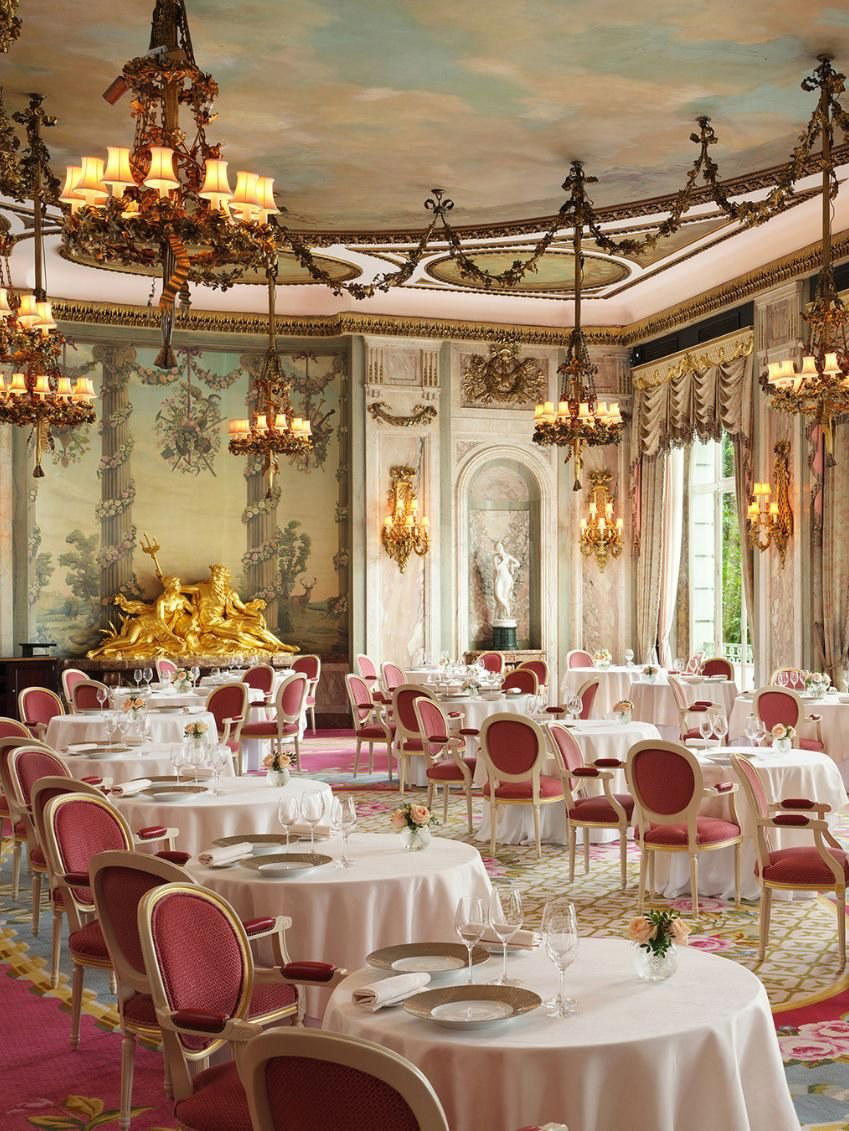
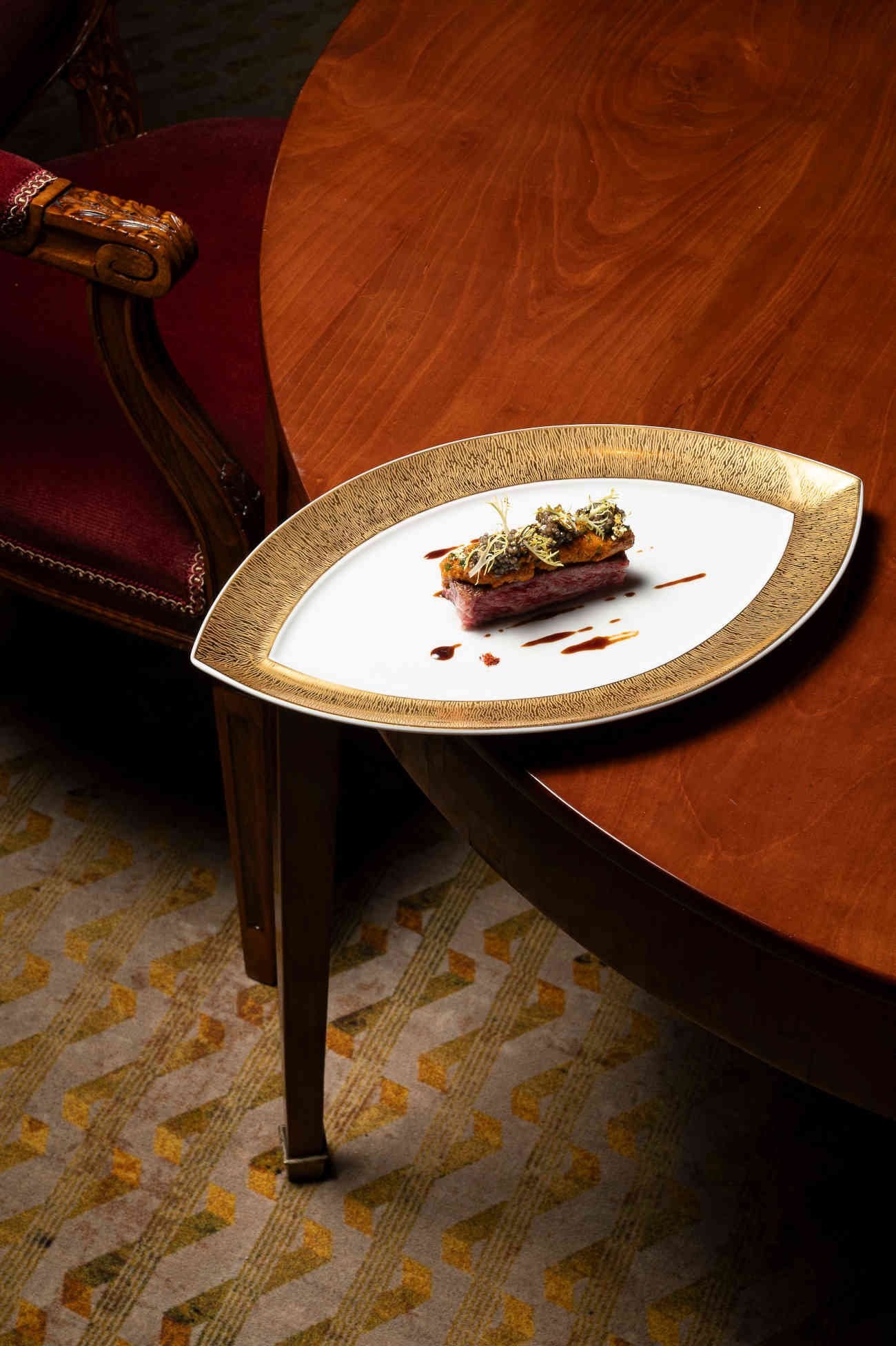
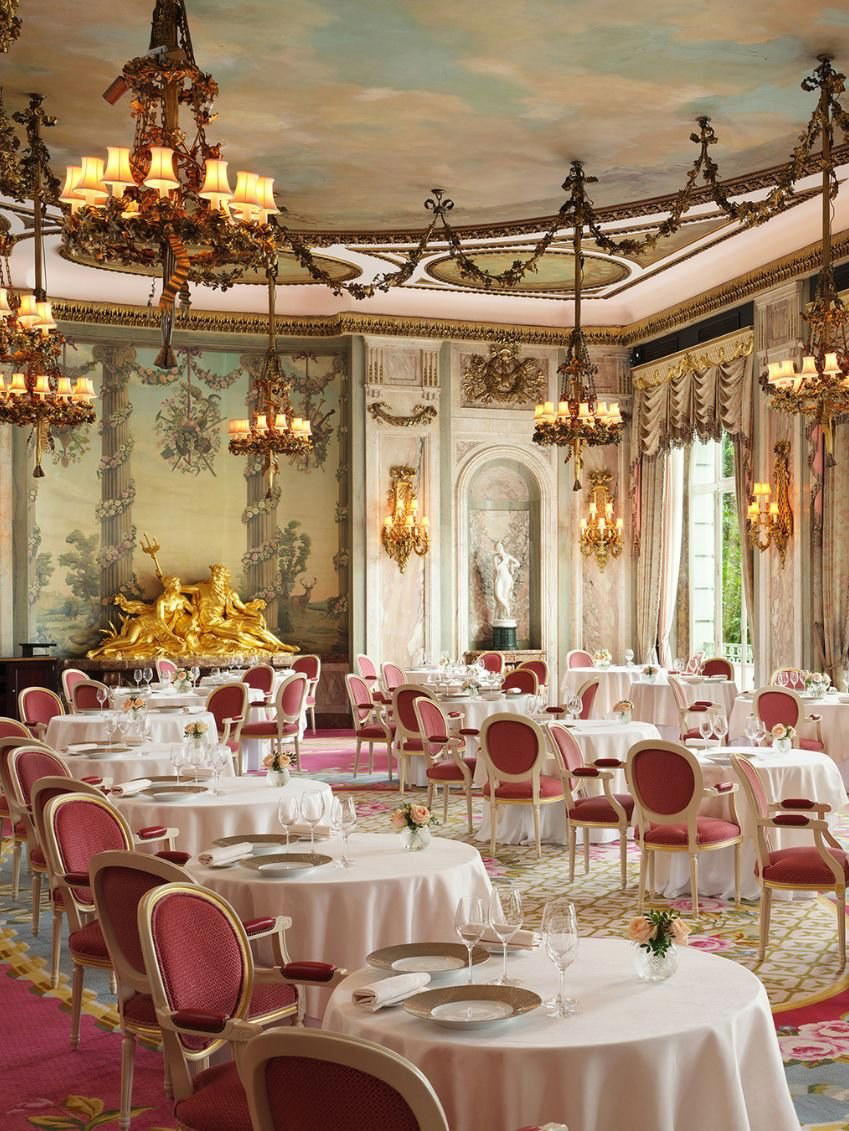
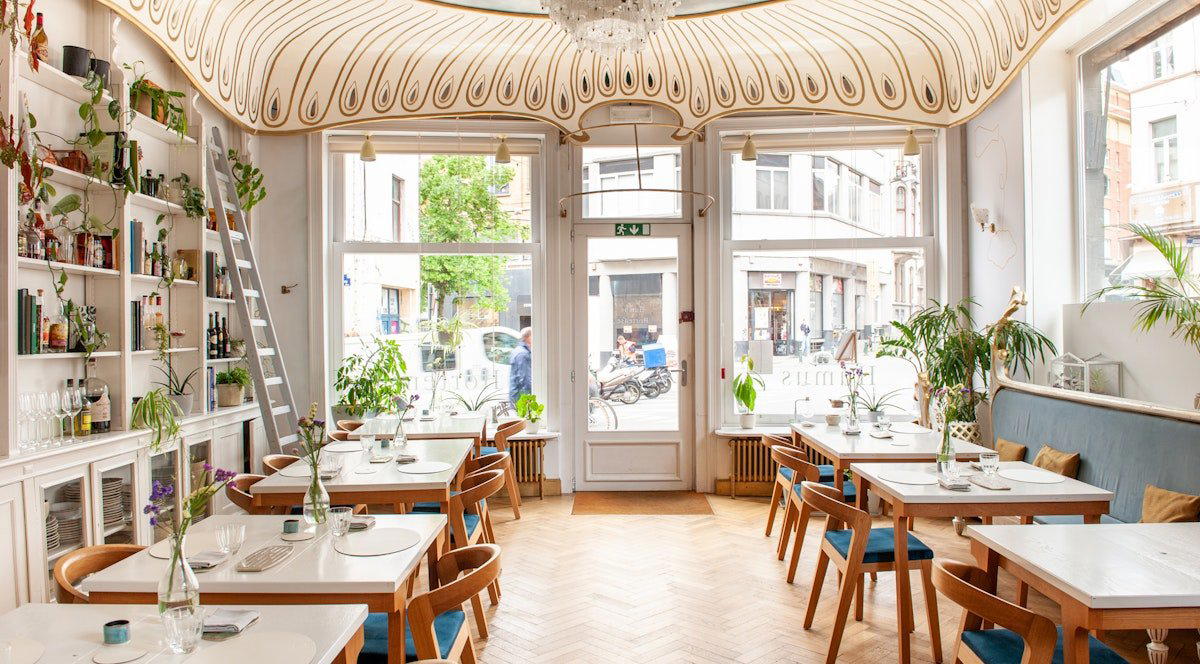
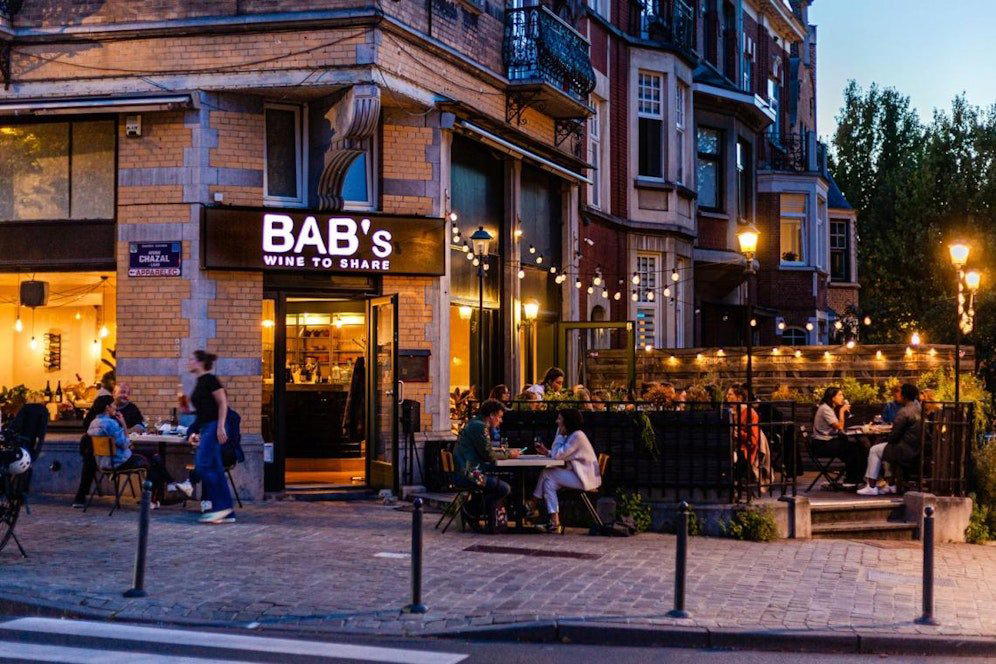
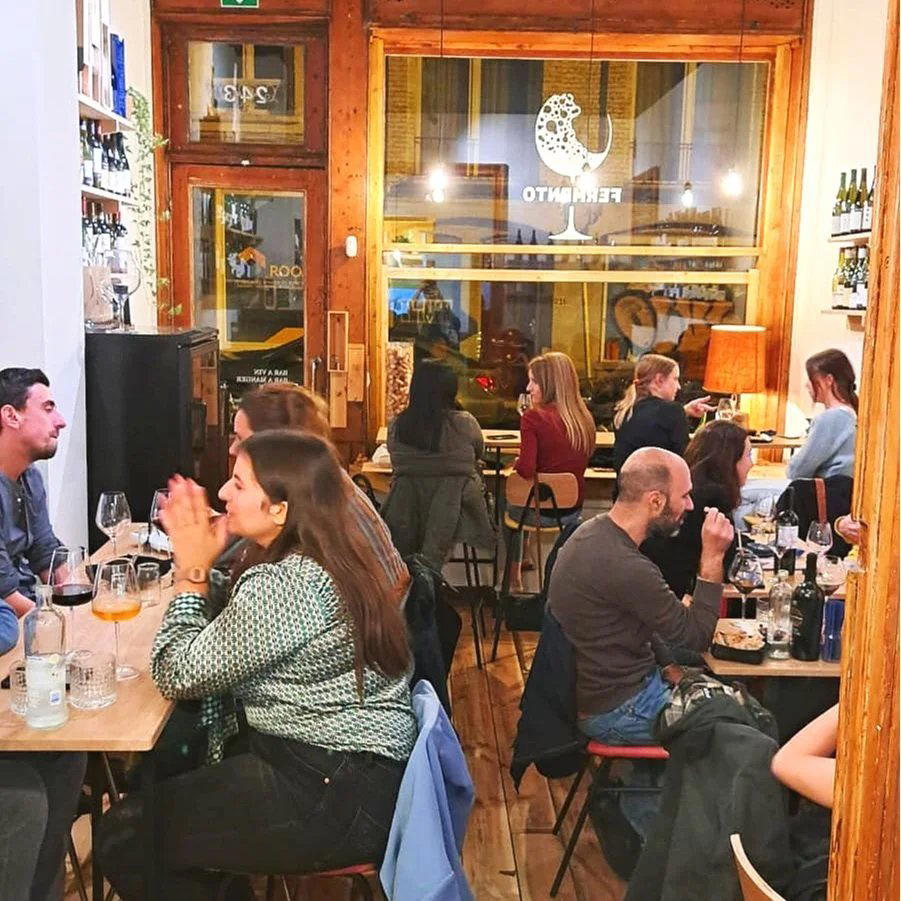
Ontspannen sfeer where everyone feels at home, with air-conditioned comfort and terrace option.