Vers Namur
Vers Namur sits on Naamsesteenweg in Oud-Heverlee, a village south of Leuven where the Flemish Brabant countryside begins to assert itself between university town and Walloon border. The address places it within a cluster of serious Belgian tables operating at some distance from the capital's spotlight, a positioning that, in Belgium's dining culture, often signals a kitchen with something to prove on its own terms.
Pearl is the En Primeur Club membership app — saves, bookings, and concierge access live there. Same editors, same standards.
- Address
- Naamsesteenweg 64, 3052 Oud-Heverlee, Belgium
- Phone
- +3216400503
- Website
- versnamur.be
- Directions
- Get directions
 Saves & bookings on Pearl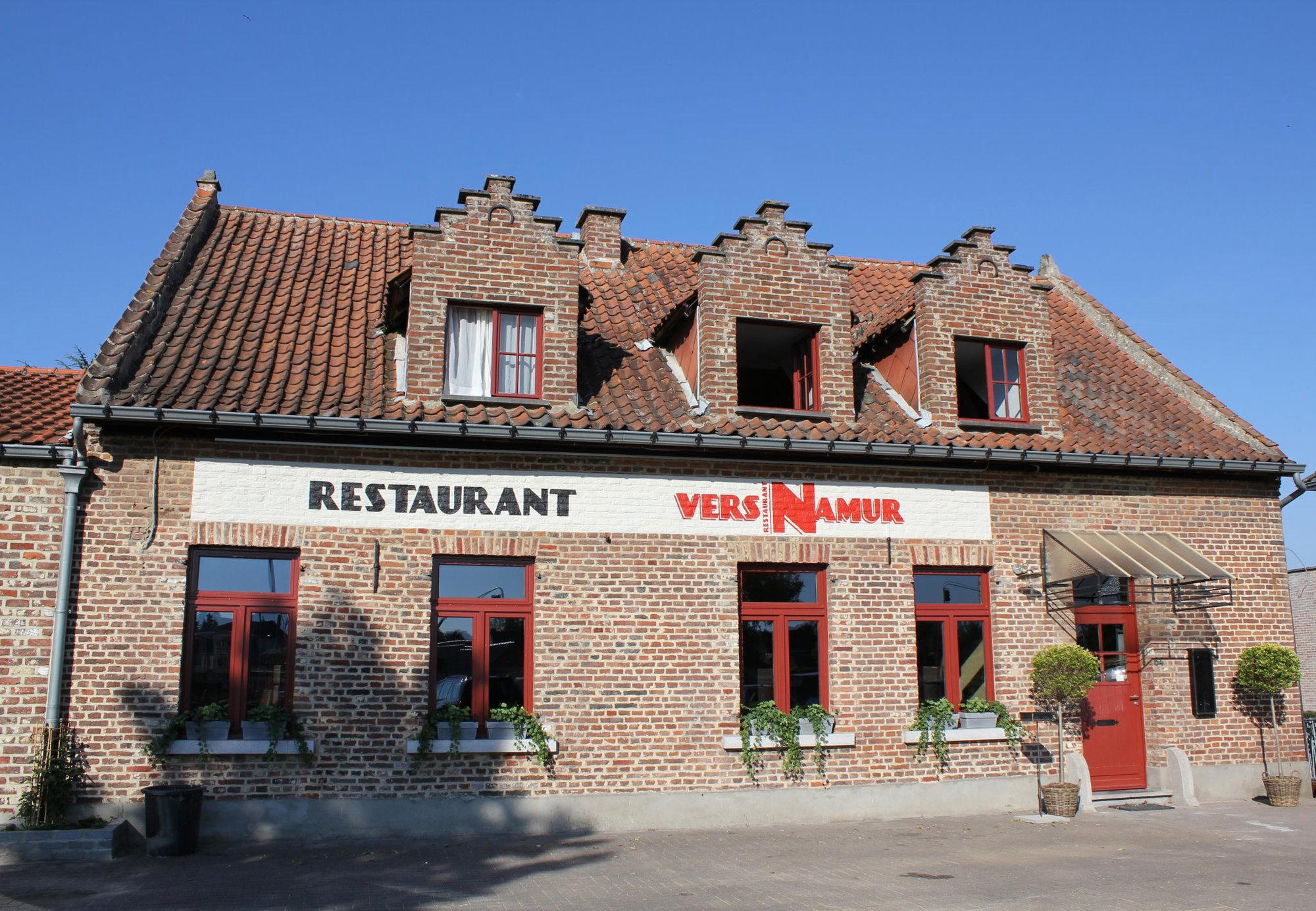
Where the Flemish Brabant Table Meets the Namur Road
The road south from Leuven toward Namur passes through a particular kind of Belgian terrain: flat near the ring, then gently folded into parkland and farmland as the province thins toward the language border. Oud-Heverlee sits in this transition, close enough to the university city to draw an informed clientele but removed enough that its restaurants tend to earn their reputation on culinary grounds rather than foot traffic. Vers Namur, at Naamsesteenweg 64, occupies precisely that geography. The address is a working road, not a picturesque village square.
Ingredient Sourcing and the Flemish Brabant Pantry
Belgium's most compelling tables have long drawn authority from proximity to serious agricultural land. The provinces of Flemish Brabant and Hainaut produce vegetables, poultry, game, and dairy that form the backbone of the country's classical and modern kitchen traditions. Restaurants positioned along the corridor between Leuven and Namur, as Vers Namur is, sit within reach of multiple supply ecosystems: the market gardens of the Brabant plateau, the game estates around the Forêt de Soignes fringe, and the dairy farms that define the rural economy of both provinces. In this part of Belgium, ingredient sourcing is not a marketing posture; it is a structural reality of what is available and what the local palate expects. A kitchen here that ignores that geography is making an active choice to work against its own advantage.
This matters comparatively. At the higher tiers of Belgian dining, places like L'air du temps in Liernu and Hof van Cleve in Kruishoutem have built their reputations in part on knowing their agricultural surroundings with precision. Coastal tables like Willem Hiele in Oudenburg and Bartholomeus in Heist draw from the North Sea. Vers Namur's inland position suggests a different pantry: root vegetables, freshwater ingredients, forest-edge produce, and the kind of meat-centred cooking that the Belgian interior does with quiet confidence. The name itself, pointing toward Namur, signals an orientation toward that Walloon hinterland, where the food culture is slower, richer, and less influenced by the north's seafood traditions.
Oud-Heverlee's Dining Position
Oud-Heverlee is not a dining destination in the way that Antwerp's Zuid or Brussels' Ixelles are. It functions more like a cluster of serious addresses that reward the traveller willing to leave the city. The village already hosts Louvain d'Anvers and Spaans Dak, two tables that operate in creative and traditional registers respectively, giving the municipality an above-average density of considered cooking for its size. The restaurant adds a third point of reference. Together they position Oud-Heverlee as a destination worth mapping into a day-trip from Leuven or a routing stop between Brussels and the Ardennes, a proposition that, in Belgian terms, is coherent given the country's compact geography.
The broader Belgian scene provides useful calibration. At the capital level, Bozar Restaurant in Brussels operates inside an institutional cultural setting, while Le Chalet de la Forêt in Uccle represents the kind of forested-edge address that Brussels' southern suburbs have long supported. The restaurant's equivalent is the provincial road: a grounded, non-scenographic setting where the cooking must carry the experience without architectural support.
What the Regional Tradition Implies
Belgian cuisine's inland tradition, particularly in Brabant, runs through specific techniques: braising, slow cooking, acid-forward sauces, and a confident use of offal and secondary cuts that the French-Belgian kitchen refined into a classical vernacular. The corridor toward Namur also means exposure to the Walloon tradition of game cookery and the use of local beer and jenever as cooking agents. Tables operating in this register, across the country, from Castor in Beveren to De Jonkman in Sint-Kruis and d'Eugénie à Emilie in Baudour, tend to share a preference for depth over delicacy, for a plate that satisfies rather than merely impresses. That is a different aesthetic register from the more technically showy end of Belgian fine dining, represented at its peak by Zilte in Antwerp or Boury in Roeselare. Where the restaurant sits within that spectrum is determined by what the kitchen does with the agricultural material available to it, which is the central question for any table in this position.
For comparative context, restaurants along Belgium's southern axis, toward Namur, Liège, and the Ardennes, generally occupy a more classical flavour profile than their Flemish counterparts, with less emphasis on fermentation and raw-material minimalism and more on constructed, sauce-led plates. The proximity to France is real: La Table de Maxime in Our and La Durée in Izegem both operate in registers shaped by French classical training filtered through Belgian ingredients. The restaurant's name suggests a similar southward orientation.
Planning a Visit
Oud-Heverlee sits approximately five kilometres south of Leuven city centre, making it accessible by car from Brussels in under forty minutes via the E40. The village is less easily reached by public transport, which marks the restaurant as a destination that requires planning rather than spontaneous arrival. Reservations are recommended.
How It Stacks Up
Comparable venues nearby, for context on price, style, and recognition.
| Venue | Cuisine | Price | Awards | Notes |
|---|---|---|---|---|
| Vers NamurThis venue — the venue you are viewing | Belgian Seasonal Bistro | $$ | Not listed | Not listed |
| Spaans Dak | Modern Creative Belgian | $$$$ | Michelin Plate | Oud-Heverlee |
| Louvain d'Anvers | French-Belgian Seasonal Bistro | $$ | Not listed | Oud Heverlee |
| Neuhaus-Bruxelles | Belgian Chocolatier Cafe | $$ | Not listed | Pl. de Brouckere |
| Sinatra | Cocktail Bar | $$ | Not listed | Vismarkt |
| Laurens | Artisanal Belgian Chocolatier | Not listed | Not listed | Massenhoven |
Continue exploring
More in Oud-Heverlee
Restaurants in Oud-Heverlee
Browse all →
Bars in Oud-Heverlee
Browse all →
At a Glance
- Cozy
- Elegant
- Intimate
- Date Night
- Special Occasion
- Open Kitchen
- Local Sourcing
Current opening hours
- Monday
- Closed
- Tuesday
- 12–2:30 PM, 6–9 PM
- Wednesday
- 12–2:30 PM, 6–9 PM
- Thursday
- 12–2:30 PM, 6–9 PM
- Friday
- 12–2:30 PM, 6–9 PM
- Saturday
- 6–9 PM
- Sunday
- 12–2:30 PM, 6–10 PM
Hours can change for holidays and private events. Last verified .
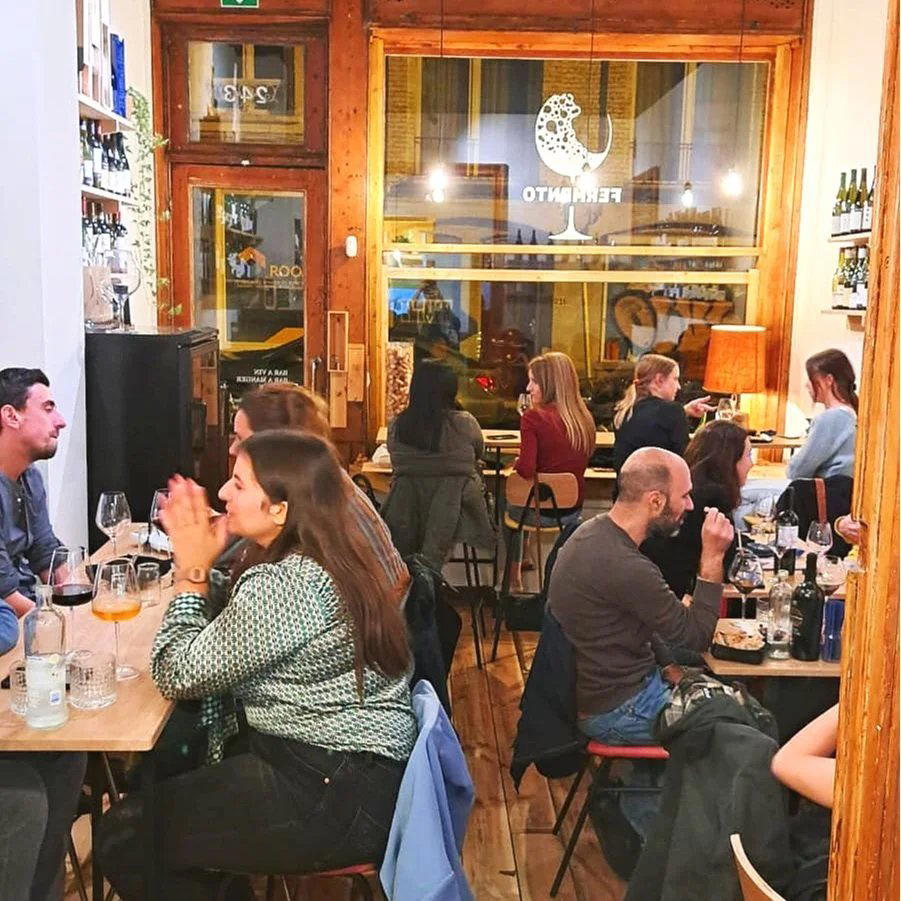
Huiselijke warmte with a pleasant and warm setting, offering ungedwongen gezelligheid (relaxed coziness).