

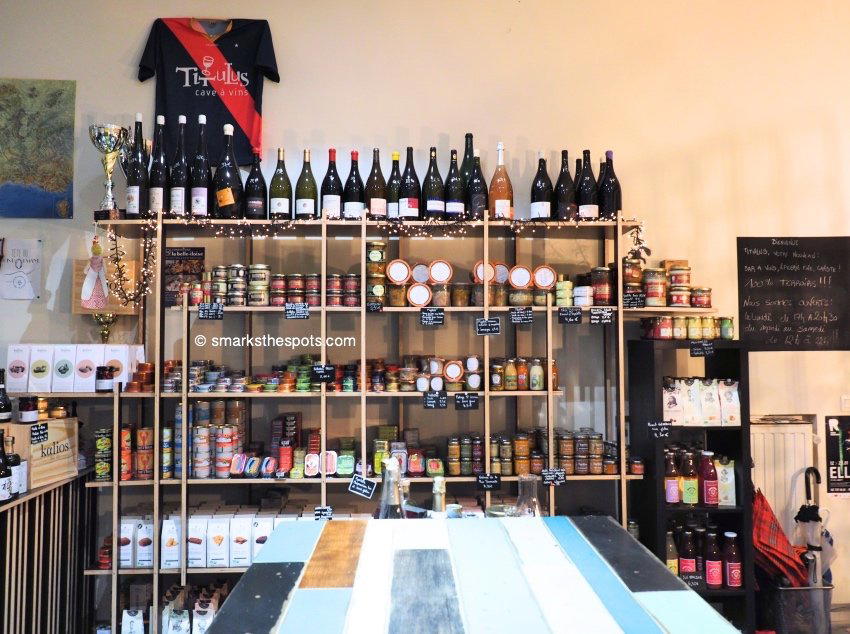
A well-regarded wine shop and bar on the Chaussée de Wavre in Ixelles, Titulus Pictus has built a reputation among Brussels wine circles for its carefully selected imports, drawn predominantly from French producers. The operation run by Vivien, Baptiste and their team functions as both a retail destination and a neighbourhood gathering point for those who treat wine selection as a serious matter rather than an afterthought.
- Address
- Chau. de Wavre 167A, 1050 Ixelles, Belgium
- Phone
- +32 2 512 98 30
- Website
- titulus.be
- Directions
- Get directions
Ixelles and the Wine Bar as Local Institution
Brussels has never lacked wine bars, but the ones that earn lasting neighbourhood loyalty tend to share a particular quality: the selection reflects a point of view rather than a distributor's catalogue. The Chaussée de Wavre corridor through Ixelles has developed a quiet density of this kind of operation over the past decade, where bottle shops with pouring rights sit alongside more conventional bars, creating a drinking culture that is genuinely oriented around the wine rather than the occasion. Titulus Pictus at number 167A sits squarely in this tradition.
The address places it in a stretch of Ixelles that draws a mixed crowd: residents from the surrounding residential streets, office workers from the EU quarter to the north, and the kind of person who will cross multiple communes on a Tuesday evening because they heard a specific importer had new stock. That last category matters here, because Titulus Pictus has established itself as an importer with taste rather than just a retail outlet with a few tables.
What the Selection Says About the Place
The wine trade in Brussels divides roughly into two camps: operations that stock broadly and price competitively, and operations where the list is an editorial statement. Vivien, Baptiste and the team at Titulus Pictus have built their reputation in the second camp, with a focus on French producers selected with evident care. This is not a list assembled from what was available at trade price; the emphasis on provenance and producer identity is consistent with how serious wine merchants approach curation in cities like Paris, Lyon, and increasingly Brussels itself.
French-heavy orientation is itself a positioning choice. Belgium's proximity to France means access to Burgundy, the Loire, the Rhône, and the natural wine producers of the south is logistically direct, but not every importer commits to the depth of relationship with specific producers that results in genuinely interesting selections. The reputation Titulus Pictus has earned suggests those relationships are substantive.
The Bar as Neighbourhood Anchor
What distinguishes a neighbourhood wine bar from a wine shop that happens to have seating is, in most cases, the relationship between the people behind the counter and the regulars who return without a specific purchase in mind. Ixelles has a particular version of this dynamic: the area's residential character means the same faces appear across weeks and months, and the bars that endure are the ones where that familiarity is cultivated rather than merely tolerated.
Titulus Pictus functions this way. The reputation the team has built is not the kind that comes from a single well-reviewed opening, but from sustained engagement with a local clientele that takes its wine seriously. This is the slower-burning credibility of a place that has become part of how a neighbourhood drinks, comparable in spirit (if not in style) to how Bab's wine to share operates in its own corner of the city.
Brussels wine culture rewards this kind of consistency. The city's drinking geography is not concentrated in a single district the way some capitals are; rather, it is distributed across communes, with strong local identities in Ixelles, Saint-Gilles, and the area around the Grand Place where L'Archiduc in Grand Place has long held court. Within Ixelles, Titulus Pictus occupies a specific register: serious about wine, accessible in atmosphere, and rooted enough in the neighbourhood to function as a reference point rather than a destination.
Placing Titulus Pictus in the Wider Belgian Wine Scene
Belgium's wine bar culture has matured considerably, and the leading operations now compete on the quality of their import relationships as much as on ambiance or food. The natural wine movement, which transformed Paris's bar scene earlier and more dramatically, has had a steady influence on Brussels, pushing buyers toward smaller producers with traceable farming practices. The French-focused selection at Titulus Pictus fits within this broader movement, where the provenance of a bottle and the identity of its producer carry as much weight as the appellation name on the label.
Across Belgium, comparable energy is present in different registers: Bar Burbure in Antwerp approaches the wine bar format with its own northern character, while VINES by maQUINZE in Ostend brings a coastal sensibility to similar ambitions. In Bruges, the tradition runs differently, with Huisbrouwerij De Halve Maan representing the beer-first heritage that still defines much of Belgian drinking culture. Titulus Pictus sits at a particular intersection: a wine-forward operation in a city that increasingly supports them, in a neighbourhood that has the residential density and educated palate to sustain the model.
For visitors arriving from outside Belgium, the comparison point worth noting is that Brussels wine bars operating at this level often punch above what the city's international profile might suggest. The access to French producers, the influence of a large and mobile professional population, and the genuine food culture that runs through Ixelles have created conditions for serious wine retail that rivals what you find in comparable-sized French cities. Le Louise Hotel Brussels in Elsene represents the hotel bar end of this same commune's drinking range, while Titulus Pictus occupies the independent, importer-led end.
Planning a Visit
The Chaussée de Wavre address is accessible by tram and is within walking distance of the Ixelles ponds and the broader Saint-Boniface neighbourhood, making it a natural stop on an evening that moves between the area's restaurants and bars. As with most wine bars operating on the importer model, the selection shifts with what the team is bringing in and what producers they are currently working with, so repeat visits tend to offer different bottles than the previous one. Given the reputation the operation has earned and the density of the surrounding neighbourhood, arriving without a reservation on busy evenings carries some risk, though the shop-bar hybrid format means the rhythm differs from a purely table-service model. Booking ahead is the sensible approach for a specific evening. For a broader map of where Titulus Pictus sits within Brussels's drinking and dining geography, our full Brussels restaurants guide provides neighbourhood-level context. Those with an appetite for international comparison may also find it useful to look at Bar Leather Apron in Honolulu, which operates in a different market but shares the same emphasis on considered selection over volume.
How Titulus Pictus Brussels compares with similar nearby venues.
| Venue | Awards |
|---|---|
| Titulus Pictus | Star Wine List (2026) |
Recognition history
Dated appearances from independent guides and award organizations, with the underlying list record or original source where available.
Star Wine List
Star Wine List
We're Smart World 2 Radishes
We're Smart World
Continue exploring
More in Brussels
Bars in Brussels
Browse all →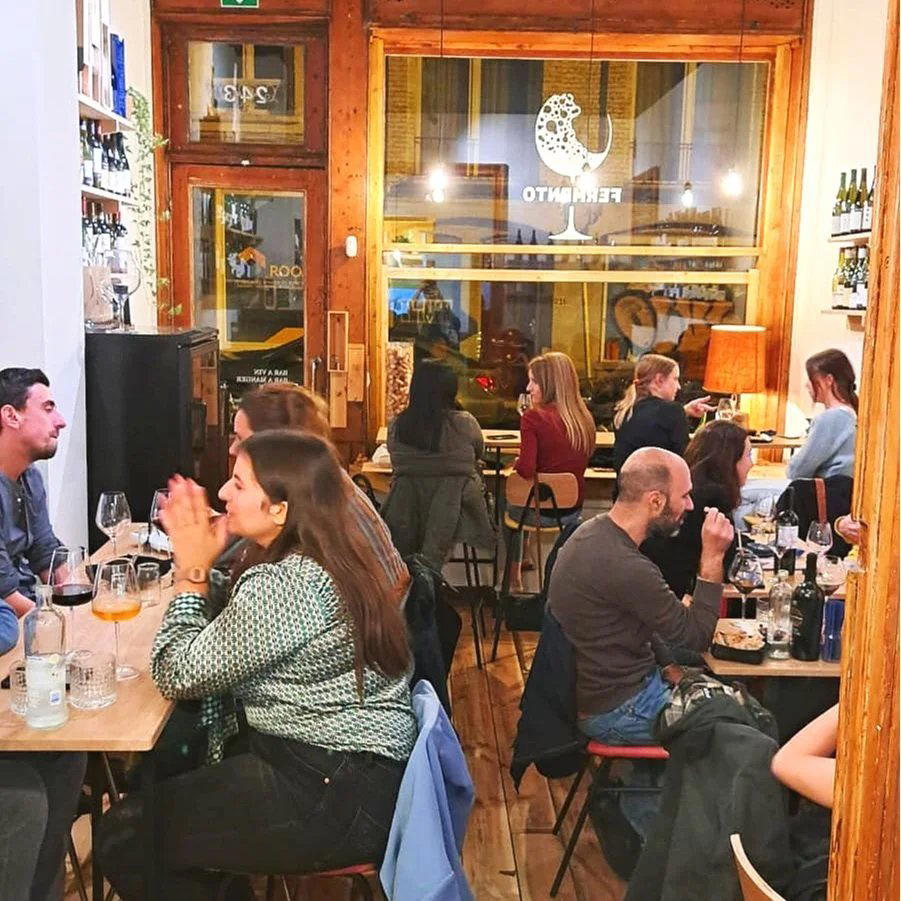
Restaurants in Brussels
Browse all →
Hotels in Brussels
Browse all →
Wineries in Brussels
Browse all →
At a Glance
- Cozy
- Intimate
- After Work
- Casual Hangout
- Standalone
- Seated Bar
- Communal Tables
- Natural Wine
- Sake
Current opening hours
- Monday
- Closed
- Tuesday
- 12–11 PM
- Wednesday
- 12–11 PM
- Thursday
- 12–11 PM
- Friday
- 12–11 PM
- Saturday
- 12–11 PM
- Sunday
- Closed
Hours can change for holidays and private events. Last verified .
Comfortable and unpretentious atmosphere with a relaxed, conversational vibe.
Know Before You Go
- Getting there
- Chau. de Wavre 167A, 1050 Ixelles, Belgium