Our verdict
A chocolate atelier operating out of the historic Château de Leignon in Ciney, this producer sits within Belgium's serious artisan confectionery tradition rather than its tourist-facing souvenir circuit. The château setting places it at the intersection of Ardennes heritage and craft production, making it a destination for those tracking Belgian chocolate beyond Brussels.

Pearl is the En Primeur Club membership app, where members save venues, book tables and use the concierge.
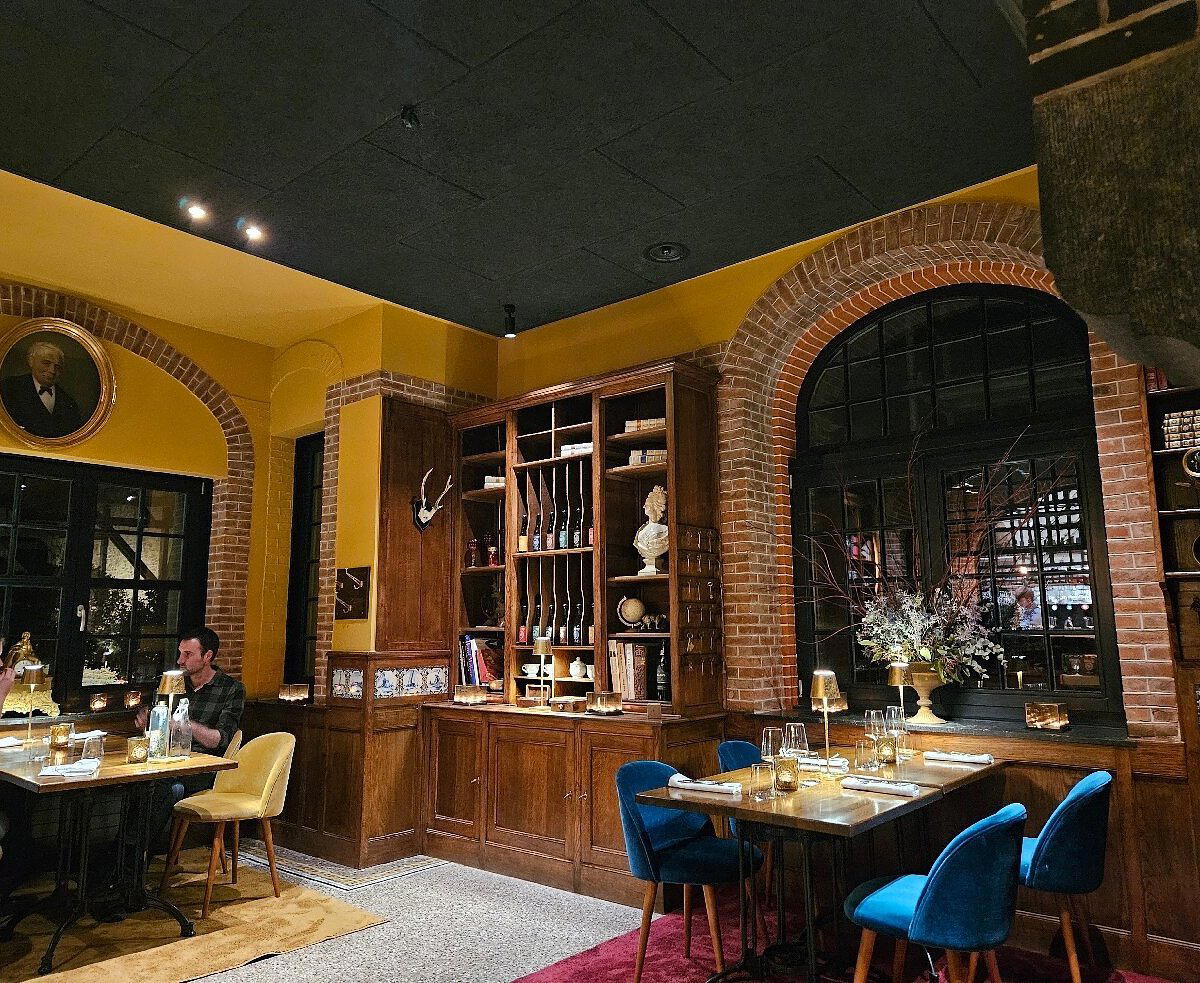
Where Belgian Chocolate Meets Ardennes Stone
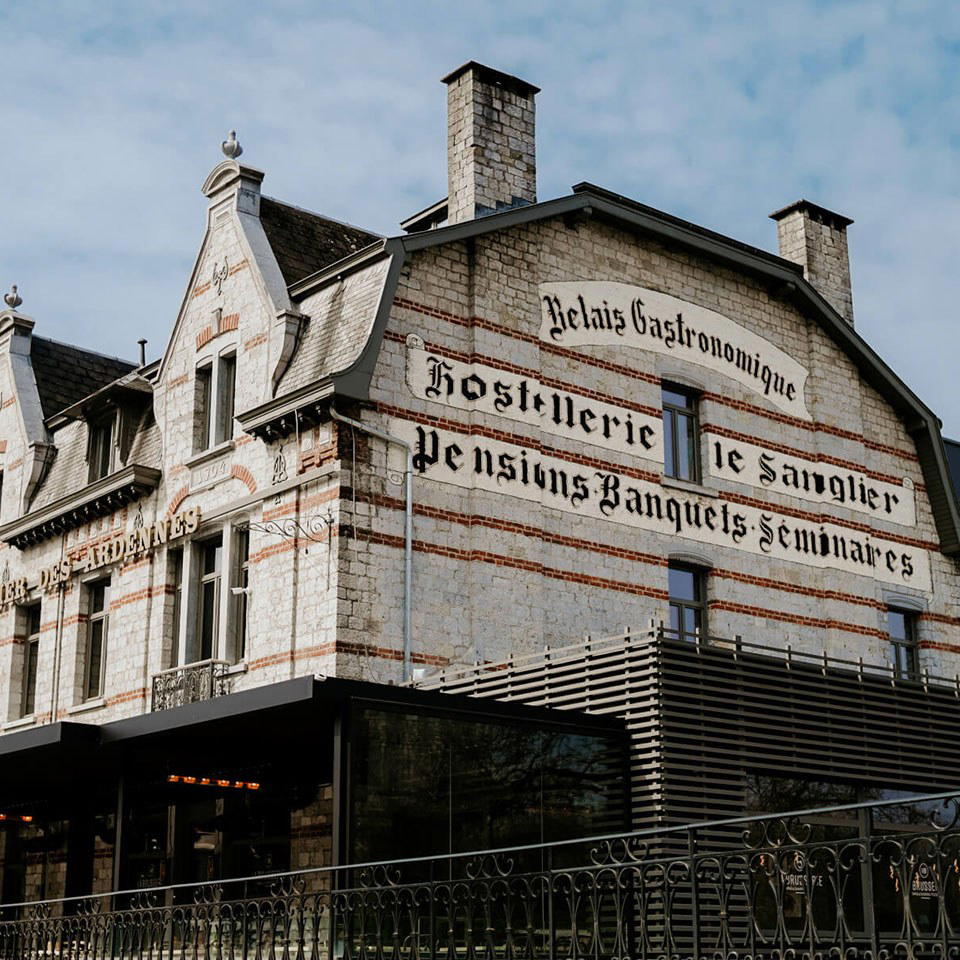
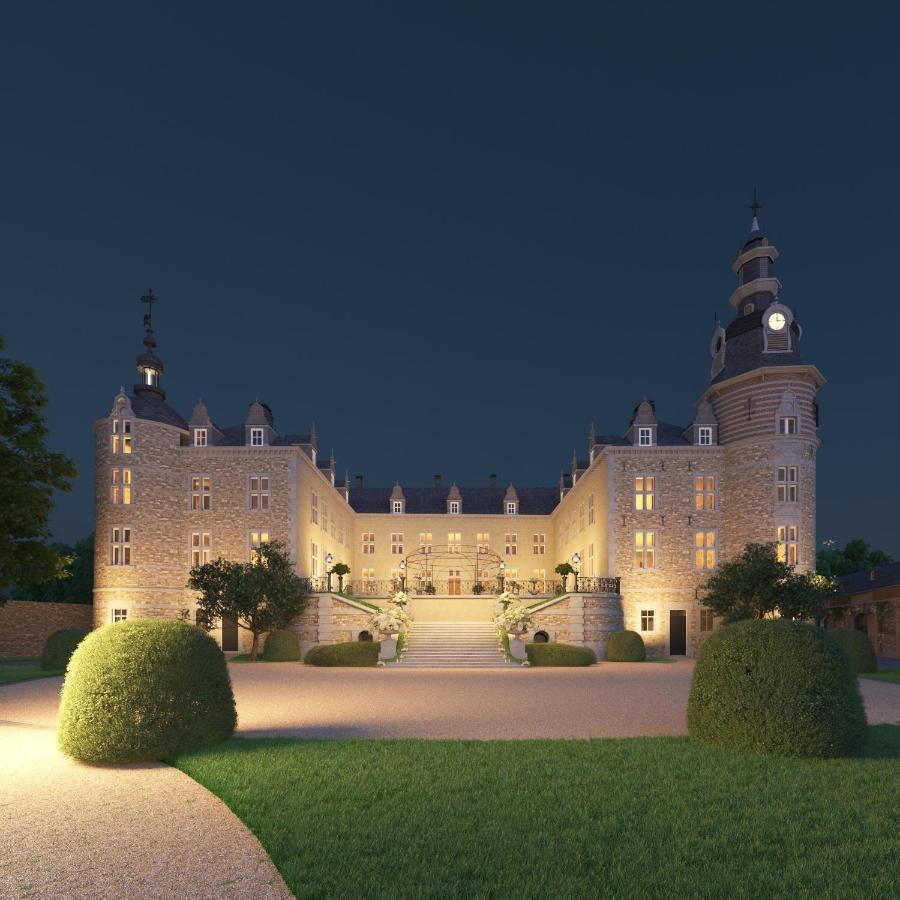
Belgium's chocolate culture divides, broadly, into two economies: the high-visibility urban praline houses that anchor every Brussels and Bruges shopping street, and the smaller, rurally rooted producers who operate closer to raw ingredient logic and regional identity. The Chocolaterie du Château de Leignon, situated at Rue du Sacré-Coeur 1 in Ciney, belongs to the second category. The château itself sets the physical register before you've tasted anything: Ardennes limestone, the particular quietness of a working estate, and the sense that production here is insulated from the marketing pressures that shape confectionery in the capital. That context matters when assessing what Belgian artisan chocolate actually means outside the city.
For Belgian fine dining and craft food producers, the broader scene offers useful framing. The country's Michelin-mapped restaurants, places like Zilte in Antwerp, Boury in Roeselare, or Hof van Cleve in Kruishoutem, have spent years positioning Belgian produce as a serious European culinary argument. The artisan chocolate producers operating in the Wallonia countryside sit adjacent to that argument: smaller in scale, less visible internationally, but anchored in a tradition that predates modern fine-dining branding by decades.
The Château Setting and What It Signals
A chocolaterie operating within a château is not, in Belgium, a novelty invented for tourism. Estate-based food production in the Ardennes and Namur province has a documented history tied to self-sufficient agricultural holdings, and the Château de Leignon's association with chocolate production continues that logic of place-anchored craft. The Ciney area sits in the Condroz, a plateau region of alternating farmland and forests between the Meuse and the Ardennes proper, and the landscape shapes the character of producers who work here: unhurried, specific to place, and largely disconnected from the seasonal tourist surges that drive Belgian chocolate sales in the major cities.
What this means practically for visitors is that Chocolaterie du Château de Leignon operates on a different rhythm than an urban atelier. Arriving here is not the same experience as walking into a shopfront on Brussels' Grand-Sablon. Confirming opening hours and access before making the journey is advisable; the château context suggests an operation that may work by appointment or limited seasonal hours. Anyone travelling specifically for the chocolaterie should treat direct contact as a prerequisite, not an afterthought.
Ciney's Dining and Artisan Context
Ciney does not project itself as a food destination in the way that Namur or Liège might, but the town supports a range of serious dining options for its size. RectoVerso, working in French Contemporary at the €€ tier, and the Auberge du Château de Leignon sit at different ends of the local dining offer. Le Rempart, Sigoji, and 97 Rue Piervenne round out a small but coherent local scene. For anyone building a day around the chocolaterie, the Auberge du Château de Leignon is the natural pairing, sharing as it does both address and the château estate. The full picture of what Ciney offers is in our Ciney restaurants guide.
For comparison with the broader register of Belgian craft and restaurant ambition, venues like Vrijmoed in Gent, Willem Hiele in Oudenburg, and d'Eugénie à Emilie in Baudour illustrate how seriously Belgian producers across formats take their regional positioning. International reference points, from Bozar Restaurant in Brussels to destination venues in other countries like Le Bernardin in New York City or Lazy Bear in San Francisco, show how regional identity, when taken seriously, functions as a credibility signal rather than a limitation. Belgian artisan producers operating outside the capital operate within that same logic, even if their visibility is narrower.
The Cultural Weight of Belgian Chocolate
Belgium's claim on chocolate is not marketing: the country's praline tradition, formalized in the early twentieth century, was genuinely innovatory in European confectionery terms, establishing filled chocolate as a distinct category rather than a byproduct of bulk production. The subsequent decades produced a split between industrial scale operations and the smaller maisons that preserved technique-led production. Artisan chocolatiers working today in regions like Wallonia are operating within a tradition that has real historical depth, even where individual producers carry limited public documentation.
Producers like La Durée in Izegem, Ralf Berendsen in Neerharen, and Cuchara in Lommel represent the kind of regional specificity that Belgian food culture sustains across different categories. A château-based chocolaterie in Ciney participates in the same argument for place and craft, even if its format differs from a restaurant kitchen. The absence of published awards data for the Chocolaterie du Château de Leignon reflects the lower visibility of rural producers in Belgian food media, not necessarily the quality of output.
Planning a Visit
The château context suggests that walk-in access may not always be available, and for visitors travelling from outside the Namur province, the time investment warrants advance planning. Pairing a visit with the Auberge du Château de Leignon makes geographic sense, as both share the same estate. Ciney is accessible by car from Namur in under 30 minutes, and from Liège in approximately 45 minutes, placing it within a comfortable half-day radius of either city.
Frequently asked questions
What should I expect atmosphere-wise at Chocolaterie du Château de Leignon?
The venue occupies a château address in Ciney, which places it in the Ardennes and Namur tradition of estate-based food production, a working context rather than a themed heritage attraction. Expect stone architecture and a production-oriented environment rather than the polished retail interiors of Brussels or Bruges praline houses. The atmosphere reflects the agricultural and artisan character of the broader Ciney area.
Does Chocolaterie du Château de Leignon work for a family visit?
A château-based chocolaterie in Ciney is a different proposition from a sit-down restaurant: the experience centres on artisan chocolate production and retail rather than a family meal service. That format tends to suit mixed-age groups well, with the setting at Rue du Sacré-Coeur 1 offering more spatial interest than a standard town-centre shop. Confirm current opening arrangements directly before visiting, as no hours are documented in public sources.
What's the signature product at Chocolaterie du Château de Leignon?
The venue operates as a chocolaterie, placing praline and chocolate production at the centre of its offer, a tradition with roots in early twentieth-century Belgian innovation that distinguished the country's output from French and Swiss competitors. Belgium's praline tradition remains the relevant frame for understanding what a château-based operation in this region is likely to produce.
How does an estate-based chocolaterie in Ciney differ from urban Belgian chocolate shops?
Chocolaterie du Château de Leignon operates from a château setting in Ciney rather than the high-footfall retail corridors of Brussels or Bruges, which typically means smaller production volumes and a closer relationship between the making and selling of chocolate. The Namur province context situates it within a longer tradition of rural estate food production in the Ardennes, distinct from the praline houses built around tourism infrastructure. For visitors travelling from Namur or Liège, Ciney represents a deliberate detour into a more localised artisan economy.
Pricing, Compared
Comparable venues nearby, for context on price, style, and recognition.
| Venue | Cuisine | Price | Awards | Notes |
|---|---|---|---|---|
| Chocolaterie du Château de LeignonThis venue (the venue you are viewing) | Artisan Chocolaterie | Not listed | Not listed | Not listed |
| Sigoji | Artisanal Belgian Chocolates | Not listed | Not listed | Ciney, Artisanal Belgian Chocolates |
| RectoVerso | Contemporary French Seasonal | $50–100 | Michelin Plate | Ciney, Contemporary French Seasonal |
| 97 Rue Piervenne | Franco-Belgian Bistro | Not listed | Not listed | Faubourg Piervenne, Franco-Belgian Bistro |
| Auberge du Château de Leignon | Refined French Market Cuisine | Not listed | Not listed | Leignon, Refined French Market Cuisine |
| Le Rempart | French Gastronomic Fine Dining | $50–100 | Not listed | Ciney, French Gastronomic Fine Dining |
Continue exploring
More in Ciney
Restaurants in Ciney
All restaurants in Ciney →
Bars in Ciney
Browse all →
Hotels in Ciney
Browse all →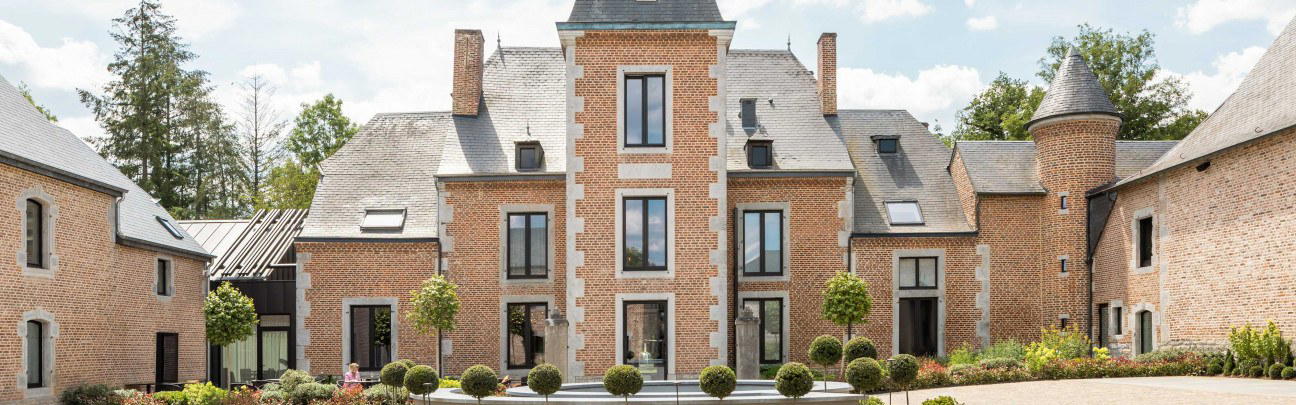

Wineries in Ciney
Browse all →

Details
- Cozy
- Elegant
- Rustic
- Casual Hangout
- Celebration
- Historic Building
- Garden
- A La Carte
Current opening hours
- Monday
- Closed
- Tuesday
- 10 AM–6 PM
- Wednesday
- 10 AM–6 PM
- Thursday
- 10 AM–6 PM
- Friday
- 10 AM–6 PM
- Saturday
- 10 AM–6 PM
- Sunday
- Closed
Hours can change for holidays and private events. Hours as of .
Set in a verdant castle estate with a serene, historic charm evoking sweet childhood memories through passionate craftsmanship.