

A converted Dominican abbey on Rue Léopold in central Brussels, The Dominican trades on the architectural weight of its past: soaring Gothic ceilings, original stone flooring, and textiles that hold the drama of the space rather than soften it. The hotel sits in the upper tier of Brussels' heritage conversion properties, positioned between the Grand Place and the European Quarter for guests who want historical atmosphere without sacrificing central access.
Pearl is the En Primeur Club membership app — saves, bookings, and concierge access live there. Same editors, same standards.
- Address
- Rue Léopold, 9, Brussels 1000, Belgium
- Phone
- +32 2 2030808
- Website
- marriott.com
- Directions
- Get directions
 Saves & bookings on Pearl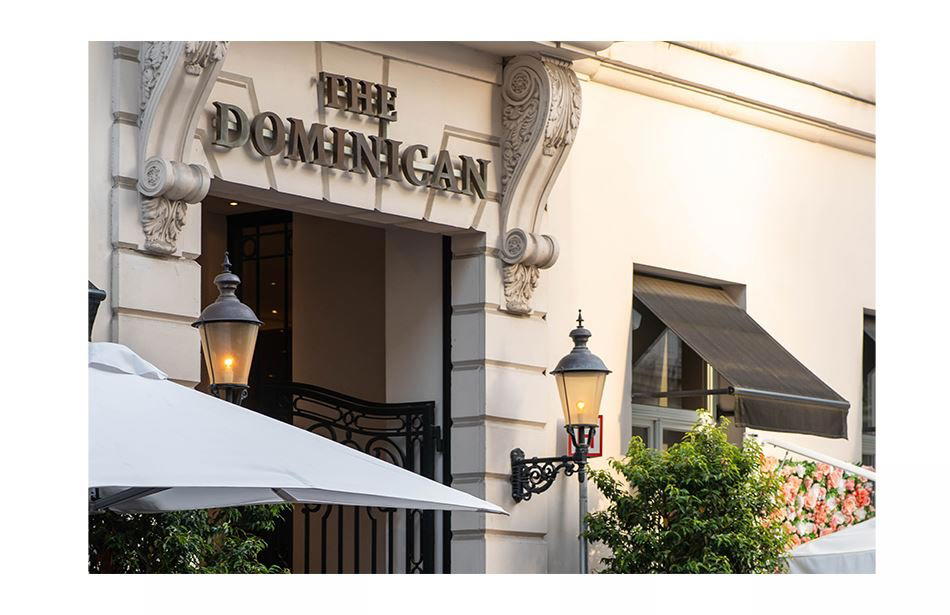
Stone, Vaulting, and the Architecture of Restraint
Brussels has a particular tradition of converting religious and civic buildings into hospitality spaces, and the results tend to divide sharply between those that treat the original fabric as scenery and those that let it carry the room. The Dominican belongs to the second category. The former abbey on Rue Léopold retains its soaring ceilings and original stone flooring. The effect is a kind of dramatic stillness that most purpose-built hotels spend considerable budgets trying to manufacture.
That quality of inherited atmosphere places The Dominican in a specific competitive tier within Brussels. The city's upper-bracket hotel market now contains a range of conversion and restoration projects, from the neoclassical grandeur of the Corinthia Grand Hotel Astoria Brussels to the more contained intimacy of the Juliana Hotel Brussels. What distinguishes the abbey conversion is the ceiling height, which creates a sense of drama that smaller boutique properties cannot replicate.
Responsible Luxury in a Historic Shell
The question of sustainability in heritage buildings is rarely direct. Older structures were built with materials and proportions that often perform differently from modern construction on energy metrics, and the preservation obligations attached to protected buildings constrain what can be retrofitted. Properties occupying former religious buildings across European cities have had to develop approaches to responsible operation that work within those constraints rather than against them.
At The Dominican, the existing stone fabric helps moderate interior temperature during shoulder seasons. The retention of original flooring and structural materials also sidesteps the environmental cost of replacement construction,
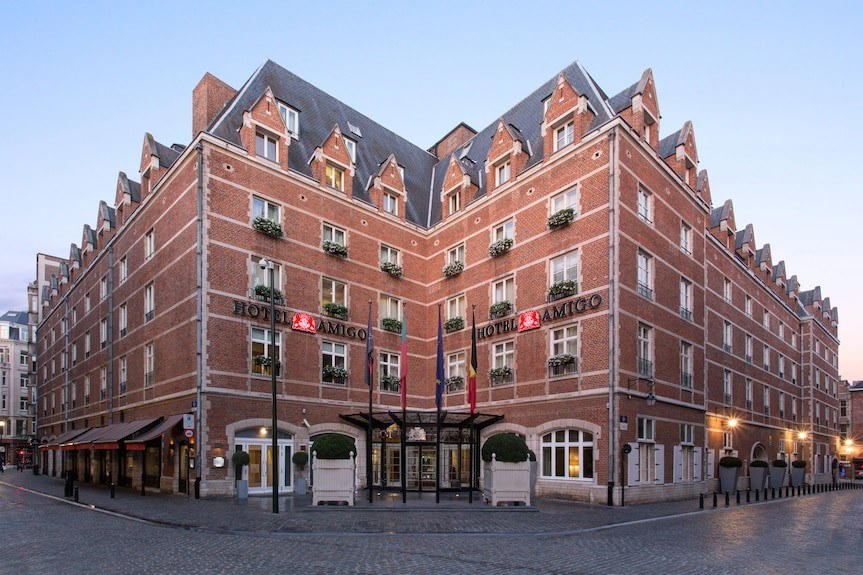
Across the Brussels hotel market, the properties most credibly positioned on responsible luxury tend to be those where the building itself carries much of the argument. The Hotel Amigo, a Rocco Forte Hotel, and the Steigenberger Wiltcher's each occupy historic structures where conservation and operational responsibility overlap. The Dominican's abbey origins strengthen that argument, since a building that has stood for centuries and continues to function carries much of the case itself.
Position in the Brussels Upper-Market Field
Brussels' premium hotel segment has grown more competitive as the city's dual identity, as both a European capital and an international conference hub, has attracted investment from large international groups alongside independent operators. The La Plaza Brussels and Sofitel Brussels Europe serve the international-brand end of that market, while properties like the Tangla Hotel Brussels address more specific guest profiles. The hotel occupies a position between those poles: the architectural profile commands attention in the way that a branded tower cannot, while the property remains accessible to guests whose primary interest is the city rather than the hotel's amenities.
For guests comparing options in the immediate centre, the Radisson Collection Hotel, Grand Place Brussels and the Hotel Agora Brussels Grand Place cover the Grand Place adjacency at different price points. The hotel's Rue Léopold address places it close to the historic centre while sitting nearer the commercial and institutional quarter that runs toward the European institutions.
Brussels as Context
Brussels has become more deliberate about preserving its built heritage over the past two decades. An earlier era of demolition and replacement gave way to preservation frameworks that now govern much of the central fabric, and the hospitality sector has responded by treating historic buildings as assets rather than constraints. That shift benefits properties like The Dominican directly, because the market now prices the atmospheric quality of original structure.
Guests extending their stay beyond Brussels will find the Belgian hotel field offers considerable variety at the premium level. In Bruges, the Boutiquehotel 't Fraeyhuis operates on similar principles of converted historic fabric in a smaller city. In Ghent, B&B The Verhaegen represents the patrician townhouse end of the heritage conversion spectrum. For Ardennes-oriented itineraries, the Chateau de Vignée in Rochefort and the Domaine du Château de Modave extend the logic of historic buildings repurposed for considered hospitality into the countryside. The Domaine La Butte aux Bois in Lanaken and Kasteel van Ordingen in Sint-Truiden fill out the Flemish end of that itinerary, while Hotel Julien in Antwerp offers a comparable urban heritage experience in Belgium's second city. In the east, Julevi in Eupen serves the German-speaking community's quieter appeal.
For guests arriving from outside Europe, useful points of orientation include properties that share a design-led, non-chain approach: The Fifth Avenue Hotel in New York City and Aman New York represent different versions of the same argument about architecture and atmosphere. Further afield, Aman Venice and Amangiri in Canyon Point show how the inherited-fabric principle scales across different geographies and building traditions. The Pantone Hotel Brussels and Le Louise Hotel Brussels extend the Brussels options for guests whose preference runs toward design-forward rather than historic.
The Pestana Brussels Schuman serves the European Quarter directly for guests whose itinerary is institution-focused.
Planning a Stay
The hotel's address on Rue Léopold places it within walking distance of the Grand Place, the Sablon antiques district, and the main Brussels-Central rail terminus, which connects directly to Brussels-Midi for Eurostar services and to Brussels Airport via the express line. Central Brussels has enough hotel density that booking lead times are less acute than in smaller European cities, though the property's architectural profile means that rooms with the full ceiling height are worth requesting at reservation. The abbey structure creates genuine variation between room types, and the difference in spatial experience between a standard room and one that captures the vaulted character of the original building is not trivial.
Frequently Asked Questions
What is The Dominican known for?
Dominican is known primarily for its conversion of a former Brussels Dominican abbey into a hotel, retaining original stone flooring, soaring Gothic-scale ceilings, and the spatial gravity of the historic structure. In the Brussels upper-market hotel field, it is the combination of central Rue Léopold location and inherited architectural drama that positions it distinctly against both international chain properties and smaller boutique competitors.
What is one popular room type at The Dominican?
Hotel's former abbey structure creates meaningful variation between room categories. Rooms that preserve the vaulted ceiling height and original stone detailing represent the clearest argument for choosing the hotel over a comparable Brussels property without that heritage fabric. Guests prioritising the full architectural experience should specify this preference when booking, as the building's historic layout means room volumes differ more than in a standard purpose-built property.
A Pricing-First Comparison
Comparable venues nearby, for context on price, style, and recognition.
| Venue | Price | Awards | Notes |
|---|---|---|---|
| The DominicanThis venue — the venue you are viewing | $$$$ | 4-Star | Not listed |
| Harmon House | $$$$ | 4-Star | Saint-Gilles, Contemporary boutique mansion with members' club vibe |
| NH Collection Brussels Grand Sablon | $$$ | 4-Star | Pl. de Brouckere, synthesis of old world charm and modern convenience |
| JAM Hotel | $$$ | 3-Star | Saint-Gilles, Trendy urban design hotel in a repurposed 1970s building blending boutique and hostel elements. |
| La Plaza Brussels | $$$ | 5-Star | Pl. de Brouckere, Historic luxury with Art Deco heritage |
| Zoom Hotel | $$$ | 4-Star | Ixelles, Contemporary boutique in a townhouse with industrial-cosy charm. |
Recognition history
Dated appearances from independent guides and award organizations, with the underlying list record or original source where available.
Design Hotels Member
Design Hotels
Michelin Selected
Michelin
Continue exploring
More in Brussels
Hotels in Brussels
Browse all →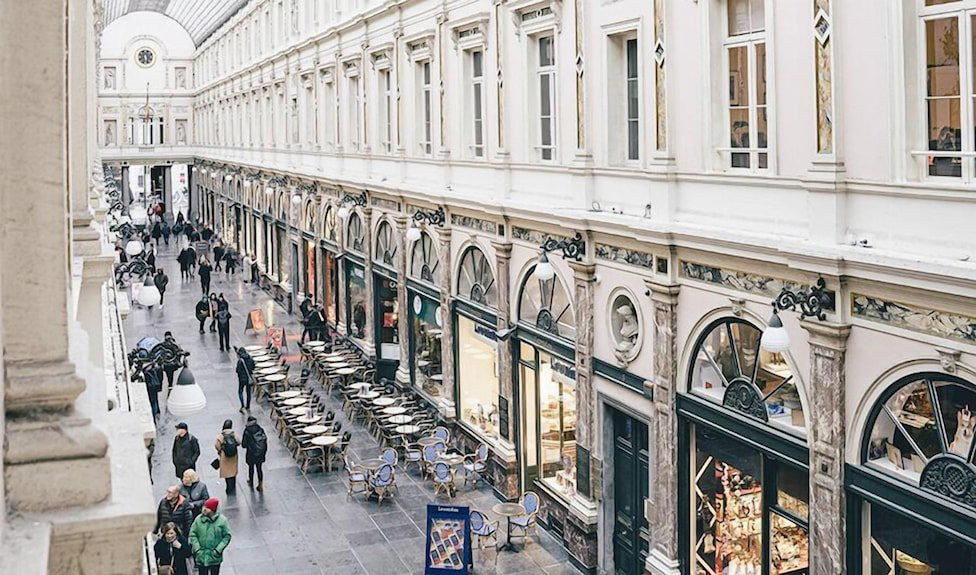
Bars in Brussels
Browse all →
Restaurants in Brussels
Browse all →
Wineries in Brussels
Browse all →
At a Glance
- Elegant
- Modern
- Sophisticated
- Intimate
- Romantic Getaway
- Business Trip
- Weekend Escape
- Garden
- Terrace
- Historic Building
- Wi Fi
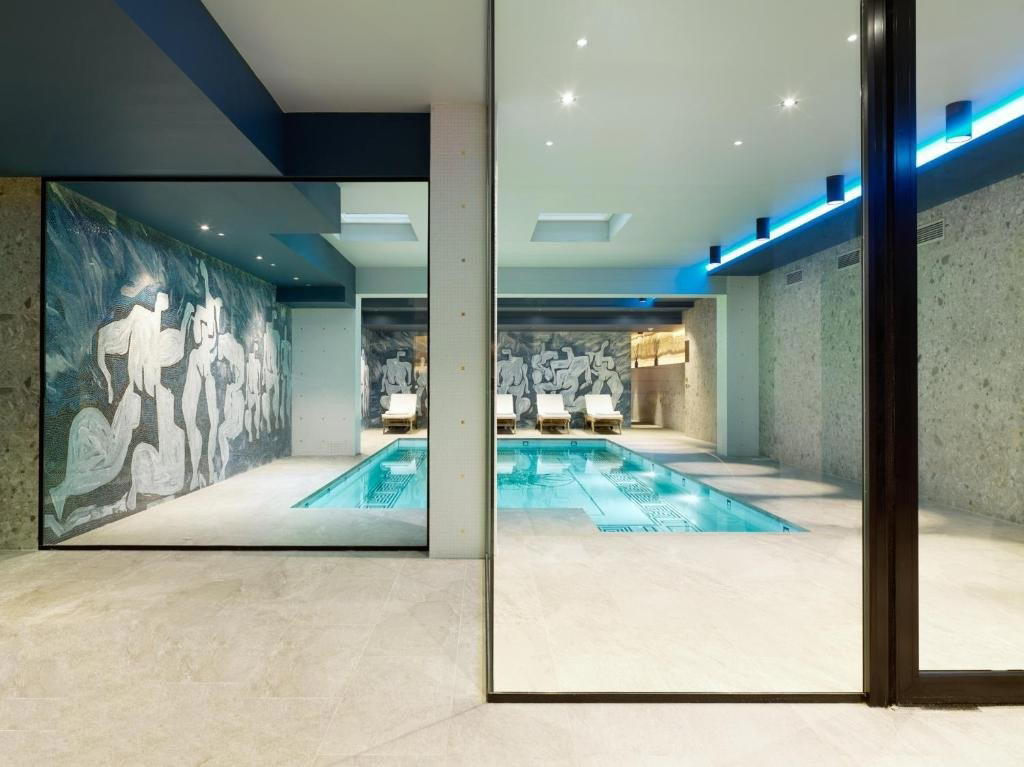
- Sauna
- Fitness Center
- Room Service
- Concierge
- Business Center
- Garden
- Wi Fi
- Sauna
- Fitness Center
- Room Service
- Concierge
- Business Center
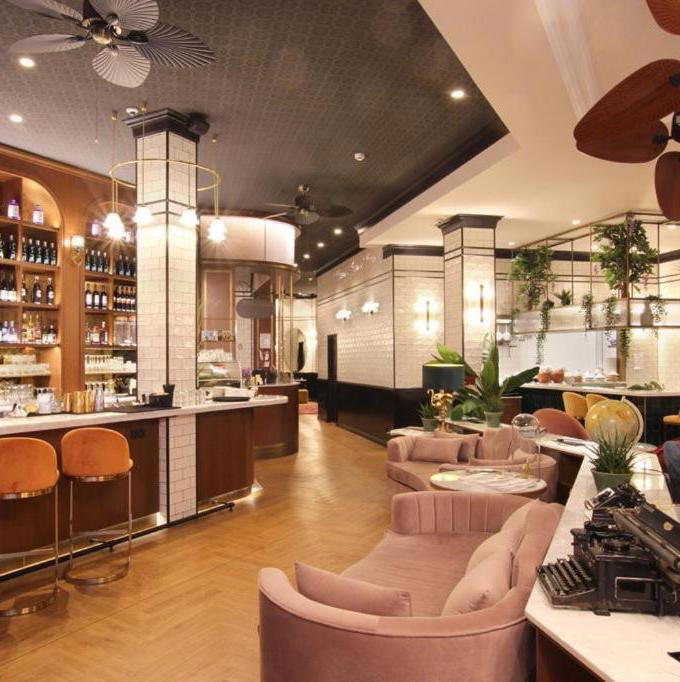
Tranquil and elegant with relaxing Gregorian chant ambiance, comfortable lighting, and a warm, sophisticated atmosphere praised in guest reviews.