Our verdict
Soetkin sits on Mechelsesteenweg in Kontich, a suburb south of Antwerp where the dining scene has quietly grown in ambition over the past decade. Booking directly and arriving with an open appetite is the safest approach.

Pearl is the En Primeur Club membership app — saves, bookings, and concierge access live there. Same editors, same standards.
- Address
- Mechelsesteenweg 51, 2550 Kontich, Belgium
- Phone
- +3234578095
- Hours
- Mon ClosedTue–Sat 9 AM–6 PMSun Closed
- Website
- chocolateriesoetkin.be
- Directions
- Get directions
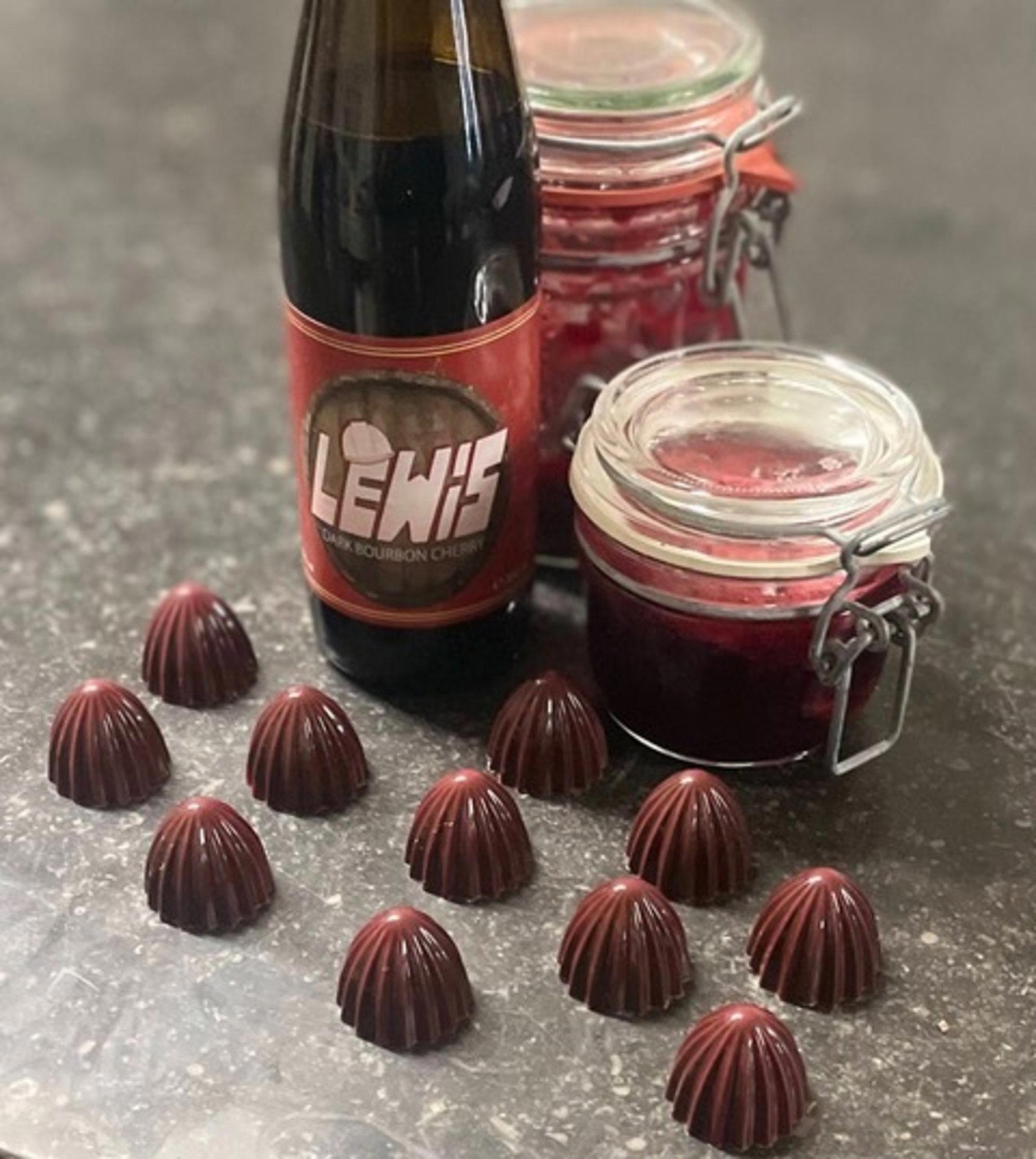
Kontich's Quiet Dining Corridor
The road between Antwerp and Mechelen has never been the obvious address for serious eating, but Mechelsesteenweg tells a different story to anyone paying attention. Kontich, a suburban municipality of around 22,000 residents, has accumulated a cluster of independently operated restaurants that punch above what the postcode suggests. Soetkin, at number 51 on that same arterial road, is part of this pattern: a neighbourhood address that draws guests who are not simply filling a local need but making a deliberate choice to eat here rather than in the city centre twelve kilometres north.
This kind of suburban consolidation is not unique to Kontich. Across Flanders, lower property costs and access to agricultural supply chains have made smaller municipalities attractive for kitchens that prioritise sourcing depth over urban visibility. The same logic has driven serious restaurants to places like Kruishoutem, home to Hof van Cleve - Floris Van Der Veken, or Oudenburg, where Willem Hiele has built a reputation on hyper-local coastal ingredients. Kontich's cluster operates on a smaller scale, but the underlying logic is the same.
What the Address Signals About Sourcing
Restaurants that settle on an arterial road between two mid-sized Belgian cities tend to share certain practical advantages. Distribution routes from the Mechelen vegetable belt, the Antwerp port's seafood access, and the farmland of the Rupel and Nete river basins all converge within a short radius of Kontich. For a kitchen serious about where its ingredients originate, that geography is a working asset rather than a scenic backdrop.
Belgium's ingredient culture has been shaped by proximity: the country's small size means that a restaurant with the right supplier relationships can reach growers, fishers, and artisan producers within a single morning's logistics run. Kitchens like Boury in Roeselare and Zilte in Antwerp have demonstrated what that supply proximity can produce when matched with technical ambition. Soetkin occupies a quieter position in this conversation, but its address places it inside the same supply geography as those better-documented kitchens.
Fortuin, operating in a Creative French register at the €€€ tier, and Vintage, working in Modern Cuisine at the same price bracket, both suggest that the local market has appetite for cooking that treats ingredients as the primary subject rather than the supporting cast. De Ganzenpoel and Faim round out a compact but genuinely varied local dining corridor that rewards guests willing to look beyond the Antwerp ring road.
The Setting on Mechelsesteenweg
Mechelsesteenweg 51 is a working street address, not a destination courtyard or converted farmhouse. That is worth stating plainly, because the restaurants that have grown their reputations on this road have done so through the quality of what arrives on the plate, not through architectural spectacle. Belgian dining culture has a long tradition of this: serious kitchens housed in unremarkable exteriors, from neighbourhood bistros in Ghent to the fishing villages of the North Sea coast where Bartholomeus in Heist operates with quiet authority.
Approaching Soetkin, the surrounding context is suburban Antwerp province: low-rise buildings, mixed commercial use, the kind of street where a restaurant needs word of mouth rather than foot traffic to fill covers. That dynamic tends to produce a specific kind of guest: someone who has made a considered booking rather than a spontaneous decision, which in turn shapes the atmosphere inside. Rooms that rely on deliberate guests rather than walk-ins tend to run at a different register, quieter and more focused, than venues dependent on passing trade.
Kontich in the Broader Belgian Restaurant Picture
Belgium's dining geography rewards those who read it carefully. The country concentrates an unusual density of serious kitchens for its size: Michelin's Belgian selections consistently feature restaurants in small towns and rural addresses, reflecting a culture where eating well is treated as a civic priority rather than a metropolitan privilege. L'air du Temps in Liernu, La Durée in Izegem, and De Jonkman in Sint-Kruis all operate outside major urban centres and all carry serious reputations. Castor in Beveren and d'Eugénie à Emilie in Baudour extend that pattern further.
The contrast with Brussels, where Bozar Restaurant anchors a different kind of institutional dining culture, is instructive. Urban Belgium and provincial Belgium eat differently, and the latter often produces cooking that is more directly rooted in seasonal and regional supply. For guests accustomed to the reference points of New York dining, where Le Bernardin and Atomix operate within a competitive urban ecosystem, the Belgian provincial model can feel counterintuitive until the food arrives and makes the argument for itself.
Soetkin sits within that provincial tradition, and the full Kontich restaurants guide maps the local scene in detail for guests planning a visit to the area.
Planning a Visit
Kontich sits roughly twelve kilometres south of Antwerp's city centre, accessible by both road and public transport on the Antwerp-Mechelen axis. Given the limited publicly available information about Soetkin's current hours, booking format, and pricing, contacting the restaurant directly at its Mechelsesteenweg 51 address is the most reliable first step. The restaurant's neighbours in the local dining corridor operate at the €€€ tier, which in a Belgian suburban context typically places a dinner in the 60 to 110 euro per person range before wine, though this is an inference from peer pricing rather than confirmed data for Soetkin specifically. Guests driving from Antwerp will find the route direct on the N1; those arriving by train can reach Kontich station and continue a short distance by local transport or taxi.
Frequently asked questions
Is Soetkin good for families?
Soetkin is at Mechelsesteenweg 51, a working street address in Kontich rather than a casual family dining strip. The context of the restaurant — positioned on a deliberate arterial route between Antwerp and Mechelen — suggests a dining focus rather than a family-casual format, though the specifics of the dining room and service style are best confirmed directly with the venue before booking with children.
What kind of setting is Soetkin?
Soetkin occupies a conventional street address on Mechelsesteenweg in Kontich, not a converted farmhouse or courtyard destination. The location on one of Belgium's main north-south arterial roads places it squarely in the practical corridor between Antwerp and Mechelen, roughly twelve kilometres south of Antwerp's city centre. The setting is functional rather than theatrical, which in the Belgian dining tradition often signals that attention is directed toward the plate.
Is Soetkin worth the drive from Antwerp or Mechelen?
Kontich sits approximately twelve kilometres south of Antwerp's city centre on the direct road to Mechelen, making Soetkin at Mechelsesteenweg 51 a straightforward addition to either city's dining orbit. Belgium's restaurant density means that kitchens on secondary routes tend to hold their own against city-centre competition rather than trade on convenience alone. Whether the specific detour earns itself is a question best answered by checking the current menu and reservation availability directly with the restaurant.
What do regulars order at Soetkin?
What the address in Kontich does suggest is access to solid Flemish supply lines running between Antwerp and Mechelen, which typically shapes what a kitchen at this location can do consistently and at volume.
How It Stacks Up
Comparable venues nearby, for context on price, style, and recognition.
| Venue | Cuisine | Price | Awards | Notes |
|---|---|---|---|---|
| SoetkinThis venue — the venue you are viewing | Chocolatier | Not listed | Not listed | Not listed |
| Faim | Modern Belgian Bistro | $30–50 | Not listed | Kontich |
| De Ganzenpoel | Modern French Fine Dining | $100–150 | Not listed | Kontich |
| Fortuin | Creative French-Belgian Brasserie | Not listed | Michelin Plate | Gemeenteplein |
| Vintage | Modern French Fine Dining | $100–150 | 1 Michelin Star · Star Wine List Best Short List | Kontich |
| HD Ghent - by Hilde DeVolder Chocolatier | Artisanal Belgian Chocolatier | $10–20 | Not listed | Elisabethbegijnhof - Prinsenhof - Papegaai - Sint-Michiels |
Details
Current opening hours
- Monday
- Closed
- Tuesday
- 9 AM–6 PM
- Wednesday
- 9 AM–6 PM
- Thursday
- 9 AM–6 PM
- Friday
- 9 AM–6 PM
- Saturday
- 9 AM–6 PM
- Sunday
- Closed
Hours can change for holidays and private events. Last verified .
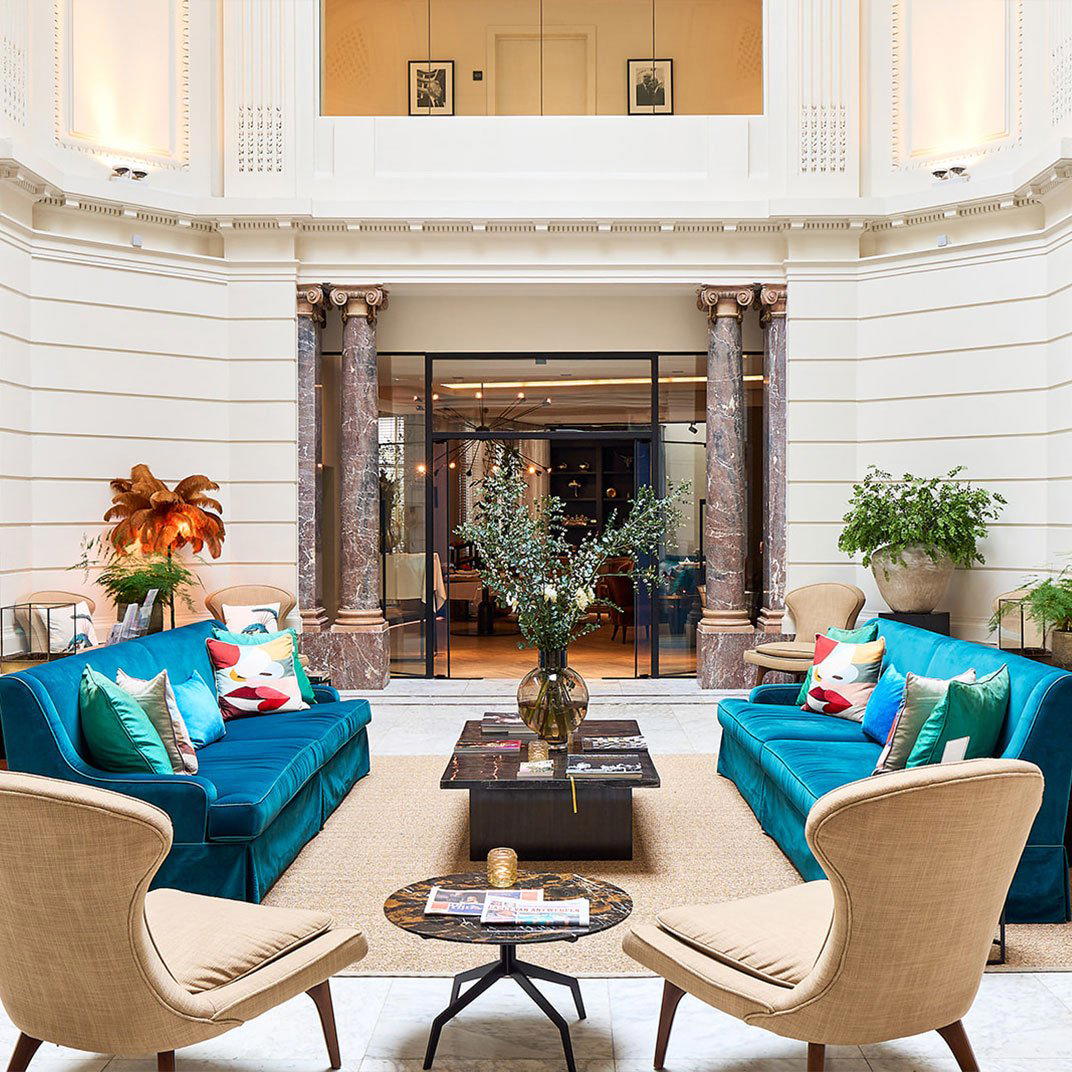
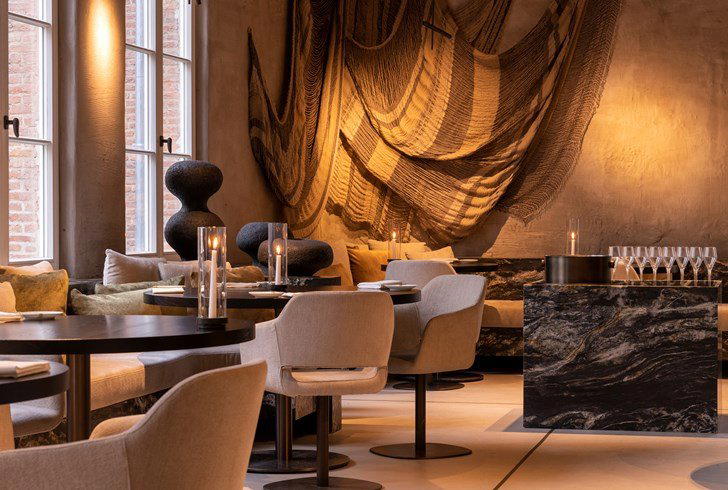
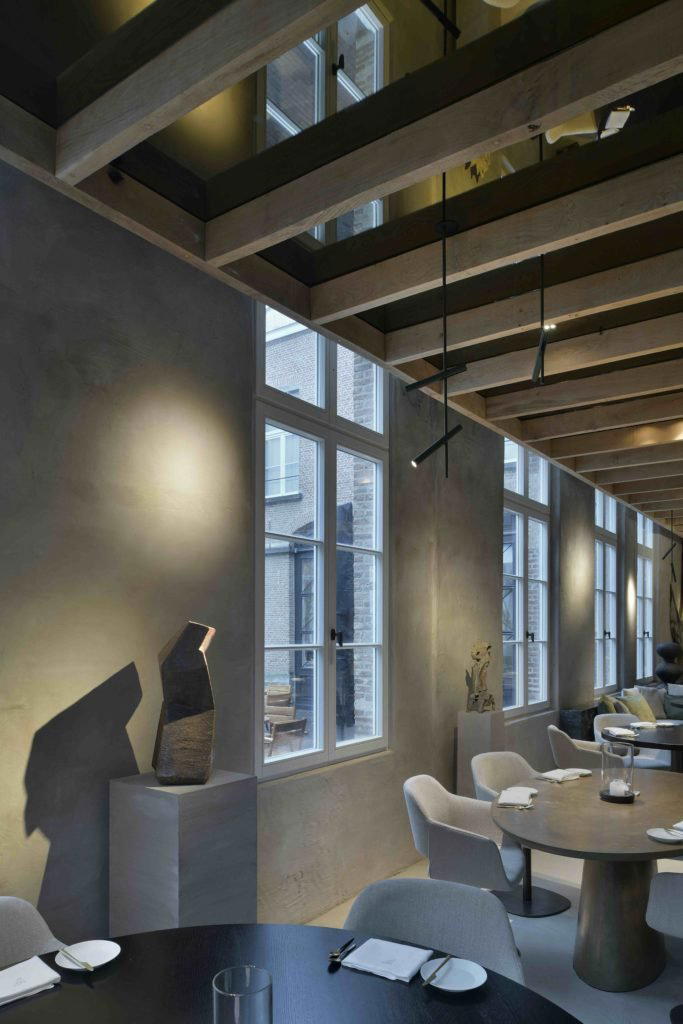
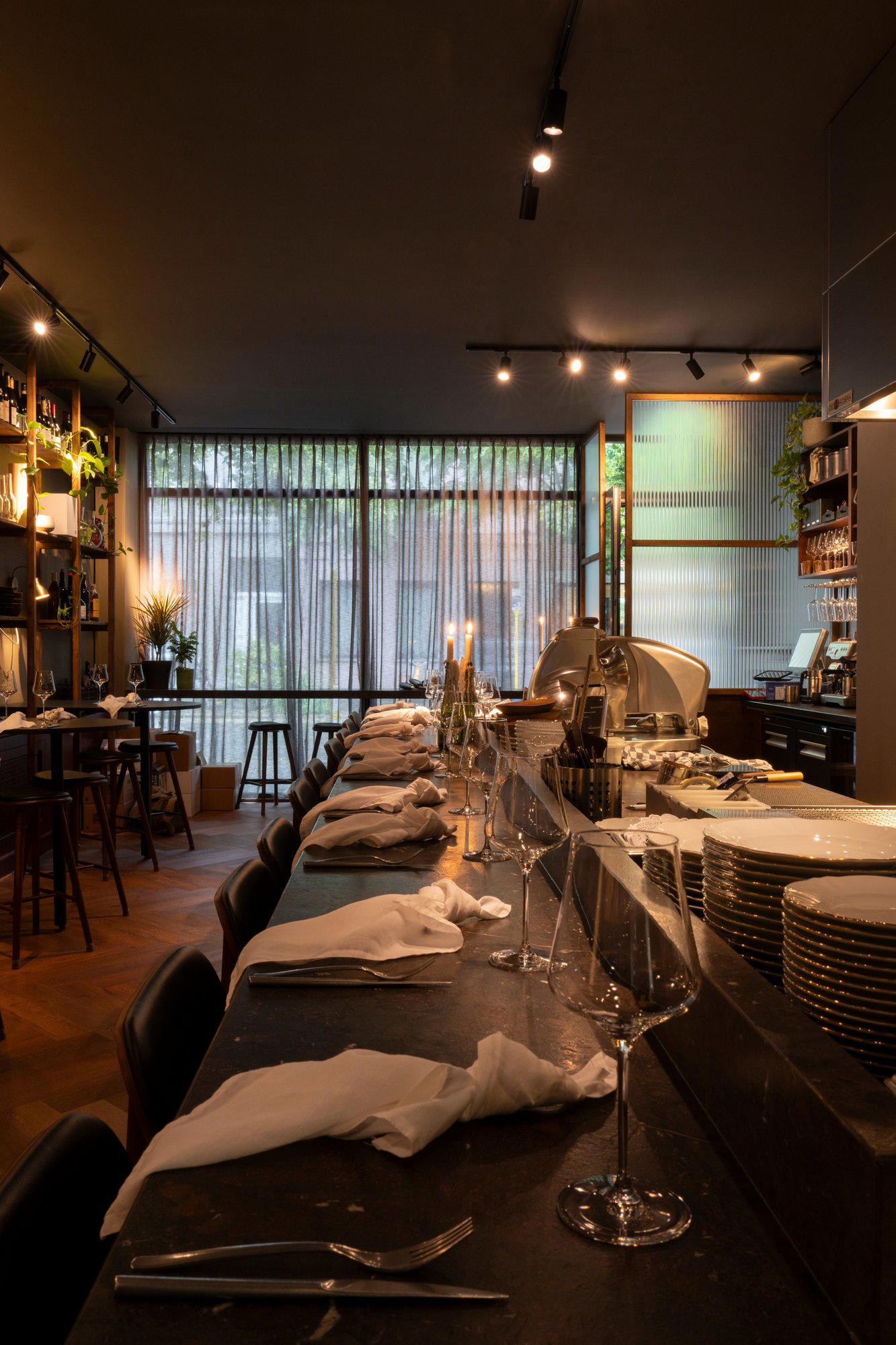
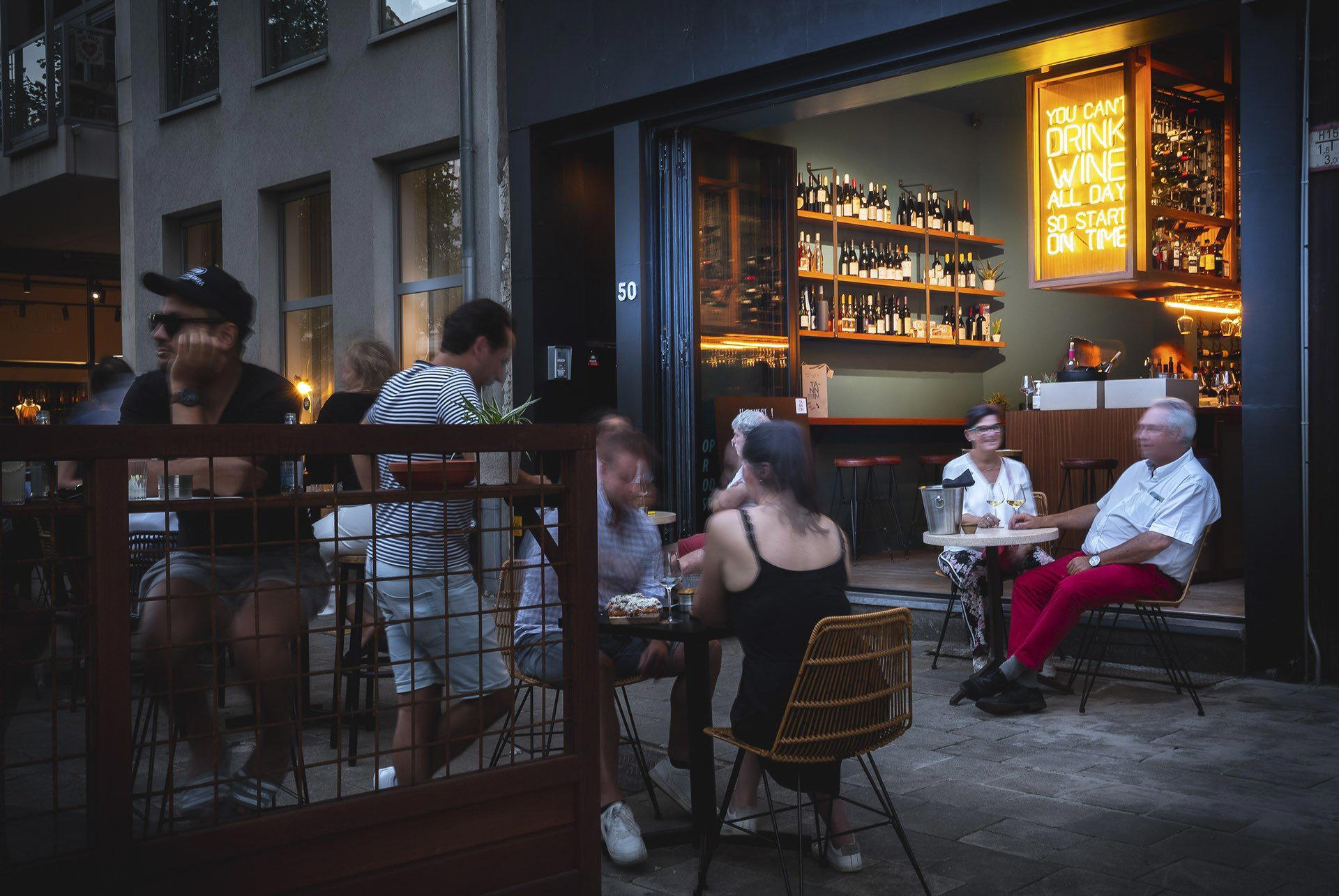
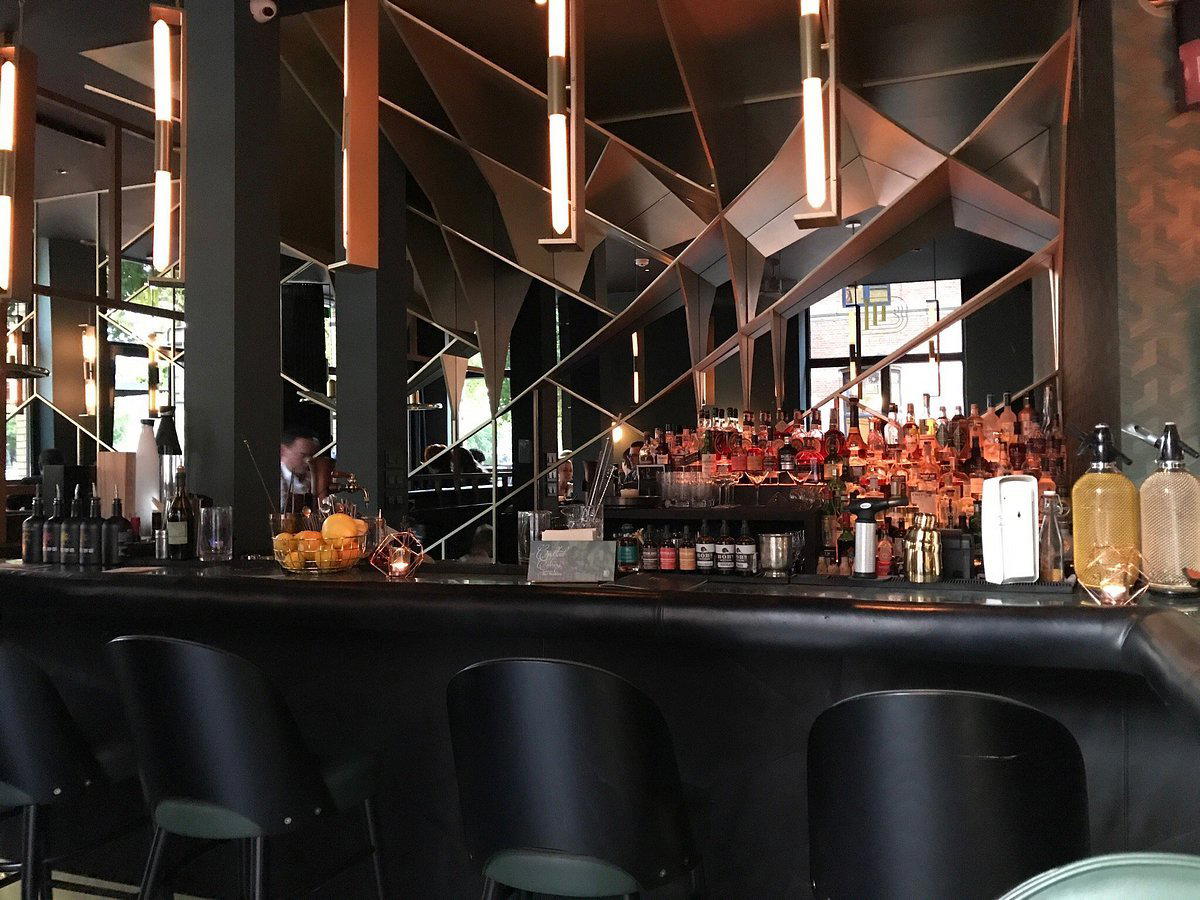
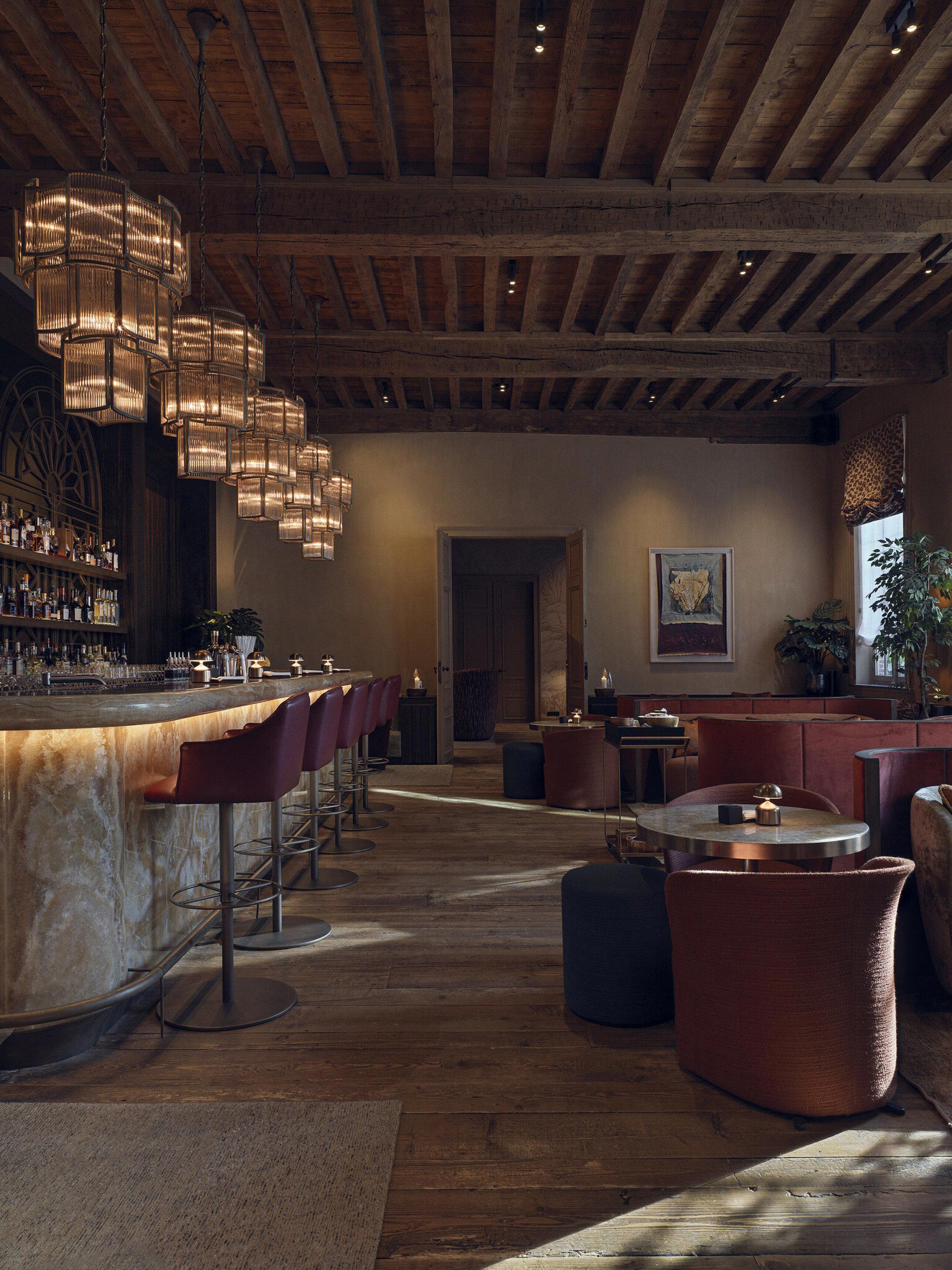
Cozy and elegant chocolate shop atmosphere.