




2 Michelin Stars · La Liste Top Restaurants · Falstaff Restaurant - 96 Falstaff Points
Our verdict
A two-Michelin-star address in the Sint-Kruis countryside outside Bruges, De Jonkman holds 92.5 points from La Liste (2025) and a ranking of #219 in Opinionated About Dining's European list. Chef Filip Claeys, widely regarded as Flanders' leading fish cook, builds a creative Modern Flemish menu in which vegetables and marine produce carry equal weight across Wednesday to Saturday service.

Pearl is the En Primeur Club membership app, where members save venues, book tables and use the concierge.
The menu
What to order
- Filip is de sigaar
- North Sea crab tartaar
- Imperial Heritage kaviaar
Where Flemish Fields Meet the North Sea Plate
The road from Bruges to Sint-Kruis runs through a flat, quietly agricultural stretch of West Flanders where polders give way to market gardens and the horizon stays wide and unhurried. This is the countryside that produces much of what ends up on the region's finest tables: white asparagus in spring, sea vegetables from the Flemish coast, freshwater fish from inland waterways, and the dense-flavoured brassicas that West Flemish growers have cultivated for generations. De Jonkman, on the Maalse Steenweg at the edge of this landscape, sits at the intersection of those ingredients and a kitchen trained to treat them as primary material rather than accompaniment.
The two-Michelin-star category in Belgium is not crowded, but it is competitive. Alongside names like Boury in Roeselare and Hertog Jan at Botanic in Antwerp, De Jonkman occupies a tier where the question is not simply whether food is technically accomplished, at this level, it is, but whether it carries a coherent point of view about where it comes from. The answer here is grounded in the West Flemish coast and its immediate hinterland, which gives the menu a geographic specificity that many creative tasting formats lack.
Filip Claeys and the Flemish Fish Tradition
Belgian fine dining has long supported a tradition of coastal cooking that extends inland: the North Sea ports of Ostend, Zeebrugge, and Nieuwpoort have historically supplied a supply chain that reaches far into Flemish kitchens. Chef Filip Claeys has built his reputation squarely within that tradition. Known in the regional culinary press as the fish chef of Flanders, he has made marine produce the anchor of De Jonkman's identity over more than a decade of two-star operation. The 2025 Michelin Guide retained both stars; La Liste awarded 92.5 points in the same year, placing the restaurant among the top 325 addresses in Europe according to Opinionated About Dining's 2025 ranking.
What the awards record signals, and what La Liste's reviewer made explicit in their 2026 assessment (81 points under the updated scoring), is that the kitchen does not reduce itself to a single-ingredient narrative. The reviewer noted with evident satisfaction that vegetables hold genuine weight alongside the fish, and that the overall balance of flavour and colour across the menu reflects systematic thinking rather than happy accident. That balance is the harder achievement: sourcing fish at this quality is a function of relationships with coastal suppliers; giving vegetables equivalent structural importance requires a different kind of discipline, one that connects back to the agricultural character of the Sint-Kruis countryside itself.
Ingredient Sourcing as the Kitchen's Foundation
Modern Flemish cuisine at the upper end of the market has developed a clear sourcing grammar over the past decade. Proximity matters, but provenance specificity matters more: naming a farm or fishing vessel rather than a region, working with growers whose practices align with how the kitchen wants to cook, and building menus around what is available rather than what fits a predetermined concept. This approach is now common enough among Belgium's starred restaurants to constitute a category norm rather than a differentiator, but the quality of execution separates the field.
De Jonkman's position in Sint-Kruis, outside the tourist density of central Bruges but within practical reach of both the coast and the inland growing areas, gives the kitchen logistical advantages that a city-centre address would not have. The short distances involved in West Flemish ingredient geography, Bruges to the sea is roughly 15 kilometres; the polders and market gardens begin at the city's edge, mean that produce can move from harvest or landing to kitchen without the transit times that degrade delicate ingredients. For fish especially, that proximity is determinative: the difference between a turbot landed at Zeebrugge and cooked the same evening versus one that has spent two days in transit is not subtle.
Peer addresses across Belgium's creative Modern Flemish tier work similar sourcing logic. Willem Hiele in Oudenburg and Bartholomeus in Heist both operate close to the North Sea supply chain, building menus around tidal rhythms and seasonal catch in ways that parallel what Claeys does in Sint-Kruis. The difference in cooking style and register is real, De Jonkman's format is more formal, the price tier and award profile placing it above the casual end of coastal cooking, but the sourcing philosophy connects them to a broader West Flemish culinary identity.
The Sint-Kruis Setting and the Dining Format
Approaching a restaurant of this calibre outside a major city centre involves a different set of expectations than arriving at an urban address. The drive or taxi ride from central Bruges through Sint-Kruis is part of the rhythm of the meal, a transition from the medieval density of the city to a quieter, more spread-out environment. The address on Maalse Steenweg places De Jonkman in that semi-rural fringe where the city loosens its grip on the surrounding land.
Service runs Wednesday through Saturday, with lunch slots from noon to 1:30 pm and dinner from 7:00 to 8:30 pm. Monday, Tuesday, and Sunday are closed. The compressed booking windows, particularly the 1:30 pm last-lunch and 8:30 pm last-dinner slots, signal a kitchen operating at deliberate pace rather than volume. At a price range of €€€€, the expectation is a multi-course format where timing is structural to the experience, not incidental. Reservations at this level in Belgium typically require advance planning of several weeks; the Michelin and La Liste recognition at De Jonkman's level means availability during peak tourist periods around Bruges can be tighter than addresses in less-visited locations.
For those building a broader West Flanders dining itinerary, De Jonkman fits naturally alongside other two-star and creative addresses in the region. Goffin and Bistro Rombaux are both Sint-Kruis addresses that operate in different registers and price points, offering options for multi-meal stays in the area. Bruges itself functions as a logical base: the city's hotel density means accommodation is not a constraint, and Sint-Kruis is accessible without a car if a taxi or rideshare is used. See our full Sint-Kruis restaurants guide, hotels guide, bars guide, wineries guide, and experiences guide for the broader area.
Placing De Jonkman in the Belgian Fine Dining Map
Belgium's fine dining geography does not concentrate solely in Brussels. The Flemish cities and the countryside between them support a dense network of starred addresses that rivals many larger European countries on a per-capita basis. Within that network, the West Flemish coastal corridor, running from the polders inland through Bruges and out to addresses like Willem Hiele, has developed a distinct identity around marine produce and agricultural sourcing that separates it from the Brussels tradition exemplified by addresses like Bozar, or the Walloon fine dining lineage represented by d'Eugénie à Emilie and L'Eau Vive.
De Jonkman's Opinionated About Dining ranking shifted from #219 in Europe in 2024 to #325 in 2025, a movement worth noting, though the restaurant retained its two Michelin stars through both cycles and its La Liste score remained in the high-competency tier. Rankings at this level respond to many variables beyond kitchen quality, including survey composition and participation rates, and the Michelin retention is the more stable signal of consistent performance. Comparable addresses in the Modern Flemish creative category, including Nuance in Duffel and Hof van Cleve in Kruishoutem, operate within the same awards ecosystem and provide a useful peer frame for understanding where De Jonkman sits: not at the absolute apex of Belgian dining, but firmly within the tier that serious food travellers build itineraries around.
A kitchen that delivers two-star performance reliably across lunch and dinner, four days a week, with a sourcing model tied to the specific agricultural and coastal geography of West Flanders, is what De Jonkman represents in the Belgian dining conversation. Related addresses in the French-Belgian creative tier, such as La Durée in Izegem and Zilte in Antwerp, complete the wider regional picture for those planning a multi-stop tour of Flemish and Belgian fine dining.
Planning Your Visit
De Jonkman operates Wednesday through Saturday, with lunch service from noon to 1:30 pm and dinner from 7:00 to 8:30 pm. The restaurant is closed Sunday, Monday, and Tuesday. The price range is €€€€, consistent with a multi-course format at the two-star level. The address is Maalse Steenweg 438, 8310 Brugge (Sint-Kruis), reachable from central Bruges by a short taxi or rideshare. Advance reservations are required; given the Michelin recognition and compressed operating schedule, booking several weeks ahead is advisable, with greater lead times recommended during the spring and summer high season in Bruges.
What dish is De Jonkman famous for?
De Jonkman is most closely associated with Filip Claeys's treatment of North Sea fish, a focus that has earned him the designation of Flanders' leading fish cook in regional culinary circles. La Liste's reviewer highlighted that the kitchen's approach to vegetables is equally considered, with balance across the menu rather than a single signature dish driving the reputation. The creative Modern Flemish format means the menu evolves with ingredient availability, so a specific dish name is less meaningful than the sourcing philosophy that underpins the offer: coastal fish from the West Flemish supply chain, combined with produce from the agricultural land surrounding Sint-Kruis and Bruges. Those looking for context alongside the Sint-Kruis dining scene will find that De Jonkman's marine focus connects it to a broader West Flemish culinary tradition that runs through multiple starred addresses across the region.
Frequently asked questions
What's the price range at De Jonkman?
Pricing at De Jonkman is listed as €€€€.
What are De Jonkman's hours?
Hours at De Jonkman: Hours: Monday Closed Tuesday Closed Wednesday 12–1:30 pm, 7–8:30 pm Thursday 12–1:30 pm, 7–8:30 pm Friday 12–1:30 pm, 7–8:30 pm Saturday 12–1:30 pm, 7–8:30 pm Sunday Closed.
Is there a head chef associated with De Jonkman?
The chef associated with De Jonkman is Filip Claeys.
Price and Positioning
| Venue | Cuisine | Price | Awards | Notes |
|---|---|---|---|---|
| De JonkmanThis venue (the venue you are viewing) | Modern Flemish Seafood Fine Dining | $100–150 | 2 Michelin Stars · La Liste Top Restaurants | Not listed |
| Boury | Creative French Fine Dining | $300–500 | 3 Michelin Stars · La Liste Top Restaurants | Modern Frlemish, Creative French |
| Comme chez Soi | French - Belgian, Classic Cuisine | Not listed | Michelin 1 Star | Not listed |
| Hertog Jan at Botanic | Modern Japanese Omakase Fine Dining | Not listed | 2 Michelin Stars · La Liste Top Restaurants | Modern Flemish, Creative |
| L'Eau Vive | Modern French Fine Dining | $150–200 | 2 Michelin Stars · La Liste Top Restaurants | French, Modern French |
| La Durée | Modern French Fine Dining | $150–200 | 2 Michelin Stars · La Liste Top Restaurants | French-Belgian, Creative |
Recognition history
Dated appearances from independent guides and award organizations, with the underlying list record or original source where available.
Michelin 2 Stars
Michelin
La Liste Top Restaurants
La Liste
Falstaff Restaurant - 96 Falstaff Points
Falstaff
Opinionated About Dining Top Restaurants in Europe Recommended
Opinionated About Dining
We're Smart World 3 Radishes
We're Smart World
Full recognition history (11 entries)
La Liste Top Restaurants
La Liste
Michelin 2 Stars
Michelin
Opinionated About Dining Top Restaurants in Europe Ranked #325
Opinionated About Dining
Michelin 2 Stars
Michelin
Opinionated About Dining Top Restaurants in Europe Ranked #219
Opinionated About Dining
Opinionated About Dining Top New Restaurants in Europe Highly Recommended
Opinionated About Dining
Continue exploring
More in Bruges
Restaurants in Bruges
All restaurants in Bruges →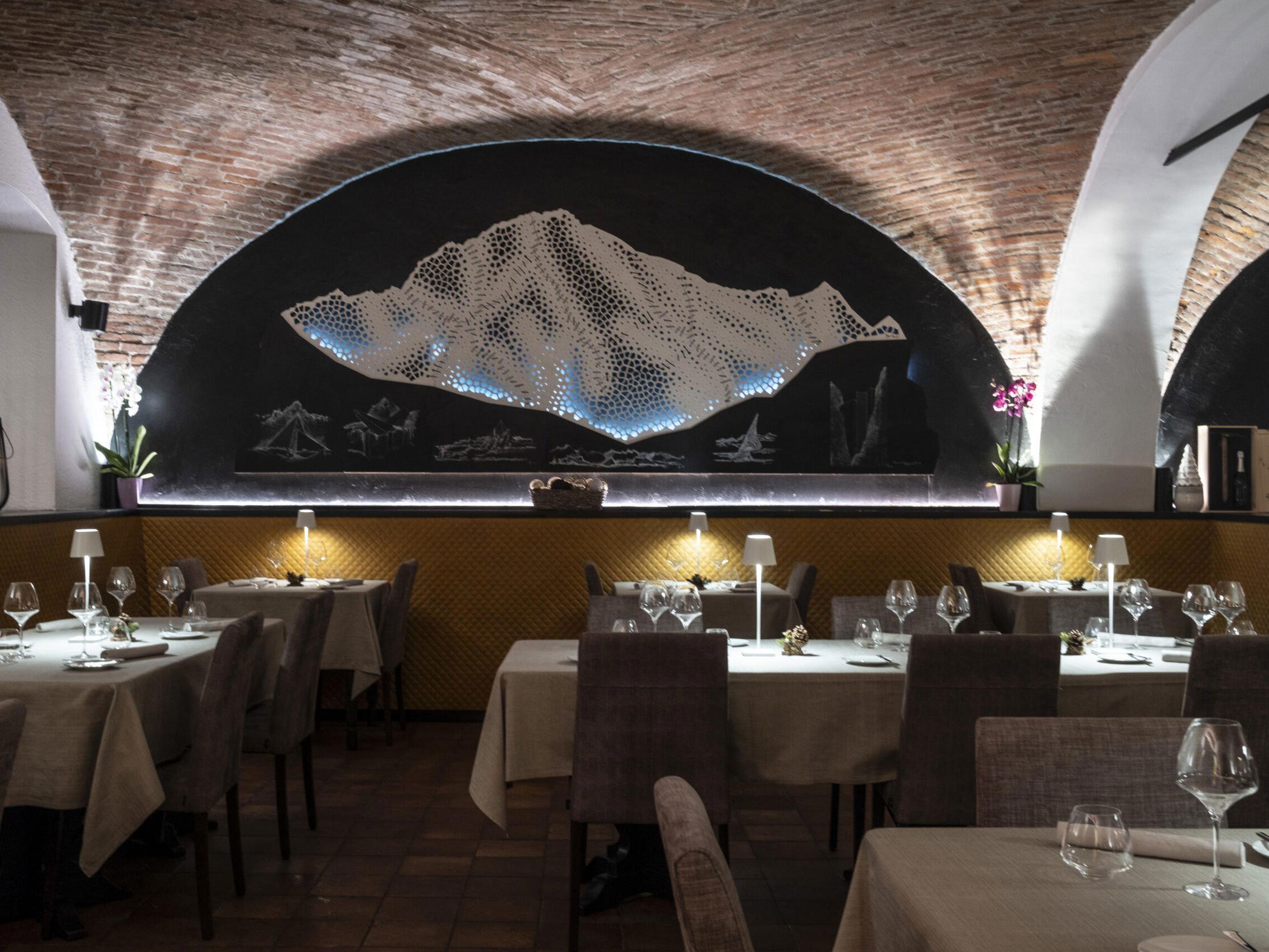
Details
- Elegant
- Intimate
- Sophisticated
- Cozy
- Special Occasion
- Date Night
- Celebration
- Garden
- Extensive Wine List
- Sommelier Led
- Local Sourcing
- Sustainable Seafood
- Garden
- Tasting Menu
- Vegetarian Friendly
Current opening hours
- Monday
- Closed
- Tuesday
- Closed
- Wednesday
- 12–1:30 PM, 7–8:30 PM
- Thursday
- 12–1:30 PM, 7–8:30 PM
- Friday
- 12–1:30 PM, 7–8:30 PM
- Saturday
- 12–1:30 PM, 7–8:30 PM
- Sunday
- Closed
Hours can change for holidays and private events. Hours as of .
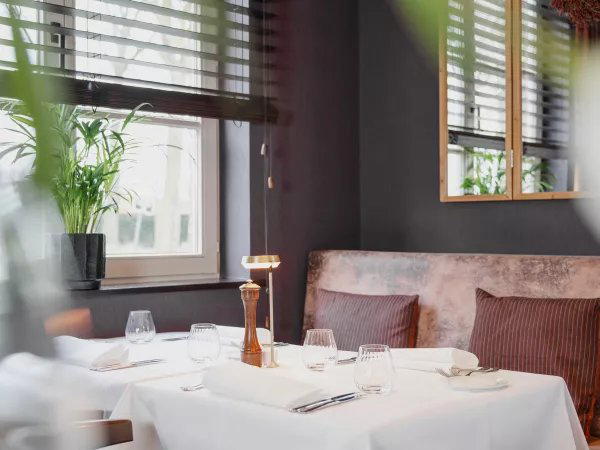
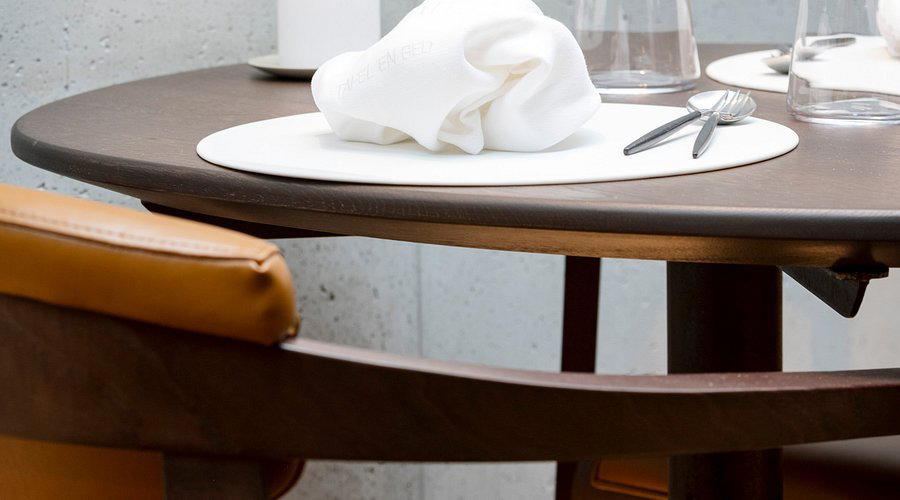
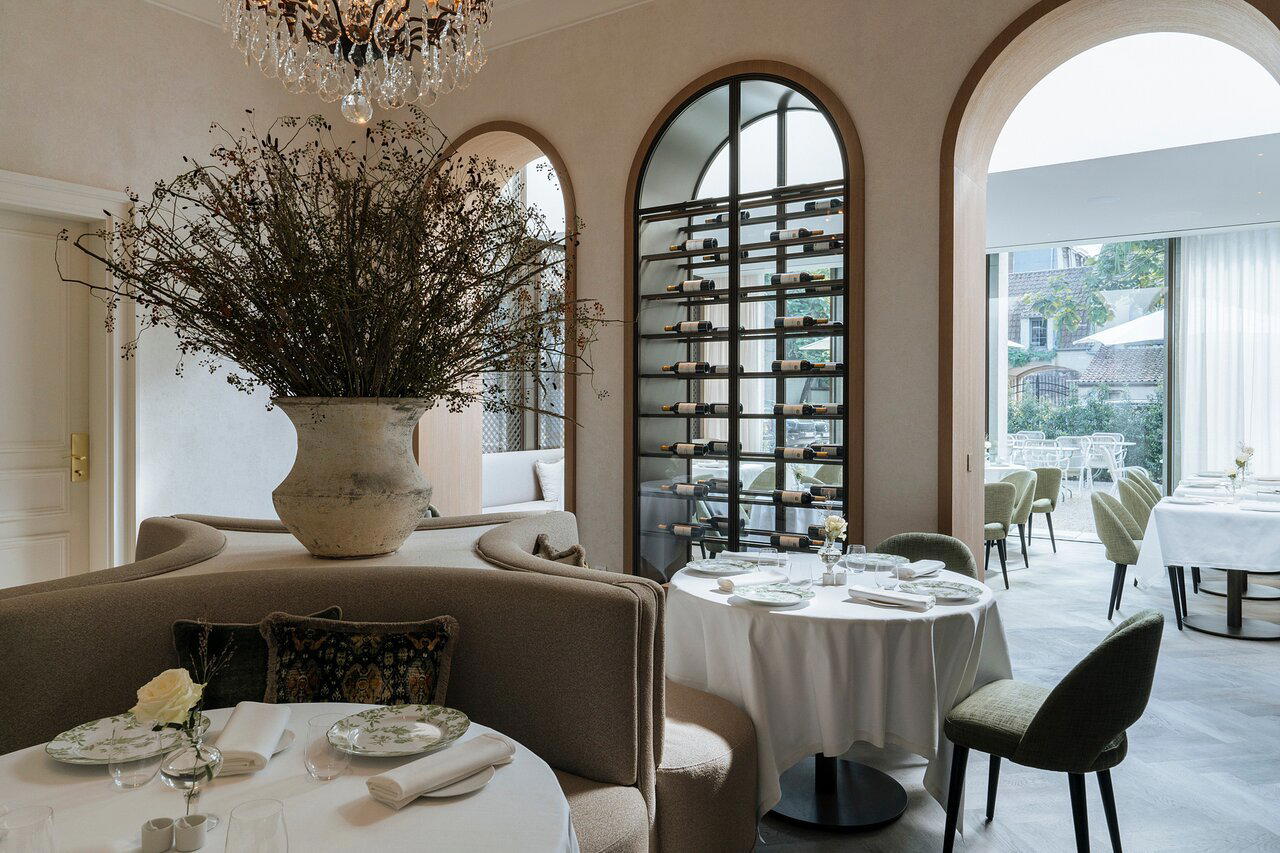
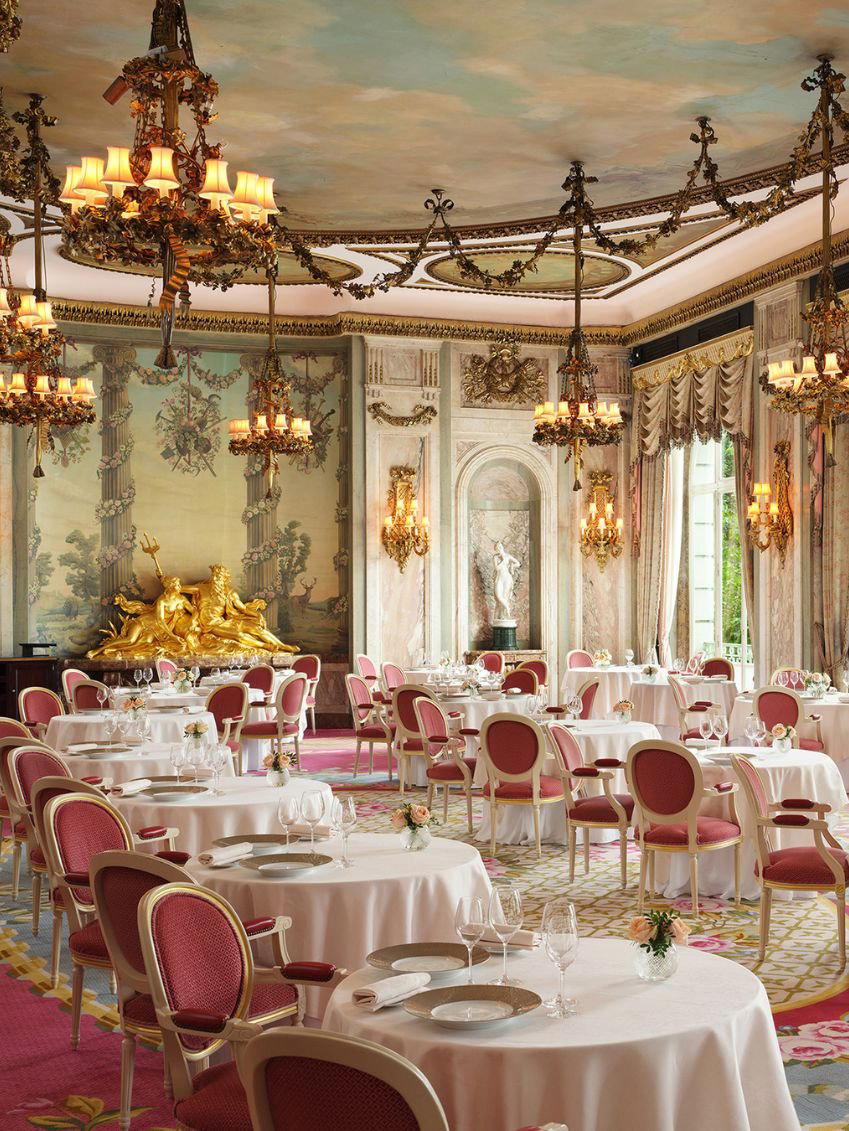
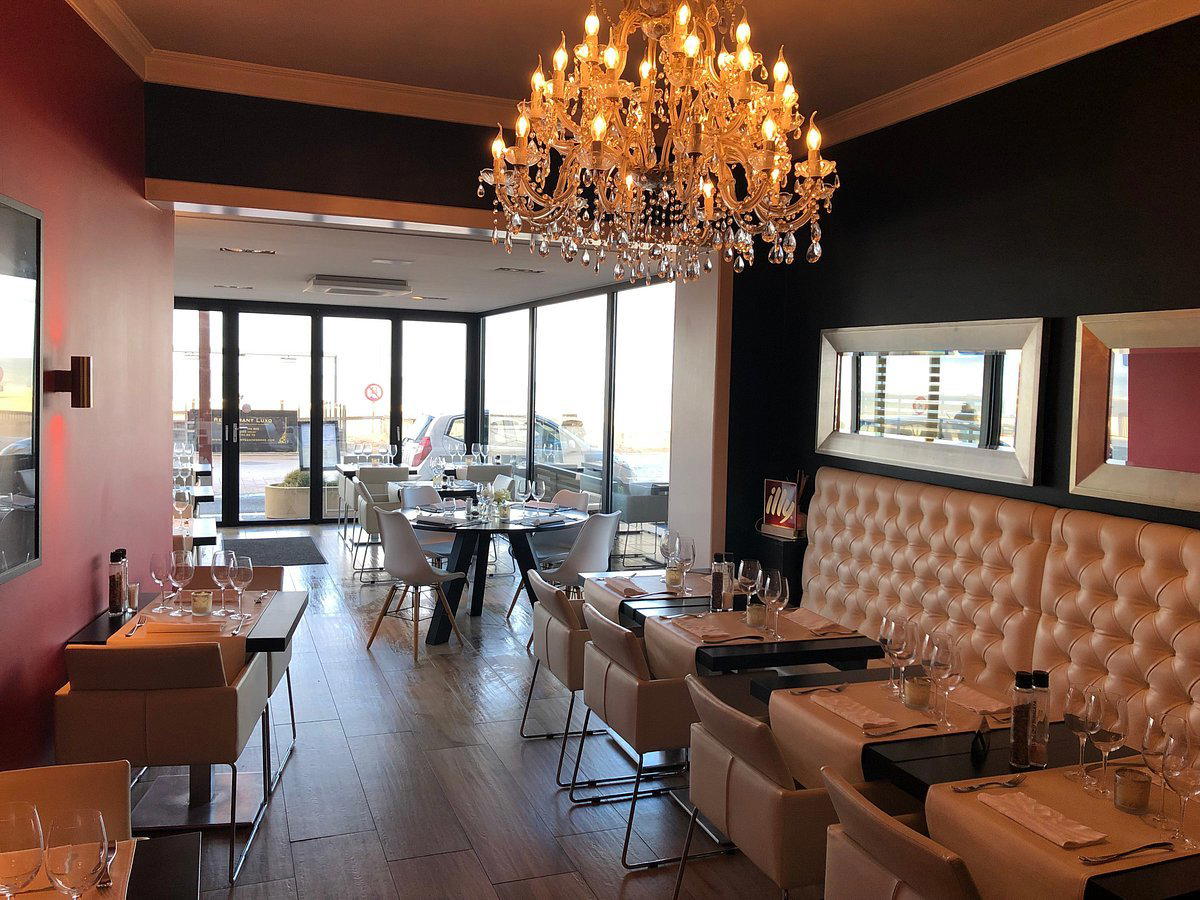
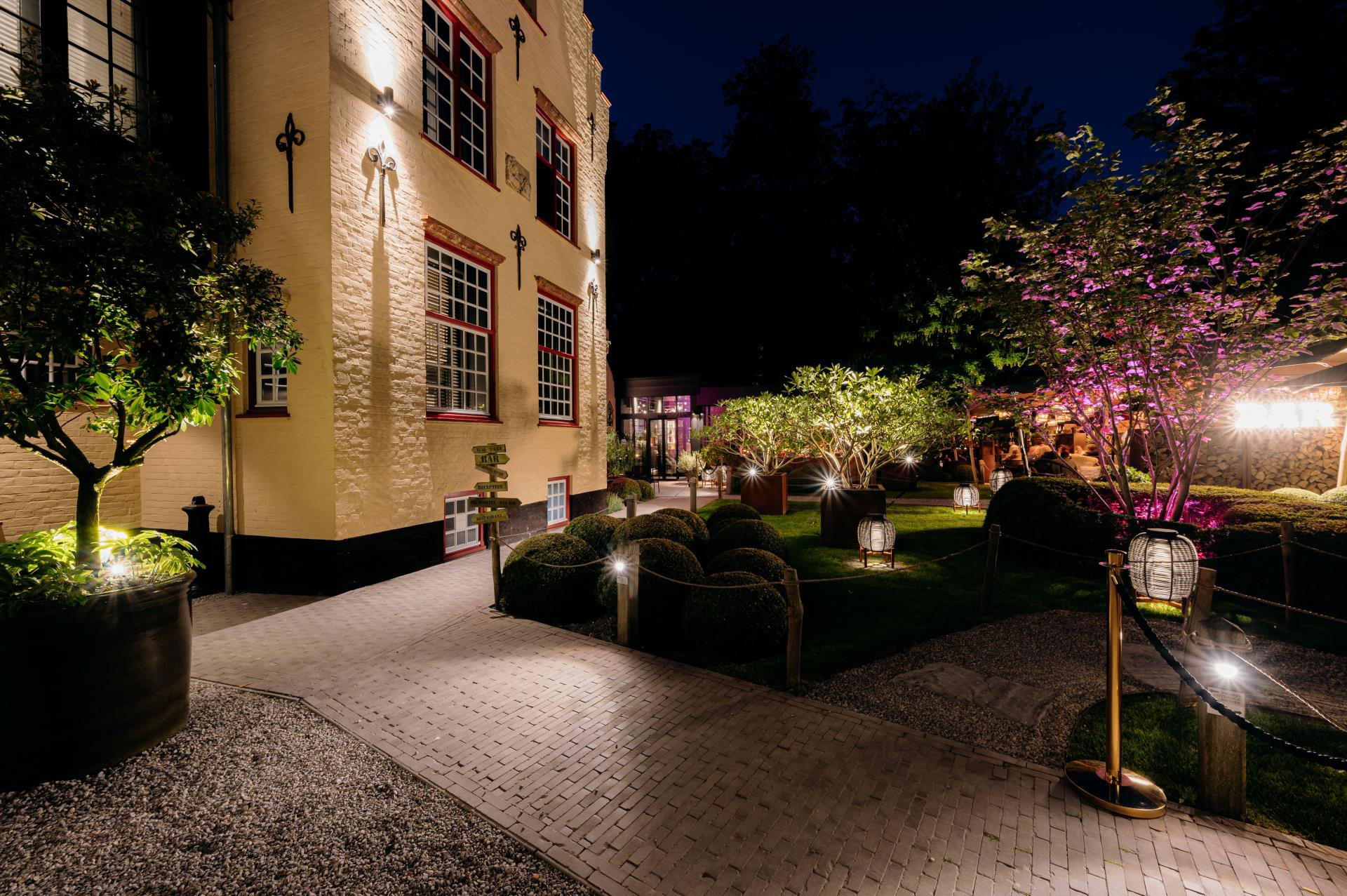
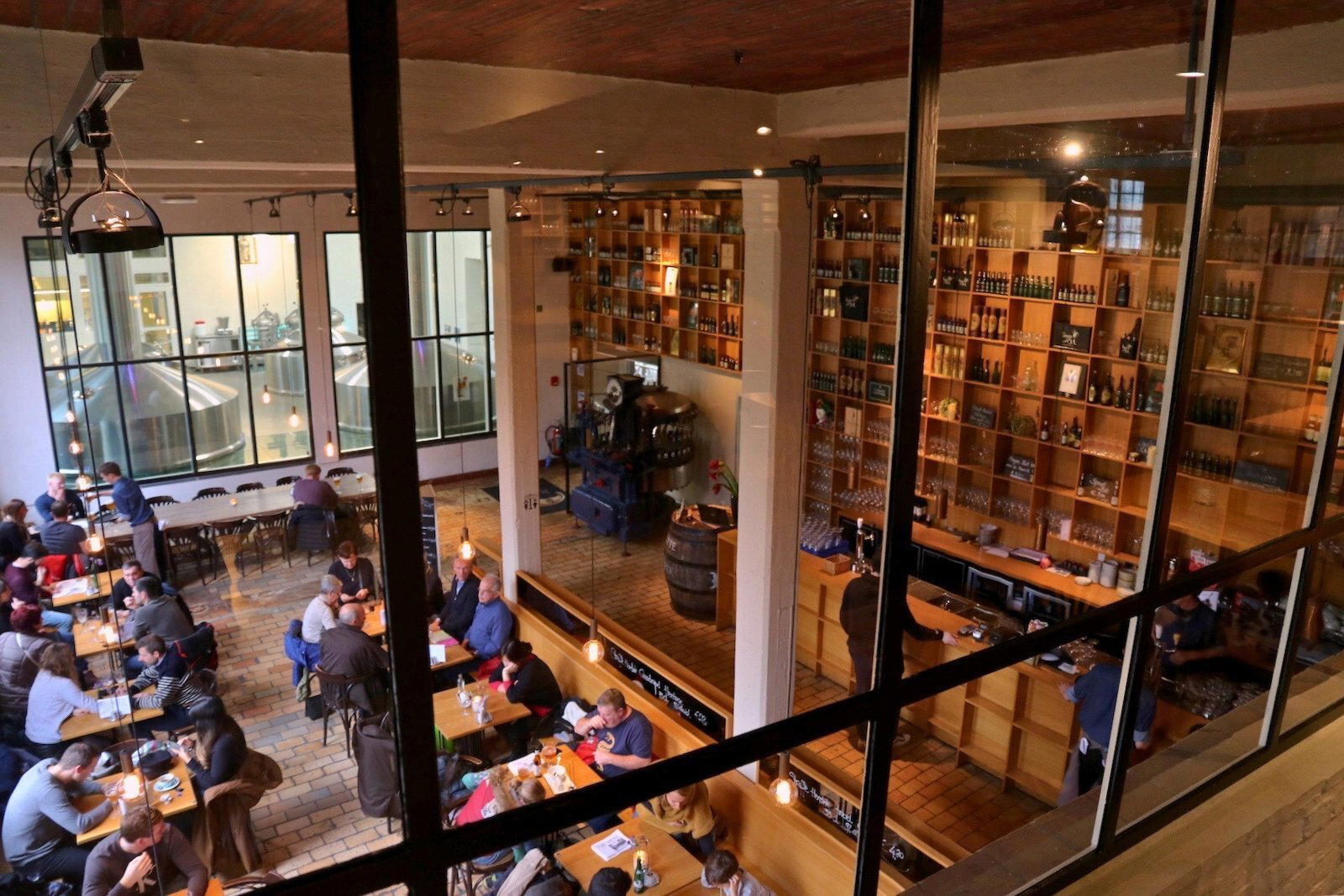
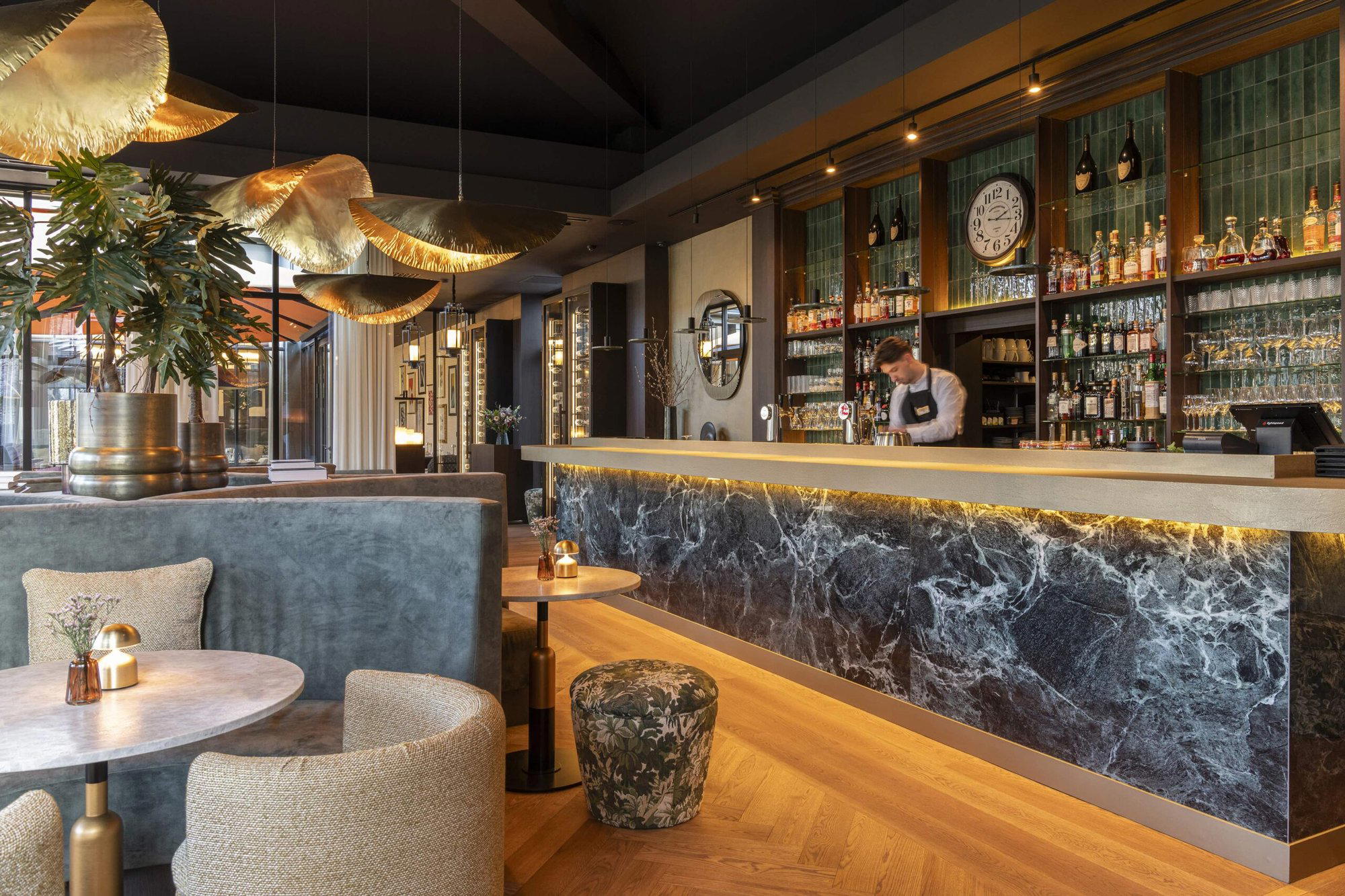
Distinguished yet relaxed atmosphere in a stylish, home-like setting with comfortable leather seating, wooden fixtures, and a serene garden ambience.