À La Mort Subite
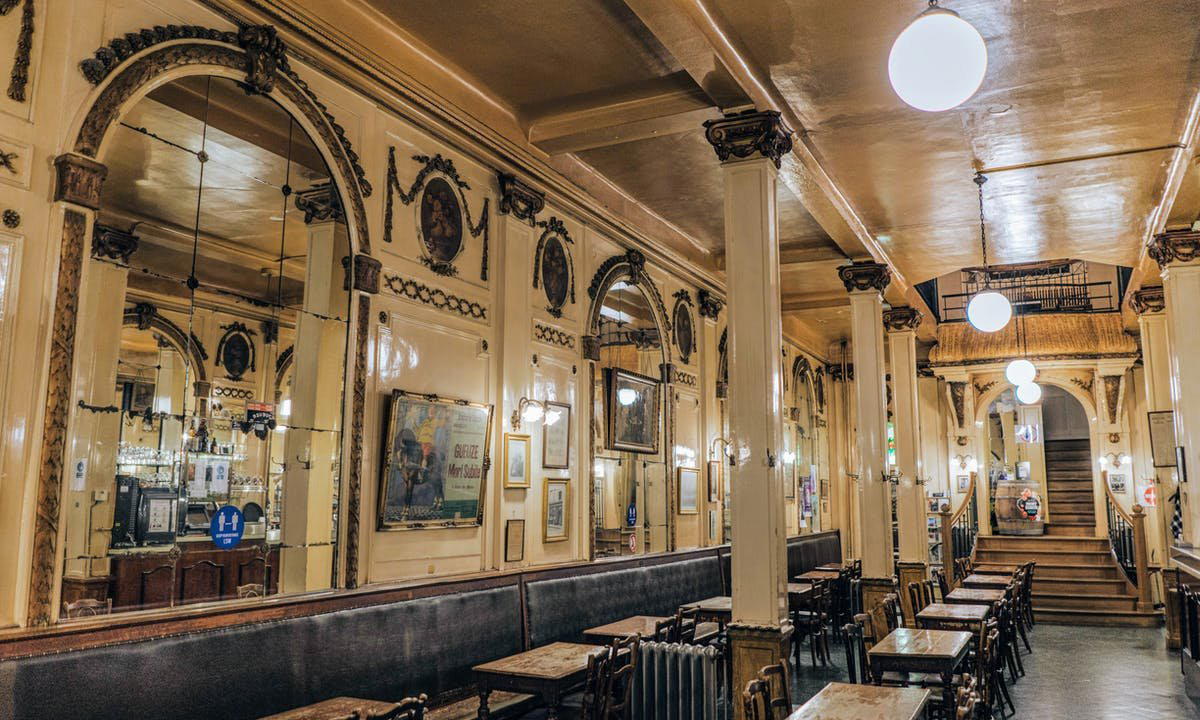
À La Mort Subite is one of Brussels' most referenced traditional Belgian cafés, occupying a long, wood-panelled room on Rue Montagne aux Herbes Potagères that has served lambic and gueuze since the early twentieth century. The space reads as a working document of café culture rather than a preservation exercise, with marble-topped tables and a wall of mirrors that double the room's amber light. It sits in the Pl De Brouckère quarter, within easy reach of the city's main drinking circuit.

Pearl is the En Primeur Club membership app, where members save venues, book tables and use the concierge.
Where Brussels Drinks Without Apology
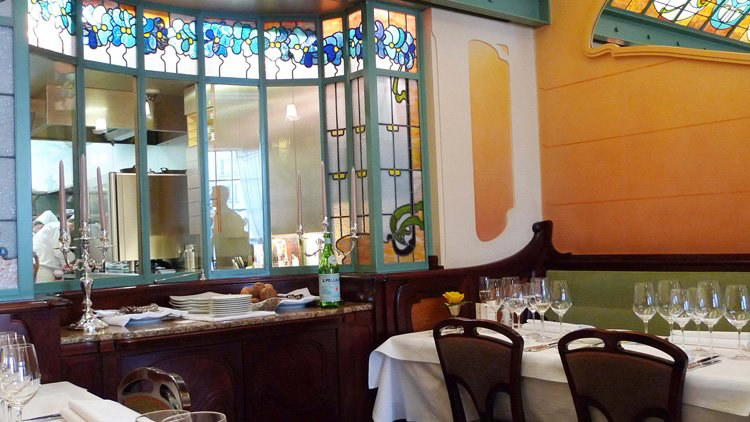
The entrance on Rue Montagne aux Herbes Potagères does not invite you in so much as absorb you. Step through the door of À La Mort Subite and the city drops away. The room is a preserved study in early twentieth-century Brussels café culture: vaulted ceilings, dark wood panelling worn to a particular shade of amber, long rows of marble-topped tables, and the low, constant hum of a room that has been full at all hours for the better part of a century. This is not atmosphere that has been installed. It has accumulated.
Brussels holds a specific tier of café that functions less as a bar and more as a civic institution. À La Mort Subite occupies that tier with authority. The address places it within walking distance of the Pl De Brouckere quarter's main arteries, a neighbourhood where hotels, theatres, and centuries of commercial life have long generated a drinking public with actual opinions. Other bars nearby, including Belga Queen and The Dominican, operate in a more contemporary register. À La Mort Subite operates in its own register entirely, and has done so long enough that the contemporary has had to define itself in relation to it.
The Programme: Lambic at the Centre, Everything Else Around It
Belgian café culture organises itself around beer in ways that wine cultures and spirits cultures do not fully replicate. The distinction matters here because À La Mort Subite is not simply a place that serves Belgian beer. It is a place historically associated with lambic and gueuze, the spontaneously fermented ales produced in the Senne valley and aged in ways that place them closer to natural wine than to mainstream brewing. Gueuze, the blended and bottle-conditioned version, delivers a sharp carbonation, a sour-apple tartness, and a finish that rewards attention rather than casual drinking.
The café takes its name from a dice game once played at the tables, a detail that appears in public record and gives the address a lineage that most bars spend decades trying to manufacture. That provenance connects the drinks programme to a specific cultural tradition: the Belgian grand café as a space for extended, unhurried consumption rather than rapid throughput. A glass of lambic at À La Mort Subite is understood by regulars as a session proposition, not a one-and-done order.
Kriek, the cherry-lambic variant, tends to attract visitors less familiar with sour fermentation. It is the gentler entry point: the fruit rounds out the acidity and produces a deep garnet colour that reads as approachable. The faro, a sweetened lambic style, is rarer on Brussels menus and worth ordering on that basis alone. These are not cocktail-programme showpieces in the contemporary technical sense. They are the product of a fermentation tradition that predates the craft beer movement by several centuries, and the drinks list at À La Mort Subite positions them accordingly, without theatre or explanation.
For a sense of how this tradition plays out across Belgium's broader drinks geography, the Huisbrouwerij De Halve Maan in Bruges offers a production-side view of Belgian brewing heritage, while Bar Burbure in Antwerp operates in the city's contemporary drinks scene for comparison. Elsewhere in Brussels, Fermento Wine Bar represents the natural-wine end of fermentation culture, a different tradition but one that shares some philosophical ground with the lambic producers supplying this café.
The Room as Argument
Belgian café architecture of the late nineteenth and early twentieth centuries developed a specific visual logic: the room should signal permanence, which in practice meant heavy materials, high ceilings, and surfaces that aged visibly. À La Mort Subite is one of the clearest surviving examples of this format in Brussels. The interior is listed as heritage, which means it cannot be quietly modernised between ownership changes. The mirrors, the banquettes, the tiled floors: these are fixed points, not design choices made by the current operation.
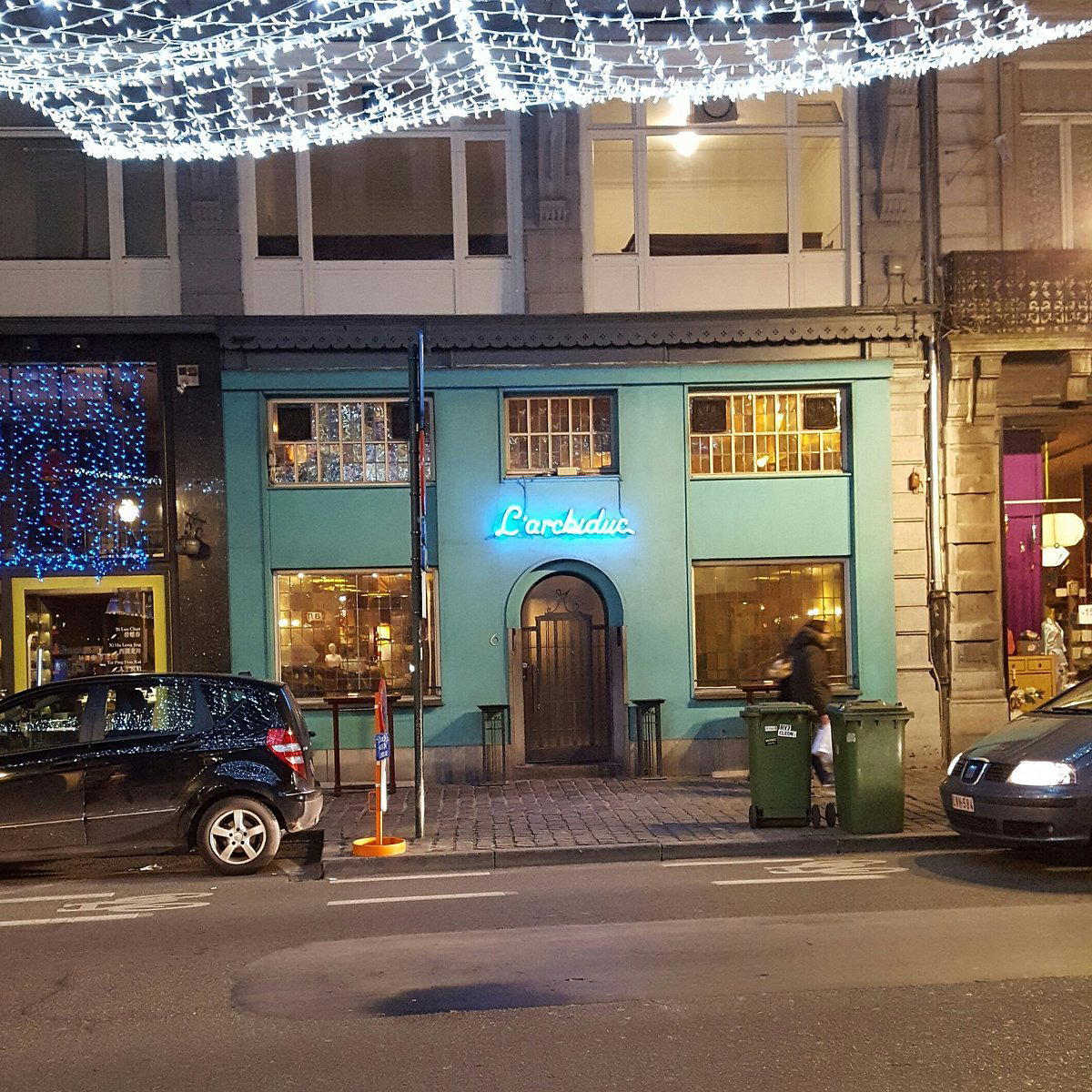
That constraint produces a particular kind of consistency. The room looks in 2024 as it did in photographs from decades earlier, and that continuity is not accidental preservation so much as structural obligation. For a visitor arriving from the L'Archiduc in Grand Place, another Brussels address with strong architectural character, the contrast is instructive: L'Archiduc operates in a jazz-era Art Deco idiom, while À La Mort Subite belongs to an earlier, heavier register. Together they map the range of Brussels' protected café interiors.
The noise level at peak hours is substantial, driven by the long tables that encourage groups rather than pairs. Solo visitors tend to sit at the bar or claim a corner table during off-peak hours. The staff work at the pace of a room that is always occupied: efficient without being brisk, unhurried without being slow. This is a café that has served enough people over enough years to have arrived at its own operational tempo, and it does not adjust that tempo for individual tables.
Placing It in the City's Drinks Map
Brussels splits its serious drinking between two broad registers: the contemporary programme-led bar, where technique, provenance lists, and seasonal menus are the dominant language, and the old-guard café, where what is served has been established long enough that menu innovation would be beside the point. À La Mort Subite belongs to the second register and makes no attempt to migrate toward the first. That is a curatorial decision with consequences: the address attracts visitors who have specifically sought out lambic culture, alongside a local clientele for whom the café is infrastructure rather than destination.
For visitors building a broader Belgium drinks itinerary, the contrast with venues like VINES by maQUINZE in Ostend, Vino Vino in Namur, and Wijnbar Dito in Hasselt illustrates how Belgium's premium drinks scene distributes across cities and formats. The lambic café sits at one end of that spectrum: resolutely local, deliberately unchanged, and specific in a way that a contemporary wine bar or spirits programme is not. Outside Belgium, Bar Leather Apron in Honolulu represents the opposite pole of the drinks spectrum, a technically rigorous cocktail programme in a Pacific context, useful as a frame for understanding just how distinct the Brussels café tradition is by comparison.
For planning purposes, the address at Rue Montagne aux Herbes Potagères 7 in central Brussels is reachable on foot from the major metro stops serving the city centre. No booking is required or, by the logic of a grand café, appropriate. Walk in, find a table, and order by the glass. The full Pl De Brouckere guide covers the broader neighbourhood context if you are mapping an evening across multiple stops. The Le Louise Hotel Brussels in Elsene offers an alternative base for visitors staying south of the centre. Closing times vary by season and day; arriving before late evening gives the leading chance of securing a table without a long wait.
At-a-Glance Comparison
| Venue | Cuisine | Price | Awards |
|---|---|---|---|
| À La Mort SubiteThis venue (the venue you are viewing) | This venue | $10–20 | Not listed |
| Bar Burbure | Not listed | $20–30 | Star Wine List |
| Fermento Wine Bar | Not listed | $30–50 | Star Wine List |
| HET ARCHIEF | Not listed | $20–30 | Star Wine List |
| Le Wine Bar des Marolles | Not listed | $30–50 | Star Wine List |
| Oeno TK | Not listed | Not listed | Star Wine List |
Continue exploring
More in Pl De Brouckere
Bars in Pl De Brouckere
All bars in Pl De Brouckere →
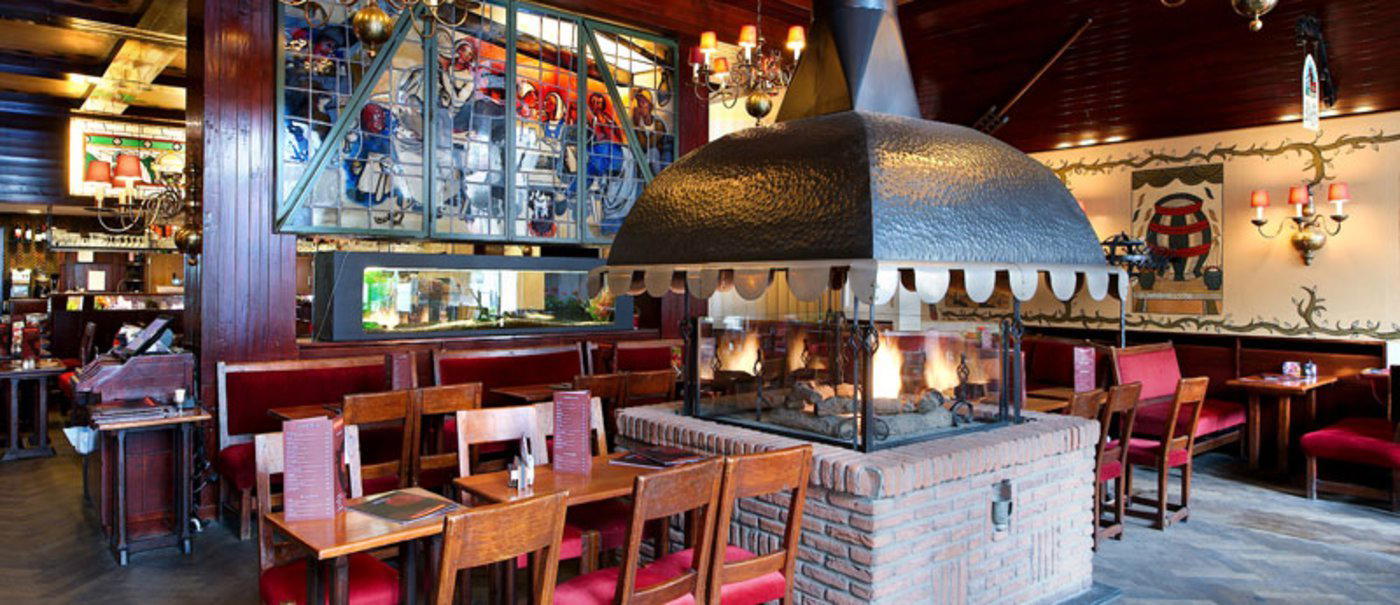
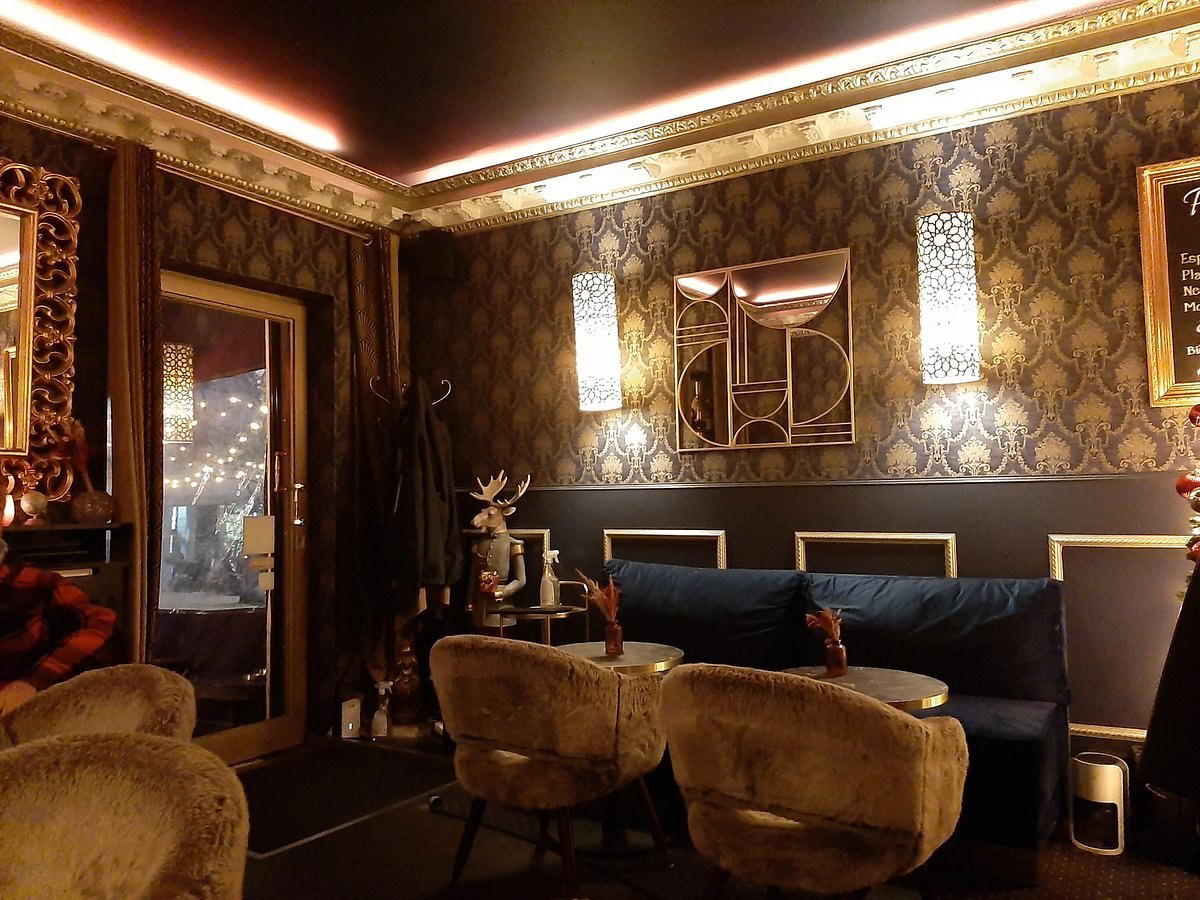
Restaurants in Pl De Brouckere
All restaurants in Pl De Brouckere →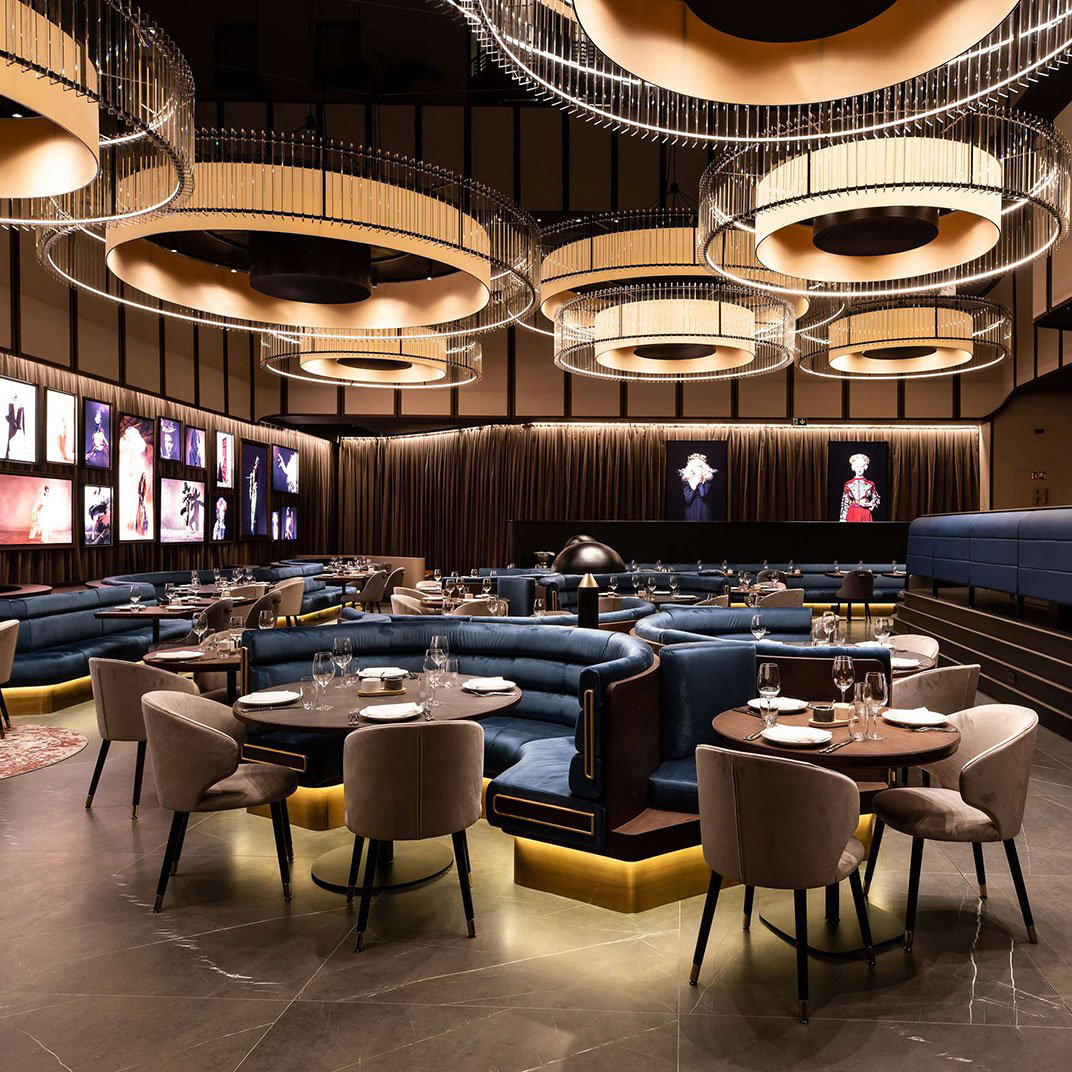
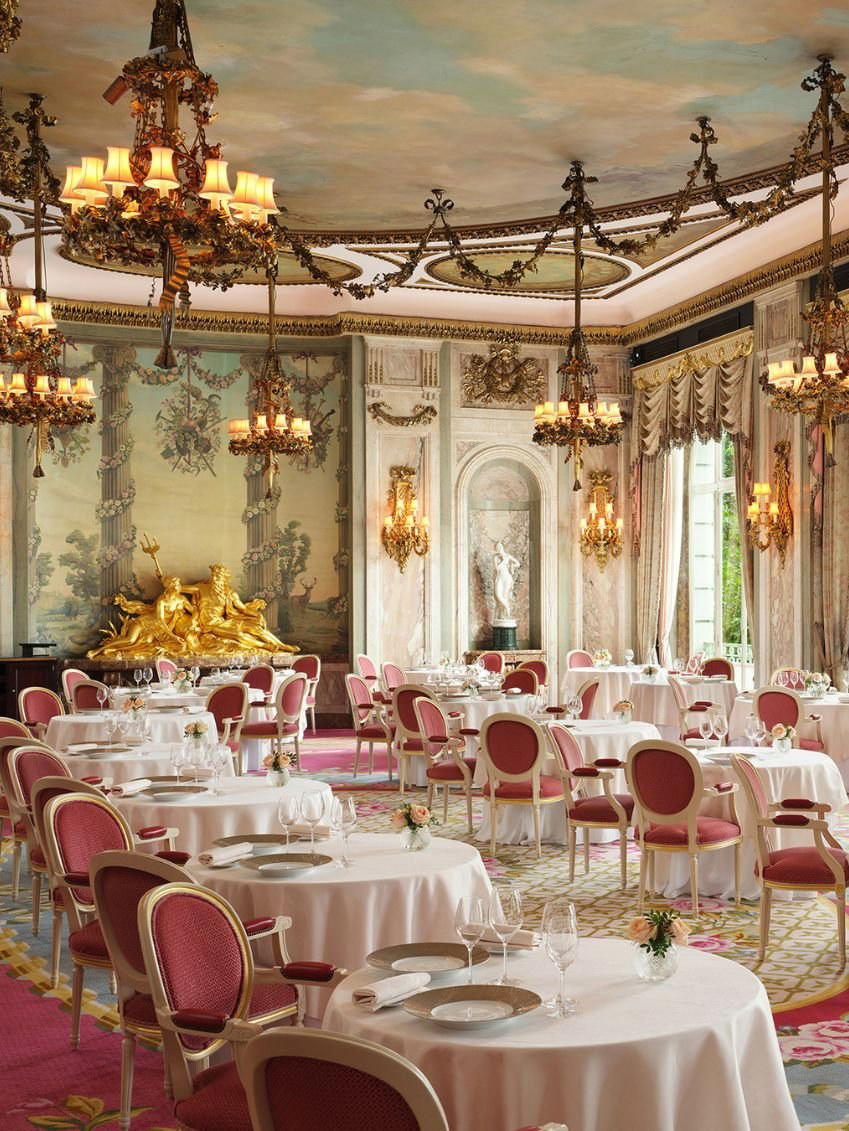
Hotels in Pl De Brouckere
All hotels in Pl De Brouckere →
Wineries in Pl De Brouckere
Browse all →
À La Mort Subite
The drinks
- Craft beer
Signature drinks: Mort Subite Gueuze, Mort Subite Kriek.
Details
- Classic
- Well Known
- Cozy
- Casual Hangout
- After Work
- Historic Building
- Seated Bar
- Craft Beer
Current opening hours
- Monday
- 11 AM–11 PM
- Tuesday
- 11 AM–11 PM
- Wednesday
- 11 AM–11 PM
- Thursday
- 11 AM–11 PM
- Friday
- 11 AM–11 PM
- Saturday
- 11 AM–11 PM
- Sunday
- Closed
Hours can change for holidays and private events. Last verified .
Ornate faded-grandeur Art Nouveau with patinated mirrors, period chandeliers, and old woodwork creating a timeless, theatrical atmosphere.