




2 Michelin Stars · La Liste Top Restaurants · Star Wine List
Our verdict
Two Michelin stars and a Les Grandes Tables du Monde listing place Maison Colette firmly inside Belgium's upper tier of destination dining. Chef Thijs Vervloet works from a renovated house in Westerlo, in the quiet Flemish Campine, where the surrounding ponds and agricultural land shape a French-rooted menu that leans heavily on vegetable precision and seasonal balance.

Pearl is the En Primeur Club membership app — saves, bookings, and concierge access live there. Same editors, same standards.
The menu
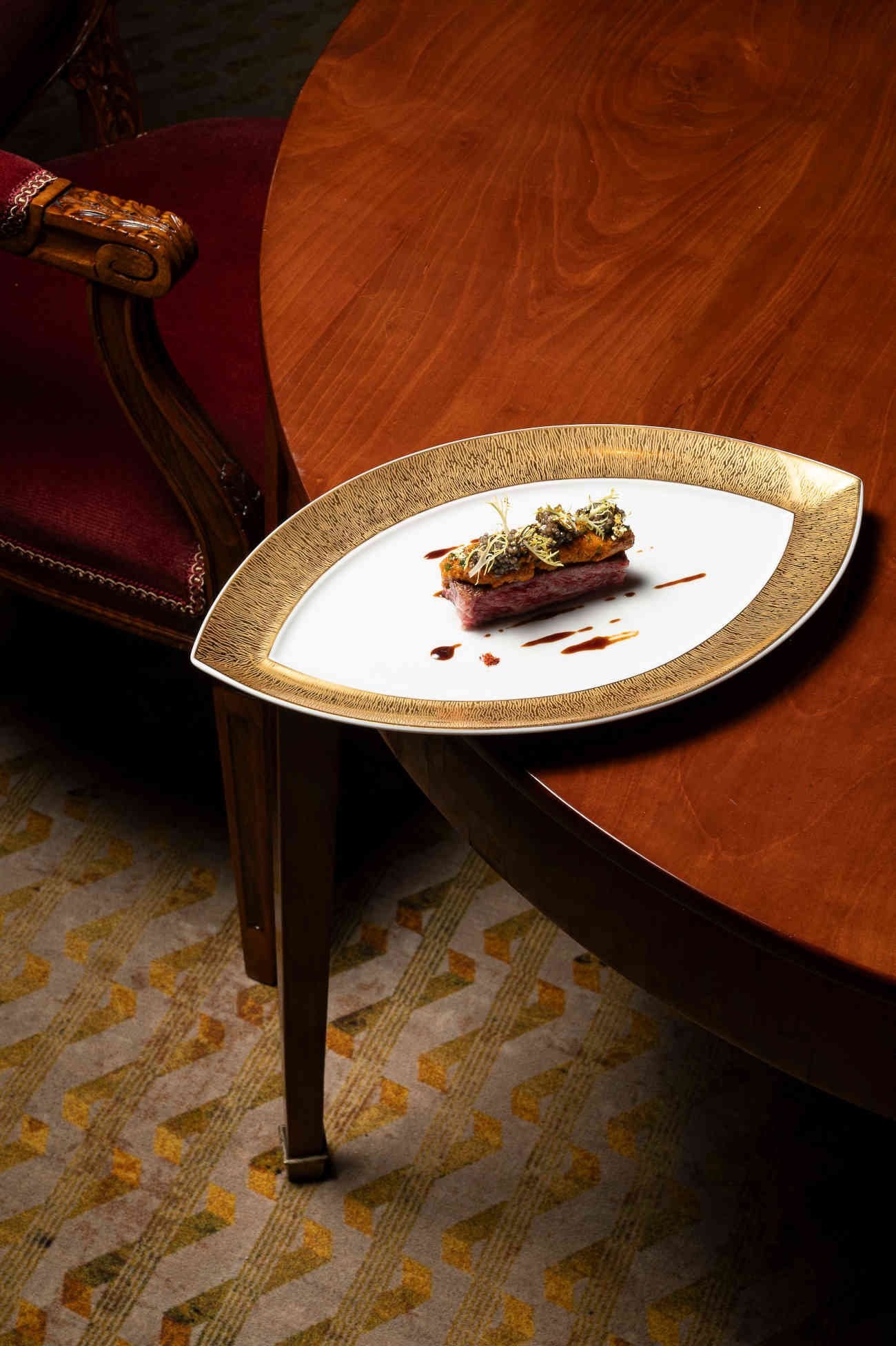
What to order
- Langoustine in four preparations
- Suckling lamb
Pond Country, Flemish Discipline
Belgium's most talked-about fine dining addresses tend to cluster in Ghent, Bruges, and Antwerp, where international visitors and dense urban populations sustain the reservation pressure that high-end restaurants require. Maison Colette operates at a deliberate remove from that circuit. The restaurant sits on De Trannoyplein 17 in Westerlo, a municipality in the Flemish Campine whose defining visual is still water: ponds, reed beds, and the flat agricultural light that falls across the Antwerp province interior. That geography is not incidental to what happens on the plate.
The Campine region, known in Dutch as the Kempen, is a sandy heathland plateau that has historically been underfarmed relative to the richer clay soils of West Flanders. What grows here, and what is raised here, carries the quieter, more mineral character of that landscape. Restaurants like Maison Colette, which have chosen to stay rooted in this terrain rather than relocate to a more commercially legible city address, make an implicit argument: that provenance in Belgian fine dining does not begin and end at the North Sea coast or in the market gardens of the Lys valley. The Campine can anchor a two-Michelin-star kitchen.
A French Frame, a Flemish Address
The cuisine at Maison Colette is classified as French, and that classification is doing real structural work. French technique in the Belgian context is not a statement of deference to Paris; it is the operating grammar through which Flemish ingredient culture has been articulated at the high end for generations. What distinguishes the kitchens that hold this framework with distinction, here and at peers such as Boury in Roeselare and L'Eau Vive in Arbre, is how far local sourcing and seasonal precision pull the cooking away from textbook French classicism and toward something more specific to place.
At Maison Colette, that specificity comes through most legibly in the vegetable work. The We're Smart Green Guide, which ranks restaurants for their commitment to plant-forward cooking and direct sourcing relationships, recognised the kitchen here with a citation that the guide's editors framed emphatically: Maison Colette, in their assessment, deserves more than a standard listing. In a country where the green guide carries genuine weight among chefs and food-curious travellers alike, that signal is worth taking seriously. It positions the kitchen not merely as technically accomplished but as one where the sourcing chain between land and plate is tightly managed.
The two Michelin stars awarded in 2025 confirm the technical register. The 2026 La Liste ranking of 79 points places Maison Colette inside the reference tier for European fine dining, alongside restaurants that compete on the basis of consistency, product quality, and menu coherence rather than novelty alone. The Les Grandes Tables du Monde membership, also current for 2025, adds a third credentialing layer: that association reserves its listings for kitchens that meet standards of both cooking and hospitality service, making it a useful signal about the full dining experience rather than just the food.
The Setting and What It Means
The restaurant recently moved into a renovated house in Westerlo, and the word "maison" in the name is a precise description rather than romantic branding. Fine dining in converted domestic spaces carries a different register than purpose-built restaurant rooms: ceilings are lower, proportions are more human, and the relationship between interior and exterior tends to be more immediate. At this address, the ponds that define the surrounding landscape are close enough to register as presence rather than backdrop. The La Liste editors noted that the tranquillity of those ponds has something to do with how the dishes feel, an observation that is not mysticism but an accurate description of how environment shapes pace and receptivity at the table.
That physical quiet also separates Maison Colette from the urban Belgium two-star tier. Zilte in Antwerp operates from the leading floor of the MAS museum with panoramic port views; Hof van Cleve in Kruishoutem anchors itself to the rolling hills of the Flemish Ardennes. Each of those settings produces a particular kind of attention in the diner. In Westerlo, the attention is inward and unhurried, a quality that suits a kitchen whose reputation rests on balance and precision rather than dramatic gesture.
Vegetables as a Structural Element
Belgian fine dining has historically been positioned around protein, whether North Sea fish, Ardennes game, or Belgian Blue beef. The emergence of plant-forward cooking as a credentialled discipline rather than a dietary accommodation is a more recent shift, and Maison Colette sits at the serious end of that movement. The We're Smart Green Guide recognition, combined with the Michelin assessment that specifically highlights vegetable preparation alongside overall cooking precision, suggests a kitchen where vegetables are designed into the architecture of a dish rather than placed alongside protein as an afterthought.
This approach connects to a wider pattern in Belgian fine dining. Kitchens such as Willem Hiele in Oudenburg and Bartholomeus in Heist have built their identities around direct relationships with specific producers and coastal foragers. Maison Colette's version of this sourcing seriousness is inland and agricultural, shaped by the Campine's particular growing conditions. The result is a culinary identity that is clearly Belgian and clearly regional without relying on the coastal and Ardennes shorthand that dominates the country's fine dining marketing.
Where It Sits in the Belgian Hierarchy
Belgium's Michelin universe is dense relative to its size, and the two-star tier is competitive. Among peers in the French and French-adjacent category, Maison Colette occupies a distinct position: geographically removed, vegetable-forward, and grounded in a region that rarely appears in destination dining itineraries. That positioning is both a commercial constraint and a creative advantage. The kitchen does not benefit from passing tourist traffic or urban name recognition, which means the cooking has to justify the drive.
For comparison, La Durée in Izegem and d'Eugénie à Emilie in Baudour operate in a similar register of French-Belgian fine dining at the leading price tier outside the major cities. Ralf Berendsen in Neerharen and Sir Kwinten in Sint-Kwintens-Lennik are further examples of the Belgian tendency to place serious cooking in small municipalities. Bozar Restaurant in Brussels occupies the urban anchor of the Belgian fine dining map. Maison Colette represents the opposite pole: maximum culinary seriousness, minimum urban noise.
For those interested in how French technique travels and adapts beyond Belgium, Hotel de Ville in Crissier and Sézanne in Tokyo represent other points on that continuum, where the grammar is French but the address defines a distinct local vocabulary.
Planning a Visit
Maison Colette is at De Trannoyplein 17, 2260 Westerlo. Westerlo sits roughly 35 kilometres southeast of Antwerp, and the most practical approach for non-local visitors is by car; public transport connections to the Campine interior are limited. The price range sits at the top tier (€€€€), consistent with two-star benchmarks in Belgium. Booking well in advance is advisable given the awards profile; the Les Grandes Tables du Monde and Michelin listings together generate an international reservation queue that outpaces seat availability during peak months.
Those building a wider itinerary around the region can find context in our full Tongerlo restaurants guide, as well as guides to hotels, bars, wineries, and experiences in the area.
Frequently asked questions
Can I bring kids to Maison Colette?
What is the atmosphere like at Maison Colette?
What should I order at Maison Colette?
Comparable Spots, Quickly
| Venue | Cuisine | Price | Awards |
|---|---|---|---|
| Maison ColetteThis venue (the venue you are viewing) | French Modern Fine Dining | $200–300 | 2 Michelin Stars · La Liste Top Restaurants |
| Boury | Modern Frlemish, Creative French | Not listed | Michelin 3 Star |
| Comme chez Soi | French - Belgian, Classic Cuisine | Not listed | Michelin 1 Star |
| Hertog Jan at Botanic | Modern Flemish, Creative | Not listed | Michelin 2 Star |
| L'Eau Vive | French, Modern French | Not listed | Michelin 2 Star |
| La Durée | French-Belgian, Creative | Not listed | Michelin 2 Star |
Recognition history
Dated appearances from independent guides and award organizations, with the underlying list record or original source where available.
Michelin 2 Stars
Michelin
La Liste Top Restaurants
La Liste
Star Wine List
Star Wine List
Les Grandes Tables du Monde Member
Les Grandes Tables du Monde
We're Smart World 3 Radishes
We're Smart World
Full recognition history (6 entries)
Michelin 2 Stars
Michelin
Continue exploring
More in Tongerlo
Restaurants in Tongerlo
All restaurants in Tongerlo →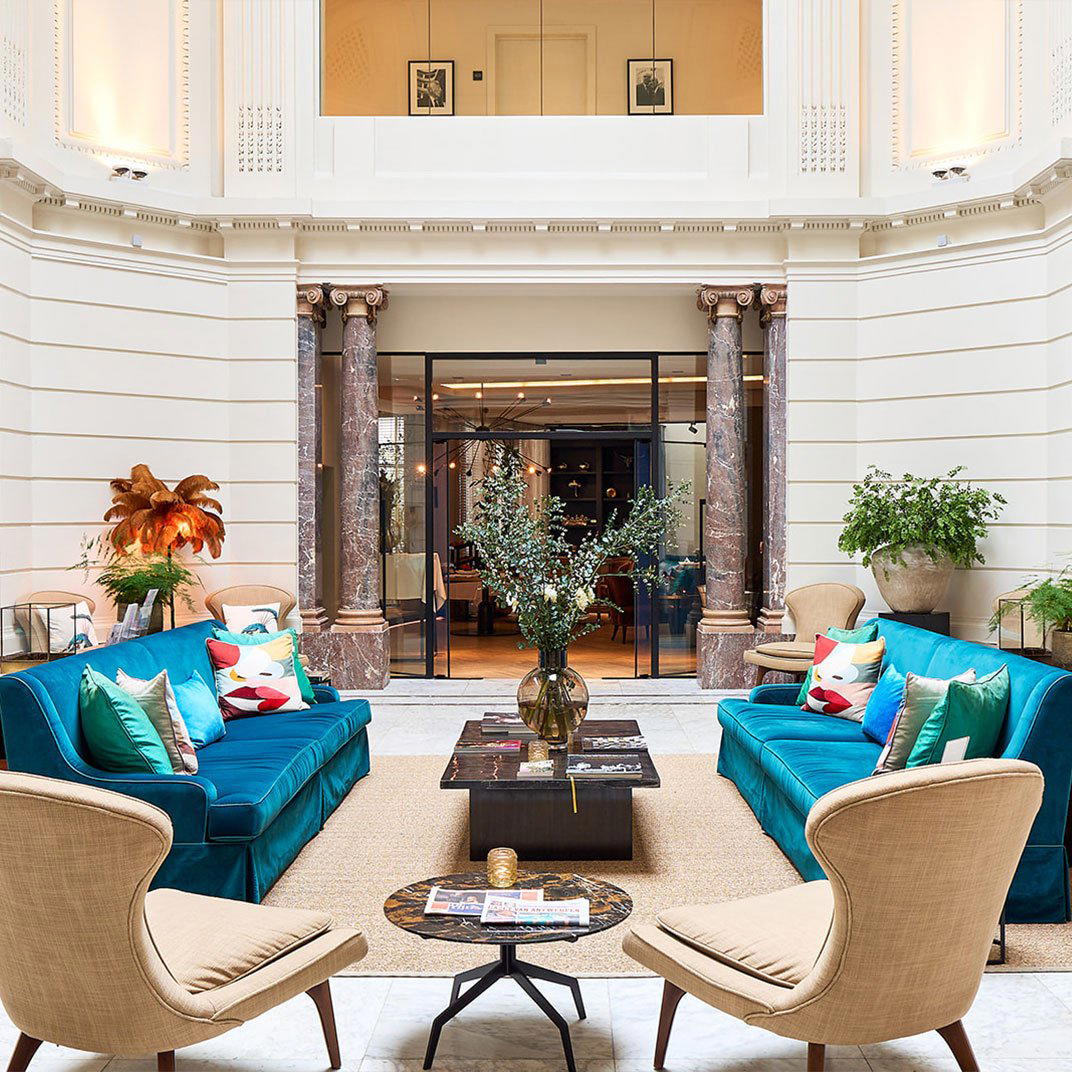
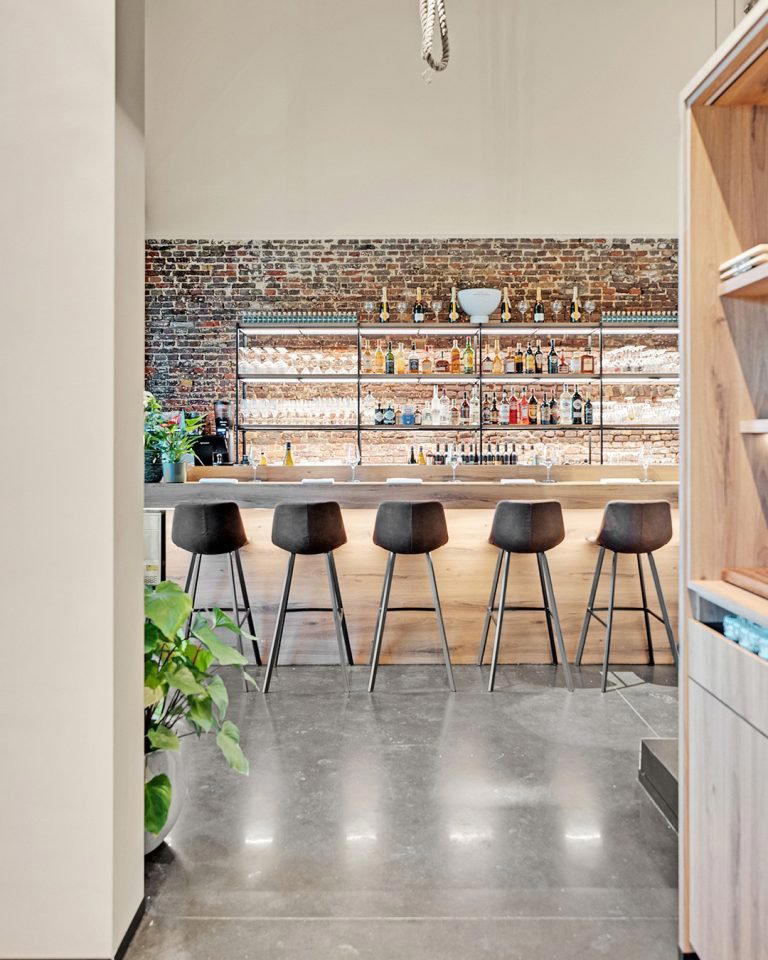
Bars in Tongerlo
Browse all →
Hotels in Tongerlo
Browse all →
Wineries in Tongerlo
Browse all →
Maison Colette
The wine
- Wine program
- Deep wine list
- Extensive wine list
- Sommelier-led
Details
- Elegant
- Intimate
- Sophisticated
- Cozy
- Special Occasion
- Date Night
- Celebration
- Garden
- Historic Building
- Extensive Wine List
- Sommelier Led
- Garden
- A La Carte
- Tasting Menu
Current opening hours
- Monday
- Closed
- Tuesday
- Closed
- Wednesday
- 12–1 PM, 7–8 PM
- Thursday
- 12–1 PM, 7–8 PM
- Friday
- 12–1 PM, 7–8 PM
- Saturday
- 12–1 PM, 7–8 PM
- Sunday
- 12–1 PM
Hours can change for holidays and private events. Last verified .
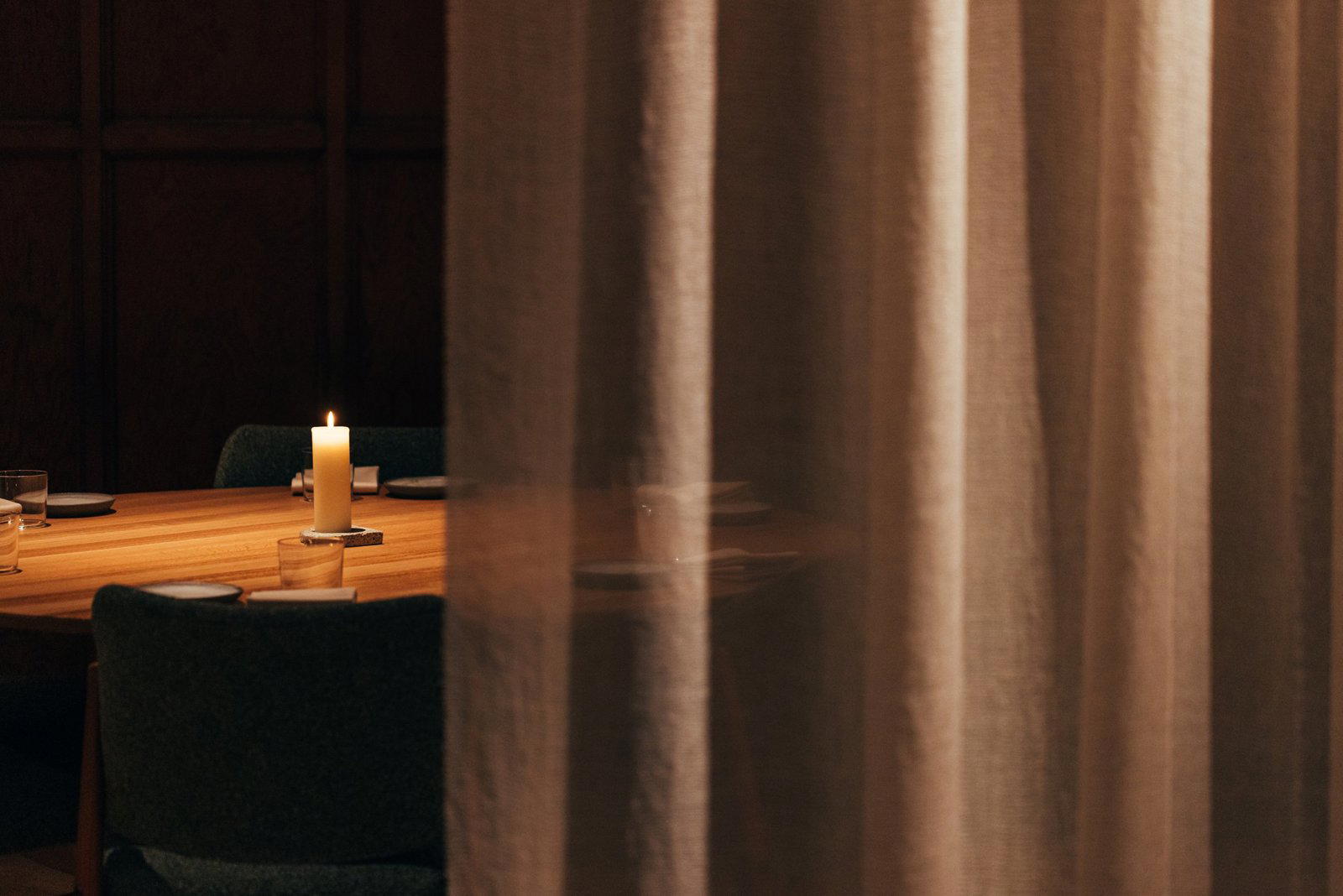
Luxurious with Gallic poise, floor-to-ceiling windows flooding light, cosily intimate drapes, and made-to-measure porcelain tableware.