The Dominican
Set on Rue Léopold in the heart of Brussels' Place de Brouckère quarter, The Dominican occupies a former Dominican priory whose 18th-century bones set the tone for what follows inside. The space operates in a register that sits between grand hotel bar and neighbourhood gathering point, drawing a mix of after-work professionals and hotel guests seeking something quieter than the surrounding boulevards.
Pearl is the En Primeur Club membership app — saves, bookings, and concierge access live there. Same editors, same standards.
- Address
- Rue Léopold 9, 1000 Bruxelles, Belgium
- Phone
- +32 2 203 08 08
- Website
- thedominican.be
- Directions
- Get directions
 Saves & bookings on Pearl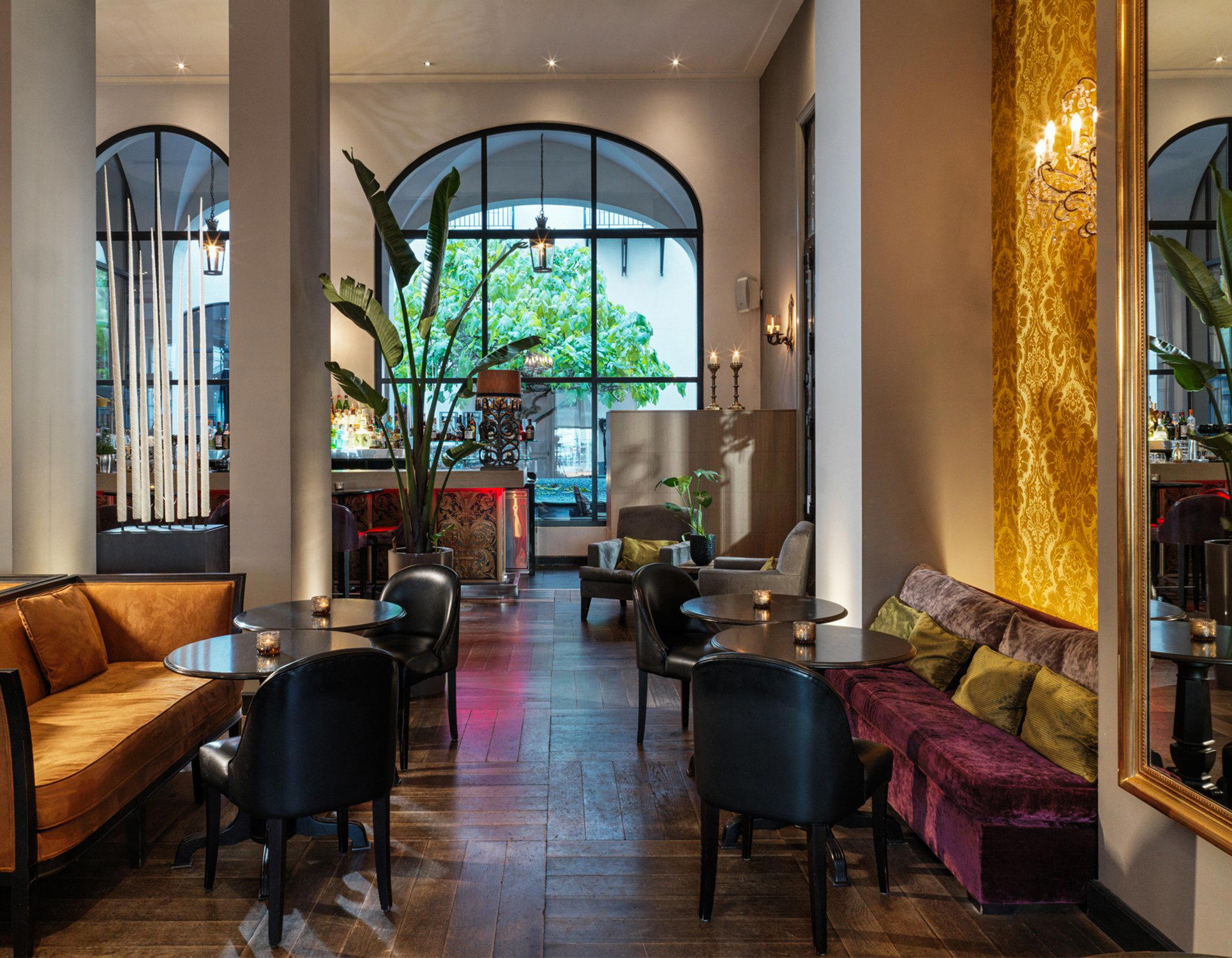
Where the Priory Becomes the Atmosphere
Brussels has a particular talent for converting religious and civic architecture into hospitality spaces without scrubbing away the original character. The Dominican sits on Rue Léopold 9, a short walk from Place de Brouckère, inside a former Dominican priory whose 18th-century structure sets every design decision that follows. Stone corridors, high vaulted ceilings, and the particular stillness that comes from thick masonry walls are not affectations here — they are the building itself, and the contemporary interior works against that backdrop rather than trying to erase it.
That tension between old shell and current use is what gives the property its atmosphere. Where many hotels in this part of Brussels default to a neutral international register, the priory bones here give the space an audible quality: conversations do not blur into ambient noise in the way they do in low-ceilinged modern bars; there is a separation, a slight echo, a sense that the room itself is participating in the visit. Arriving from the street, the shift in temperature and light is immediate — this is a building that has been managing Brussels winters for centuries.
Place de Brouckère: The Neighbourhood Context
Place de Brouckère sits roughly at the axis between the Grand Place to the south and the Canal District to the north, making it a transitional neighbourhood in the leading sense. It is neither the tourist-dense core around the Manneken Pis nor the quieter residential streets of Ixelles. The square itself is a 19th-century statement of civic confidence, with wide boulevards and building heights that give the area a distinctly continental weight. Hospitality here tends toward the established rather than the experimental, this is not where Brussels' natural wine bars or new-wave Belgian cooking tends to cluster.
For that kind of exploration, the city's bar scene spreads outward: Fermento Wine Bar in Brussels represents the natural wine direction the city has been developing, while À La Mort Subite, just off Rue Montagne aux Herbes Potagères, remains the leading argument in the neighbourhood for sitting with a lambic and letting time pass. Belga Queen, a few minutes east, operates in a converted bank building that draws similar comparisons to the Dominican's architectural ambition. The Dominican occupies a slightly different position in this peer group: quieter than Belga Queen, more self-contained than À La Mort Subite, and more hotel-oriented than Fermento.
For those building a broader itinerary across the country, the Belgian bar and drinking scene has considerable range. Huisbrouwerij De Halve Maan in Bruges represents the heritage brewing end of the spectrum, while Bar Burbure in Antwerp and Wijnbar Dito in Hasselt show how the country's secondary cities have developed their own distinct hospitality registers. See our full Pl De Brouckère restaurants guide for a mapped view of where to eat and drink in this part of Brussels.
The Interior: A Considered Restraint
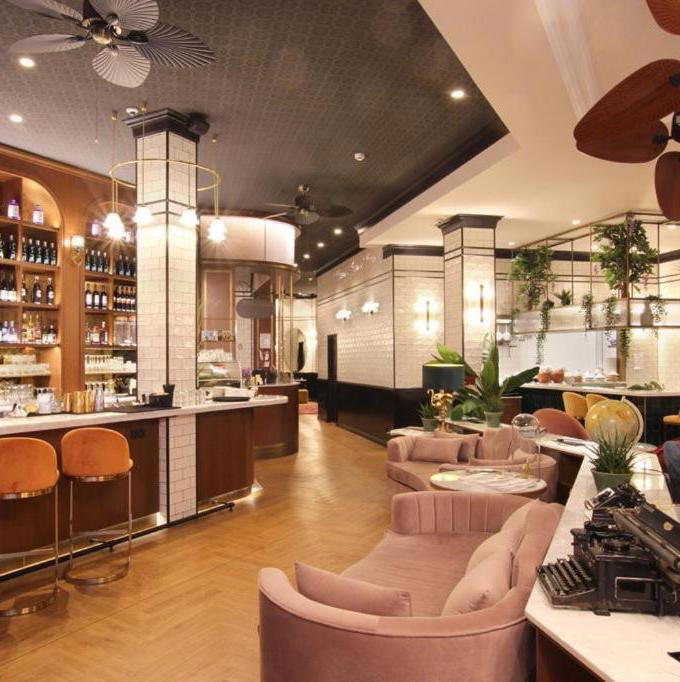
The design approach at The Dominican is one that lets the architecture carry the weight it deserves. Contemporary lighting fixtures sit below vaulted ceilings without competing with them; seating arrangements in the communal spaces use scale to suggest separation rather than hard partitions. The result is a hotel interior that reads as composed rather than over-styled.
This kind of restraint is relatively rare in converted historic properties, where the temptation is often to dramatise every original feature or, conversely, to impose a modern design language so forcefully that the building becomes a backdrop rather than a participant. The Dominican sits in the more considered middle: the priory's structure is acknowledged, the contemporary additions are legible, and the overall mood is one of calm authority rather than spectacle.
The energy is deliberately low-key. This is not a bar designed for high-rotation after-dinner drinks in a loud room; it is a space where the architecture invites a slower pace. For guests who find the grand boulevards around Place de Brouckère exhausting after a day in the city, the interior operates as a genuine counterpoint.
Brussels in a Wider Belgian Context
Belgium's hospitality scene is often discussed in terms of its food credentials, the country punches above its size for Michelin density, but the hotel bar category is less frequently mapped. Brussels in particular has a range of properties that sit between the large chain hotels near the European Quarter and the smaller design-led options in the south of the city around Avenue Louise. Le Louise Hotel Brussels in Elsene represents the latter cohort, with the Dominican occupying a distinct position in the historic centre.
Comparisons can also be drawn to hotel bar culture in other Belgian cities. VINES by maQUINZE in Ostend and Vino Vino in Namur both illustrate how wine-focused bar programming has developed across the country, a trend that Brussels has absorbed into several of its hotel properties. Internationally, Bar Leather Apron in Honolulu and L'Archiduc in Grand Place show different ways the hotel-adjacent bar format can develop a distinct identity, the former through cocktail program precision, the latter through jazz programming that has accumulated decades of continuity.
Planning Your Visit
The Dominican is located at Rue Léopold 9, 1000 Brussels, placing it within five minutes' walk of Place de Brouckère and a short distance from the Grand Place. The building's central position makes it practical as a base for exploring the city on foot: the Galeries Saint-Hubert, the Cathedral of Saints Michael and Gudula, and the main concentration of Belgian beer bars in the Ilôt Sacré district are all reachable without public transport.
Given the hotel format and the priory architecture, the space functions across different visit types: as a destination for a quiet drink before or after dinner, as a working base during the day when the city's café terraces are occupied, or as accommodation with a more architecturally distinct character than the international chain properties that dominate this part of the city. For specific booking enquiries, pricing, or current programming, contacting the hotel directly or consulting their current website will give the most reliable current information.
Category Peers
| Venue | Cuisine |
|---|---|
| The DominicanThis venue — the venue you are viewing | This venue |
Continue exploring
More in Pl De Brouckere
Bars in Pl De Brouckere
Browse all →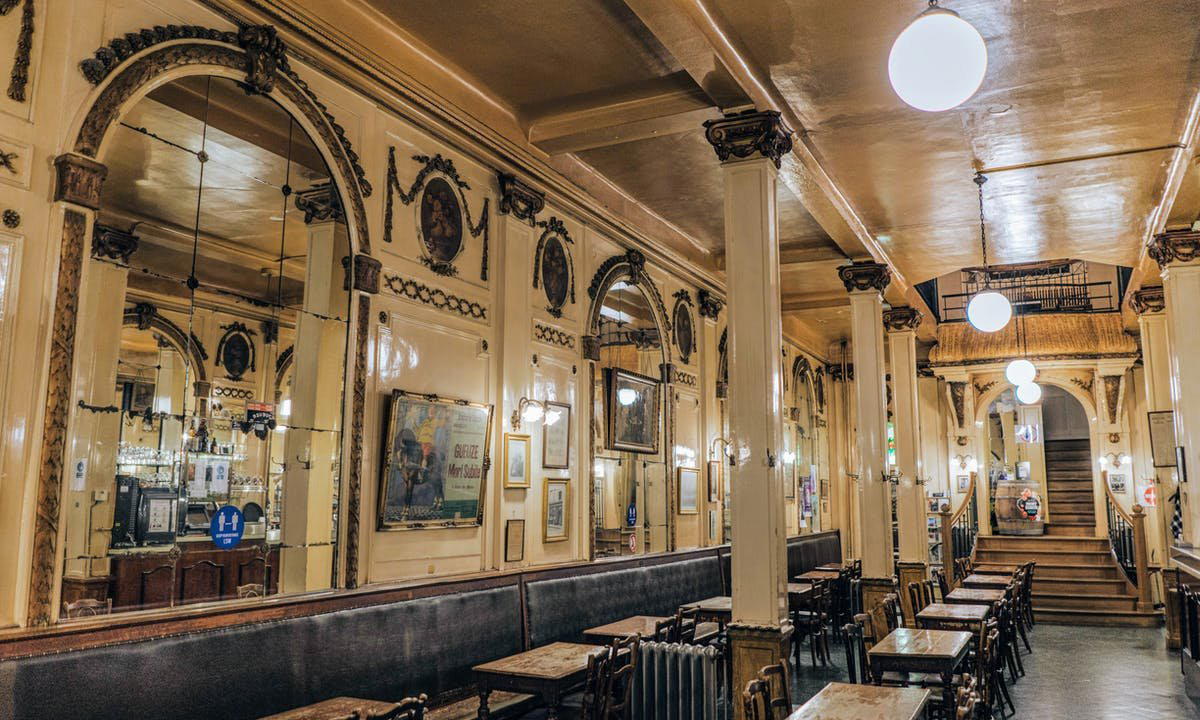
Restaurants in Pl De Brouckere
Browse all →
Hotels in Pl De Brouckere
Browse all →
Wineries in Pl De Brouckere
Browse all →
At a Glance
- Elegant
- Sophisticated
- Ornate
- Intimate
- Date Night
- Casual Hangout
- Late Night
- Historic Building
- Hotel Bar
- Lounge Seating
- Craft Cocktails
- Classic Cocktails
Ornate decor with plush velvet chairs, high ceilings, impressive windows, and hues of orange and brown, creating a sophisticated and relaxed historic atmosphere.
Know Before You Go
- Getting there
- Rue Léopold 9, 1000 Bruxelles, Belgium