





A two-Michelin-star address in the wooded southern reaches of Brussels, Le Chalet de la Forêt positions Pascal Devalkeneer's French creative cooking within a genuinely pastoral setting. The kitchen draws directly from an on-site vegetable garden, with seasonal produce shaping the menu in real time. Rated 94 points by La Liste 2025 and a member of Les Grandes Tables du Monde, this is one of Belgium's most consistent fine-dining references.
Pearl is the En Primeur Club membership app — saves, bookings, and concierge access live there. Same editors, same standards.
- Address
- Drève de Lorraine 43, 1180 Uccle, Belgium
- Phone
- +32 2 374 54 16
- Website
- lechaletdelaforet.be
- Directions
- Get directions
 Saves & bookings on Pearl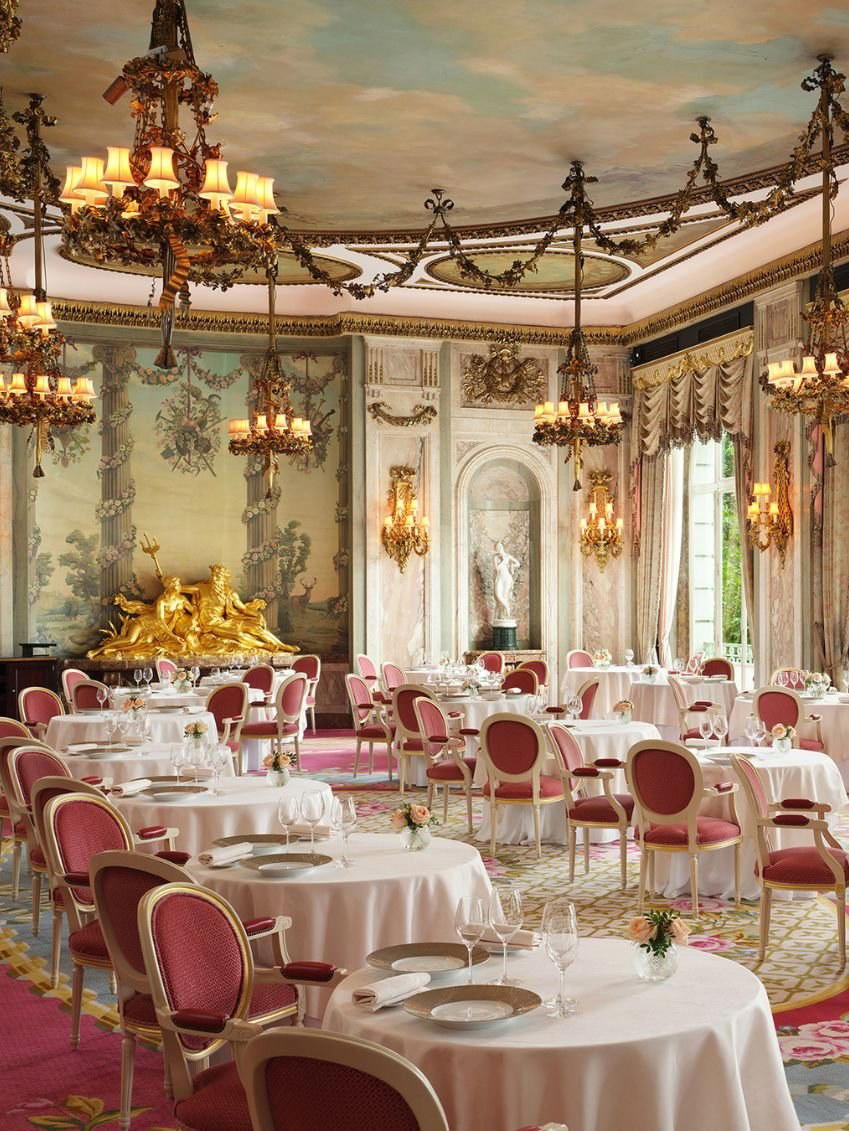
Where the Forest Meets the Table
The approach to Drève de Lorraine sets expectations that the dining room confirms. Uccle's southern tip, where Brussels thins into woodland and residential avenues lined with mature trees, is not where most visitors expect to find cooking at the two-Michelin-star level. That geographical remove is part of the point. The restaurant exists within a tradition of destination dining that requires a deliberate journey, and that journey recalibrates the pace before you've sat down. Guests who take the restaurant's invitation to walk the kitchen garden before their meal arrive at the table already oriented toward what's coming: produce-led French cooking where the distance between the ground and the plate is, in some cases, measured in metres.
A Garden as a Working Instrument
The on-site vegetable garden at Le Chalet de la Forêt is not a decorative gesture. It has been in continuous operation for at least three years and functions as a direct supplier to the kitchen — a costly infrastructure commitment that shapes the menu's daily character in ways that a network of external producers cannot fully replicate. The garden divides into distinct sections: a French-format kitchen plot, herb beds cultivated in the English style, and wilder patches growing lamb's lettuce, watercress, and spinach shoots. A small orchard of apple, plum, and Mirabelle trees rounds out the productive space.
In the broader context of Belgian fine dining, this model of hyper-local sourcing sits at one end of a spectrum. The country's top-tier restaurants — from Hof van Cleve in Kruishoutem to Boury in Roeselare, have each developed distinct sourcing identities, but few maintain production land of this kind directly attached to the property. The garden functions less as a marketing statement and more as a constraint: the kitchen works with what is ready, not with what is available through the supply chain. That constraint produces discipline.
Dishes traceable to the garden's output include a warm salad of seasonal vegetables and fresh herbs, pickled vegetables served alongside grilled fish, and broccoli florets appearing in a Parmentier format with oyster tartare and caviar. These aren't standalone garden-to-table moments dropped into a classical French menu for effect, they represent a structural logic in which the garden's seasonal cycle drives menu evolution throughout the year.
Two Stars, Consistent Across Cycles
Michelin awarded two stars to Le Chalet de la Forêt for both 2024 and 2025, a continuity that matters more than the number itself. What the sustained rating signals here is that the kitchen's output holds at a level where ingredient quality, technical execution, and seasonal coherence remain stable across inspections conducted in different conditions and different seasons.
La Liste's scoring adds a second data point: 94 points in 2025, dropping to 81 points in the 2026 edition, a shift worth noting for anyone tracking the restaurant's current trajectory, though the absolute score still places it within the upper tier of Belgian references. Membership in Les Grandes Tables du Monde, awarded in 2025, connects the restaurant to a network of French-tradition houses that emphasise product quality and classical technique as the foundation for creative work. That affiliation positions Le Chalet de la Forêt alongside European peers such as Pierre Gagnaire in Paris and AM par Alexandre Mazzia in Marseille within the broader French creative tradition.
The Uccle Context
Uccle is not a dining neighbourhood in the conventional sense. Unlike the inner Brussels communes where restaurants cluster around foot traffic and office lunch demand, Uccle's dining scene operates at lower density and higher average spend. Le Pigeon Noir and Colonel Fort Jaco sit in the €€€ range; Charlu, Au repos de la montagne, and Caffè Al Dente occupy the €€ bracket. Le Chalet de la Forêt at €€€€ operates in a different tier entirely, serving a clientele that travels specifically to the address rather than discovering it incidentally. The twenty-minute distance from central Brussels is close enough to be accessible, far enough to function as a genuine remove from the city's pace.
That positioning, suburban, forested, destination-oriented, is not unusual among Belgium's two-star addresses, many of which are located outside city centres. It reflects a dining culture where the effort of reaching a restaurant is understood as part of the overall experience, rather than an obstacle to it. For a fuller picture of what Uccle offers across categories, the full Uccle restaurants guide maps the commune's range, and the Uccle hotels guide, bars guide, wineries guide, and experiences guide cover the wider commune offer.
Within Brussels more broadly, Le Chalet de la Forêt occupies a different register from central addresses like Bozar Restaurant, which operates within a cultural institution context and draws a more mixed international audience. The Forêt de Soignes backdrop gives Le Chalet de la Forêt a specificity of place that urban-centre restaurants cannot replicate. Belgium's fine-dining circuit also extends to Bartholomeus in Heist, where coastal produce defines the kitchen's identity in a comparable way, different geography, similar logic of letting a specific natural environment direct the cooking.
Planning a Visit
The restaurant operates Tuesday through Friday at lunch (12:00 to 2:30 pm) and dinner (7:00 to 9:00 pm), with Monday lunch and dinner also available. Saturday and Sunday are closed. That schedule is tighter than many two-star addresses, which means advance booking is the only reliable approach, particularly for dinner midweek and for any table accommodating more than two. The email contact listed through the Relais and Châteaux network is chaletforet@relaischateaux.com, and the telephone number on record is +32 (0)2 374 54 16. The website is lechaletdelaforet.be. At the €€€€ price point, expect a full tasting menu format as the primary offer, though the lunch service at this level in Belgium frequently carries a more accessible price structure than the evening equivalent. Guests who wish to see the vegetable garden before dining should factor in arrival time accordingly, it is an available option, not an organised tour with a fixed schedule.
What's the leading thing to order at Le Chalet de la Forêt?
Because the menu at Le Chalet de la Forêt changes in response to what the on-site garden is producing, there is no single fixed answer, which is, in itself, the answer. The dishes that most directly express the kitchen's sourcing logic are those built around garden output: the warm seasonal vegetable salad with fresh herbs, the grilled fish with pickled vegetables, and the oyster and caviar preparation with broccoli florets and Parmentier. These aren't the most technically elaborate plates on the menu, but they are the most accurate reflection of what Pascal Devalkeneer, a two-star chef recognised by both Michelin and Les Grandes Tables du Monde, is doing that his peers are not. At a restaurant where the garden visit precedes the meal, ordering toward the garden's current output is the most coherent use of the format.
Cost Snapshot
| Venue | Cuisine | Price | Awards |
|---|---|---|---|
| Le Chalet de la ForêtThis venue — the venue you are viewing | French, Creative | €€€€ | Michelin 2 Stars, Les Grandes Tables Du Monde Award (2025) |
| Le Pigeon Noir | Country cooking | €€€ | Michelin 1 Star |
| Au repos de la montagne | Not listed | €€ | Traditional Cuisine, €€ |
| Caffè Al Dente | Not listed | €€ | Italian, €€ |
| Charlu | Not listed | €€ | French, €€ |
| Colonel Fort Jaco | Not listed | €€€ | Meats and Grills, €€€ |
Recognition history
Dated appearances from independent guides and award organizations, with the underlying list record or original source where available.
Falstaff Restaurant - 96 Falstaff Points
Falstaff
La Liste Top Restaurants
La Liste
Les Grandes Tables du Monde Member
Les Grandes Tables du Monde
Michelin 2 Stars
Michelin
Relais Chateaux Award
Relais Chateaux
La Liste Top Restaurants
La Liste
Michelin 2 Stars
Michelin
Relais Chateaux Award
Relais Chateaux
We're Smart World 4 Radishes
We're Smart World
Michelin 2 Stars
Michelin
Continue exploring
More in Uccle
Restaurants in Uccle
Browse all →
Bars in Uccle
Browse all →
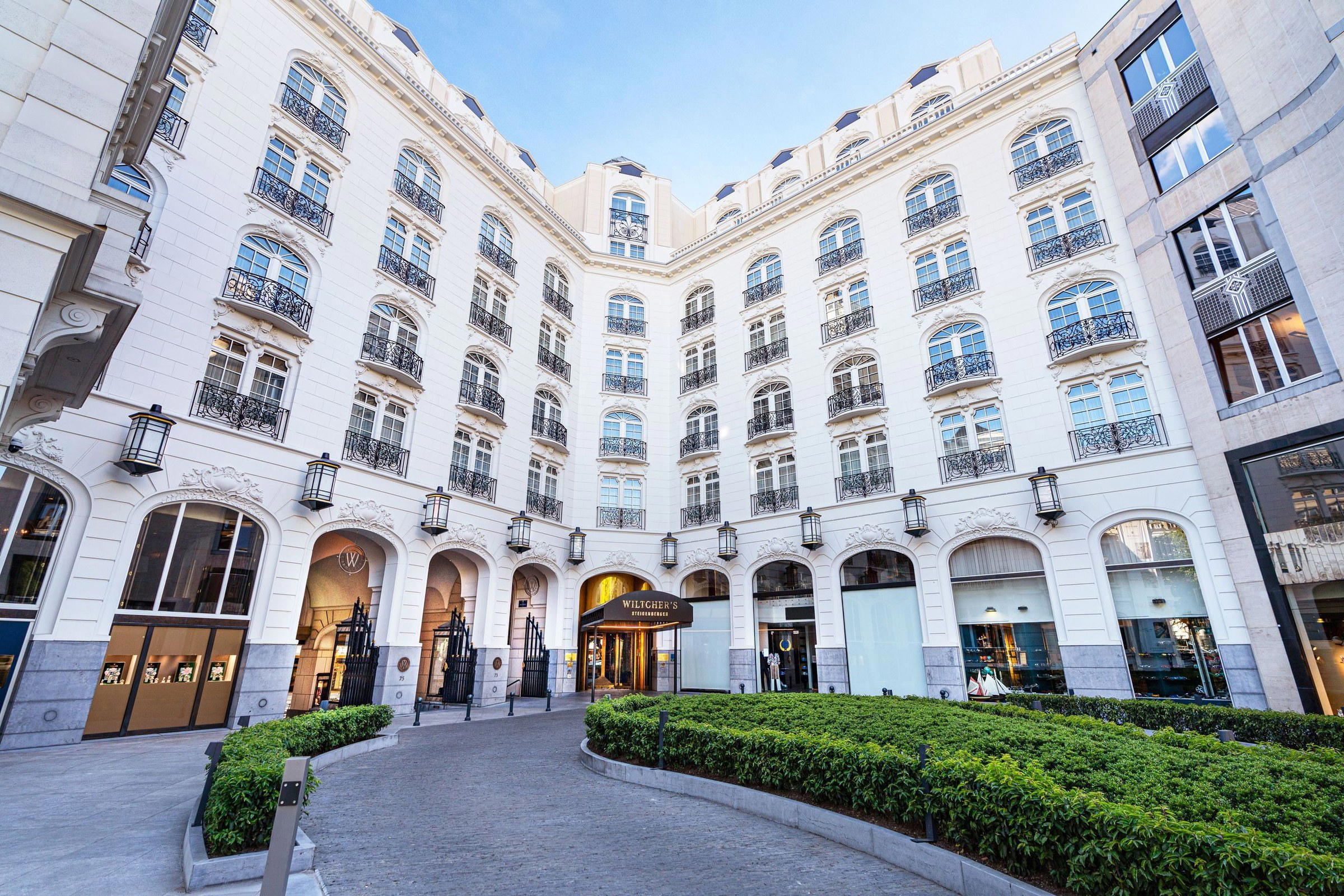
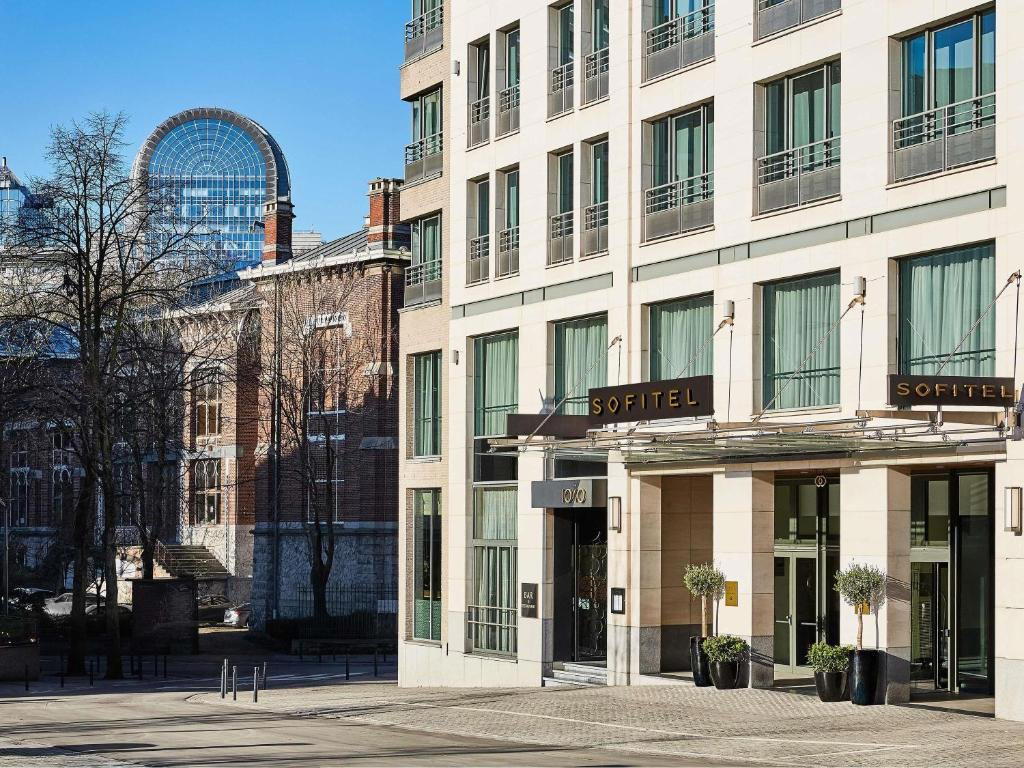
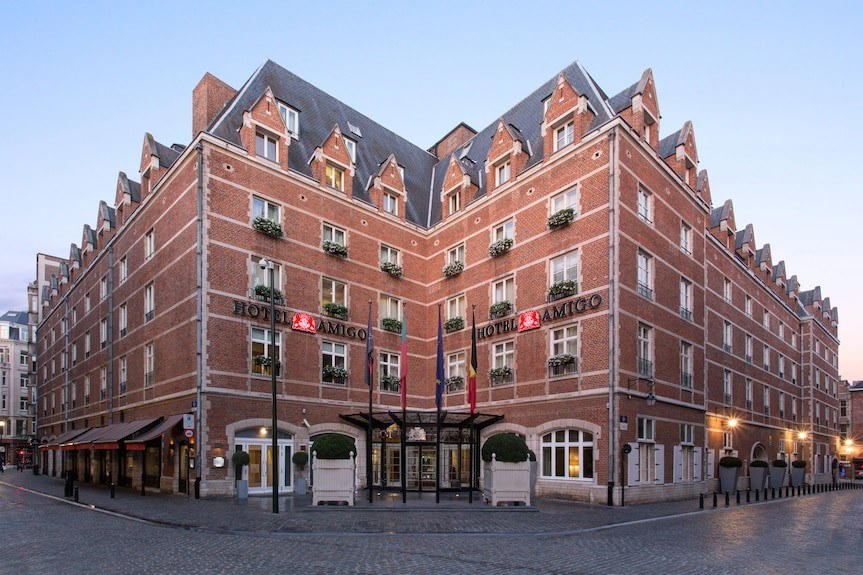
Hotels in Uccle
Browse all →
Wineries in Uccle
Browse all →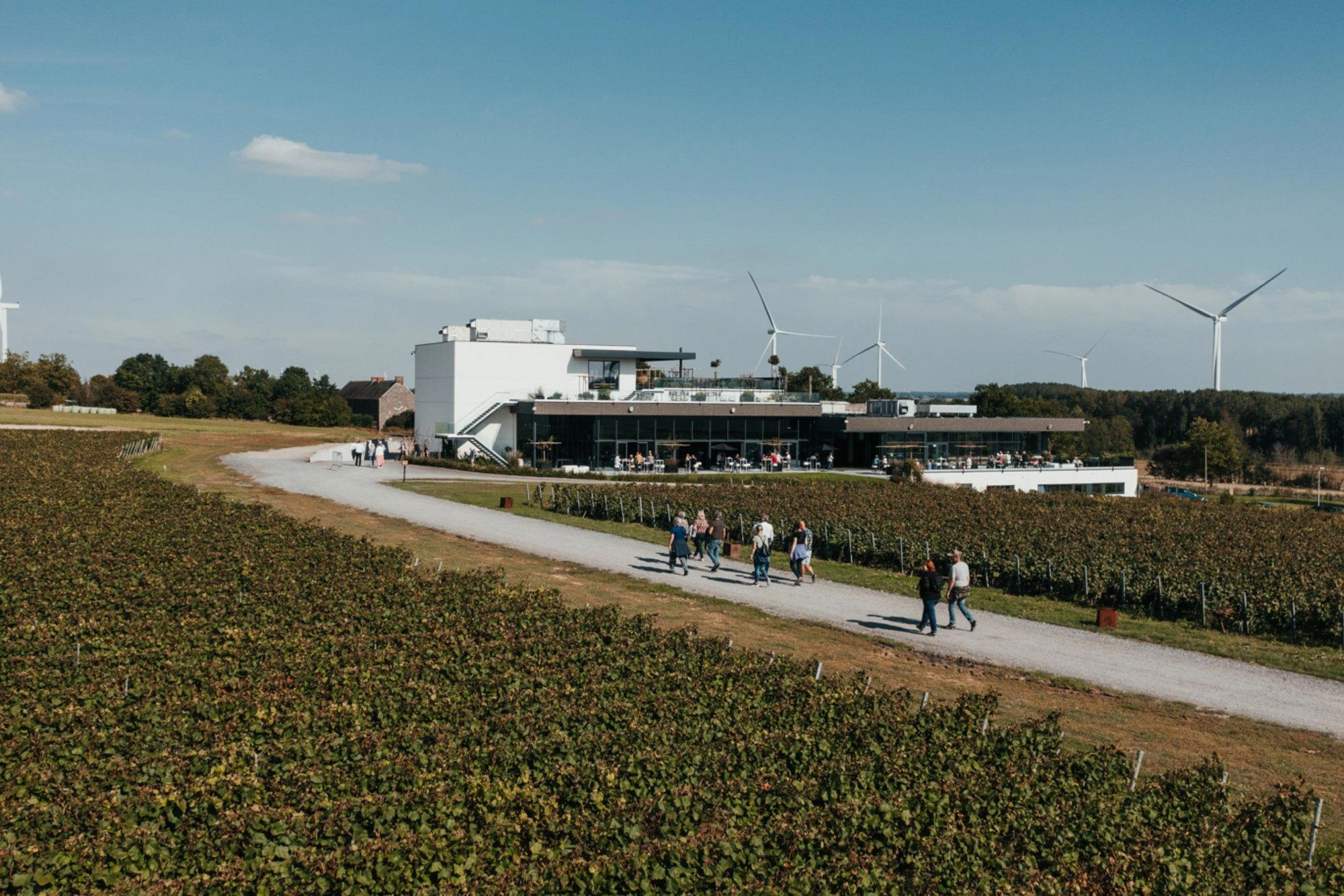
At a Glance
- Elegant
- Romantic
- Quiet
- Sophisticated
- Scenic
- Date Night
- Business Dinner
- Celebration
- Special Occasion
- Private Event
- Terrace
- Garden
- Private Dining
- Standalone
- Extensive Wine List
- Sommelier Led
- Farm To Table
- Local Sourcing
- Organic
- Garden
Current opening hours
- Monday
- 12–2 PM, 7–9 PM
- Tuesday
- 12–2 PM, 7–9 PM
- Wednesday
- 12–2 PM
- Thursday
- 12–2 PM, 7–9 PM
- Friday
- 12–2 PM, 7–9 PM
- Saturday
- Closed
- Sunday
- Closed
Hours can change for holidays and private events. Last verified .
Elegant and spacious with warm, refined lighting; guests describe a calm, luxurious atmosphere enhanced by the forest setting and fireplace lounge areas.
Know Before You Go
- Getting there
- Drève de Lorraine 43, 1180 Uccle, Belgium