








Zilte holds three Michelin stars and a 93.5-point La Liste ranking, placing it among Belgium's most decorated creative restaurants. Chef Viki Geunes operates from the top floor of Antwerp's MAS museum, where the city panorama frames a menu that moves between precise vegetable cookery and technically layered seafood. The wine program has held multiple Star Wine List recognitions across three consecutive years.
Pearl is the En Primeur Club membership app — saves, bookings, and concierge access live there. Same editors, same standards.
- Address
- Hanzestedenplaats 5, 2000 Antwerpen, Belgium
- Phone
- +32 3 283 40 40
- Website
- zilte.be
- Directions
- Get directions
 Saves & bookings on Pearl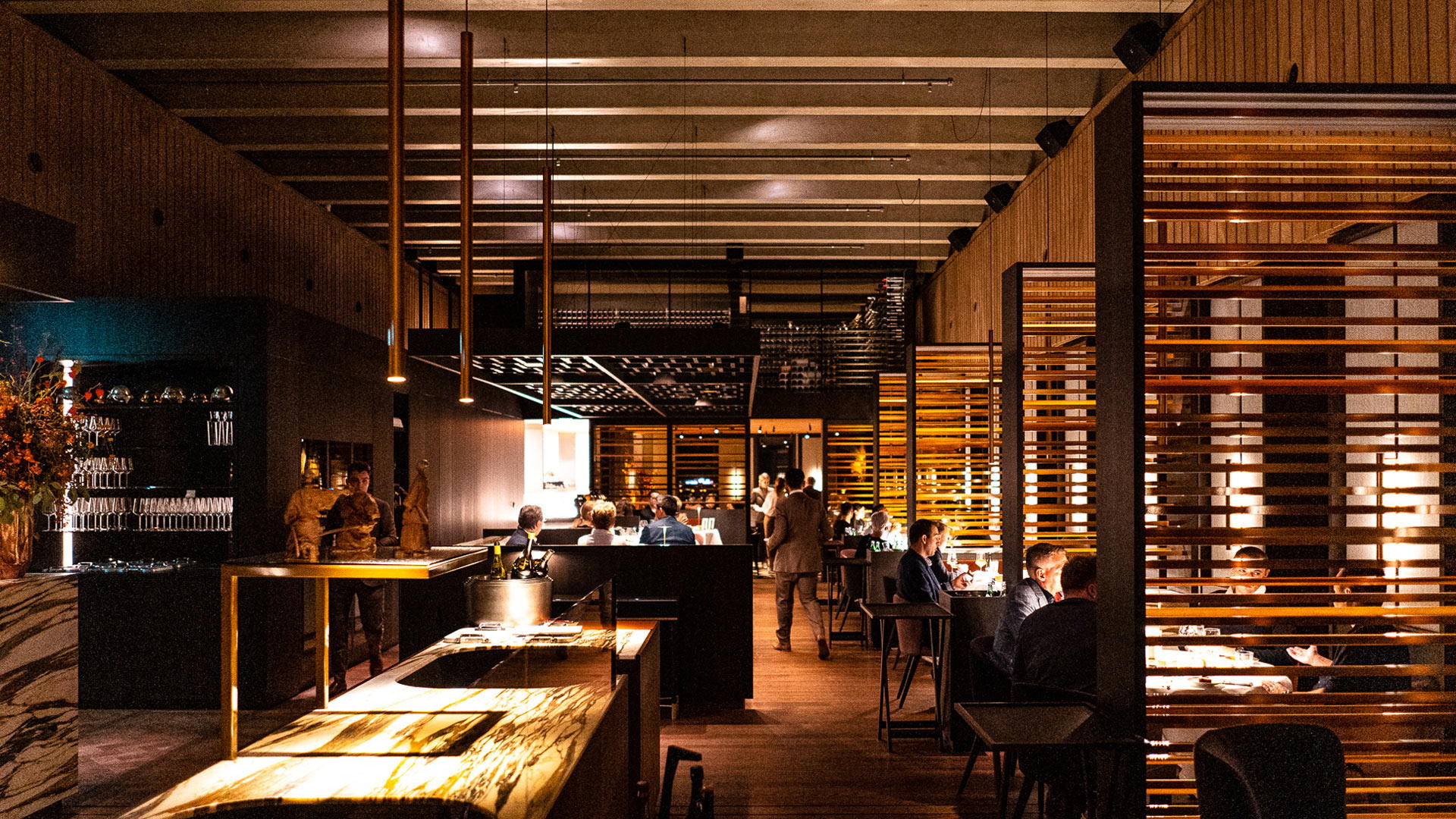
Above the City, Inside the Argument
Zilte is a three-Michelin-star restaurant in Antwerp, Belgium, led by chef Viki Geunes and priced at about $300 per person. Zilte, on the leading floor of Antwerp's Museum aan de Stroom (MAS), represents the creative end of that spectrum: a kitchen where ingredient logic runs through Japanese technique, Nordic restraint, and Flemish produce without resolving neatly into any single tradition. That positioning is deliberate and it shows in the awards record.
Hertog Jan at Botanic operates at the same price tier with a Modern Flemish creative approach, while 't Fornuis holds its ground in European-Flemish classic cuisine. Dôme works from a Modern French and Classic French framework. Zilte sits apart from all three: neither rooted in regional tradition nor aligned with French classicism, it moves through a more globally inflected vocabulary. That distinction matters when assessing what the three-star award is actually recognizing here.
The Physical Argument for the Price
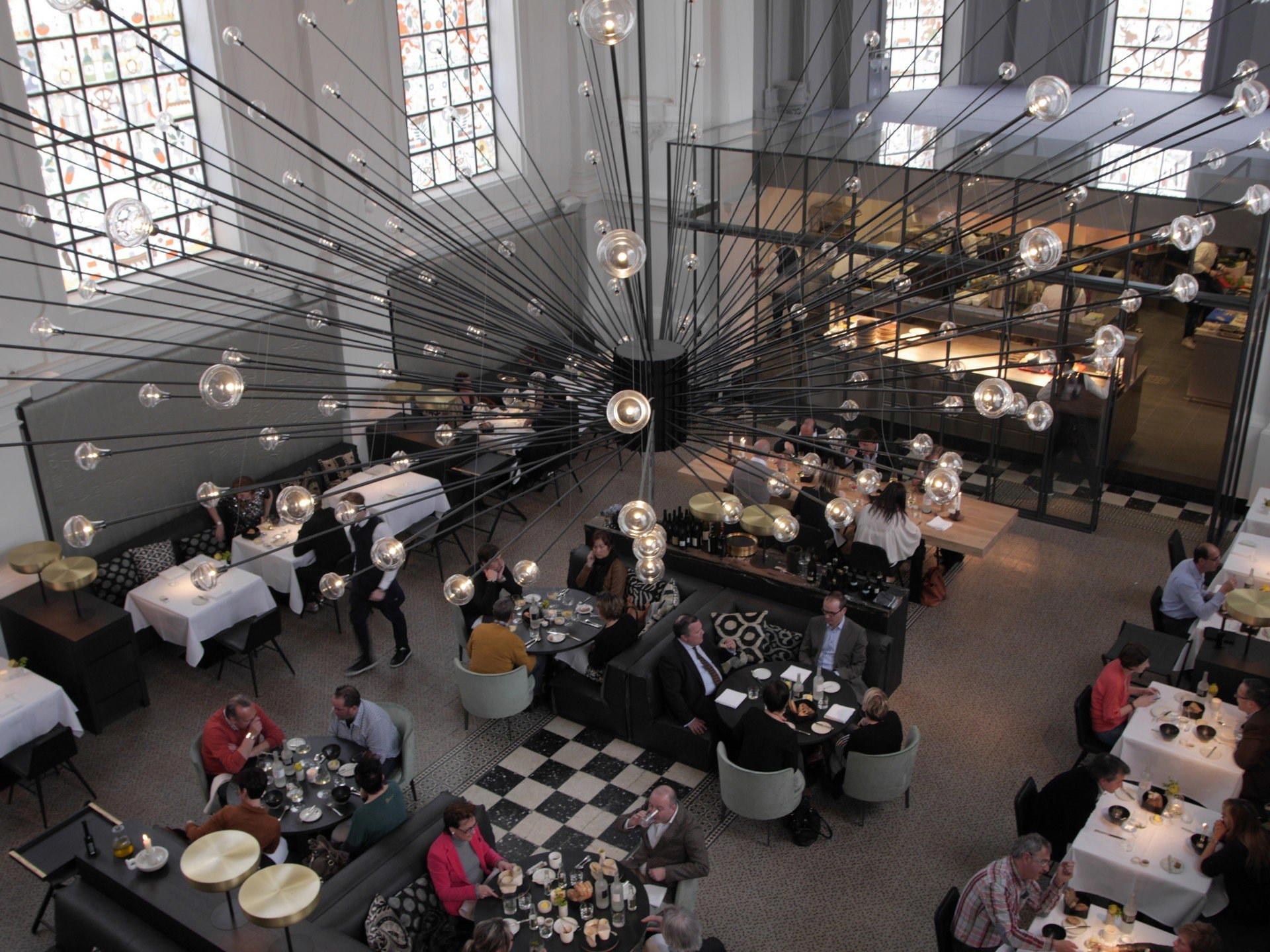
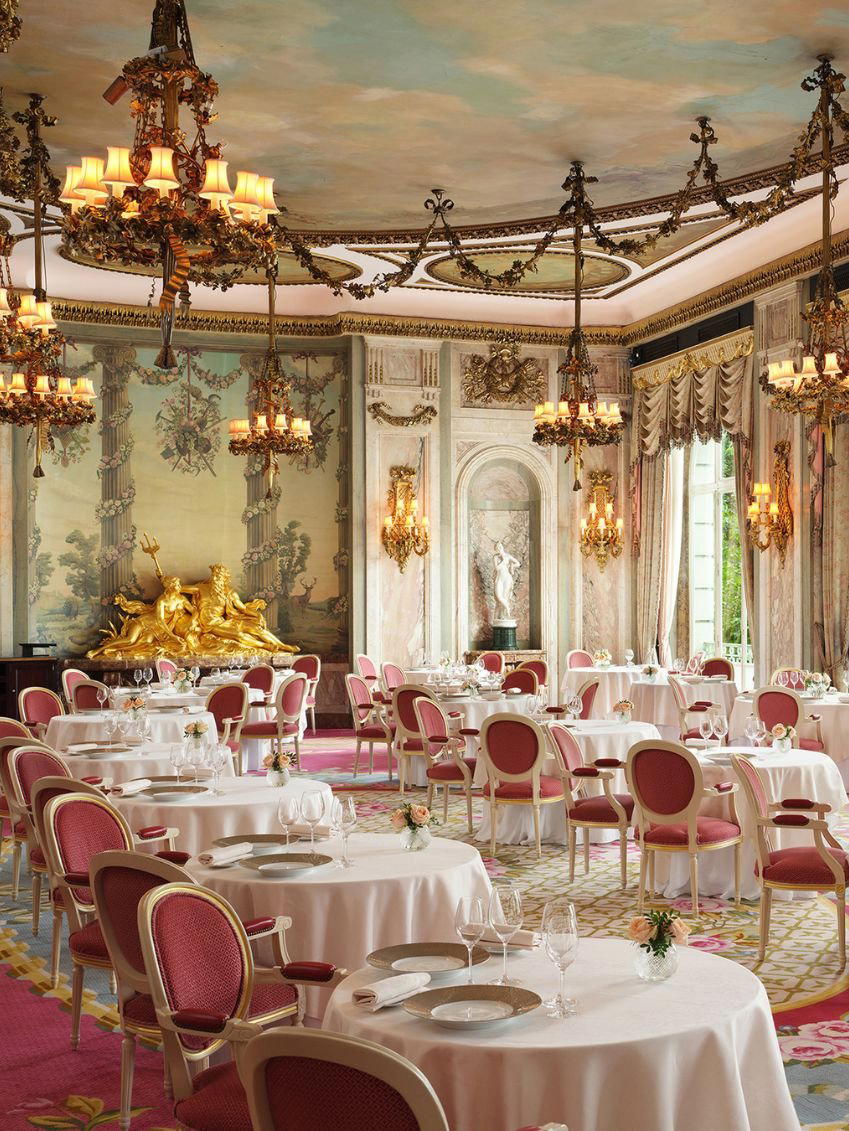
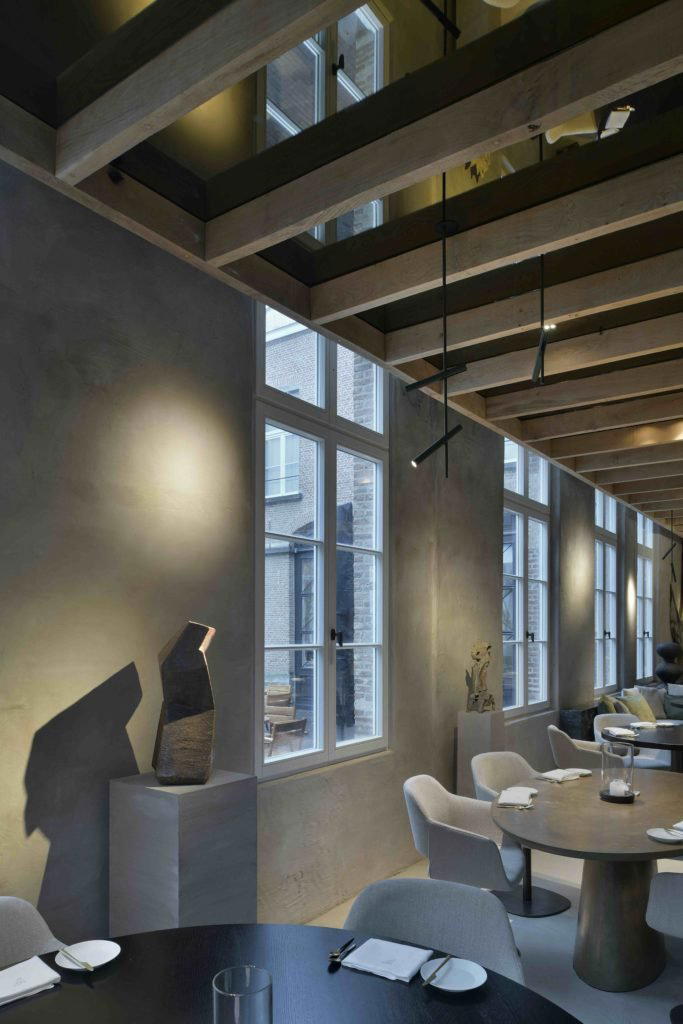
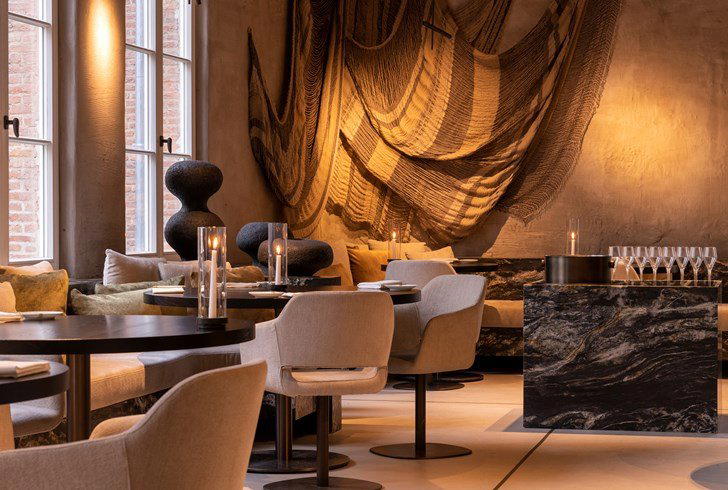
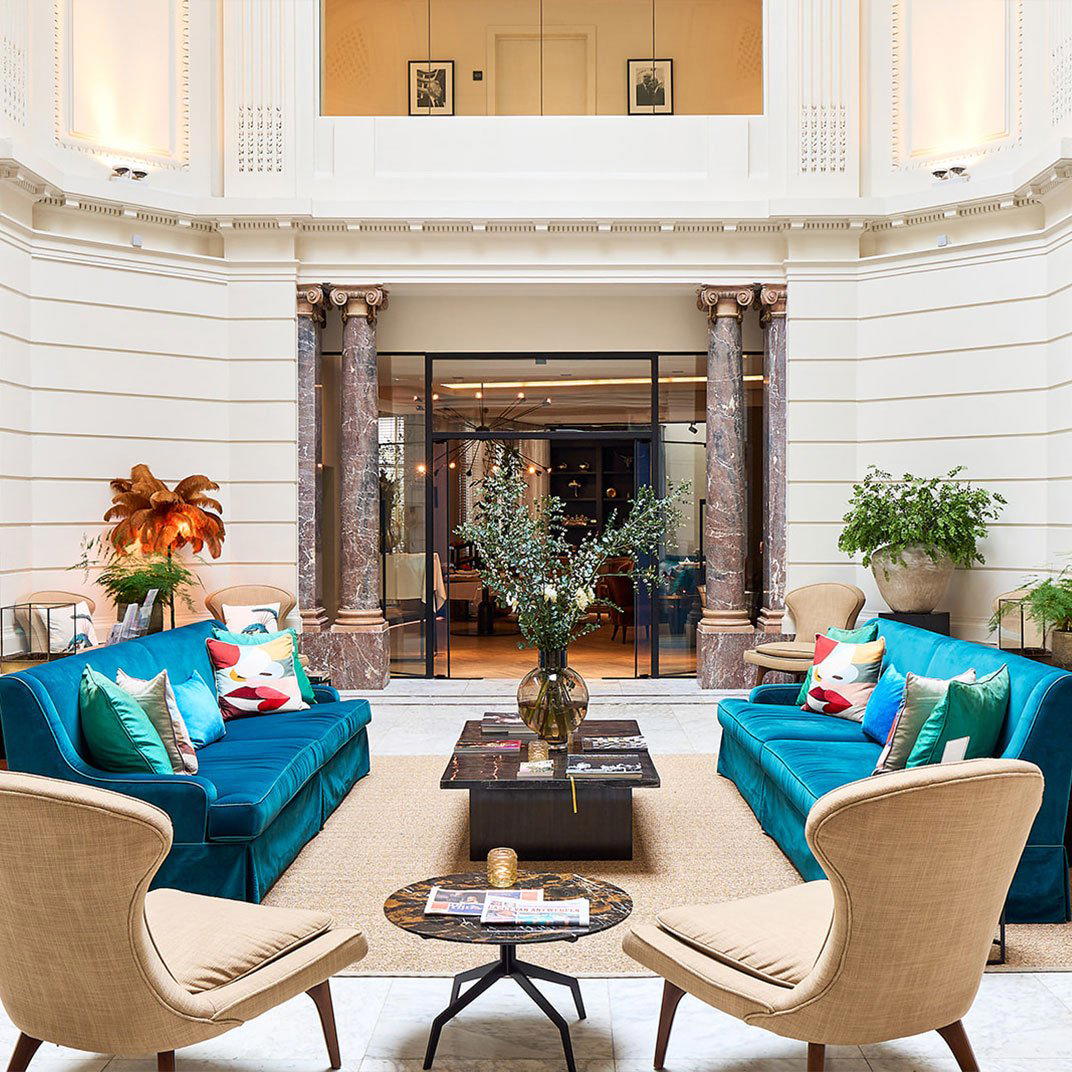
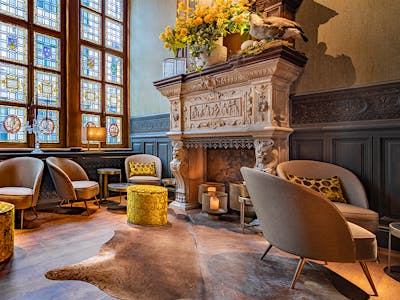
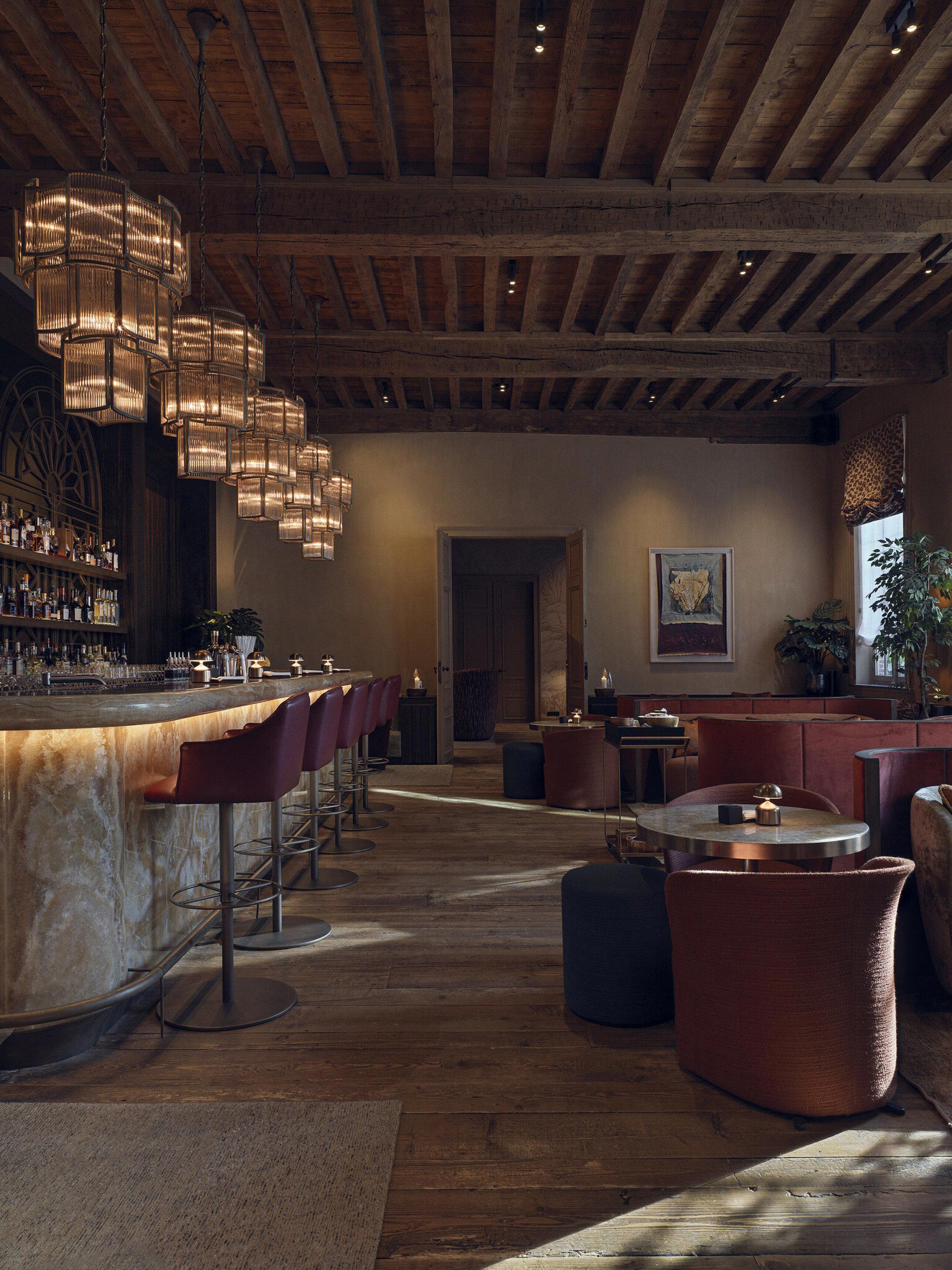
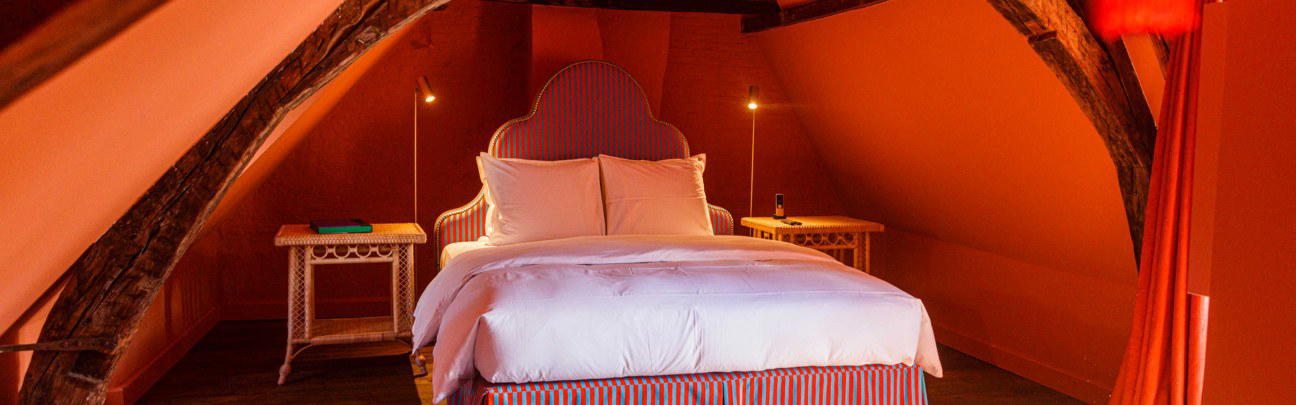
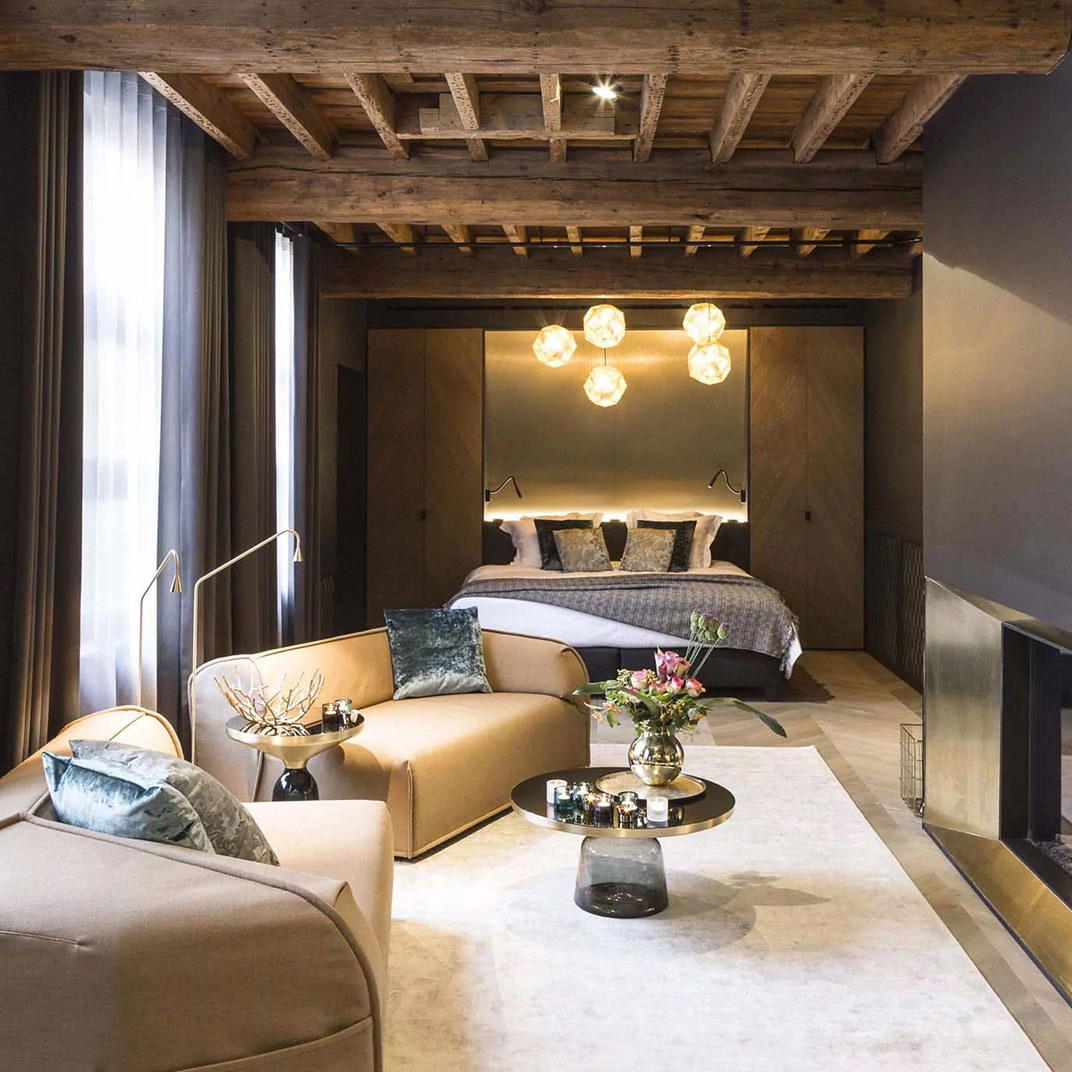
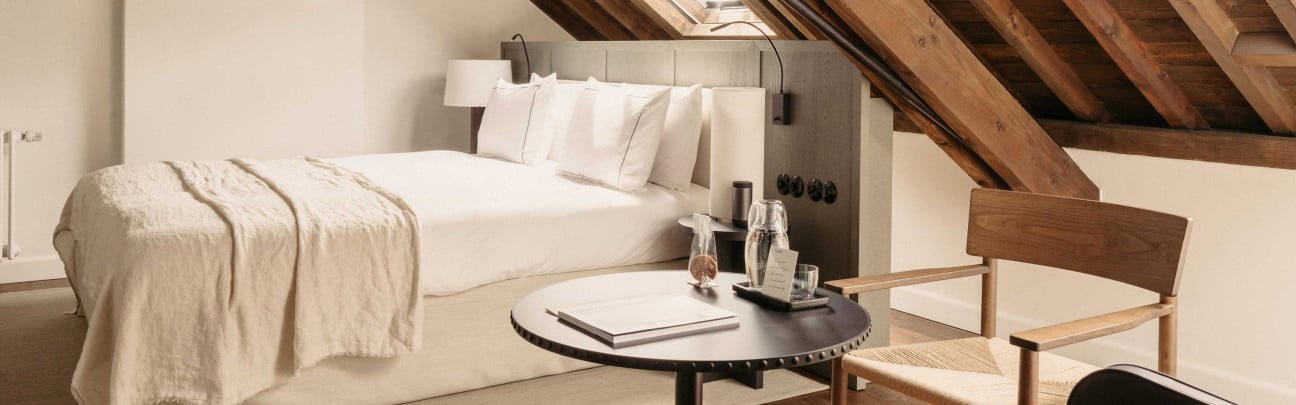
Part of what justifies the €€€€ price bracket at Zilte is environmental rather than purely culinary. The MAS building's top-floor location delivers an unobstructed panorama of Antwerp's port and skyline that no street-level restaurant in the city can replicate. The dining room itself trades in understated elegance: a designer interior that reads as warm rather than cold, offset by deliberate touches that soften the formality. The setting functions as a component of the overall proposition, not merely a backdrop, and critics consistently treat it as inseparable from the experience.
At Zilte, the answer includes a wine program that has earned recognition from Star Wine List across all four of its ranking positions in both 2024 and 2025, and three positions in 2023. That consistency across years and across multiple list tiers signals a cellar and a service approach that operates at the level of the kitchen rather than as an afterthought. The wine pairing is a meaningful part of the value calculation here.
The Kitchen's Vocabulary
Creative cuisine at the three-star level in Europe now divides, roughly, between two modes: the kind that foregrounds narrative and regionality, and the kind that prioritizes technical precision and ingredient transformation as ends in themselves. Zilte belongs clearly to the second category. The kitchen's approach involves working the same primary ingredient across multiple forms and preparations within a single menu, extracting different textures and flavor registers from the same source material. A langoustine, for instance, may appear once in a precisely composed arrangement with tempura sea urchin, hearts of palm, celery cream, and mandarin-flavored miso, and then return in a second dish built from the same ingredients but producing an entirely different set of textures and intensities. This kind of internal coherence within a tasting menu is harder to execute than variety-for-its-own-sake, and it is where the kitchen's discipline becomes visible.
The vegetable program deserves particular attention. An eight-course vegetarian menu, offered under the name 'Groene trend', demonstrates how the kitchen applies the same level of technical rigor to plant-based cooking that it brings to seafood. Dishes built around beetroot, kombu, shiso, BBQ cabbage with shiitake, miso and crosne, and truffle with quail, salsify, pecorino and hazelnut represent a range of influence that spans Japanese fermentation, European root vegetables, and classical pairing logic. This is not a vegetarian menu offered as a concession to dietary preference. It functions as a full expression of the kitchen's range, and its existence as a structured eight-course format rather than a modified version of the main menu says something about how seriously Geunes treats the produce-forward side of his cooking.
Across the broader Belgian three-star field, this kind of vegetable-centered ambition is rare. Hof van Cleve in Kruishoutem and Boury in Roeselare both operate at the highest tier of Belgian fine dining, but with different emphases. Zilte's dual-track menu structure, offering both seafood-led tasting and a fully realized vegetarian progression, is a format decision that sets it apart from its domestic peers.
Self-Taught at Three Stars
In the European fine dining context, three-star recognition for a chef without formal culinary school or a high-profile mentor lineage is unusual enough to function as a signal about how the kitchen arrived at its current position. The absence of institutional training often produces either idiosyncratic results that never quite cohere at the highest level, or a hard-won discipline that is entirely self-generated. At Zilte, the evidence points toward the latter: the precision described in the menu's construction, the ingredient-transformation logic, and the wine program's consistency across years all suggest a kitchen that has developed its own rigorous internal standards rather than importing them from a training tradition. That the operation is also family-run adds a further layer of context: the personal and operational investment here is concentrated rather than distributed.
Belgium's Creative Tier in European Context
The density of starred restaurants relative to population is high, and the country has produced a number of chefs who have influenced the broader European conversation. Willem Hiele in Oudenburg and Bartholomeus in Heist represent the coastal register of serious Flemish cooking, while Bozar Restaurant in Brussels and d'Eugénie à Emilie in Baudour extend the map into the Walloon and Brussels contexts. Zilte occupies Antwerp's position within that national creative tier, and its OAD ranking of 106 in Europe for 2025 places it in a European peer group that includes restaurants from France, Spain, Italy, and Scandinavia operating in the same technical and creative register.
Alléno Paris au Pavillon Ledoyen and Enrico Bartolini in Milan both operate in the same broad category of technically ambitious creative cuisine with strong awards recognition. The comparison is useful for understanding what kind of dining Zilte is competing against at the international level, even if its specific culinary language is distinct from either.
Planning a Visit
Zilte is located at Hanzestedenplaats 5, on the leading floor of the MAS museum in the Eilandje district of Antwerp. Bookings can be made via zilte@relaischateaux.com or by telephone at +32 32834040, and the Relais & Châteaux affiliation suggests a reservation process aligned with the expectations of that network's clientele. The museum building itself is a draw in its own right, and arriving with time to explore before the meal uses the location intelligently.
Antwerp's dining scene extends well beyond the three-star tier. Bistrot du Nord offers French traditional cuisine at the €€€ level for a different register, and DIM Dining covers the Japanese and Asian end of the city's offer at the €€€€ tier.
What People Recommend at Zilte
The first is the kitchen's treatment of seafood: specifically the precision with which individual preparations are composed, and the technical move of reworking the same primary ingredient across multiple courses to demonstrate range rather than simply variety. The langoustine preparation with sea urchin tempura, hearts of palm, celery cream, and mandarin-flavored miso is among the more cited examples of Geunes's approach in the available record. The second is the 'Groene trend' vegetarian menu, which critics treat as a substantive choice rather than an alternative. For guests at this price tier, both menus are worth considering on their own terms rather than defaulting to the standard progression. The wine program, backed by multiple Star Wine List positions across 2023, 2024, and 2025, is consistently cited as matching the kitchen's ambition rather than trailing it. The sommelier service is described in critical sources as genuinely advisory rather than formulaic, which at this price point makes a material difference to the overall calculation. Google's 4.7-star rating across 617 reviews provides a further signal that the kitchen's technical ambition lands consistently for guests rather than registering as cold or inaccessible.
At a Glance
Comparable venues nearby, for context on price, style, and recognition.
| Venue | Cuisine | Price | Notes |
|---|---|---|---|
| ZilteThis venue — the venue you are viewing | Eilandje, Modern Fine Dining | $$$$ | Not listed |
| The Jane | Not listed | $$$$ | Eilandje (Harbour District), Modern Creative with Asian Influences |
| Hertog Jan at Botanic | Not listed | $$$$ | Botanic, Modern Japanese Omakase Fine Dining |
| Dôme | Zurenborg, Modern French Fine Dining | $$$ | Not listed |
| Misera | Eilandje, Modern French Seafood | $$$$ | Not listed |
| Fine Fleur | Not listed | $$$$ | Antwerp Center, Michelin-Starred French Fine Dining |
Recognition history
Dated appearances from independent guides and award organizations, with the underlying list record or original source where available.
Falstaff Restaurant - 100 Falstaff Points
Falstaff
La Liste Top Restaurants
La Liste
Les Grandes Tables du Monde Member
Les Grandes Tables du Monde
Michelin 3 Stars
Michelin
Opinionated About Dining Top Restaurants in Europe Ranked #118
Opinionated About Dining
Relais Chateaux Award
Relais Chateaux
Star Wine List
Star Wine List
La Liste Top Restaurants
La Liste
Michelin 3 Stars
Michelin
Opinionated About Dining Top Restaurants in Europe Ranked #106
Opinionated About Dining
Relais Chateaux Award
Relais Chateaux
Star Wine List
Star Wine List
The Best Chef Two Knives
The Best Chef
We're Smart World 5 Radishes
We're Smart World
We're Smart World Top 100 #48
We're Smart World
Michelin 3 Stars
Michelin
Star Wine List
Star Wine List
Star Wine List
Star Wine List
At a Glance
- Elegant
- Sophisticated
- Modern
- Intimate
- Date Night
- Business Dinner
- Special Occasion
- Panoramic View
- Hotel Restaurant
- Open Kitchen
- Extensive Wine List
- Sommelier Led
- Skyline
Current opening hours
- Monday
- 12–1 PM, 7–8:30 PM
- Tuesday
- 12–1 PM, 7–8:30 PM
- Wednesday
- 12–1 PM, 7–8:30 PM
- Thursday
- 12–1 PM, 7–8:30 PM
- Friday
- 12–1 PM, 7–8:30 PM
- Saturday
- Closed
- Sunday
- Closed
Hours can change for holidays and private events. Last verified .
Understated elegant and cozy designer interior with nostalgic jazzy music, warm lighting, and spectacular city views.