Petite Île sits in Anderlecht, one of Brussels' most food-serious neighbourhoods and home to the city's central wholesale market. The address places it inside a local dining culture that prizes provenance and directness over formal ceremony. For the Brussels table that wants to eat close to the source, this is a useful reference point in Midi Zuid.
Pearl is the En Primeur Club membership app — saves, bookings, and concierge access live there. Same editors, same standards.
- Address
- Rue de la Petite Île 1A, 1070 Anderlecht, Belgium
- Phone
- +32 491 95 12 48
- Website
- petite-ile.be
- Directions
- Get directions
 Saves & bookings on Pearl
Anderlecht and the Logic of Eating Near the Market
Brussels has long separated its dining scene between the formal grandeur of the city centre and something more workmanlike in the communes to the west. Anderlecht, home to the Abattoir market complex on the Rue Ropsy Chaudron, operates as one of the city's primary nodes for wholesale food trade. The neighbourhood's relationship with produce, meat, and direct supply is structural rather than fashionable, and the restaurants that have settled here over decades tend to reflect that. La Paix in Anderlecht is the clearest proof that serious cooking and market proximity are not incidental: it is one of Belgium's more document-able addresses for offal and whole-animal cookery, drawing its identity directly from what the surrounding trade makes available. Petite Île, on the Rue de la Petite Île, operates inside that same urban logic.
The street address alone carries meaning in this part of Brussels. The Petite Île is a small island territory formed by the canal and rail infrastructure that cuts through Anderlecht, historically an industrial and working-class zone that has never quite absorbed the gentrification that remade parts of Molenbeek or Saint-Gilles. That resistance to reinvention is part of what makes it interesting for a certain kind of eating.
Ingredient Sourcing as the Central Argument
In Belgium's upper dining tier, sourcing has become a credentialing exercise: restaurants from Boury in Roeselare to Vrijmoed in Gent position their supplier relationships as a primary signal of seriousness, listing farms and fishers on the menu with the same weight once given to classical technique. The practice has filtered across price tiers and geographies. What distinguishes the restaurants in Anderlecht's orbit from that formalized provenance movement is that proximity to supply is geographic fact rather than brand positioning. The Abattoir market runs weekend sessions that are open to the public and draw both professional buyers and home cooks; the restaurants around it benefit from supply chains that are short by Brussels standards.
For a restaurant at Petite Île's address, the sourcing argument is spatial before it is philosophical. Proteins, vegetables, and specialty goods cycle through this part of the city at scale. The question for any kitchen operating here is how deliberately it draws on that access. Belgium's most awarded restaurants, including Hof van Cleve in Kruishoutem and Zilte in Antwerp, have built sourcing programs that require active curation from afar. A kitchen in Anderlecht can, in theory, walk to its supply. Whether that theoretical advantage translates to the plate is the editorial question this address poses.
The Brussels Context: Where This Address Fits
Brussels dining at the upper-middle register has grown more confident over the past decade. The city's Michelin presence is real, concentrated mostly in the formal centre and in specific communes like Uccle, where Le Chalet de la Forêt anchors the southern residential dining circuit. The Bozar area in the city centre houses Bozar Restaurant, which connects fine dining to cultural institution in a format more common in Paris or London than in Belgian cities of this scale. Anderlecht has remained outside that recognition economy, which means restaurants there earn their audience through repeat local custom rather than destination traffic from hotel concierges or corporate expense accounts.
That dynamic shapes both the pricing expectations and the tone of what works in the area. The €€€€ tier that defines restaurants like La Durée in Izegem or Cuchara in Lommel is achievable for Anderlecht addresses, but requires a different kind of justification to a local clientele that has historically preferred directness and value density over ceremony. The more interesting restaurants in this part of Brussels tend to land somewhere between bistro confidence and genuine technical ambition, without the tasting-menu formalism that dominates Belgium's award circuit.
Comparing Anderlecht to Belgium's Broader Restaurant Scene
Belgium has produced a sustained cohort of serious regional restaurants over the past two decades. Willem Hiele in Oudenburg has built its identity around coastal foraging and hyperlocal coastal sourcing. Ralf Berendsen in Neerharen operates from the Limburg countryside with a different relationship to its landscape. De Jonkman in Sint-Kruis near Bruges, and d'Eugénie à Emilie in Baudour in Hainaut, represent the regionalist impulse at its most committed. Against this spread, an Anderlecht address represents the urban rather than rural version of that same sourcing argument: city markets and wholesale infrastructure rather than fields and farmland.
Internationally, the sourcing-as-identity model has been refined at restaurants like Le Bernardin in New York City, where the commitment to ingredient primacy operates at scale and across decades of consistent execution. At the communal-format end of that spectrum, Lazy Bear in San Francisco has shown how a kitchen's relationship to supply can become the central narrative of a dining experience without relying on traditional fine-dining architecture. Belgium's mid-tier market-driven restaurants are working through a similar set of questions at a smaller scale and with a different cultural vocabulary. Castor in Beveren and La Table de Maxime in Our represent other points on that spectrum.
Planning a Visit
Anderlecht is accessible from central Brussels by metro on the line 5 direction Erasme, with the Clemenceau or Veeweide stops placing visitors within walking distance of the canal district. The neighbourhood is not set up for the kind of pre-dinner drift that works in Saint-Gilles or Ixelles; it rewards visitors who arrive with a specific destination in mind. The address at Rue de la the restaurant 1A, 1070 Anderlecht is specific enough to locate easily. For visitors building a broader Brussels dining itinerary, anchoring in Anderlecht for lunch and moving toward the city centre for evening makes geographic sense and allows for a reading of how the city's different dining registers relate to each other.
Side-by-Side Snapshot
Comparable venues nearby, for context on price, style, and recognition.
| Venue | Cuisine | Price | Notes |
|---|---|---|---|
| Petite ÎleThis venue — the venue you are viewing | Fresh seasonal cuisine | Not listed | Not listed |
| Esencia | Craft Cocktails | $$ | Saint-Gilles |
| Vers Namur | Belgian Seasonal Bistro | $$ | Blanden |
| Toma Maté | Argentinian Steakhouse | $$ | Beersel |
| Arnaud Champagne | Artisan Belgian Chocolatier | $$ | Ittre |
| Jochie Jochie | Seasonal Local Bistro | $$ | Velzeke-Ruddershove |
Continue exploring
More in Midi Zuid
Restaurants in Midi Zuid
Browse all →
Bars in Midi Zuid
Browse all →
At a Glance
- Local Sourcing
- Garden
Current opening hours
- Monday
- 9 AM–11 PM
- Tuesday
- 9 AM–11 PM
- Wednesday
- 9 AM–11 PM
- Thursday
- 9 AM–11 PM
- Friday
- 9 AM–11 PM
- Saturday
- 9 AM–9 PM
- Sunday
- 9 AM–9 PM
Hours can change for holidays and private events. Last verified .
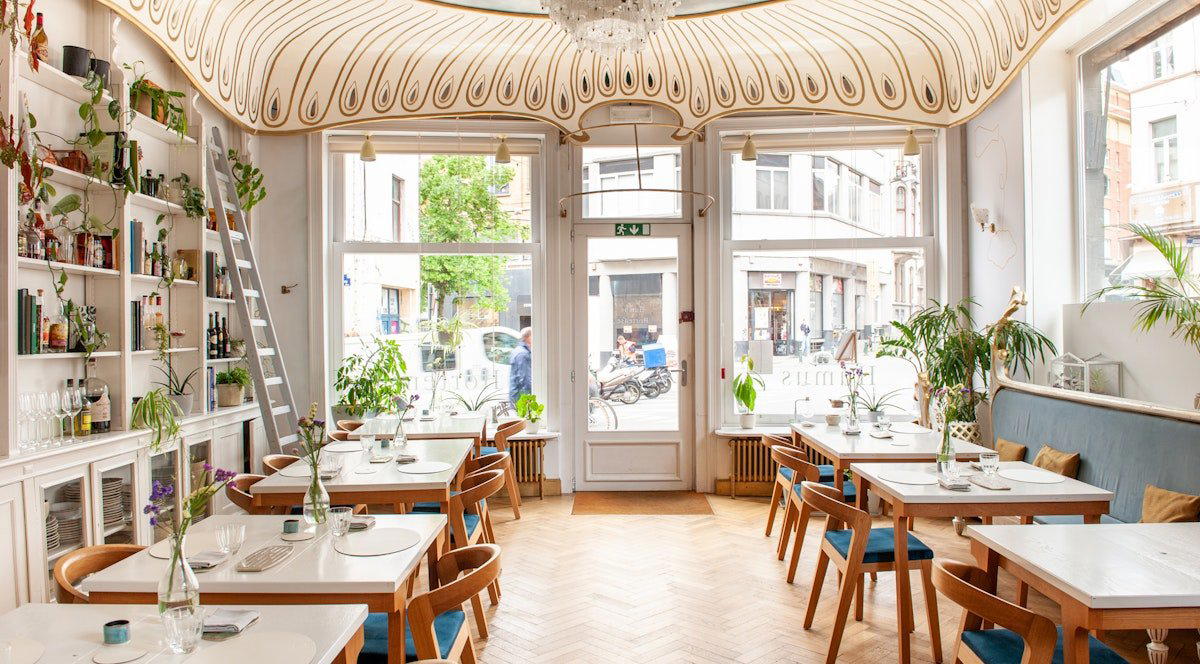
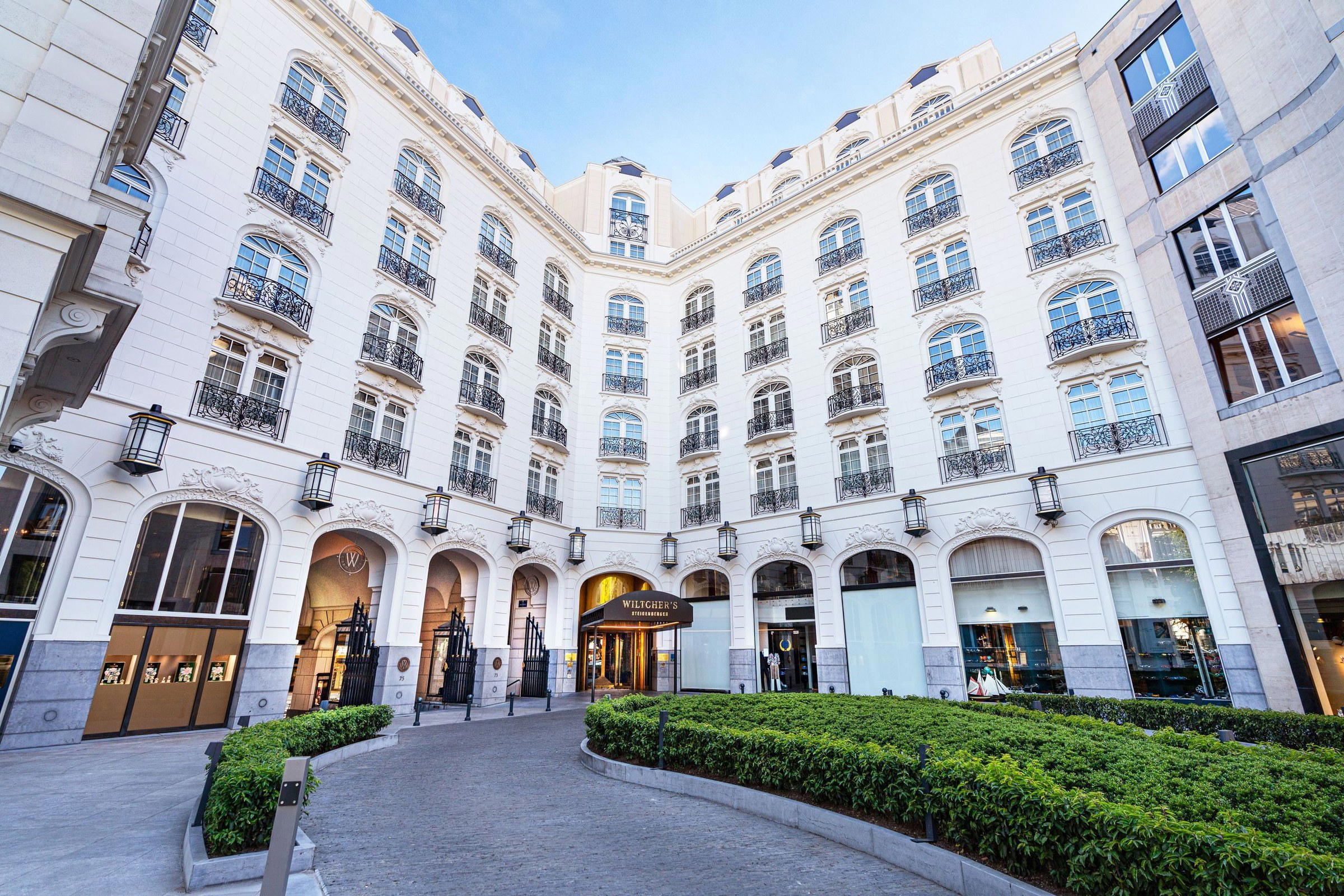
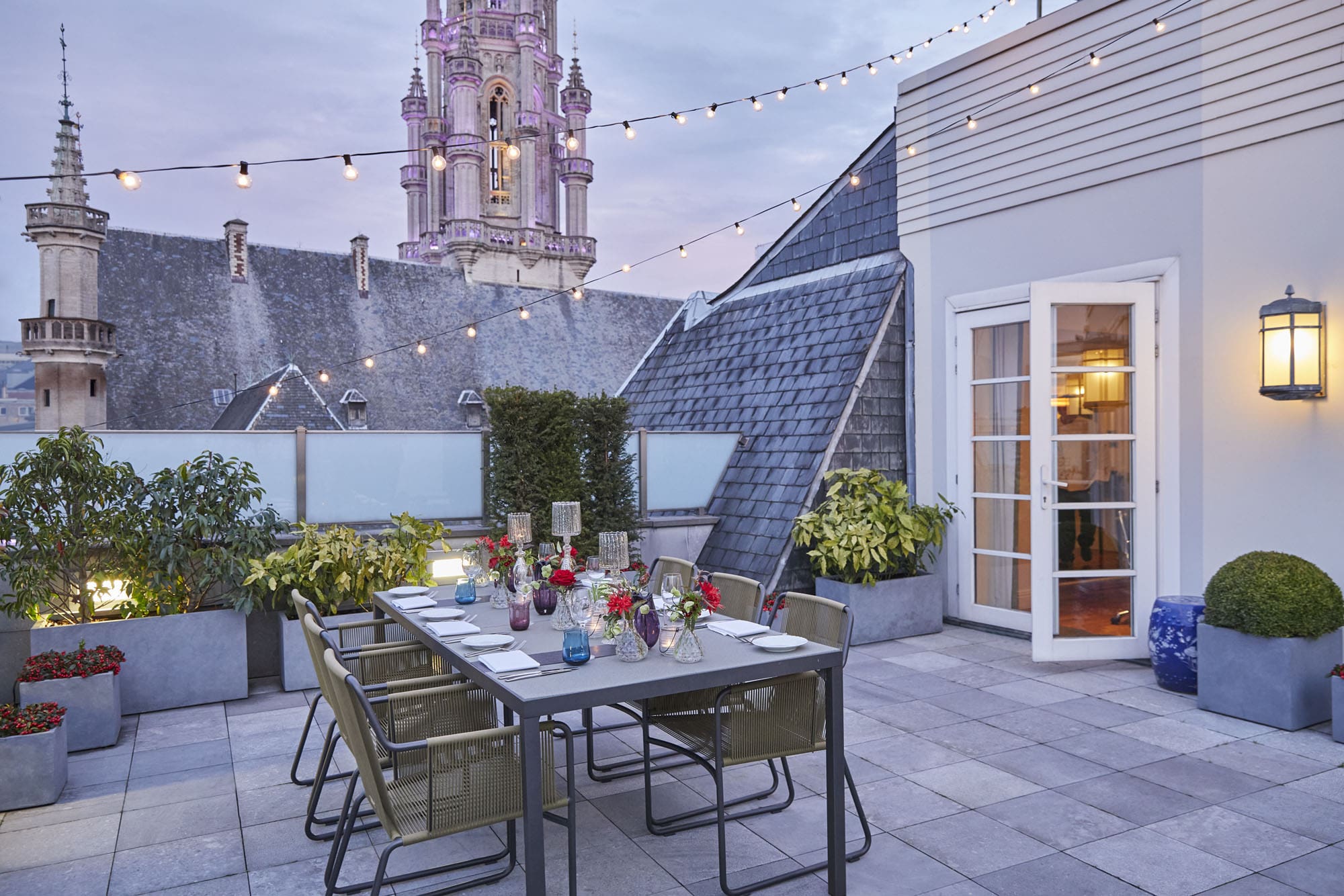
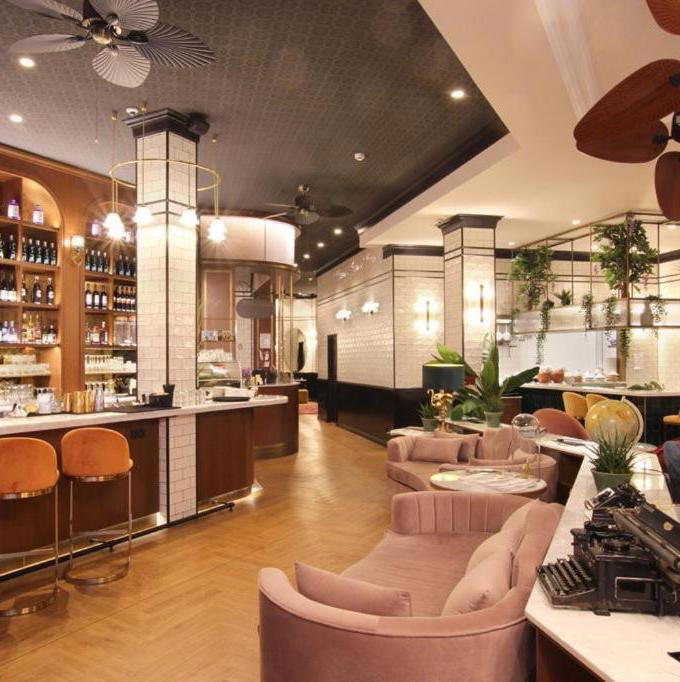
Pleasant salon areas with sunny terraces and a magnificent interior garden.