Rothestraße 38 in Hamburg's Altona district is one of the city's few addresses dedicated to Ethiopian cuisine, placing injera-based communal eating at the centre of a neighbourhood better known for its weekend market and harbour-adjacent bars. The kitchen draws on the core logic of East African spice blending and fermentation, traditions that arrive largely intact in a city where the format remains genuinely rare.
Pearl is the En Primeur Club membership app — saves, bookings, and concierge access live there. Same editors, same standards.
- Address
- Rothestraße 38, 22765 Hamburg, Germany
- Phone
- +4915117600647
- Website
- ethiorestaurant.de
- Directions
- Get directions
 Saves & bookings on Pearl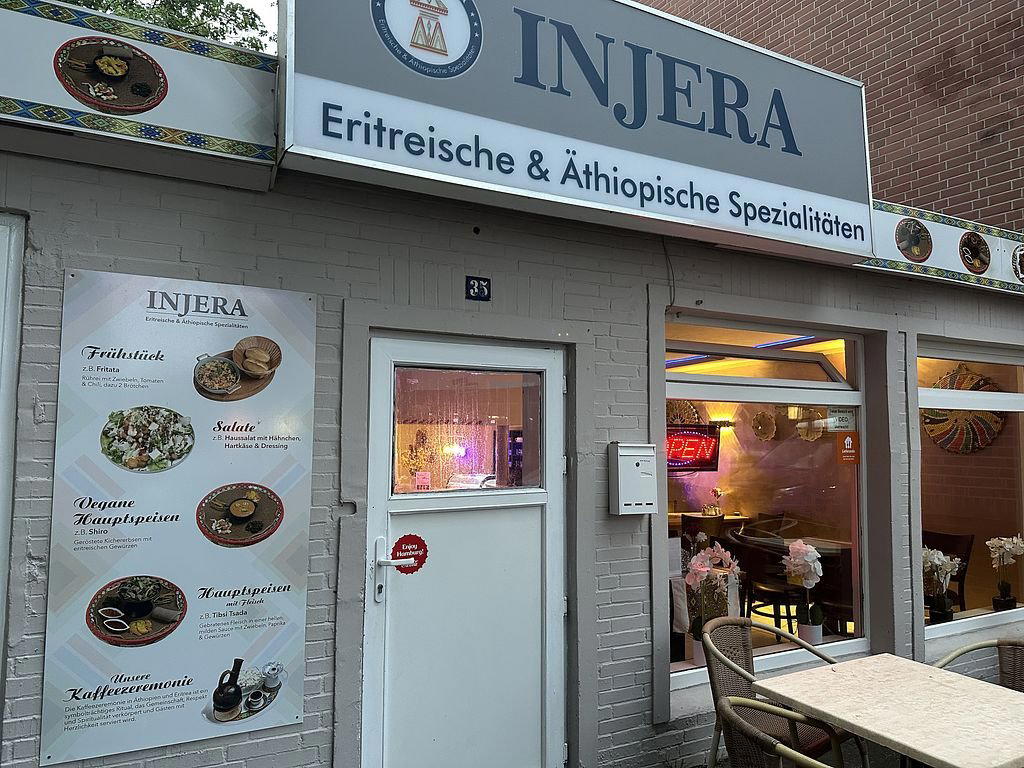
Altona's Ethiopian Table
The stretch of Rothestraße that runs through Hamburg's Altona quarter is the kind of street that accumulates character quietly: independent retailers, a few long-running restaurants, and enough foot traffic from the nearby Fischmarkt to keep things lively on weekend mornings. Ethiopian dining sits at an interesting angle to this neighbourhood. Altona has historically absorbed wave after wave of international food culture, from Turkish grocers to Vietnamese kitchens, but East African cuisine has maintained a notably small footprint across the city as a whole. It occupies that gap with a format rooted in one of the city's most distinctive communal eating traditions.
The Logic of Injera
To understand what Ethiopian restaurants do, it helps to understand what injera does. The spongy, slightly sour flatbread made from tef, a grain indigenous to the Ethiopian highlands, is simultaneously plate, utensil, and structural element of the meal. Everything arrives on or alongside it: stews (wot), spiced lentils, fermented dairy, and slow-cooked meats seasoned with berbere, a spice blend that can contain upwards of a dozen components including fenugreek, coriander, black cumin, and rue. The fermentation time for injera batter typically runs between two and four days, which means the bread carries a distinct tang that no amount of technique applied to wheat flour will replicate. This is a cuisine where the primary ingredient is also the primary tool, and where the act of eating is inseparable from sharing, dishes are placed in the centre of the table, and guests tear from the same bread. Hamburg diners accustomed to the plated, individual-portion conventions of the city's fine French kitchens or creative tasting menus will find the format a genuine structural departure.
Spice Architecture and Imported Technique
The editorial angle worth examining here is how Ethiopian kitchens in European cities handle the gap between authentic spice sourcing and local supply. Berbere and niter kibbeh (the spiced clarified butter foundational to many wot dishes) require specific dried chilies, herbs, and fat-processing methods that diverge from anything in the Central European pantry. When those ingredients are sourced correctly, the dishes carry a depth and heat structure that reads as layered rather than flat. The berbere blend, in particular, delivers its heat in waves rather than all at once, a characteristic that distinguishes it from the sharper, more immediate heat of, say, Southeast Asian chili preparations. This is a spice tradition with as much complexity as any Sichuan or Yemenite spice system, though it remains far less discussed in European food media.
The technique side of the equation matters too. Slow-cooking is fundamental to dishes like doro wot, the chicken stew that functions as something of a national dish in Ethiopia, requiring hours of reduction. In European restaurant contexts, with higher overhead and shorter kitchen staffing hours than those found in Addis Ababa's neighbourhood restaurants, that cooking time is often compressed, sometimes at the cost of depth. Whether any given Hamburg kitchen maintains the full cooking time is the kind of variable that distinguishes a credible Ethiopian address from a simplified version of the cuisine.
Where Ethio Restaurant Sits in Hamburg's Dining Map
Hamburg's restaurant scene at the premium end runs heavily toward European fine dining: the city holds multiple Michelin-starred addresses across creative, French, and Mediterranean registers, from contemporary tasting menus to modern Mediterranean and lakeside German kitchens. That concentration at the summit end of European cooking leaves a significant amount of the city's international dining to mid-market and neighbourhood-level operators. Ethiopian cuisine in Hamburg falls squarely into this neighbourhood tier, which means pricing is considerably lower than the starred circuit, and the experience is measured against different criteria: authenticity of spice profile, quality of the injera, and the generosity of the communal format.
Across Germany more broadly, Ethiopian kitchens have a more established presence in Berlin, Frankfurt, and Cologne than in Hamburg, which makes the Altona address something of an outlier in geographic terms. For reference on what the wider German fine dining circuit looks like at its most demanding end, addresses like Schwarzwaldstube in Baiersbronn, Aqua in Wolfsburg, or JAN in Munich define one extreme of the national dining conversation. Ethiopian cooking operates in an entirely different register, one defined by communal tradition and fermented-grain technique rather than classical European precision. Other notable German fine dining references include Vendôme in Bergisch Gladbach, CODA Dessert Dining in Berlin, Victor's Fine Dining by Christian Bau in Perl, ES:SENZ in Grassau, Schanz in Piesport, Waldhotel Sonnora in Dreis, and Bagatelle in Trier. For international comparisons in the communal and flavour-forward register, Le Bernardin in New York City and Lazy Bear in San Francisco represent how technique-led kitchens on the other side of the Atlantic approach their own culinary traditions with rigour.
Planning Your Visit
Rothestraße 38 is accessible from Altona S-Bahn station in a short walk, placing it within easy reach of central Hamburg. Ethiopian restaurants in this city tier typically operate without the advance booking requirements of the starred circuit, though calling ahead on weekends is prudent given the limited seating that characterises most neighbourhood Ethiopian kitchens. The communal nature of the meal format means it reads leading for groups of two or more, where the spread of dishes across the shared injera can be appreciated in full breadth.
A Credentials Check
Comparable venues nearby, for context on price, style, and recognition.
| Venue | Cuisine | Price | Notes |
|---|---|---|---|
| Äthiopische Spezialitäten Ethio RestaurantThis venue — the venue you are viewing | Authentic Ethiopian | $$$ | Not listed |
| Wehmanns Bistro | North German Bistro Cuisine | $$$ | Neumuehlen |
| Zum Alten Lotsenhaus | Classic Hamburg Fish Restaurant | $$$ | Neumuehlen |
| Flum | Classic French Brasserie | $$$ | Rotherbaum |
| Lupo Vino e Cucina | Authentic Italian Seasonal Trattoria | $$$ | Anscharhoehe |
| Bistro Carmagnole | Classic French Bistro | $$$ | Sternschanze |
Continue exploring
More in Hamburg
Restaurants in Hamburg
Browse all →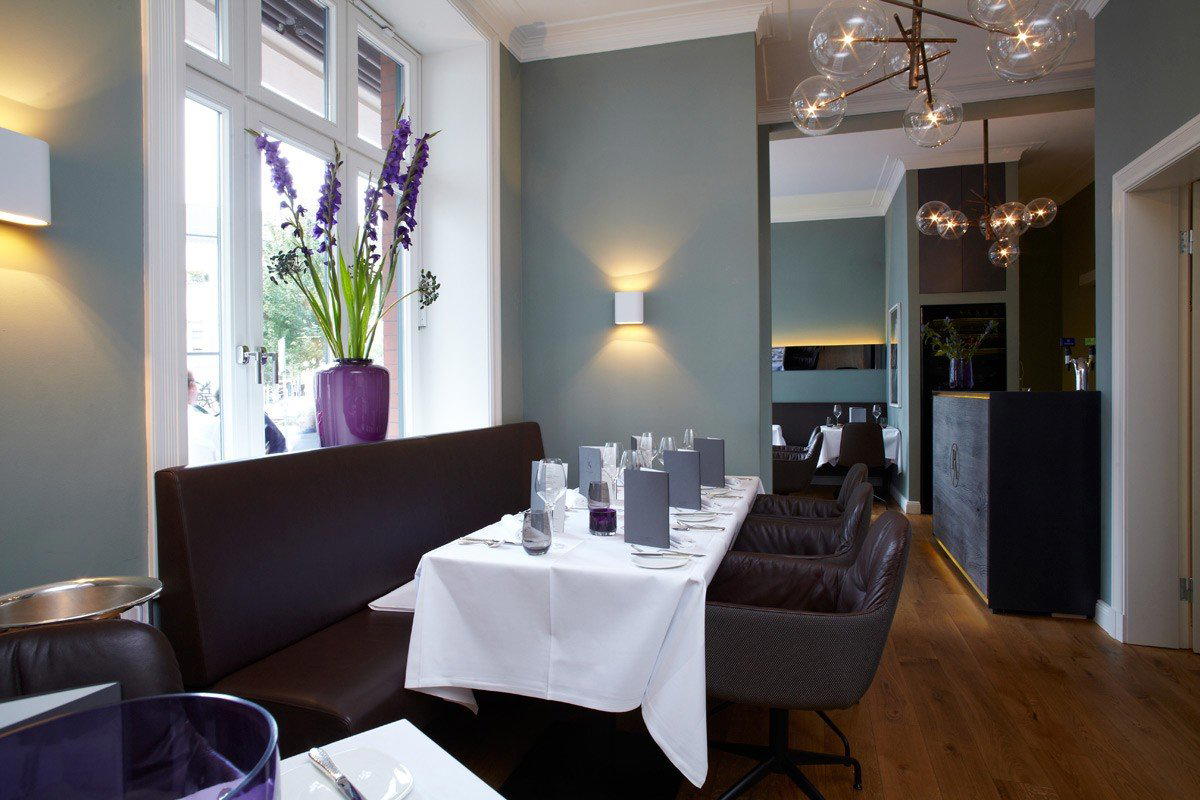
At a Glance
- Bohemian
- Cozy
- Casual Hangout
- Celebration
- Terrace
- Beer Program
Current opening hours
- Monday
- Closed
- Tuesday
- Closed
- Wednesday
- 5–11 PM
- Thursday
- 5–11 PM
- Friday
- 5–11 PM
- Saturday
- 5–11 PM
- Sunday
- 5–11 PM
Hours can change for holidays and private events. Last verified .
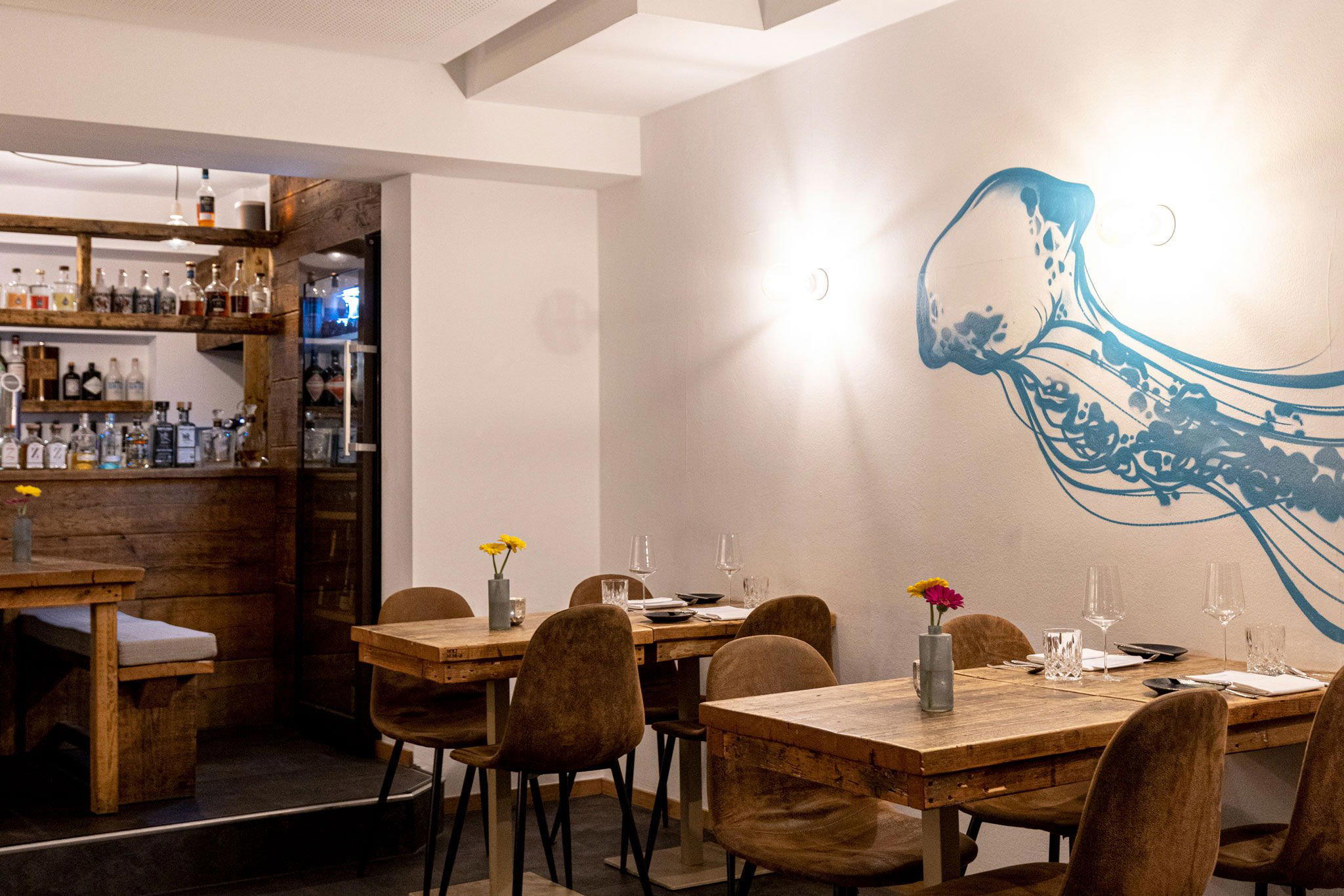
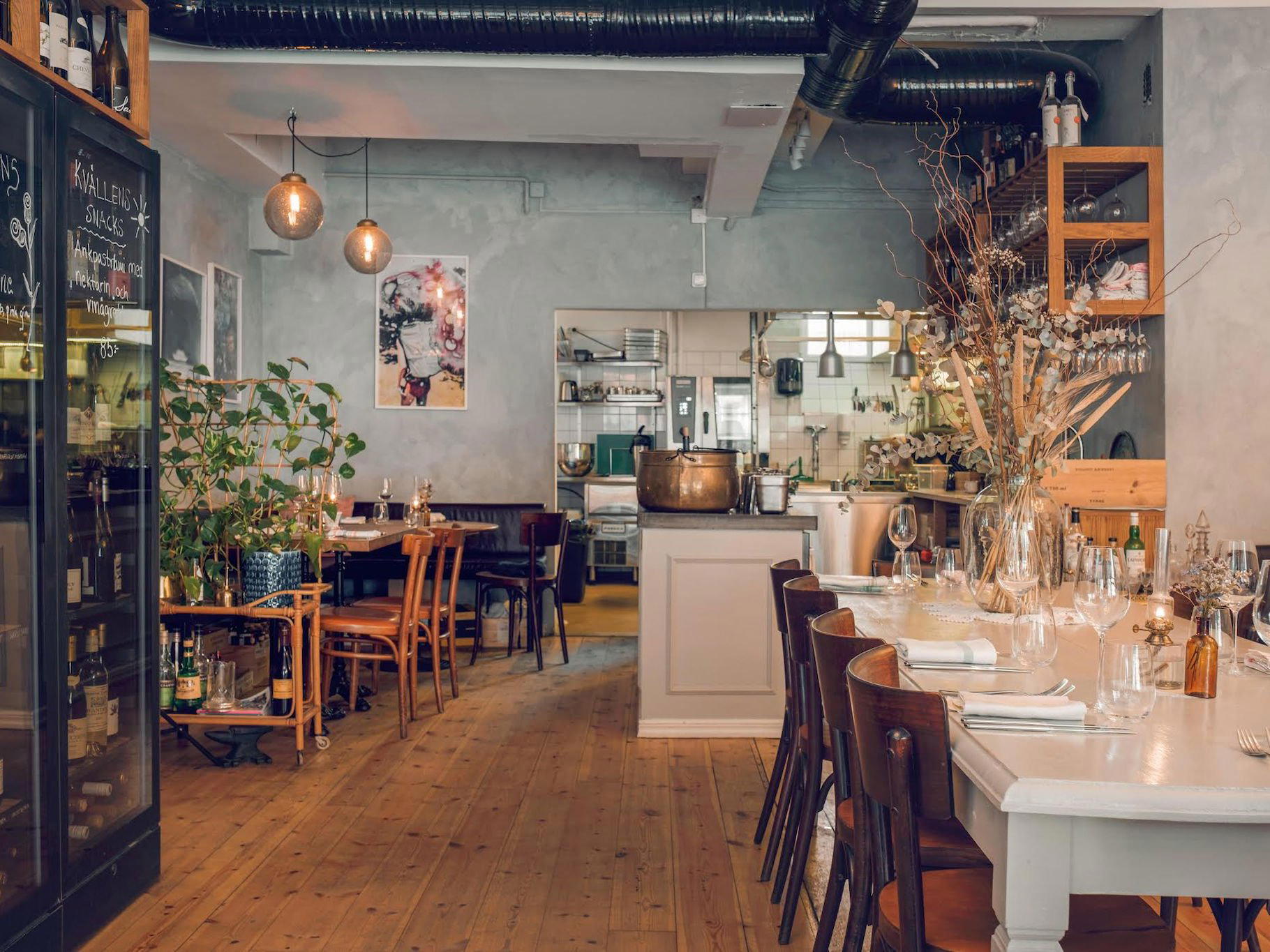
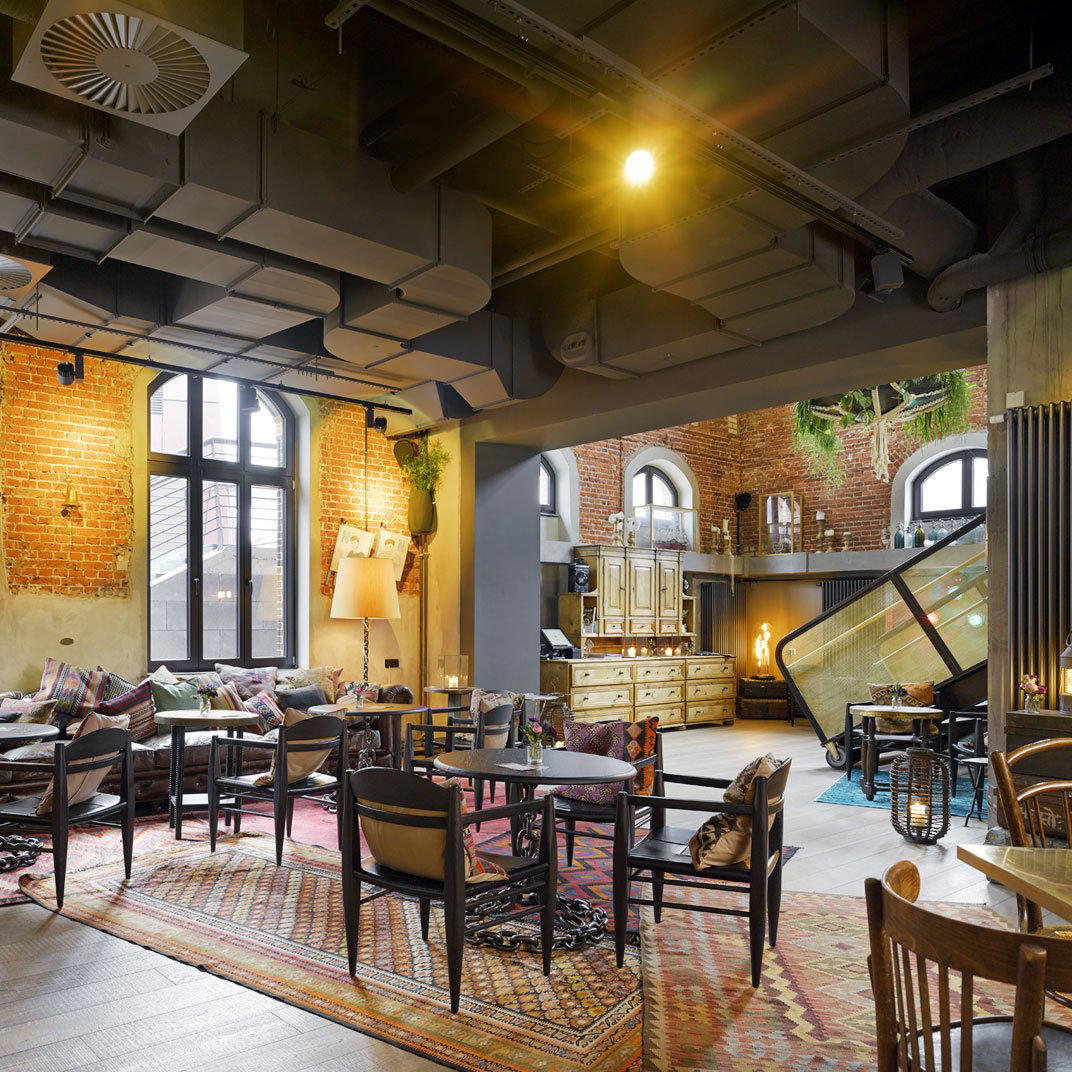
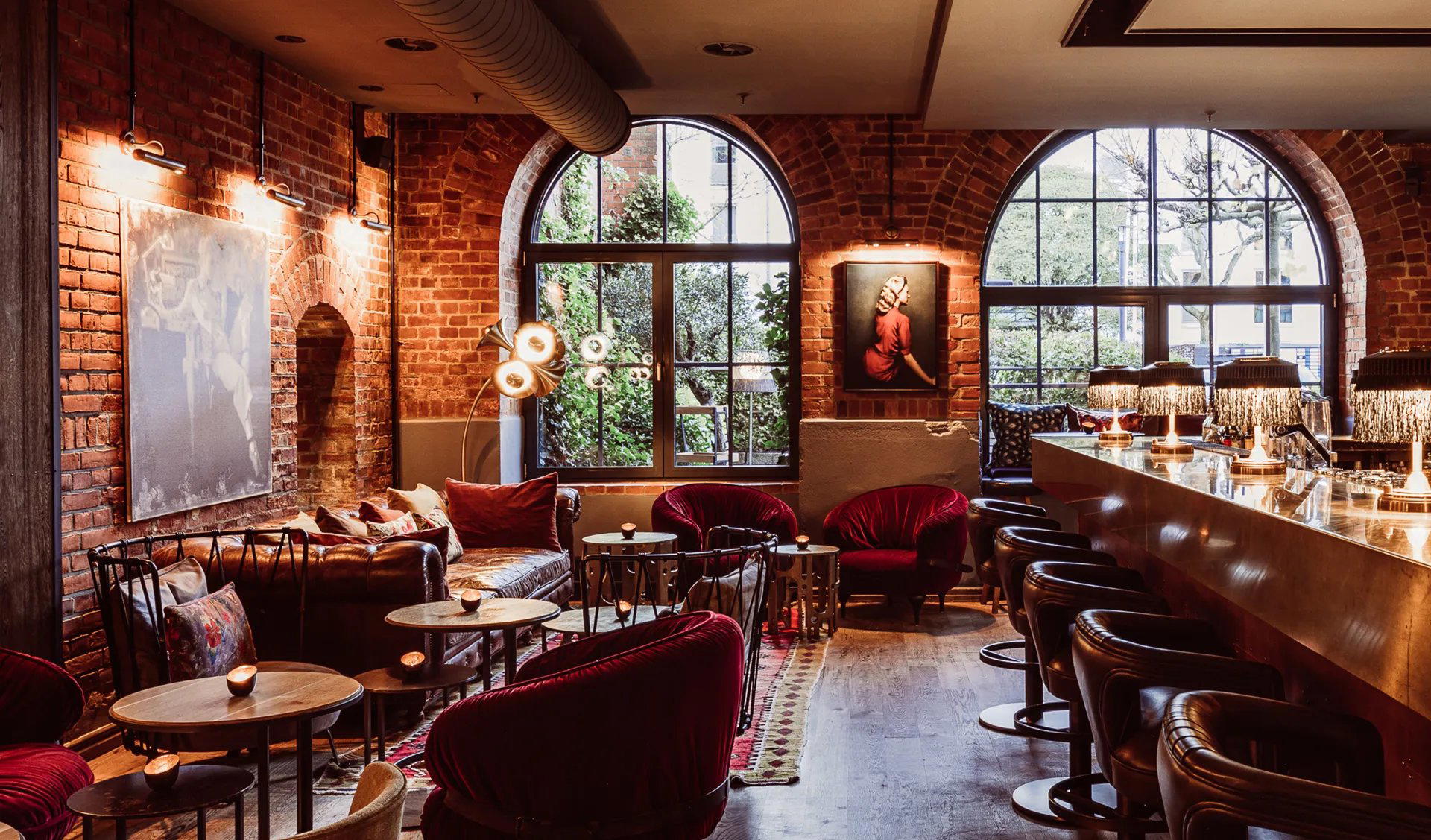
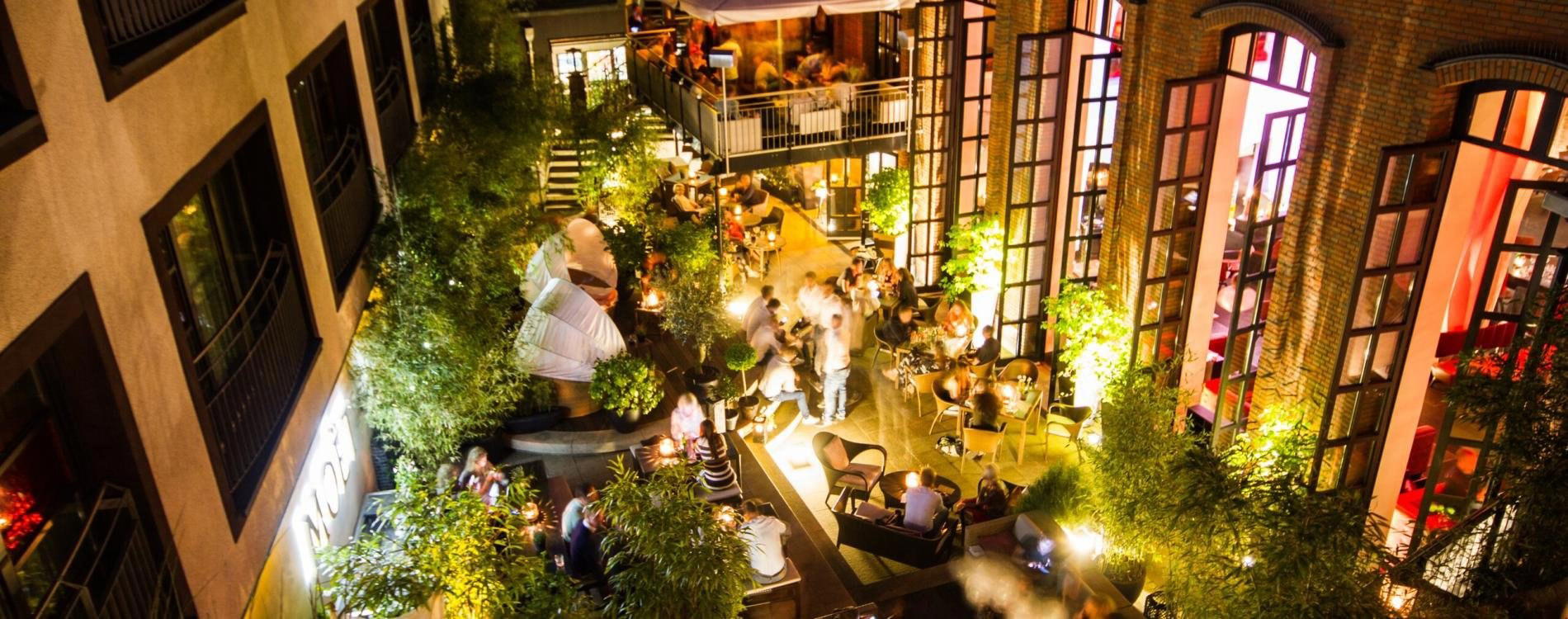
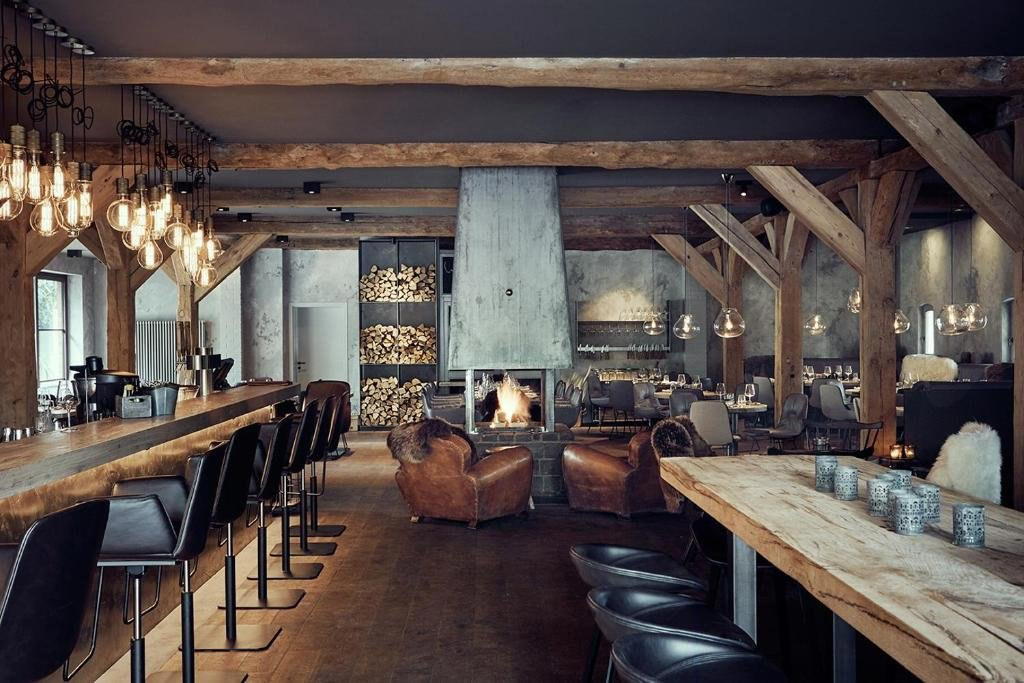
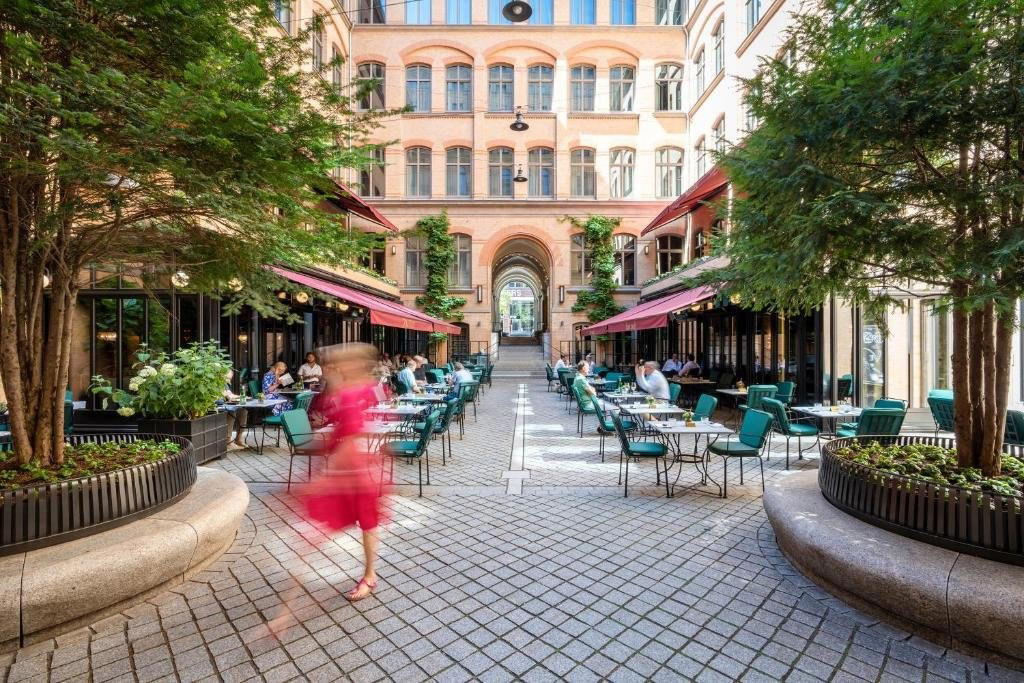
Warm sand-yellow walls, colorful pictures, fresh flowers creating a cheerful and cozy atmosphere.