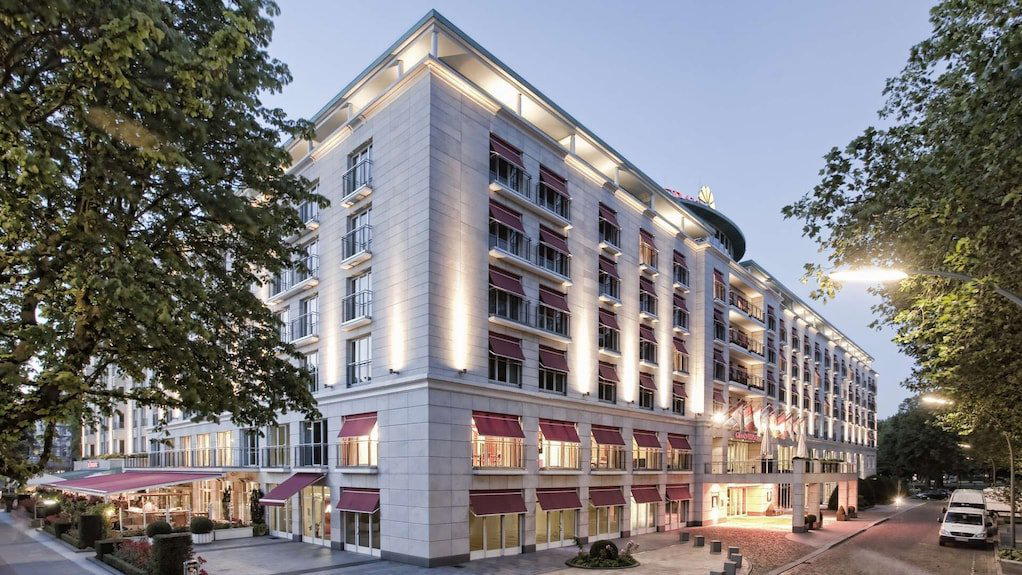
Flum occupies a address on Rothenbaumchaussee in Hamburg's Harvestehude district, a neighbourhood that has quietly become one of the city's more serious dining corridors. The restaurant draws a loyal local following that returns not for novelty but for consistency, the mark of a room that has found its register and holds it. Details on booking and format are best confirmed directly with the venue.
Pearl is the En Primeur Club membership app — saves, bookings, and concierge access live there. Same editors, same standards.
- Address
- Rothenbaumchaussee 10, 20148 Hamburg, Germany
- Phone
- +494041412723
- Website
- grand-elysee.com
- Directions
- Get directions
 Saves & bookings on Pearl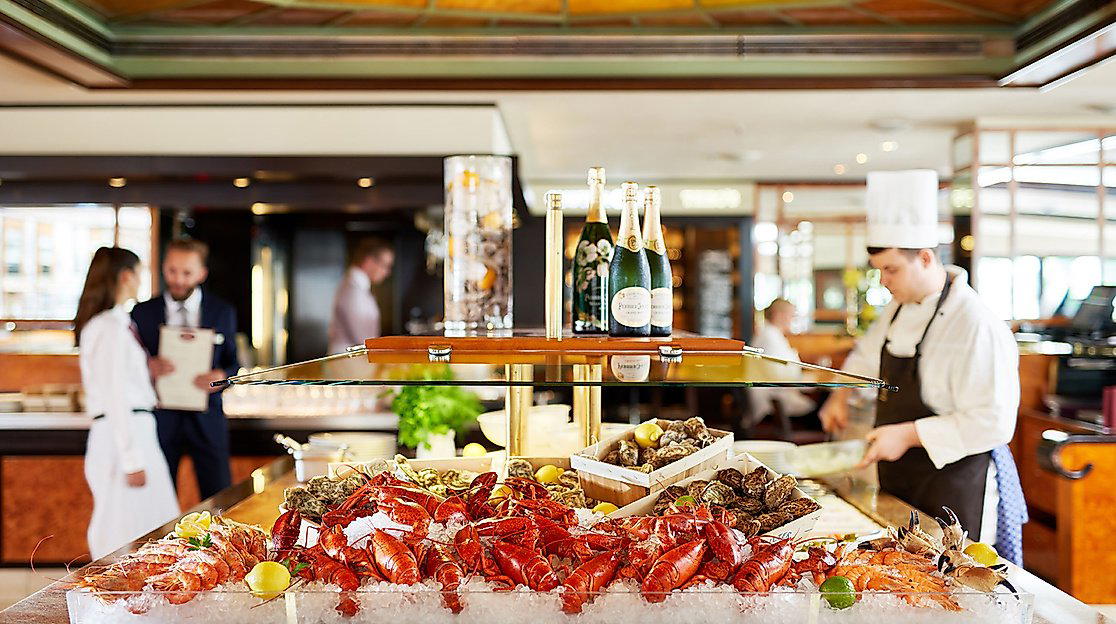
Rothenbaumchaussee and the Dining Corridor It Has Become
Hamburg's fine dining conversation tends to centre on the harbour, the Speicherstadt warehouses, and the grand hotel addresses that anchor the Alster. Harvestehude operates differently. The residential streets running south from the university quarter have accumulated, over the past decade, a cluster of serious restaurants that serve a predominantly local clientele, people who live within walking distance, book tables the way others book haircuts, and return often enough to skip the printed menu. Rothenbaumchaussee 10, where Flum sits, is precisely that kind of address: not a destination for tourists mapping Michelin stops, but a fixed point for a neighbourhood that eats well and does so quietly.
That distinction matters when understanding what Flum is. Hamburg's upper dining tier, represented by addresses like The Table Kevin Fehling, Restaurant Haerlin, and 100/200 Kitchen, operates on long booking windows, formal tasting formats, and the infrastructure of international recognition. Flum does not compete in that register. It competes for the repeat visit, the Tuesday dinner, the table where the staff already know how you take your coffee. That is a different kind of restaurant, and in many cities it is harder to sustain than the starred alternative.
What Keeps the Regulars Coming Back
The measure of a neighbourhood restaurant is not its opening night but its third year, when the novelty has dissolved and only the cooking holds the room. In Hamburg, the restaurants that retain a loyal local following tend to share certain qualities: a menu that evolves without becoming unrecognisable, a service rhythm that acknowledges returning faces, and a price point that permits frequency without ceremony. Venues like bianc and Lakeside occupy the upper end of that spectrum, formal enough to signal occasion, consistent enough to become habit for the right clientele.
Flum operates in a space where the distinction between occasion and routine has narrowed. The regulars at this kind of address are not chasing a chef's newest idea; they are returning to something that has already earned their confidence. That loyalty is built through repetition of small things done correctly: a room that feels considered without feeling theatrical, a kitchen that holds its standards across services, a front-of-house that treats the tenth visit with the same attention as the first. These are qualities that do not photograph well and do not appear in award citations, but they are what separates a restaurant that lasts from one that simply opens.
Hamburg's Broader Fine Dining Moment
Germany's restaurant culture has undergone a significant recalibration over the past decade. The concentration of serious cooking is no longer confined to the traditional destinations, the Black Forest address of Schwarzwaldstube in Baiersbronn, the formality of Vendôme in Bergisch Gladbach, or the Rhine Moselle precision of Waldhotel Sonnora in Dreis. Hamburg has developed its own internal hierarchy, distinct from the resort-town or country-house formats that defined German fine dining for much of the twentieth century.
The city's dining scene now runs from the highly technical, Aqua in Wolfsburg provides a useful regional benchmark for that tier, through mid-market creative cooking, down to the neighbourhood addresses that form the actual daily rhythm of how Hamburg eats. Berlin has its own parallel structure, with CODA Dessert Dining representing the more experimental end of the German urban dining conversation. Flum sits within the Hamburg layer of that national picture, addressing a clientele that is engaged with food without necessarily being engaged with the apparatus of fine dining as performance.
Internationally, the regulars' restaurant model has produced particularly durable addresses in the world. Le Bernardin in New York maintains a repeat clientele across its decades of operation precisely because it has never prioritised novelty over consistency. Atomix, also in New York, occupies a different register entirely, a tasting counter that has built a reservation list through critical recognition rather than neighbourhood loyalty. These are opposite poles of the same question: what makes people return. Flum's answer, based on its positioning and address, is almost certainly closer to the former than the latter.
The Harvestehude Address: What the Postcode Signals
Harvestehude is one of Hamburg's more prosperous residential quarters, running west of the Alster lake and north toward the university. It is not a dining district in the way that the HafenCity waterfront or the Schanzenviertel are, there is no cluster of restaurant terraces competing for passing foot traffic. Restaurants here survive on reservation books and word of mouth among residents, which creates a different selection pressure than a high-footfall street. The venues that endure in this part of Hamburg tend to be those that have established genuine local relationships rather than relying on tourism or destination diners.
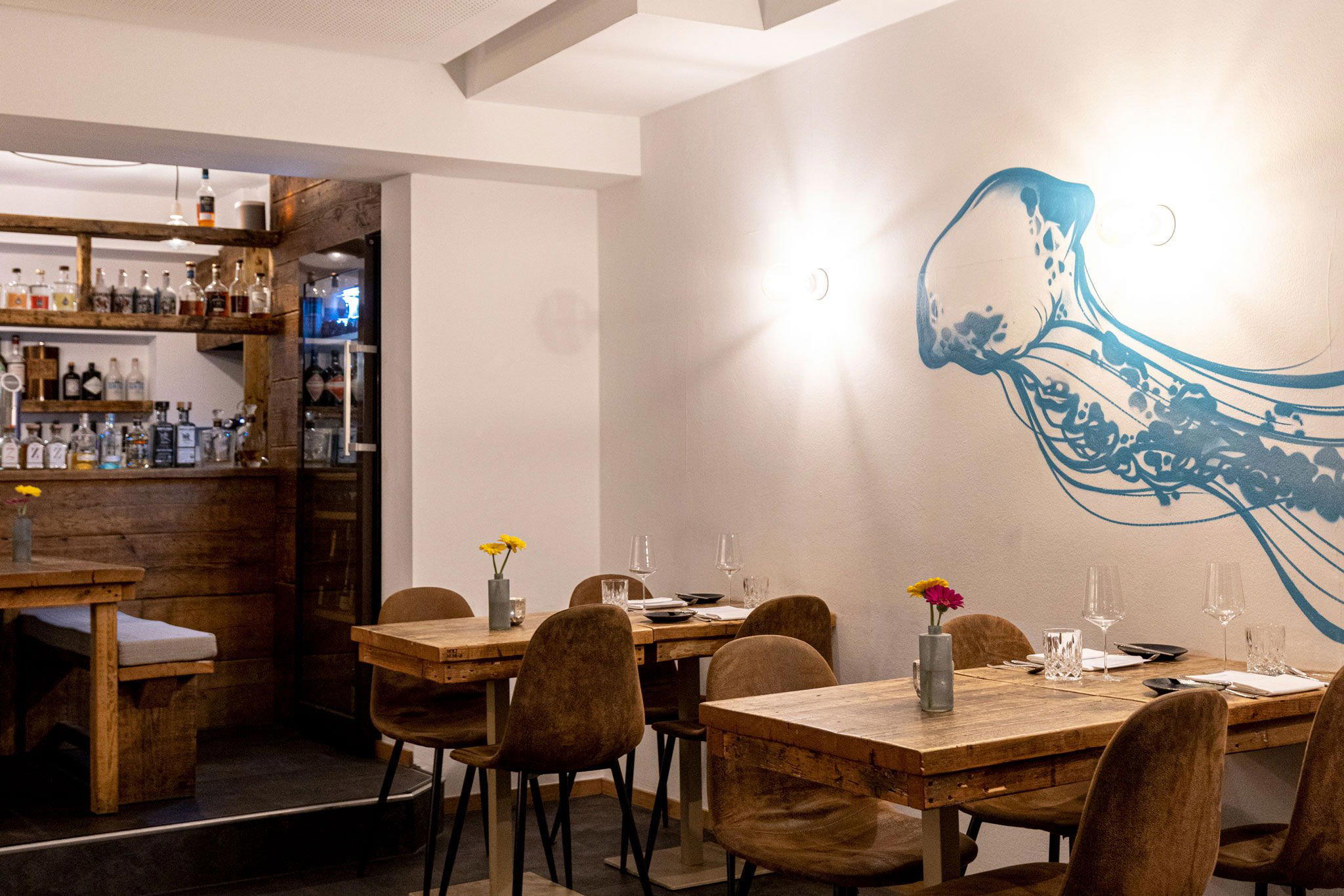
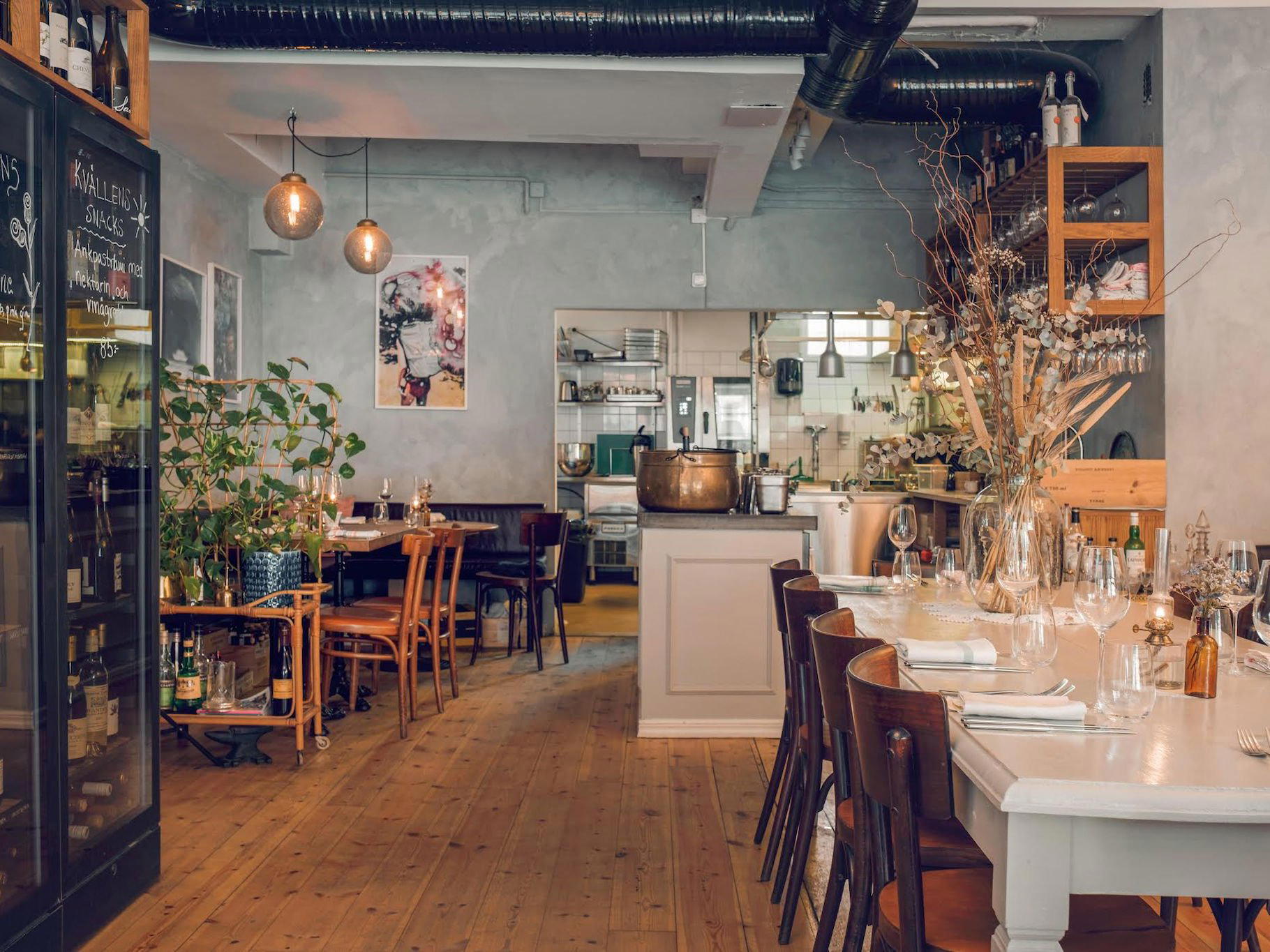
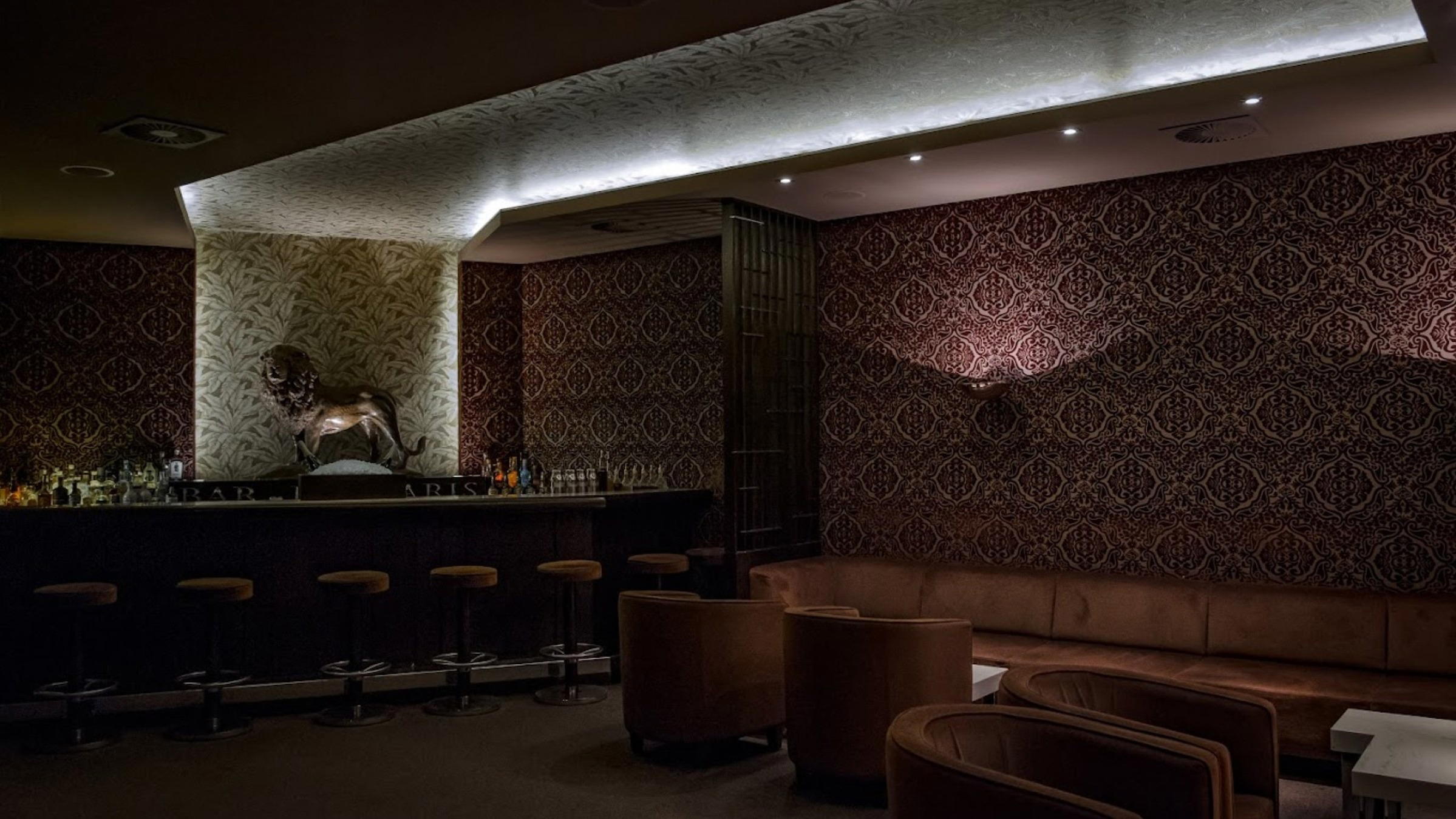
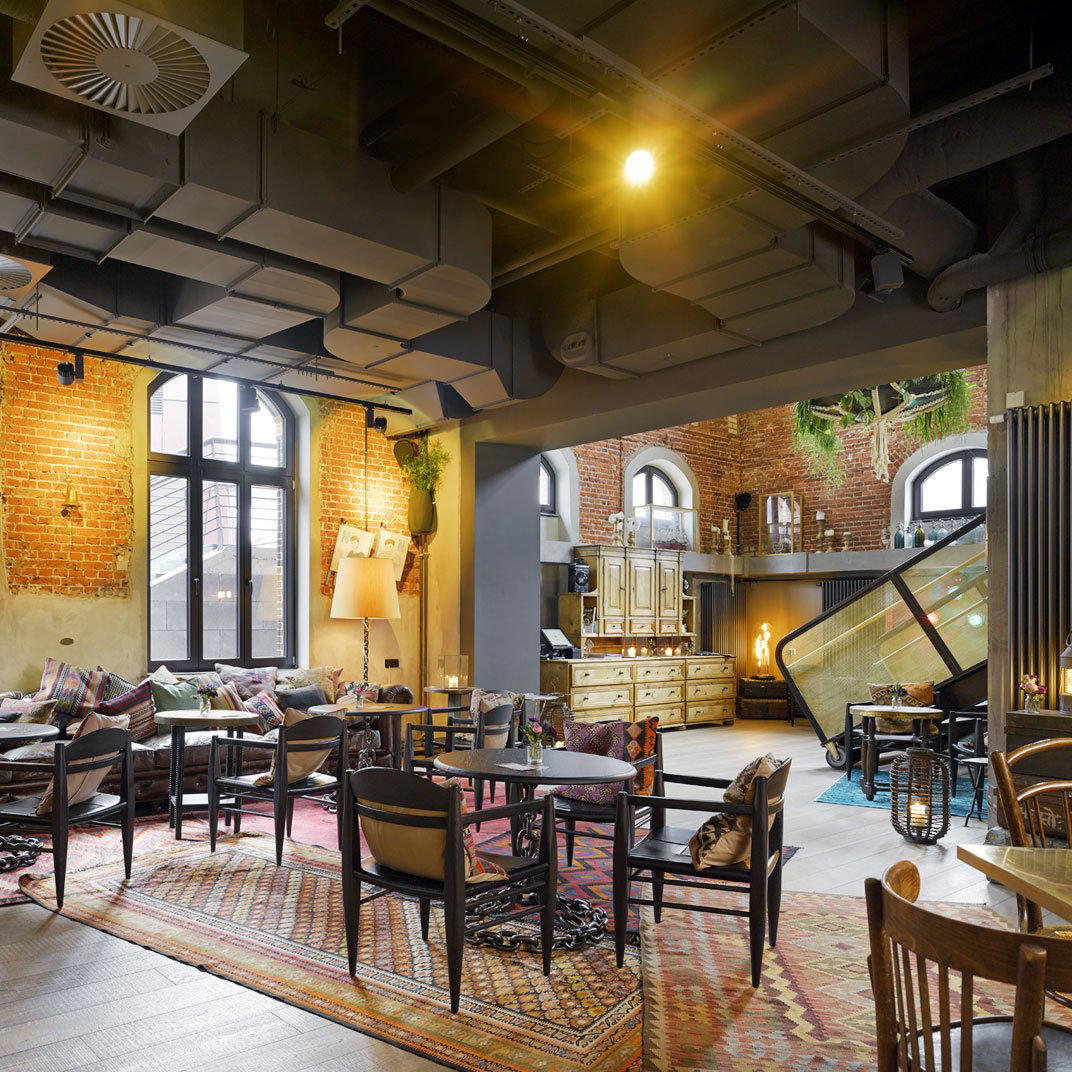
That context shapes what a visit to Flum is likely to feel like. Arriving at Rothenbaumchaussee 10, you are entering a room built for people who already know where they are going, not one designed to announce itself to strangers. That is a considered positioning in a city where the competition for the destination-dining category is already crowded by addresses with international profiles and significant award histories. For readers planning a Hamburg itinerary around Germany's broader restaurant circuit, stops like JAN in Munich, Schanz in Piesport, or ES:SENZ in Grassau, Flum represents a different register: not a formal tasting stop but a room worth knowing if you are spending time in the city rather than passing through it.
Planning a Visit
Reservations are recommended, and Flum is open daily from 12 to 11 PM. Reservations at neighbourhood-focused restaurants in this part of Hamburg are generally manageable with a few days' notice outside of Friday and Saturday evenings, though that varies with the season. The broader Hamburg dining circuit, covered in our full Hamburg restaurants guide, provides useful context for building an itinerary that balances destination dining with the kind of local addresses that reveal more about how a city actually eats. For additional creative-format options in the city, 100/200 Kitchen and The Table Kevin Fehling both operate in the more formal tasting-menu tier and require longer advance planning. Bagatelle in Trier and Victor's Fine Dining by Christian Bau in Perl round out the broader German southwest circuit for those travelling beyond Hamburg.
Cost and Credentials
Comparable venues nearby, for context on price, style, and recognition.
| Venue | Cuisine | Price | Notes |
|---|---|---|---|
| FlumThis venue — the venue you are viewing | Rotherbaum, Classic French Brasserie | $$$ | Not listed |
| Schifferbörse Restaurant | Not listed | $$$ | St. Georg, Traditional Northern German Seafood |
| Wallter's Bistro & Kontor | Neustadt, Modern French-German Bistro | $$$ | Not listed |
| Bistro Carmagnole | Sternschanze, Classic French Bistro | $$$ | Not listed |
| Bootshaus Alster | Not listed | $$$ | Hamburg-Altstadt, Sushi & Steak Waterfront |
| Wabisabi Ramen | Not listed | $$$ | St. Pauli, Traditional Japanese Ramen & Sushi |
Continue exploring
More in Hamburg
Restaurants in Hamburg
Browse all →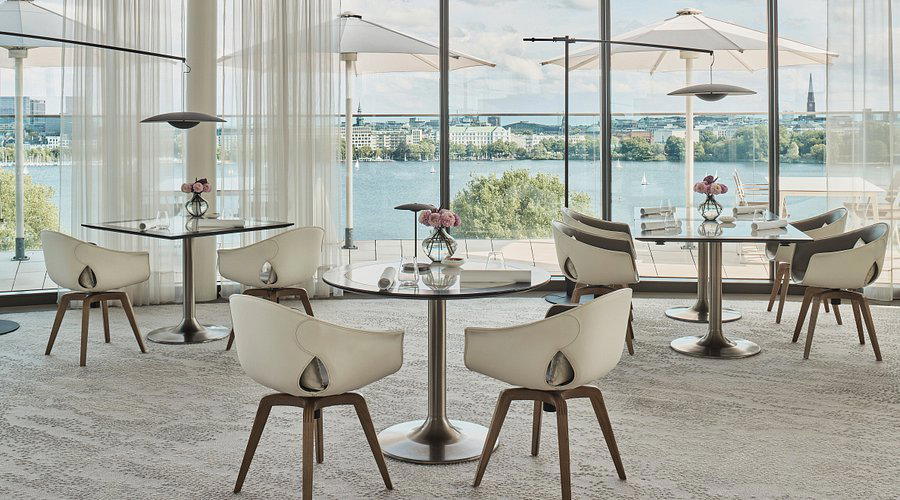
At a Glance
- Elegant
- Classic
- Cozy
- Date Night
- Business Dinner
- Special Occasion
- Open Kitchen
- Extensive Wine List
- Sustainable Seafood
Current opening hours
- Monday
- 12–11 PM
- Tuesday
- 12–11 PM
- Wednesday
- 12–11 PM
- Thursday
- 12–11 PM
- Friday
- 12–11 PM
- Saturday
- 12–11 PM
- Sunday
- 12–11 PM
Hours can change for holidays and private events. Last verified .
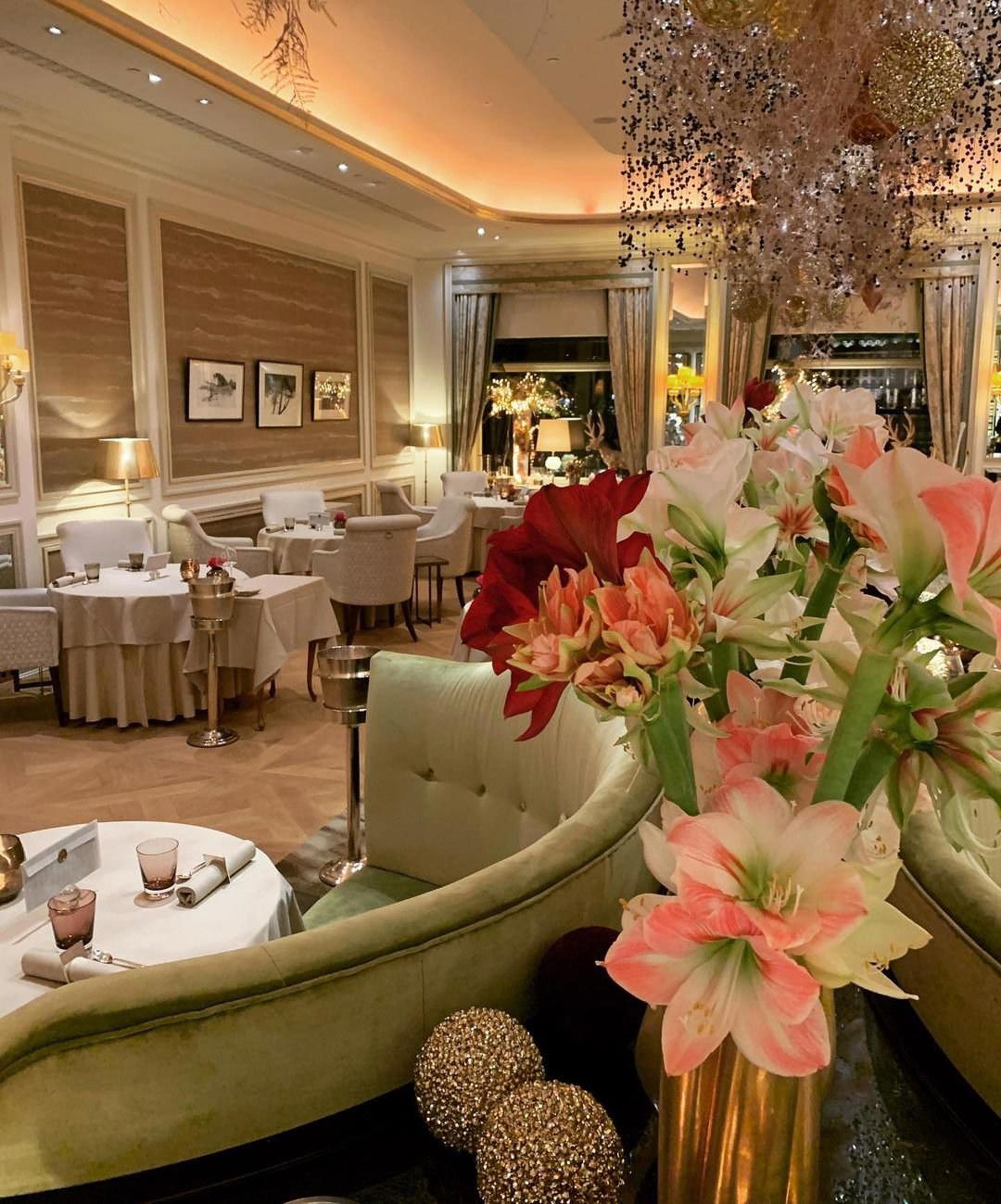
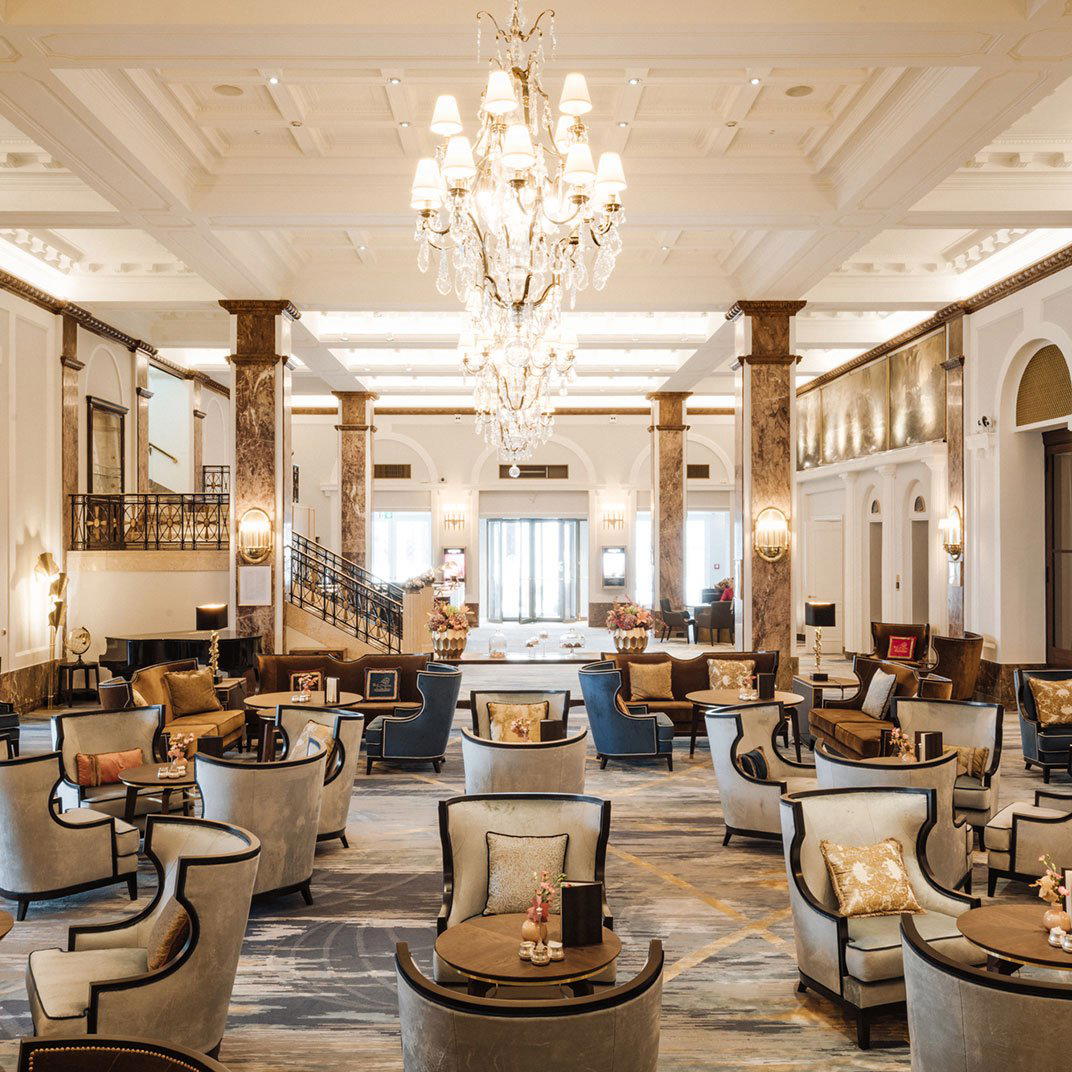
Art Nouveau elegance with Parisian charm, cheerful and relaxed atmosphere combining historic elements and convivial lighting.