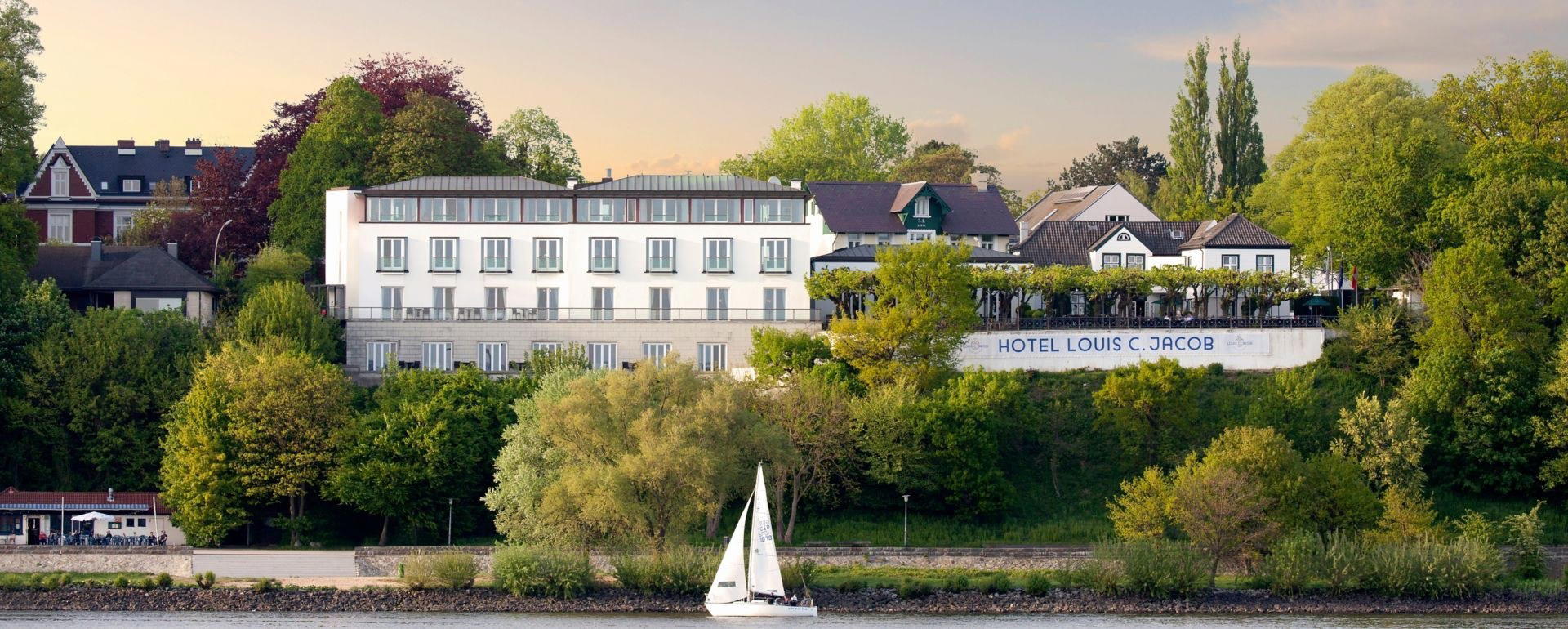
Zum Alten Lotsenhaus occupies a 19th-century pilot station on the Övelgönne waterfront in Hamburg's Elbvororte district, where the working river and the dining room share the same sightline. The address alone places it in a neighbourhood known more for Sunday walks and old merchant villas than restaurant destination traffic, which is part of its pull for those who find it.
Pearl is the En Primeur Club membership app — saves, bookings, and concierge access live there. Same editors, same standards.
- Address
- Övelgönne 13, 22605 Hamburg, Germany
- Phone
- +4949408800196
- Website
- zum-alten-lotsenhaus.de
- Directions
- Get directions
 Saves & bookings on Pearl
Where the Elbe Does the Work
Hamburg's restaurant scene divides fairly cleanly between the downtown fine-dining corridor, anchored by addresses like Restaurant Haerlin and The Table Kevin Fehling, and a looser set of neighbourhood-rooted places that draw on the city's maritime geography rather than its hotel district. Zum Alten Lotsenhaus is a classic Hamburg fish restaurant in Övelgönne. The building at Övelgönne 13 was once a working pilot station, and that provenance is not decorative, it positions the venue physically and conceptually along one of northern Europe's busiest commercial waterways, where containerships pass close enough to register through the windows.
Övelgönne itself is one of Hamburg's oldest riverside settlements, a stretch of low-slung houses between Ottensen and Blankenese that has never fully converted to the restaurant-destination model. That resistance to repositioning is part of what makes it interesting. Addresses in this district earn their following through consistency and specificity rather than through the kind of ambient publicity that clusters around the Michelin-starred rooms closer to the city centre.
Sourcing from a River City
Hamburg's culinary identity has always tracked its port. The city's position as a trading hub meant that ingredients moved through here before they moved anywhere else in northern Germany, salt-water fish from the North Sea, river catch from the Elbe tributaries, imported spices and produce arriving by container before the supply chain was even named as such. A venue on the Övelgönne waterfront inherits that legacy whether it acknowledges it explicitly or not. The question for any kitchen in this location is how deliberately it engages with what the geography actually offers.
In the north German coastal tradition, the sourcing argument centres on proximity and seasonality rather than on technique complexity. The Baltic and North Sea fisheries define what serious kitchens in Hamburg should be doing in winter versus summer. River eel, plaice from the Wadden Sea, and North Sea crab cycle through menus according to what the water produces, and the restaurants that track those rhythms rather than imposing a fixed card tend to read as more authentic to where they are. Germany's broader fine-dining tier, from Aqua in Wolfsburg to Schwarzwaldstube in Baiersbronn, has increasingly oriented itself around regional sourcing specificity, and Hamburg's waterfront addresses carry a geographic advantage in making that argument credibly.
Peer venues in Hamburg's mid-to-upper register, including bianc and Lakeside, operate within the same regional ingredient logic but from different physical positions in the city. The waterfront address at Övelgönne concentrates that argument: the sourcing story and the view tell the same story simultaneously, which is a circumstance most kitchens have to construct artificially.
The Neighbourhood as Context
Understanding what Zum Alten Lotsenhaus is requires understanding what Övelgönne is not. This is not the Speicherstadt. It is not the Elbphilharmonie catchment area. The neighbourhood's pace is slower, the buildings older, and the foot traffic composed largely of local residents and the subset of visitors who came specifically rather than stumbled through. That audience self-selects for a different kind of meal: less occasion-performance, more embedded in the rhythms of a place that functions as a real neighbourhood first and a dining destination second.
This positioning aligns Zum Alten Lotsenhaus with a pattern visible in several German cities, where a small tier of historically-housed restaurants operates at a deliberate remove from the concentrated fine-dining quarter. Schanz in Piesport and Waldhotel Sonnora in Dreis both demonstrate that geographic remove from a capital city does not weaken a restaurant's standing when the cooking justifies the detour. Övelgönne is not remote, it is twenty minutes from Hamburg's centre, but its character is distinct enough that arriving there requires intention.
How It Compares
| Venue | Style | Price Tier | Location Character |
|---|---|---|---|
| The restaurant | Waterfront, historic building | Not confirmed | Övelgönne riverside, neighbourhood-embedded |
| The Table Kevin Fehling | Creative | €€€€ | HafenCity, destination-driven |
| bianc | Modern Mediterranean | €€€€ | City centre |
| Lakeside | German Lakeside | €€€€ | Park-adjacent, suburban |
| 100/200 Kitchen | Creative | Varied | Rotating format, city-wide |
Planning Your Visit
Övelgönne is reachable from Hamburg's centre by the HADAG ferry service along the Elbe, which arrives at the Neumühlen/Övelgönne jetty a short walk from the address, a more atmospheric approach than the bus alternative and a practical one given Hamburg's ferry frequency during daylight hours. The walk from Altona S-Bahn station takes roughly fifteen minutes along the Elbe path.
Given that restaurant is recommended for reservations. Hamburg's waterfront neighbourhood restaurants have historically operated with seasonal adjustments and limited midweek service, a pattern common to the Elbvororte district generally. Germany's broader fine-dining range, including JAN in Munich, CODA Dessert Dining in Berlin, Vendôme in Bergisch Gladbach, ES:SENZ in Grassau, Victor's Fine Dining by Christian Bau in Perl, and Bagatelle in Trier, provides useful calibration for those building a broader German itinerary. For international reference points in the waterfront and harbour-adjacent dining category, Le Bernardin in New York City and Atomix in New York City represent the kind of sustained critical attention that similarly positioned restaurants aspire to.
Recognition, Side-by-Side
Comparable venues nearby, for context on price, style, and recognition.
| Venue | Cuisine | Price | Notes |
|---|---|---|---|
| Zum Alten LotsenhausThis venue — the venue you are viewing | Classic Hamburg Fish Restaurant | $$$ | Not listed |
| BUDDELS | Refined North German Gastropub | $$$ | Hamburg-Altstadt |
| Restaurant Port | Traditional North German Grill | $$$ | St. Pauli |
| Hofbräu Hamburg | Traditional Bavarian Beer Hall | $$ | Neustadt |
| Restaurant Engel | Modern German Gourmet with Elbe Views | $$$ | Klein Flottbek |
| Reichlich | Modern Tyrolean | $$$ | Neu Lokstedt |
Continue exploring
More in Hamburg
Restaurants in Hamburg
Browse all →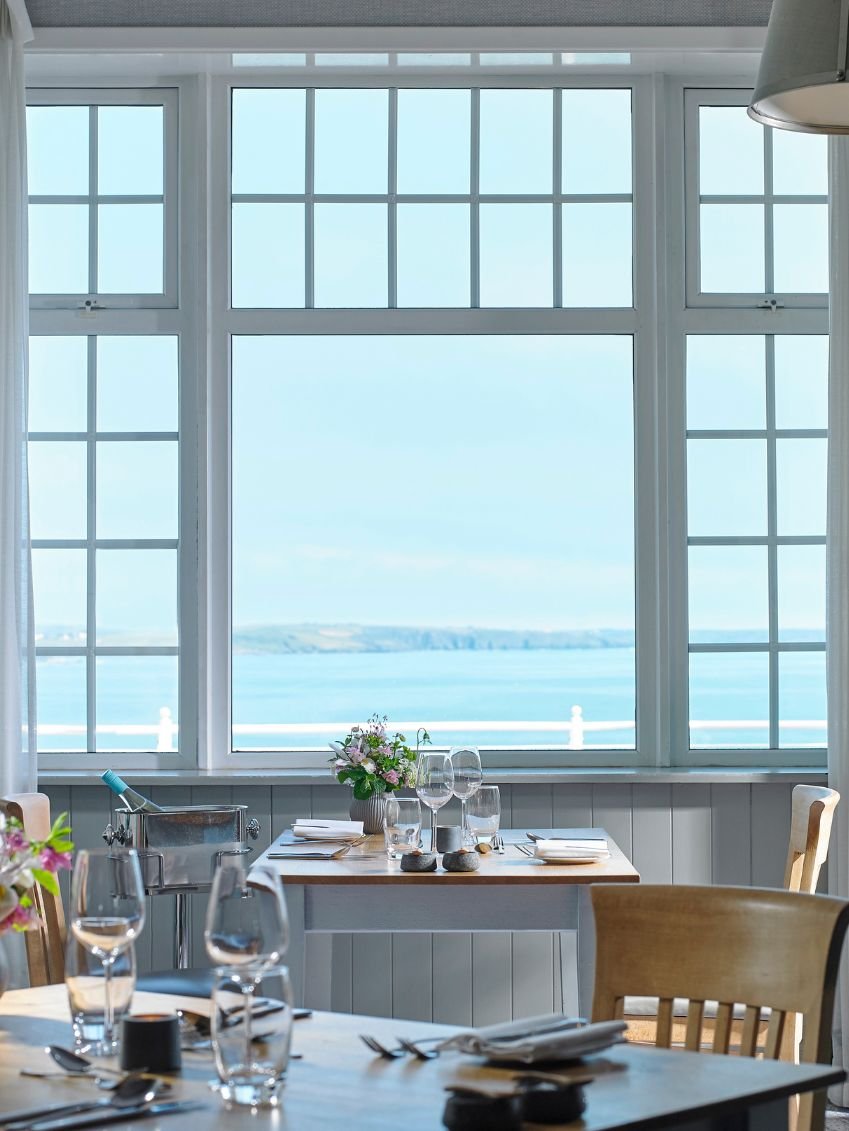
At a Glance
- Classic
- Elegant
- Cozy
- Rustic
- Special Occasion
- Historic Building
- Waterfront
- Terrace
- Local Sourcing
- Waterfront
Current opening hours
- Monday
- 5–10 PM
- Tuesday
- 5–10 PM
- Wednesday
- 5–10 PM
- Thursday
- 5–10 PM
- Friday
- 5–10 PM
- Saturday
- 1–10 PM
- Sunday
- 10 AM–10 PM
Hours can change for holidays and private events. Last verified .
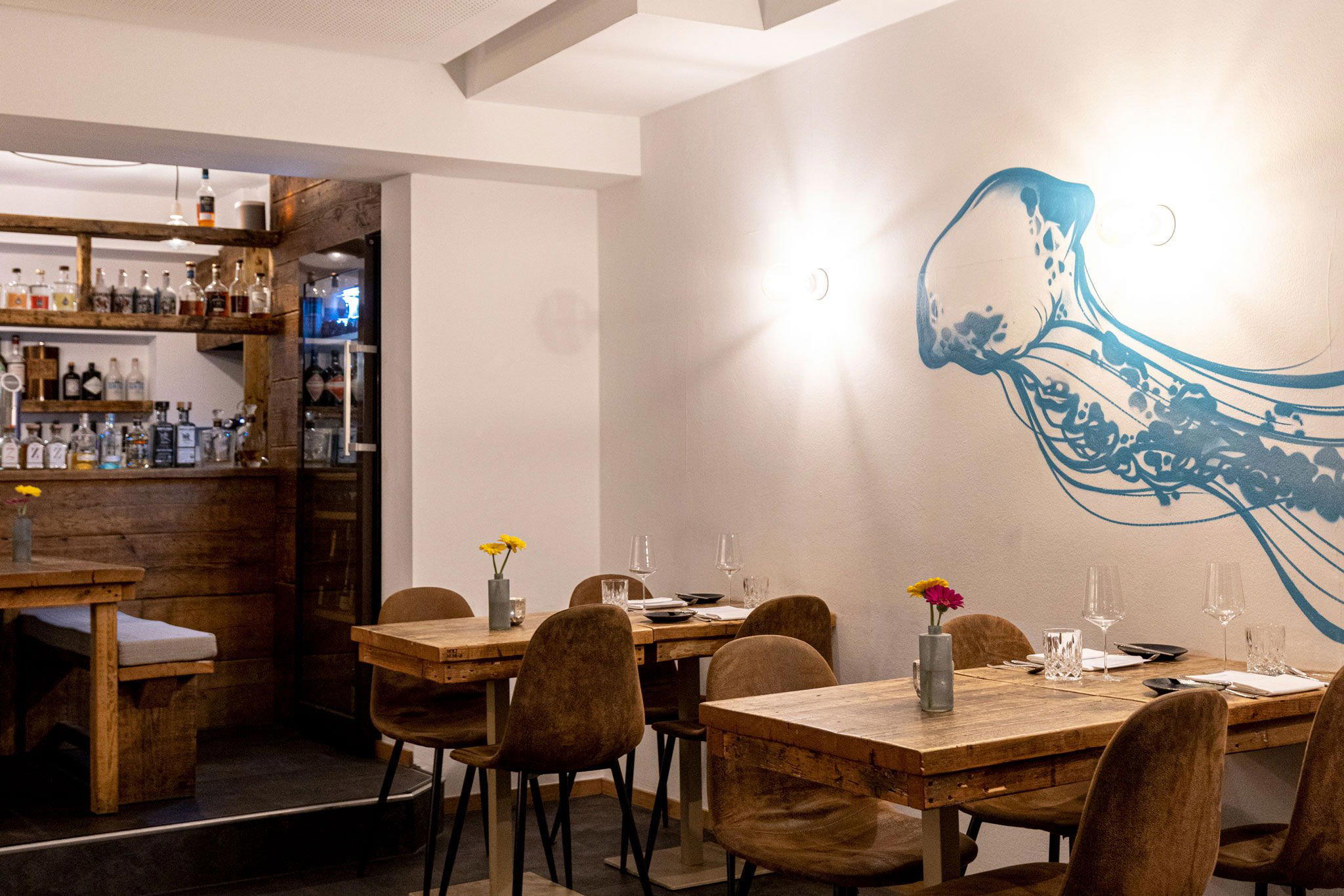
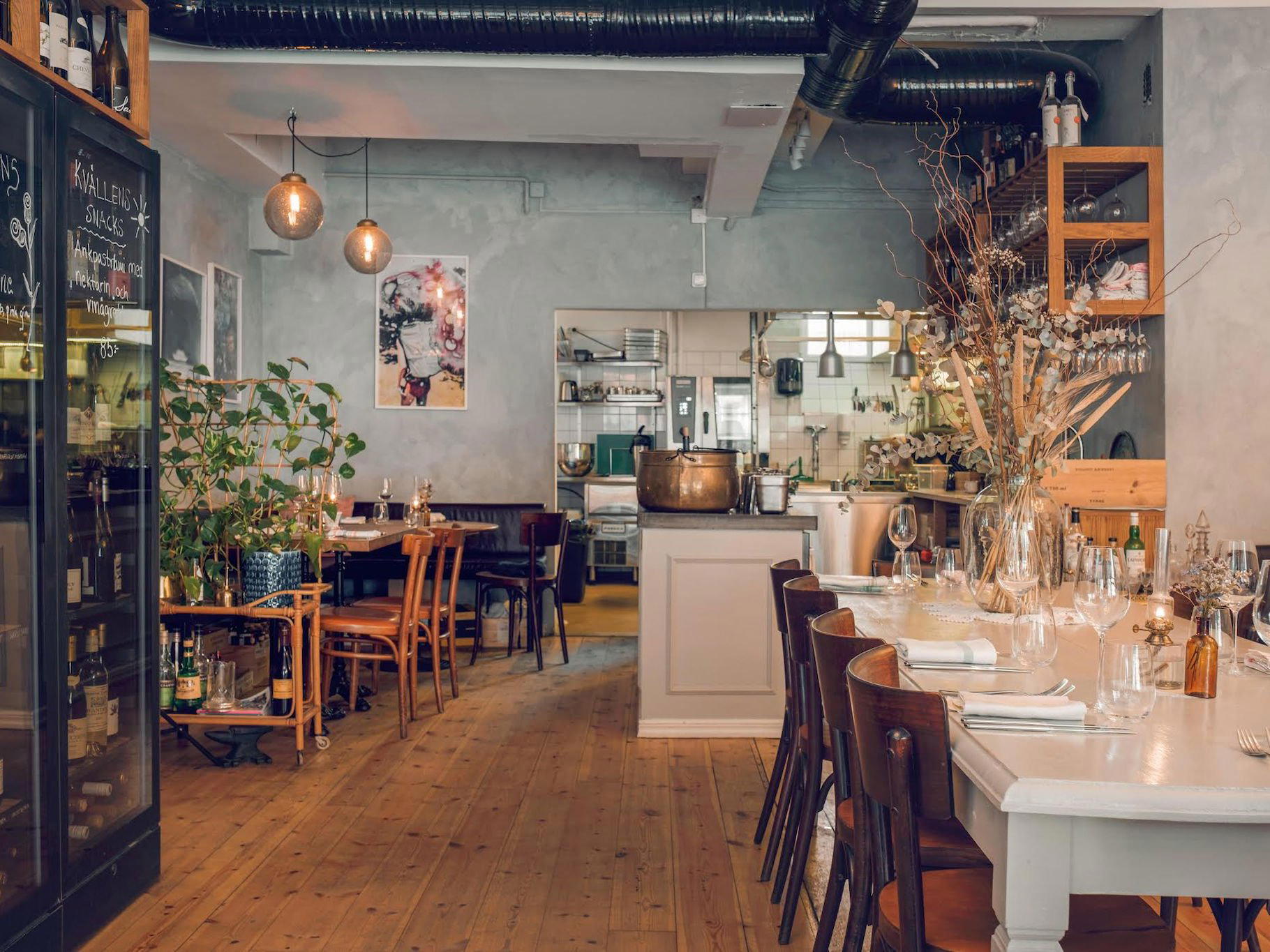
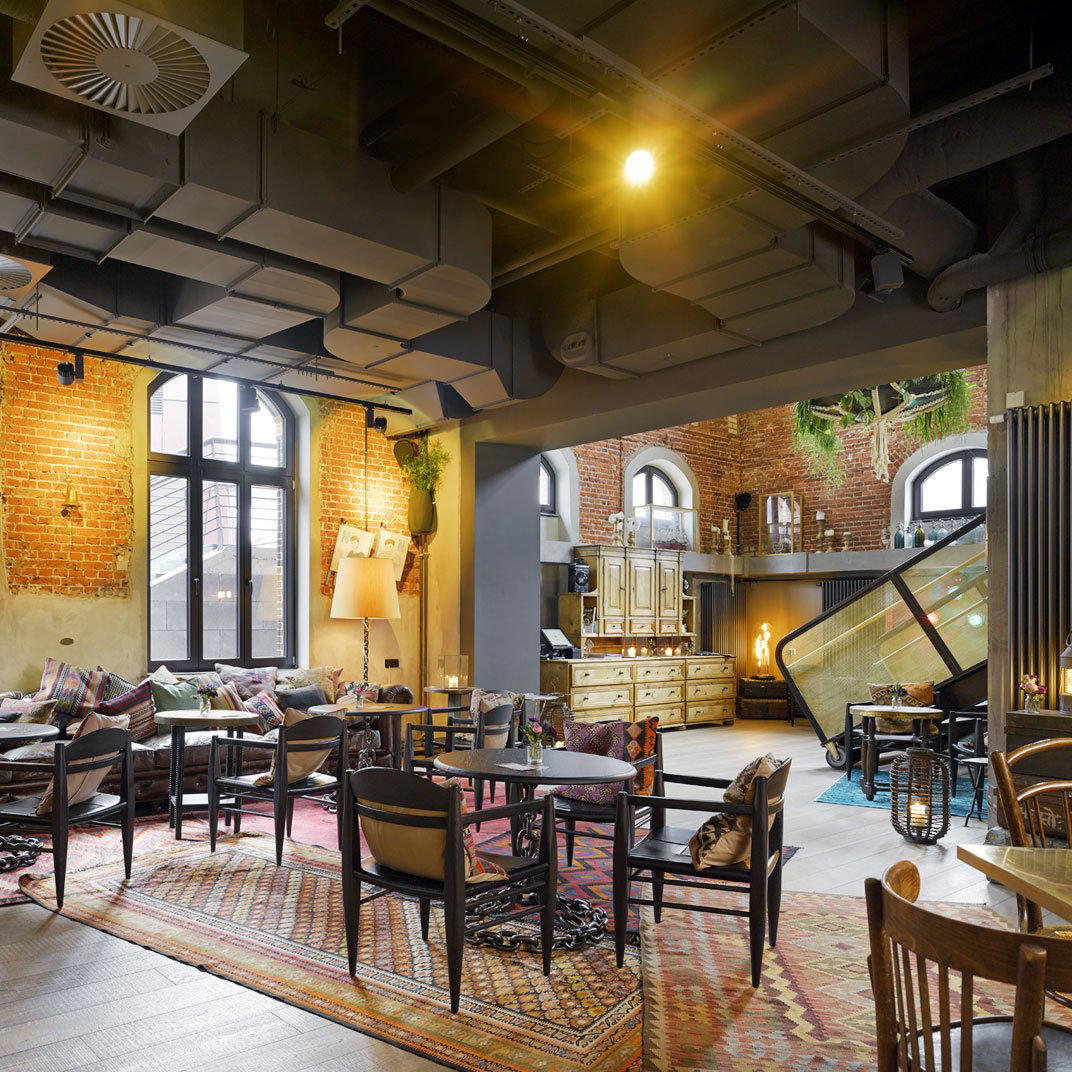
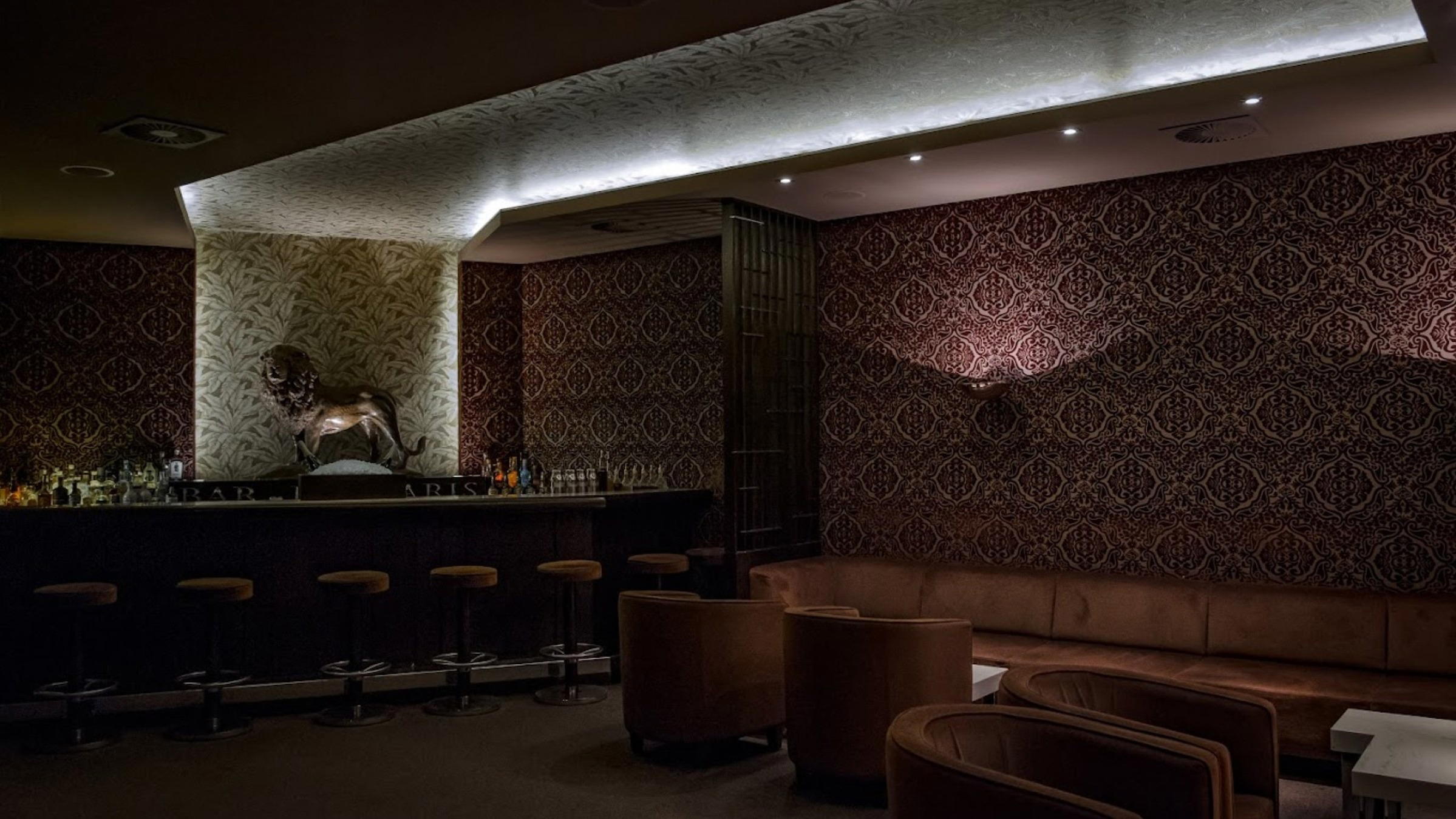
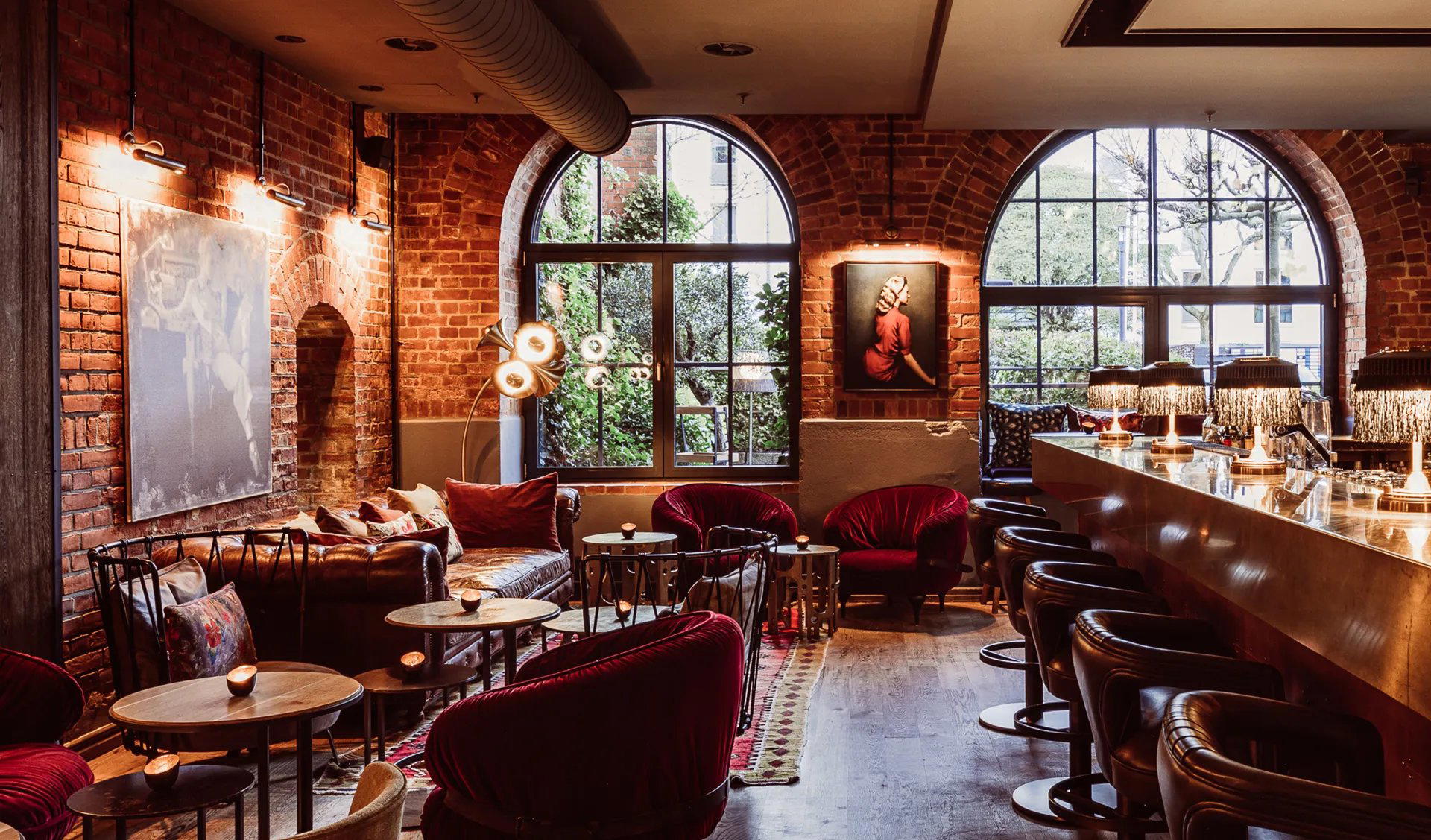
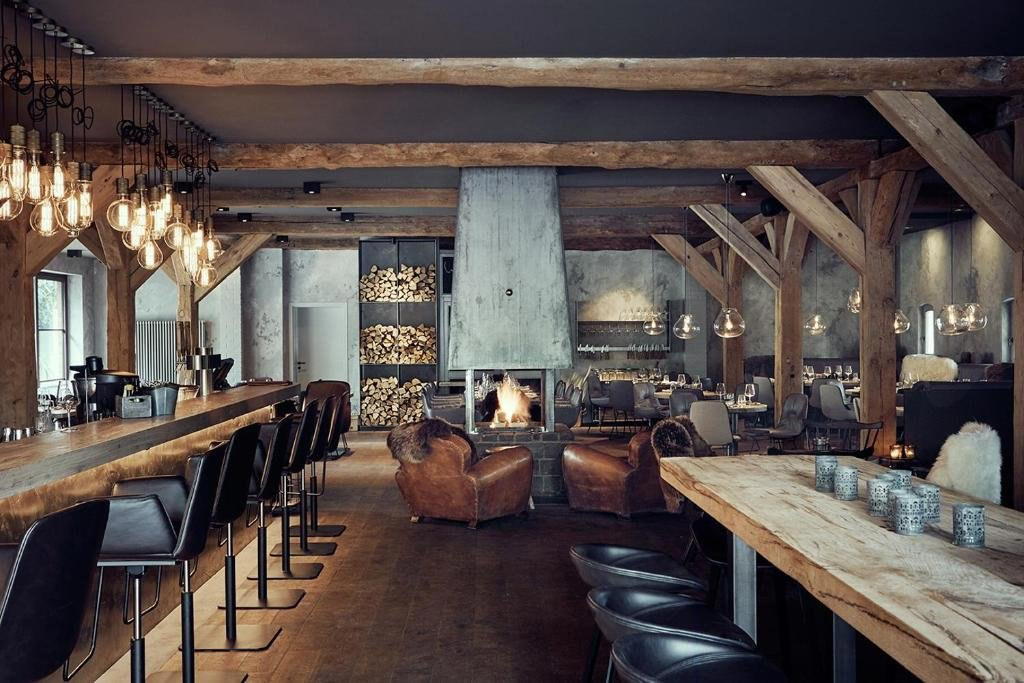
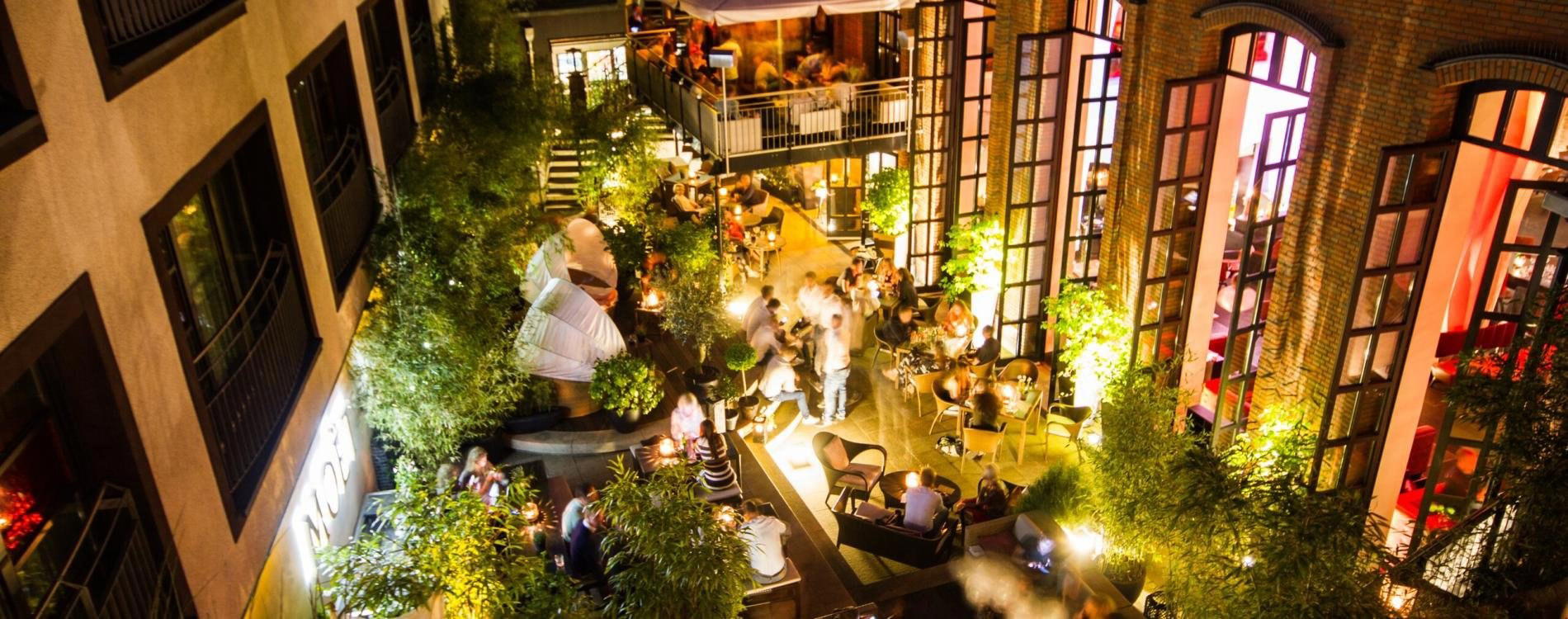
Light-flooded, elegant Nordic stylish maritime hanseatic atmosphere.