Situated on Porzellangasse in Vienna's 9th district, The Hummus Workshop occupies a quieter corner of the city's casual dining scene, where Middle Eastern pantry staples meet the kind of ingredient-led restraint that defines the neighbourhood's eating habits. In a city more frequently discussed through its fine dining credentials, this spot addresses a different register entirely, affordable, plant-forward, and worth understanding on its own terms.
Pearl is the En Primeur Club membership app — saves, bookings, and concierge access live there. Same editors, same standards.
- Address
- Porzellangasse 3, 1090 Wien, Austria
- Phone
- +434313103670
- Website
- thehummusworkshop.at
- Directions
- Get directions
 Saves & bookings on Pearl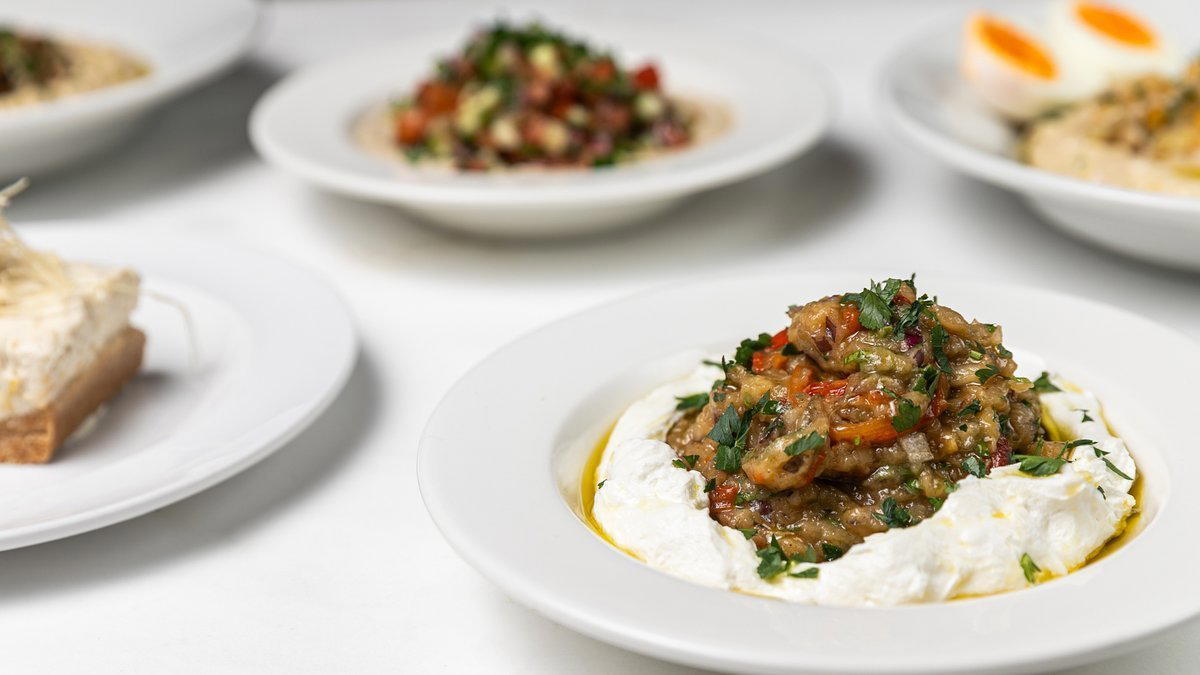
Vienna's 9th District and the Case for Simple Food Done Carefully
The Hummus Workshop is a restaurant on Porzellangasse 3 in Vienna's 9th district, serving Middle Eastern hummus specialist fare at about US$12 per person. Vienna's reputation in European dining is built largely on formal ambition. The city's upper tier, counters like Steirereck im Stadtpark, Amador, and Konstantin Filippou, operates at the €€€€ bracket, where tasting menus, sourcing credentials, and Michelin recognition define the conversation. But the 9th district, Alsergrund, has long supported a parallel culture: smaller, more deliberate operations that prioritise ingredient quality and waste-conscious cooking over ceremony. The Hummus Workshop, at Porzellangasse 3, fits that tradition.
Hummus as a category rewards this kind of focus. The dish is, at its core, a question of sourcing and process: the quality of dried chickpeas, the freshness of tahini, the ratio of lemon and garlic, and whether the final texture is achieved by cooking from scratch daily or by opening a commercial tin. In cities where hummus workshops and dedicated chickpea counters have proliferated, London's Bubala and Tel Aviv's Abu Hassan show how seriously the format can be taken.
The Sustainability Frame: Why a Chickpea Counter Is an Environmental Argument
Plant-forward dining has moved from ethical preference to structural position in European food culture over the past decade. The argument is logistical and economic. Chickpeas carry a significantly lower water and carbon footprint than animal proteins, and a kitchen built around legumes, seasonal vegetables, and quality olive oil operates with a waste profile that most protein-centred restaurants cannot match. In this respect, a well-run hummus workshop is not a niche proposition, it is a model that scales more cleanly than the alternatives.
The broader Austrian fine dining scene has acknowledged this shift at its own pace. Mraz & Sohn and Doubek have both incorporated vegetable-led thinking into their creative programmes, while operations further afield, Kräuterreich by Vitus Winkler in Sankt Veit im Pongau, for instance, have built entire identities around foraged and cultivated plant material. The Hummus Workshop addresses this from the other end of the price register: no tasting menu, no ceremony, just the discipline of doing one category of food with enough care that sourcing and process become the distinguishing factor.
Alsergrund as Context: Where This Fits in the Neighbourhood
Porzellangasse runs through one of Vienna's more residential inner districts, a stretch that connects the university quarter to the Danube Canal corridor. The street-level food culture here trends practical: coffee shops, small grocers, and the kind of lunch-focused spots that serve local professionals and students rather than destination diners arriving from other postcodes. A dedicated hummus counter in this context is less a novelty and more a neighbourhood resource, a place that fills a specific gap in a district not overserved by casual Middle Eastern cooking.
This matters for how the venue should be read. It is not competing with Steirereck or Amador any more than a well-sourced falafel counter in Paris competes with a three-star kitchen. The comparable set is different: other plant-forward casual spots in the inner districts, Middle Eastern-influenced lunch counters, and the growing category of ingredient-specialist operations that have found an audience in European cities by doing less but doing it with more attention to raw material quality.
The Seasonal Angle: When to Go and What That Means
Vienna's casual dining scene shifts perceptibly with the seasons. The summer months bring outdoor seating culture and a lighter appetite across the city's restaurants; autumn and winter consolidate dining indoors and tend to push richer, more warming formats. A chickpea and olive oil-based menu sits well across these shifts, hummus is not a seasonal product in the way that a game-focused Austrian menu is, but the accompaniments and sides in a format like this tend to track seasonal availability. Fresh herbs, pickled vegetables, and seasonal flatbreads can move with what the market offers without requiring a structural menu overhaul.
For visitors planning around Vienna's cultural calendar, the 9th district is accessible from both the city centre and the university-adjacent accommodation clusters.
Planning Your Visit: Practical Comparison
| Venue | Cuisine Tier | Price Range | Booking Required | Location |
|---|---|---|---|---|
| The restaurant | Casual / Plant-forward | Not published | Not confirmed | 9th district, Porzellangasse 3 |
| Steirereck im Stadtpark | Creative fine dining | €€€€ | Weeks to months ahead | 3rd district, Stadtpark |
| Mraz & Sohn | Modern Austrian / Creative | €€€€ | Weeks ahead recommended | 20th district |
| Konstantin Filippou | Modern European | €€€€ | Advance booking advised | 1st district |
For Austria's wider fine dining context beyond Vienna, EP Club covers Döllerer in Golling an der Salzach, Ikarus in Salzburg, Obauer in Werfen, Griggeler Stuba in Lech, Gourmetrestaurant Tannenhof in Sankt Anton am Arlberg, Schwarzer Adler in Hall in Tirol, Landhaus Bacher in Mautern an der Donau, Ois in Neufelden, and Restaurant 141 by Joachim Jaud in Mieming. Internationally, the plant-forward and ingredient-specialist conversation extends to venues like Le Bernardin in New York City and Atomix in New York City, which operate in an entirely different register but share the underlying discipline of sourcing-first thinking.
Comparable Venues
Comparable venues nearby, for context on price, style, and recognition.
| Venue | Cuisine | Price | Notes |
|---|---|---|---|
| The Hummus WorkshopThis venue — the venue you are viewing | Middle Eastern Hummus Specialist | $$ | Not listed |
| Yudale | Kosher Middle Eastern & Israeli | $$ | Praterstern Wien Nord |
| DR-FALAFEL | Israeli Falafel & Shawarma | $ | Wieden |
| sultans | Levantine & Ottoman Cuisine | $$ | Wien-Mitte |
| Gaia Kitchen | Vegan Levantine Fusion | $$ | Praterstern Wien Nord |
| Makom | Israeli Middle Eastern | $$ | Neubau |
Continue exploring
More in Vienna
Restaurants in Vienna
Browse all →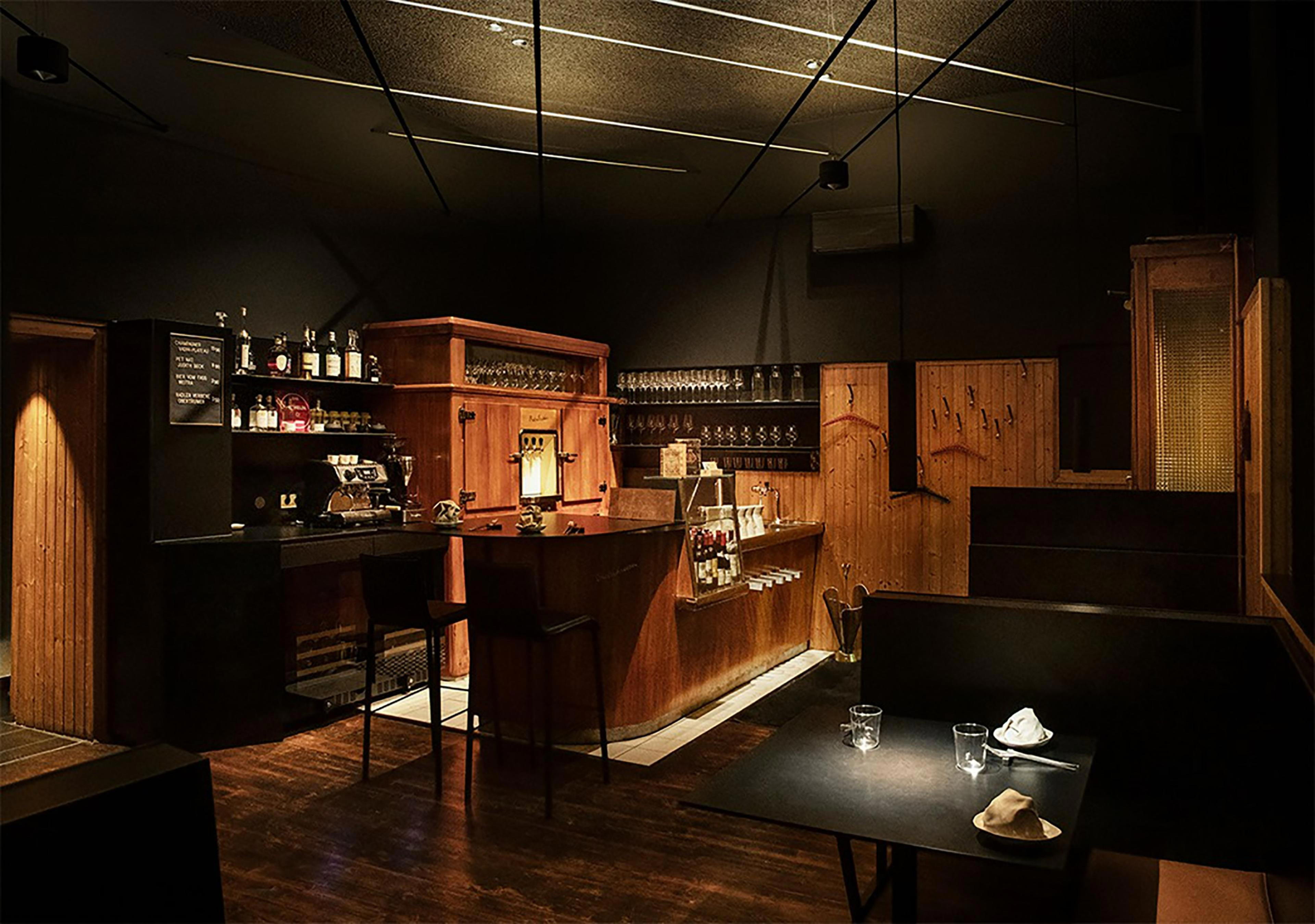
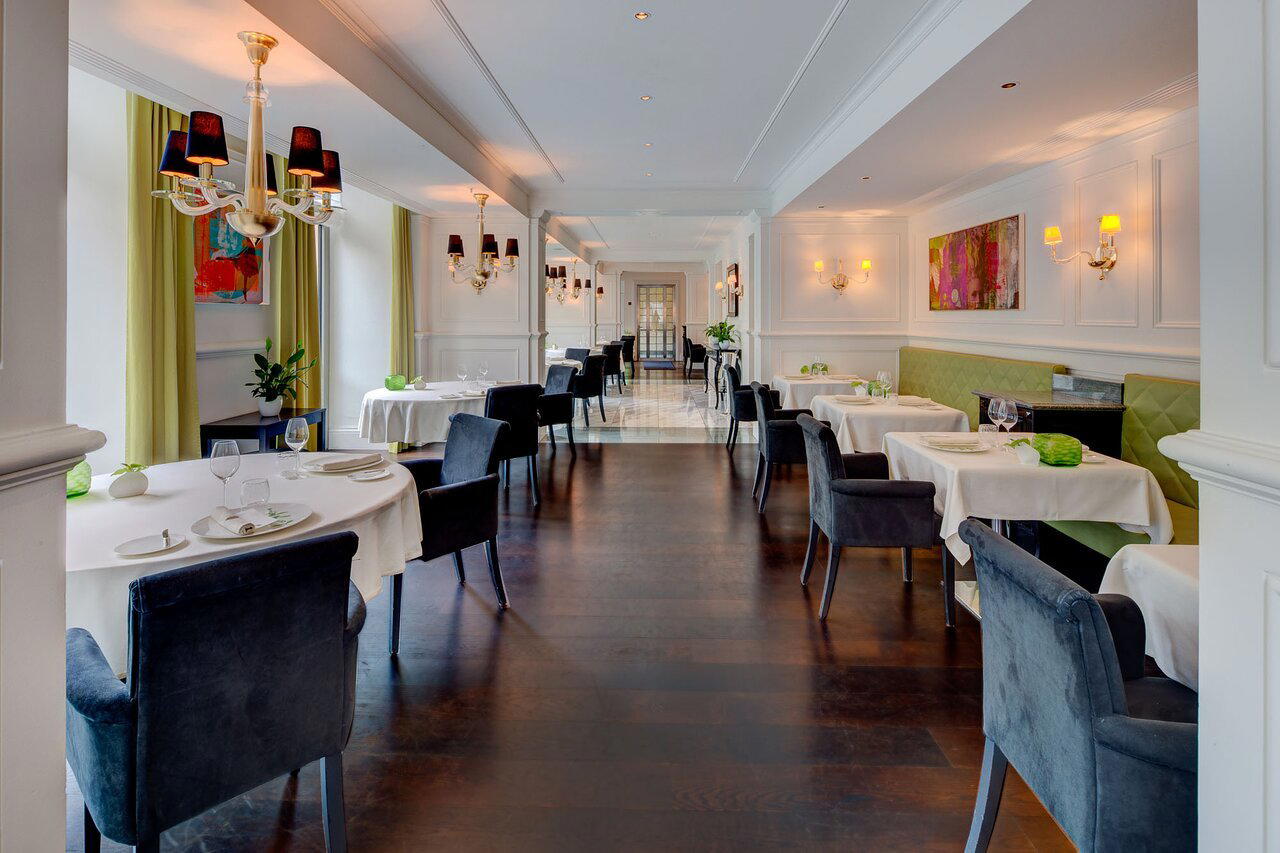
Bars in Vienna
Browse all →
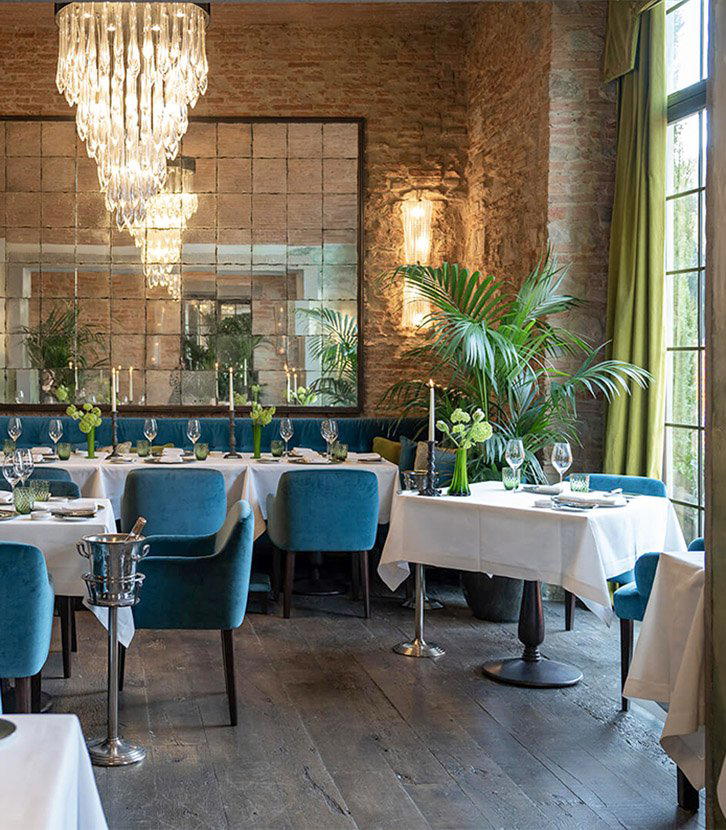
Hotels in Vienna
Browse all →
At a Glance
- Casual
- Cozy
- Casual Hangout
- Solo
- Standalone
Current opening hours
- Monday
- 11:30 AM–3 PM
- Tuesday
- 11:30 AM–9 PM
- Wednesday
- 11:30 AM–9 PM
- Thursday
- 11:30 AM–9 PM
- Friday
- 11:30 AM–10 PM
- Saturday
- 11:30 AM–10 PM
- Sunday
- Closed
Hours can change for holidays and private events. Last verified .
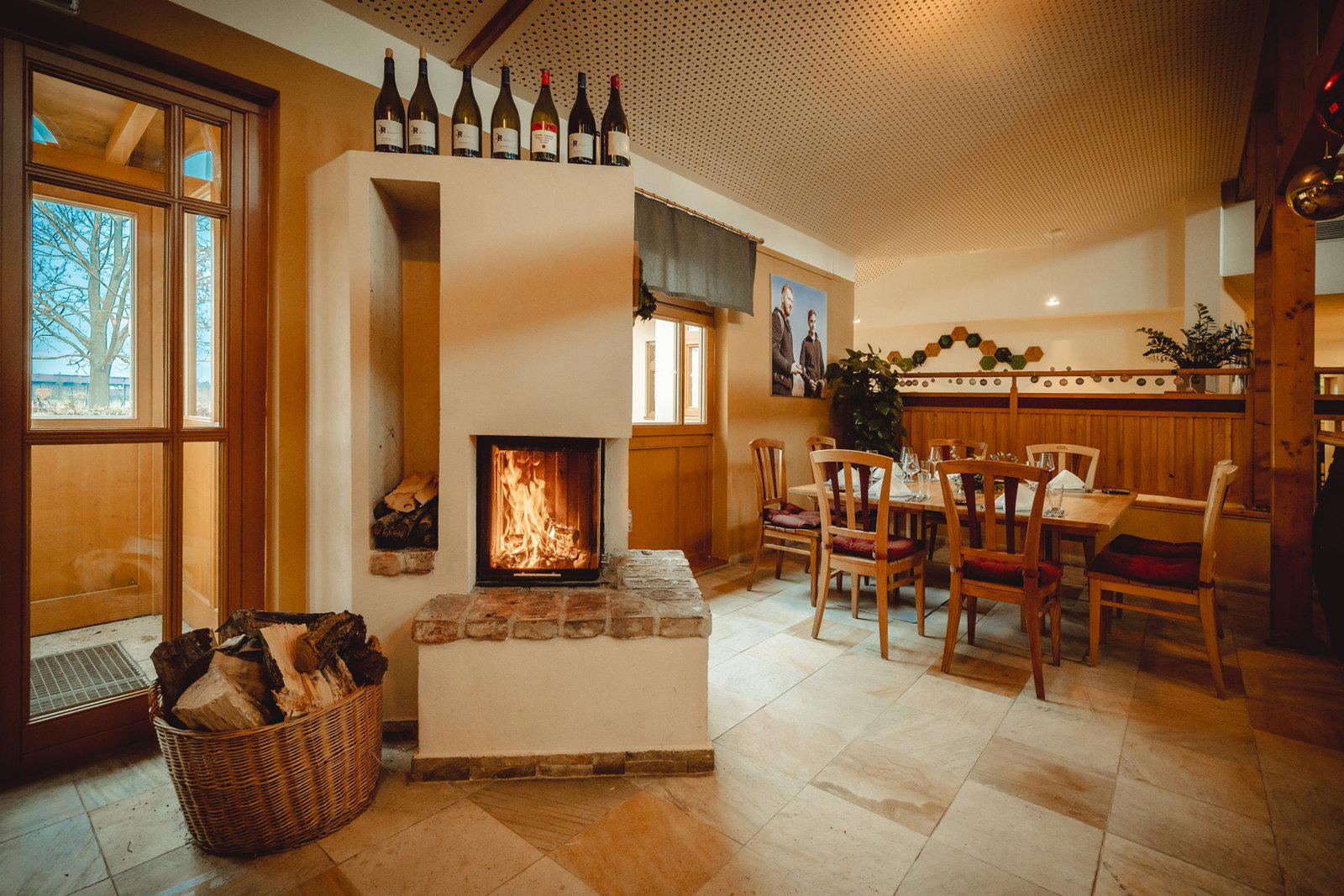
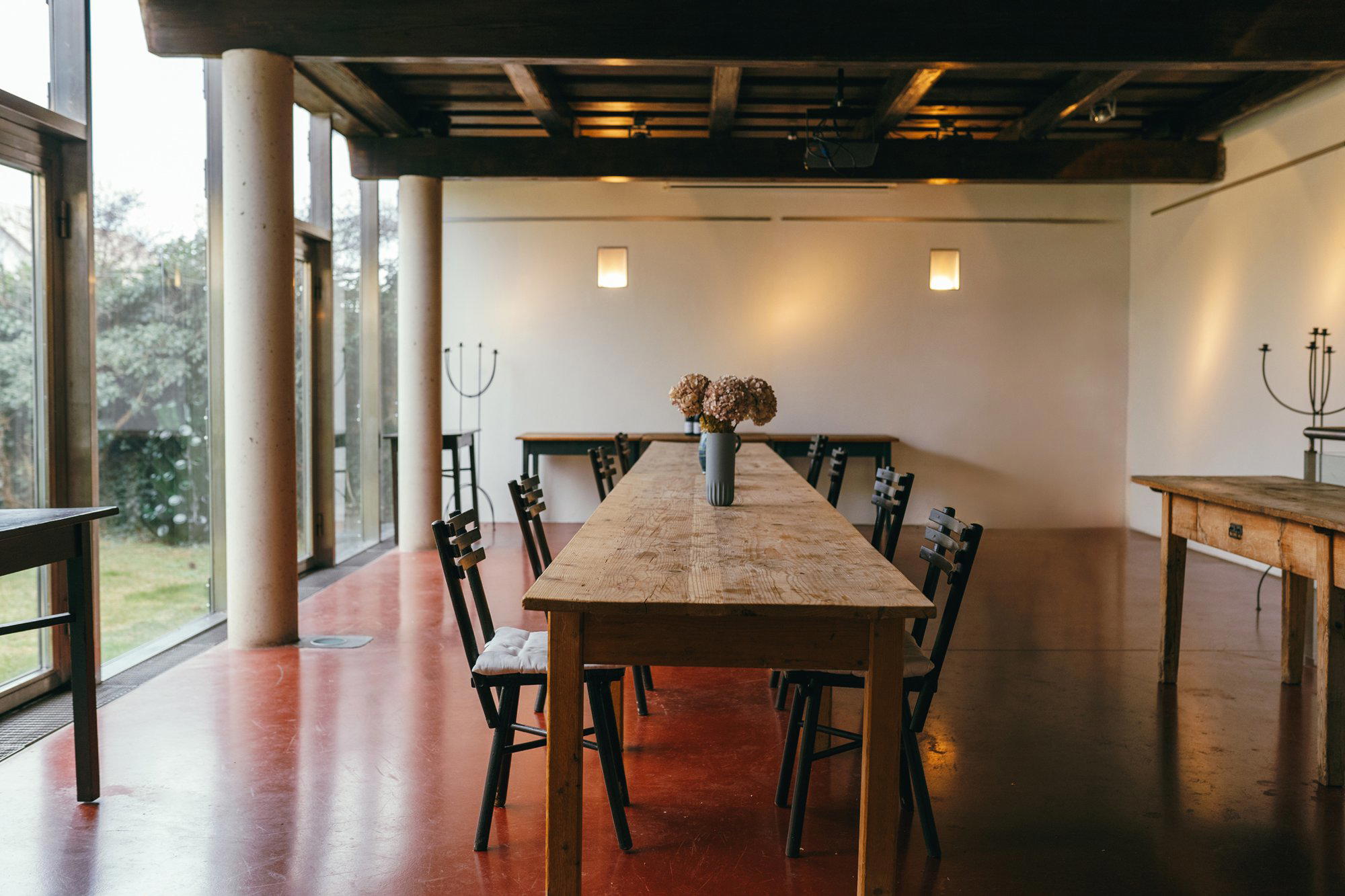
Casual, welcoming atmosphere with a focus on quality Middle Eastern comfort food; intimate neighborhood spot.