Makom occupies a quiet address on Schottenfeldgasse in Vienna's 7th district, a neighbourhood where independent dining concepts have gradually displaced the old coffeehouse monoculture. With sparse public data available, the restaurant draws visitors primarily through word of mouth, situating it in Vienna's smaller, less-publicised tier of dining rather than the €€€€ tasting-menu circuit anchored by venues like Steirereck or Konstantin Filippou.
Pearl is the En Primeur Club membership app — saves, bookings, and concierge access live there. Same editors, same standards.
- Address
- Schottenfeldgasse 18, 1070 Wien, Austria
- Phone
- +434314315033
- Website
- makom.wien
- Directions
- Get directions
 Saves & bookings on Pearl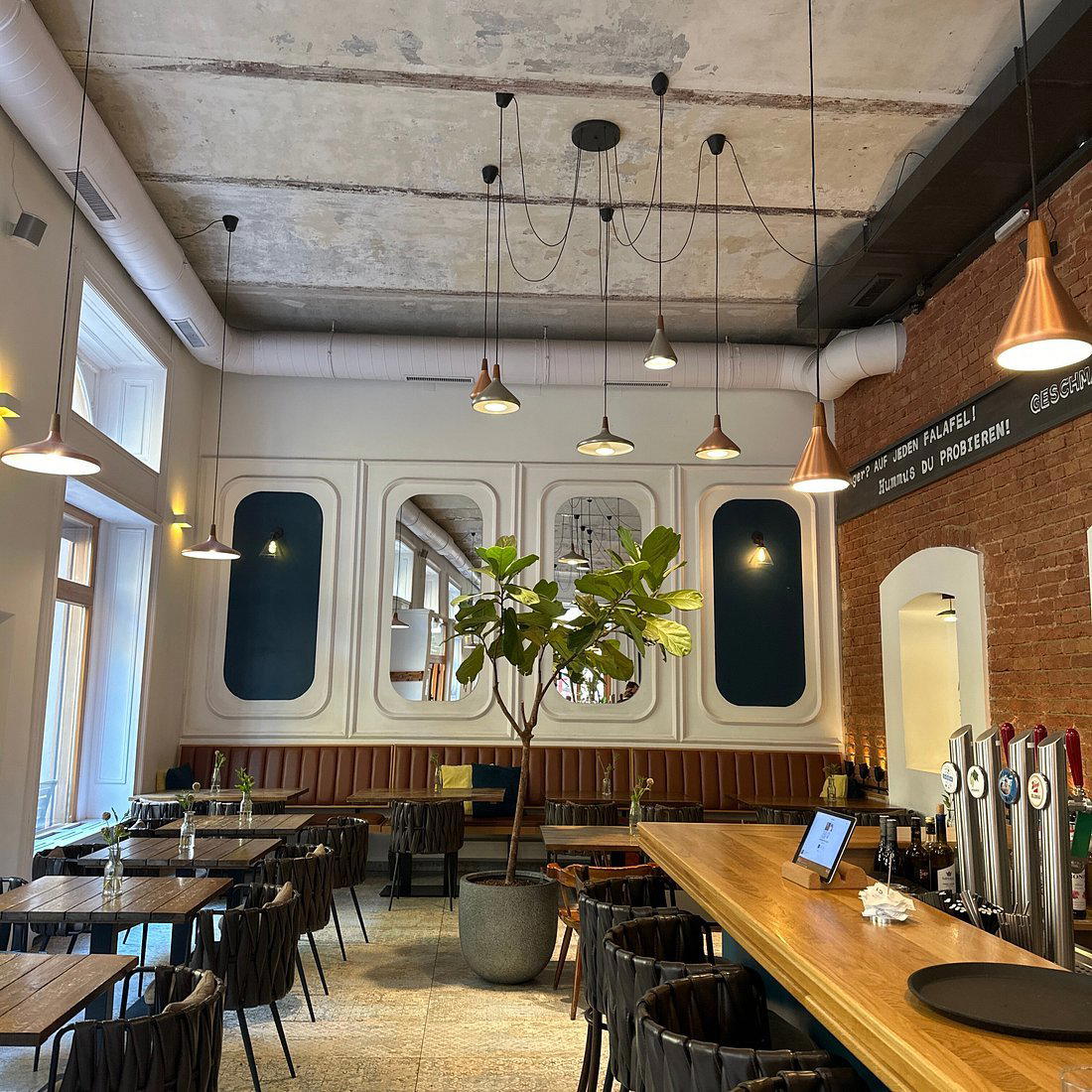
A Seventh District Address in a City of Formal Dining
Vienna's restaurant culture has long been organised around a clear hierarchy: the grand coffeehouses and Beisl tradition at the accessible end, and a cluster of technically demanding, multi-course tasting restaurants at the high end. What sits between those poles is considerably harder to map. The 7th district, Neubau, has become one of the more productive places to look. Over the past decade, Schottenfeldgasse and its surrounding streets have accumulated a cohort of independent operators whose ambitions exceed their square footage, drawing a local clientele that moves between the neighbourhood's design studios, independent bookshops, and wine-forward dining rooms. Makom, at Schottenfeldgasse 18, belongs to that environment.
The name itself carries weight before you step inside. Makom is a Hebrew word with several meanings, particularly direct of which is simply "place", though in theological usage it also functions as a name for the divine, implying that a place, properly inhabited, becomes something more than its physical dimensions. Whether or not that reading is intended, the name signals a seriousness of purpose that distinguishes Makom from the casual wine-bar registers that dominate the same postcode.
Vienna's Wine Moment and Where Makom Fits
To understand Makom's position in the city, it helps to understand what has happened to Austrian wine culture over the past fifteen years. Austria's producers, particularly in Wachau, Kamptal, and the Burgenland, have built a reputation that now reaches well beyond the German-speaking world. Grüner Veltliner and Riesling from the leading Wachau producers are allocated in the same manner as Burgundy premier cru. Sweet wines from Neusiedlersee are benchmarked against Sauternes. In response, Vienna's more attentive dining rooms have constructed wine programs that reflect this depth rather than simply offering Austrian bottles as a local curiosity.
The venues that do this leading tend not to be the grandest names. Steirereck im Stadtpark and Konstantin Filippou maintain cellar depth commensurate with their Michelin recognition and €€€€ price points. But particularly considered wine curation in the city operates at smaller scale, in rooms that price against the neighbourhood rather than against peer tasting menus. That is the tier where Makom operates, and it is a tier that rewards the visitor who approaches it on its own terms rather than against the formal dining benchmark.
What the address and the venue's register suggest is a program oriented toward Austrian producers, with the depth of local knowledge that a 7th district audience expects. Neubau diners are not looking for a tokenistic Austrian section appended to a French-led list. They expect the list to reflect the wine culture that has developed around them, including natural and low-intervention producers from the Weinviertel and Steiermark who do not appear on the menus of the more formal rooms uptown.
The Neubau Context: Where the 7th District Sits in Vienna Dining
Placing Makom against its immediate neighbours is more useful than placing it against the city's recognised fine dining tier. The 7th district's dining character has been shaped by a wave of openings that prioritised produce sourcing and wine program over formal service architecture. This is not the same as casualness. The leading rooms in the area maintain genuine rigor in the kitchen and at the pass; they simply express it without the ceremony that Michelin-calibre rooms in the 1st and 3rd districts deploy as a signal of seriousness.
For those tracking Vienna's broader creative dining scene, the contrast is instructive. Amador and Mraz & Sohn operate with full tasting menu discipline and multi-star ambitions. Doubek represents a different register again. Makom belongs to none of those categories precisely, which is part of what makes it worth noting as the city's dining geography continues to differentiate.
For visitors whose Vienna itinerary already includes a meal at one of the city's €€€€ establishments, Makom provides a useful counterpoint: a second dinner that operates on neighbourhood logic rather than tasting-menu logic, and that gives access to a different slice of what Austrian wine and cooking look like in 2024.
Austria's Broader Fine Dining Reach
It is worth situating Vienna's independent dining tier within Austria's wider culinary geography. The country's serious restaurant culture extends well beyond the capital. Döllerer in Golling an der Salzach has built one of the country's most discussed alpine cuisine programs. Ikarus in Salzburg operates on a guest-chef rotation that keeps its program in permanent motion. In the Arlberg region, Griggeler Stuba in Lech and Gourmetrestaurant Tannenhof in Sankt Anton am Arlberg represent the high end of alpine resort dining. Further afield, Obauer in Werfen, Landhaus Bacher in Mautern an der Donau, Kräuterreich by Vitus Winkler in Sankt Veit im Pongau, Schwarzer Adler in Hall in Tirol, Restaurant 141 by Joachim Jaud in Mieming, and Ois in Neufelden round out a national picture that is considerably more distributed than most international visitors realise. Vienna's neighbourhood dining, including the 7th district's independent operators, sits within this wider culture rather than apart from it.
For a global reference point, the gap between neighbourhood-register venues like Makom and the city's leading tables mirrors the distance between, say, a serious New York wine bar and a destination counter like Atomix or a seafood institution like Le Bernardin. Both tiers are worth your time; they answer different questions about what a city's food culture has become.
Know Before You Go
Address: Schottenfeldgasse 18, 1070 Wien, Austria
District: Neubau (7th), accessible by U3 (Zieglergasse) or tram lines 49 and 6
Price tier: Mid-range
Booking: Reservations recommended
Hours: Mon: 5–11 PM; Tue: 5–11 PM; Wed: 5–11 PM; Thu: 5–11 PM; Fri: 5–11 PM; Sat: 9 AM–11 PM; Sun: 9 AM–10 PM
Budget Reality Check
Comparable venues nearby, for context on price, style, and recognition.
| Venue | Cuisine | Price | Notes |
|---|---|---|---|
| MakomThis venue — the venue you are viewing | Neubau, Israeli Middle Eastern | $$ | Not listed |
| Tewa am Naschmarkt | Wieden, Organic Oriental-Mediterranean | $$ | Not listed |
| The Hummus Workshop | Not listed | $$ | Inner City, Middle Eastern Hummus Specialist |
| Café Ansari | Not listed | $$ | Praterstern Wien Nord, Georgian-Mediterranean Fusion |
| Gaia Kitchen | Not listed | $$ | Praterstern Wien Nord, Vegan Levantine Fusion |
| Baschly | Stadt, Modern Middle Eastern Street Food | $$ | Not listed |
Continue exploring
More in Vienna
Restaurants in Vienna
Browse all →![[aend] restaurant in Vienna](https://cdn.enprimeurclub.com/storage/v1/object/public/images/locations/recsVyRkMfzCxPmp0/hero2.jpg?width=3840&quality=75)
Bars in Vienna
Browse all →

Hotels in Vienna
Browse all →
At a Glance
- Cozy
- Intimate
- Date Night
- Casual Hangout
Current opening hours
- Monday
- 5–11 PM
- Tuesday
- 5–11 PM
- Wednesday
- 5–11 PM
- Thursday
- 5–11 PM
- Friday
- 5–11 PM
- Saturday
- 9 AM–11 PM
- Sunday
- 9 AM–10 PM
Hours can change for holidays and private events. Last verified .
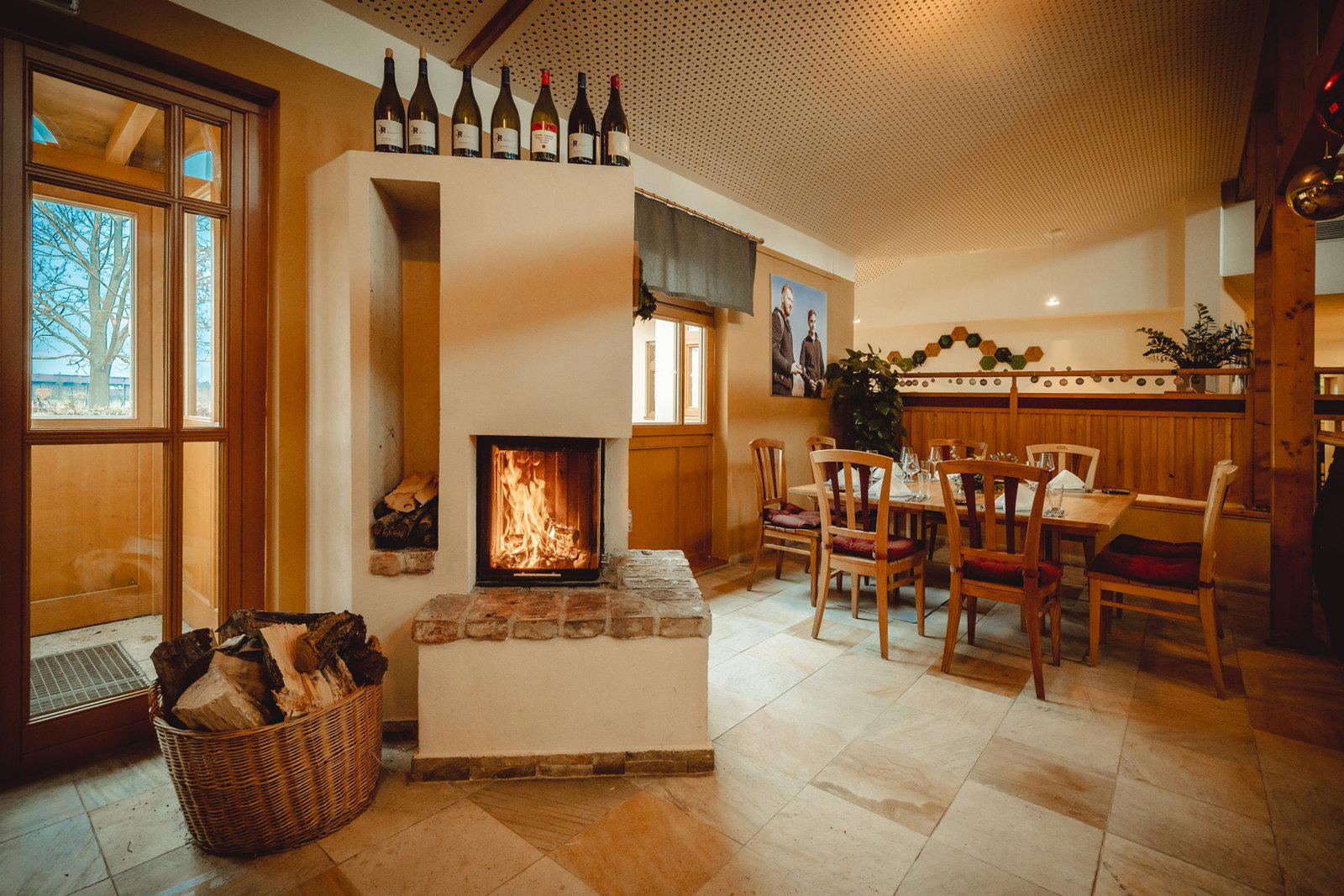
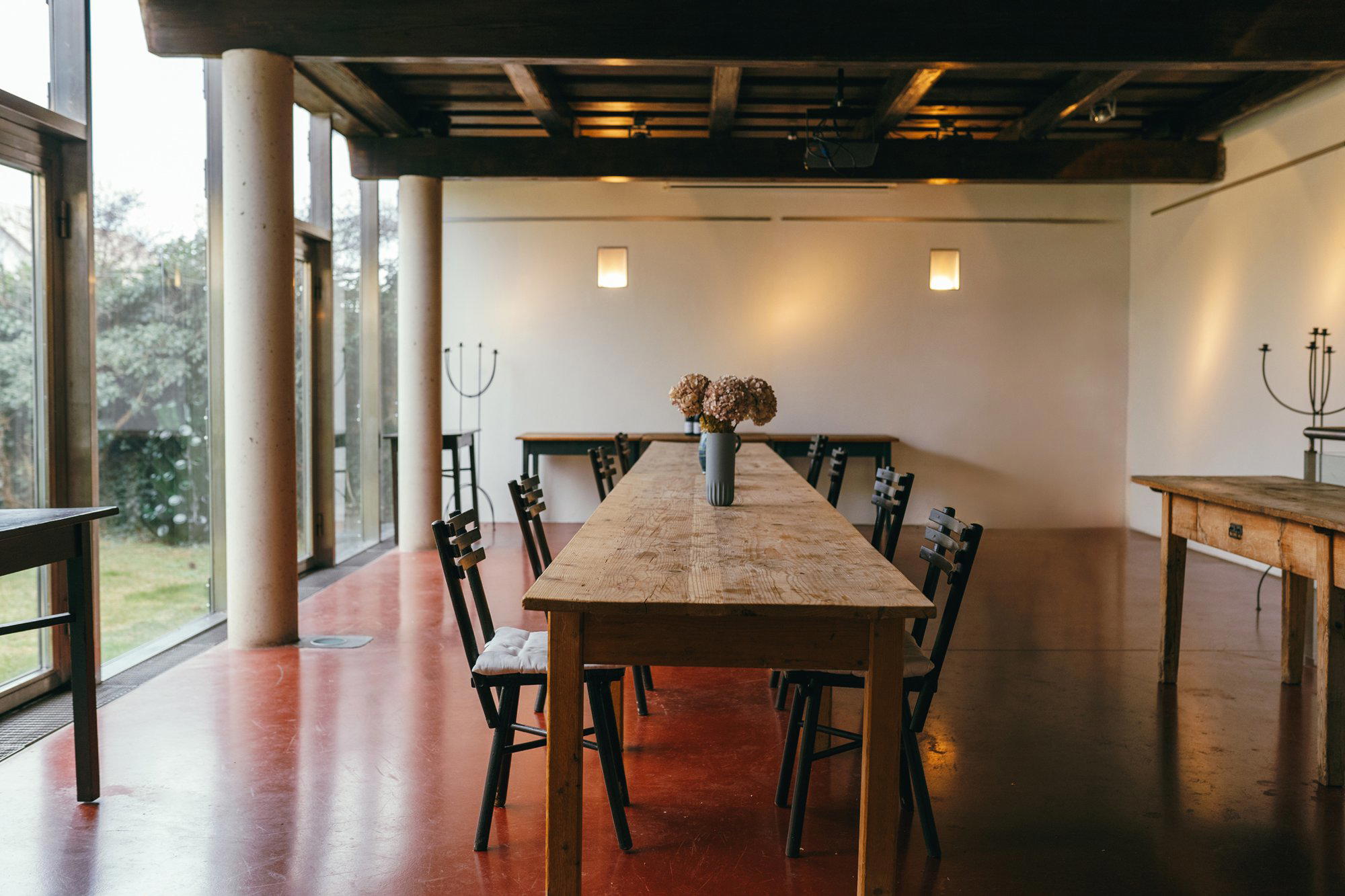
Pleasant and lovely ambience with beautiful premises.