On Praterstraße in Vienna's 2nd district, Gaia Kitchen occupies a corner of the city where sustainability-led dining has quietly taken root alongside a more international, less ceremony-driven crowd. The name signals intent: a kitchen oriented around the earth rather than the ego. For a city whose restaurant culture still tilts toward elaborate tasting menus and white tablecloths, that positioning carries weight.
Pearl is the En Primeur Club membership app — saves, bookings, and concierge access live there. Same editors, same standards.
- Address
- Praterstraße 68 1, 1020 Wien, Austria
- Phone
- +436766916421
- Directions
- Get directions
 Saves & bookings on Pearl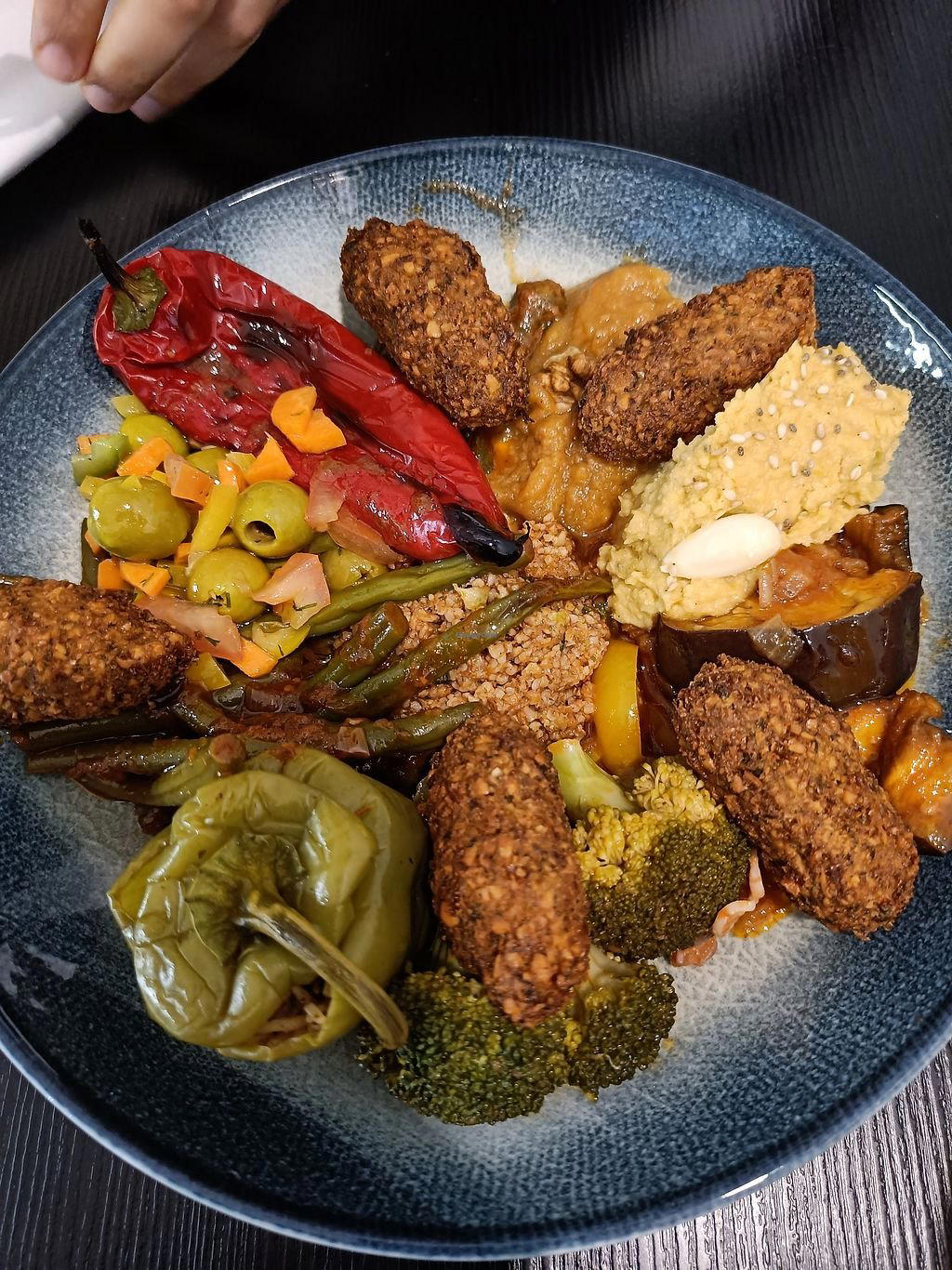
Where Vienna's Plant-Forward Moment Is Taking Shape
Vienna's restaurant scene has long been defined by its formal registers: the grand Beisl, the multi-course tasting counter, the hotel dining room with its silver service and Grüner Veltliner list. But the 2nd district, Leopoldstadt, has developed a different character in recent years. Praterstraße runs northeast from the Danube Canal toward the Prater itself, and the strip has accumulated a quieter, more internationally minded dining culture than the 1st district's polished institutions. It is in this context that Gaia Kitchen, at Praterstraße 68, situates itself, not as a reaction against Viennese tradition, but as a different conversation altogether.
Gaia Kitchen's approach suggests a kitchen where environmental consciousness shapes the menu, with seasonal Austrian produce and reduced meat dependency likely guiding the cooking.
The Broader Shift Happening in Viennese Kitchens
Vienna's upper-tier dining has historically been protein-heavy and technically ambitious in ways that prioritize refinement over restraint. Steirereck im Stadtpark and Mraz & Sohn represent the city's creative peak at the €€€€ tier, both working within a framework where sourcing credentials are part of the identity but never the whole story. Konstantin Filippou and Amador occupy a similar bracket, where modern European technique meets Austrian product. Gaia Kitchen operates at a different scale and with a different set of priorities. Where those addresses compete on technique and international recognition, a kitchen named for the earth tends to compete on ingredient integrity and a more direct relationship between what is grown and what arrives on the plate.
This is a shift that has gathered pace in cities across Europe over the past decade. In Copenhagen, Stockholm, and increasingly in smaller Austrian cities, the sustainability story is no longer a niche signal, it is increasingly a baseline expectation for a specific, well-traveled dining public. That public has arrived in Vienna, and Leopoldstadt, with its less entrenched dining conventions, has been more receptive than the 1st district to what they are looking for. Doubek is another address in this orbit, working at a different register but contributing to the sense that Vienna's most interesting contemporary food is happening outside the Ring.
What to Eat at Gaia Kitchen
What the name and address do suggest is a kitchen working with Austrian seasonality as its primary constraint, which in practice means the menu shifts substantially across the year. Spring in Austria brings white asparagus, ramps, and early brassicas; autumn shifts toward root vegetables, game, and aged cheeses from the Alpine regions. A kitchen with genuine environmental commitment tends to let that seasonal rhythm drive the card rather than maintaining a fixed signature dish across twelve months.
Across Austria, a handful of restaurants have made the sourcing relationship itself the editorial point of the menu. Döllerer in Golling an der Salzach and Landhaus Bacher in Mautern an der Donau both demonstrate how Austrian produce, handled with technical care, can generate cooking of genuine depth without looking to international reference points for validation. Kräuterreich by Vitus Winkler in Sankt Veit im Pongau takes that logic further, with an Alpine herb garden that is integral to the menu's identity. These are not comparisons in price or format to the restaurant, but they are part of the same broader Austrian conversation about what responsible sourcing looks like in practice.
Walking In and Booking: What the Address Tells You
Praterstraße 68 sits in a section of Leopoldstadt that is accessible without being tourist-saturated. The U1 line stops at Nestroyplatz, approximately ten minutes' walk, and tram lines run along the street itself. For a city where the major dining institutions, the Michelin-starred counters, the hotel dining rooms, operate on advance reservation systems that require planning weeks or months ahead, a neighborhood restaurant with sustainability-led positioning typically runs a more accessible booking model. That said, walk-in availability on any specific evening cannot be guaranteed. Contacting the venue directly before visiting is the reliable approach, particularly on weekends when Leopoldstadt's dining activity concentrates.
For broader context: Vienna's starred dining at addresses like Steirereck requires reservation lead times of several weeks. At the neighborhood level in Leopoldstadt, the window is typically shorter, but the city's dining culture does not generally favor unannounced arrivals at dinner service. Checking in advance is the standard practice.
Gaia Kitchen in the Austrian Context
The sustainability conversation in Austrian dining is not limited to Vienna. Obauer in Werfen, Ois in Neufelden, and Taubenkobel in Schützen am Gebirge each represent kitchens where the relationship between landscape and plate is central rather than incidental. Alpine addresses like Gourmetrestaurant Tannenhof in Sankt Anton am Arlberg, Stüva in Ischgl, Schwarzer Adler in Hall in Tirol, and Restaurant 141 by Joachim Jaud in Mieming operate within an environmental constraint that is geographic as much as philosophical: the mountains define what is available, and the leading kitchens in those regions have always worked within that reality.
What makes the restaurant's position in Vienna specific is that it brings that logic into an urban context where the constraints are not geographic but chosen. In a city where Steirereck and Amador are the reference points for serious dining, a kitchen that elects to prioritize ecological coherence over tasting-menu prestige is making a deliberate statement about what contemporary Austrian cooking can look like. Internationally, parallels exist: Lazy Bear in San Francisco built a significant reputation on communal dining and ethical sourcing at a point when those ideas were still considered marginal. Le Bernardin in New York City demonstrates, from the opposite end of the formality spectrum, that a defined philosophy consistently applied over decades is what separates serious kitchens from concept restaurants.
Planning Your Visit
Address: Praterstraße 68 1, 1020 Wien, Austria. Getting There: U1 to Nestroyplatz or tram along Praterstraße. Budget: About $15 per person. Dress code: Casual. Reservations: Walk-in friendly. Hours: Mon to Sun, 12 to 11 PM.
A Credentials Check
Comparable venues nearby, for context on price, style, and recognition.
| Venue | Cuisine | Price | Notes |
|---|---|---|---|
| Gaia KitchenThis venue — the venue you are viewing | Vegan Levantine Fusion | $$ | Not listed |
| Makom | Israeli Middle Eastern | $$ | Neubau |
| Tewa am Markt | Organic Oriental-Mediterranean | $$ | Praterstern Wien Nord |
| Tewa am Naschmarkt | Organic Oriental-Mediterranean | $$ | Wieden |
| Eloa by Cohen's | Modern Oriental Levantine | $$ | Favoriten |
| Praterbuffet | Modern Telavivian Rooftop Cuisine | $$$ | Riesenrad |
Continue exploring
More in Vienna
Restaurants in Vienna
Browse all →
Bars in Vienna
Browse all →
Hotels in Vienna
Browse all →

At a Glance
- Cozy
- Trendy
- Casual Hangout
- Brunch
- Beer Program
Current opening hours
- Monday
- 12–11 PM
- Tuesday
- 12–11 PM
- Wednesday
- 12–11 PM
- Thursday
- 12–11 PM
- Friday
- 12–11 PM
- Saturday
- 12–11 PM
- Sunday
- 12–11 PM
Hours can change for holidays and private events. Last verified .
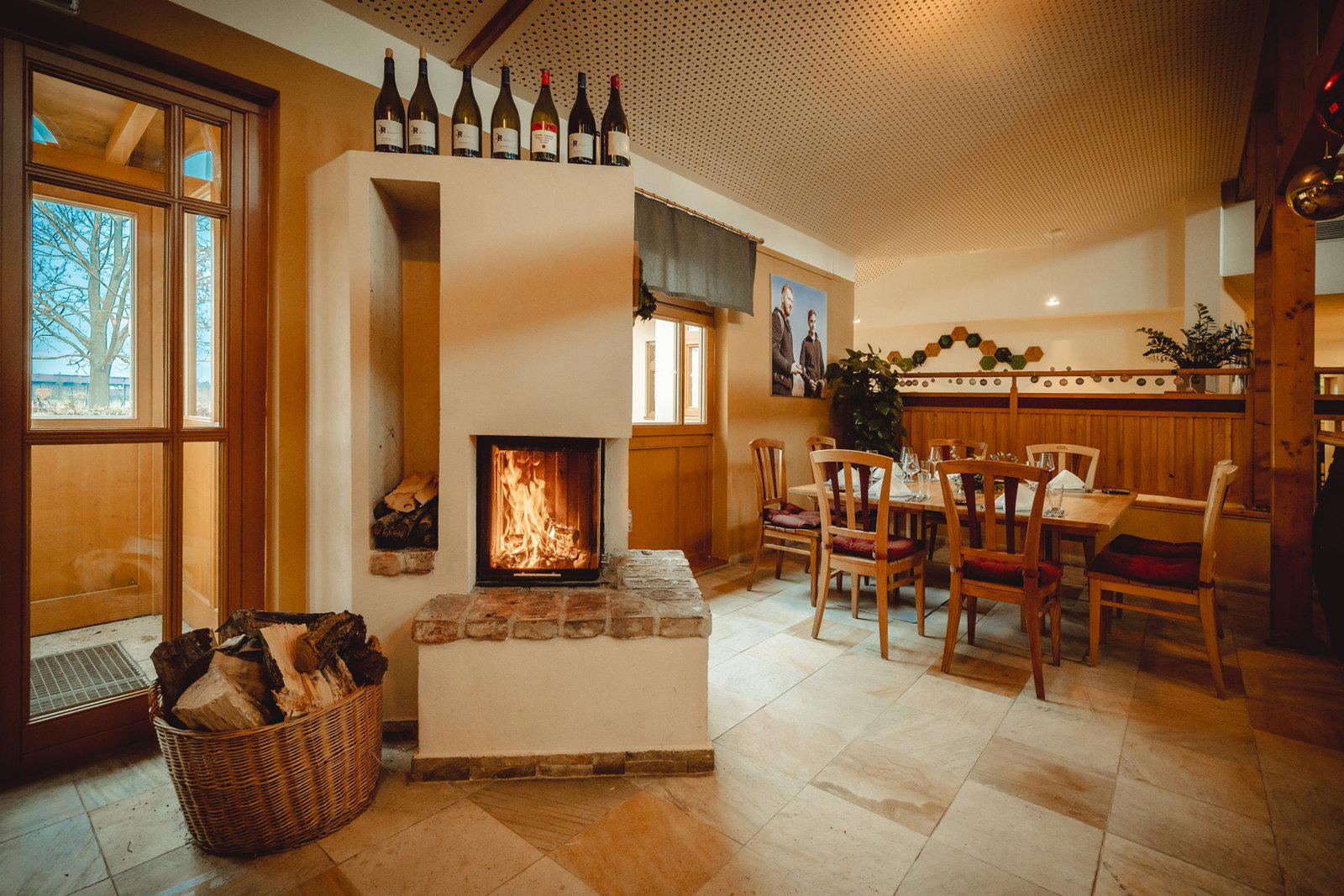
Cozy with friendly welcoming atmosphere, though some note the interior as dim and airless; outdoor seating preferred in warm weather.