Sultans occupies a quiet address in Vienna's third district, where the city's appetite for Middle Eastern and Ottoman-inflected cooking has found a foothold beyond the centre. The restaurant sits in a neighbourhood that rewards those willing to step away from the Innere Stadt's more obvious dining circuit, offering a different register of hospitality from Vienna's dominant fine-dining mode.
Pearl is the En Primeur Club membership app — saves, bookings, and concierge access live there. Same editors, same standards.
- Address
- Keinergasse 11, 1030 Wien, Austria
- Phone
- +434317151802
- Website
- sultans.at
- Directions
- Get directions
 Saves & bookings on Pearl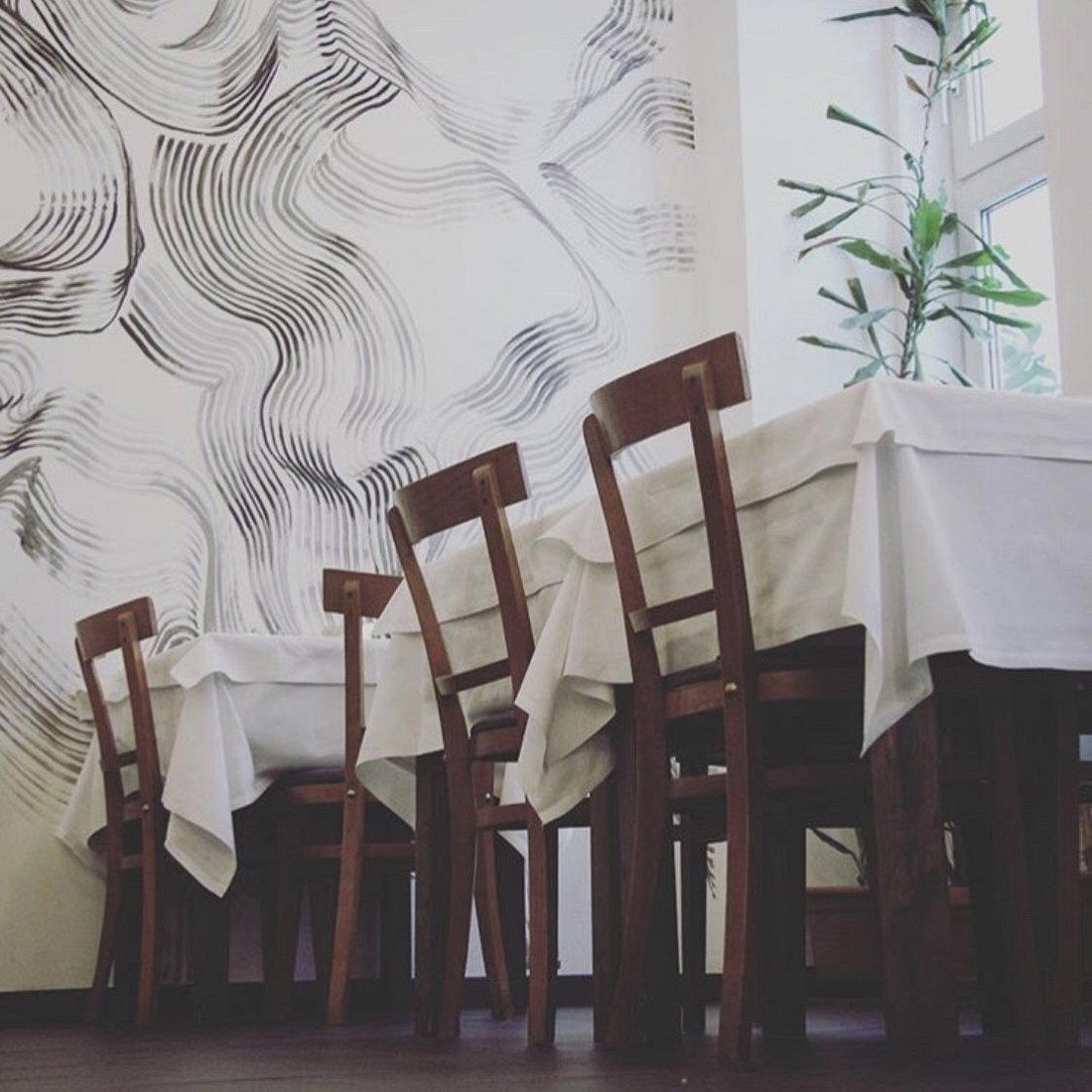
Vienna's Third District and the Case for Eating Away from the Centre
Vienna's dining map has long been dominated by the Innere Stadt and its immediate neighbours, where the concentration of Michelin-starred rooms, from Steirereck im Stadtpark to Amador and Konstantin Filippou, reflects both tourist demand and the city's appetite for a particular kind of formality. The third district, Landstraße, operates on a different frequency. It is a residential quarter with an office-worker lunch culture, a cluster of embassies, and a food scene that has historically served the people who actually live there rather than visitors working through a ranked list.
Sultans, at Keinergasse 11, sits within that neighbourhood logic. The address is not a destination in the promotional sense. Sultans represents yet another register: a neighbourhood-oriented proposition that answers a specific local appetite rather than a global one.
The Lunch and Dinner Divide in Vienna's Middle-Tier Restaurants
In many European cities, the distinction between lunch and dinner service at non-tasting-menu restaurants is more meaningful than it might first appear. Lunch draws a working crowd with a sharper eye on value and time; dinner shifts toward a more considered pace, higher spend per head, and a different set of expectations around hospitality. Vienna's third district encapsulates this divide clearly. The embassies and corporate offices around Rennweg and Landstraßer Hauptstraße generate a consistent weekday lunch demand for venues that can turn a table in under an hour without sacrificing quality.
For a restaurant like Sultans, the midday service is likely where the venue earns its local credibility. Ottoman and Middle Eastern kitchens often translate particularly well to the lunch format: the cuisine's structural reliance on mezze, grilled proteins, and rice or flatbread-based staples means that individual dishes can be prepared, plated, and served at a pace that suits the office hour without the kind of mise-en-place complexity that slows a European kitchen at midday. The rhythm of a shared-plate lunch, where two or three dishes arrive in succession rather than in a strict sequence, also fits the neighbourhood habit of eating with a colleague rather than staging an occasion.
Evening service at restaurants in this category tends to shift toward larger groups, family tables, and a more relaxed dwell time. The menu may not change significantly between services, but the social context does, and with it the pace of ordering and the likelihood of a second round of dishes. The neighbourhood context strongly shapes how each service is likely to feel in practice.
Ottoman and Middle Eastern Cooking in the Vienna Context
Vienna has a historically layered relationship with Ottoman culture, one that goes beyond the standard European narrative. The city's geography as the eastern frontier of the Habsburg Empire placed it in direct contact with Ottoman trade, diplomacy, and foodways for centuries. Coffee, for instance, arrived in Vienna through Ottoman channels in the seventeenth century, a well-documented piece of the city's culinary history that still shapes its café culture today. That historical proximity means Viennese diners are not encountering Middle Eastern and Ottoman-inflected cooking as entirely foreign territory, even if the modern restaurant expression of that tradition is a relatively recent development.
The broader Austrian fine-dining scene operates almost entirely within a European and Alpine framework. The regional fine-dining tradition, represented also by Griggeler Stuba in Lech, Gourmetrestaurant Tannenhof in Sankt Anton am Arlberg, Kräuterreich by Vitus Winkler, Landhaus Bacher in Mautern an der Donau, Ois in Neufelden, Restaurant 141 by Joachim Jaud in Mieming, and Schwarzer Adler in Hall in Tirol, draws on Alpine produce, Austrian wine, and central European technique. A restaurant named Sultans, positioned in a residential district of Vienna, occupies a gap in that picture: it offers something the dominant Austrian fine-dining mode does not.
That gap is worth noting. The city is not Istanbul or Beirut, and it does not have the depth of Ottoman or Levantine restaurant culture that you find in those cities or in parts of London and Berlin. But demand for cooking in this tradition has grown across European capitals, and Vienna is not an exception. Restaurants operating in this space in the city tend to draw both diaspora communities and a broader Viennese audience that has developed familiarity with the cuisine through travel.
For comparison, the contrast with tasting-menu-driven rooms at the summit of the city's hierarchy is instructive. Venues like Steirereck im Stadtpark or the kind of technically rigorous modern cooking found at Atomix in New York City and Le Bernardin represent one pole of the dining spectrum: high ceremony, high cost, long booking windows. A neighbourhood restaurant in Landstraße represents the opposite pole, where accessibility and regularity of use matter more than occasion. Both serve legitimate purposes in a city's food ecosystem, and the mistake is treating one as inherently superior to the other.
What to Consider When Visiting Sultans
Practical decisions require direct contact with the venue. The address, Keinergasse 11, 1030 Wien, places the restaurant in the Landstraße district, accessible from central Vienna by U-Bahn on the U3 line or by tram. Reaching the address from the Stadtpark area takes under fifteen minutes by public transport.
Know Before You Go
- Address: Keinergasse 11, 1030 Wien, Austria
- District: Landstraße (3rd district)
- Nearest transit: U3 line; tram connections along Landstraßer Hauptstraße
- Bookings: Reservation recommended
- Price range: About $25 per person
- Ideal time to visit: Weekday lunch for neighbourhood atmosphere; evenings for a slower pace
- Sultan's Köfte
- Kebabs
- Falafel
- Hummus
- Shawarma
- Mezze
Fast Comparison
Comparable venues nearby, for context on price, style, and recognition.
| Venue | Cuisine | Price | Notes |
|---|---|---|---|
| sultansThis venue — the venue you are viewing | Levantine & Ottoman Cuisine | $$ | Not listed |
| Elissar | Modern Lebanese | $$ | Staatsoper |
| Tewa am Naschmarkt | Organic Oriental-Mediterranean | $$ | Wieden |
| Tewa am Markt | Organic Oriental-Mediterranean | $$ | Praterstern Wien Nord |
| Maschu Maschu | Middle Eastern Falafel Specialist | $$ | Mariahilf |
| DR-FALAFEL | Israeli Falafel & Shawarma | $ | Wieden |
Continue exploring
More in Vienna
Restaurants in Vienna
Browse all →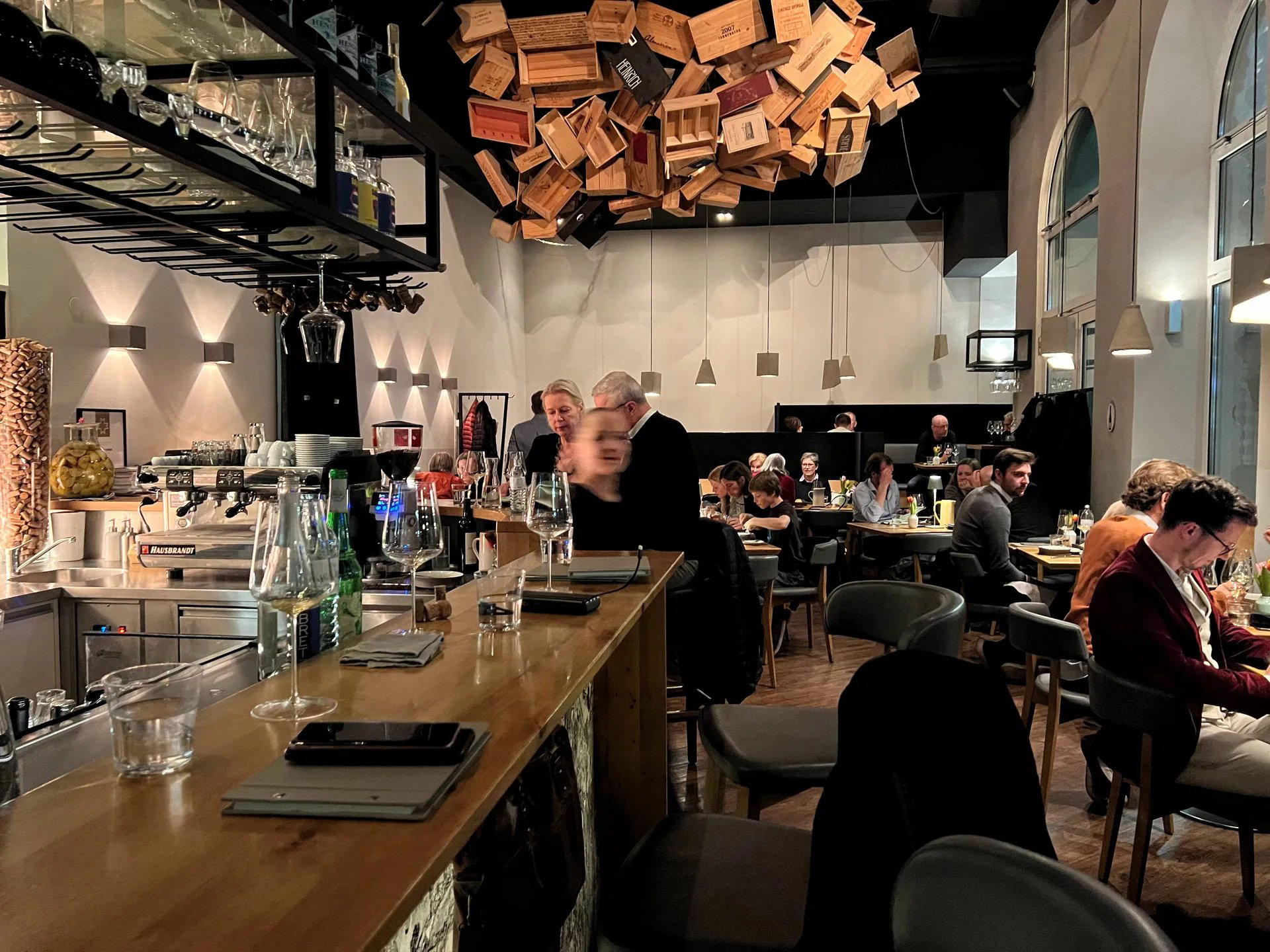
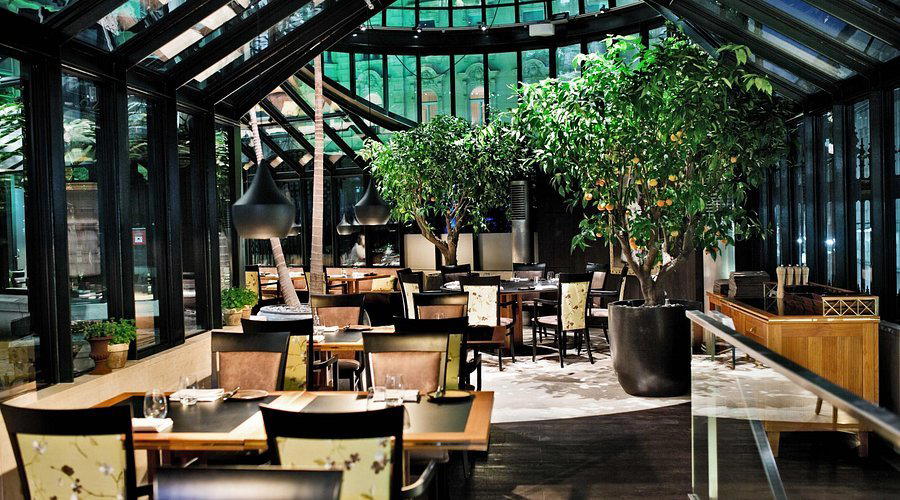
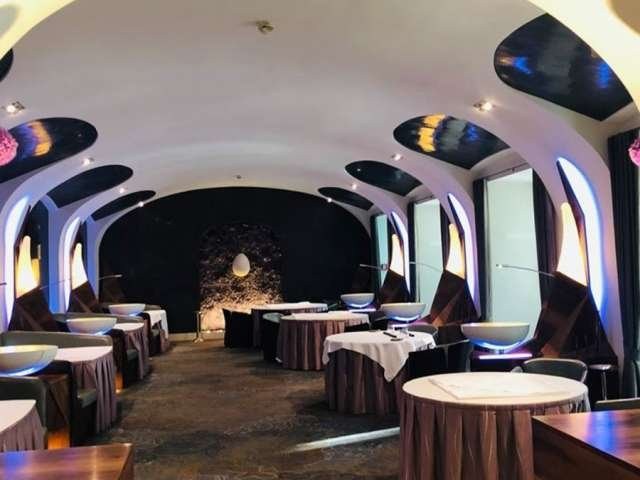
Bars in Vienna
Browse all →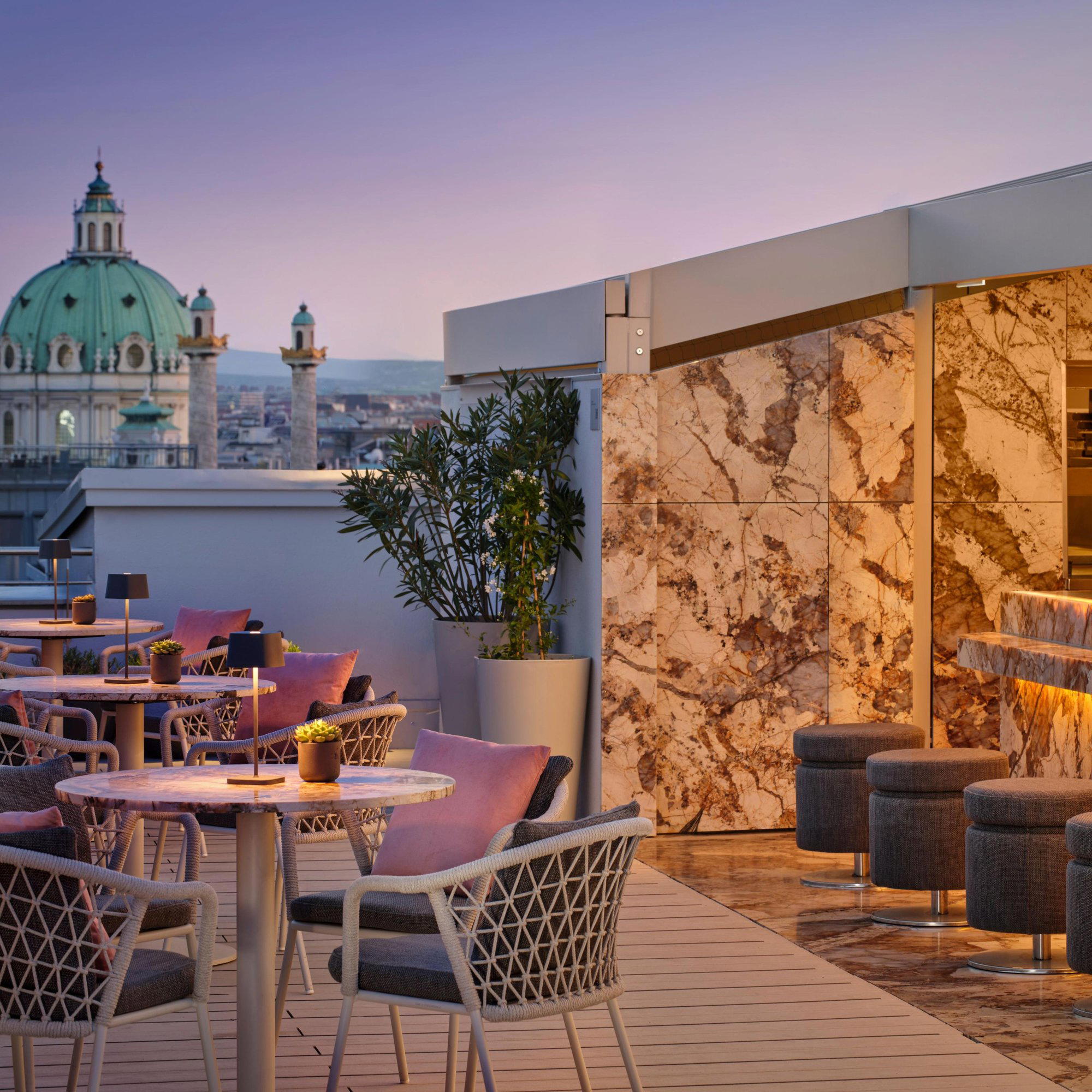

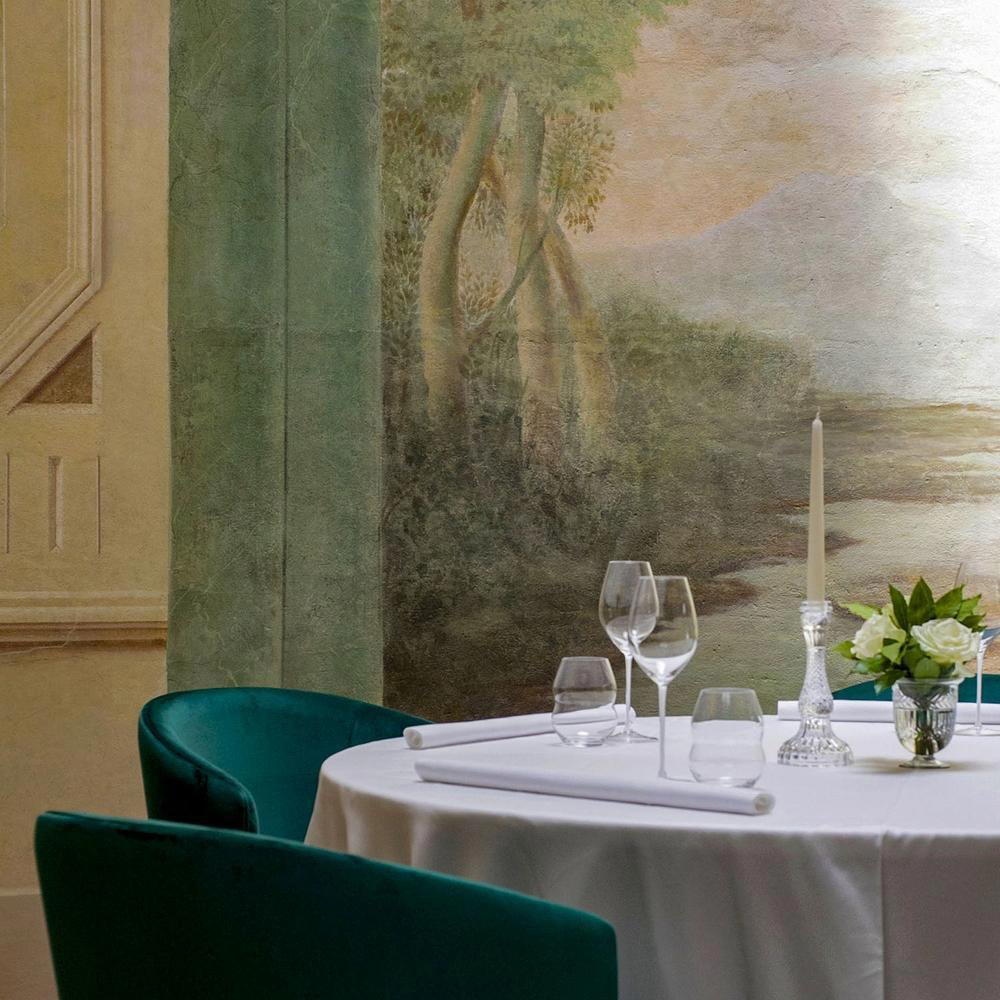
Hotels in Vienna
Browse all →
At a Glance
- Cozy
- Casual
- Casual Hangout
- Group Dining
- Family
- Private Event
- Terrace
- Private Dining
- Open Kitchen
- Local Sourcing
Current opening hours
- Monday
- 9 AM–12 AM
- Tuesday
- 9 AM–12 AM
- Wednesday
- 9 AM–12 AM
- Thursday
- 9 AM–12 AM
- Friday
- 9 AM–12 AM
- Saturday
- 9 AM–12 AM
- Sunday
- Closed
Hours can change for holidays and private events. Last verified .
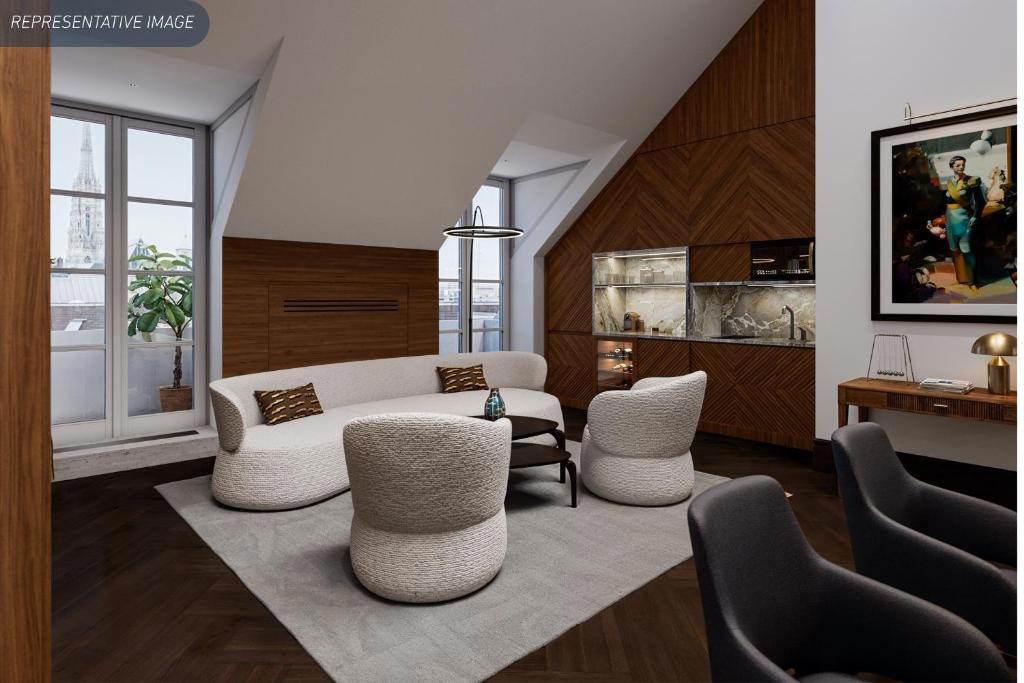
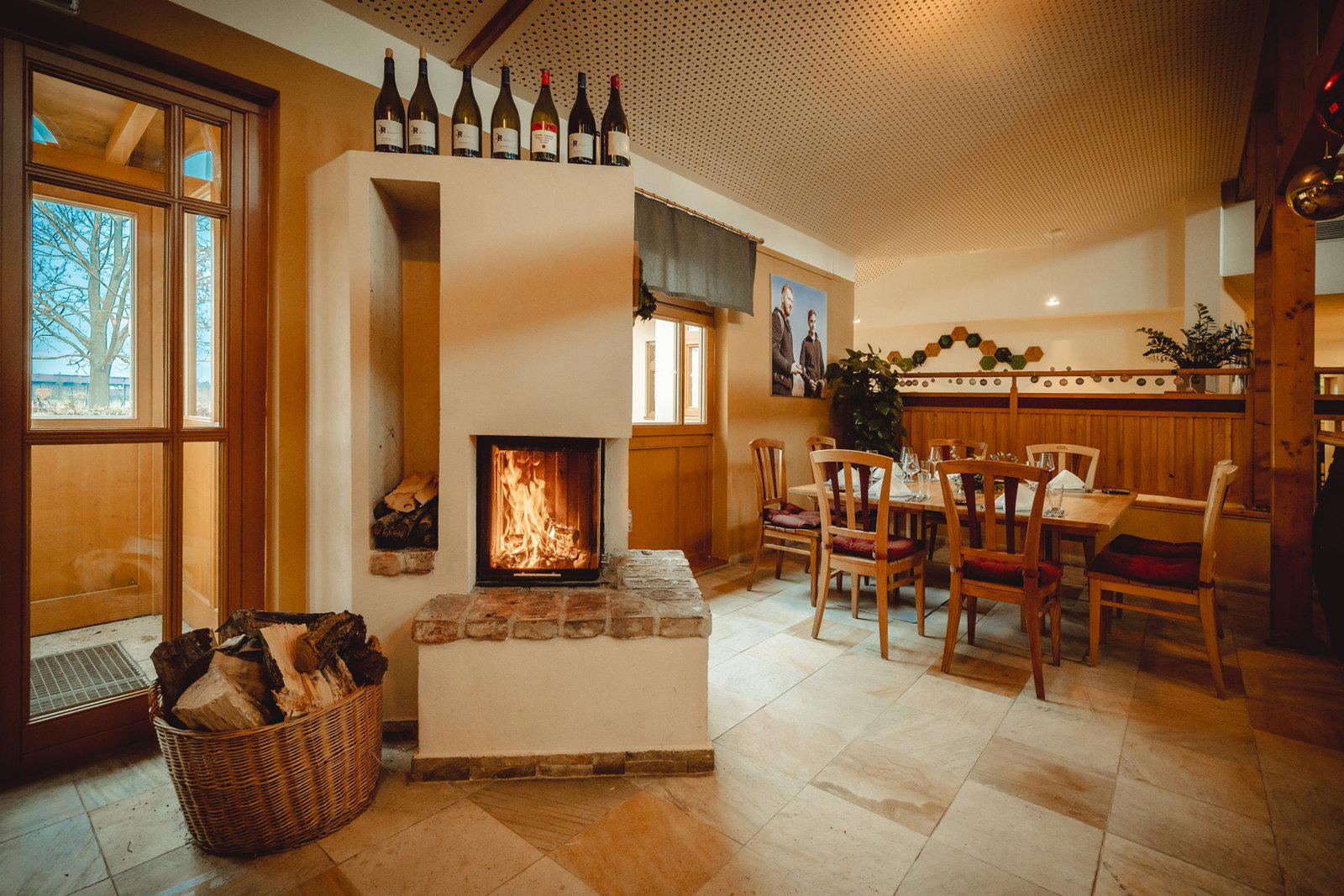
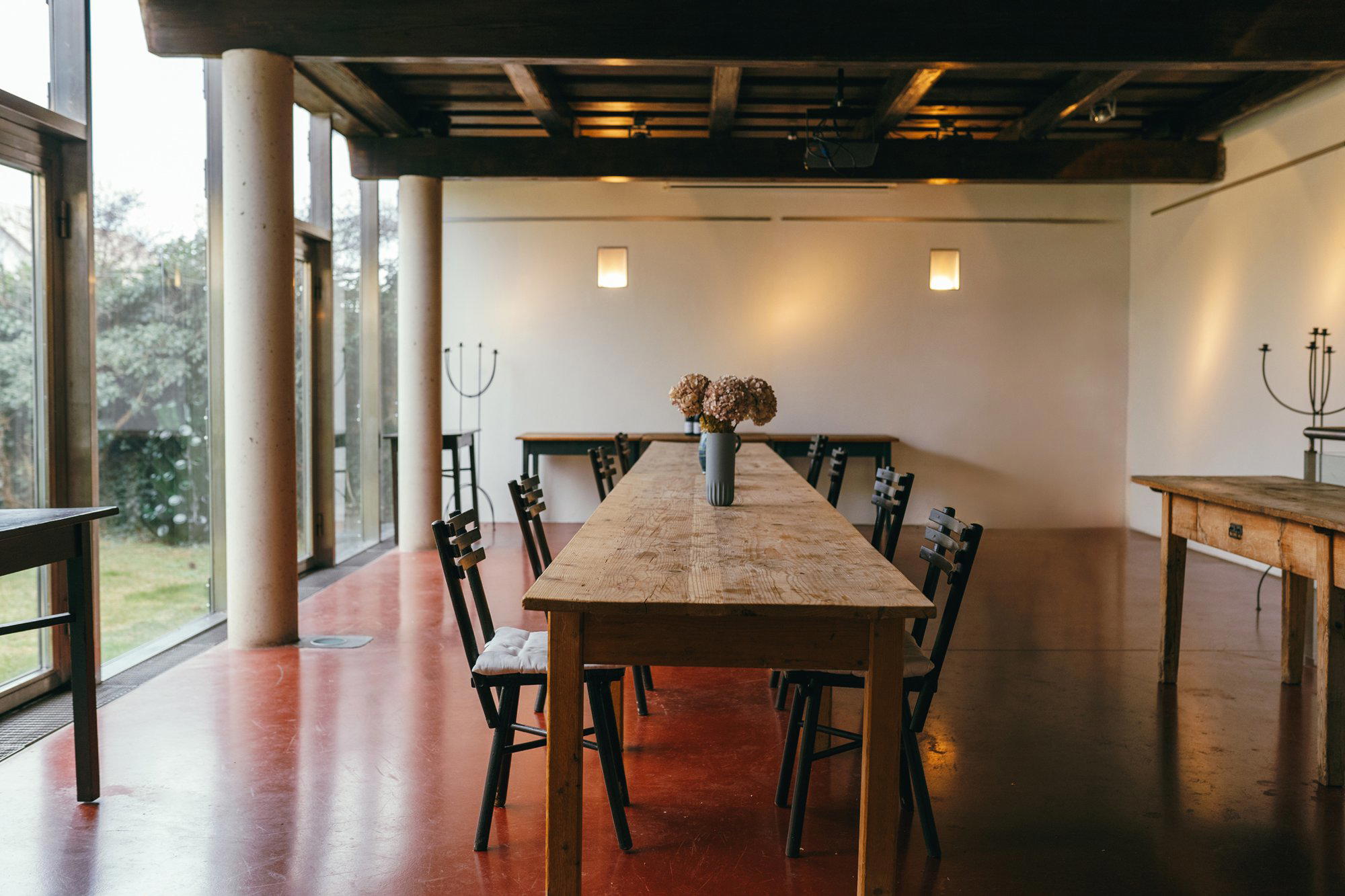
Modern, welcoming atmosphere with warm lighting; casual and relaxed with a neighborhood feel. Features a separate private dining space and outdoor garden seating for pleasant weather.