The Court occupies a significant address on Via Labicana, in the shadow of the Colosseum, placing it within one of Rome's most historically charged dining corridors. The setting frames a meal in a way few city-centre restaurants can match, where the weight of the surrounding archaeology shapes the pace and register of the experience. It belongs to a tier of Roman dining where context and craft operate together.
 Discover on Pearl
Pearl is the En Primeur Club membership app — saves, bookings, and concierge access live there. Same editors, same standards.
- Address
- Via Labicana, 125, 00184 Roma RM, Italy
- Phone
- +39669354581
- Website
- manfredihotels.com
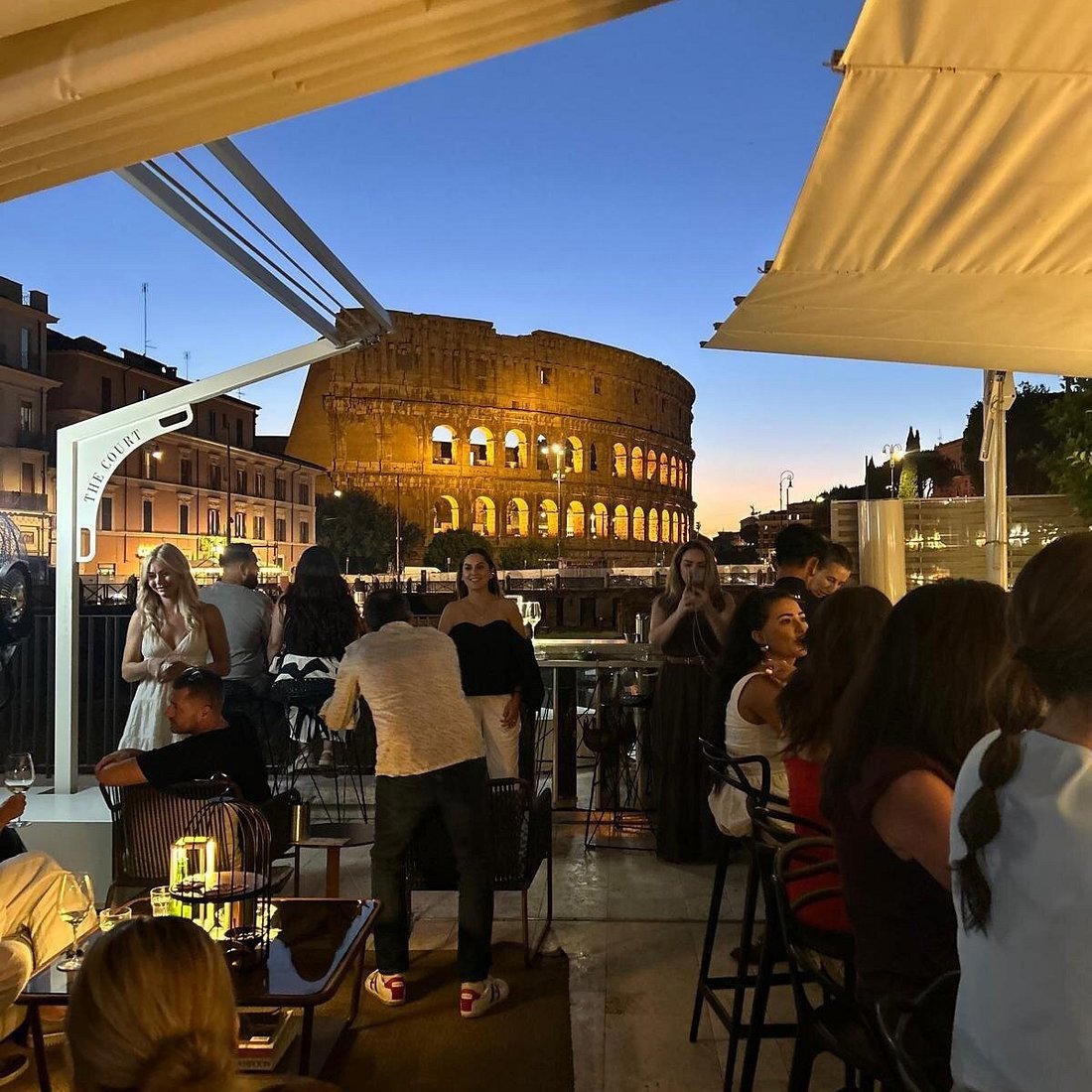
Dining in the Shadow of the Colosseum
Rome has always made geography do part of the work. The city's most serious dining rooms tend to occupy buildings that carry their own gravitational pull, where the walk to your table is already part of the experience. The address at Via Labicana, 125 places The Court in one of the capital's most historically dense corridors, within direct proximity of the Colosseum and the Colle Oppio parkland. In a city where location functions as a statement of intent, this particular stretch carries considerable weight.
The broader question for any restaurant operating in this zone is whether the surroundings become a distraction or a frame. At the premium end of Roman dining, where rooms like Il Pagliaccio and Enoteca La Torre have built their reputations on precision and restraint, the expectation is that setting and kitchen are in conversation rather than competition. The Court positions itself within that tension, in a neighbourhood that draws both serious diners and passing visitors, which places particular pressure on the quality and pacing of the meal itself.
The Ritual of the Roman Table
Italian dining at this register operates according to rhythms that differ from what most international visitors expect. The meal is not a transaction. It is a sequence with its own internal logic, where antipasti establish the register, the primi define the kitchen's relationship with pasta and grain, and the secondi declare something about the chef's point of view on protein and season. Pacing is an act of hospitality, not an accident of service. The leading rooms in Rome understand that a guest who is rushed through courses has been refused part of the experience.
This approach to sequencing connects The Court to a long tradition of serious Italian dining, from the multi-generational formality of Dal Pescatore in Runate to the more architecturally precise tasting formats at Le Calandre in Rubano. The underlying contract remains consistent: the kitchen sets the tempo, and the guest agrees to follow it. Restaurants near major monuments face the additional challenge of a transient clientele that may not arrive with that agreement already in place. The quality of service in rooms like this one is often measured by how effectively it brings those guests into the proper rhythm without condescension.
Rome's creative dining tier, which includes Acquolina and Achilli al Parlamento, has in recent years shown a consistent preference for menus that honour classical Italian structure while allowing contemporary technique at the detail level. Dishes reference the canon without reproducing it verbatim. For international visitors accustomed to the interruptive theatre of some modern tasting menus, this can read as quietly radical: the courses arrive with purpose, the wine service follows the food rather than preceding it for effect, and the room does not perform its own importance.
Rome at the Premium Tier: Where The Court Sits
The Court is a restaurant in Rome, Italy, serving Italian-inspired cocktail bar snacks at a premium price point. La Pergola occupies the apex with three Michelin stars and a view across the city that no ground-floor room can replicate. Below that, a cluster of recognised addresses at the €€€€ tier, including Enoteca La Torre and Il Pagliaccio, compete on the basis of culinary precision and the coherence of their respective editorial points of view. Further afield, Italy's most decorated rooms, among them Osteria Francescana in Modena, Piazza Duomo in Alba, and Enoteca Pinchiorri in Florence, set the benchmark against which Roman ambition is measured.
Via Labicana is not the traditional address for this tier. Rome's recognised fine dining concentration runs through the historic centre and the more residential neighbourhoods to the north and east. A room positioned this close to the Colosseum is making a bet that the location serves rather than undermines its ambitions, and that the quality of what arrives at the table is sufficient to hold the attention of guests who arrived, at least partly, for the view outside.
For context on how serious Italian kitchens in comparable positions have handled this tension, the experience at Reale in Castel di Sangro and Uliassi in Senigallia suggests that rooms in unusual settings can build durable reputations because they cannot rely on a pre-established neighbourhood credibility. They have to earn every visit. The Court occupies a version of that dynamic within Rome itself.
It is also worth reading Via Labicana against the Italian Alpine tradition represented by Atelier Moessmer Norbert Niederkofler in Brunico, or the coastal register of Quattro Passi in Marina del Cantone. Each of those rooms exists in a setting that defines part of its identity. The Colosseum does the same work for The Court, whether the kitchen chooses to acknowledge it or not.
For those assembling a broader Italian itinerary, Enrico Bartolini in Milan represents the northern urban register, while the Rome restaurants guide maps the capital's dining options across price points and neighbourhoods. Internationally, the structural discipline of the long tasting menu at Le Bernardin in New York City or the course-by-course choreography at Atomix in New York City provides a useful reference point for understanding how the finest rooms anywhere use pacing as a primary instrument of hospitality.
Know Before You Go
Address: Via Labicana, 125, 00184 Roma RM, Italy
Nearest landmark: The Colosseum, approximately 200 metres along Via Labicana from the Piazza del Colosseo junction.
Getting there: The Colosseo metro station (Line B) is the most direct public transport option for this address. Taxis and ride-hail services are readily available across central Rome.
Booking: Booking: Reservation recommended.
Ideal time to visit: Rome's premium dining rooms tend to be quietest at lunch on weekdays and busiest on Friday and Saturday evenings. The Via Labicana area draws higher foot traffic in the warmer months when the Colosseum visitor numbers peak.
Accolades, Compared
Comparable venues nearby, for context on price, style, and recognition.
| Venue | Cuisine | Price | Awards | Notes |
|---|---|---|---|---|
| The CourtThis venue — the venue you are viewing | Italian-Inspired Cocktail Bar Snacks | $$$$ | , | |
| J.K. Place Roma | Modern Italian | $$$$ | , | Campo Marzio |
| Osteria La Gensola | Traditional Roman & Sicilian Seafood | $$$ | , | Trastevere |
| Ops | Vegan Italian Buffet | $$$ | , | Salario |
| Vico Pizza&Wine Roma | Modern Neapolitan Pizza | $$$ | , | San Eustachio |
| Sora Lalla | Authentic Roman Trattoria | $$$ | , | Parione |
Continue exploring
More in Rome
Restaurants in Rome
Browse all →
Bars in Rome
Browse all →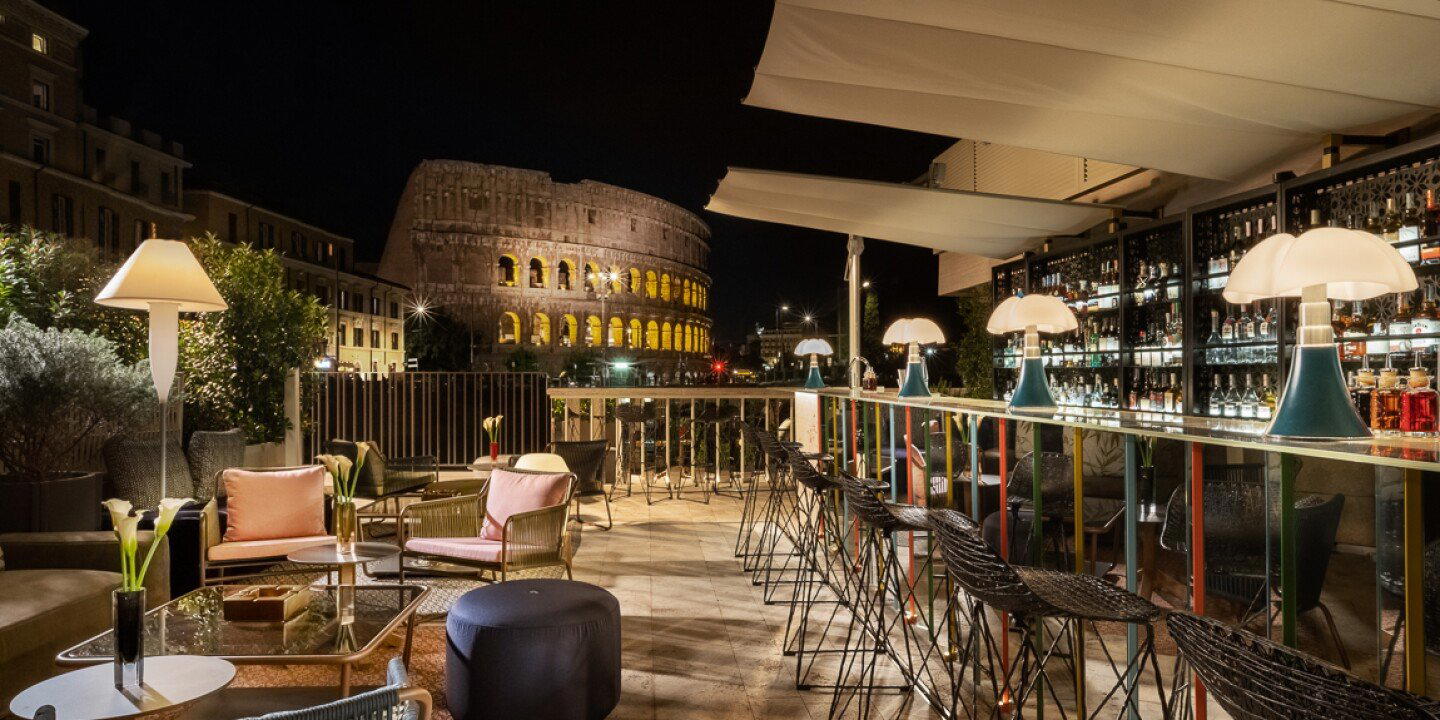
Hotels in Rome
Browse all →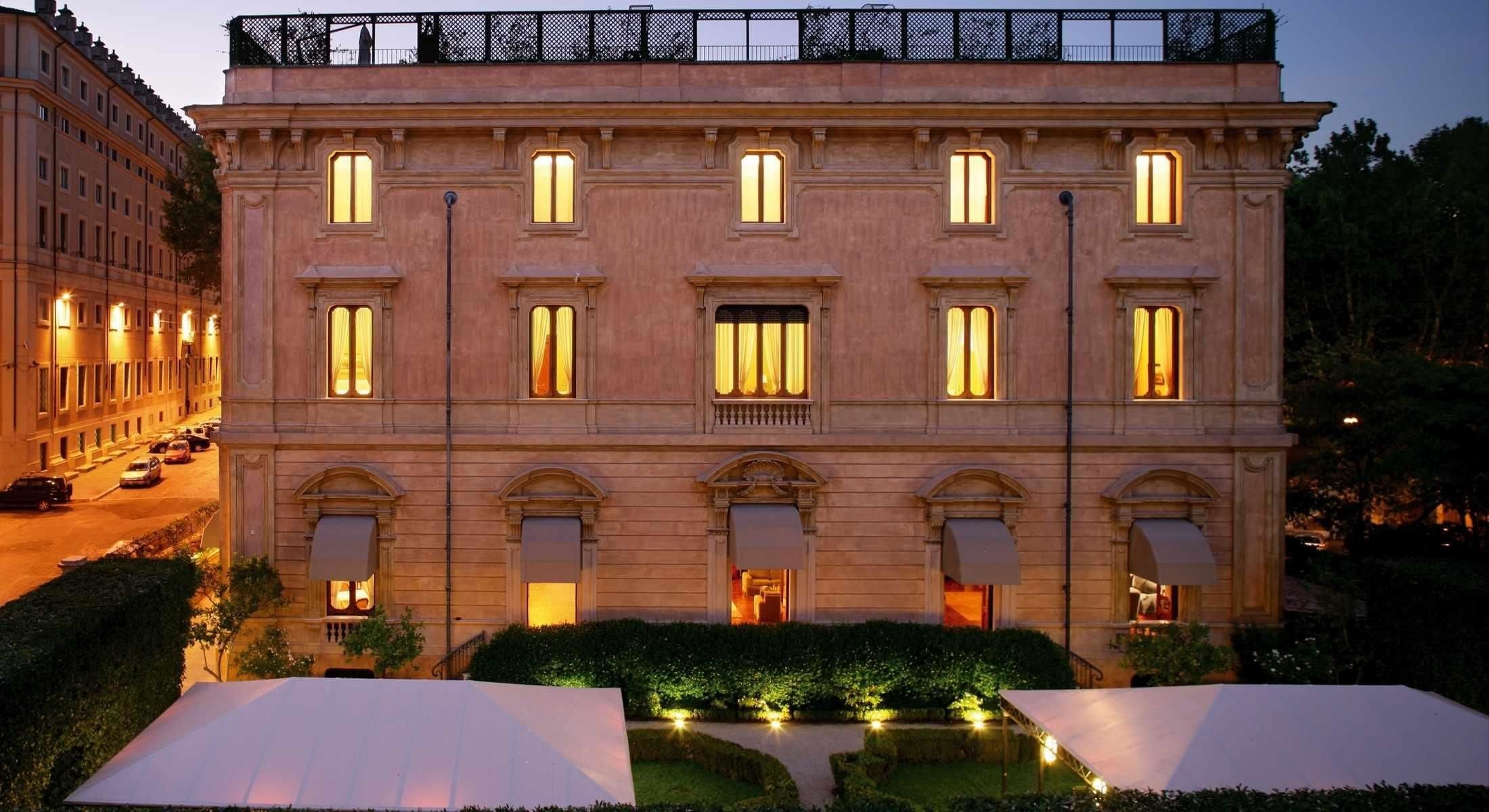
Wineries in Rome
Browse all →
At a Glance
- Elegant
- Sophisticated
- Intimate
- Scenic
- Date Night
- Special Occasion
- Rooftop
- Terrace
- Hotel Restaurant
- Historic Building
- Craft Cocktails
- Street Scene
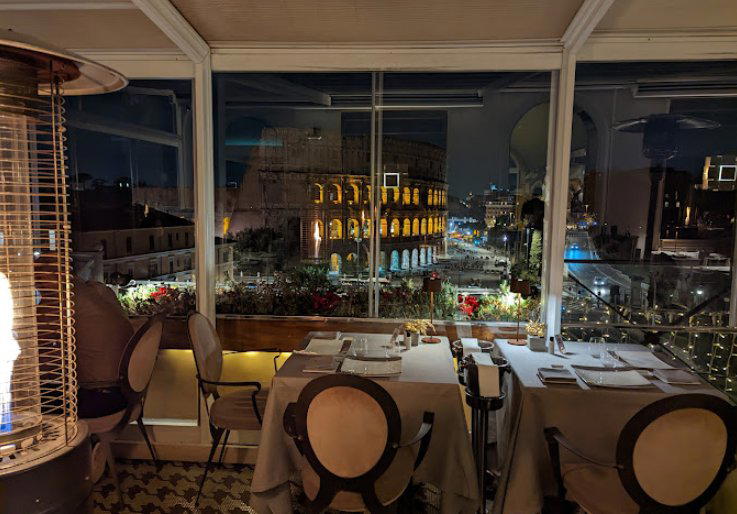
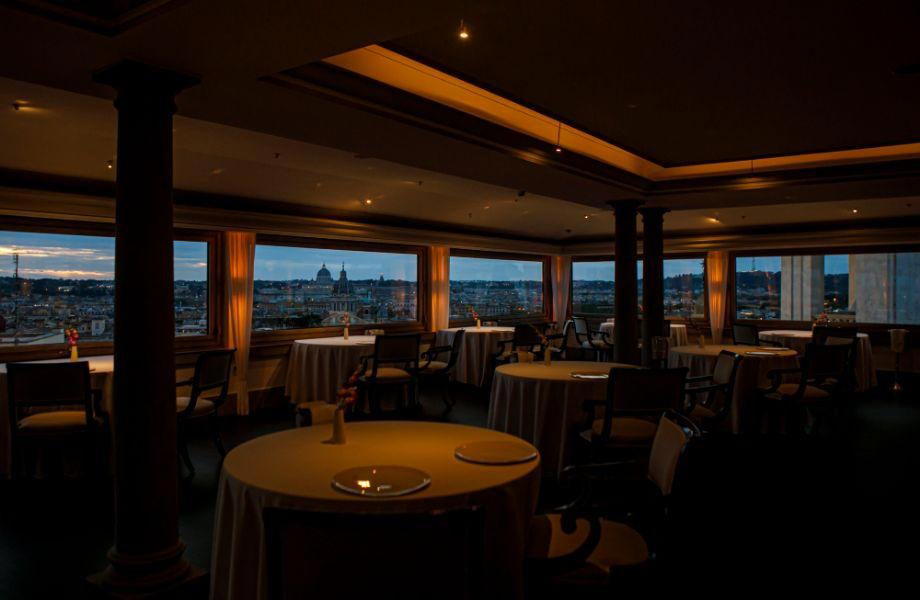
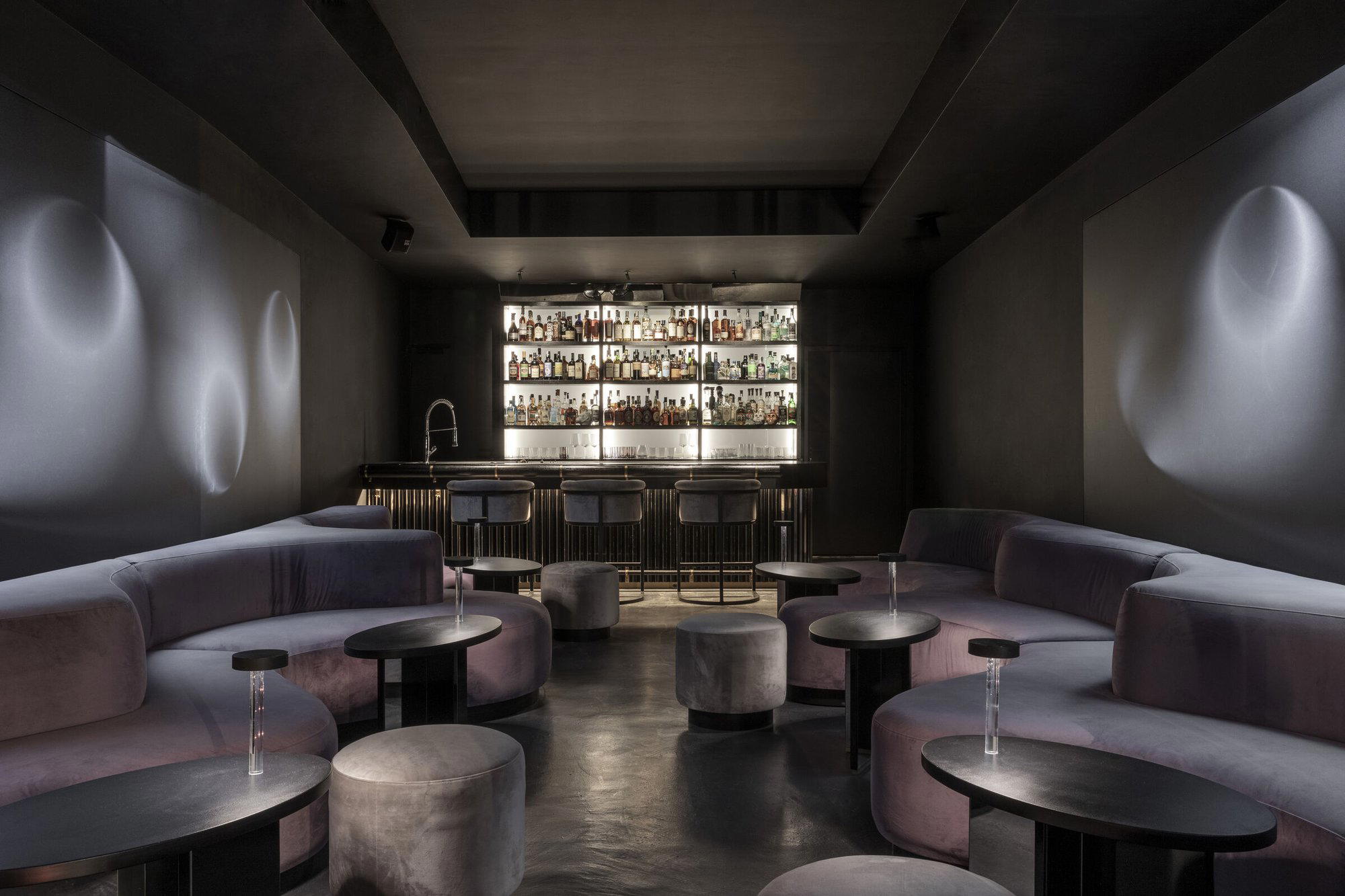
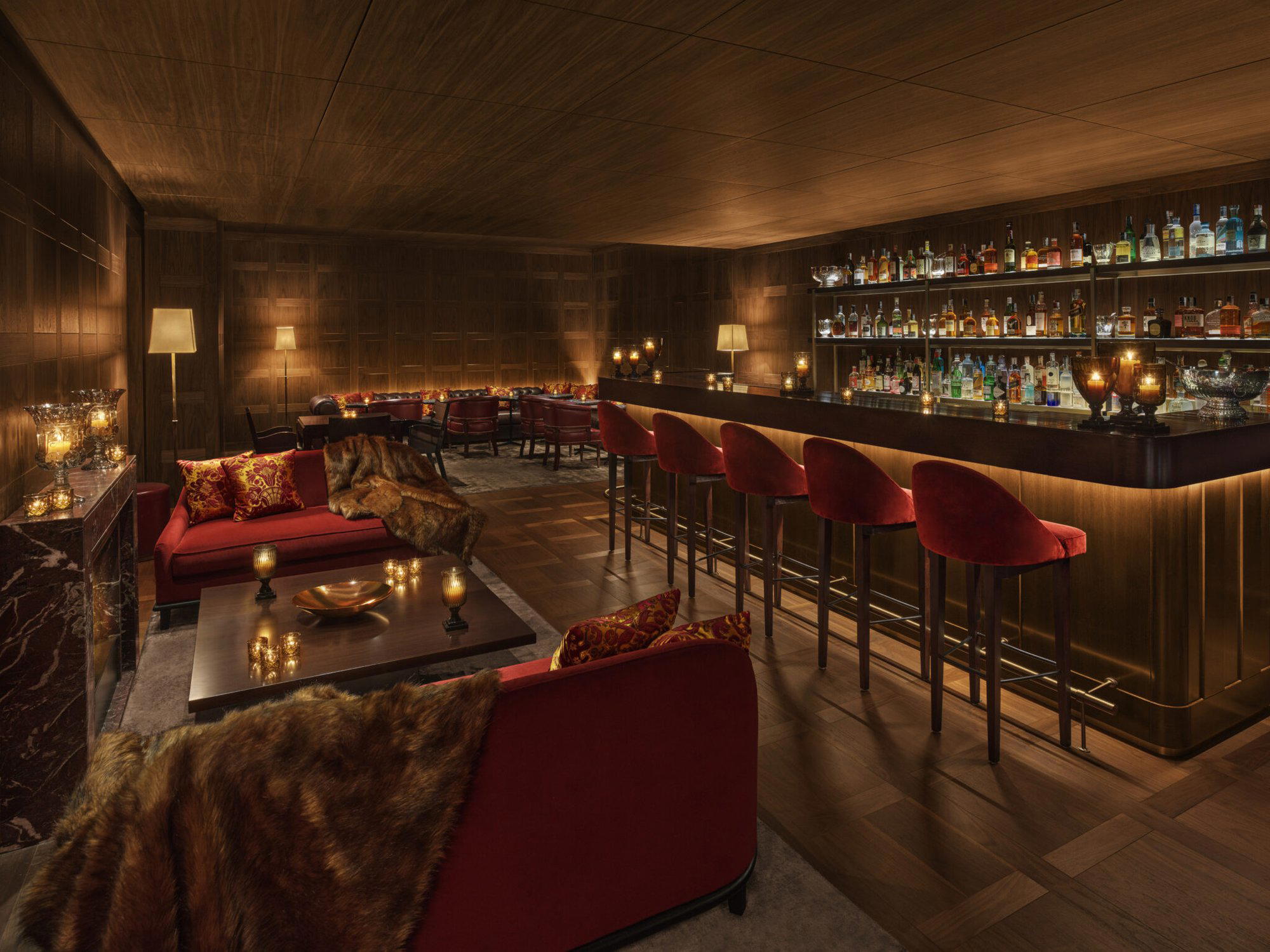
Intimate and sophisticated courtyard atmosphere with elegant lighting, high walls, and spectacular illuminated views of ancient Roman ruins.