On a quiet piazza in Trastevere, Osteria La Gensola has held its place as one of Rome's most serious addresses for seafood-driven Roman-Sicilian cooking. The room is intimate, the welcome unhurried, and the kitchen draws on southern Italian coastal tradition in a city where inland cucina romana tends to dominate. For visitors who know where to look, it represents a distinct counterpoint to the capital's meat-heavy trattorias.
Pearl is the En Primeur Club membership app — saves, bookings, and concierge access live there. Same editors, same standards.
- Address
- Piazza della Gensola, 15, 00153 Roma RM, Italy
- Phone
- +39 06 581 6312
- Website
- osterialagensola.it
- Directions
- Get directions
 Saves & bookings on Pearl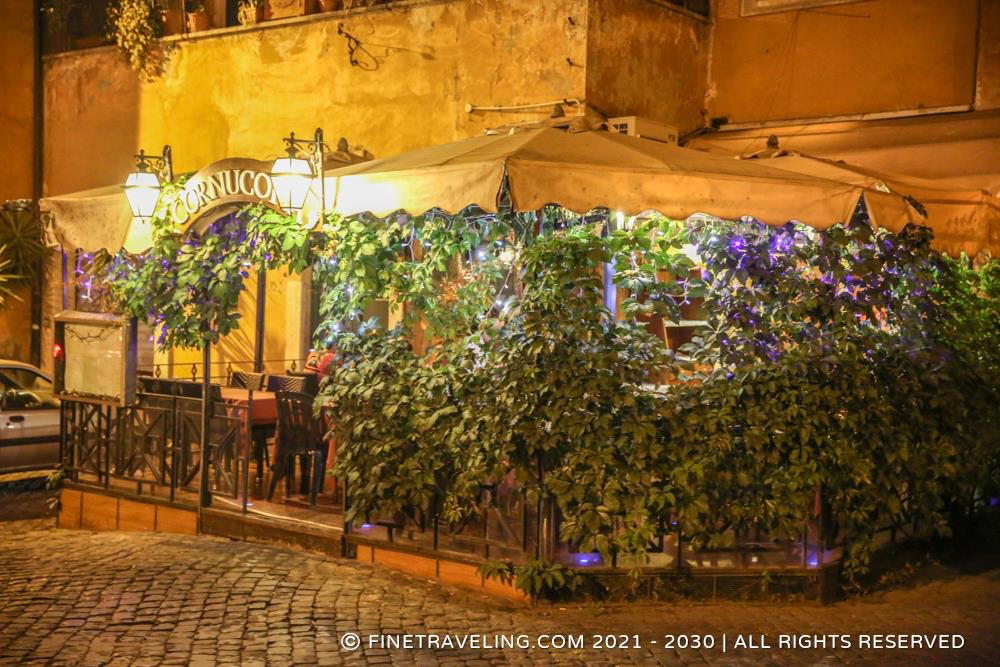
Trastevere and the Case for Seafood in a Meat City
Rome's dining identity is built on land, not sea. Cacio e pepe, coda alla vaccinara, rigatoni con la pajata: the canon is overwhelmingly pastoral and interior, rooted in the cucina povera of the Lazio countryside and the old abattoir district. Against that backdrop, a Roman osteria that orients its kitchen firmly toward fish and seafood occupies a specific and less crowded position. Osteria La Gensola, on a small piazza at the edge of Trastevere, has held that position for years, drawing on Sicilian coastal tradition to offer something that reads as genuinely different within the city's established dining patterns.
The choice of Trastevere as a neighbourhood matters here. The area sits across the Tiber from the historic centre and has long supported a denser, more residential dining culture than the tourist corridors around the Pantheon or Campo de' Fiori. Piazza della Gensola itself is the kind of address that doesn't announce itself: no illuminated signage, no pavement boards listing set menus in four languages. The piazza is quiet, the entrance low-key. That restraint sets the register for what follows inside. Visitors looking for Rome's more formal creative dining, including the tasting-menu formats at Il Pagliaccio or Enoteca La Torre, will find a different kind of seriousness here: a trattoria-osteria grammar rather than a fine-dining one, applied to ingredient-driven seafood cookery.
The Roman-Sicilian Tradition at the Table
Sicily's culinary influence on the Italian mainland is often underestimated in the popular conversation about Italian regional food. The island's cooking carries North African and Arab threads that distinguish it sharply from the rest of the peninsula: the use of sweet-and-sour agrodolce preparations, wild capers from the Aeolian islands, red mullet and swordfish treated with a directness that reflects proximity to open Mediterranean waters rather than the Adriatic's more delicate fish stocks. When that tradition migrates to a Roman setting, it produces a menu that sits apart from the city's more familiar coastal offering at beachside restaurants along the Lazio coast.
This is the cultural logic that gives Osteria La Gensola its particular coherence. The kitchen isn't attempting to reinterpret Roman seafood tradition, which is modest and largely grilled or fried in its ambitions. It's transplanting a Sicilian coastal sensibility into the capital, which means richer flavour profiles, more assertive use of citrus and dried fruit in savoury preparations, and a relationship with fish that goes beyond simple freshness into genuine regional specificity. For a city whose fish restaurants often trade primarily on ingredients sourced from the daily Pescheria market with minimal transformation in the kitchen, that distinction carries weight.
Italy's broader range of serious seafood restaurants, from Uliassi in Senigallia to Quattro Passi in Marina del Cantone, tends to concentrate on the coasts. Inland capitals rarely produce fish restaurants of comparable depth. That makes the Gensola model, building serious seafood cookery into the fabric of a Roman neighbourhood osteria, the more deliberate choice. For reference points further afield, the level of commitment to fish as a primary subject also resonates with what Le Bernardin in New York City represents in its own context: the decision to treat seafood as a complete culinary discipline rather than a category within a broader menu.
Where It Sits in Rome's Dining Order
Rome's restaurant tier operates across a wide range. At the formal end, La Pergola holds three Michelin stars and functions as the city's benchmark for classical haute cuisine. Creative addresses like Acquolina and Achilli al Parlamento occupy a different register, where the creative ambition is higher and the format more structured. Osteria La Gensola operates in the tier below those, in the company of serious neighbourhood restaurants where the cooking is accomplished and ingredient-led but the format remains that of the traditional Italian osteria: a wine list that reflects genuine interest, a room without ceremony, and dishes that follow seasonal availability rather than a fixed tasting architecture.
That tier is where Rome's most honest restaurant experiences still live. The osteria format has a long history in Italian dining culture, predating the modern restaurant category, and its defining characteristic is a relationship between kitchen and guest that assumes knowledge on both sides without requiring formal scaffolding around it. La Gensola operates within that assumption. The address is known to Romans who seek out Sicilian-influenced seafood specifically, rather than visitors working through a generalist list. That self-selection in its clientele is itself a signal about where the restaurant sits.
For context on what similar levels of regional specificity and culinary seriousness look like elsewhere in Italy, Dal Pescatore in Runate and Reale in Castel di Sangro represent how deep regional rootedness can go at the higher end of the Italian dining register. Piazza Duomo in Alba, Le Calandre in Rubano, Enrico Bartolini in Milan, Enoteca Pinchiorri in Florence, Osteria Francescana in Modena, and Atelier Moessmer Norbert Niederkofler in Brunico each illustrate how Italian regional identity functions as a culinary foundation at various price points and formats. La Gensola's contribution is making that argument within an unpretentious osteria format in the middle of Rome.
Planning a Visit
Osteria La Gensola sits at Piazza della Gensola 15, in Trastevere, a neighbourhood most easily reached on foot from the centre or by tram. The piazza is small and the restaurant modest in size, which means that availability on short notice, particularly on weekend evenings, is limited. Advance booking through the restaurant directly is advisable. The format is lunch and dinner in the osteria tradition, though the restaurant is open Mon: 12:30–3 PM, 7–11 PM; Tue: 12:30–3 PM, 7:30–11 PM; Wed: 12:30–3 PM, 7:30–11 PM; Thu: 12:30–3 PM, 7:30–11 PM; Fri: 12:30–3 PM, 7:30–11 PM; Sat: 12:30–3 PM, 7:30–11 PM; Sun: 12:30–3 PM, 7:30–11 PM. Given the neighbourhood's popularity and the restaurant's standing among Rome's more seafood-focused addresses, this is not a venue where walk-in prospects are reliable on a Friday or Saturday night.
Comparable Spots, Quickly
Comparable venues nearby, for context on price, style, and recognition.
| Venue | Cuisine | Price | Notes |
|---|---|---|---|
| Osteria La GensolaThis venue — the venue you are viewing | Traditional Roman & Sicilian Seafood | $$$ | Not listed |
| Romeo Chef & Baker | Modern Italian Bakery & Bistro | $$$ | Ripa |
| Dal Bolognese | Traditional Emilian | $$$ | Campo Marzio |
| Sora Lella | Traditional Roman Trattoria | $$$ | San Angelo |
| Osteria San Giorgio | Traditional Roman Osteria | $$$ | Testaccio |
| Il Cortile | Traditional Roman Trattoria | $$$ | Ludovisi |
Continue exploring
More in Rome
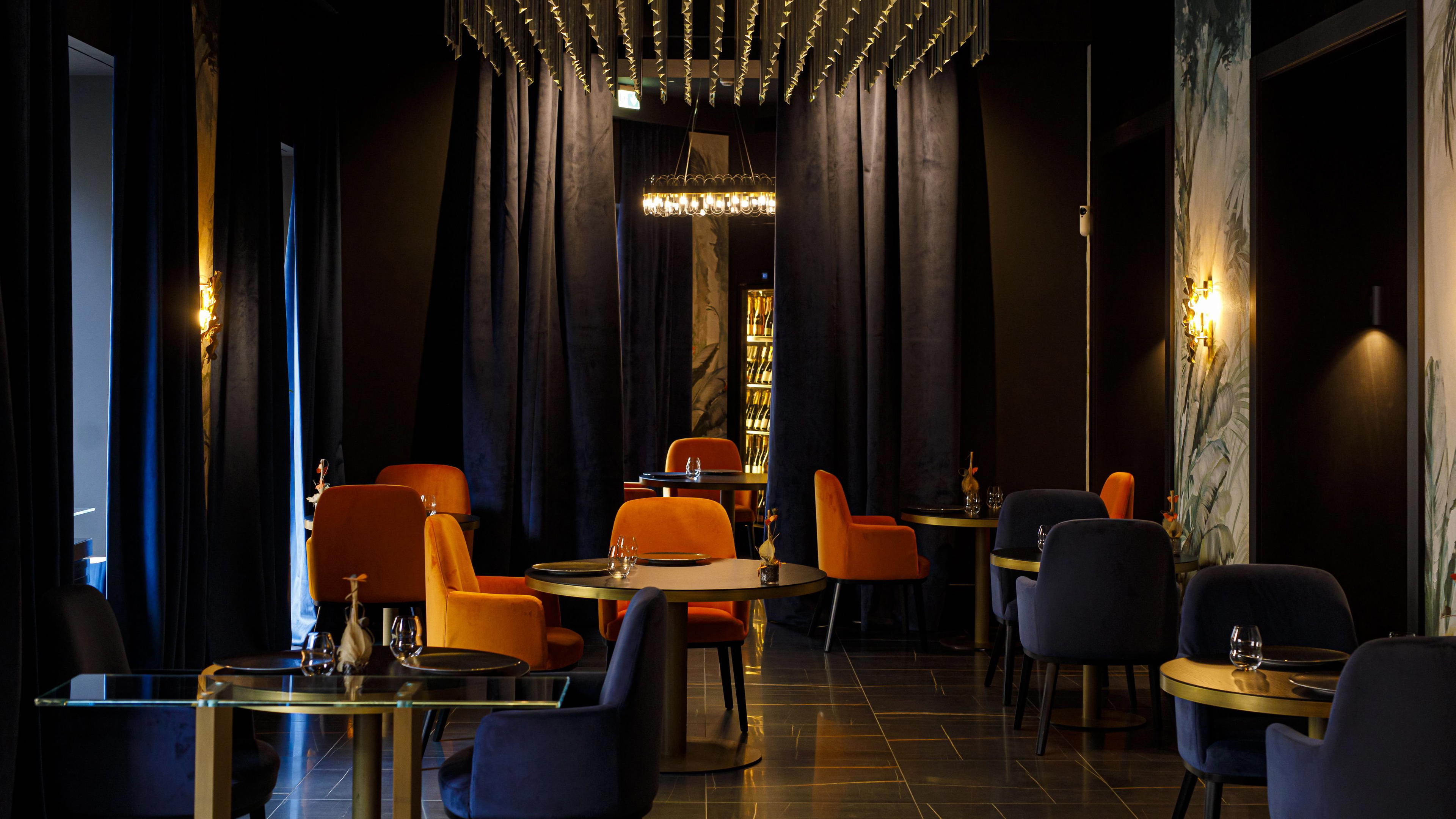
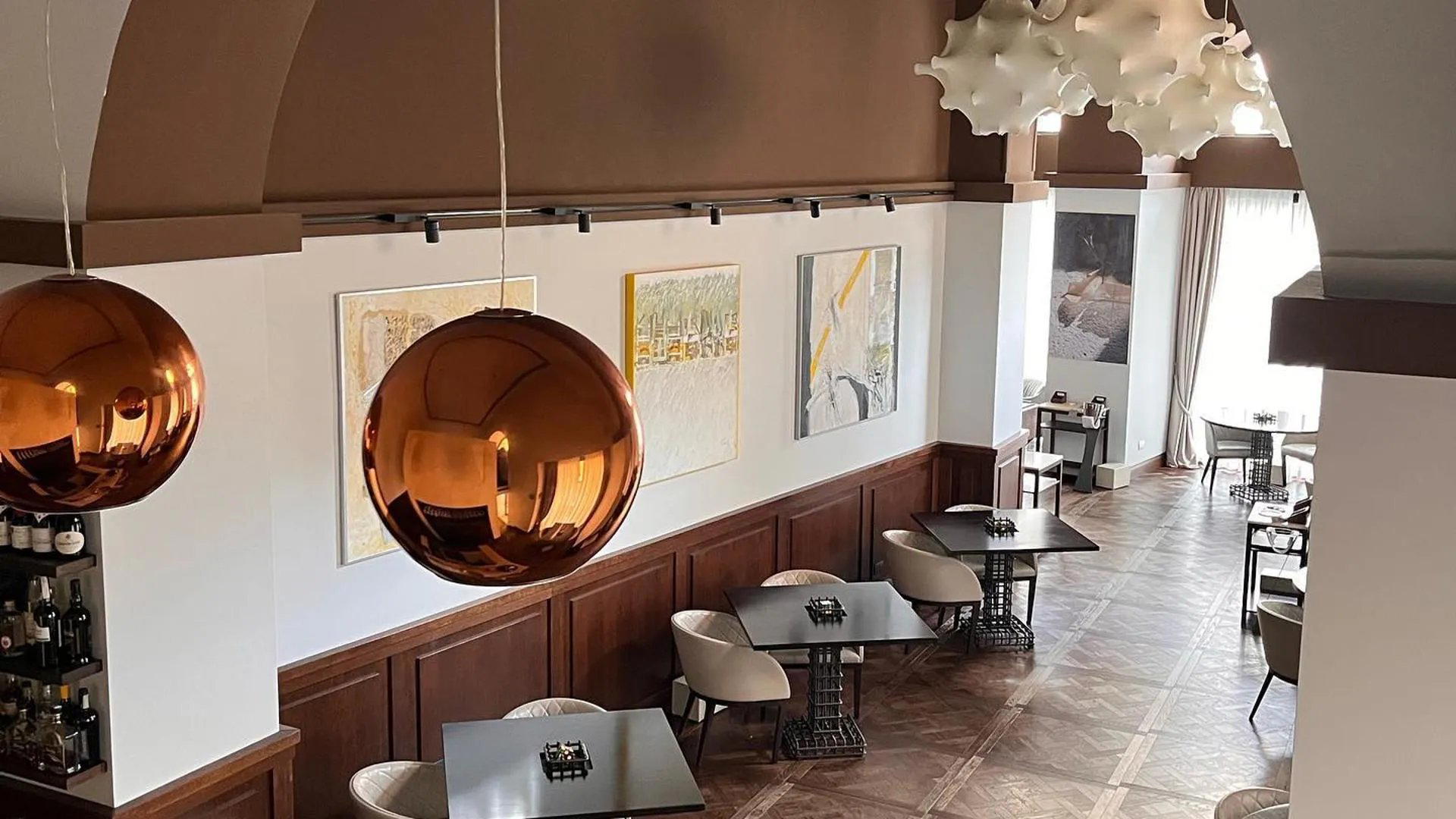
Restaurants in Rome
Browse all →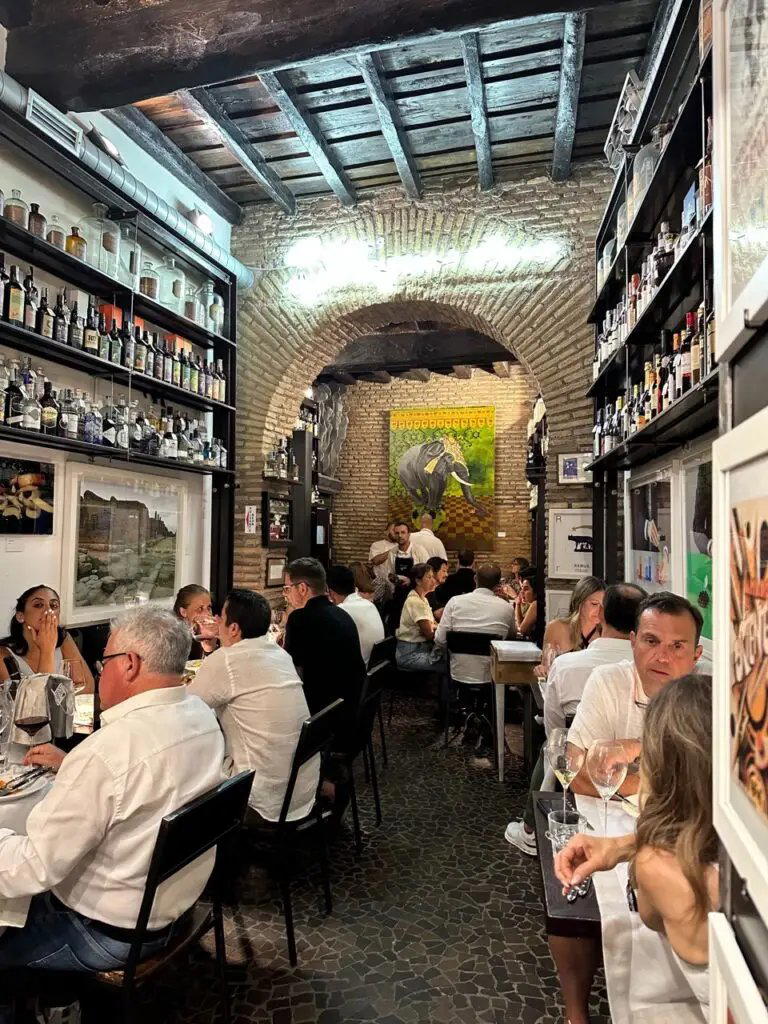
Bars in Rome
Browse all →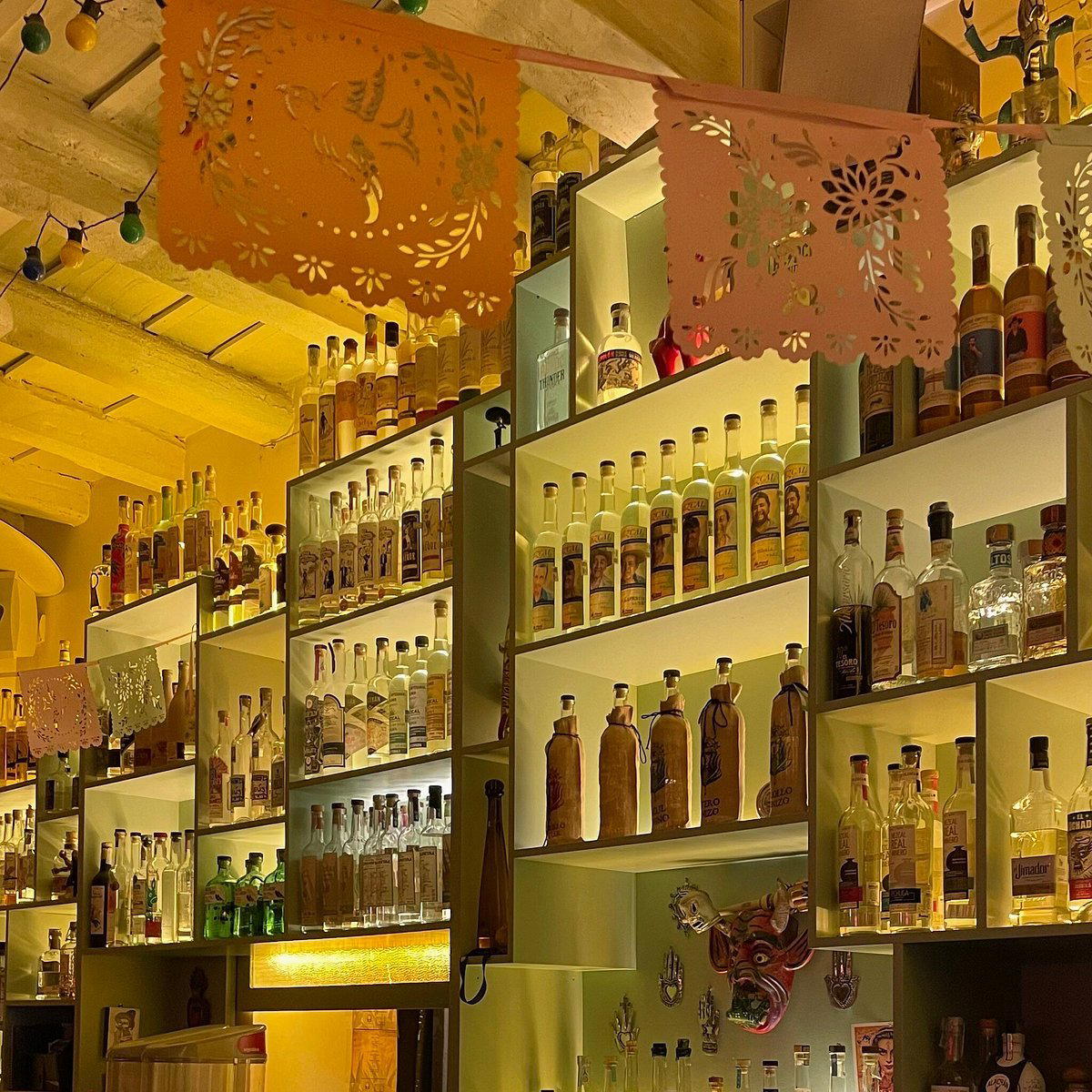
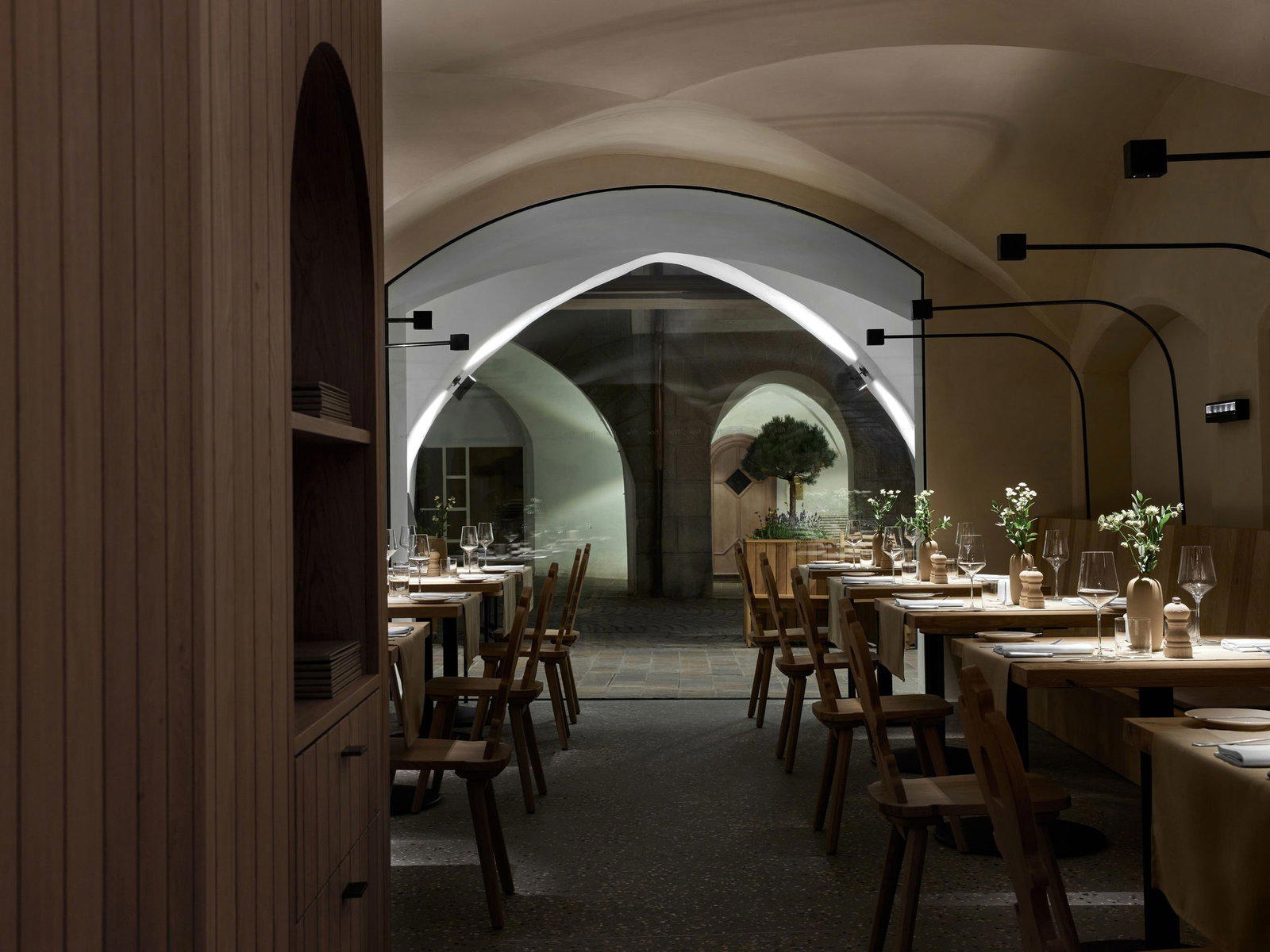
Hotels in Rome
Browse all →

At a Glance
- Cozy
- Rustic
- Intimate
- Classic
- Date Night
- Special Occasion
- Casual Hangout
- Historic Building
- Extensive Wine List
- Sustainable Seafood
- Street Scene
Current opening hours
- Monday
- 12:30–3 PM, 7–11 PM
- Tuesday
- 12:30–3 PM, 7:30–11 PM
- Wednesday
- 12:30–3 PM, 7:30–11 PM
- Thursday
- 12:30–3 PM, 7:30–11 PM
- Friday
- 12:30–3 PM, 7:30–11 PM
- Saturday
- 12:30–3 PM, 7:30–11 PM
- Sunday
- 12:30–3 PM, 7:30–11 PM
Hours can change for holidays and private events. Last verified .
Warm and welcoming with soft lighting, cozy decor, and a life-size wood-carved tree creating a homey Trastevere atmosphere.