
Setagaya’s lunch-box culture rarely appears in the same conversation as Tokyo’s counter restaurants, but this fish-focused bento specialist has earned a place on Tabelog’s Diner 100 for 2024 and 2026. Sumibi Yakisakana Bento Sumisawa is a small-format, counter-only address near Shoin Jinja Mae, suited to a low-key occasion where precision matters more than ceremony.
Pearl is the En Primeur Club membership app — saves, bookings, and concierge access live there. Same editors, same standards.
- Address
- 東京都世田谷区世田谷4-5-1
- Phone
- +81357994223
- Website
- sumisawa.com
 Saves & bookings on Pearl
Approaching the Setagaya end of Tokyo’s dining map changes the tempo. Luxury meals often announce themselves through hushed counters, appointment-only rooms, and long tasting menus; here the signal is more domestic and exacting. Charcoal-grilled fish in bento form follows another Japanese dining logic: calibrated heat, rice that must hold its own, and a meal designed for a short window rather than a long performance. That gives Sumibi Yakisakana Bento Sumisawa its interest. It treats the lunch box not as convenience food, but as a compact test of timing and restraint.
Tokyo has always made room for serious cooking at modest scale. Its hierarchy is not only omakase counters and kaiseki rooms; it also rewards specialists who narrow the field until the format becomes the point. A bento shop devoted to grilled fish sits outside the usual celebration template, yet it can suit a quieter milestone: a family lunch, a thoughtful takeaway before a train ride, or a low-pressure meal when the occasion calls for care without theatrical service. Its selection for Tabelog’s Diner 100 in 2024 and again in 2026 matters because that list recognizes everyday Japanese formats alongside formal dining rooms, placing shokudo culture and small specialists in the same critical frame as better-known restaurant categories.
Charcoal-grilled fish, compressed into bento discipline
Yakisakana is an old Japanese comfort, but the bento version asks a harder question: what survives the box? Grilled fish depends on skin, fat, seasoning, and residual heat, while rice and side dishes must support rather than crowd the main element. In Tokyo, the format is often practical food for office workers, commuters, and neighborhood regulars. At stronger addresses, practicality becomes discipline. The meal has to read clearly, travel briefly, and remain coherent without dining-room pacing.
That is why the category deserves attention from travelers who usually chase formal counters. A fish bento is not a substitute for a long meal; it is a separate measure of Japanese cooking. There is less room for flourish, and fewer chances to distract. Compared with a high-spend Japanese meal such as 124. KAGURAZAKA (Yakitori) or the more formal end represented by 12/10 Shinjuku ten, this format asks for a different judgment. The pleasure is not sequencing or luxury product; it is whether a narrow idea is executed with enough conviction to justify a detour.
The drinks note is revealing. Sake and shochu sit naturally beside grilled fish, not as collector’s pairing but as part of a broader Japanese grammar: smoke, salt, rice, and grain spirit. The point is not to turn a lunch box into a banquet. It is to recognize that even a compact meal can carry the structural thinking found in larger Japanese dining traditions.
Setagaya makes the occasion smaller, not less considered
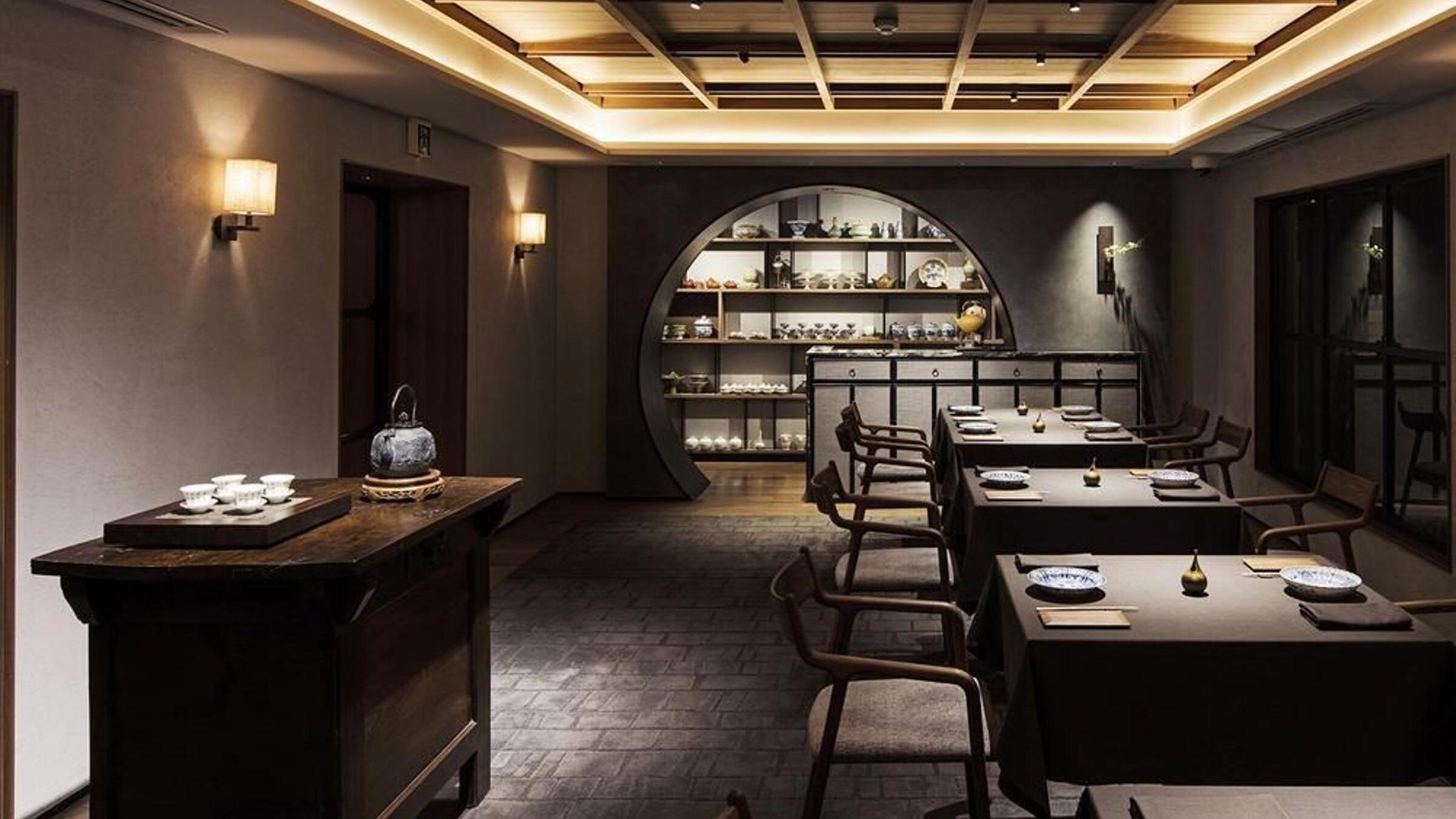
Setagaya is not Ginza, and that matters. Dining here often feels neighborhood-led rather than destination-staged, with local streets, tram-line rhythms, and small storefronts shaping the experience. Near Shoin Jinja Mae, the appeal is partly the absence of spectacle. A counter-only, five-seat format places the operation closer to Tokyo’s micro-specialist culture than to its grand restaurant economy. Capacity at that scale changes the decision: this is not for a large celebration, but it can work for a private-feeling meal around a small personal marker.
The price tier also shifts the emotional register. Tokyo’s special-occasion dining can move quickly into high five-figure yen territory, as with -Grilled beef Sukiyaki- KAMAKURA TANUKIAN 鎌倉 たぬき庵 in Kamakura or Setagaya peer Shouin Tsurumizu. This address operates in a much lower spend bracket, making it useful for a different travel day: a pause between museums and neighborhood walks, or a considered meal that does not dominate the itinerary. For readers mapping Tokyo by category, it belongs closer to the city’s serious casual specialists than to its ceremonial rooms.
That distinction helps build a Tokyo food itinerary. . 鮪と炭火焼き うお炭 秋葉原店 points toward charcoal and seafood in a more urban central setting, while 3 Chome no Curry Ya San shows how tightly focused comfort formats gain serious followings. 2D Cafe sits at the visual, novelty-driven end of casual Tokyo, and Sumibi Yakisakana Bento Sumisawa occupies the opposite pole: quiet, narrow, ingredient-led. For broader planning, Our full Tokyo restaurants guide gives the better frame than treating one meal as the whole story.
How to fit it into a Tokyo trip
This is a lunch-box address with take-out service, a small counter, non-smoking policy, and no private rooms, so use it precisely rather than expansively. It suits travelers who want a Setagaya stop built around local eating instead of a long seated lunch. The nearest station is Shoin Jinja Mae on the Tokyu Setagaya Line, making the visit feel more local than central Tokyo restaurant-hopping. Parking is unavailable, so rail or bus planning makes more sense than arriving by car.
For an occasion, think small. A couple marking a trip anniversary, a parent and adult child eating well without ceremony, or a solo traveler wanting a serious midday meal will understand the appeal faster than a group looking for a room, wine list, and long service arc. Reservations for bento are accepted by phone, in-store, and LINE, useful in a city where even modest formats can have tight daily limits. Payment flexibility is a practical advantage: major credit cards, transport IC cards, iD, QUICPay, and PayPay are accepted.
Tokyo’s wider food scene rewards this contrast. A traveler could build one day around Setagaya’s local scale, then move to more formal Japanese dining, bars, or hotel lounges elsewhere. For adjacent research, use Our full Tokyo hotels guide, Our full Tokyo bars guide, Our full Tokyo wineries guide, and Our full Tokyo experiences guide. Outside the city, casual-format specialists such as.cafe in Osaka.know in Kumamoto, (Shoku) Vietnam in Kawasaki, [Curry Senmon Ten] Maruyama Kyoju. in Sapporo, and [ki:] in Kyoto show how Japan’s smaller formats carry real editorial weight. For a North American comparison in Japanese casual drinking and rice-based formats, see Jōdo Saké Bar in Los Angeles and Onigiri Time in Pasadena.
A Minimal
Nearby venues at a similar price tier for orientation.
| Venue | Cuisine | Price | Notes |
|---|---|---|---|
| Sumibi Yakisakana Bento SumisawaThis venue — the venue you are viewing | Setagaya, Charcoal-Grilled Fish Bento | $ | Not listed |
| Kitchen Pan Chi | Not listed | $ | Meguro, Japanese yoshoku (Western-style comfort food) |
| Gekko Sabou | Not listed | $ | Shibuya, Japanese jazz kissaten & coffee shop |
| Tonjiru to Genmai no Mise Aoki Shokudo | Not listed | $ | Ōta, Japanese diner specializing in tonjiru and brown rice |
| Tsukesoba Kanda Katsumoto | Not listed | $ | Chiyoda, Tsukemen & ramen-style dipping noodles |
| Caligari Akihabara | Not listed | $ | Chiyoda, Japanese curry house specializing in coconut curry |
Recognition history
Dated appearances from independent guides and award organizations, with the underlying list record or original source where available.
Tabelog 100 #7 · No. 7
Tabelog · Tabelog 100 - Diner - 2026













At a Glance
- Cozy
- Solo
- After Work
- Casual Hangout
- Standalone
A small, simple counter shop with a relaxed, low-key neighborhood feel where the focus is on the aroma of charcoal-grilled fish rather than décor or background noise.