Our verdict
Ebisu Banh Mi Bakery brings Vietnamese sandwich culture to one of Tokyo's most cosmopolitan neighbourhoods, where imported techniques meet Japanese precision in bread and filling alike. The format slots into a wider daytime-dining shift across the city, where casual lunch counters now draw the same considered attention as evening tasting menus. A reference point for Tokyo's expanding Southeast Asian street-food register.

Pearl is the En Primeur Club membership app, where members save venues, book tables and use the concierge.
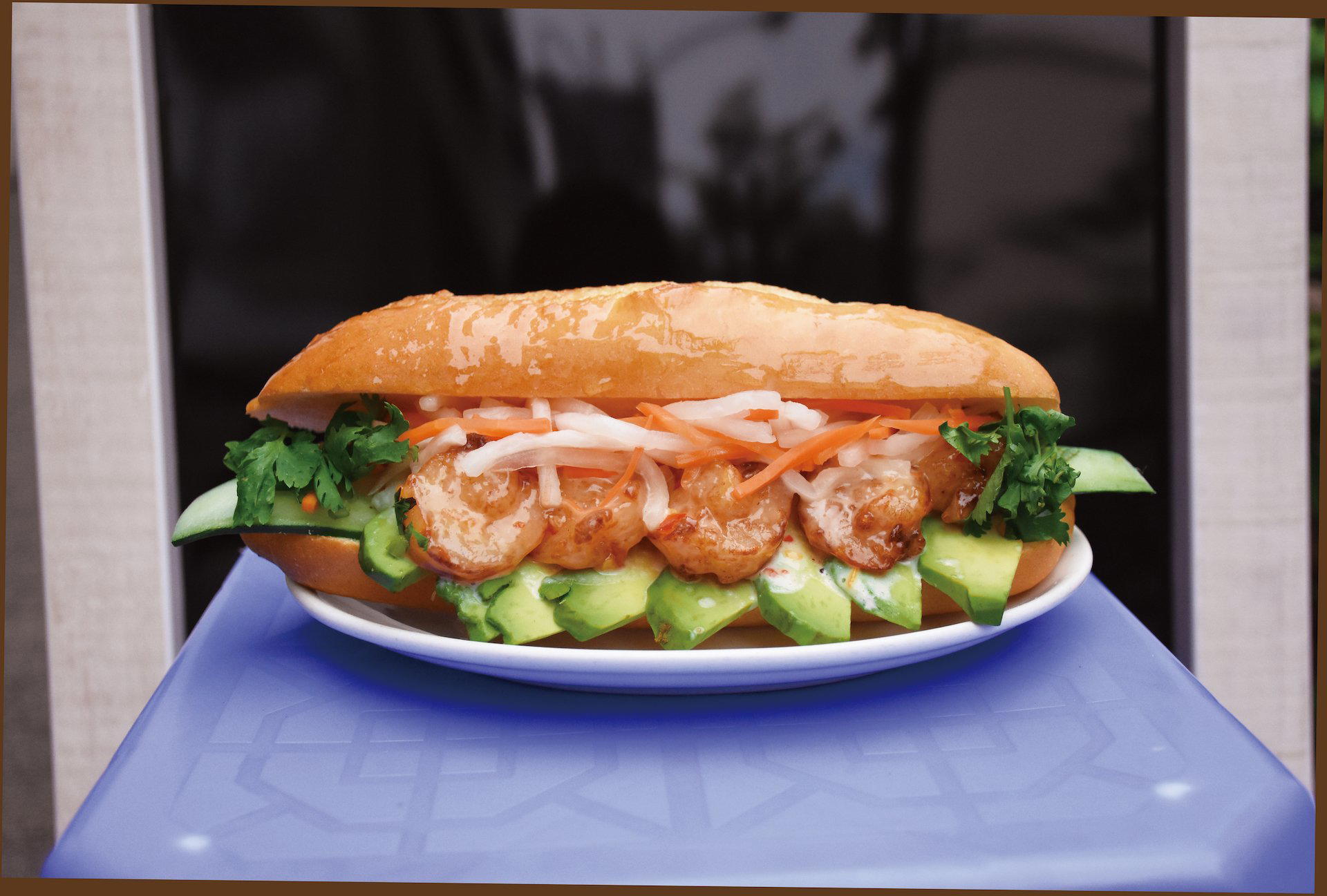
Where the Banh Mi Sits in Tokyo's Daytime Eating Scene
Tokyo's lunch culture operates on different terms than its dinner economy. The city's high-end evening programmes, the omakase counters at places like Harutaka, the kaiseki precision of RyuGin, or the French technique deployed at L'Effervescence, occupy a separate financial and ceremonial tier from what happens between noon and two. That gap has historically been filled by ramen shops, teishoku sets, and konbini loyalists. What has changed in the last several years is the arrival of a more considered casual format: imported street-food traditions, applied with the ingredient discipline and spatial neatness that Tokyo kitchens tend to impose on everything they adopt. The banh mi fits this pattern almost perfectly.
The Vietnamese bánh mì, a short baguette descended from French colonial bakery, filled with a layered combination of proteins, pickled vegetables, fresh herbs, and chilli, travels well across culinary contexts. Its architecture is already a fusion document: wheat bread baked lighter than a Parisian loaf, fillings that balance fat, acid, heat, and freshness in proportions that reward attention. In a city where bread culture has matured considerably over the past decade, and where Japanese bakers have become serious interpreters of European fermentation and crust technique, the banh mi finds receptive infrastructure.
Ebisu Banh Mi Bakery operates in Ebisu, the Shibuya-adjacent neighbourhood that sits a register above Shibuya's commercial noise without reaching the expense-account formality of Hiroo or Azabu-Juban. The area draws a working population with international exposure and enough lunchtime discretion to pay for quality over volume. That demographic context matters: it shapes what a neighbourhood bakery can charge, what it needs to demonstrate in its product, and how it competes for the midday hour against the soba shops and convenience stores that still dominate the district's foot traffic.
The Lunch-to-Evening Shift: What Changes and What Doesn't
In the banh mi format, the lunch-versus-dinner distinction is less about menu transformation and more about pace and ritual. A midday banh mi is a functional object, eaten standing or at a small counter, consumed in under fifteen minutes, valued for its speed-to-satisfaction ratio. The bread needs to hold structure under pressure from fillings without becoming a bread roll that chews like a club sandwich. The pickled daikon and carrot need enough acidity to cut through pâté or grilled meat. The coriander and sliced chilli need to be present at volume, not gesturally scattered.
Evening visits, where they exist in the banh mi context, shift toward slower consumption and sometimes broader menus, additional Vietnamese plates, drinks pairings, a more deliberate sitting. Tokyo has several Vietnamese restaurants that operate competently across both registers, from the tourist-facing Shinjuku cluster to the quieter spots in Nakameguro and Daikanyama. What Ebisu Banh Mi Bakery specifically proposes within that spread is less clear from public record, but the bakery framing suggests the bread itself is a lead product rather than an afterthought, a meaningful distinction in a category where many competitors source loaves externally.
For reference on how Tokyo's broader dining scene handles the day-to-evening transition at higher price points, the contrast is instructive. Sézanne runs a lunch service that represents better value per course than its dinner equivalent, a common pattern among the city's French houses. Crony operates a format where the evening tasting programme diverges significantly from its daytime offering. Casual formats like banh mi bakeries don't follow the same tasting-menu logic, but the underlying principle, that lunch and dinner serve different reader needs and reward different approaches, applies across price tiers.
Tokyo's Southeast Asian Street-Food Register
Japanese cities have long incorporated Vietnamese food into their dining mix, but the category has historically skewed toward pho-focused restaurants rather than sandwich specialists. The bánh mì as a standalone product, with bakery-level attention to the bread component, is a newer arrival in Tokyo's neighbourhood eating scene. It joins a broader pattern of imported street-food formats being reconsidered through Japanese production standards: the yakitori precision that informs how some shops handle grilled proteins, the fermentation knowledge that Japanese bakers bring to enriched dough, the sourcing habits that tend to push ingredient quality above what the price point might suggest.
This dynamic has parallels in other Japanese cities. HAJIME in Osaka represents the high end of that city's international culinary ambition, while Gion Sasaki in Kyoto shows how Japanese kitchens apply precision to their own traditions. At the casual register, Goh in Fukuoka operates in a city with deep ramen identity but growing appetite for format variety. Across these different cities and price tiers, the common thread is the same: Japanese dining culture tends to apply craft attention to whatever format it adopts, and that tends to raise the floor quality of even casual categories.
Internationally, the bánh mì has gained serious critical attention. In New York, Atomix represents how Korean culinary tradition achieves fine-dining recognition in a Western context, a comparable trajectory to what Vietnamese street food is working through in Tokyo's neighbourhood bakery tier. The comparison is structural rather than direct: both involve an Asian culinary tradition gaining precision-minded practitioners in contexts outside its origin.
Navigating Ebisu as a Dining Neighbourhood
Ebisu rewards the visitor who is done with Shibuya's crowd and not yet committed to an evening reservation. The walk from Ebisu Station's west exit covers a compact grid of restaurants, wine bars, and independent food shops within ten minutes. The neighbourhood's daytime eating options span multiple price points, from standing soba at minimal cost to sit-down lunch sets that approach dinner pricing at casual bistros. A banh mi bakery in this context competes for the productive lunch hour, where speed matters as much as quality and where repeat custom is built on consistency rather than occasion.
For broader Tokyo eating context, including how different neighbourhoods structure their dining offers across day and evening, our full Tokyo restaurants guide maps the city's current scene. Regional comparisons are available through akordu in Nara, a kaiseki reference in Nanao, and further afield through Bistro Ange in Toyohashi and Birdland in Sakai. For those extending this kind of street-food-meets-craft-bakery interest to other regions, a destination in Sapporo, one in Takashima, and another in Nishikawa Machi round out the regional picture. For transatlantic contrast on how casual formats operate inside sophisticated dining cities, Le Bernardin in New York represents the opposite end of that spectrum.
Planning Your Visit
As a daytime-oriented bakery format, walk-in is the presumed access method, but demand at peak lunch hours (12:00–13:30) in a working neighbourhood like Ebisu can mean short queues for popular items.
Frequently asked questions
How does Ebisu Banh Mi Bakery fit into Tokyo's broader Vietnamese food scene?
Tokyo's Vietnamese food category has historically been anchored by pho-focused restaurants rather than bread-led formats, making bánh mì bakeries a distinct and more recently established segment. Ebisu, as a neighbourhood that sits between Shibuya's density and Daikanyama's slower pace, provides a practical context for a daytime street-food operation. The bánh mì format's arrival in Japanese cities reflects a wider pattern of Southeast Asian culinary forms being reinterpreted through local ingredient and production standards.
What's the signature dish at Ebisu Banh Mi Bakery?
What the bánh mì format itself signals is a bread-centred Vietnamese sandwich tradition, a category that Tokyo kitchens, including those in Ebisu, have increasingly absorbed into a daytime eating register defined by Japanese production standards applied to imported street-food formats.
How far ahead should I plan for Ebisu Banh Mi Bakery?
Bánh mì bakeries in Tokyo's working neighbourhoods typically operate on a walk-in basis rather than advance reservations. The more relevant planning consideration is timing: popular daytime formats in areas like Ebisu often sell through their bread supply by early afternoon, so a morning or midday arrival is advisable over a late-lunch approach.
What's Ebisu Banh Mi Bakery best at?
The bakery sits inside Tokyo's growing category of imported street-food formats applied with Japanese production standards, a register distinct from the city's pho-led Vietnamese restaurant scene. That positioning, rather than any single dish, is the clearest way to frame what this kind of operation does consistently well: daytime, walk-in eating where bread quality carries the format.
City Peers
Comparable venues nearby, for context on price, style, and recognition.
| Venue | Cuisine | Price | Awards | Notes |
|---|---|---|---|---|
| Ebisu Banh Mi BakeryThis venue (the venue you are viewing) | Authentic Vietnamese Banh Mi | $1–10 | Not listed | Not listed |
| Phở Thìn Tokyo | Traditional Hanoi-style beef pho | $10–20 | Tabelog 100 #94 | Toshima |
| Mi Rei | Casual Vietnamese restaurant | $30–50 | Tabelog 100 #95 | Ōta |
| Japanese Spice Curry wacca | Japanese spice curry | $10–20 | Tabelog 100 #28 | Chūō |
| Mendokoro Honda Akihabara honten | Modern Tokyo Ramen & Tsukemen | $10–20 | Tabelog 100 #12 | Chiyoda |
| Taiyaki Wakaba | Traditional Japanese taiyaki & wagashi shop | $1–10 | Tabelog 100 #1 | Shinjuku |
Continue exploring
More in Tokyo
Restaurants in Tokyo
All restaurants in Tokyo →



Bars in Tokyo
All bars in Tokyo →



Details
- Cozy
- Casual Hangout
- A La Carte
- Vegetarian Friendly
Current opening hours
- Monday
- 11 AM–8 PM
- Tuesday
- 11 AM–8 PM
- Wednesday
- 11 AM–8 PM
- Thursday
- 11 AM–8 PM
- Friday
- 11 AM–8 PM
- Saturday
- 11 AM–8 PM
- Sunday
- 11 AM–8 PM
Hours can change for holidays and private events. Hours as of .
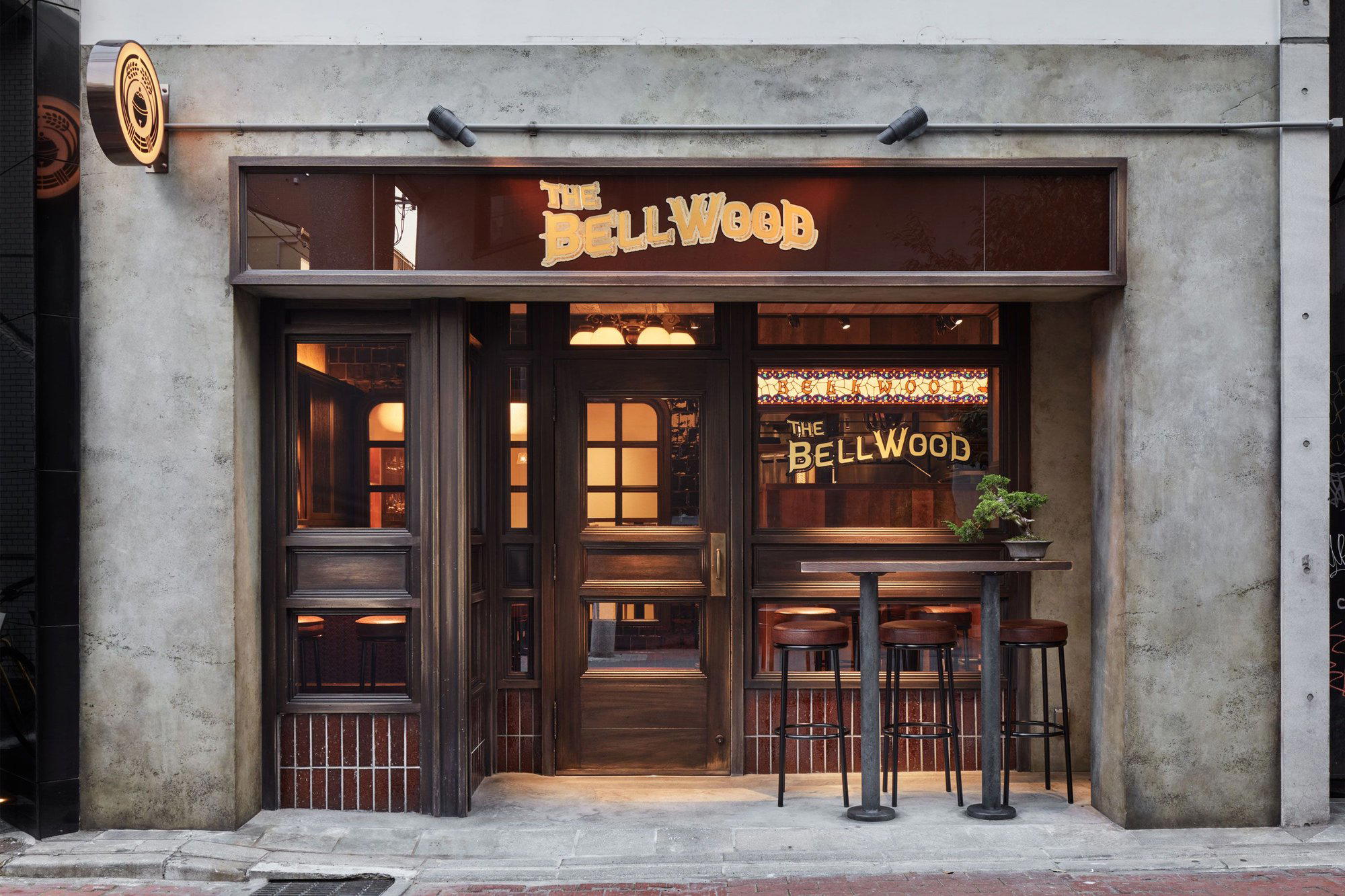
Casual takeout spot with a few outdoor chairs and simple, dingy interior focused on fresh sandwich preparation.