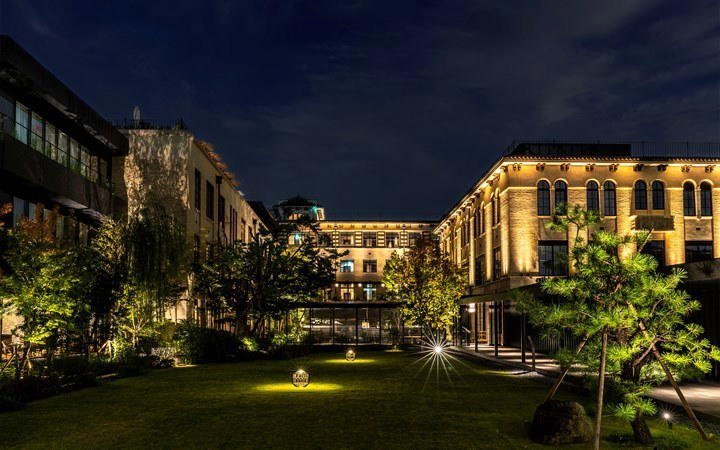
BAR RYOZEN sits on the second floor at Banyan Tree Higashiyama Kyoto, placing it in the quieter, hotel-led side of the city’s drinking culture rather than the late-night alley-bar circuit. With no public award, chef, price, or booking data in the EP Club record, it is best read through context: Higashiyama address, hotel setting, and Kyoto’s preference for careful service over spectacle.

Pearl is the En Primeur Club membership app — saves, bookings, and concierge access live there. Same editors, same standards.
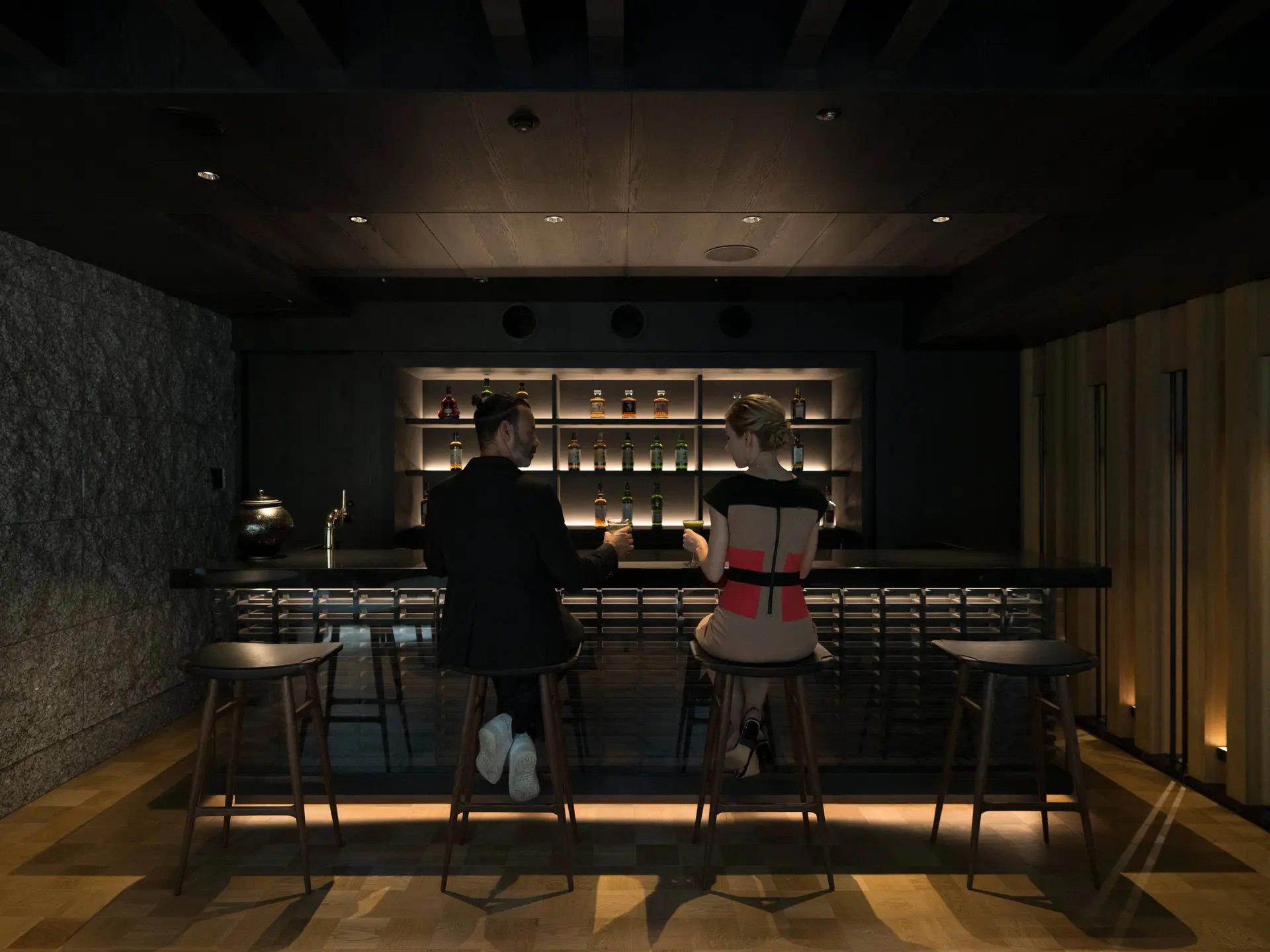
Higashiyama after dark, and the quieter side of Kyoto drinking
The approach to BAR RYOZEN is not the Kiyamachi version of Kyoto nightlife, with narrow staircases, neon, and a room that announces itself before the first drink. The address places it in Higashiyama Ward, inside Banyan Tree Higashiyama Kyoto and specifically on the second floor at Seikanji Ryozancho 7. That matters. In Kyoto, location shapes the drinking experience as much as the glassware: Higashiyama carries the weight of temples, old lanes, ryokan etiquette, and hotel dining rooms, while the city’s denser cocktail crawl tends to concentrate closer to Kawaramachi, Pontocho, and the streets around Sanjo.
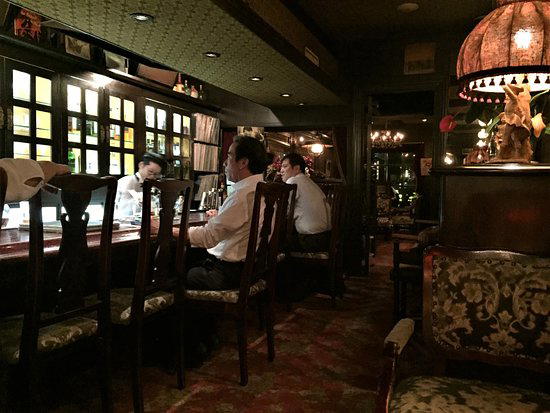
That physical context gives BAR RYOZEN a different editorial function from the city’s small independent cocktail bars. It belongs to the hotel-bar strand of Kyoto, where the audience is more likely to include guests moving between dinner and a nightcap than drinkers constructing an ambitious bar crawl across town. The back-bar angle is the useful lens here: hotel bars in Kyoto often work as curated spirits rooms, built less around theatrical speakeasy discovery and more around quiet selection, controlled service, and a setting that lets Japanese whisky, gin, shochu, and imported bottles do the talking.
Kyoto’s stronger bar culture rewards patience. It is not a city where every serious counter shouts its credentials online, and many rooms remain light on public-facing information. That can make research awkward for travellers used to published menus and booking widgets, but it also explains why the city’s drinking scene still feels more analog than Tokyo’s cocktail districts or Osaka’s late-night bar corridors. For comparison, Star Bar Ginza in Tokyo represents the capital’s precision-led cocktail canon, while Bar Nayuta in Osaka sits in a looser nocturnal city with a different tolerance for improvisation. Kyoto usually asks for lower volume, closer attention, and fewer assumptions.
The spirits-collection question in Kyoto
Kyoto’s bar identity is often misunderstood by visitors who arrive expecting either geisha-district romance or whisky-museum reverence. The more accurate picture is split. There are compact cocktail counters, hotel lounges, whisky rooms, listening bars, and newer concept bars that borrow from apothecary, craft, or design language. BAR RYOZEN falls into the hotel-linked side by address, and that category comes with expectations: a quieter room, a more controlled pace, and a spirits selection designed for an international guest base rather than a neighbourhood regulars-only rhythm.
The difficulty is that the public record is thin. EP Club’s venue data lists no awards, no phone number, no website, no hours, no seat count, no price range, and no named bar lead. That absence is not a flaw to decorate with guesswork. It is an editorial signal. In a city where many bars operate through reputation, hotel concierges, and direct local knowledge, a listing with sparse public data should be treated as a context-dependent choice rather than a claim-heavy destination. If the aim is a documented cocktail program with published accolades, Kyoto has other entries to compare first, including Bee's Knees, ALKAA, APOTHECA, and Bar CHIPPENDALE. If the aim is a hotel-based drink in Higashiyama, BAR RYOZEN enters the conversation for a different reason.
Where BAR RYOZEN fits against Kyoto's cocktail rooms
Kyoto does not behave like a single bar district. The city divides drinking by neighbourhood mood. Around central Kyoto, the night is denser, younger, and easier to stitch together on foot. In Higashiyama, the tempo drops. The district’s appeal comes from approach, silence, and the sense that the city is pulling away from retail glare. A second-floor hotel bar in this ward should be judged against that geography. It is less likely to be the first stop in a high-energy crawl and more likely to be the final room after a long dinner, a temple-heavy day, or a hotel check-in where the guest does not want another taxi across town.
That makes BAR RYOZEN a useful case study in Kyoto’s split between destination bars and situational bars. Destination bars justify a detour through documented recognition, a named bartender, a known format, scarce seating, or a published collection. Situational bars justify themselves by timing, address, mood, and friction removed from the evening. The address is precise, the city and ward are clear, and the setting is legible.
This is not a minor distinction for Kyoto travellers. It also changes the value calculation. Without a listed price range, the prudent assumption is not to guess a number but to treat it as a premium hotel-bar scenario and plan accordingly. Kyoto’s hotel bars can carry higher costs than independent neighbourhood counters because the bill often reflects setting, service model, and property economics as much as drink construction.
For travellers building a city-wide itinerary, the broader EP Club Kyoto coverage helps separate those peer sets. Food-led evenings belong in Our full Kyoto restaurants guide, while hotel selection changes how far a guest will want to move at night, which is why Our full Kyoto hotels guide matters for bar planning. Drinkers comparing Kyoto rooms should use Our full Kyoto bars guide as the anchor, then widen the trip with Our full Kyoto experiences guide or, for travellers mapping wine-adjacent detours, Our full Kyoto wineries guide. The point is not to overprogram the city. It is to avoid treating a Higashiyama hotel bar and a central Kyoto cocktail counter as interchangeable.
Reading the room without inventing the menu
The temptation with a sparsely documented bar is to fill the gaps with stock language: rare whisky, seasonal cocktails, polished service, a hidden atmosphere. That is precisely where Kyoto coverage goes wrong. A serious editorial page should say that plainly. The useful material comes from category analysis rather than invented sensory detail.
Kyoto’s hotel bars sit at the meeting point of Japanese service convention and international travel expectation. They often need to be legible to guests who may not speak Japanese, who may want a single drink rather than a full counter dialogue, and who may be returning from dinner in a district where late-night options thin out faster than in Tokyo or Osaka. That makes a hotel bar’s strength partly logistical. A known address inside a property can matter more than a viral drink photo when the evening is late, the weather turns, or the guest is staying east of the Kamo River.
There is also a cultural reason to value restraint here. Kyoto’s dining and drinking traditions tend to reward understatement, season, and ceremony, but those words are often misused as decoration. In bar terms, restraint should mean a drink program that does not force every glass to perform. It should mean a spirits list organized with intent, service that understands when to explain and when to let the room stay quiet, and a setting that supports conversation rather than volume.
International comparisons sharpen the point. Café La Trova in Miami operates in a city where music, Cuban bar culture, and visible hospitality carry the evening. Kyoto’s stronger rooms usually work in the opposite direction: fewer gestures, lower decibel levels, and a sense that the drink should arrive without narrative excess. That difference is why travellers should resist importing nightlife expectations from louder cities. In Higashiyama, a bar can be useful because it reduces the evening to pace, bottle, and setting.
Planning a visit in Higashiyama
BAR RYOZEN’s listed address is Japan, 〒605-0861 Kyoto, Higashiyama Ward, Seikanji Ryozancho, 7, Banyan Tree Higashiyama Kyoto, 2F. That means planning should be conservative. Guests staying at the property should confirm access and hours directly with the hotel before building the evening around it. Guests staying elsewhere should avoid assuming walk-in availability, especially because Kyoto hotel bars may adjust access around house guests, private events, or service schedules that are not visible in a public listing.
The strongest use case is as a Higashiyama nightcap or a controlled first drink before a nearby dinner, rather than as the anchor for an ambitious cross-city drinking route. The ward’s geography rewards slower movement, and taxis can be the practical choice when moving between eastern Kyoto and central bar districts late in the evening. A central Kyoto alternative from the city bar guide gives the evening flexibility if the room is full, closed, or limited to hotel guests at the time of arrival.
Dress expectations are not listed, so the safest reading is hotel-bar smart casual rather than late-night counter casual. That does not mean formalwear; it means avoiding the assumption that Kyoto’s bar informality applies equally inside a premium hotel property. Price is also unlisted, and the address argues for a premium-category mindset. Serious travellers do not need an exact number to plan well. They need to know which cost tier they are entering, and a second-floor bar inside Banyan Tree Higashiyama Kyoto is not competing with inexpensive standing bars or casual highballs near the station.
Continue exploring
More in Kyoto
Bars in Kyoto
All bars in Kyoto →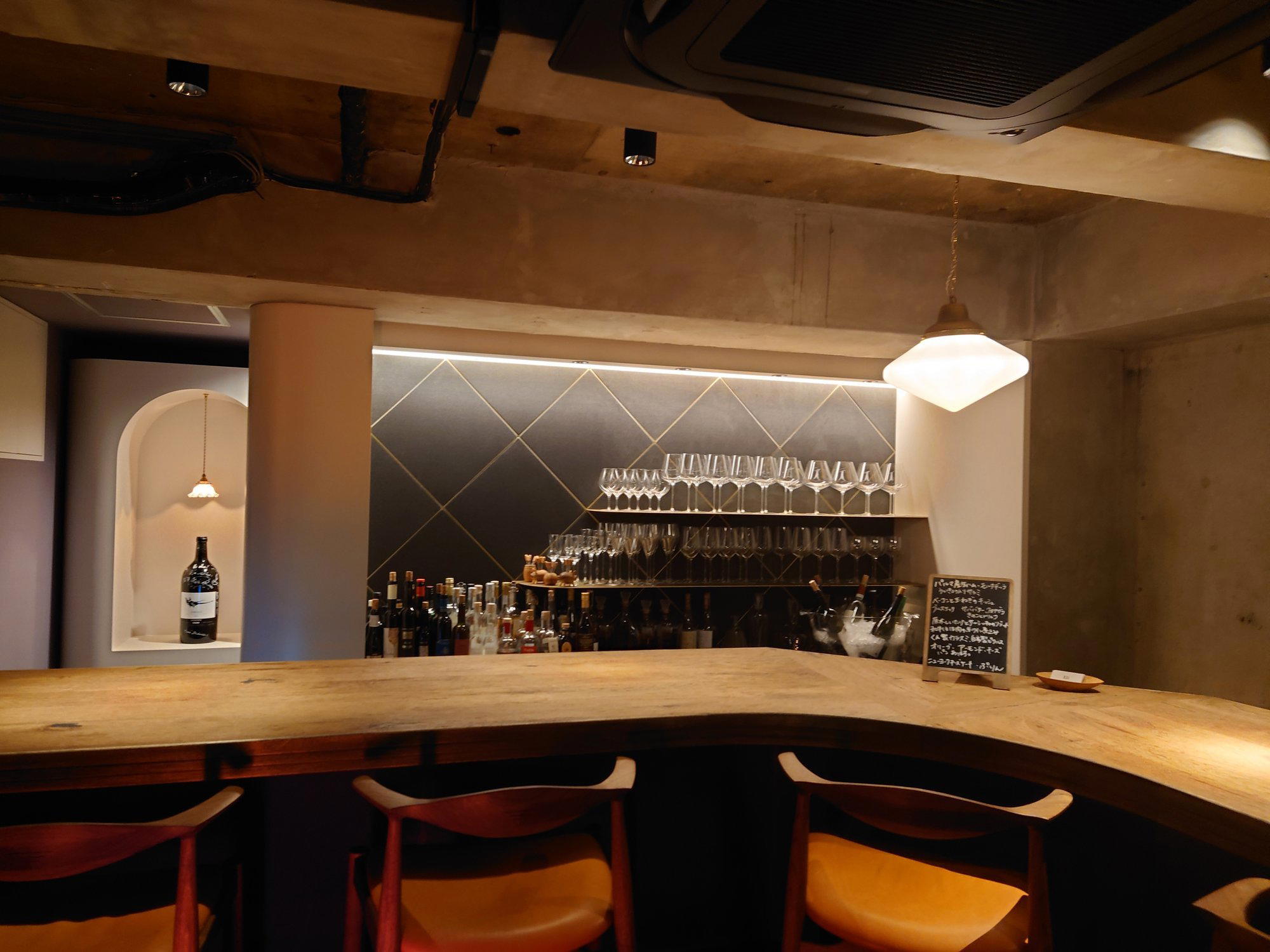
Restaurants in Kyoto
All restaurants in Kyoto →
Hotels in Kyoto
All hotels in Kyoto →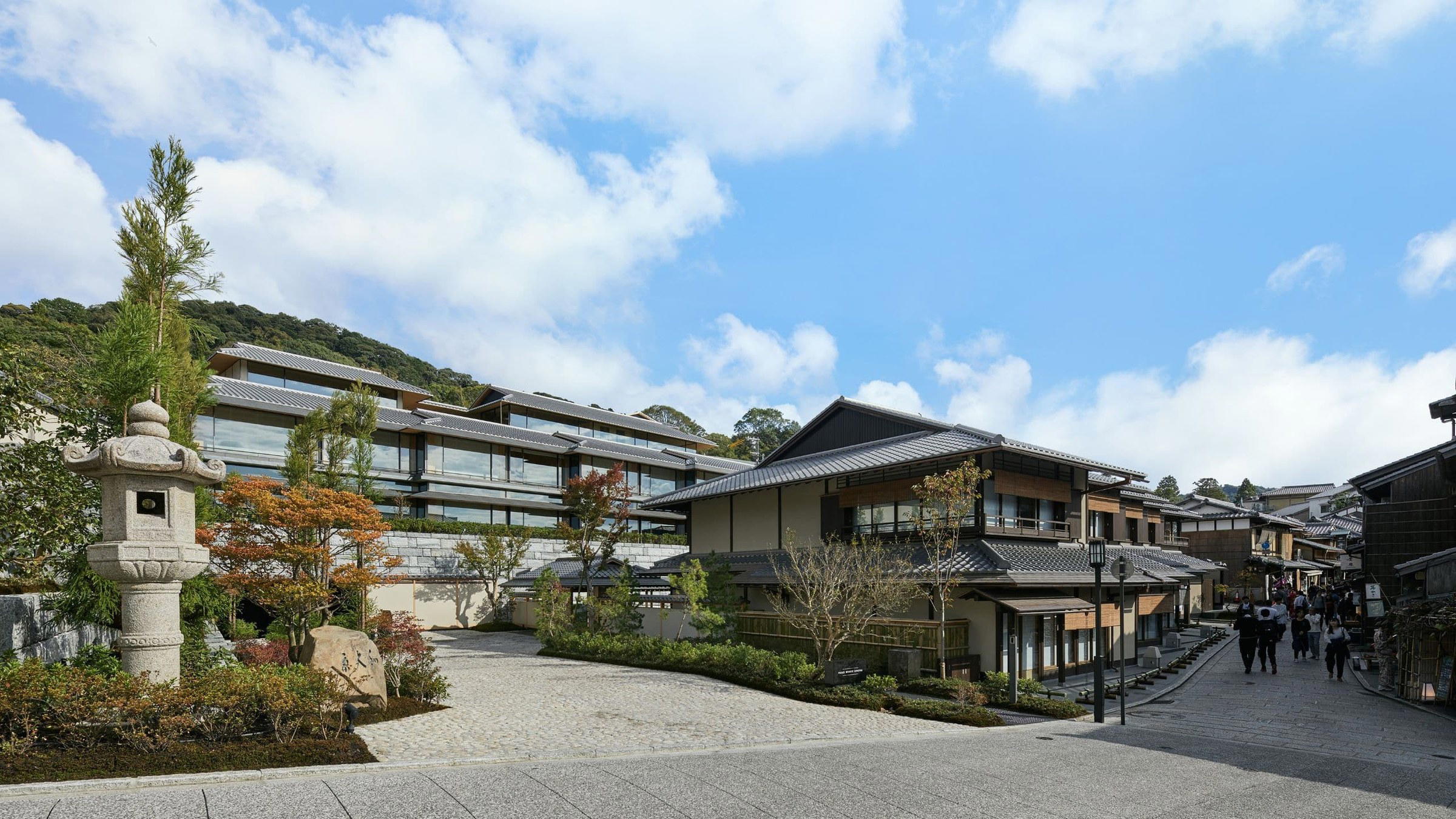
Wineries in Kyoto
Browse all →
BAR RYOZEN
The drinks
- Craft cocktails
- Zero-proof drinks
Signature drinks: Original cocktails with sake and mirin, Sake tasting sets.
Details
- Elegant
- Intimate
- Sophisticated
- Modern
- Cozy
- Date Night
- After Work
- Solo
- Special Occasion
- Casual Hangout
- Hotel Bar
- Garden
- Design Destination
- Seated Bar
- Lounge Seating
- Sake
- Craft Cocktails
- Whiskey
- Gin
- Zero Proof
- Garden
Current opening hours
- Monday
- 5–11 PM
- Tuesday
- 5–11 PM
- Wednesday
- 5–11 PM
- Thursday
- 5–11 PM
- Friday
- 5–11 PM
- Saturday
- 5–11 PM
- Sunday
- 5–11 PM
Hours can change for holidays and private events. Last verified .
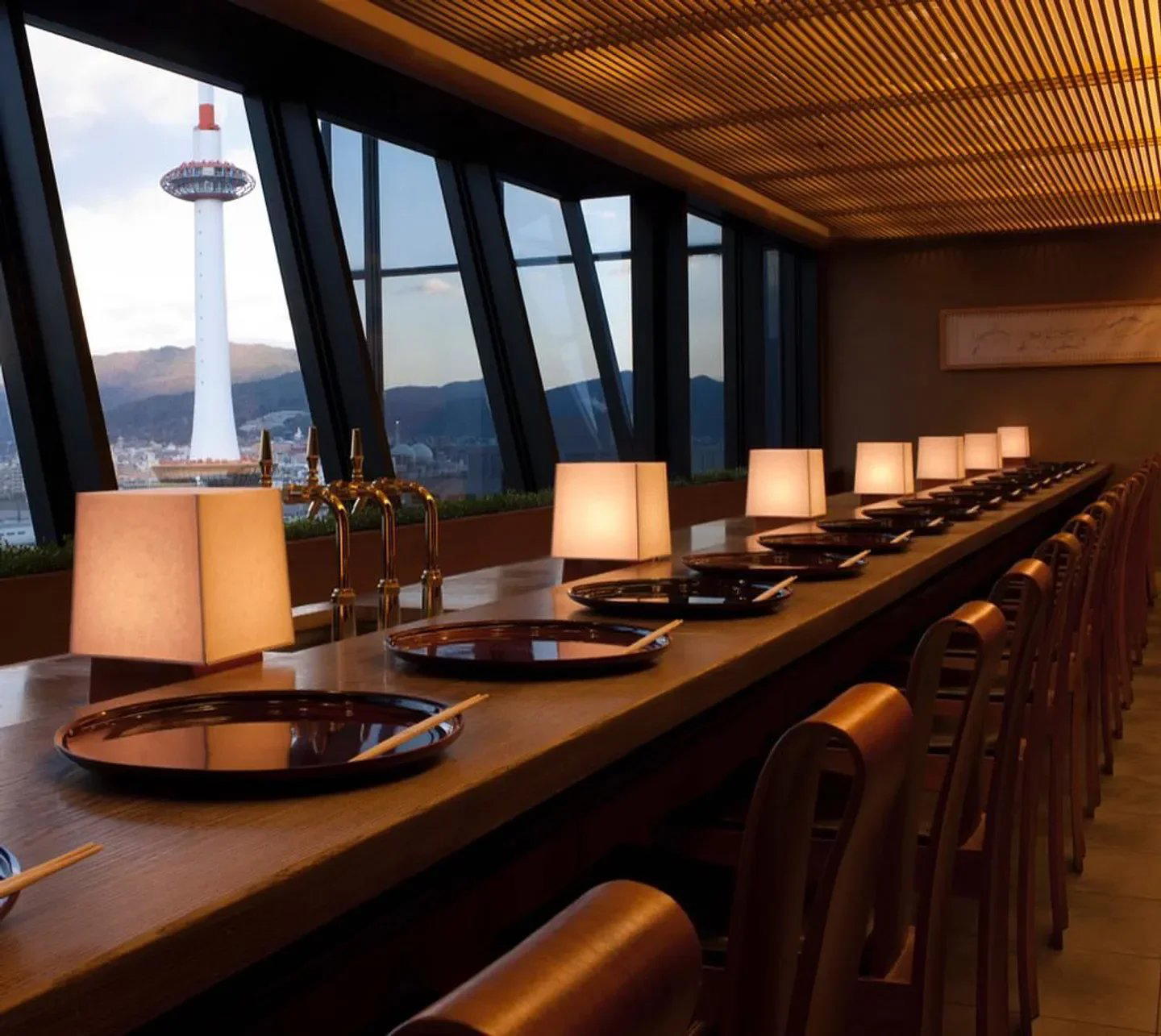
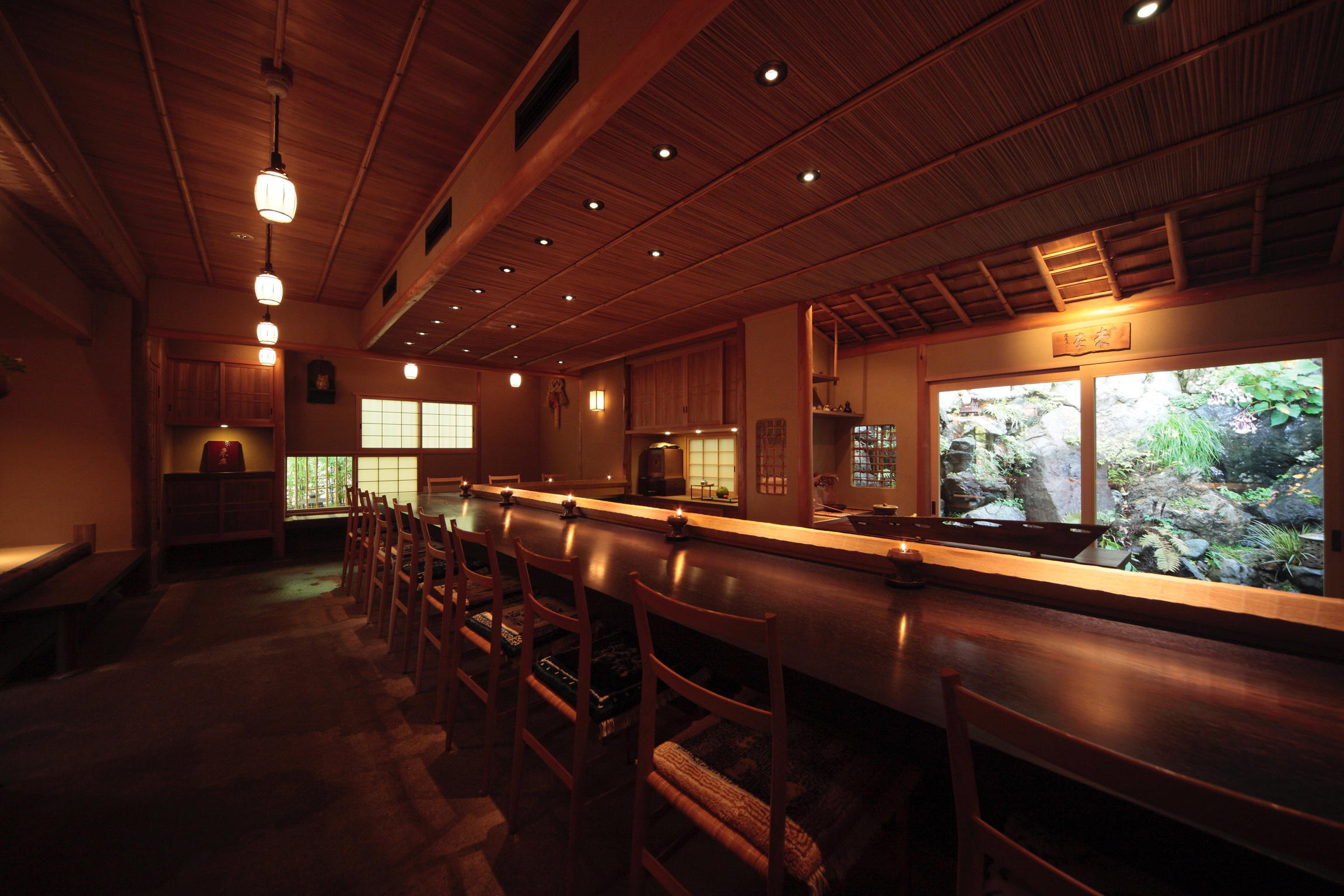
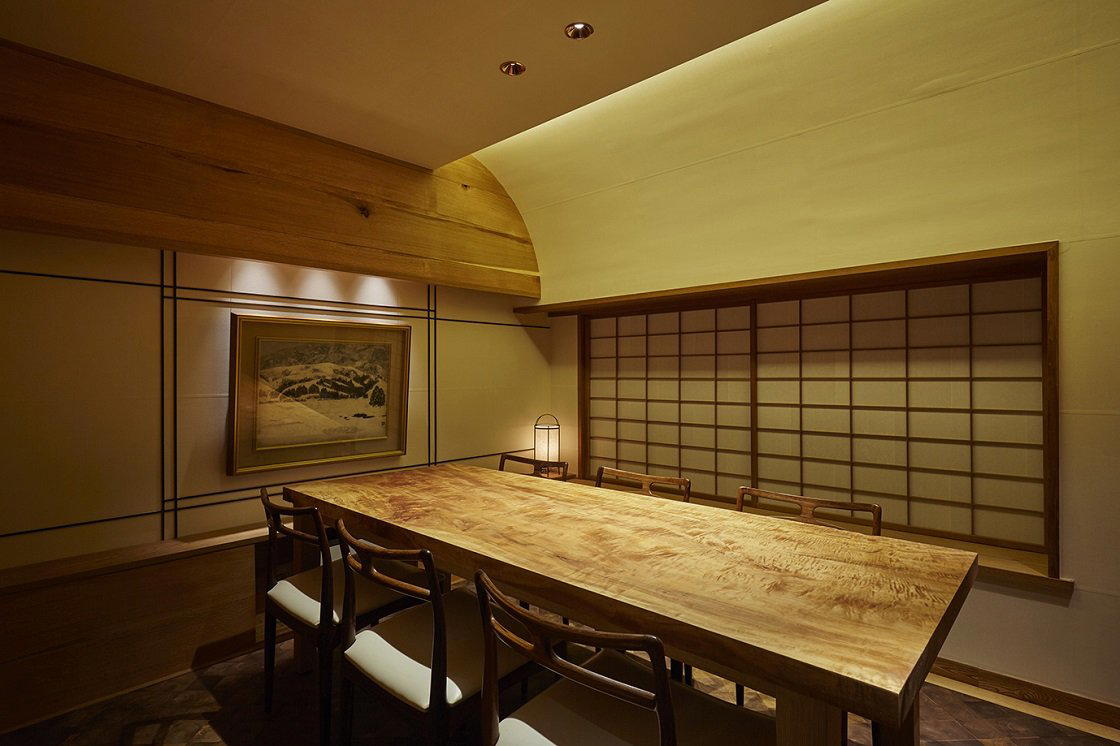
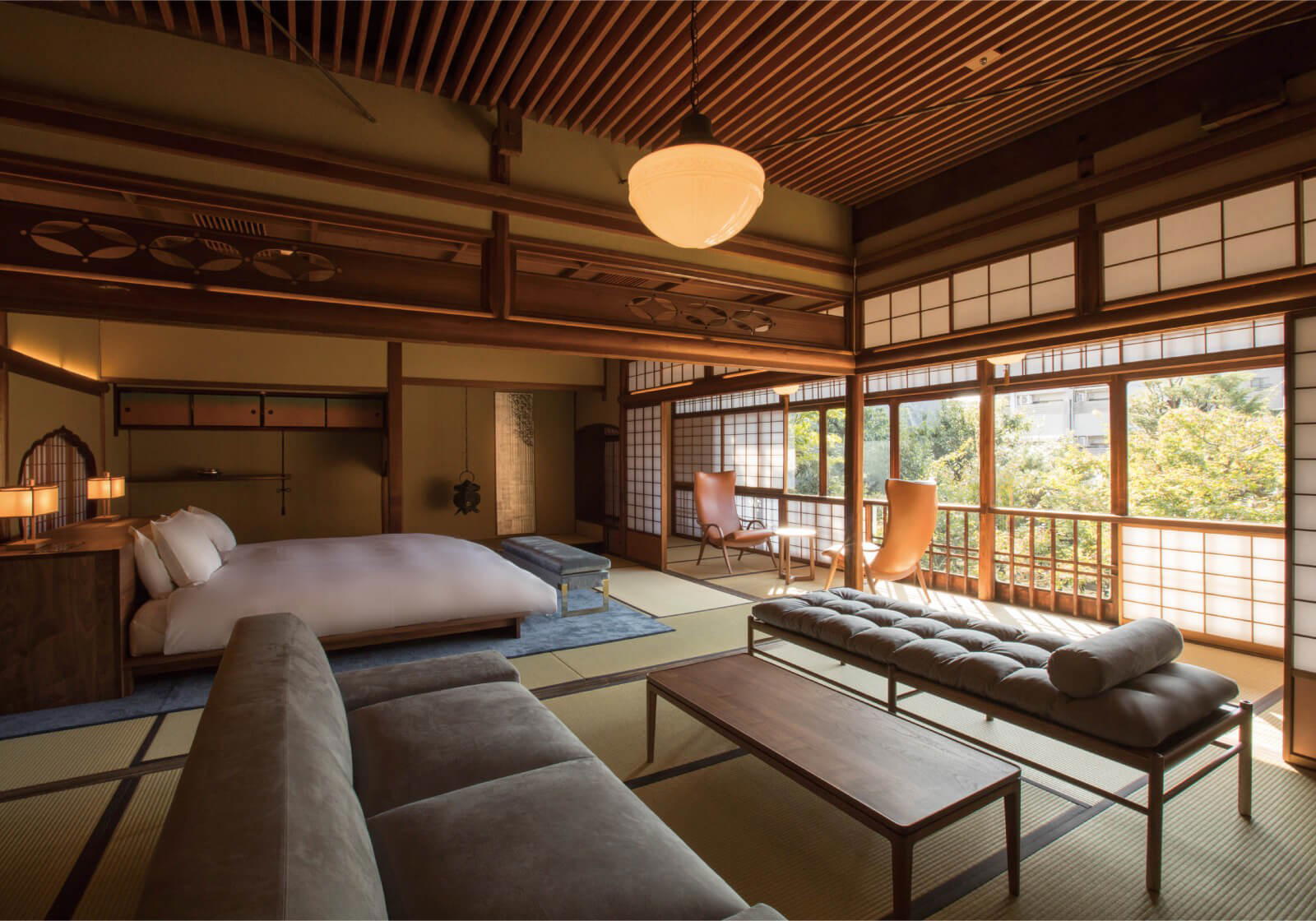
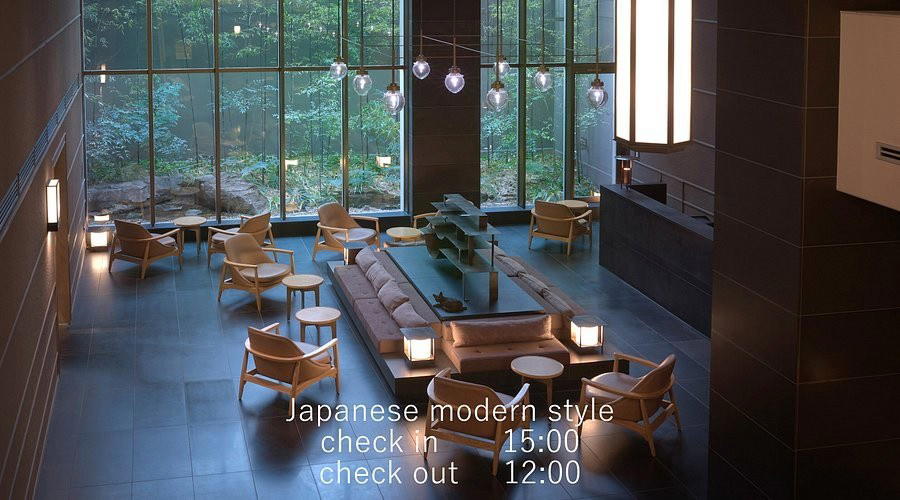
Sophisticated and quietly luxurious hotel-bar atmosphere with modern minimalist Japanese design, warm low lighting, and a relaxed, intimate feel ideal for a calm nightcap.